
1. Introduction
Planning is a comprehensive process that aims to guide the development of cities, regions, and communities in a balanced and sustainable manner. In order to achieve effective development, planning must consider various aspects of society including economic growth, social welfare, and the physical organization of land and infrastructure. These three components—economic planning, social planning, and physical planning—are closely interrelated and together form the foundation of modern planning practice.
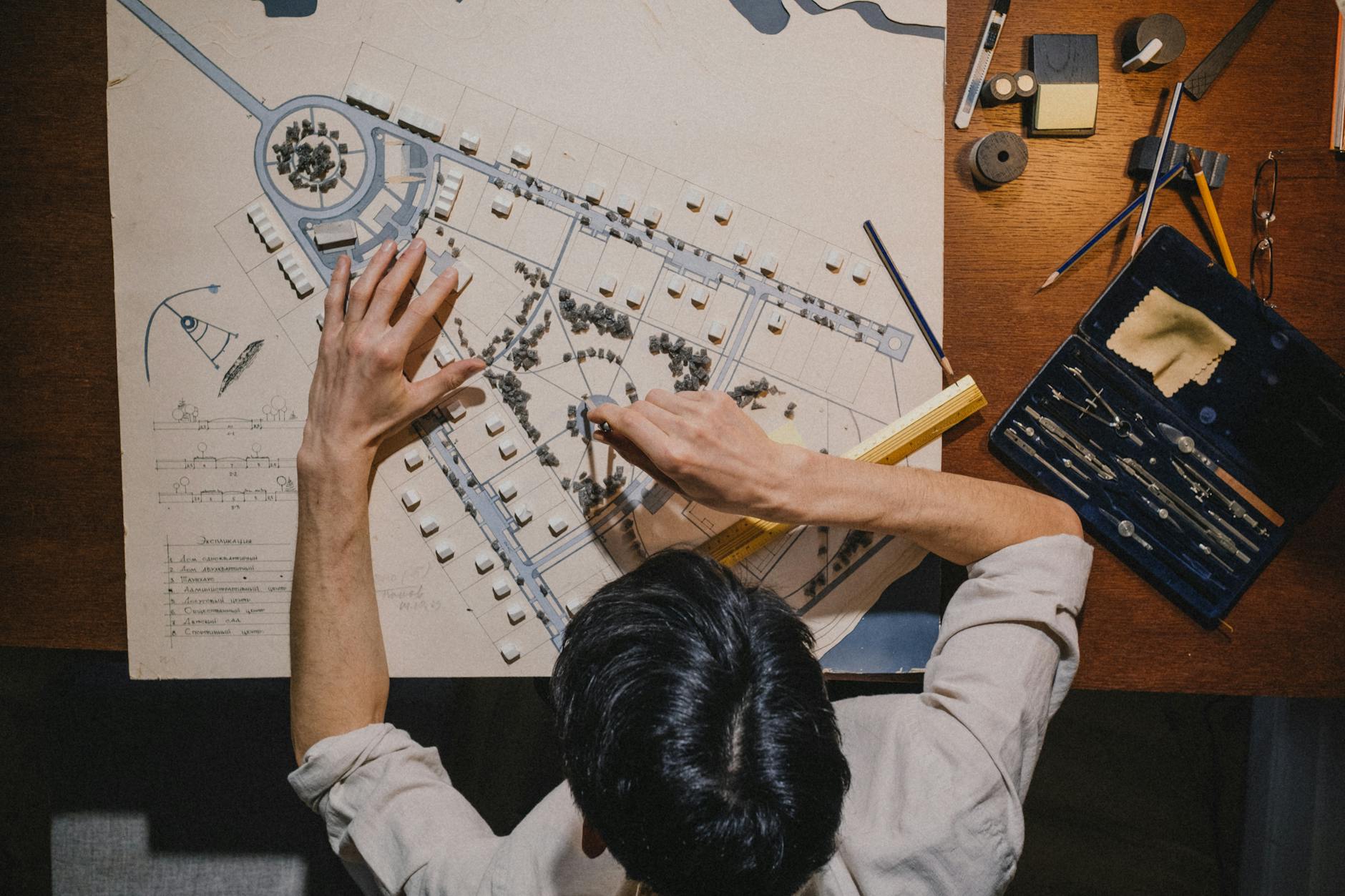
Economic planning focuses on the efficient use of resources and economic development, social planning emphasizes improvement in the quality of life and social welfare, while physical planning deals with the spatial arrangement of land uses and infrastructure. When integrated effectively, these three types of planning contribute to the creation of sustainable and livable communities.
2. Economic Planning
Economic planning refers to the process of organizing and directing economic resources and activities to achieve development goals. It focuses on the efficient allocation of resources such as land, labor, capital, and technology in order to promote economic growth and improve living standards.
Objectives of Economic Planning
The main objectives of economic planning include:
- Promoting economic growth and development
- Generating employment opportunities
- Reducing poverty and income inequality
- Ensuring efficient use of resources
- Strengthening industrial and commercial activities
Economic planning also plays a significant role in determining investment priorities and infrastructure development.
Role in Urban and Regional Development
Economic planning influences the spatial development of cities and regions by determining the location of industries, commercial centers, and economic activities. For example, industrial zones are often located near transportation networks to reduce production and transportation costs.
Economic planning also guides the development of infrastructure such as transportation systems, energy supply, and communication networks, which support economic activities.
3. Social Planning
Social planning focuses on improving the welfare and quality of life of individuals and communities. It addresses social issues such as housing, healthcare, education, employment, and social equity.
The goal of social planning is to create inclusive and equitable communities where all individuals have access to basic services and opportunities.
Objectives of Social Planning
Key objectives include:
- Improving living conditions
- Providing affordable housing
- Ensuring access to education and healthcare
- Promoting social justice and equality
- Strengthening community development
Social planning also aims to reduce social disparities and improve the well-being of vulnerable groups.
Social Infrastructure
Social planning emphasizes the provision of essential social infrastructure such as:
- Schools and universities
- Hospitals and healthcare facilities
- Community centers
- Parks and recreational areas
- Public safety services
These facilities contribute to the overall development and well-being of communities.
4. Physical Planning
Physical planning refers to the spatial organization and development of land uses, infrastructure, and built environments. It focuses on how land and physical resources are arranged and utilized within cities and regions.
Physical planning aims to create organized and functional urban environments by guiding land use, transportation networks, housing development, and infrastructure provision.
Objectives of Physical Planning
The primary objectives of physical planning include:
- Efficient land-use management
- Provision of infrastructure and public services
- Development of transportation networks
- Protection of environmental resources
- Creation of well-organized urban spaces
Physical planning also helps control urban growth and prevent unplanned development.
Components of Physical Planning
Physical planning involves several key components:
- Land-use planning
- Transportation planning
- Housing development
- Infrastructure planning
- Environmental management
Through these components, planners organize the spatial structure of cities and regions.
5. Relationship Between Economic, Social, and Physical Planning
Economic, social, and physical planning are closely interconnected and must be integrated to achieve sustainable development.
Economic Planning and Physical Planning
Economic activities require physical infrastructure and land resources. Therefore, economic planning influences the spatial distribution of industries, commercial centers, and employment zones.
Physical planning translates economic development strategies into spatial arrangements through land-use planning and infrastructure development.
Social Planning and Physical Planning
Social planning ensures that urban development meets the needs of communities by providing housing, education, healthcare, and recreational facilities.
Physical planning supports social planning by allocating land for these facilities and integrating them into urban layouts.
Integrated Planning Approach
Effective planning requires the integration of economic, social, and physical aspects to create balanced and sustainable urban development.
For example:
- Economic planning may promote industrial growth.
- Social planning ensures employment and housing for workers.
- Physical planning organizes land use and infrastructure to support these activities.
6. Importance of Integrated Planning
Integrating economic, social, and physical planning provides several benefits.
Balanced Development
It ensures that economic growth is accompanied by social welfare and efficient infrastructure development.
Efficient Resource Use
Integrated planning helps utilize land, infrastructure, and financial resources effectively.
Improved Quality of Life
By addressing social needs and providing adequate infrastructure, integrated planning improves living conditions.
Sustainable Development
Environmental protection and sustainable resource management can be better achieved through coordinated planning efforts.
7. Challenges in Integrating Planning Approaches
Although integration is essential, several challenges may arise.
- Lack of coordination between planning agencies
- Limited availability of reliable data
- Conflicting interests among stakeholders
- Institutional and administrative barriers
Addressing these challenges requires strong governance systems and interdisciplinary collaboration.
8. Conclusion
Economic, social, and physical planning together form the foundation of comprehensive planning. Economic planning focuses on resource allocation and economic growth, social planning emphasizes human welfare and community development, and physical planning organizes the spatial structure of cities and regions.
The integration of these three planning approaches is essential for achieving balanced and sustainable development. By coordinating economic activities, social welfare initiatives, and spatial development strategies, planners can create urban environments that are efficient, inclusive, and environmentally sustainable.


 Track2Training
You must be logged in to post a comment.