
1. Introduction
Town and country planning is an important discipline that focuses on the organized development and management of both urban and rural areas. It aims to ensure the efficient use of land, proper infrastructure development, environmental protection, and improved quality of life for communities. Planning helps guide the growth of cities, towns, and rural settlements in a systematic manner so that development occurs in a balanced, sustainable, and equitable way.
With increasing population growth, urbanization, and industrialization, planning has become essential to address problems such as housing shortages, traffic congestion, environmental degradation, and uneven regional development. Town and country planning provides a framework for coordinating social, economic, and physical development within a region.
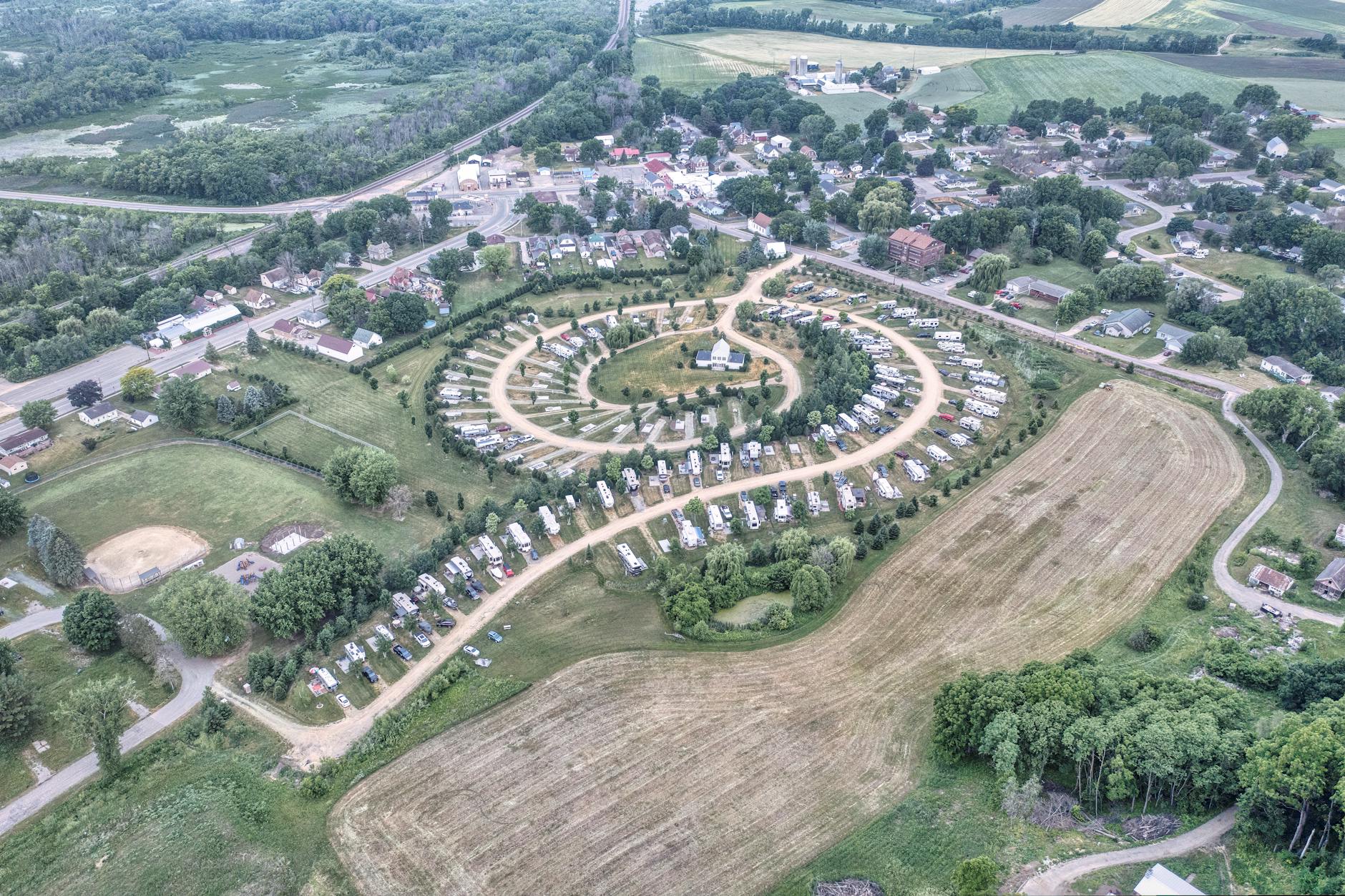
2. Meaning of Town and Country Planning
Town and country planning refers to the process of organizing and controlling the development of land and resources in both urban and rural areas. It includes the planning of settlements, infrastructure, transportation systems, public services, and environmental management.
The term “town planning” generally refers to the planning of urban areas such as cities and towns, while “country planning” focuses on rural areas including villages, agricultural land, forests, and natural resources.
Together, town and country planning aims to create well-organized and sustainable environments for human activities.
3. Definitions of Town and Country Planning
Various scholars and planning organizations have defined town and country planning in different ways.
Lewis Keeble
Lewis Keeble defined town planning as:
“The art and science of ordering the use of land and the siting of buildings and communication routes so as to secure the maximum practicable degree of economy, convenience and beauty.”
This definition highlights the importance of efficient land use, functional design, and aesthetic quality in urban development.
Patrick Geddes
Patrick Geddes emphasized the importance of understanding the relationship between people, environment, and economic activities. He introduced the idea that planning should be based on comprehensive surveys of social and environmental conditions.
His approach is often summarized through the concept of “Place, Work, and Folk.”
Town and Country Planning Association
According to the Town and Country Planning Association, planning is:
“The process of guiding the development and use of land in order to improve the quality of life and promote sustainable development.”
General Definition
In general terms, town and country planning can be defined as:
“A systematic process of organizing land use, infrastructure, and development activities in urban and rural areas to achieve orderly growth, economic efficiency, social welfare, and environmental sustainability.”
4. Goals of Planning
The goals of planning represent the broad outcomes that planning aims to achieve. These goals guide the development strategies and policies prepared by planners.
Sustainable Development
One of the major goals of planning is to promote sustainable development by balancing economic growth, social welfare, and environmental protection.
Balanced Regional Development
Planning aims to reduce disparities between urban and rural areas and promote balanced development across regions.
Efficient Use of Land and Resources
Planning ensures that land and natural resources are used efficiently and responsibly.
Improved Quality of Life
Providing better housing, infrastructure, public services, and environmental conditions helps improve the overall quality of life for residents.
Environmental Protection
Planning aims to conserve natural resources, protect ecosystems, and reduce pollution.
5. Objectives of Planning
While goals represent broad aspirations, objectives are specific targets that help achieve these goals.
Orderly Urban Development
Planning ensures that cities and towns grow in a planned and organized manner rather than through uncontrolled expansion.
Efficient Land Use
Land-use planning helps allocate land for different purposes such as residential, commercial, industrial, and recreational activities.
Infrastructure Development
Planning focuses on providing adequate infrastructure including roads, water supply, sewage systems, electricity, and public transportation.
Housing Provision
Ensuring access to safe and affordable housing is a key objective of planning.
Social Welfare
Planning aims to improve social services such as education, healthcare, recreation, and community facilities.
Economic Development
Planning supports economic growth by promoting industries, businesses, and employment opportunities.
Environmental Sustainability
Protecting natural resources and maintaining ecological balance are essential objectives of planning.
6. Importance of Town and Country Planning
Town and country planning plays an essential role in managing development and improving living conditions.
Managing Urban Growth
Planning helps control urban expansion and prevents problems such as overcrowding and slum development.
Infrastructure Coordination
Planning ensures that infrastructure systems are developed in coordination with population growth and land use.
Environmental Management
Planning helps protect natural resources and reduce environmental degradation.
Social Equity
Planning promotes equitable access to housing, services, and economic opportunities.
7. Conclusion
Town and country planning is a comprehensive discipline that guides the development and management of urban and rural areas. It involves organizing land use, infrastructure, transportation, and public services in a systematic manner to achieve sustainable and balanced development.
Various scholars such as Lewis Keeble and Patrick Geddes have defined planning as both an art and a science that integrates social, economic, and environmental considerations. The goals of planning include sustainable development, balanced regional growth, and improved quality of life, while the objectives focus on efficient land use, infrastructure provision, housing development, and environmental protection.
Effective planning is essential for creating organized, livable, and sustainable settlements that meet the needs of present and future generations.


 Track2Training
You must be logged in to post a comment.