


In-situ rehabilitation is an urban development and housing strategy aimed at improving the living conditions of informal settlement residents at the same location where they currently reside, instead of relocating them to distant peripheral sites. The core idea behind in-situ rehabilitation is simple yet powerful: people should not lose their homes, livelihoods, social networks, or access to urban opportunities in the name of development. This approach has gained prominence in rapidly urbanising countries like India, where informal settlements are deeply integrated into the urban economy.
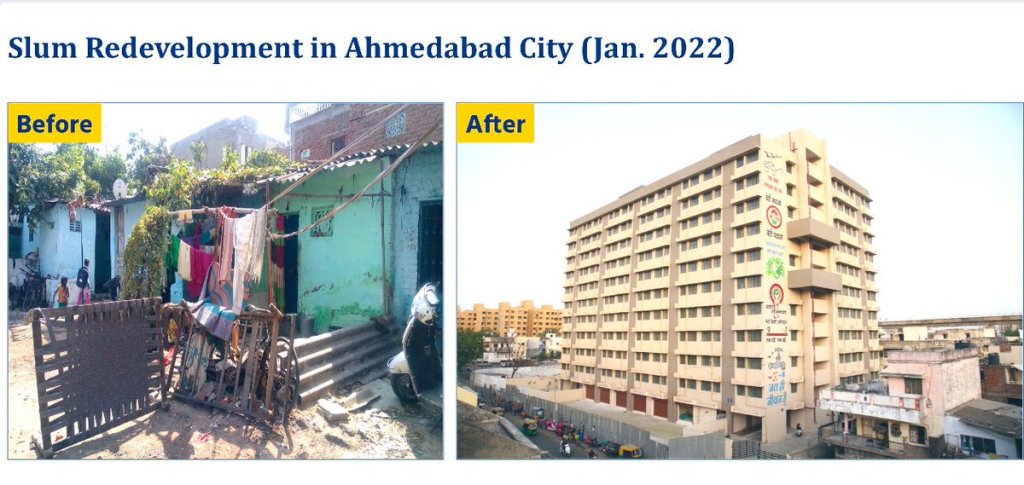
Concept and Meaning of In-Situ Rehabilitation
The term in-situ literally means “in the original place.” In-situ rehabilitation therefore refers to redevelopment or upgrading of existing slums or informal settlements without displacing the residents outside the project area. The approach may involve rebuilding houses vertically, improving infrastructure, regularising land tenure, and providing basic services such as water supply, sanitation, electricity, drainage, and road access.
Unlike relocation-based resettlement, where communities are shifted to far-off locations, in-situ rehabilitation recognises that informal settlements are often located close to employment centres, transport corridors, and social amenities. Removing people from these locations can worsen poverty, increase travel costs, and disrupt established social systems.
Objectives of In-Situ Rehabilitation
The primary objectives of in-situ rehabilitation include:
- Improving housing quality by replacing unsafe, congested, or dilapidated structures with durable and planned housing units.
- Ensuring tenure security, either through ownership rights, long-term leases, or occupancy certificates.
- Upgrading urban infrastructure, including internal roads, drainage, sewerage, water supply, solid waste management, and street lighting.
- Minimising displacement, thereby protecting livelihoods and social networks.
- Promoting inclusive urban development, where low-income communities remain part of the city rather than being pushed to the margins.
Process of In-Situ Rehabilitation
The implementation of in-situ rehabilitation generally follows a structured process:
1. Identification and Survey
The first step involves identifying eligible settlements and conducting detailed socio-economic and physical surveys. Household data, structure conditions, tenure status, and service availability are documented.
2. Community Participation and Consent
In-situ rehabilitation heavily relies on community participation. Resident consent is crucial, especially where redevelopment involves vertical construction and temporary relocation. Community engagement helps build trust and ensures that designs respond to real needs.
3. Planning and Design
Planning includes layout redesign, building typologies, density optimisation, and integration with the surrounding urban fabric. Design solutions often involve multi-storey buildings to accommodate the same population within limited land.
4. Temporary Transit Accommodation
During construction, residents may be shifted to nearby transit camps. Keeping these camps close to the original site is essential to minimise disruption.
5. Construction and Redevelopment
Housing units are constructed along with internal infrastructure and service networks. Quality control and adherence to safety standards are critical at this stage.
6. Allotment and Post-Occupancy Support
After completion, rehabilitated units are allotted to eligible beneficiaries. Post-occupancy support, such as maintenance systems and resident welfare associations, ensures long-term sustainability.
Importance and Benefits of In-Situ Rehabilitation
In-situ rehabilitation offers several social, economic, and spatial advantages:
- Livelihood protection: Residents retain access to jobs, markets, and informal economic activities.
- Social continuity: Community bonds, cultural practices, and support systems remain intact.
- Reduced urban sprawl: Redevelopment within existing city areas limits outward expansion and infrastructure costs.
- Better utilisation of urban land: Central land is optimised rather than underutilised or encroached upon.
- Improved quality of life: Access to services, safer housing, and improved public spaces enhances living conditions.
Challenges and Limitations
Despite its advantages, in-situ rehabilitation faces multiple challenges:
- Land ownership and legal disputes can delay or derail projects.
- High population density makes planning and construction complex.
- Financial viability is often dependent on cross-subsidy models, which may prioritise commercial interests.
- Temporary displacement issues arise when transit housing is inadequate or located far away.
- Maintenance concerns may emerge if residents lack capacity or institutional support post-redevelopment.
Additionally, poorly planned projects risk creating vertical slums if adequate open spaces, social infrastructure, and livelihood considerations are ignored.
In-Situ Rehabilitation in the Indian Context
In India, in-situ rehabilitation has been promoted under national urban housing initiatives, particularly as part of slum redevelopment and affordable housing policies. Cities such as Mumbai, Delhi, Ahmedabad, and Hyderabad have implemented varying models of in-situ redevelopment, with mixed outcomes. Successful projects are typically those where community participation, transparent governance, and contextual planning are prioritised.
Conclusion
In-situ rehabilitation represents a progressive shift in urban planning—from eviction and relocation towards inclusion, dignity, and rights-based development. When executed thoughtfully, it not only transforms physical living conditions but also strengthens social equity and urban resilience. However, its success depends on sensitive planning, strong institutional frameworks, financial transparency, and meaningful community engagement. As cities continue to grow, in-situ rehabilitation will remain a critical tool for achieving sustainable and inclusive urban development.
 Track2Training
You must be logged in to post a comment.