
1. Introduction
Planning is an essential process that guides the orderly growth and development of human settlements. With increasing urbanization, population growth, and economic expansion, the need for systematic planning has become more important than ever. Planning helps organize land use, infrastructure, transportation, housing, and environmental resources in a way that improves living conditions and ensures sustainable development.
Town and country planning focuses on the development and management of both urban and rural areas. It involves analyzing existing conditions, forecasting future needs, and designing strategies to guide physical, social, and economic development. Through effective planning, governments and planners aim to create balanced, efficient, and sustainable environments that meet the needs of present and future generations.
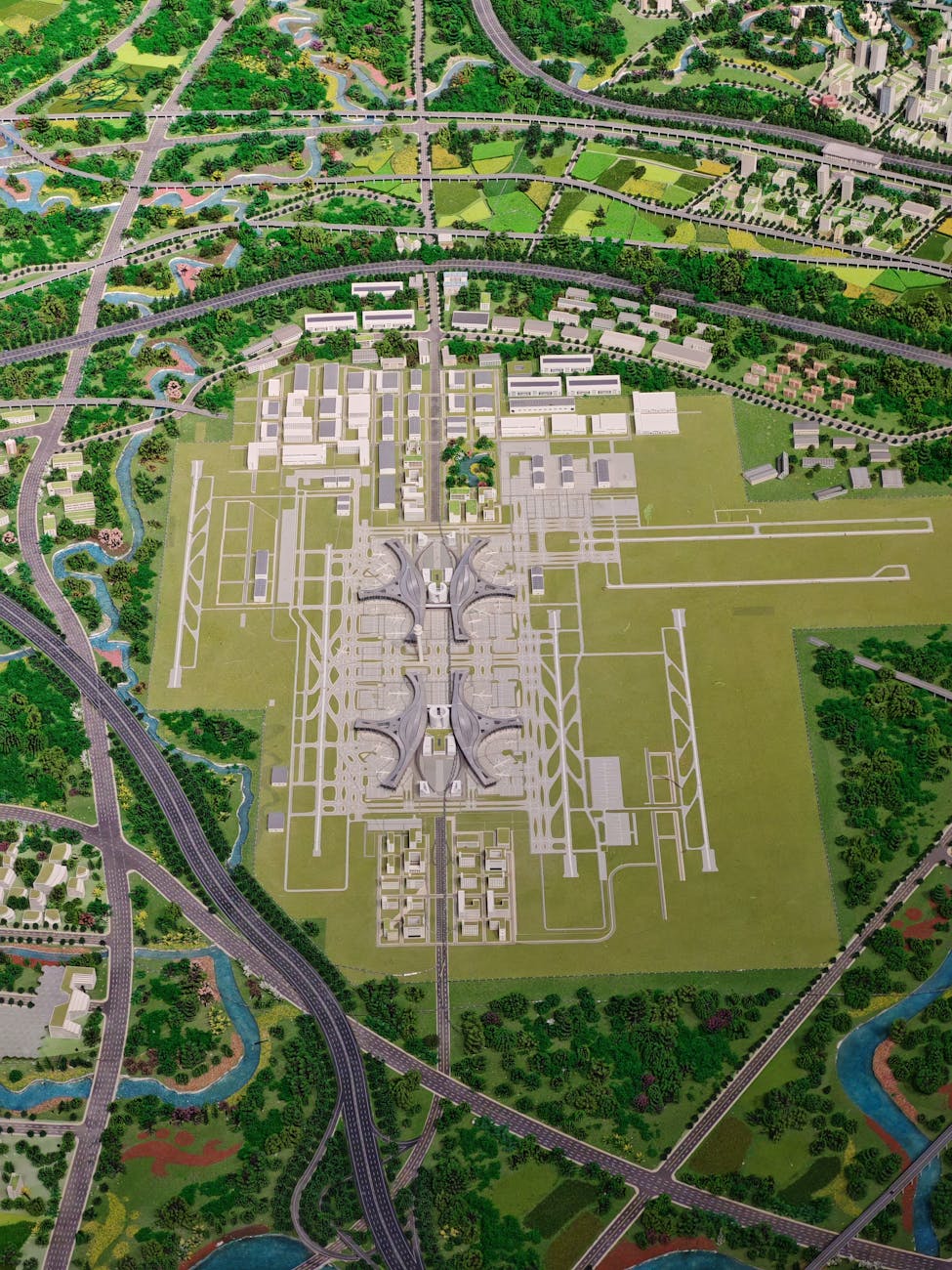
2. Definitions of Town and Country Planning
Various scholars and planning organizations have defined town and country planning from different perspectives. Some of the important definitions are discussed below.
Lewis Keeble (1969) defined town planning as “the art and science of ordering the use of land and siting of buildings and communication routes so as to secure the maximum practicable degree of economy, convenience and beauty.”
Patrick Geddes, a pioneer of modern planning, emphasized the importance of understanding the relationship between people, place, and work. According to him, planning should be based on a comprehensive study of regional conditions and social structures.
F. J. Osborn described town and country planning as “the art and science of organizing land use and physical development to achieve the best living conditions for the community.”
According to the Town and Country Planning Association (TCPA), planning is the process of guiding the development and use of land to improve the quality of life and promote sustainable development.
These definitions highlight that planning is both a scientific and creative discipline that aims to organize land use, infrastructure, and urban form in a way that benefits society.
3. Basis of Planning
Planning is based on several fundamental principles and considerations that guide the development process. These principles form the foundation for preparing development plans and policies.
3.1 Social Basis
Planning aims to improve the quality of life for all sections of society. It ensures equitable distribution of resources, access to housing, education, healthcare, and public services.
3.2 Economic Basis
Economic considerations are important in planning because development requires investment and efficient use of resources. Planning supports economic growth by promoting industrial development, employment opportunities, and infrastructure development.
3.3 Physical and Spatial Basis
Planning focuses on the spatial organization of land uses such as residential, commercial, industrial, and recreational areas. It also determines the layout of transportation networks and public facilities.
3.4 Environmental Basis
Environmental sustainability is a key basis of planning. Planners aim to protect natural resources, maintain ecological balance, and reduce pollution.
3.5 Administrative and Legal Basis
Planning is implemented through policies, regulations, zoning laws, and development control mechanisms established by governments and planning authorities.
4. Goals and Objectives of Planning
Planning aims to achieve several broad goals that contribute to the overall development and well-being of communities.
4.1 Efficient Land Use
Planning ensures that land is used in the most efficient and appropriate manner for residential, commercial, industrial, and recreational purposes.
4.2 Improvement of Living Conditions
One of the major objectives of planning is to provide adequate housing, infrastructure, and public services that improve the quality of life.
4.3 Sustainable Development
Planning promotes sustainable use of natural resources and reduces environmental impacts of urban development.
4.4 Balanced Regional Development
Planning helps reduce disparities between developed and underdeveloped regions by promoting balanced growth.
4.5 Improved Transportation and Accessibility
Planning ensures efficient transportation systems that improve mobility and connectivity within cities and regions.
4.6 Social Equity and Inclusion
Planning seeks to create inclusive communities by ensuring equal access to opportunities, services, and public spaces.
5. Components of Planning
Planning involves several key components that together form the planning process.
5.1 Survey and Data Collection
The first step in planning is to collect data on population, land use, infrastructure, economy, environment, and social conditions.
5.2 Analysis
Collected data is analyzed to identify problems, trends, and opportunities.
5.3 Forecasting
Planners predict future growth trends such as population increase, economic development, and infrastructure demand.
5.4 Plan Formulation
Based on analysis and forecasts, planners prepare development plans, policies, and strategies.
5.5 Implementation
The plan is implemented through government policies, regulations, investment programs, and development projects.
5.6 Monitoring and Evaluation
Planning is a continuous process. Plans must be monitored and updated based on changing conditions.
6. Benefits of Planning
Planning provides several important benefits for cities, regions, and communities.
6.1 Orderly Development
Planning prevents chaotic and unregulated growth by guiding development in a systematic manner.
6.2 Efficient Infrastructure Provision
Planning helps ensure that infrastructure such as roads, water supply, electricity, and sanitation is provided efficiently.
6.3 Improved Environmental Quality
Planning protects natural resources and promotes sustainable development practices.
6.4 Economic Growth
By creating efficient urban systems and infrastructure, planning supports economic activities and investment.
6.5 Better Living Conditions
Planning improves housing, transportation, public spaces, and community facilities.
6.6 Disaster Risk Reduction
Planning helps reduce vulnerability to natural disasters through proper land-use planning and infrastructure design.
7. Arguments in Favour of Planning
Supporters of planning emphasize its importance in managing urban growth and improving living conditions.
7.1 Control of Urban Growth
Planning helps regulate urban expansion and prevent problems such as overcrowding and slum development.
7.2 Efficient Resource Use
Planning ensures optimal use of land, infrastructure, and natural resources.
7.3 Long-Term Vision
Planning allows governments to prepare for future growth and development needs.
7.4 Social Welfare
Planning promotes equitable distribution of services and opportunities among different social groups.
7.5 Environmental Protection
Planning helps protect ecosystems and maintain environmental balance.
8. Arguments Against Planning
Despite its benefits, planning has also faced criticism from some scholars and policymakers.
8.1 Bureaucratic Delays
Planning processes can sometimes become slow and complicated due to administrative procedures.
8.2 Lack of Flexibility
Rigid planning regulations may restrict innovation and private sector initiatives.
8.3 Implementation Challenges
Even well-prepared plans may fail due to lack of funding, political support, or institutional capacity.
8.4 Market Interference
Some critics argue that excessive planning interferes with free market mechanisms.
8.5 Political Influence
Planning decisions may sometimes be influenced by political interests rather than public welfare.
9. Conclusion
Planning is a crucial discipline that guides the development of towns, cities, and regions in a systematic and sustainable manner. Various scholars have defined town and country planning as a process that integrates scientific analysis, policy formulation, and spatial design to improve living conditions and manage land use effectively.
The basis of planning lies in social, economic, environmental, and spatial considerations. Planning aims to achieve goals such as efficient land use, improved living conditions, sustainable development, and balanced regional growth. Through components such as data collection, analysis, plan formulation, and implementation, planning helps manage the complex processes of urban and regional development.
Although planning faces certain challenges and criticisms, its benefits in promoting orderly development, environmental protection, and social welfare make it an essential tool for managing modern urban growth and ensuring sustainable futures for communities.


 Track2Training
You must be logged in to post a comment.