
1. Introduction
Urban and regional planning involves the preparation of various types of plans to guide the growth and development of cities, towns, and regions. These plans provide a framework for land use, infrastructure development, transportation systems, environmental protection, and socio-economic development. Since urban areas are complex and constantly changing, planners prepare different types of plans at various spatial and administrative levels to address specific development needs.
Development plans help ensure orderly growth, efficient use of land and resources, and improved living conditions for residents. They also provide guidelines for government agencies, private developers, and communities to coordinate development activities. Different planning approaches such as master plans, city development plans, structure plans, district plans, action area plans, subject plans, comprehensive plans, and zonal plans are used depending on the scope and objectives of planning.
2. Definition of Development Plan
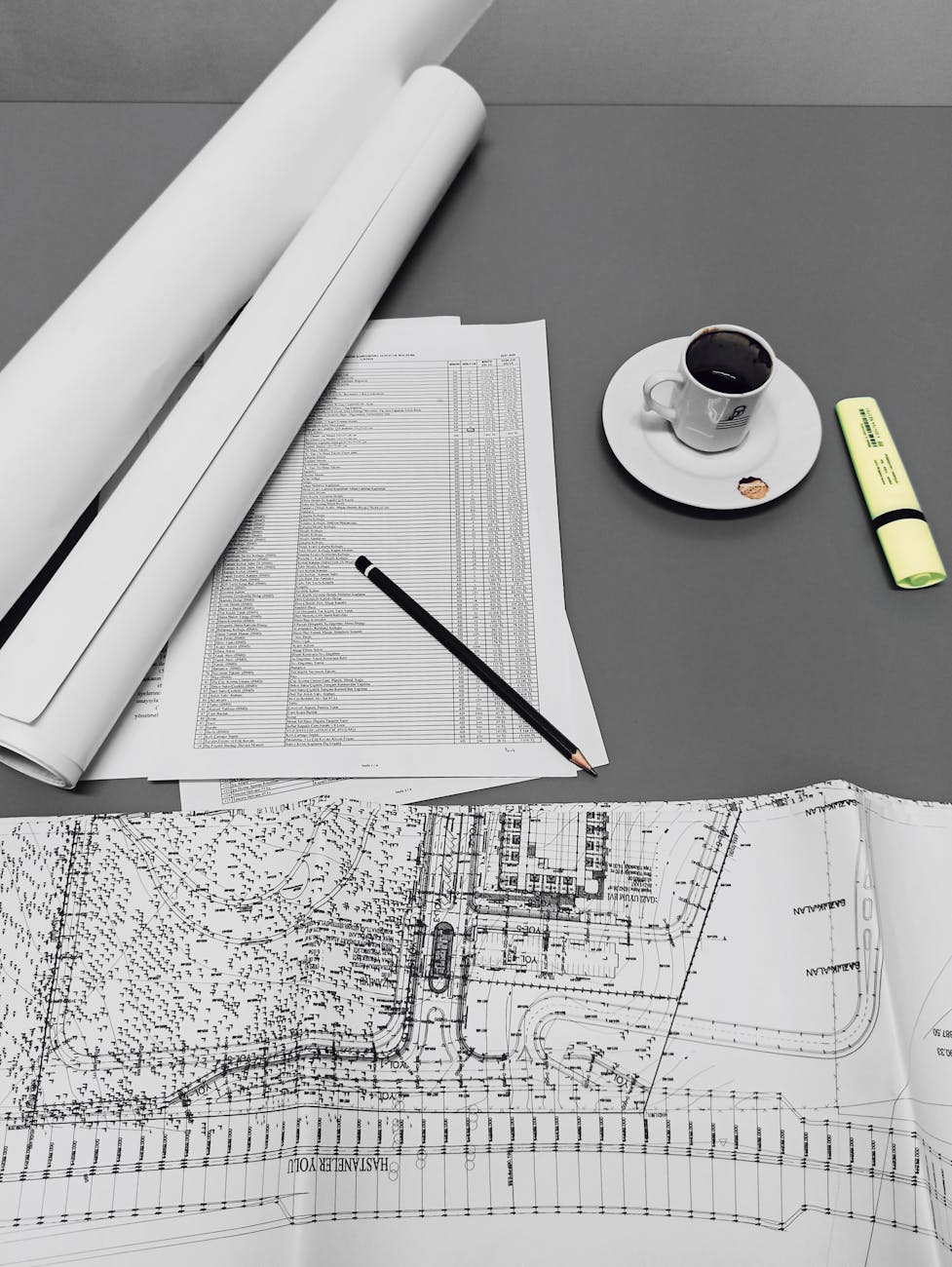
A development plan is a comprehensive document prepared by planning authorities that outlines the proposed land use, infrastructure systems, transportation networks, and development strategies for a specific area over a defined period of time.
It provides guidelines and policies for the future growth of cities and regions while ensuring efficient land use, environmental protection, and improved quality of life.
In simple terms, a development plan can be defined as:
“A systematic plan that guides the physical, social, and economic development of an area by organizing land use, infrastructure, transportation, and public services over a specified planning period.”
Development plans typically cover a long-term planning horizon of 20–25 years, although they are periodically reviewed and updated to reflect changing conditions.
3. Types of Development Plans
Urban and regional planning involves several types of plans, each serving a specific purpose and operating at different levels of detail.
3.1 Master Plan
A Master Plan is one of the most important and widely used planning instruments in urban planning. It provides a long-term vision for the development of a city or town.
The master plan guides the spatial growth of the city by defining land-use patterns, transportation networks, infrastructure systems, and development policies.
Features of Master Plan
- Long-term planning horizon (usually 20–25 years)
- Comprehensive coverage of urban development
- Allocation of land for different uses such as residential, commercial, industrial, and recreational
- Provision of infrastructure and public services
- Regulation of urban growth and land use
Master plans are usually prepared by planning authorities and implemented through development regulations and zoning laws.
3.2 City Development Plan (CDP)
A City Development Plan (CDP) is a strategic planning document that focuses on improving urban infrastructure, governance, and service delivery.
City development plans became prominent in India through urban development programs such as the Jawaharlal Nehru National Urban Renewal Mission (JNNURM).
Characteristics of City Development Plans
- Focus on economic development and urban infrastructure
- Emphasis on investment planning
- Identification of priority projects
- Encouragement of public–private partnerships
- Focus on improving urban governance and service delivery
Unlike master plans, CDPs focus more on strategic development and investment planning rather than detailed land-use regulation.
3.3 Structure Plan
A Structure Plan provides a broad framework for the development of large urban areas or regions. It identifies major land uses, transportation corridors, growth areas, and infrastructure systems.
Structure plans operate at a strategic level and provide guidelines for more detailed local plans.
Key Characteristics
- Broad spatial framework for development
- Identification of growth corridors and development zones
- Integration of transportation and land-use planning
- Guidance for preparation of detailed local plans
Structure plans are often used in metropolitan regions or rapidly expanding cities.
3.4 District Plan
A District Plan focuses on development within a district administrative boundary. It integrates both urban and rural development within the district.
District planning aims to promote balanced development by coordinating infrastructure, economic activities, and public services across towns and villages.
Objectives of District Planning
- Balanced regional development
- Improvement of rural and urban infrastructure
- Coordination between local governments
- Efficient allocation of resources
District planning plays an important role in decentralized planning systems.
3.5 Action Area Plan
An Action Area Plan is a detailed plan prepared for a specific development area within a city. It focuses on implementing development projects in a designated area.
Features of Action Area Plan
- Detailed land-use and infrastructure planning
- Implementation-oriented approach
- Focus on specific development projects
- Preparation of development guidelines and regulations
Action area plans are commonly used in urban redevelopment projects, new town development, and special planning zones.
3.6 Subject Plan
A Subject Plan focuses on a specific sector or theme of urban development rather than the entire city.
Examples include:
- Transportation plan
- Housing plan
- Environmental management plan
- Solid waste management plan
- Water supply plan
Subject plans help address specific urban challenges by providing specialized strategies and policies.
3.7 Comprehensive Plan
A Comprehensive Plan is a broad planning framework that integrates various aspects of development including physical, economic, social, and environmental factors.
It aims to provide a holistic approach to urban and regional development.
Components of Comprehensive Planning
- Land-use planning
- Transportation systems
- Housing policies
- Environmental protection
- Economic development
- Social infrastructure
Comprehensive planning ensures coordination among different sectors and promotes sustainable development.
3.8 Zonal Plan
A Zonal Plan is a detailed plan prepared for a specific zone within a city. It translates the broader proposals of the master plan into more detailed land-use and development regulations.
Cities are usually divided into several planning zones for effective management and implementation of development plans.
Features of Zonal Plan
- Detailed land-use regulations
- Building guidelines and development controls
- Infrastructure provision
- Implementation of master plan proposals at local level
Zonal plans provide more precise planning guidelines for development within specific areas of the city.
4. Importance of Different Types of Plans
Different types of planning documents are necessary because urban development occurs at multiple levels and scales.
Each type of plan serves a specific purpose:
- Master plans provide long-term development frameworks.
- City development plans focus on infrastructure and investment priorities.
- Structure plans guide large-scale spatial development.
- District plans integrate urban and rural development.
- Action area plans support project-level implementation.
- Subject plans address specific sectors.
- Zonal plans provide detailed development regulations.
Together, these plans ensure coordinated and systematic development of cities and regions.
5. Conclusion
Planning involves the preparation of various types of development plans to guide urban and regional growth. A development plan provides a structured framework for organizing land use, infrastructure systems, and development policies to achieve sustainable and orderly development.
Different planning instruments such as master plans, city development plans, structure plans, district plans, action area plans, subject plans, comprehensive plans, and zonal plans operate at different spatial and administrative levels. Each plan serves a unique role in addressing specific planning challenges and guiding development activities.
The effective integration of these planning tools helps ensure efficient resource use, improved infrastructure, balanced development, and enhanced quality of life for urban and rural communities.


 Track2Training
You must be logged in to post a comment.