
1. Introduction
Urbanisation refers to the process by which an increasing proportion of a country’s population lives in urban areas such as cities and towns. It is closely associated with economic development, industrialisation, and modernization. Urbanisation leads to the growth and expansion of cities as people migrate from rural areas in search of better employment opportunities, education, healthcare, and improved living conditions.
In India, urbanisation has accelerated significantly since independence due to industrial growth, expansion of service sectors, and improved transportation and communication networks. Although India is still considered a predominantly rural country, the urban population has been steadily increasing over the decades. According to recent census trends, a significant proportion of India’s population now lives in urban areas, and this number is expected to continue rising in the coming years.
Urbanisation has brought many benefits such as economic growth, improved infrastructure, and increased access to services. However, rapid and unplanned urbanisation has also created numerous challenges and problems related to housing, infrastructure, transportation, environment, and social inequality. Understanding the process of urbanisation and the problems associated with it is therefore essential for effective urban planning and sustainable development.
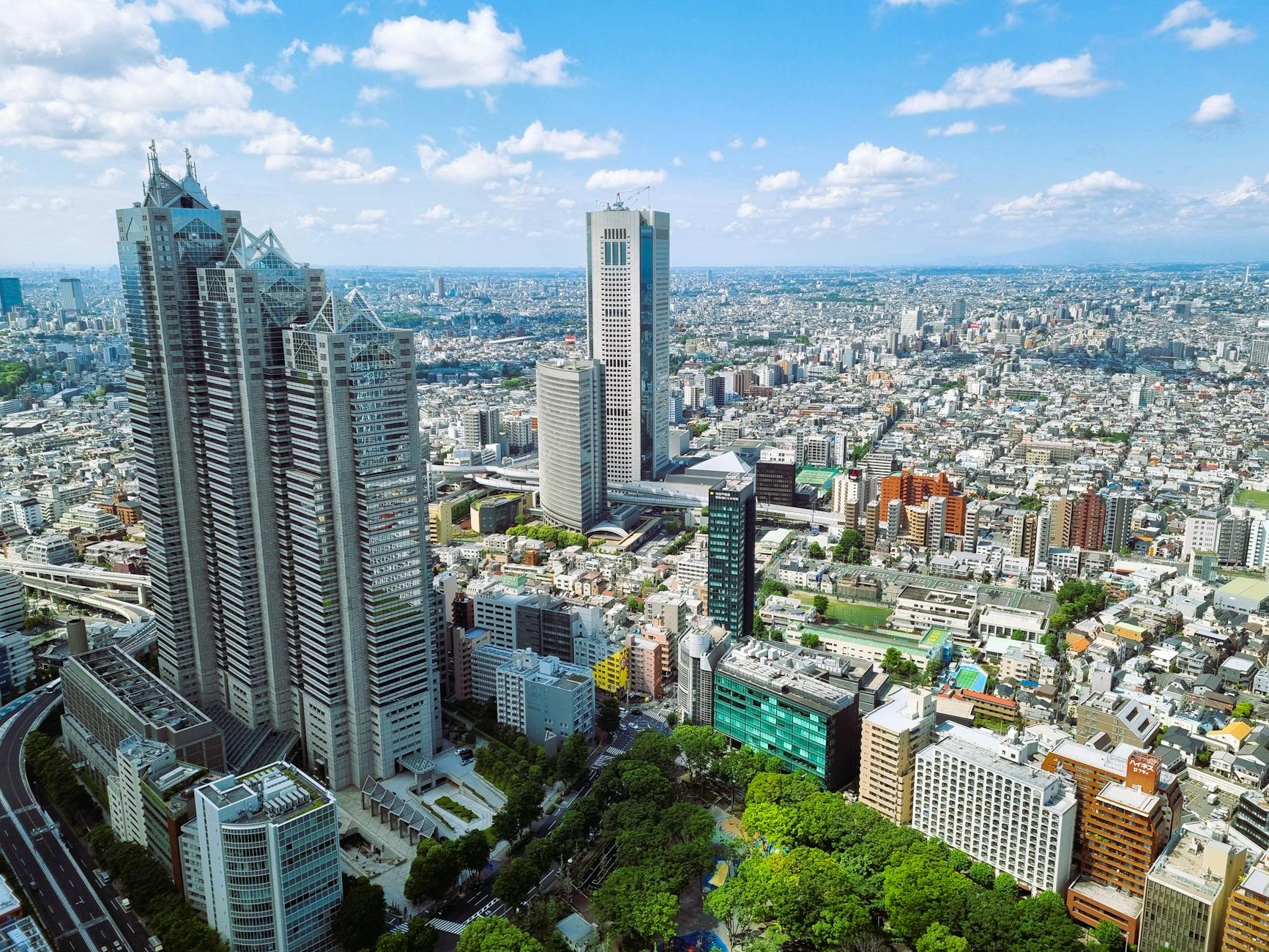
2. Meaning and Characteristics of Urbanisation
Urbanisation can be defined as the increase in the proportion of people living in urban areas and the expansion of urban settlements. It involves not only population growth in cities but also changes in economic activities, social structures, and spatial patterns.
Some key characteristics of urbanisation include:
- Growth of cities and towns
- Migration from rural to urban areas
- Expansion of urban boundaries
- Increase in industrial and service sector activities
- Transformation of rural settlements into urban areas
- Development of infrastructure and transportation networks
Urbanisation often leads to the emergence of metropolitan cities, megacities, and urban corridors.
3. Trends of Urbanisation in India
Urbanisation in India has evolved gradually over the past century. At the time of independence in 1947, only a small percentage of the population lived in urban areas. However, industrialization, economic reforms, and globalization have accelerated the pace of urban growth.
Major Trends
- Rapid Urban Population Growth The urban population in India has increased significantly over the decades due to natural population growth and rural–urban migration.
- Growth of Metropolitan Cities Major cities such as Delhi, Mumbai, Kolkata, Chennai, Bengaluru, and Hyderabad have experienced rapid expansion and have become large metropolitan regions.
- Emergence of Mega Cities Several Indian cities now have populations exceeding ten million, creating large metropolitan clusters.
- Urban Expansion and Urban Sprawl Cities are expanding beyond their traditional boundaries into surrounding rural areas, resulting in suburbanization and peri-urban development.
- Growth of Small and Medium Towns Apart from large metropolitan cities, smaller towns are also growing due to improved connectivity and economic opportunities.
Urbanisation in India is expected to continue increasing as economic activities become more concentrated in urban areas.
4. Causes of Urbanisation in India
Urbanisation in India is influenced by several economic, social, and technological factors.
4.1 Industrialization
The growth of industries in cities attracts workers from rural areas seeking employment opportunities. Industrial development has historically been one of the major drivers of urbanisation.
4.2 Economic Opportunities
Urban areas offer diverse employment opportunities in sectors such as manufacturing, services, information technology, trade, and finance.
4.3 Rural–Urban Migration
Many people migrate from rural areas to cities in search of better livelihoods, education, healthcare, and improved living standards.
4.4 Educational and Healthcare Facilities
Cities provide better access to educational institutions, hospitals, and specialized services that are often not available in rural areas.
4.5 Infrastructure and Connectivity
Improved transportation, communication, and infrastructure systems have facilitated the growth of cities and increased mobility of people.
4.6 Government Policies and Urban Development Programs
Government initiatives promoting industrial corridors, smart cities, and urban infrastructure have also contributed to urban expansion.
5. Urban Problems in India
While urbanisation has contributed to economic growth and modernization, rapid and unplanned urban growth has created several urban problems. These problems arise mainly due to inadequate planning, limited resources, and high population pressures.
5.1 Housing Shortage and Slums
One of the most serious urban problems in India is the shortage of affordable housing. Rapid population growth in cities has led to the development of informal settlements and slums where people live in overcrowded and unhealthy conditions.
Slums often lack basic services such as clean water, sanitation, drainage, and electricity.
5.2 Traffic Congestion and Transportation Problems
Rapid growth in the number of vehicles and inadequate public transportation systems have resulted in severe traffic congestion in many cities.
Long travel times, road accidents, and air pollution are common consequences of transportation problems.
5.3 Inadequate Urban Infrastructure
Urban infrastructure such as water supply, sewage systems, drainage networks, and waste management facilities often fail to keep pace with population growth.
This results in frequent water shortages, flooding during heavy rains, and poor sanitation conditions.
5.4 Environmental Pollution
Urbanisation has significantly increased environmental pollution in cities.
Major environmental issues include:
- Air pollution from vehicles and industries
- Water pollution due to untreated sewage
- Solid waste accumulation
- Noise pollution
These environmental problems have serious impacts on public health and urban ecosystems.
5.5 Urban Poverty and Social Inequality
Despite economic growth, many urban residents live in poverty and lack access to basic services.
Urban poverty is characterized by:
- Informal employment
- Low wages
- Inadequate housing
- Limited access to education and healthcare
Social inequality is often visible in the contrast between well-developed urban areas and informal settlements.
5.6 Unplanned Urban Growth
In many cities, development occurs without proper planning or regulation. This results in chaotic land use patterns, encroachment on public land, and loss of open spaces.
Urban sprawl also increases infrastructure costs and reduces environmental sustainability.
5.7 Waste Management Issues
Rapid population growth leads to large volumes of solid waste. Many cities face challenges in collecting, processing, and disposing of waste efficiently.
Improper waste management contributes to environmental pollution and health hazards.
5.8 Urban Flooding
Poor drainage systems and encroachment on natural water bodies often lead to urban flooding during heavy rainfall. Flooding disrupts transportation, damages property, and affects livelihoods.
6. Role of Urban Planning in Addressing Urban Problems
Urban planning plays a critical role in addressing the challenges associated with urbanisation. Effective planning strategies can help manage urban growth and improve living conditions.
Key planning approaches include:
- Preparation of master plans and development plans
- Promotion of affordable housing programs
- Development of efficient public transportation systems
- Implementation of sustainable land-use planning
- Protection of green spaces and water bodies
- Improvement of waste management and sanitation systems
Planning policies such as Transit-Oriented Development (TOD), smart city initiatives, and sustainable urban mobility plans are increasingly being used to address urban challenges.
7. Conclusion
Urbanisation in India has been driven by economic development, industrialization, and migration from rural areas. While urbanisation has contributed to economic growth and improved access to services, rapid and unplanned urban expansion has created numerous challenges such as housing shortages, traffic congestion, environmental pollution, and inadequate infrastructure.
Addressing these urban problems requires effective planning, strong governance, and sustainable development strategies. Urban planners must focus on integrated approaches that balance economic growth, social equity, and environmental sustainability. By adopting well-planned urban development policies and improving infrastructure systems, cities can become more livable, resilient, and inclusive for future generations.


 Track2Training
You must be logged in to post a comment.