
1. Introduction
Planning is a systematic and organized process of guiding the development of cities, regions, and communities in order to achieve balanced, efficient, and sustainable growth. It involves anticipating future needs, analyzing present conditions, and formulating strategies that help manage land use, infrastructure, transportation, housing, environment, and public services. Planning is therefore concerned with shaping the physical, social, and economic development of human settlements.
The discipline of planning emerged as a response to rapid urbanization, industrialization, and population growth, which created problems such as overcrowding, inadequate housing, traffic congestion, environmental degradation, and unequal access to services. Through scientific analysis and strategic decision-making, planning aims to improve the quality of life for communities and ensure that development occurs in an orderly and sustainable manner.
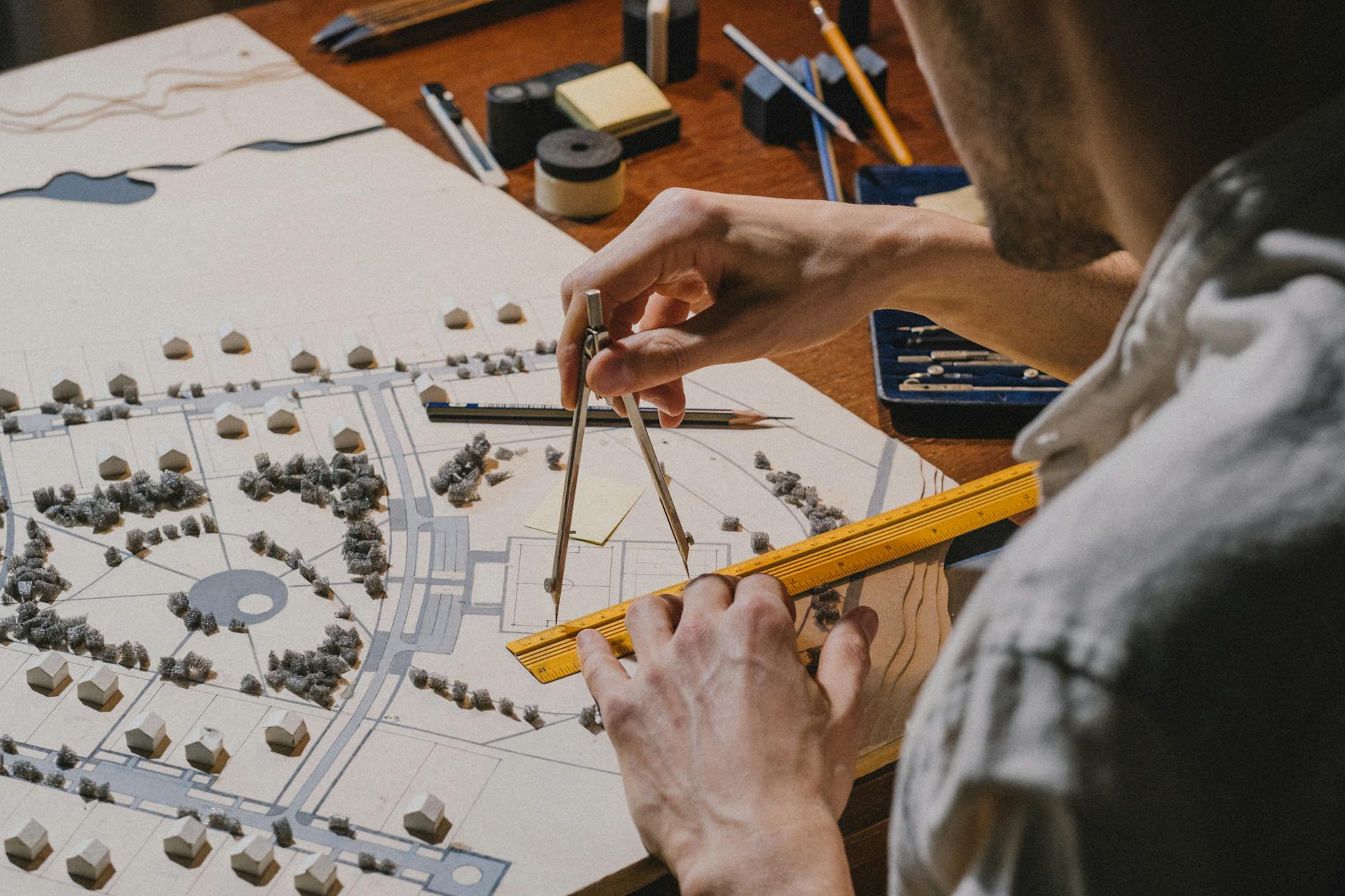
Urban and regional planning today plays a crucial role in addressing contemporary challenges such as climate change, sustainable mobility, resource management, and inclusive urban development. It provides a framework for coordinating different sectors of development and aligning them with long-term societal goals.
Defining Planning as a Discipline
Planning as a discipline can be defined as a systematic process of analyzing present conditions, forecasting future needs, and designing policies and strategies to guide the development and management of land, infrastructure, and resources for the welfare of society.
In academic and professional contexts, planning is both a scientific and a creative discipline. It involves analytical techniques such as data collection, statistical analysis, spatial analysis, and modeling, as well as creative design approaches to shape urban spaces and environments.
Planning operates at different spatial scales, including:
- National Planning – focusing on overall development strategies of a country.
- Regional Planning – addressing development across regions or states.
- Urban Planning – dealing with the planning and management of cities and towns.
- Local Planning – focusing on neighborhood or community-level development.
The discipline combines technical analysis, policy formulation, and spatial design to guide development in a coordinated and efficient manner.
Planning also involves decision-making under uncertainty, as planners must anticipate future demographic, economic, and environmental trends and prepare strategies accordingly.
Multidisciplinary Nature of Planning
One of the defining characteristics of planning is its multidisciplinary nature. Cities and regions are complex systems influenced by many factors such as population growth, economic activities, transportation networks, environmental conditions, and governance structures. Therefore, planners must integrate knowledge from multiple disciplines to understand and address urban issues effectively.
1. Urban Design and Architecture
Urban design and architecture provide knowledge about the physical form of cities, including building design, street patterns, public spaces, and urban aesthetics. These disciplines help planners create functional, attractive, and human-centered environments.
2. Geography and Spatial Analysis
Geography contributes to understanding spatial patterns of land use, population distribution, and environmental features. Geographic Information Systems (GIS) and spatial analysis tools are widely used in planning to analyze urban growth and identify suitable development areas.
3. Economics
Economics plays a significant role in planning because development projects require financial resources and economic feasibility. Economic analysis helps planners understand market dynamics, investment patterns, employment generation, and economic growth.
4. Sociology and Demography
Cities are social systems where people interact and form communities. Sociology and demography help planners understand population characteristics, social behavior, cultural practices, and community needs. This knowledge is essential for inclusive and equitable planning.
5. Environmental Science
Environmental science contributes to sustainable planning by addressing issues such as climate change, pollution, natural resource management, biodiversity conservation, and disaster risk reduction.
6. Transportation Engineering
Transportation systems are essential for mobility and accessibility in cities. Transportation engineering provides knowledge about traffic flow, public transport systems, road design, and travel behavior, helping planners develop efficient mobility networks.
7. Public Policy and Governance
Planning decisions are implemented through government policies, regulations, and institutions. Knowledge of governance systems, legal frameworks, and administrative procedures is therefore essential for effective planning.
Because of this multidisciplinary foundation, planning is often described as a bridge between science, technology, social sciences, and design disciplines.
Role of a Planner
A planner plays a critical role in shaping the development of cities and regions. The planner acts as an analyst, strategist, coordinator, and facilitator in the planning process.
1. Analyst
One of the primary roles of a planner is to analyze existing conditions. This includes collecting and interpreting data related to population, land use, transportation, housing, environment, and economic activities. Through surveys, mapping, and statistical analysis, planners identify problems and opportunities within urban systems.
2. Visionary and Strategist
Planners develop long-term visions and strategies for urban and regional development. They prepare master plans, development plans, and policy frameworks that guide future growth and infrastructure development.
These plans aim to ensure balanced development, efficient land use, and improved quality of life.
3. Designer of Urban Spaces
In collaboration with architects and urban designers, planners contribute to the design of public spaces, neighborhoods, and urban infrastructure. They ensure that urban environments are functional, accessible, and aesthetically appealing.
4. Coordinator
Planning projects involve multiple stakeholders, including government agencies, private developers, community groups, and technical experts. The planner acts as a coordinator who facilitates collaboration among these stakeholders and ensures that their interests are balanced.
5. Policy Advisor
Planners also play an important role in advising governments on policy decisions related to land use, transportation, housing, environmental protection, and infrastructure development.
They evaluate alternative policy options and recommend strategies that promote sustainable and equitable development.
6. Facilitator of Public Participation
Modern planning emphasizes participatory approaches in which communities actively contribute to decision-making processes. Planners engage with citizens through public consultations, workshops, and stakeholder meetings to ensure that development plans reflect the needs and aspirations of local communities.
7. Promoter of Sustainable Development
A key responsibility of planners today is to promote sustainable development. This includes encouraging compact urban growth, improving public transportation, protecting natural resources, and reducing environmental impacts.
Skills Required for Planners
To perform these roles effectively, planners need a combination of technical, analytical, and interpersonal skills.
Important skills include:
- Spatial analysis and GIS mapping
- Data analysis and research methods
- Communication and negotiation skills
- Policy analysis
- Urban design understanding
- Project management
These skills help planners address complex urban challenges and develop integrated solutions.
Importance of Planning in Modern Cities
Planning is essential for managing urban growth and improving living conditions in cities. Without proper planning, cities may face problems such as traffic congestion, inadequate housing, environmental degradation, and inefficient land use.
Effective planning helps achieve:
- Efficient infrastructure development
- Improved mobility and accessibility
- Sustainable environmental management
- Social equity and inclusion
- Economic growth and investment
- Better quality of life for citizens
As cities continue to grow rapidly, the importance of planning will become even greater.
Conclusion
Planning is a dynamic and multidisciplinary discipline that integrates knowledge from various fields to guide the development of cities and regions. It involves analyzing present conditions, forecasting future needs, and designing strategies that promote sustainable and equitable development.
The multidisciplinary nature of planning allows planners to address complex urban challenges by combining insights from architecture, economics, sociology, environmental science, transportation engineering, and governance. The role of a planner extends beyond technical analysis to include visioning, coordination, policy formulation, and community engagement.
In an era of rapid urbanization and environmental challenges, planners play a crucial role in shaping sustainable and livable cities. By integrating scientific knowledge, creative design, and participatory decision-making, the planning discipline contributes significantly to the overall well-being of society.


You must be logged in to post a comment.