Definitions and Basis of Planning

1. Introduction

Planning is an essential process that guides the orderly growth and development of human settlements. With increasing urbanization, population growth, and economic expansion, the need for systematic planning has become more important than ever. Planning helps organize land use, infrastructure, transportation, housing, and environmental resources in a way that improves living conditions and ensures sustainable development.

Town and country planning focuses on the development and management of both urban and rural areas. It involves analyzing existing conditions, forecasting future needs, and designing strategies to guide physical, social, and economic development. Through effective planning, governments and planners aim to create balanced, efficient, and sustainable environments that meet the needs of present and future generations.

Photo by Peter Xie on Pexels.com

2. Definitions of Town and Country Planning

Various scholars and planning organizations have defined town and country planning from different perspectives. Some of the important definitions are discussed below.

Lewis Keeble (1969) defined town planning as โ€œthe art and science of ordering the use of land and siting of buildings and communication routes so as to secure the maximum practicable degree of economy, convenience and beauty.โ€

Patrick Geddes, a pioneer of modern planning, emphasized the importance of understanding the relationship between people, place, and work. According to him, planning should be based on a comprehensive study of regional conditions and social structures.

F. J. Osborn described town and country planning as โ€œthe art and science of organizing land use and physical development to achieve the best living conditions for the community.โ€

According to the Town and Country Planning Association (TCPA), planning is the process of guiding the development and use of land to improve the quality of life and promote sustainable development.

These definitions highlight that planning is both a scientific and creative discipline that aims to organize land use, infrastructure, and urban form in a way that benefits society.


3. Basis of Planning

Planning is based on several fundamental principles and considerations that guide the development process. These principles form the foundation for preparing development plans and policies.

3.1 Social Basis

Planning aims to improve the quality of life for all sections of society. It ensures equitable distribution of resources, access to housing, education, healthcare, and public services.

3.2 Economic Basis

Economic considerations are important in planning because development requires investment and efficient use of resources. Planning supports economic growth by promoting industrial development, employment opportunities, and infrastructure development.

3.3 Physical and Spatial Basis

Planning focuses on the spatial organization of land uses such as residential, commercial, industrial, and recreational areas. It also determines the layout of transportation networks and public facilities.

3.4 Environmental Basis

Environmental sustainability is a key basis of planning. Planners aim to protect natural resources, maintain ecological balance, and reduce pollution.

3.5 Administrative and Legal Basis

Planning is implemented through policies, regulations, zoning laws, and development control mechanisms established by governments and planning authorities.


4. Goals and Objectives of Planning

Planning aims to achieve several broad goals that contribute to the overall development and well-being of communities.

4.1 Efficient Land Use

Planning ensures that land is used in the most efficient and appropriate manner for residential, commercial, industrial, and recreational purposes.

4.2 Improvement of Living Conditions

One of the major objectives of planning is to provide adequate housing, infrastructure, and public services that improve the quality of life.

4.3 Sustainable Development

Planning promotes sustainable use of natural resources and reduces environmental impacts of urban development.

4.4 Balanced Regional Development

Planning helps reduce disparities between developed and underdeveloped regions by promoting balanced growth.

4.5 Improved Transportation and Accessibility

Planning ensures efficient transportation systems that improve mobility and connectivity within cities and regions.

4.6 Social Equity and Inclusion

Planning seeks to create inclusive communities by ensuring equal access to opportunities, services, and public spaces.


5. Components of Planning

Planning involves several key components that together form the planning process.

5.1 Survey and Data Collection

The first step in planning is to collect data on population, land use, infrastructure, economy, environment, and social conditions.

5.2 Analysis

Collected data is analyzed to identify problems, trends, and opportunities.

5.3 Forecasting

Planners predict future growth trends such as population increase, economic development, and infrastructure demand.

5.4 Plan Formulation

Based on analysis and forecasts, planners prepare development plans, policies, and strategies.

5.5 Implementation

The plan is implemented through government policies, regulations, investment programs, and development projects.

5.6 Monitoring and Evaluation

Planning is a continuous process. Plans must be monitored and updated based on changing conditions.


6. Benefits of Planning

Planning provides several important benefits for cities, regions, and communities.

6.1 Orderly Development

Planning prevents chaotic and unregulated growth by guiding development in a systematic manner.

6.2 Efficient Infrastructure Provision

Planning helps ensure that infrastructure such as roads, water supply, electricity, and sanitation is provided efficiently.

6.3 Improved Environmental Quality

Planning protects natural resources and promotes sustainable development practices.

6.4 Economic Growth

By creating efficient urban systems and infrastructure, planning supports economic activities and investment.

6.5 Better Living Conditions

Planning improves housing, transportation, public spaces, and community facilities.

6.6 Disaster Risk Reduction

Planning helps reduce vulnerability to natural disasters through proper land-use planning and infrastructure design.


7. Arguments in Favour of Planning

Supporters of planning emphasize its importance in managing urban growth and improving living conditions.

7.1 Control of Urban Growth

Planning helps regulate urban expansion and prevent problems such as overcrowding and slum development.

7.2 Efficient Resource Use

Planning ensures optimal use of land, infrastructure, and natural resources.

7.3 Long-Term Vision

Planning allows governments to prepare for future growth and development needs.

7.4 Social Welfare

Planning promotes equitable distribution of services and opportunities among different social groups.

7.5 Environmental Protection

Planning helps protect ecosystems and maintain environmental balance.


8. Arguments Against Planning

Despite its benefits, planning has also faced criticism from some scholars and policymakers.

8.1 Bureaucratic Delays

Planning processes can sometimes become slow and complicated due to administrative procedures.

8.2 Lack of Flexibility

Rigid planning regulations may restrict innovation and private sector initiatives.

8.3 Implementation Challenges

Even well-prepared plans may fail due to lack of funding, political support, or institutional capacity.

8.4 Market Interference

Some critics argue that excessive planning interferes with free market mechanisms.

8.5 Political Influence

Planning decisions may sometimes be influenced by political interests rather than public welfare.


9. Conclusion

Planning is a crucial discipline that guides the development of towns, cities, and regions in a systematic and sustainable manner. Various scholars have defined town and country planning as a process that integrates scientific analysis, policy formulation, and spatial design to improve living conditions and manage land use effectively.

The basis of planning lies in social, economic, environmental, and spatial considerations. Planning aims to achieve goals such as efficient land use, improved living conditions, sustainable development, and balanced regional growth. Through components such as data collection, analysis, plan formulation, and implementation, planning helps manage the complex processes of urban and regional development.

Although planning faces certain challenges and criticisms, its benefits in promoting orderly development, environmental protection, and social welfare make it an essential tool for managing modern urban growth and ensuring sustainable futures for communities.

Daily writing prompt
What activities do you lose yourself in?

Integration of Knowledge of All Subjects to Understand the Dynamics of Planning Projects (Small and Large Scale)

1. Introduction

Urban and regional planning is a multidisciplinary field that requires the integration of knowledge from various academic disciplines to address complex urban and regional challenges. Planning projects, whether small-scale neighborhood developments or large-scale metropolitan infrastructure initiatives, involve multiple dimensions such as land use, transportation, environment, socio-economic factors, governance, and community participation. Therefore, planners must combine theoretical knowledge and practical skills from different subjects to understand the dynamics of planning processes and implement effective solutions.

Photo by Ivan S on Pexels.com

The integration of knowledge enables planners to analyze urban systems comprehensively and make informed decisions that balance economic development, environmental sustainability, and social equity. Planning projects do not operate in isolation; they are influenced by multiple interacting factors such as demographic trends, transportation networks, infrastructure availability, policy frameworks, and financial constraints. Understanding these dynamics requires the application of knowledge gained from diverse subjects such as urban planning theory, transportation planning, environmental planning, economics, sociology, architecture, geography, and public administration.


2. Multidisciplinary Nature of Planning

Planning is inherently multidisciplinary because cities and regions function as complex systems. A planner must understand how different sectors interact and influence each other. For instance, transportation systems affect land use patterns, economic activities influence housing demand, and environmental factors determine the sustainability of urban growth.

Various subjects contribute to the planning process:

  • Urban Planning and Design provide knowledge about land use patterns, spatial organization, and urban form.
  • Transportation Planning helps in understanding mobility patterns, traffic management, and accessibility.
  • Environmental Planning addresses issues related to sustainability, climate change, pollution control, and resource management.
  • Economics explains investment patterns, market forces, and economic feasibility of projects.
  • Sociology and Demography provide insights into population dynamics, social equity, and community needs.
  • Geography and GIS help in spatial analysis and mapping of urban systems.
  • Public Policy and Governance guide the implementation of planning strategies through regulatory frameworks.

The integration of these disciplines helps planners develop comprehensive solutions to urban problems.


3. Understanding the Dynamics of Planning Projects

Planning projects are dynamic processes involving multiple stages such as problem identification, data collection, analysis, planning, implementation, and monitoring. Each stage requires the application of knowledge from different subjects.

For example, in a transportation corridor project, planners must analyze travel behavior, land-use patterns, economic activity, and environmental impacts. Similarly, in housing development projects, factors such as affordability, infrastructure provision, social inclusion, and environmental sustainability must be considered simultaneously.

The dynamic nature of planning projects arises from several factors:

  1. Interconnected Systems โ€“ Urban systems such as transportation, housing, and economy influence each other.
  2. Changing Demographics โ€“ Population growth and migration patterns affect demand for infrastructure and services.
  3. Technological Advancements โ€“ Innovations in transportation, communication, and construction change planning approaches.
  4. Policy and Governance Changes โ€“ Government policies and regulations shape planning decisions.
  5. Environmental Challenges โ€“ Climate change and resource scarcity require sustainable planning solutions.

Understanding these dynamics requires a holistic perspective that integrates knowledge from multiple fields.


4. Integration of Subjects in Small-Scale Planning Projects

Small-scale planning projects typically involve neighborhood-level interventions such as park development, street redesign, community facilities, and local housing improvements. Although these projects may appear simple, they still require interdisciplinary knowledge.

For example, a neighborhood park development project requires:

  • Urban Design knowledge to create attractive and functional public spaces.
  • Environmental Planning knowledge to ensure ecological sustainability and proper landscaping.
  • Sociological understanding to address community needs and preferences.
  • Economic analysis to estimate project costs and benefits.
  • Transportation planning to ensure accessibility and pedestrian connectivity.

Similarly, street improvement projects involve knowledge of traffic engineering, pedestrian behavior, safety standards, and urban design principles.

Small-scale projects often emphasize community participation. Planners must engage with residents, understand their needs, and incorporate local knowledge into the planning process. This participatory approach requires communication skills and understanding of social dynamics.


5. Integration of Subjects in Large-Scale Planning Projects

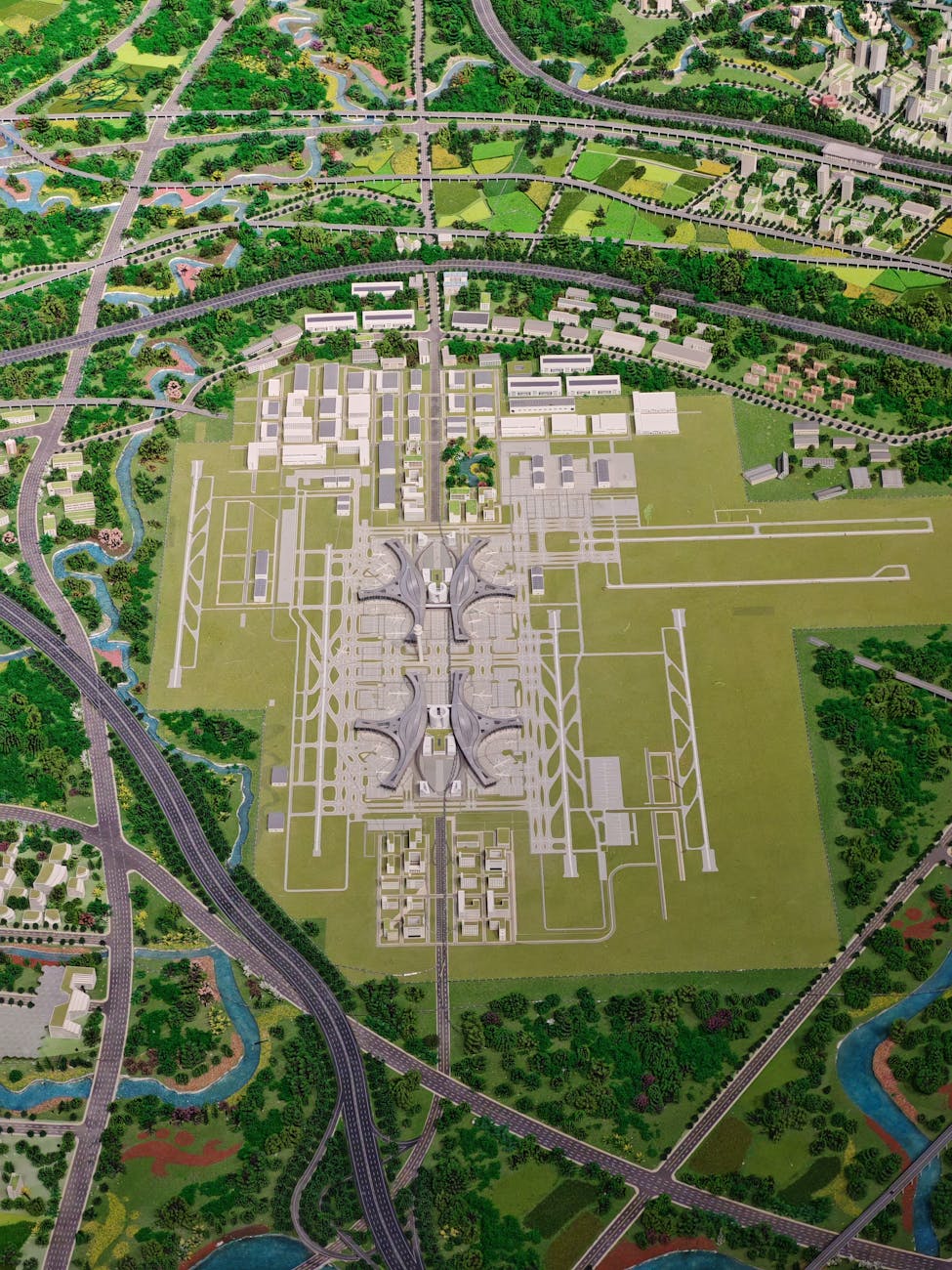
Large-scale planning projects involve complex systems and long-term impacts. Examples include metropolitan transport systems, smart city development, regional infrastructure networks, and urban redevelopment programs.

Such projects require the integration of multiple disciplines at a much broader scale.

Transportation and Land Use Integration

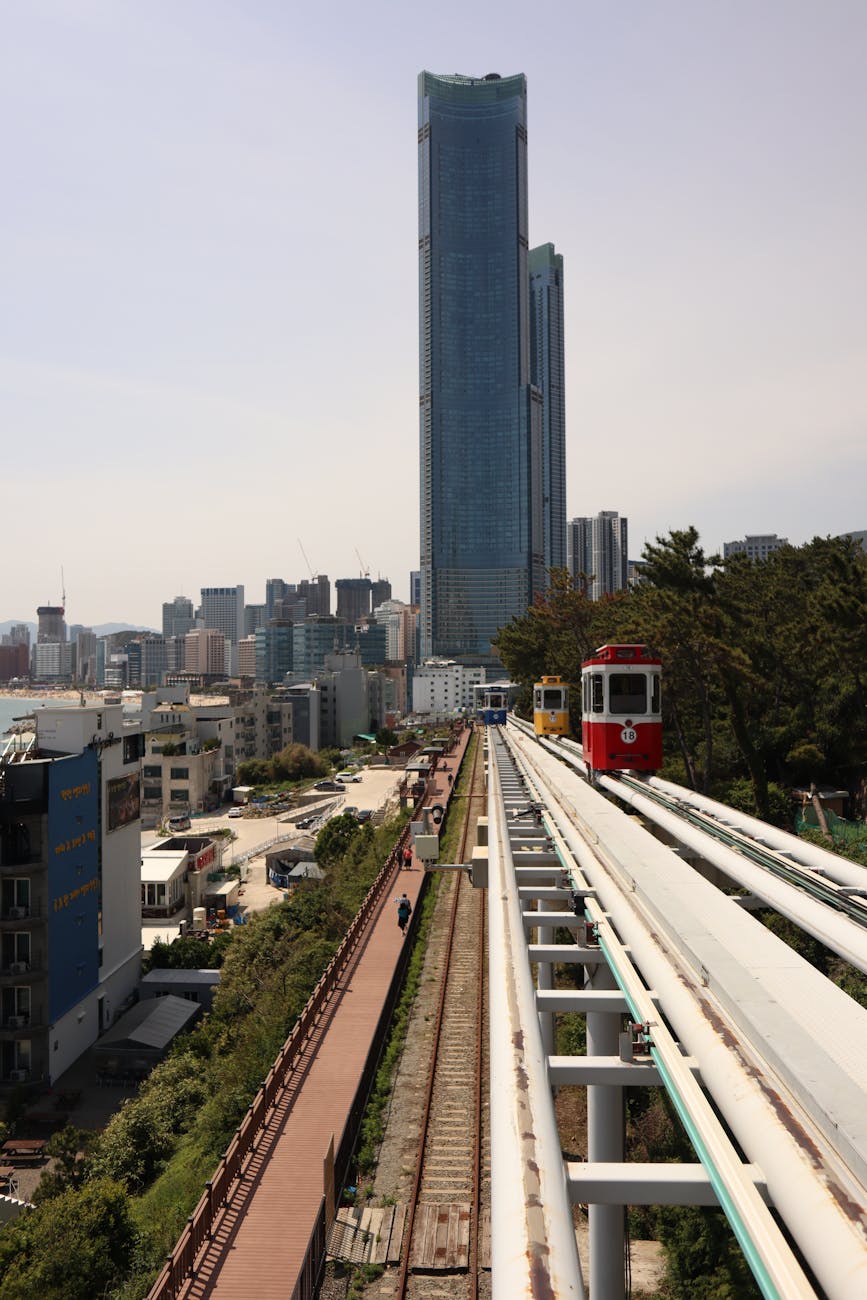
Large transportation projects such as metro systems or Bus Rapid Transit (BRT) corridors must be integrated with land-use planning. Transit-oriented development (TOD) strategies promote compact urban growth around transit stations, increasing accessibility and reducing dependence on private vehicles.

Economic and Financial Analysis

Large infrastructure projects require significant investments. Economic analysis helps evaluate cost-benefit ratios, funding mechanisms, and value capture strategies.

Environmental Impact Assessment

Major planning projects must assess their environmental impact, including air quality, water resources, biodiversity, and climate resilience.

Governance and Institutional Coordination

Large-scale projects often involve multiple government agencies, private stakeholders, and community groups. Effective coordination and governance structures are essential for successful implementation.


6. Role of Data and Technology in Integrated Planning

Modern planning increasingly relies on data-driven approaches. Technologies such as Geographic Information Systems (GIS), remote sensing, and spatial modeling enable planners to analyze complex urban systems.

GIS allows planners to integrate multiple datasets such as land use, population distribution, transportation networks, and environmental features. This integration helps identify patterns and relationships that inform planning decisions.

Advanced analytical tools such as statistical modeling, simulation models, and machine learning techniques are also used to predict future trends in urban growth, travel demand, and infrastructure requirements.

These technological tools support integrated planning by enabling comprehensive analysis of urban systems.


7. Challenges in Integrating Knowledge

Although integrated planning is essential, several challenges arise in practice.

One major challenge is disciplinary fragmentation, where experts from different fields work independently without effective collaboration. This can lead to inconsistent or conflicting planning decisions.

Another challenge is data limitations, particularly in developing countries where reliable data may not be available for all sectors.

Institutional barriers also affect integrated planning. Different government departments may have overlapping responsibilities, making coordination difficult.

Finally, political and economic factors can influence planning decisions, sometimes overriding technical recommendations.

Overcoming these challenges requires strong institutional frameworks, interdisciplinary collaboration, and participatory governance.


8. Importance for Planning Education

For students of urban and regional planning, integrating knowledge from various subjects is essential for understanding real-world planning problems. Academic training typically includes courses in planning theory, transportation planning, environmental studies, GIS, urban design, economics, and sociology.

Studio projects and fieldwork play an important role in planning education because they allow students to apply theoretical knowledge to practical situations. By working on real planning problems, students learn how different disciplines interact within a planning project.

This integrated learning approach prepares planners to handle complex urban challenges effectively.


9. Conclusion

Planning projects, whether small or large, require the integration of knowledge from multiple disciplines to understand and manage the dynamics of urban systems. Urban planning, transportation planning, environmental studies, economics, sociology, and governance all contribute to the planning process.

Small-scale projects focus on neighborhood-level improvements and community engagement, while large-scale projects involve complex infrastructure systems and long-term regional development strategies. In both cases, interdisciplinary collaboration is essential for achieving sustainable and effective outcomes.

The integration of knowledge helps planners analyze urban problems holistically, develop innovative solutions, and implement projects that balance social, economic, and environmental objectives. As cities continue to grow and face new challenges, the ability to integrate knowledge from diverse fields will remain a fundamental skill for planners and urban development professionals.

Daily writing prompt
What activities do you lose yourself in?

Types of Scales in Graphics and Planning: Including Plain and Diagonal Scales

In architectural drawing, engineering graphics, urban planning, and design representation, scales are essential tools used to represent real-world dimensions on paper or digital drawings. Since actual objects such as buildings, roads, and cities are much larger than drawing sheets, they must be represented at a reduced or proportional size. Scales allow designers and planners to maintain accurate relationships between the drawing and the real object.

Photo by Marta Longas on Pexels.com

The concept of scale ensures that measurements taken from a drawing correspond correctly to the actual dimensions of the object. In technical drawing and graphic communication, several types of scales are used depending on the level of precision required. Among these, plain scales and diagonal scales are particularly important.

This tutorial explains the concept of scales, their types, and the specific use of plain and diagonal scales in graphical representation.


1. Meaning of Scale

A scale is the ratio between the dimensions in the drawing and the actual dimensions of the object. It allows large objects to be represented on small sheets while maintaining proportional relationships.

The scale is usually expressed as:

Scale = Drawing Size / Actual Size

For example:

  • If 1 cm on the drawing represents 100 cm in reality, the scale is 1:100.
  • If 1 cm represents 1000 cm, the scale is 1:1000.

Scales are widely used in:

  • Architecture and building design
  • Urban and regional planning
  • Engineering drawings
  • Cartography and mapping
  • Landscape design

They ensure that drawings are accurate, measurable, and understandable.


2. Classification of Scales

Scales used in engineering graphics are generally classified into the following categories:

  1. Plain Scale
  2. Diagonal Scale
  3. Vernier Scale
  4. Comparative Scale
  5. Scale of Chords

Among these, plain and diagonal scales are most commonly used in architectural and planning drawings.


3. Plain Scale

Definition

A plain scale is a graphical scale used to measure two units or a unit and its subdivisions. It allows measurements to be read up to a certain level of accuracy, usually representing a unit and its immediate subdivisions.

Plain scales are commonly used when moderate precision is sufficient.


Structure of Plain Scale

A plain scale consists of:

  • A straight horizontal line divided into equal segments.
  • The leftmost segment is further divided into smaller parts to represent subdivisions of the main unit.

The scale typically includes:

  • Primary divisions representing major units
  • Subdivisions representing smaller units

Example

Suppose a scale represents meters and decimeters.

  • Each large division represents 1 meter
  • Each small division represents 0.1 meter

This allows measurements such as:

  • 1.5 meters
  • 2.3 meters
  • 3.7 meters

Plain scales are commonly used in site plans, layout drawings, and simple engineering graphics.


Steps for Constructing a Plain Scale

  1. Determine the Representative Fraction (RF) of the scale.
  2. Calculate the length of the scale line based on the maximum measurement required.
  3. Draw a horizontal line equal to the calculated length.
  4. Divide the line into equal parts representing the main units.
  5. Subdivide the first division into smaller parts representing subdivisions.
  6. Label the units clearly.

Applications of Plain Scale

Plain scales are widely used in:

  • Building drawings
  • Simple site layouts
  • Basic engineering drawings
  • Map reading
  • Planning diagrams

They are easy to construct and interpret, making them suitable for general graphical representation.


4. Diagonal Scale

Definition

A diagonal scale is used to measure three units or units with greater precision than plain scales. It allows measurements to be read to smaller subdivisions such as tenths or hundredths of a unit.

Diagonal scales are particularly useful when higher accuracy is required.


Principle of Diagonal Scale

The diagonal scale works based on the principle of similar triangles. By drawing diagonals within a grid structure, it becomes possible to divide a small length into even smaller parts.

This method allows the measurement of values such as:

  • 1.23 meters
  • 2.45 meters
  • 3.78 meters

Thus, diagonal scales provide greater precision compared to plain scales.


Structure of Diagonal Scale

A diagonal scale includes:

  • A horizontal line representing the main scale
  • Vertical lines forming rectangles
  • Diagonal lines dividing these rectangles

These diagonals allow precise measurement of smaller subdivisions.


Steps for Constructing a Diagonal Scale

  1. Determine the Representative Fraction (RF).
  2. Calculate the required length of the scale line.
  3. Draw the main horizontal line and divide it into primary units.
  4. Subdivide the first primary unit into smaller units.
  5. Draw vertical lines above the subdivisions to form rectangles.
  6. Divide the vertical height into equal parts.
  7. Draw diagonal lines across the rectangles to create smaller measurement divisions.

Through these diagonals, extremely small measurements can be accurately read.


Applications of Diagonal Scale

Diagonal scales are commonly used in:

  • Architectural drawings
  • Engineering drawings
  • Detailed mapping
  • Surveying work
  • Technical design projects

They are particularly useful when precision is critical.


5. Comparison Between Plain Scale and Diagonal Scale

FeaturePlain ScaleDiagonal Scale
AccuracyModerateHigh
Units MeasuredTwo units or unit and subdivisionThree units or finer subdivisions
ConstructionSimpleSlightly complex
ApplicationsGeneral drawingsPrecision drawings
Principle UsedSimple linear divisionSimilar triangles

Plain scales are suitable for basic graphical representation, while diagonal scales provide higher measurement accuracy.


6. Importance of Scales in Planning and Design

In planning and architectural graphics, scales play a critical role in representing spatial information accurately.

For example:

  • Site plans often use scales like 1:500 or 1:1000.
  • Building plans may use 1:50 or 1:100 scales.
  • Regional maps may use 1:10,000 or smaller scales.

Using appropriate scales ensures that drawings are consistent, measurable, and professionally standardized.


7. Practical Exercise for Students

Students can practice constructing scales through the following exercises:

Exercise 1: Plain Scale

Construct a plain scale with RF 1:50 to measure meters and decimeters up to 5 meters.

Exercise 2: Diagonal Scale

Construct a diagonal scale with RF 1:100 capable of measuring meters, decimeters, and centimeters.

These exercises help students understand both the mathematical and graphical aspects of scales.


Conclusion

Scales are fundamental components of engineering graphics, architectural drawing, and urban planning representation. They allow large real-world objects to be accurately represented on smaller surfaces while maintaining correct proportions.

Among the various types of scales, plain scales are used for general measurements involving units and subdivisions, while diagonal scales provide greater precision by allowing measurement of smaller units through geometric construction.

Understanding and constructing these scales is an essential skill for students and professionals in architecture, planning, engineering, and design, as it ensures accurate and effective graphical communication.

Daily writing prompt
What activities do you lose yourself in?

Contributions of Leading Masters (Thinkers and Town Planners) in Planning

1. Introduction

Urban planning as a discipline has evolved through the ideas and contributions of several influential thinkers, planners, and architects. These individuals played a significant role in shaping modern planning principles by proposing innovative concepts, planning models, and urban design strategies. Their ideas emerged in response to the social, economic, and environmental challenges of their times, particularly during periods of rapid urbanization and industrialization.

The contributions of leading planning masters laid the foundation for modern urban and regional planning. Their work addressed issues such as urban congestion, housing shortages, transportation systems, environmental quality, and social welfare. Many of their ideas, such as the Garden City concept, regional planning, neighborhood planning, and urban design principles, continue to influence contemporary planning practices.

Photo by Mohammad Husaini on Pexels.com

2. Ebenezer Howard (1850โ€“1928)

Ebenezer Howard is one of the most influential figures in the history of urban planning. He is best known for introducing the Garden City concept, which aimed to combine the advantages of both urban and rural living.

Key Contributions

  • Proposed the Garden City model in his book โ€œTo-Morrow: A Peaceful Path to Real Reformโ€ (1898).
  • Suggested the development of self-contained towns surrounded by green belts.
  • Advocated balanced development with residential, industrial, and agricultural areas.
  • Promoted healthy living conditions through open spaces and planned communities.

Impact

Howardโ€™s ideas led to the development of Letchworth and Welwyn Garden City in England and influenced the planning of new towns and suburban developments around the world.


3. Patrick Geddes (1854โ€“1932)

Patrick Geddes was a Scottish biologist, sociologist, and town planner who emphasized the relationship between people, environment, and economic activities.

Key Contributions

  • Introduced the concept of โ€œSurvey before Plan.โ€
  • Developed the regional planning approach.
  • Emphasized the interrelationship between place, work, and folk.
  • Advocated conservation of historical urban areas rather than complete demolition.

Impact

Geddesโ€™ ideas greatly influenced modern urban planning and regional planning. His approach emphasized comprehensive analysis of social, economic, and environmental conditions before preparing development plans.


4. Le Corbusier (1887โ€“1965)

Le Corbusier was a Swiss-French architect and urban planner who proposed radical ideas for modern city planning.

Key Contributions

  • Proposed the concept of the Radiant City (Ville Radieuse).
  • Advocated high-rise buildings surrounded by open green spaces.
  • Emphasized functional zoning for residential, commercial, and industrial areas.
  • Promoted efficient transportation systems and modern infrastructure.

Impact

Le Corbusierโ€™s ideas influenced modernist urban planning and the design of several cities. He also played an important role in the planning of Chandigarh in India, which became an example of modern planned cities.


5. Clarence Perry (1872โ€“1944)

Clarence Perry was an American planner who introduced the concept of the Neighborhood Unit, which became an important model for residential planning.

Key Contributions

  • Developed the Neighborhood Unit concept.
  • Proposed that residential communities should be designed around elementary schools.
  • Emphasized safe pedestrian circulation and reduced traffic within neighborhoods.
  • Suggested the use of neighborhood parks and community facilities.

Impact

The Neighborhood Unit concept influenced the planning of residential areas in many cities and is still used as a guiding principle in neighborhood design.


6. Daniel Burnham (1846โ€“1912)

Daniel Burnham was a prominent American architect and planner associated with the City Beautiful movement.

Key Contributions

  • Advocated the creation of beautiful and orderly cities through monumental architecture and grand boulevards.
  • Played a major role in the Chicago Plan of 1909, one of the earliest comprehensive city plans in the United States.
  • Promoted large public parks, civic centers, and wide avenues.

Impact

Burnhamโ€™s work helped establish the importance of urban design and aesthetics in city planning and influenced many urban improvement projects.


7. Arturo Soria y Mata (1844โ€“1920)

Arturo Soria y Mata was a Spanish urban planner known for proposing the Linear City concept.

Key Contributions

  • Proposed the development of cities along linear transportation corridors.
  • Suggested that urban growth should occur along railways or roads.
  • Emphasized efficient transportation and distribution of urban services.

Impact

Although fully linear cities were rarely developed, the concept influenced modern urban planning ideas related to transport corridors and linear development patterns.


8. Lewis Mumford (1895โ€“1990)

Lewis Mumford was an American historian, sociologist, and urban critic who contributed significantly to planning theory.

Key Contributions

  • Criticized uncontrolled urban growth and industrial urbanization.
  • Supported regional planning and balanced urban development.
  • Advocated human-centered urban design and sustainable communities.
  • Promoted integration of technology, culture, and environment in urban development.

Impact

Mumfordโ€™s writings influenced modern urban planning philosophy and emphasized the importance of social and environmental considerations.


9. Sir Patrick Abercrombie (1879โ€“1957)

Patrick Abercrombie was a British planner known for his work in regional planning and urban reconstruction after World War II.

Key Contributions

  • Prepared the Greater London Plan (1944).
  • Proposed the development of new towns around London to reduce congestion.
  • Promoted green belts to control urban expansion.
  • Integrated transportation, housing, and land-use planning.

Impact

His planning ideas influenced modern metropolitan planning and regional development strategies.


10. Kevin Lynch (1918โ€“1984)

Kevin Lynch was an American urban planner and author known for his work on urban design and city perception.

Key Contributions

  • Introduced the concept of urban imageability in his book โ€œThe Image of the City.โ€
  • Identified five key elements of city form:
    • Paths
    • Edges
    • Districts
    • Nodes
    • Landmarks
  • Emphasized the importance of how people perceive and navigate urban environments.

Impact

Lynchโ€™s work greatly influenced urban design and the understanding of how people interact with cities.


11. Contributions of Indian Planning Thinkers

India has also seen contributions from several planners who shaped urban development.

M. N. Buch

  • Contributed to urban planning administration and policy development in India.
  • Played an important role in strengthening planning institutions.

Charles Correa

  • Prominent Indian architect and planner.
  • Designed several urban projects and advocated climate-responsive architecture.

B. V. Doshi

  • Contributed to housing and urban design in India.
  • Promoted sustainable architecture and community-oriented development.

12. Importance of Planning Thinkers

The contributions of these planning masters have shaped the development of modern planning theory and practice.

Their ideas helped introduce:

  • Planned urban growth
  • Neighborhood planning concepts
  • Integration of land use and transportation
  • Environmental sustainability
  • Human-centered urban design

These principles continue to influence contemporary urban planning and development policies.


13. Conclusion

The development of urban planning as a discipline owes much to the ideas and innovations of leading thinkers and planners. Individuals such as Ebenezer Howard, Patrick Geddes, Le Corbusier, Clarence Perry, Daniel Burnham, and others introduced influential planning concepts that addressed the challenges of urban growth and industrialization.

Their contributions established important planning principles including garden cities, regional planning, neighborhood units, modernist city design, and aesthetic urban planning. These ideas continue to guide contemporary planning practices and inspire planners to create sustainable, functional, and livable urban environments.

By studying the work of these planning masters, planners can gain valuable insights into the evolution of planning thought and apply these lessons to address modern urban challenges.

Daily writing prompt
What activities do you lose yourself in?