Economics, Social and Physical Planning

1. Introduction

Planning is a comprehensive process that aims to guide the development of cities, regions, and communities in a balanced and sustainable manner. In order to achieve effective development, planning must consider various aspects of society including economic growth, social welfare, and the physical organization of land and infrastructure. These three componentsโ€”economic planning, social planning, and physical planningโ€”are closely interrelated and together form the foundation of modern planning practice.

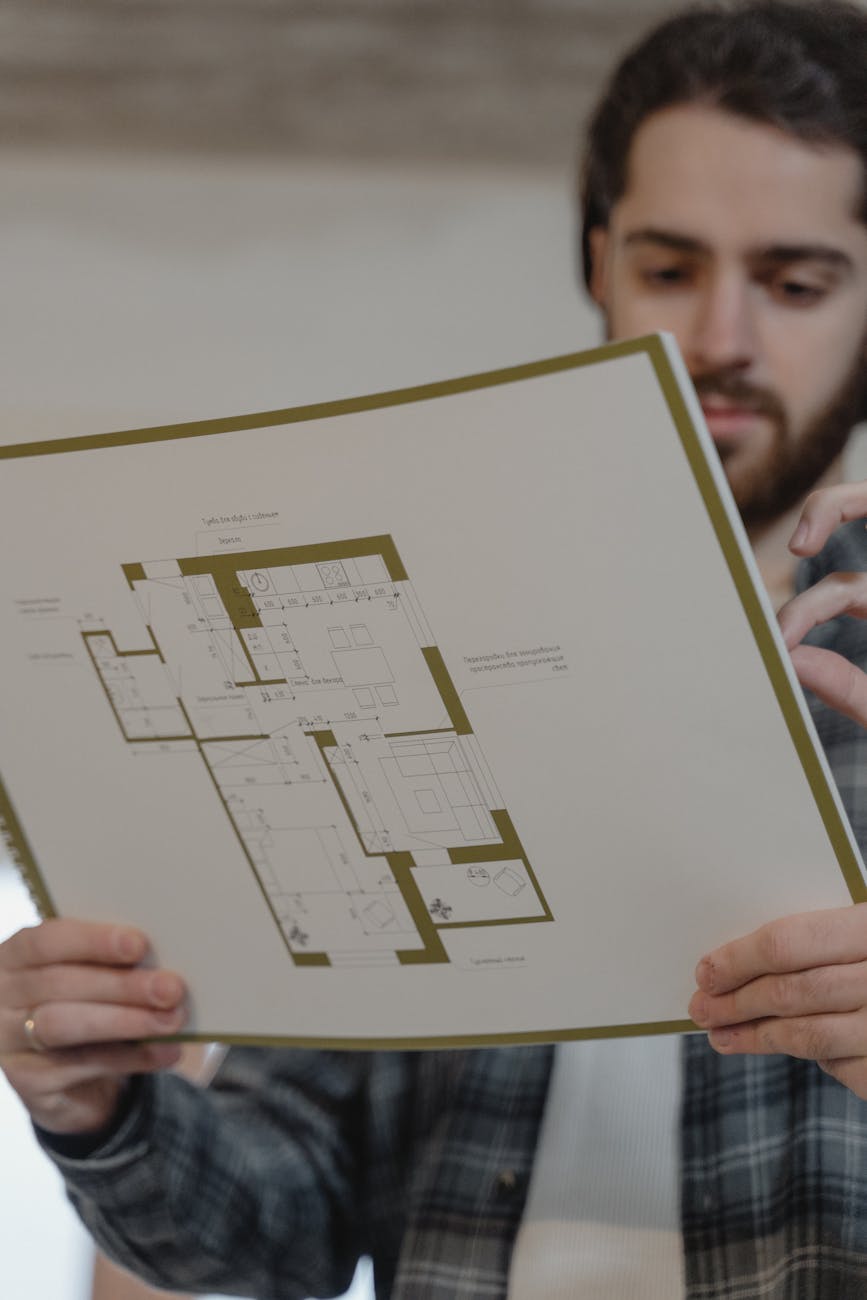
Photo by Ron Lach on Pexels.com

Economic planning focuses on the efficient use of resources and economic development, social planning emphasizes improvement in the quality of life and social welfare, while physical planning deals with the spatial arrangement of land uses and infrastructure. When integrated effectively, these three types of planning contribute to the creation of sustainable and livable communities.


2. Economic Planning

Economic planning refers to the process of organizing and directing economic resources and activities to achieve development goals. It focuses on the efficient allocation of resources such as land, labor, capital, and technology in order to promote economic growth and improve living standards.

Objectives of Economic Planning

The main objectives of economic planning include:

  • Promoting economic growth and development
  • Generating employment opportunities
  • Reducing poverty and income inequality
  • Ensuring efficient use of resources
  • Strengthening industrial and commercial activities

Economic planning also plays a significant role in determining investment priorities and infrastructure development.

Role in Urban and Regional Development

Economic planning influences the spatial development of cities and regions by determining the location of industries, commercial centers, and economic activities. For example, industrial zones are often located near transportation networks to reduce production and transportation costs.

Economic planning also guides the development of infrastructure such as transportation systems, energy supply, and communication networks, which support economic activities.


3. Social Planning

Social planning focuses on improving the welfare and quality of life of individuals and communities. It addresses social issues such as housing, healthcare, education, employment, and social equity.

The goal of social planning is to create inclusive and equitable communities where all individuals have access to basic services and opportunities.

Objectives of Social Planning

Key objectives include:

  • Improving living conditions
  • Providing affordable housing
  • Ensuring access to education and healthcare
  • Promoting social justice and equality
  • Strengthening community development

Social planning also aims to reduce social disparities and improve the well-being of vulnerable groups.

Social Infrastructure

Social planning emphasizes the provision of essential social infrastructure such as:

  • Schools and universities
  • Hospitals and healthcare facilities
  • Community centers
  • Parks and recreational areas
  • Public safety services

These facilities contribute to the overall development and well-being of communities.


4. Physical Planning

Physical planning refers to the spatial organization and development of land uses, infrastructure, and built environments. It focuses on how land and physical resources are arranged and utilized within cities and regions.

Physical planning aims to create organized and functional urban environments by guiding land use, transportation networks, housing development, and infrastructure provision.

Objectives of Physical Planning

The primary objectives of physical planning include:

  • Efficient land-use management
  • Provision of infrastructure and public services
  • Development of transportation networks
  • Protection of environmental resources
  • Creation of well-organized urban spaces

Physical planning also helps control urban growth and prevent unplanned development.

Components of Physical Planning

Physical planning involves several key components:

  • Land-use planning
  • Transportation planning
  • Housing development
  • Infrastructure planning
  • Environmental management

Through these components, planners organize the spatial structure of cities and regions.


5. Relationship Between Economic, Social, and Physical Planning

Economic, social, and physical planning are closely interconnected and must be integrated to achieve sustainable development.

Economic Planning and Physical Planning

Economic activities require physical infrastructure and land resources. Therefore, economic planning influences the spatial distribution of industries, commercial centers, and employment zones.

Physical planning translates economic development strategies into spatial arrangements through land-use planning and infrastructure development.

Social Planning and Physical Planning

Social planning ensures that urban development meets the needs of communities by providing housing, education, healthcare, and recreational facilities.

Physical planning supports social planning by allocating land for these facilities and integrating them into urban layouts.

Integrated Planning Approach

Effective planning requires the integration of economic, social, and physical aspects to create balanced and sustainable urban development.

For example:

  • Economic planning may promote industrial growth.
  • Social planning ensures employment and housing for workers.
  • Physical planning organizes land use and infrastructure to support these activities.

6. Importance of Integrated Planning

Integrating economic, social, and physical planning provides several benefits.

Balanced Development

It ensures that economic growth is accompanied by social welfare and efficient infrastructure development.

Efficient Resource Use

Integrated planning helps utilize land, infrastructure, and financial resources effectively.

Improved Quality of Life

By addressing social needs and providing adequate infrastructure, integrated planning improves living conditions.

Sustainable Development

Environmental protection and sustainable resource management can be better achieved through coordinated planning efforts.


7. Challenges in Integrating Planning Approaches

Although integration is essential, several challenges may arise.

  • Lack of coordination between planning agencies
  • Limited availability of reliable data
  • Conflicting interests among stakeholders
  • Institutional and administrative barriers

Addressing these challenges requires strong governance systems and interdisciplinary collaboration.


8. Conclusion

Economic, social, and physical planning together form the foundation of comprehensive planning. Economic planning focuses on resource allocation and economic growth, social planning emphasizes human welfare and community development, and physical planning organizes the spatial structure of cities and regions.

The integration of these three planning approaches is essential for achieving balanced and sustainable development. By coordinating economic activities, social welfare initiatives, and spatial development strategies, planners can create urban environments that are efficient, inclusive, and environmentally sustainable.

Daily writing prompt
Are you superstitious?

Historical cities and their planning and principles

he study of historical cities provides deep insights into the evolution of urban form, planning practices, and design principles. Long before modern planning theories emerged, ancient civilizations developed highly organized settlements based on functionality, culture, governance, defense, and environmental adaptation. These cities were not random agglomerations but reflected clear planning principles, many of which continue to influence contemporary urban planning.

This essay explores major historical cities across civilizations and the underlying planning principles that shaped them.


1. Early Planned Cities: Indus Valley Civilization

https://images.openai.com/static-rsc-4/dXtSoS3IxrvWiMFrlGpCSRpnS31BZaVxdYk44BdcXau7uB455aKpYTvQhpoz_jz95No7jjlNMmMETl7VD1T8ang2Es_vSugC1T3p1tcAos3lS4MflmR-G-rbyQSvolSYVfOhTn1oQP0YyN5NOGCkp52xpleUM50xU3uaBDI8fzQPjUvLTPDfFh7BFWPjuXYP?purpose=fullsize
https://images.openai.com/static-rsc-4/GO7oUvsYZ5fO2OPiZ82CcB1JYScYPYSMabBJhiZatUEyBDzu6diy7gFd9Tz1qXDWJzyvA-spRhlSwCF6ERBOBfeaH0YmsVYhhqYqh9UvBBdRV2g1keHJyxaYvoeJYySOdCIFaQsNxfWn42QyaqciclebtZYrmE6eeWQuNZQMFER2cPrErhfPNWHO3dO14ffh?purpose=fullsize
https://images.openai.com/static-rsc-4/-2fZhS4WLnXdgdESmzSt9qe-N85lIM65D-z94MBmm0O_9gXiiBK1YBXKOSaxTvx2qdQQrR5X_swY6wiiyRGep4mLvghFO2QAaqk4X3IyXm_tSTRmbIzlKGQY45z5FzonNkChOWF8AfwVY-s3vIy76HiJNnBKwIBR3KMPsI_JeqNYtHPizWHhZML3mj1QLfsw?purpose=fullsize

6

One of the earliest examples of planned cities is found in the Indus Valley Civilization (2500โ€“1900 BCE), particularly in cities like Mohenjo-daro, Harappa, and Dholavira.

Planning Features:

  • Grid Iron Pattern: Streets intersect at right angles, forming rectangular blocks
  • Zoning: Division into citadel (administrative) and lower town (residential)
  • Advanced Drainage System: Covered drains, soak pits, and sanitation
  • Standardized Construction: Uniform brick sizes and building techniques
  • Water Management: Wells and reservoirs (notably in Dholavira)

Planning Principles:

  • Functional efficiency
  • Public health and sanitation
  • Standardization and regulation
  • Hierarchical organization

These cities demonstrate that urban planning has roots in engineering, hygiene, and governance.


2. Ancient Egyptian Cities

https://images.openai.com/static-rsc-4/beY2n6LcHQABmxplkWf4-j-ypXBVbEC6L29s1NJQDQvTL9C3VwwZ2BNQ620vXa6bjayzt-Hx0CT_PaEY1yeATEK7T7omyJ0TJuEBMLny03L0hXss_mYDj-dEAvC9jy3HhImPVl41FjYr15GG3wmeUCxXA7Gt8bCmF6qTMPf0J6HgRYyfazLZYAvTynz2Uc9f?purpose=fullsize
https://images.openai.com/static-rsc-4/ASuZgy1JFIDVFJGWjw0KrER4-tNDMMTpaaFMXc7t1ajsPNimIqpTQFm30Wx2XiVsAmKUm1Zy5dnL-bn6zY4DvQ_DHIgDyKoPL19Z82mOtjCItjcyThdCKzMkoztCQQf2SKH_IhOwuc5WtwjRcsAxD-UiM9Roml_Y-_uR8Y_rgWQi8ZM-z-B73G-amWXdIVwT?purpose=fullsize
https://images.openai.com/static-rsc-4/VaokjnGshaWlZMPrYDjNWt4Felb946w-pQ8rzrASHx8ZB7Ob0DuNpZc7jt6T2CURlPxFEP4nWkeC1x6zzgBgciIQkFwjZi3KPzpoEXFfwUZmG5KPt0Wa5lURgeoVg0ZQy1MmP55sIX29qO9xh6YNfSlzl5WpDOcDTbveFuP0Bvwdb12-gZAuYfV8qiUoaGPR?purpose=fullsize

7

Ancient Egyptian settlements developed along the Nile River, with examples like Amarna.

Planning Features:

  • Linear settlements along the Nile
  • Functional zoning (residential, religious, administrative)
  • Workersโ€™ housing arranged in regular rows

Planning Principles:

  • Dependence on natural resources (river-based planning)
  • Religious centrality (temples as focal points)
  • Social hierarchy reflected in spatial organization

3. Greek Cities

https://images.openai.com/static-rsc-4/F5TXoYri5xuaqYNGBuftwnjlIxxafcialY48_KlsirhEeeMgL3JGxvFXgA5cvjTHBm7ndv5oefRUYwA9WqMOARmbcxuvLOMAN6nJOTj0rdgE0EMFL_vEzbWrb-eY99-3sgkh4KEuoHW0IQ7GTAsVQxLZRbekJTtqNwWVK52M15Rbs1wetK7zPrxAk3KWzVUa?purpose=fullsize
https://images.openai.com/static-rsc-4/0qBy1ErAM_zzTDmP9TYs8HzF8fDKoIWXx4hVcyKQCG5lxzQLE7IL-v4T6OeysmWdgT3F8ud0yxax9x0W1AyoOefh_QF8OMNJAcbKc8CHRsO7zEwOrnK0ofCnI1m4UoJCzrBa8-k2O-S26MruSjwOhCddon-wSJ_wkZ4UlzMll52fv09lGKKIIVVYE9Qh8wwA?purpose=fullsize
https://images.openai.com/static-rsc-4/5n29ptcqVFMT_Gk3__H1zbyyJGEHEM-fKxxeOJ1rchzLXKGYN2Cr9akud5WPmlxf5sN6x9zEbwQ3QToacMQXnFm5O0AUCys31tsyT2tWrK1e5LYKeKD9e0k_aVsiDUxqWinaEoBJWFdGt_W3x_wKAtpsI7yFTyija9luJYBwyS1fkLjqiSoa94icf8HZPnQ0?purpose=fullsize

5

Greek cities introduced rational planning concepts, especially through the work of Hippodamus of Miletus.

Planning Features:

  • Grid Planning (Hippodamian Plan)
  • Central public space called Agora
  • Acropolis (fortified high area)
  • Zoning into public, private, and sacred areas

Planning Principles:

  • Order and geometry
  • Civic life and public participation
  • Functional zoning
  • Integration of topography

Greek planning emphasized the social and political role of cities.


4. Roman Cities

https://images.openai.com/static-rsc-4/ILlL3jA7G6LmfdDUAVT9GoA1GlJopqh7oq_gsoVGsvP1dCgg-2mxnf7Fyie7fjRLP_CCzbDB9TZ9jutXUausAiwXNvONqVpKLhxrzOC9RdNCxrI0jSWPpgjzGgMbD7a9gapeQ1khHWBwz28Hpd3LapT4wH1w5ZKRUH0t82MWKD53yk71y4JxeWMc1wwWiCGM?purpose=fullsize
https://images.openai.com/static-rsc-4/OVI557Wvex8eQTtN16XIVzRGHH9yru0ds8Be1ETuu_mn8LkFJX0GsRAYP1URwx-p7Z27XofUx2TRApfl6GJHElGtX75C17_FpIg-13sreZvN5YhT2-pxnmWhx4gDc6hzLafSKnqGayXllbeH7aVH2h3q6DcaSD0NfbwYhzuN7N2WEO_3gtT1ofydogPtMYli?purpose=fullsize
https://images.openai.com/static-rsc-4/O2sCuFvqe-Y6rHL4t5e8TxgbaRgVbANS3p99uLy_91zTnpx7B6KfhmBD1ZAMxTrWG6d90JkDrQH3-zQf2WBv6a25EJ--J3Y30TL785LCaPARXzZHUlVZR5Zl_rc7hB_PVySixFMPmaCOCfZXofqKCSxEQNCRVz9QGwFiiYeF6R8mW4c52yKF7Z_p3QTqKH6W?purpose=fullsize

7

Roman cities built upon Greek ideas but introduced advanced infrastructure and administrative efficiency. A classic example is Pompeii.

Planning Features:

  • Grid layout with two main axes:
    • Cardo (north-south)
    • Decumanus (east-west)
  • Central forum (administrative and commercial center)
  • Advanced infrastructure:
    • Roads
    • Aqueducts
    • Sewage systems
  • Standardized military camps (castrum planning)

Planning Principles:

  • Efficiency and control
  • Infrastructure integration
  • Standardization
  • Military and administrative functionality

Roman planning strongly influenced modern urban infrastructure systems.


5. Medieval Cities

https://images.openai.com/static-rsc-4/Yw5MwALPHobz6M8uXKM1xzmDsfgYVOXWvv1Xw156VRcaECmoszA0kBBaDmChcrMaHQd8fyipVxFdH6bfUuVgr6eiloIjGIkq2mu5wwzapMXHg-WQoNZdhaooyfHU4_q-oBY4xN26E3qWrGgtPXcvhDJGxhUW1CJC6cRTyh3vYkB3WgVz2NWZLY3AuDfwXMlX?purpose=fullsize
https://images.openai.com/static-rsc-4/ngtCnOE1ErjI2accZ_TqDSo_xyJXPzUlTKTXkJ2Yi2_Jjcb9XuKngFvREnCGDevGI69OuKDkW3pS_9eFsC59ZTeLF84JvAP1-fi1v7DCQLblMajiU3mGGeftYjE2gKrQB92cq7ywAV_WBFgYp-dJjlblWe2fI4ldTJZWF6XXUmDwXcEPCXogfj-Z8woWzAK6?purpose=fullsize
https://images.openai.com/static-rsc-4/evObcZkwt8NJs014WJXewuB9jieOHBwUUjMsmfr6CFReHKYPCMglEos4EqHrmIoB7wuV8XlSHhAaCoW6pBiL84goZFGRS0kAfbW8tqkXiR825SpFpnTxm6Z2_hgWrYm_cTTa04dVH8qM5ZLzWaBZLnLisydIQfWpvXhGftOVP7oyEVK_job2UlIgcywFBS0b?purpose=fullsize

7

Medieval cities in Europe and India evolved organically due to socio-political and defensive needs.

Planning Features:

  • Irregular street patterns (organic growth)
  • Fortifications (walls, gates, moats)
  • Central castle, church, or marketplace
  • Narrow streets and dense housing

Planning Principles:

  • Defense and security
  • Compactness
  • Mixed land use
  • Social hierarchy

In India, cities like Jaipur later introduced planned elements even during medieval times.


6. Renaissance and Baroque Cities

https://images.openai.com/static-rsc-4/wfVLjQQ5SJV-Nf3_x82gpwFiLknOoin9UBTygGU-CNFNHbUG5yTmppHZ1MJFj29EbELu2vbooYTVV3TZP-N3JNjBCYppPMO-ngQf7ZJ2RhbMAsbY-F6GYhyFtB2tu4a6q-CMrCgemSudRxt0l-8qvqad-ITvS61nOHkaIUkVbELtVujQqWOzaXwzvD3L9x-U?purpose=fullsize
https://images.openai.com/static-rsc-4/n5CI6APwxIzXJ359n1GIx9T7W_Bio2ujfrL1bOsnjJ-Ayn8CwzHWi2FNB-eTL9YgPOelhrcUU4iqaXetPq6lXqjRUTFeyTX39mP2Q31_ylLBaB_hX0921kOj6hoeJvkFjy_QbzVJWFvTidVpulepPc3ZV8w2FEFKd3DftdVtY5ei_HmXnF7GBekxX93PQ40o?purpose=fullsize
https://images.openai.com/static-rsc-4/LKNFywzMmQB2p3Sbcr60ji1oEaAt1HBCGOBjBHpZUrf-YBFUjvCucSi-7bifmuOgJXlq-p38tOKf-T24S8bGtFpsCpyhvCujg32V2ZG6xNmTpmT3Uoh0n97N2apGqQvBFFhU6Igqea4rBysCsb7AsfnK0GbF_WSgM5dO1N84-AfaQW8Tn9oFi6JEzJmDhUR4?purpose=fullsize

7

The Renaissance period reintroduced order, symmetry, and aesthetics in urban design.

Planning Features:

  • Radial and geometric layouts
  • Grand avenues and boulevards
  • Planned public squares (piazzas)
  • Emphasis on visual axes and perspectives

Planning Principles:

  • Aesthetics and beauty
  • Symmetry and proportion
  • Monumentality
  • Civic pride

Cities like Paris reflect these principles.


7. Traditional Indian Cities

https://images.openai.com/static-rsc-4/JxQ7wikUJ1W7bOD9wHLcZzpyth7WKesMZq9TQ5RKYwpH8Sqsk7E_id673Q6sa92rpuCK4jcvus3MPBlmuyofvMRLkz_HeQ2HvvU2rUfGJEqMErkZwdEnWvhMek2XfLWgSeTF9M-WSwK5I_hGdJegjnxCTnUNbw4FtlHsJbP9hkQ3SpD8BaknYjKpfWAg7Fgs?purpose=fullsize
https://images.openai.com/static-rsc-4/xVz4NfTeUWw38CBX8NEOVE5lGlyL-Pap4JcRonHsBBssChj2XpI6OuScxP_hDleLqued7NqJdUZKbgwrF5W4YMjE7V5ZnjoW_oM8UTlKTGRNNKn6q7O2tQN9y3CCJgCuFwHbs7VEma3q2Ow5WgKCG92KUk7HwAaCGW-faDX3kRh9D1NoP6fm_YSavs2f4O7A?purpose=fullsize
https://images.openai.com/static-rsc-4/Hzi9ski2QHjDrBnLzwYLjicexXTGSEjqxwY2O1INlIp-9zUQpuw8t2TW0bFzLTPuPpE2s40skKuH7bs4PBvmi4MQwkmYjo17k_1UDZS_lxEF40c7r4buOfLhtl-DX3e6EPJ1E4DTefwH_W-0G2nQMlq3CVklXz5JhUwSj9WDWYh8kodZn9IRLY44QwiqK3bK?purpose=fullsize

7

Indian cities show a blend of organic growth and planned principles, often guided by texts like Vastu Shastra.

Examples:

  • Jaipur โ€“ planned grid city (18th century)
  • Varanasi โ€“ organic religious city

Planning Features:

  • Grid planning (Jaipur) with chowks and bazaars
  • Hierarchical streets
  • Integration of religious and cultural spaces
  • Mixed land use

Planning Principles:

  • Cosmological and religious alignment
  • Climate-responsive design
  • Social organization (caste/community-based neighborhoods)
  • Walkability and compactness

8. Colonial Cities

https://images.openai.com/static-rsc-4/QBlpMrSObPhE09ouDQjJaq29q0UTE-0i0o_RYUQQX6UzkEFsyc3AK3Q_4CymStpco9zG_oS30KNGSDCusQZX-HrFuCrERMqOtbyuIcIf_mhXvJp6btkhLaIIgfqivY4mHBoH82Gxu2TDd5OLSkriVNvqRiv9z2CVX7UGemDpRS4jA1QN7BJxRxcf0DU9NjdU?purpose=fullsize
https://images.openai.com/static-rsc-4/JxQ7wikUJ1W7bOD9wHLcZzpyth7WKesMZq9TQ5RKYwpH8Sqsk7E_id673Q6sa92rpuCK4jcvus3MPBlmuyofvMRLkz_HeQ2HvvU2rUfGJEqMErkZwdEnWvhMek2XfLWgSeTF9M-WSwK5I_hGdJegjnxCTnUNbw4FtlHsJbP9hkQ3SpD8BaknYjKpfWAg7Fgs?purpose=fullsize
https://images.openai.com/static-rsc-4/5U3vz1ZspsMjOEZMSRxLh-1qnxrA5vmA98Sn5LrW3kZcj7dI-rfsE9zm656xz0Tfg0p8FyqjsjXRWu7ugBR7KYmKgaN47vdFuaoH4wfSoATLmstpc46CKJwhHaSfAsGKE38Dfa8UkQzt2xh_4PXXmXd54qEDkk_xG1x4T1uxeLBIzFqCeF9tfAZWcnSpuOxK?purpose=fullsize

7

Colonial cities introduced Western planning concepts in Asia and Africa.

Examples:

  • New Delhi
  • Mumbai

Planning Features:

  • Segregation (civil lines, cantonments, native towns)
  • Wide roads and open spaces
  • Administrative zones
  • Grid and radial layouts

Planning Principles:

  • Control and governance
  • Sanitation and hygiene
  • Spatial segregation
  • Monumental architecture

9. Key Planning Principles Derived from Historical Cities

Across different civilizations, several universal planning principles emerge:

9.1 Order and Geometry

  • Grid patterns and symmetry (Indus, Greek, Roman, Jaipur)

9.2 Functional Zoning

  • Separation of residential, commercial, administrative, and religious areas

9.3 Infrastructure and Services

  • Water supply, drainage, roads (Indus, Roman)

9.4 Defense and Security

  • Fortifications and controlled access (Medieval cities)

9.5 Social and Cultural Integration

  • Religious and cultural centers as focal points

9.6 Environmental Adaptation

  • Climate-responsive design and use of natural resources

9.7 Accessibility and Connectivity

  • Street hierarchy and transport networks

10. Relevance to Contemporary Planning

Historical planning principles continue to influence modern urban planning:

  • Grid planning โ†’ Used in modern planned cities
  • TOD concepts โ†’ Similar to compact, walkable traditional cities
  • Zoning โ†’ Derived from early functional divisions
  • Sustainability โ†’ Inspired by traditional climate-responsive design

In the context of modern cities (especially Delhi and TOD areas), these principles help improve:

  • Accessibility
  • Walkability
  • Public transport integration
  • Urban livability

Conclusion

Historical cities across civilizationsโ€”from the Indus Valley to Roman and Indian citiesโ€”demonstrate that urban planning is deeply rooted in human history. These cities were shaped by a combination of environmental conditions, socio-political systems, cultural values, and technological capabilities.

Their planning principlesโ€”such as order, functionality, infrastructure integration, and environmental adaptationโ€”remain highly relevant today. As modern cities face challenges of rapid urbanization, climate change, and sustainability, revisiting these historical lessons can provide valuable guidance for creating resilient, inclusive, and well-structured urban environments.

Thus, the study of historical cities is not merely academic; it is a foundation for shaping the future of urban planning.

Census classification and definitions and use of census data for planners

The Census is one of the most important sources of demographic, social, and economic data for any country. In India, the decennial Census conducted by the Office of the Registrar General & Census Commissioner of India provides comprehensive data that forms the backbone of planning and policy-making. For urban and regional planners, census data is indispensable for understanding population characteristics, settlement patterns, infrastructure needs, and future growth trends.

This essay explains the classification and definitions used in census, followed by the applications of census data in planning.


1. Census: Meaning and Importance

A census is the complete enumeration of population at a specific point in time. It collects data on:

  • Population size and distribution
  • Age, sex, literacy, occupation
  • Housing and amenities
  • Migration and workforce participation

In India, census is conducted every 10 years (decennial), ensuring updated and reliable data for planning purposes.


2. Census Classification of Settlements in India

The Census of India classifies settlements primarily into rural and urban areas, based on specific criteria.


2.1 Rural Areas

All areas that do not meet the criteria for urban classification are treated as rural. These are typically:

  • Villages
  • Hamlets
  • Agricultural settlements

Rural areas are administered by Gram Panchayats and are characterized by low population density and primary economic activities.


2.2 Urban Areas

Urban areas are classified into two major categories:

a) Statutory Towns

These are areas that have been declared urban by law and have:

  • Municipal Corporation
  • Municipality
  • Cantonment Board
  • Notified Town Area Committee

They are governed by urban local bodies.


b) Census Towns

These are areas that satisfy the following three criteria:

  1. Minimum population of 5,000
  2. At least 75% of male main workers engaged in non-agricultural activities
  3. Population density of at least 400 persons per sq. km

Even if not legally declared urban, such areas are treated as urban for census purposes.


2.3 Urban Agglomeration (UA)

An Urban Agglomeration is a continuous urban spread consisting of:

  • A core town/city
  • Its adjoining outgrowths (OGs)
  • Nearby towns that are physically contiguous

Examples include large metropolitan regions.


2.4 Outgrowths (OGs)

These are areas outside statutory limits but with urban characteristics, such as:

  • Railway colonies
  • University campuses
  • Industrial complexes

They are included in urban agglomerations.


3. Census Classification Based on Size (Urban Settlements)

Urban areas are further classified based on population size:

ClassPopulation Range
Class I100,000 and above
Class II50,000 โ€“ 99,999
Class III20,000 โ€“ 49,999
Class IV10,000 โ€“ 19,999
Class V5,000 โ€“ 9,999
Class VILess than 5,000

Cities with population above 1 million are termed Million-plus cities, and those above 10 million are Megacities.


4. Key Census Definitions

Understanding census terminology is essential for planners:

4.1 Household

A group of persons living together and sharing a common kitchen.

4.2 Literacy

A person aged 7 years and above who can read and write with understanding in any language.

4.3 Work Participation Rate (WPR)

Percentage of workers in the total population.

4.4 Main and Marginal Workers

  • Main workers: Worked for 6 months or more
  • Marginal workers: Worked for less than 6 months

4.5 Sex Ratio

Number of females per 1000 males.

4.6 Population Density

Number of persons per square kilometer.

4.7 Urbanization Rate

Percentage of population living in urban areas.

4.8 Migration

Movement of people from one place to another, categorized as:

  • Rural to urban
  • Urban to urban
  • Rural to rural

5. Use of Census Data for Planners

Census data is a critical input in planning at all levelsโ€”local, regional, and national.


5.1 Population Forecasting and Projections

https://images.openai.com/static-rsc-4/EX64_T8seILEeXGwmKkswJullCueCZl-IVKBea5e9fEBPajli2V7phGV-QcxkRLMkGz_k4dK1OgYfEDcEUMikiXVJtkaCtlHSv36INRa6zurWX72xgMgUX50d9GeG0F6Smt93MZcKu2fQlaT2NiEZTXEc_oXn1H15QcECG4byvOdklrxW8gcfji_SRUc_FqE?purpose=fullsize
https://images.openai.com/static-rsc-4/hSlerhpoqVLuI-ZEcLWklNxWoDGcPgUd0zbmDEZKSTIvRLNPAjenyvuW2jo06SVjee8znoDQYmF-ogz9o7IrQ5X6WxJEAMMSf6rsc9gcugwLp-acdQaAfEOcfzaeeIyyhGpK3lGZo2AvdGp3GWFx1ovyJnq0OaDqfkFBdRWxcA0oYhDl-hiZ9rlUpTB_VPY5?purpose=fullsize
https://images.openai.com/static-rsc-4/dC16YfQ_D0VfBnCUACJpPNpO9ENzcZhUMKTCypUkzMXXX9ktGILEU_KkG7nEADCXMO5z7HKAm1boPOcpYQjc0HKH2-qM1SSw4r-xud_CW9vhK6GWCG7zCGLnLi8kIkbTiw3iLwVA9vLdxZXiwG7_aqwJeDiYxAPca7b5dTbauFhxb1fzAnZbdpN-F4fZSMok?purpose=fullsize

6

  • Planners use census data to estimate future population.
  • Helps in planning housing, infrastructure, and services.
  • Basis for master plans and development plans.

5.2 Land Use and Infrastructure Planning

  • Determines demand for residential, commercial, and industrial land
  • Helps in planning:
    • Water supply
    • Sewerage systems
    • Transport networks
    • Schools and hospitals

5.3 Transport and Mobility Planning

  • Data on population density and work participation helps in:
    • Travel demand estimation
    • Public transport planning
    • Traffic forecasting

This is highly relevant in Transit-Oriented Development (TOD).


5.4 Housing and Slum Development

  • Household data helps estimate housing shortage
  • Identifies slum populations and informal settlements
  • Supports affordable housing policies

5.5 Economic and Employment Planning

  • Workforce data helps identify:
    • Employment patterns
    • Industrial and service sector growth
  • Guides economic development strategies

5.6 Social Infrastructure Planning

  • Literacy, health, and demographic data help in planning:
    • Schools and colleges
    • Healthcare facilities
    • Community centers

5.7 Regional and Rural Planning

  • Identifies backward regions and disparities
  • Helps in balanced regional development
  • Supports district and regional plans

5.8 Policy Formulation and Governance

  • Basis for government schemes and funding allocation
  • Helps in delimitation of constituencies
  • Supports evidence-based decision-making

5.9 Environmental and Sustainability Planning

  • Population density and growth patterns help in:
    • Resource management
    • Environmental impact assessment
    • Climate resilience planning

6. Limitations of Census Data

While highly useful, census data has certain limitations:

  • Conducted once every 10 years (may become outdated)
  • Limited real-time applicability
  • Underreporting or data gaps in some areas
  • Does not capture dynamic urban changes effectively

Hence, planners often supplement census data with surveys, GIS data, and remote sensing.


7. Contemporary Use of Census in Planning

Modern planning integrates census data with:

  • GIS and spatial analysis
  • Big data and smart city tools
  • Transport modeling and simulation
  • Socio-economic analysis for TOD and mobility studies

Conclusion

Census classification and definitions provide a standardized framework for understanding population and settlement characteristics. The distinction between rural and urban areas, along with detailed demographic and socio-economic indicators, enables planners to analyze spatial patterns and development needs effectively.

For planners, census data is not just statistical informationโ€”it is a foundation for evidence-based planning. It supports decision-making in land use planning, infrastructure development, transport systems, housing, and social services. Despite its limitations, when combined with modern analytical tools, census data remains one of the most powerful instruments for achieving sustainable, inclusive, and well-planned development.

Defining Planning as a Discipline, Its Multidisciplinary Nature, and the Role of a Planner

1. Introduction

Planning is a systematic and organized approach to guiding the development of human settlements and regions in order to improve the quality of life for people. With rapid urbanization, population growth, and increasing economic activities, cities and regions face complex challenges such as congestion, environmental degradation, housing shortages, and unequal access to resources. Planning helps address these issues by providing a structured framework for managing land use, infrastructure, transportation systems, environmental resources, and socio-economic development.

Planning is not limited to designing physical spaces; it also involves understanding social needs, economic development, environmental sustainability, and governance mechanisms. Because of this broad scope, planning has developed into a distinct academic and professional discipline that integrates knowledge from multiple fields.


2. Defining Planning as a Discipline

Planning as a discipline refers to the systematic process of analyzing present conditions, predicting future needs, and preparing strategies or policies to guide the development and management of land, infrastructure, and resources for the welfare of society.

Urban and regional planning focuses on organizing the physical environment in a way that supports economic growth, social equity, and environmental sustainability. It involves the preparation of development plans, policies, and projects that guide the orderly growth of cities, towns, and regions.

Several scholars and institutions have defined planning in different ways:

  • Lewis Keeble defined town planning as โ€œthe art and science of ordering the use of land and the siting of buildings and communication routes so as to secure the maximum practicable degree of economy, convenience and beauty.โ€
  • Patrick Geddes, a pioneer of modern planning, emphasized that planning should consider the relationship between place, work, and people, and that thorough surveys should be conducted before preparing plans.
  • Planning is often described as both a scientific and creative discipline because it combines analytical techniques with design and policy-making.

Thus, planning as a discipline involves technical analysis, spatial design, policy formulation, and community engagement.


3. Multidisciplinary Nature of Planning

Planning is inherently multidisciplinary because cities and regions function as complex systems influenced by multiple factors such as population growth, economic activities, environmental conditions, transportation systems, and governance structures. To address these complex interactions, planners must integrate knowledge from several disciplines.

3.1 Geography

Geography helps planners understand spatial patterns of land use, population distribution, climate, and natural resources. Geographic Information Systems (GIS) are widely used for spatial analysis and mapping.

3.2 Economics

Economic principles help planners analyze development trends, employment opportunities, investment patterns, and the financial feasibility of projects.

3.3 Sociology

Sociology provides insights into social structures, cultural practices, community needs, and demographic characteristics. Understanding social dynamics helps planners design inclusive and equitable communities.

3.4 Environmental Science

Environmental science is essential for sustainable planning. It helps planners address issues such as pollution control, climate change, biodiversity conservation, and natural resource management.

3.5 Transportation Engineering

Transportation engineering helps planners design efficient mobility systems including roads, public transport networks, pedestrian pathways, and cycling infrastructure.

3.6 Architecture and Urban Design

Architecture and urban design contribute to the physical form and aesthetics of cities, including building design, public spaces, and street layouts.

3.7 Public Administration and Governance

Planning policies are implemented through government institutions and legal frameworks. Knowledge of governance systems and administrative processes is therefore essential for effective planning.

Because of these diverse influences, planning acts as a bridge between technical sciences, social sciences, and design disciplines.


4. Role of a Planner

A planner plays an important role in shaping the development of cities and regions. The planner acts as an analyst, strategist, coordinator, and facilitator in the planning process.

4.1 Data Collection and Analysis

Planners begin by collecting and analyzing information about population, land use, infrastructure, environment, and economic activities. This data helps identify existing problems and opportunities.

4.2 Visioning and Strategic Planning

Planners develop long-term visions and strategies for urban and regional development. They prepare master plans, development plans, regional plans, and policy frameworks that guide future growth.

4.3 Land Use Planning

One of the key responsibilities of planners is organizing land use in a city or region. This involves allocating land for residential, commercial, industrial, recreational, and institutional purposes.

4.4 Infrastructure Planning

Planners ensure that essential infrastructure such as roads, water supply, sewage systems, electricity, and public transport systems are developed efficiently.

4.5 Environmental Protection

Modern planners must address environmental concerns by promoting sustainable development, protecting natural resources, and reducing pollution.

4.6 Public Participation

Planning increasingly involves participation from local communities and stakeholders. Planners engage with residents, organizations, and government agencies to incorporate public input into planning decisions.

4.7 Policy Formulation and Implementation

Planners help governments formulate policies related to housing, transportation, land use, and environmental protection. They also monitor the implementation of development plans.


5. Skills Required for Planners

To perform these roles effectively, planners require a combination of technical and interpersonal skills.

Important skills include:

  • Spatial analysis and GIS mapping
  • Research and data analysis
  • Communication and negotiation skills
  • Policy analysis and governance knowledge
  • Urban design understanding
  • Project management

These skills enable planners to manage complex urban systems and coordinate development activities.


6. Importance of Planning in Modern Society

Planning is essential for managing urban growth and improving living conditions. Without proper planning, cities may face problems such as overcrowding, traffic congestion, environmental degradation, and inadequate infrastructure.

Effective planning helps achieve:

  • Efficient land use
  • Improved infrastructure and services
  • Sustainable environmental management
  • Economic growth and investment
  • Social equity and inclusive development

Planning therefore plays a crucial role in creating cities that are livable, sustainable, and resilient.


7. Conclusion

Planning is a dynamic and multidisciplinary discipline that integrates knowledge from various fields to guide the development of cities and regions. It involves analyzing existing conditions, forecasting future needs, and preparing strategies that promote sustainable and equitable development.

The multidisciplinary nature of planning allows planners to address complex urban challenges by combining insights from geography, economics, sociology, environmental science, transportation engineering, architecture, and governance. The role of a planner extends beyond technical analysis to include visioning, coordination, policy formulation, and community engagement.

As urban populations continue to grow and environmental challenges increase, the importance of planning will continue to expand. Effective planning ensures that urban development is organized, efficient, and beneficial for society as a whole.

Daily writing prompt
Which animal would you compare yourself to and why?

Classification of settlements

he classification of settlements is a fundamental concept in urban and regional planning. It helps planners, geographers, and policymakers understand the diversity, organization, and functional characteristics of human habitations. Settlements can be classified on multiple bases such as size, function, pattern, morphology, density, and administrative status. Each classification provides a different perspective on how settlements evolve and operate.


1. Classification Based on Size and Population

This is the most common and widely used classification.

1.1 Rural Settlements

https://images.openai.com/static-rsc-4/NP4CZOTTaYZJ5pAmOvcfzPmOJ8FocYQf8hKQDznuc2eQfdiwBsfkkmbtcH-85FD1Z5EHJQ4Ybo0jgdo1z8lVbNp9KIpMkw0akRIoNdrPBOQ631iYZl4WiL9QSlbojlKMNnoY1d9KGnfmQ52TwXfesHlxjsDZa0CSXi1cdMfxoo3UW97LSGh_HMAiJSXQiAvZ?purpose=fullsize
https://images.openai.com/static-rsc-4/4-MFeCfW2J2LZDIe8kkR1oNSc9vCfa3hF8cLysvUp6sLm1C7pnX4WnCx3XBpqcjJoARGm8PDqwY4Jl9xeol0uArV5fxhJdNhhVC8_krnZHiMDRdnfvTYze70zLzgNzsBd_Q1jI-h8TCwtv2Dtunf3D9rz3r-dDQCpQpVkSPzNca0gZrsRsDoBBeQ70q-pGBa?purpose=fullsize
https://images.openai.com/static-rsc-4/Lrntmy6wsV1v77sYbjcyVes-QCR7eJUJp-h0988BbhONINy3DHWARS_U9h1XKsjsvcqw2s1CEXM9dCoPA3Q5Pt-YJMYMOSZIwy0kjcLlGpb-038Kc80pa2BivndYBQGvZbaFwe5d4yUJ_e1rt2S61xGdSe-DXcat8wj1XFQpPDjGW5pWV1vtUYwAbcsdg6Bu?purpose=fullsize

6

  • Small population size
  • Dominated by primary activities (agriculture, fishing, forestry)
  • Low population density
  • Limited infrastructure

Types:

  • Hamlet
  • Village

1.2 Urban Settlements

https://images.openai.com/static-rsc-4/gK2WQ8rjmVvv7d8vHmc5sLNLgLOxEOgpZC49uXsMjlnCWzqG0JuF5t5NeNFt8fBc2kLT7oyctI6x-iBe8qENhF3kq4aJ6lJ53XP-hfoYjbzRyIEVeM1tkzSwZaia8FLh7TiyX8JQiT3WiRuTBcSPZcJn6yjPtNJNqq6U0Jsse45-zbT1A3XTMBSW4QeuDEgT?purpose=fullsize
https://images.openai.com/static-rsc-4/sO8rN-Tk6YYREhxn2h1TMmbb_yU1JL0GNAdh6wB1ZYFFGModX5oY_e9It1GPcyGqu4DrfAsQPlweqqxPQi0mLEvxGaJ3T_WaNixDkSI0ZDqq-HomNa0PYMJZrYDtbsSFdsHFgf1CCj1RE4d7OQ795IbCnuOmvOLX-fpqaYJ4CU9od_ze_ZKsIkzEggzj9fgu?purpose=fullsize
https://images.openai.com/static-rsc-4/09y3GsZuGEucDT1YnmigxJDGVRGnhvYx2eH39hvDagif3NRt0WaNODq6WOeoJN1avlFlImZay6Fx566YJRcIbNiunr_Xq4nKddvolS8EHEepTH0c8wBtskvQtT-09M8E_m1ZHgM816hy10FCsgaPJFrjQQEUZj-70PUCehZKUMhWe0H7PXgYHS5CczFt0lSx?purpose=fullsize

6

  • Large population
  • Dominance of secondary and tertiary activities
  • High density and infrastructure availability

Types:

  • Town
  • City
  • Metropolitan city
  • Megacity

1.3 Settlement Hierarchy

A typical hierarchy:

  • Hamlet โ†’ Village โ†’ Town โ†’ City โ†’ Metro City โ†’ Megacity โ†’ Megalopolis

This hierarchy reflects increasing complexity, services, and economic functions.


2. Classification Based on Pattern (Spatial Arrangement)

Settlement pattern refers to how buildings and houses are arranged in space.

2.1 Nucleated (Compact) Settlements

https://images.openai.com/static-rsc-4/NP4CZOTTaYZJ5pAmOvcfzPmOJ8FocYQf8hKQDznuc2eQfdiwBsfkkmbtcH-85FD1Z5EHJQ4Ybo0jgdo1z8lVbNp9KIpMkw0akRIoNdrPBOQ631iYZl4WiL9QSlbojlKMNnoY1d9KGnfmQ52TwXfesHlxjsDZa0CSXi1cdMfxoo3UW97LSGh_HMAiJSXQiAvZ?purpose=fullsize
https://images.openai.com/static-rsc-4/4L98dwrMhDMtXv3yEgJInL0zPkuYjIY2bVIbUTcRbIhunPxSsDwolMyV3rTp91jOob2wijlJA57XC-WInYOMPZixgzvpUpotJa6QQGTZPRlDzL9S7C06VIyNW8hLldZPVHEHsBr9l6y2DaJUr9KVUZgUXi2r_BrDkY2xxktGZT2tJ8vFZvSjtgWhMSEhpLNU?purpose=fullsize
https://images.openai.com/static-rsc-4/SmCxFcJXUe8AxlUfK_I8ptR78zSTY3v6HLQ18mkSU6TMu3zHiWZo0Pe_J8h14UVTJWULRgIjWi16jSmWTicDecIFXJUWdhfvf30QB3QAPDuzRIBXsGVtg_RsddkrS4x5YqIoffgwprg5aGfRzFNQxT9XJ3Lcsh3HX3KeJWWd8O-AXh6SOnlABpH21HH9EqMf?purpose=fullsize

8

  • Houses clustered together
  • Common in fertile agricultural regions
  • Promotes social interaction

2.2 Dispersed (Scattered) Settlements

https://images.openai.com/static-rsc-4/NP4CZOTTaYZJ5pAmOvcfzPmOJ8FocYQf8hKQDznuc2eQfdiwBsfkkmbtcH-85FD1Z5EHJQ4Ybo0jgdo1z8lVbNp9KIpMkw0akRIoNdrPBOQ631iYZl4WiL9QSlbojlKMNnoY1d9KGnfmQ52TwXfesHlxjsDZa0CSXi1cdMfxoo3UW97LSGh_HMAiJSXQiAvZ?purpose=fullsize
https://images.openai.com/static-rsc-4/Dhep_ff5AsHnyByWzAaXf9wZdLjg8FNsEe_UzxZyKHY-2t3qZh0DGaqHIrYu-rxBqa8Hvu3ifbH7-s16GF61CgEpf14jXl02lP1TQ3YVKVeI0eOvsMhIzgRywQOkuvhF5IW-Gv09eiuVCYvatUkIrownruGoksgBrsKQgutGqjxP86LhdBVwRyZX6k9obOc9?purpose=fullsize
https://images.openai.com/static-rsc-4/yiJq-O8ivieh5QX6cz-UHF65z5aSCp6FvdsSJ0tvXgw0vW_LYSIH2ohlnWWbqmIRYs8h1oGsLMuE0MeSsm7jNvJ6I8XvOtBTRNrLTh4peFW-ALIyzicGD0YbWt9GMQgCIUImM_XzXT2lX7xPfeCMk7GkYLLttawZlq5oEgQBib-hnfWrqR1jM4OaqA5A87VG?purpose=fullsize

7

  • Houses spread over large areas
  • Found in hilly or forested regions
  • Low population density

2.3 Linear Settlements

https://images.openai.com/static-rsc-4/3SINz1xf4FpQnHb0WHowaTPEcaleQpn-xtxS0_fmulSjSUJGqohFAisbcoOfJmku97Wq1AeoN7n3nTODn7Xoa-lz4MdhcyNgrodXbCbWxYanYcDTDeNJ3_WB58879hxfi10RlDaO4GkY4d75_T1DM7Ggz5U-7wvsaED2x7-ghUcm4uWpZ9b4PGmxr8QOfMwU?purpose=fullsize
https://images.openai.com/static-rsc-4/ff-hzOBbXcUJ-NGte0bHlVWjK2ZjWaiEccNyVe0VfO-j6VWRstExx374nTsDJn486BJJsY00IbT6daFbjnCgXtPMcp_qCXkuuNjMlZBR-SHQuixqKcXQT6WGoVOrMpmpE5AvgU43lBZRueZSnL_R2MgH58c2SLNbEJo-vJaEvuQ2rksbI2IEfQuEzSpHUrwp?purpose=fullsize
https://images.openai.com/static-rsc-4/ksFOuJeYn76R5p2DCQrs_mVEMtrowmCgDP9tYGzWJa-xuCwDMccCrDhPTmwRelt27T0uZJawENxHiV-8wwoVxjDpF0652cyLGM19GNu-J5I8jTHOnN_cLqNe8G0xrtapaoQtCclmt5rasarp2iTsxqb3ErE8ChpNHtWeYydCECHiMV1Bg8cacpNvZLlyK19P?purpose=fullsize

5

  • Develop along roads, rivers, or canals
  • Easy access to transport routes

2.4 Radial or Circular Settlements

https://images.openai.com/static-rsc-4/wkMazQpimb5zgVUA7_WEW_7IP1lCLBKh74T0o_e48ePwW55NgIAUnLmK0pvRM5MtwBmXrz31EqhIs-AS9K1QlMyweMYA95BA0Yhkl4IAE_e1Q-lsI-Rm8QKxFmJgR1R6kE2LdtRwLbedUlnaLATMLGCsLCWDq8e1ULApMyJBbSKVu7p6Peocu8MUPyDI5cOV?purpose=fullsize
https://images.openai.com/static-rsc-4/3HCBmH0339zqncaN-ZUtDaW1lPivlvzXmB2DrVLNcuJYMEdqughmcOsr6gec9HyeVCI2YrTLgWHOQvl2nfDIZ_tZRPlwVFkvEBpp2ZfkIDdLaz1gw1U1nkgrlJ5RTmICtLyIMUdOx8_VmN8K3KhhpDoid_faCoB5C4DtTooXXEYWIQzqSAfFJll-eyEnzxds?purpose=fullsize
https://images.openai.com/static-rsc-4/2tUDy5vb-E_5li-E5vo04sTGnkxZCuC2L_yyeQfbcFHBQBULE50WaX4mxM6TSgU8bOrfhMomqZrQyEiL2R6Hg68WlKhi6pv9r-b7dyo2B5PsLZOlwfIdeb6ZnjGwFZMeuEzI9KROtTdVX2rMugtujcR-SIX21y_7cr4nqIMqUJPZyxqKylRDbsTCNE36VoGB?purpose=fullsize

5

  • Develop around a central point (temple, market, water source)
  • Roads radiate outward

3. Classification Based on Function

This classification is based on the dominant economic activity.

3.1 Agricultural Settlements

  • Dominated by farming activities
  • Typically rural

3.2 Industrial Settlements

https://images.openai.com/static-rsc-4/QQjERoj0KkccLxGtsHjfdICOyIVeRTszkxSrEIa_tl6QsswIQB_ufwnYYuwGQazKhYY8dUEHA5ldcONTf2j8WUxgzlXwLaN9sL_zRrmNwicobxAtWdh4_dPZpocPRenaXDNPsJKoKNPQ97dfFHPZ0pHr8sBroXELagECR_0vN9wP7007i0de9wsH59Q9HxPb?purpose=fullsize
https://images.openai.com/static-rsc-4/Nk8Rf7jyUoSCdwr1djpe2WtmCh3DDkmyzuO9XvskN7dpkHcDhAua13-UvFNAN1vKPIOn6Icuglh36MjU-zSr0zAkxvPsOtWQ0Jem0pI9Txbg2jIheRhadPvjnCYlxF1O_7TCw1Wyv9AC7hzKdsXpXX4otBpY2lj9dJt7LG-YnU1TPMNtYmH_s5uNgQkk5N4D?purpose=fullsize
https://images.openai.com/static-rsc-4/OZ2gGjTEYeVKL6Rg5KVkvL-fWFVjRQ5SFe6PhZa_X5tGQJXdpecqwBsTxO1gYjEwrDVccIkEJ7yEdTlHbG0AZRVe3HR3RoLohBOHH1oY6f6hzt_B5Fb6yQ2w76E6im45NDB2B2uM1PwM6PWnREQNksdvxpZ5MTJKwDI3X3MzvmH_0z1LhQ6rvfzhmm7pLD4V?purpose=fullsize

7

  • Developed around industries and manufacturing units
  • Example: Jamshedpur

3.3 Commercial Settlements

  • Centers of trade and business
  • Markets and business districts

3.4 Administrative Settlements

  • Capitals and government centers
  • Example: New Delhi

3.5 Religious Settlements

https://images.openai.com/static-rsc-4/wqKe-boIBZ2bi_ZPCswcYedmWss9n8MUYRGiuHbq7IYtKif4u-o0GjGvLBOYKQ3iMKvWSacmYxXetPxsiluJlnDXXD1E1U9ZD_5J9lxYbgZ9xr_QRo3nREljvAfDmkZ37c5YaQd7gMj6EOVDTBn0SQAmt3QCqo19QutcDXuW1ylVxlBWU1P7bqv454WXMvXz?purpose=fullsize
https://images.openai.com/static-rsc-4/wkUgfANNW1aQq1U9sM0cO0C_HJ2swqIFO0XsofFaXS71yuCt8PAe-DLU04wBwXcKO95pdHijByjdSNFAqGUsGtzQLDNaO9JPRGNYqO2o0a7CAQl0l7FNeUKeWNk101U1BMPzI2r_UoFLMzS9zwe2uSGKKsmYZP6cK1PcleeG_wcxCZtQrF1YeJipCfskj7-_?purpose=fullsize
https://images.openai.com/static-rsc-4/pJ76XTnx-_7Xxpp4egzO96UkwvcXwCvkMxIXAT3NCsEdVJLa53FONYYVXdyQjO6ezb9f_KkYzZDHlQy2dKHIR9VVR3b95uhcLstPapIMBKJzvZU14GcvHIaGcHTE39dUZ4DmYwZMa28RUSEkTNfKfbp9u7dOjehGE0uwm1Qd8QjdZZTtioNLJMDM120vma1s?purpose=fullsize

6

  • Developed around religious significance
  • Example: Varanasi

3.6 Transport and Port Settlements

  • Located at transport nodes (ports, railway junctions)

3.7 Recreational/Tourist Settlements

  • Hill stations, coastal resorts
  • Example: Shimla

4. Classification Based on Morphology (Form and Layout)

4.1 Planned Settlements

https://images.openai.com/static-rsc-4/h5tHm1VM-U9UvqEefmk2XZBDb1TyU1UBRFOs1ffIwThMVh03SWbBGHa1iO9VQIpg-PWAu0-P59kzvjK1zV4-0qvFhPvJwtZiNlIAlpLyXyBAxyGT5zEFOQ-TP1l_Qj6S7nKpazlNcUrclL-sIdYFkY4nR5RCqfyBibnoRhxvNUH5iuX40A_ddX588xLmVahC?purpose=fullsize
https://images.openai.com/static-rsc-4/j-fwCU7OZesyKO78kTpBPvp4CwALmTkD7J6kB_EHr3s4kE4HbWunanqpaABdO5cpAOHAeA78pTqWg_dPMNv8IxqxzVcbBMfIaUnddgkNpSxRHeBqolVTI--kHsWzLlMu4e4mIQ3l_sCWMMym7aVpE7b8GE-MgRd0dwU_oju-I1w_p3HGJMOxKly1s6gIThzK?purpose=fullsize
https://images.openai.com/static-rsc-4/P_Lup5YyJrv_FJzCI3K71tZqToZY_Sh2OLx5VDYS871RI6b0hlicQywU3ncPPADpenunE-a71h1l0Yby6VcVjlaQZn-BGyI0Iw1uCBC1kCmPMFokV9FxehhuNshlnh79gSqBZaey1NJNpDNEtpinm1h6RE_4V9mVgCx3DxtMJwFm130enUJXUhH7SfxuOIOT?purpose=fullsize

7

  • Designed before development
  • Organized street patterns and zoning
  • Example: Chandigarh

4.2 Unplanned (Organic) Settlements

https://images.openai.com/static-rsc-4/jAyHy356PfGAcFLPxYnK7U2xCDTl1Gez4HM4oylpOu1nCYNKA_52E9zDJZGhdDb7BV4NV2mvW8wQxz-wobyVa7fLOqafSYfzaVfogkx2KEKnbYOw_wY74T5Mz1dZ53dLhvhfLweRcwL6MmmI4w_Shyz5TCYrdvs2-CJpzBR1YIZcbJtJIn5405s0rmYM1Bny?purpose=fullsize
https://images.openai.com/static-rsc-4/iAJ2Pu-nDB3jS_Lzs3W10wP56etFtGk9Y-ovTF5IoqArNw_BMZBE78PM8lBzI_FGa_tzJYKNsQP9C17QJWfmvcmtD5666DgTPLCYcIAQ9tMgrBbq_En8ivJadC_hgX8V5peXX1_3-R9oRRaxK_CGKxGjB89T-QIRWIbl_D4RQ_U7hITHtBGYcTCuDaym-XJi?purpose=fullsize
https://images.openai.com/static-rsc-4/Z2Bx6TFvdnojwWZpNzRbFGolYhkTxKTPtGmb87BSfTCG1jrqTJRdibsFKM9QgigAppzlhG8rell7Sr3yQA0qweHQRfBBzHQa6RR6F6sRo9S718utbPUeGX5toSvcxT2b43KSAIWoS293NaAGlVhWy6m5iWHH2rnD7nYAivbCCy4KQe9Q-ovTasUkFXeUfZIc?purpose=fullsize

6

  • Develop spontaneously over time
  • Irregular layout and poor infrastructure
  • Common in old city areas and informal settlements

5. Classification Based on Density

5.1 Low-Density Settlements

  • Large land area, fewer people
  • Typical in rural or suburban areas

5.2 Medium-Density Settlements

  • Balanced land use and population
  • Found in towns and planned residential areas

5.3 High-Density Settlements

  • Large population in small area
  • Found in metropolitan cities and slums

6. Classification Based on Administrative Status

6.1 Statutory Towns

  • Declared by law (municipal corporation, municipality)

6.2 Census Towns

  • Identified based on population, density, and workforce criteria

6.3 Urban Agglomerations

  • Continuous urban spread consisting of a core city and adjoining areas

7. Classification Based on Location

7.1 Rural Settlements

  • Located in countryside

7.2 Urban Settlements

  • Located in cities

7.3 Peri-Urban Settlements

  • Transitional zones between rural and urban areas

8. Modern Classification (Contemporary Context)

With urbanization and globalization, new forms of settlements have emerged:

  • Metropolitan Regions
  • Megacities
  • Megalopolis (urban corridors)
  • Smart Cities
  • Transit-Oriented Developments (TODs)

These reflect changing economic structures, mobility patterns, and technological advancements.


Conclusion

The classification of settlements provides a structured way to understand the diversity and complexity of human habitation. Whether based on size, pattern, function, or morphology, each classification reveals unique characteristics and planning needs.

In contemporary planning practice, especially in rapidly urbanizing countries like India, such classifications are essential for:

  • Policy formulation
  • Infrastructure planning
  • Resource allocation
  • Sustainable urban development

A comprehensive understanding of settlement classification enables planners to design interventions that are context-specific, efficient, and aligned with the broader goals of sustainability and inclusiveness.

Contributions of Leading Masters (Thinkers and Town Planners) in Planning

1. Introduction

Urban planning as a discipline has evolved through the ideas and contributions of several influential thinkers, planners, and architects. These individuals played a significant role in shaping modern planning principles by proposing innovative concepts, planning models, and urban design strategies. Their ideas emerged in response to the social, economic, and environmental challenges of their times, particularly during periods of rapid urbanization and industrialization.

The contributions of leading planning masters laid the foundation for modern urban and regional planning. Their work addressed issues such as urban congestion, housing shortages, transportation systems, environmental quality, and social welfare. Many of their ideas, such as the Garden City concept, regional planning, neighborhood planning, and urban design principles, continue to influence contemporary planning practices.

Photo by Mohammad Husaini on Pexels.com

2. Ebenezer Howard (1850โ€“1928)

Ebenezer Howard is one of the most influential figures in the history of urban planning. He is best known for introducing the Garden City concept, which aimed to combine the advantages of both urban and rural living.

Key Contributions

  • Proposed the Garden City model in his book โ€œTo-Morrow: A Peaceful Path to Real Reformโ€ (1898).
  • Suggested the development of self-contained towns surrounded by green belts.
  • Advocated balanced development with residential, industrial, and agricultural areas.
  • Promoted healthy living conditions through open spaces and planned communities.

Impact

Howardโ€™s ideas led to the development of Letchworth and Welwyn Garden City in England and influenced the planning of new towns and suburban developments around the world.


3. Patrick Geddes (1854โ€“1932)

Patrick Geddes was a Scottish biologist, sociologist, and town planner who emphasized the relationship between people, environment, and economic activities.

Key Contributions

  • Introduced the concept of โ€œSurvey before Plan.โ€
  • Developed the regional planning approach.
  • Emphasized the interrelationship between place, work, and folk.
  • Advocated conservation of historical urban areas rather than complete demolition.

Impact

Geddesโ€™ ideas greatly influenced modern urban planning and regional planning. His approach emphasized comprehensive analysis of social, economic, and environmental conditions before preparing development plans.


4. Le Corbusier (1887โ€“1965)

Le Corbusier was a Swiss-French architect and urban planner who proposed radical ideas for modern city planning.

Key Contributions

  • Proposed the concept of the Radiant City (Ville Radieuse).
  • Advocated high-rise buildings surrounded by open green spaces.
  • Emphasized functional zoning for residential, commercial, and industrial areas.
  • Promoted efficient transportation systems and modern infrastructure.

Impact

Le Corbusierโ€™s ideas influenced modernist urban planning and the design of several cities. He also played an important role in the planning of Chandigarh in India, which became an example of modern planned cities.


5. Clarence Perry (1872โ€“1944)

Clarence Perry was an American planner who introduced the concept of the Neighborhood Unit, which became an important model for residential planning.

Key Contributions

  • Developed the Neighborhood Unit concept.
  • Proposed that residential communities should be designed around elementary schools.
  • Emphasized safe pedestrian circulation and reduced traffic within neighborhoods.
  • Suggested the use of neighborhood parks and community facilities.

Impact

The Neighborhood Unit concept influenced the planning of residential areas in many cities and is still used as a guiding principle in neighborhood design.


6. Daniel Burnham (1846โ€“1912)

Daniel Burnham was a prominent American architect and planner associated with the City Beautiful movement.

Key Contributions

  • Advocated the creation of beautiful and orderly cities through monumental architecture and grand boulevards.
  • Played a major role in the Chicago Plan of 1909, one of the earliest comprehensive city plans in the United States.
  • Promoted large public parks, civic centers, and wide avenues.

Impact

Burnhamโ€™s work helped establish the importance of urban design and aesthetics in city planning and influenced many urban improvement projects.


7. Arturo Soria y Mata (1844โ€“1920)

Arturo Soria y Mata was a Spanish urban planner known for proposing the Linear City concept.

Key Contributions

  • Proposed the development of cities along linear transportation corridors.
  • Suggested that urban growth should occur along railways or roads.
  • Emphasized efficient transportation and distribution of urban services.

Impact

Although fully linear cities were rarely developed, the concept influenced modern urban planning ideas related to transport corridors and linear development patterns.


8. Lewis Mumford (1895โ€“1990)

Lewis Mumford was an American historian, sociologist, and urban critic who contributed significantly to planning theory.

Key Contributions

  • Criticized uncontrolled urban growth and industrial urbanization.
  • Supported regional planning and balanced urban development.
  • Advocated human-centered urban design and sustainable communities.
  • Promoted integration of technology, culture, and environment in urban development.

Impact

Mumfordโ€™s writings influenced modern urban planning philosophy and emphasized the importance of social and environmental considerations.


9. Sir Patrick Abercrombie (1879โ€“1957)

Patrick Abercrombie was a British planner known for his work in regional planning and urban reconstruction after World War II.

Key Contributions

  • Prepared the Greater London Plan (1944).
  • Proposed the development of new towns around London to reduce congestion.
  • Promoted green belts to control urban expansion.
  • Integrated transportation, housing, and land-use planning.

Impact

His planning ideas influenced modern metropolitan planning and regional development strategies.


10. Kevin Lynch (1918โ€“1984)

Kevin Lynch was an American urban planner and author known for his work on urban design and city perception.

Key Contributions

  • Introduced the concept of urban imageability in his book โ€œThe Image of the City.โ€
  • Identified five key elements of city form:
    • Paths
    • Edges
    • Districts
    • Nodes
    • Landmarks
  • Emphasized the importance of how people perceive and navigate urban environments.

Impact

Lynchโ€™s work greatly influenced urban design and the understanding of how people interact with cities.


11. Contributions of Indian Planning Thinkers

India has also seen contributions from several planners who shaped urban development.

M. N. Buch

  • Contributed to urban planning administration and policy development in India.
  • Played an important role in strengthening planning institutions.

Charles Correa

  • Prominent Indian architect and planner.
  • Designed several urban projects and advocated climate-responsive architecture.

B. V. Doshi

  • Contributed to housing and urban design in India.
  • Promoted sustainable architecture and community-oriented development.

12. Importance of Planning Thinkers

The contributions of these planning masters have shaped the development of modern planning theory and practice.

Their ideas helped introduce:

  • Planned urban growth
  • Neighborhood planning concepts
  • Integration of land use and transportation
  • Environmental sustainability
  • Human-centered urban design

These principles continue to influence contemporary urban planning and development policies.


13. Conclusion

The development of urban planning as a discipline owes much to the ideas and innovations of leading thinkers and planners. Individuals such as Ebenezer Howard, Patrick Geddes, Le Corbusier, Clarence Perry, Daniel Burnham, and others introduced influential planning concepts that addressed the challenges of urban growth and industrialization.

Their contributions established important planning principles including garden cities, regional planning, neighborhood units, modernist city design, and aesthetic urban planning. These ideas continue to guide contemporary planning practices and inspire planners to create sustainable, functional, and livable urban environments.

By studying the work of these planning masters, planners can gain valuable insights into the evolution of planning thought and apply these lessons to address modern urban challenges.

Daily writing prompt
What activities do you lose yourself in?

Different factors influencing development of settlements

The development of human settlementsโ€”whether rural villages or large metropolitan citiesโ€”is shaped by a wide range of interrelated factors. These factors determine where settlements emerge, how they grow, their spatial form, and their functional characteristics. Broadly, they can be classified into physical, economic, social, cultural, technological, and political factors. Understanding these determinants is essential for planners, as they explain both historical evolution and contemporary urban dynamics.


1. Physical (Natural) Factors

Physical factors form the foundation of settlement development, especially in the early stages of human civilization.

1.1 Relief and Topography

https://images.openai.com/static-rsc-4/2mSMEw36VIbnQyOlMnEIau9rIdTKKVwmP61hec1l9kMm1FXQLriVewaZxG_X-4YtdxOsy5IFbW0t4ddDxOSsBqKzsLGBupnX55_FQPSPj7nVXN_V6L3XQlRW94znV21w1lhwsjRKEzI9gWioibTCbz-x6Pn25_xnIi7xr9kCMkeHeFw0ebUuCGsIMm6s8eZo?purpose=fullsize
https://images.openai.com/static-rsc-4/n8px47o5M44vnUcacFiMldKDcnMDqMJzp487hFIWlEBI1xw8QbjFv0hqFN8JTfyKvTsTkrF7Kom72p5AGlOOJv4B3-rw50reyjfFoltqWkZArkMhWWIkt-1wfACqotedyMjOkHuHsOQ7Bbi9J2chubEdKVj1EnYzZa7hSsnEqzIbIXILxvpln36UCCU25mmz?purpose=fullsize
https://images.openai.com/static-rsc-4/YJW5lIjxw-LmigcZFXd1UfrsFsVPiQZdK9Ds5cOITEsAokMEUsFve0kDi6rrOKuWh3bC2CcNFxhAmdh9V66Dzh5youyE7hbLcD0yPbv91apAkRxim4h3vl9R3rECPOBlfhFPxHIKLsT_BSL7KpNW_QEslb-eYg0stPSvy6sG4xw4oSW4AZ4pNKLp8fEasbMR?purpose=fullsize

6

  • Flat and gently sloping land is ideal for settlements due to ease of construction and transport.
  • Mountainous and rugged terrain restrict settlement growth due to accessibility issues.
  • Plains (e.g., Indo-Gangetic plain) support dense populations, while hilly areas tend to have sparse settlements.

1.2 Climate

https://images.openai.com/static-rsc-4/qCL5DFO1a1ppuV7dSFrAxorhqrSPCucEy2GgFEWdwNlm8i4CCeULxU-Smt_9PKzmca-qa1ytR1lppLoXIz8RAmizuIvvAHnZUCTjCGp-QqWSo68amKl6ygUpfRGUAbRvApRNATz_Mhrm6UsQhYEpSrR1fnktMATQjlVNiLjNqMik7ptPaT8-HEHibEHwLY61?purpose=fullsize
https://images.openai.com/static-rsc-4/i0acV87i0h7xUIco22Bjc8eJxXrVPnAhWgA5OflV0FUwSLbPWj2Syq1RSWXgbdhOuejuU8ua7vhCP1L0EXN0KWqapiCIrr2ppBvcAVzqR2JlPcMMY4Xq2hFymMo9at_vtK4a5emqRnznmwVNsGu6eCiqlILyTl-sN14plUEVjkTuOnN0t2tyU0Mo8WiPX3js?purpose=fullsize
https://images.openai.com/static-rsc-4/N96jsQglwjB3ja1GXVHzoeVb2gUOxr2DYCJXjiAonNFHJUQguNF1Ws4SWCJUNmnj7GaKS5wluy_960m1EUbB76wbuKCsBuH1kBXH-uFYXfBkRKa5X4LrDBsZZlvJcAbi3pXxY1UCsQ3k1wBmIlRUFqHvtZ9b9d9M5rgeuuD0s3tNZYiFtzOw6Q6ErQbyfp4t?purpose=fullsize

5

  • Moderate climates (temperate regions) attract dense populations.
  • Extreme climates (hot deserts, cold polar regions) discourage settlement.
  • Climate influences building design, lifestyle, and economic activities.

1.3 Water Availability

https://images.openai.com/static-rsc-4/0trs6VuE3CASJZYPVyqK3nv8wl30mgGww7HZYO40CPAVzgopTTF-ZJ_hY8_HvOiV475tVzoprNmf9WNx4BV0daewHwInVVpOnq44T2mlasx8OpHfX0N3zfiO5DUHfKjAmRs6XsGFx_24K5CHVSGjh6aWAdN_8MiY6Eo11pCKQBsr7l6c-fIyA4VZUwEAPLdS?purpose=fullsize
https://images.openai.com/static-rsc-4/rRPBvN27gL-hVp4DTExO0jrtbbOf_kMXComQUhFpFam1Xbk0YLj20bes6XANMO0vTKf8rsVJ4MgcJRV_eszPfNtXcJMuZOuuwZTyaf7PZyLZqkb5fYfyga2lnU-SJ41l74oG6aDYk7wn-LCJXrVTkCbb4uj1ncULTf119uNqp_KFj_QaYqjnrW9t1P4rTm4f?purpose=fullsize
https://images.openai.com/static-rsc-4/5-Pn5BQtE5zqgQ-jEdJeyRjg-Ofxa0PwQR-j0pmpfE2iC4ubJ7-7ONxgWB6QqPejz-JrU3bduy77oPQin9sn9N8BYmR2x9z4btLJfripn_GPFJj5xF00DdcNa2cc8zn0A6bg7u6QGB3G6EOEWeaNAo-IkWDK6v7XlTubstxQIe044mnIzLPZA3PJfhrI0g-Q?purpose=fullsize

7

  • Availability of water is one of the most critical factors.
  • Settlements historically developed near rivers, lakes, and coastlines.
  • Water supports drinking needs, agriculture, industry, and transport.

1.4 Soil and Natural Resources

  • Fertile soil promotes agricultural settlements.
  • Presence of minerals and natural resources leads to industrial settlements.
  • Forests, fisheries, and energy resources influence settlement location and growth.

2. Economic Factors

Economic considerations are among the most powerful drivers of settlement development, especially in modern times.

2.1 Employment Opportunities

https://images.openai.com/static-rsc-4/gjwvrvdgY-fC7iV1fRQNnkv1rXHky-C9_lGqfOgkw9xHXIOY2SD-CeFZTT-krwZfwPk4KHMcyYB28nnphjuq9w3OiLGM9kzqUBjXEGzXNombUubNzhBBcjrW2TMIZMRc01eqP2wIRejO7USW2iR7DVM1JKkN1kgoKoFwUOZQa0-MvQi37U9heOTxoIIvqIap?purpose=fullsize
https://images.openai.com/static-rsc-4/xrK1konRR9fhfyuSpiFkBWs0Nkiu5HWiwwCUOGsMlQjGxHkvk6zSQaEwkoUTRFviAwvrkm0l3AWI4qzmu8rqsY7Ot0imdmhMJ7cbzHgkvdVFWtKe1SWlRHhSMZyEKDArGcaIVRWqJ6mqd3M1NVJHMQNUfoQ66DyCyjmQZ4bwmqEloUtqsV9xOvnciaBOnf2k?purpose=fullsize
https://images.openai.com/static-rsc-4/l5aRQ_SkO_TWGpYIOJrO0ZbB12NyiTSTDHy7fSUcDB6KRcKsELQIi4rxlKqlxyiKCXMyGIqohA4o2xEHtZ_CA9QUzKTEJ5aPJrOIr8xNrAvyEtJbJrEywkx4w4_bTLIgLxxuZ0hxfVnSvtMd1tzctSyq--Uqc2L4ALAP5Y0VpU1C6QzPfqhH360Loxa1GvFF?purpose=fullsize

7

  • Availability of jobs attracts population.
  • Industrial, commercial, and service sectors lead to urban growth.
  • Cities like Mumbai and Bengaluru grew due to economic opportunities.

2.2 Trade and Commerce

  • Settlements often develop at trade routes, ports, and market centers.
  • Historical trade hubs evolved into major cities.
  • Accessibility enhances economic viability.

2.3 Transportation and Accessibility

https://images.openai.com/static-rsc-4/ucfkfLm4ZMxp3mpJGsbiTz4a0GwJqyl2WY3u993vhUz4epwBiLMntaBZgxEKOZsDPrN-IX2OXxL2CxQUsOFlnO31qr0Sahy4eN74SbjvYh7ltJ6MdnyCAWWmKAY_QKim0_ifzIRxXDc5f6Mq0KK8o4Q0q4qmIf6gpiYo10CxQcU3Z1EyIkBzZkjmeCVIP4mA?purpose=fullsize
https://images.openai.com/static-rsc-4/fG6yiw0cPpQwOOoCVyW5aEFNfXDFJVZUNGVrHCGx41YusSG03OOjgzp2TnLfUZmOtgTlj4jO6ZayKe4UpAsIMqEoDxAey3hD6CJ4QbeW24l48XL8EnHbp8aXTTnWbkX855jK5E4HgRo_BQmyDA_TJXBOqJK4UJACPfPqUjn5A9o8GZT4UOmL1lawNnpkN32z?purpose=fullsize
https://images.openai.com/static-rsc-4/mylgGkF3bgSlTi6cdbXwV-fDW3hQ8pLx1P34rOcs8hJb9WbN2-Yf6aAHSHayp3QuQqap9eFOZawpynoshjFam7s_D-y459mtXZWYvM4OOVC7VkY0e3WdzHa88TObDaRHLz4tbeyCLrVwzHVMxJKfnkyQiWxpFIewQjmW4-hsfI4GJLGJo60uK5PFHNB_if79?purpose=fullsize

6

  • Transport networks (roads, railways, ports, airports) influence settlement location.
  • Well-connected areas grow faster due to ease of movement of goods and people.
  • Transit-oriented development (TOD) is a modern example of transport-led growth.

3. Social Factors

Social aspects influence both the formation and organization of settlements.

3.1 Population Characteristics

  • Population size, density, and growth rate affect settlement expansion.
  • Migration patterns significantly influence urbanization.

3.2 Education and Health Facilities

  • Availability of schools, colleges, and hospitals attracts population.
  • Social infrastructure enhances quality of life.

3.3 Social Organization

  • Community structure, caste, and social networks influence settlement patterns, especially in rural areas.

4. Cultural and Religious Factors

4.1 Cultural Significance

https://images.openai.com/static-rsc-4/wkUgfANNW1aQq1U9sM0cO0C_HJ2swqIFO0XsofFaXS71yuCt8PAe-DLU04wBwXcKO95pdHijByjdSNFAqGUsGtzQLDNaO9JPRGNYqO2o0a7CAQl0l7FNeUKeWNk101U1BMPzI2r_UoFLMzS9zwe2uSGKKsmYZP6cK1PcleeG_wcxCZtQrF1YeJipCfskj7-_?purpose=fullsize
https://images.openai.com/static-rsc-4/SQgP9_88Fc0eVjuVF4WXIy9o5723Q3Qj05dFM_68KTucAij6jOy7KQCktJLlDp5N7AS5YmR_RZlkpGGOI-ZEYvFUL-4Sw0IsQm_Zd0n1UwHsq_EDdc9DUeJOb4fEmv6heEMT4bVnMMM_UL-2wDmzs5F6N0GcuJm5DraJbttZe6N6a4_WI3ybC1qIdyiomtp8?purpose=fullsize
https://images.openai.com/static-rsc-4/Yr1tofIF9OQBqmtNrOii6pveVel5D4gXqkb6_3uJ4450PguMeNMWLd0pG47Ok2sXtKR46D-TaPsdKy3dpmvNb6jJ3FTNu7naHACiyO8M9FIlGg3KH75KofDrzrxK2oWiWWeCUTMPRfISd5LJ_gBA1IbzJ--uwMa-JLCEilDMbiSP3EG5Sa2y6b28u_nGytwu?purpose=fullsize

6

  • Settlements often develop around cultural and religious centers.
  • Example: Varanasi developed due to religious importance.

4.2 Traditions and Lifestyle

  • Cultural practices influence housing types, settlement layout, and land use.
  • Traditional settlements often reflect local customs and environmental adaptation.

5. Political and Administrative Factors

5.1 Government Policies

  • Urban planning policies, zoning regulations, and land use controls shape settlements.
  • Government initiatives (e.g., smart cities, industrial corridors) influence growth.

5.2 Administrative Functions

https://images.openai.com/static-rsc-4/iMHXvRF74hrjnpaljGyarXEehgCZX6ACLclfmKm1mQ3J90HgF88cjyZw94IOGVB51gHmiPchg_UCq3JmB3SkU0rUX89vWEN-4ITqUfayKgtaZ8dXUBAN79QT2RNvorJHEk3wqIpywZLBbfejRgLX5qY2NeT-ILvl1k749uk1e3dYcmdvrNyMIwsPeRN0glv2?purpose=fullsize
https://images.openai.com/static-rsc-4/h5tHm1VM-U9UvqEefmk2XZBDb1TyU1UBRFOs1ffIwThMVh03SWbBGHa1iO9VQIpg-PWAu0-P59kzvjK1zV4-0qvFhPvJwtZiNlIAlpLyXyBAxyGT5zEFOQ-TP1l_Qj6S7nKpazlNcUrclL-sIdYFkY4nR5RCqfyBibnoRhxvNUH5iuX40A_ddX588xLmVahC?purpose=fullsize
https://images.openai.com/static-rsc-4/WmSJyV7pUqX5opfJgG6XmO6HhsGhWDz0RW8ChOSRBE0AMWKVpbzyzbpeVwyQr0OZruDvuh-FvC1f5BLjFbLNNNxm1742m4uirHRAfrXUtORsppQeTosElJzbQzNjHpeH7XBje9MKNIPaVqrR_wW-jWGjupZWm6VxzypgK9aKwspsoaLIzTcDaKepKAPelRxl?purpose=fullsize

7

  • Capitals and administrative centers attract population and infrastructure.
  • Example: New Delhi developed as an administrative capital.

5.3 Defense and Security

  • Strategic locations (forts, border areas) influenced settlement development historically.

6. Technological Factors

6.1 Transport and Communication Technology

  • Advances in transport reduce distance barriers.
  • Communication technologies enable remote work and decentralized settlements.

6.2 Construction Technology

  • Modern materials and techniques allow high-rise buildings and dense urban development.
  • Infrastructure development supports large populations.

7. Environmental and Sustainability Factors

7.1 Environmental Constraints

  • Flood-prone areas, earthquake zones, and pollution affect settlement suitability.

7.2 Climate Change

  • Rising sea levels, extreme weather events influence future settlement patterns.

7.3 Sustainable Planning

  • Emphasis on green infrastructure, renewable energy, and resilience is shaping modern settlements.

8. Historical Factors

  • Early civilizations developed near rivers (e.g., Indus Valley).
  • Colonial history influenced port cities and administrative centers.
  • Legacy infrastructure continues to shape current urban form.

9. Interaction of Factors

No single factor determines settlement development. Instead, settlements evolve through the interaction of multiple factors:

  • Physical conditions provide the base
  • Economic factors drive growth
  • Social and cultural factors shape organization
  • Political and technological factors guide expansion

For example, a city may originate due to a river (physical factor), grow due to industry (economic factor), and expand due to transport infrastructure (technological factor).


10. Relevance in Contemporary Planning

In modern planning, especially in the context of sustainable development and TOD, these factors are integrated to:

  • Promote compact and efficient urban growth
  • Enhance accessibility and mobility
  • Improve quality of life
  • Ensure environmental sustainability

Understanding these factors helps planners design settlements that are resilient, inclusive, and efficient.


Conclusion

The development of settlements is a complex process influenced by a wide range of natural and human factors. From the early dependence on physical conditions such as water and climate to the modern dominance of economic and technological drivers, settlements have continuously evolved in response to changing needs and opportunities.

For planners and policymakers, recognizing these influencing factors is essential for guiding future development. A balanced approach that integrates economic growth, social equity, environmental sustainability, and technological innovation is necessary to create well-planned and livable human settlements in the 21st century.

Global Distribution of Settlements and Population

The distribution of human population and settlements across the Earth is highly uneven, shaped by a complex interaction of physical, economic, historical, and technological factors. While some regions are densely populated and heavily urbanized, others remain sparsely inhabited or even uninhabited. Understanding this global distribution is fundamental in urban and regional planning, as it reveals patterns of development, inequality, resource use, and sustainability challenges.


1. Concept of Population and Settlement Distribution

Population distribution refers to the spatial arrangement of people across the Earthโ€™s surface, while settlement distribution refers to the location and spread of human habitationsโ€”from small villages to megacities.

The Earthโ€™s population is concentrated in certain regions due to favorable living conditions, while large areas remain sparsely populated due to harsh environmental conditions.


2. Global Population Distribution Patterns

2.1 Major Population Clusters

https://images.openai.com/static-rsc-4/qbv2LZGdfJgO8UOcnUlvNhudNn5orsQFCF_z2ceyxwELl5sUVaGZA0HAxLAG0HZyBsa5BHiRgLTKWrGwByKbdDRftaJvRPDtiuvz6wwCFu-ICbV5SG9RcjolDeUbKDANeoQrcdX4c58cITD8ywsEEdwqB58dY6zSW5PQWE59diZUKgQYh7PsNFMnV3gn96vg?purpose=fullsize
https://images.openai.com/static-rsc-4/f0xuhGlOEOIh1O0FVqLQ8ytFIKBXSMmPPJVvBAgnH85xOjWnWzQUgDoRg0nzyoojfugSYbRRrmfhzenGBzd7hUCWOQUxzXt-iu5OmLCnx_bmq1qsC_bQZY9qpyDd0QUPfj1uWqy13-uZQnwL_n5irXMAuToJFG2-VHbYm6MZmAb3c2HJ7EzUs5uLc2Am3php?purpose=fullsize
https://images.openai.com/static-rsc-4/IN9JGz51X693y7dSBNfvJeAfjsUlmeAn9xIsPZbR-IhbbEi-OlDA_hGL9v67SfHbi-7MZRNQPewHIA_0dHcUK26OkggIjnCYCY6MZQgJSf6HsB_mdGpQXPuILvyIdiB5rOIC0r-yAe8YTlGp4yHdNry51VBdn86bLoNAvs3ccluqjoH6igjRBFxnHCFb12uO?purpose=fullsize

8

Globally, population is concentrated in four major clusters:

a) East Asia

  • Includes China, Japan, and the Koreas
  • High population density in river basins (e.g., Yangtze, Yellow River)
  • Advanced industrial and urban systems

b) South Asia

  • Includes India, Bangladesh, and Pakistan
  • One of the densest population regions in the world
  • Fertile plains (Indo-Gangetic basin) and historical agricultural development

c) Southeast Asia

  • Includes Indonesia, Vietnam, Philippines
  • Dense populations in coastal and delta regions

d) Europe

  • Includes countries like Germany, United Kingdom, France
  • High urbanization and industrialization
  • Well-developed infrastructure

Together, these regions account for the majority of the worldโ€™s population.


2.2 Sparsely Populated Regions

https://images.openai.com/static-rsc-4/3zDYYyo14_Kms4IfImt1NQ2t-f4Rj7eOPDX-qk7fUr5WZHX8Azf3yUNgl3NN6F5sDEzA_JMOVmzdv07_fYXbtMQbV9eZk8KsL-Ol_F5VHtXGFKNFvnKvsSfcZrTGXt8kUGkPMwvIvo73kh9TPHdV8x2wnitSolXt_UTZBG1rEEMxnHQ74z5Y8lwSLV4hax-c?purpose=fullsize
https://images.openai.com/static-rsc-4/oRTxd5eKYmlTBFXoWrdWj2JaiUGEsxby4MIhdRxW-1kctV1sda5SLPzdtAoaYXUej6ANfjxON_h8cLsRlegVLc9zlyajJ5h5qkfm9PRG3q9MgrhZmXsK_yqAVJrf89G-EmaODJ4zDN7RFzHEfy2O46ValiLqr9EUrcm3RKxHzhfGA82dGU4uV2LLovXLU62c?purpose=fullsize
https://images.openai.com/static-rsc-4/N4ju6tz2VEFteOhmt0wqReYsPTIJRYwXR2RnXMW9-bLEMxXqyWNb5m3-FBrwEasrQw035vn5A_bnXgXj599IHZJ9E8KUIY5h9wngaDdHoW5pMRO_eweQ8kW7KMXgzLwyggcXZMTQLyMyAKy-nbNZkpTi8A0bClcQ3G1E-EqFSFAjN28S5Ek49hWIk8y0Kpq0?purpose=fullsize

6

Large parts of the world have very low population densities:

  • Deserts (e.g., Sahara, Arabian Desert)
  • Polar regions (e.g., Antarctica, Arctic tundra)
  • Dense forests (e.g., Amazon Basin)
  • High mountains (e.g., Himalayas)

These areas are constrained by extreme climates, poor accessibility, and limited economic opportunities.


3. Global Distribution of Settlements

Settlement distribution closely follows population distribution but is also influenced by accessibility, resources, and economic activities.

3.1 Coastal Concentration

https://images.openai.com/static-rsc-4/KOGvR2Rv7ShtOD9bc2xfuU1XvWRFnpJ-YKhvge14aEtUemqjbj1droRoPMSKMBYTWr-ymwstDzBuCum_n6AGJqnq1IX3iPx8HQdlqMXRyiBNKKC2XUrgBlwNLwoHrQaWAszxnmvT-Gmix1MBAhdCh3s0n8pOaAR-HDNdlgWEqu7osM7hyWiKRNvvB2TW41es?purpose=fullsize
https://images.openai.com/static-rsc-4/qYbyWxSRLkmDWDJXd1VN-9C3YHaZrLCh6uw2e_JJifPzK68qs_rjWyvJ2HGiT4K1h72kHAbSt3mQreryBDY-O_fxy1HiBLpp25feWgNCC1lIckmVOZuvaQM4FtfxAa1UYG3vqL4BB93nkqKeqk8Y81Aaja3r6EYzJpbyYKRefcvXw4RBKI0XGz6UO7VPbmzp?purpose=fullsize
https://images.openai.com/static-rsc-4/PfrBGhYJjLQhAFuwJhtRQNogFjy6g_UtRzih5fDIpiuM4EsdaCCR5aL6InJM9qEgzgV7hiQgWWmROJ-bpwIHMp9R0VB_zi3mIo6oR8SAn8o4pfbOQazbrXYloDeBY_OI7NFsVrT-pRyQliuYB5E1EFVBZ0j7EK-3hUZu_9udwO4QcpfpXn51xG2tREryjLfy?purpose=fullsize

8

A large proportion of the worldโ€™s population lives near coastlines.

Reasons:

  • Access to trade and transportation
  • Availability of water resources
  • Favorable climate
  • Historical development of ports

Examples include major coastal cities like Mumbai, Shanghai, and New York.


3.2 River Valley Settlements

https://images.openai.com/static-rsc-4/04o60VHjEHyA-ptWpXBe88WzdFwkaSD2IemCtiJ3hD9cjWJrMb_1mxh565qgrtVuzzMlmJgpgeWgVh-glzKUT3rOFN5bPyfX50Z0ExgpdNMGtQ9rzM8M66Z0BI0XslwqrzxXxB2f4tJzxnFO6vTTGBamYqvX1okTCam3CLa_W4lfj3mDIpIIqZQPfFR07mbq?purpose=fullsize
https://images.openai.com/static-rsc-4/4nDKifP1VWjq26tB6K5585CH4tj_xxnxFl5iHdoNOPGS3_O-x-Mjhg-LZx8_Wrndbgpn5mcsss8e5ecG49E20pd5LPlgNe-TEDqxPVfSJkf73TmvZ4CO3kLGtH3vn2FEwXtNLaQGvuCbvrjZjX_pXaIOmXWZI3pMtwHqWpf26BkPpHsolzbFUwv-VlLkj5xy?purpose=fullsize
https://images.openai.com/static-rsc-4/UK-qvgEeDpZHC2gt3SzuqFMyFiPojabtVsyhCJRkUuFUeWdVQ3YD8TCJZFdRrJaDEe5Wr7Lk6HP9_P9T-JoKe_Kh_RkKLN_SzNVgrOw3rmcoFj7PBycwudgQh1aUmPDp9SIJG1YDwVzdKOMWi39ED-yCY8hH6-9NZDs_7cqFywv5GegfIyEWAMQ5YA-ebEG4?purpose=fullsize

6

Settlements have historically developed along rivers due to:

  • Water availability
  • Fertile soil for agriculture
  • Transport routes

Major river-based settlement regions:

  • Nile Valley
  • Ganga-Brahmaputra Basin
  • Yangtze Basin

3.3 Urban Concentration and Megacities

https://images.openai.com/static-rsc-4/6AMCBlln6HjNBQzgmPQumWgsjugxvC0lyKPXKsExGFV9HAwOmiIYkJsjBXzqBk240lVYke4IisHPnLF7lgqWd9GKWJq8z5mmdhXatKOy1XBTUPrP94VVOjIIN0wrnzlw5asG3jCkYagtBCtMIcGBBtHcnauyrCxYSSn3e5aJKXQhkGNPgZ0YwgRu6S2o9Ab2?purpose=fullsize
https://images.openai.com/static-rsc-4/94jcLwVlWpN_rbifzUcKIK1-dFMahIRIcjj4Q_6cFWCgrFGKrqPSNYvHA57V-POVXKTDXLQVOLlWIEDZt21SX2SCoBLomWyI0xLXTU7PPbej4NNtydaxsttrTFQP-4hZ01iL0U3c6jJ64GbZ5aHEM0bV0Ki7oI7lw8cVKCbG7E2B0SA0uwyGdDEaKK4ubQOh?purpose=fullsize
https://images.openai.com/static-rsc-4/jep8gPKiLSiFQkVUliE1PO7kkxa4HYHWxCb138CFPHHWxXPb5kyD_45IFeyCrQDb1E9wZkQf4550x6TEziTsz2UzzFsaZZ8OEMU9_mMzG_AEs45durIqYY_M2ziMNv6P6bln21pRL6EZimQkaiFWeaCW5LwHOax_CkOu511vZVPQcrxOxsZLHbEnS3hHq13S?purpose=fullsize

6

Urbanization has led to the growth of large cities and megacities (population >10 million).

Examples:

  • Tokyo
  • Delhi
  • New York City

These cities are economic hubs but face challenges like congestion, pollution, and housing shortages.


4. Factors Influencing Global Distribution

4.1 Physical Factors

  • Climate: Moderate climates attract population
  • Topography: Plains are more populated than mountains
  • Water availability: Essential for survival and agriculture

4.2 Economic Factors

  • Industrialization and job opportunities
  • Trade and commerce
  • Infrastructure development

4.3 Historical Factors

  • Early civilizations developed near rivers
  • Colonial trade routes shaped settlement patterns

4.4 Social and Political Factors

  • Government policies
  • Migration and conflicts
  • Urban planning decisions

4.5 Technological Factors

  • Transport networks
  • Communication systems
  • Agricultural advancements

5. Urbanization and Changing Distribution

The global population distribution is rapidly changing due to urbanization:

  • Over 50% of the worldโ€™s population now lives in urban areas
  • Rapid urban growth is occurring in developing countries
  • Emergence of megacities and megaregions
  • Decline of rural populations in some regions

Urban corridors and metropolitan regions are becoming dominant spatial forms.


6. Regional Inequalities in Distribution

Population and settlements are unevenly distributed not only globally but also within countries:

  • Dense urban cores vs. underdeveloped rural areas
  • Developed vs. developing regions
  • Coastal vs. inland disparities

These inequalities create challenges in:

  • Infrastructure provision
  • Resource allocation
  • Social equity

7. Implications for Planning and Sustainability

Understanding global distribution is essential for:

7.1 Resource Management

Efficient allocation of land, water, and energy resources.

7.2 Urban Planning

Managing urban growth, especially in rapidly growing cities.

7.3 Transport Planning

Designing efficient mobility systems based on population density and distribution.

7.4 Environmental Sustainability

Reducing ecological footprints and managing climate risks.

7.5 Disaster Risk Reduction

Planning settlements in safe and resilient locations.


8. Future Trends

  • Continued urbanization, especially in Asia and Africa
  • Growth of secondary cities
  • Expansion of urban corridors and megaregions
  • Increasing role of technology and smart cities
  • Climate-induced migration affecting settlement patterns

Conclusion

The global distribution of population and settlements is a product of both natural conditions and human interventions. While favorable regions such as river valleys, coastal areas, and fertile plains attract dense populations, extreme environments remain sparsely populated. Over time, technological advancements and economic development have reshaped these patterns, leading to rapid urbanization and the emergence of megacities.

However, this uneven distribution poses significant challenges in terms of sustainability, equity, and resource management. For planners and policymakers, understanding these spatial patterns is crucial for designing inclusive, resilient, and sustainable human settlements that can accommodate future population growth while preserving environmental balance.

Evolution of settlements: Settlement size, pattern and structure

The evolution of human settlements is a reflection of the dynamic relationship between humans, nature, technology, and socio-economic systems. From primitive shelters to complex metropolitan regions, settlements have transformed in terms of size, spatial pattern, and internal structure. This transformation is not random but guided by factors such as geography, economic activities, transport systems, governance, and cultural practices.

Understanding the evolution of settlements is essential in urban and regional planning because it helps explain present urban forms and provides insights for sustainable future development.


1. Concept of Human Settlements

A settlement refers to a place where people establish a community. It includes not only dwellings but also infrastructure, economic activities, and social institutions. Settlements can be broadly classified into:

  • Rural settlements (villages, hamlets)
  • Urban settlements (towns, cities, metropolitan areas)

The evolution of settlements can be analyzed through three key dimensions:

  • Size (population and area)
  • Pattern (spatial arrangement)
  • Structure (internal organization)

2. Evolution of Settlement Size

Settlement size refers to the population and spatial extent of a settlement. Over time, settlements have evolved from small, isolated units to large, interconnected urban regions.

2.1 Prehistoric and Early Settlements

https://images.openai.com/static-rsc-4/pzQJijiggjLCeIaWkDp5iddV77biTg-W2EsoWu-m6jOEBWzP5_1NimUj_ko82YL0F3BPYZrEm_PuDk8CS7uTrMjUjf-tOX03HJednIMpIv9CmW_hniHrvhptGib6RDHZfYw2zQRliWz8JyIeG0mtdMmW0gRLQUGmGO69KNhNBim_SOvi_6OIaLZkjlkii6cK?purpose=fullsize
https://images.openai.com/static-rsc-4/pt78d4JHpSGJ3s-3EclhV68_2OD7cHGhcDhMcjwdd4fLTLoi32BR7mLmyuwLgQiBUPrzXO1-embzIV7RIkeYnoiz7JO5uqBTvmxES9pDQSd_36d8gqjfF9n_Ee4BPO6Ky-ZS93GHsUhh4n2OBBEKxIX7KkmjQj0nfc-5qNIHBj1YVvdKXswhL1XKJcq1g-im?purpose=fullsize
https://images.openai.com/static-rsc-4/ehhLPmkTrIfWZXH4q71O7Wg9UsvBnVQHHiQukEB7jtFGTb7SMdp6xDMA1Sl3L5_-bAmUeE0NWPA_KyPTgPtWWOxv_hViNDE-TqUl1cdw3IpKq64UfZxjFRxjQOoN1xAabqu4yE2I1GGT0BNRdwsUslGBBgVbO5JEo4rBHMPzEy9ep7lhBpTs6iFZiWh0Lltg?purpose=fullsize

6

Early human settlements were small and temporary, primarily consisting of hunting and gathering communities. With the advent of agriculture (Neolithic Revolution), permanent settlements emerged near fertile land and water sources.

Characteristics:

  • Small population
  • Subsistence economy
  • Limited spatial expansion
  • Strong dependence on natural resources

2.2 Medieval Settlements

https://images.openai.com/static-rsc-4/RSQxXrq9YYmb1KJkyIJVfTD50EsRtyjYUDmME86QbzOv8_uybNbuVM2x9QmUHv3lvF0Ed0vE39766ozM0k6brju_9Bhz84b4IVIH17Ujo481MIvES9no8dA2ENiJiKyelgkO-bT9tbVClGmE07u2FrVdIfgBjbu_ZHEu01xZQ5yT3Gg_mSiQgjPZXMQdH6kD?purpose=fullsize
https://images.openai.com/static-rsc-4/rC7N9l8zpIhAJ583oFfSP1BDGsl7d39xXjh7l0M_k6ggduRjfWFl8qJnf-prhu1kNGAwqQSfnTAhs00V9ebd7DKQnefQ3o2vSvhxmzoIrJmXBmV1tYxBg8aY88p-AMaPvpnKAi7qBmHS1LsgzxyoEOAO3UqVWiK4s-_zTdHXyyhlpYUzr-YOkVrG7NLKbvtv?purpose=fullsize
https://images.openai.com/static-rsc-4/cRw2R-kic5UAxGuuonOoGBJpqvgPXoGkw6ELCScD5GDC1X2m6cjIrI7d9UWd8pqzBDtP-QloSqUCd0x-bU7gdchuYRbqvS6KbaqECHOgJ_gIWdUaTMNPgfNn_88DOLjLc6B98gh-Wp7v-zPouy8GnVMUJXentw0500UvT7JzBNtYKhQ_sSfLeNJMh0mxWj-6?purpose=fullsize

6

During the medieval period, settlements grew in size due to trade, administrative functions, and security considerations. Many towns were fortified with walls.

Characteristics:

  • Moderate population growth
  • Compact and dense settlements
  • Defensive structures (walls, forts)
  • Emergence of trade centers

2.3 Industrial Era Settlements

https://images.openai.com/static-rsc-4/C7eavZ1fUGcxW9NFc9qzyCvTMA3Kalrzm1FqNDY1olFa3lTR19m6BhG4nHUr-ZtoE2Mqpj-UQafwOQONevFpTgcdhQnwy-PX5kdHQr0vqnJPaJp0hxfcUIXMhRwomSBRqakTrF-LIXVAVSFQ-blBDB-gjKEX8B-hkI-J9k8P55Y7Y1z-DV25HY2-YwsVgJVe?purpose=fullsize
https://images.openai.com/static-rsc-4/HTfGRXgnVlaG0VAreuz1Iqn_PqaaVzLepwcjaO_6Uv4Z43B2mgXi9CGvbpRFn2moCGj_B5xlJD-oAEwgGCgekRuOXxtxOBhCWSJc-T-pQFrKz1Sy0JRUPuDfEn1h3JaBACRO5GB9E8bCqoYFGUs6lIsf7mwp5NymyiWX1PkjxGqRUShNQ-jKcfgH2abu00Pc?purpose=fullsize
https://images.openai.com/static-rsc-4/JawDvoOSPLqgJKqRexDW01EhxkTAmJAx5WL7Cet7d4asmr4hxFPhMPh86WOIUCgD2Rk6uopVlnrX4863rtyf6H_rOZ9giWL0niGDHqiGooUspai6d0yaqsbLW1Hi6do2BD7bN31UwduUPnP6YwmqGHfyV_z0kBlRfYbgRYOYlrBgc9I14kqo2I_BwECalDN-?purpose=fullsize

6

The Industrial Revolution marked a turning point in settlement growth. Rapid industrialization led to massive rural-to-urban migration.

Characteristics:

  • Rapid population growth
  • Expansion of cities
  • Emergence of slums and overcrowding
  • Development along transport corridors

2.4 Modern and Contemporary Settlements

https://images.openai.com/static-rsc-4/i8dPRi99fc4SqUfuwIDb-oJ8KMljhG3fzEa2MpIAFoE9ulFLGzkD_1ST6C3DjIkIg4jRN_61h_Z9JdjWuuy9Cicn74cafXyXHsLbnPh4dFQ4FbLVec7LNxQgJSKUUTvSK9iRnb62wvEsWstRwgdmNOcfFF2Cf4-gzYOLNKQgGxlV4Lucf_agMD9GOcZmGPvr?purpose=fullsize
https://images.openai.com/static-rsc-4/nC-iVwuPYRFdN9CB5mBVdXDVXdXe4XmO-2-hrKqIOmUDjxbCtUNBOXpdtWSPQzqGNcH8hmwUJc79fDHfp7FS4y2nLJeYCt3Di_UeslQFWmIpnTJpd9zRP7_3DCGI7HXC8Bd9WyE3ya1JiMYldEtrptYrNtMoUq0OVlctYkuLctb0AQVUAsJRCbpD3QfrflNv?purpose=fullsize
https://images.openai.com/static-rsc-4/2q25-KVU56Vy54w03Q-rlZYdziOUAlM2yjXw_GPr2uDv_I7yhNYCFqjyfYoCxhIg-kznn1FQXWDnAmXl-LgAhNqGGf1aARZKmcsst4xxxSAh0kl3WvboQPt8iFoDV5lcn8t8RnmJIVhwsE25dsTNYO-Bk3aTh1m7uEbEP2HU0yy5oAhczvtuSEsruKamSqM-?purpose=fullsize

6

Today, settlements have evolved into megacities, metropolitan regions, and urban corridors.

Characteristics:

  • Large population (millions)
  • Urban sprawl and suburbanization
  • Polycentric urban regions
  • Integration with global economy

2.5 Settlement Hierarchy

Settlement size also determines hierarchy:

  • Hamlet โ†’ Village โ†’ Town โ†’ City โ†’ Metropolitan City โ†’ Megacity โ†’ Megalopolis

This hierarchy reflects increasing complexity, services, and economic functions.


3. Evolution of Settlement Patterns

Settlement pattern refers to the spatial arrangement of buildings, streets, and open spaces.

3.1 Rural Settlement Patterns

https://images.openai.com/static-rsc-4/apAjeYqilMwTiv11WE_R9LJswlT-En6BQfeCqZhz4dqb_WDFy668z1yLIDqtbXLKH_8iK33_w5gwR6fLsNznKnwyC6H40u-TMw2y-qKEnilh3l0VF4Q4G9wz3E2DAsFPeQmiAlpWs-ugA6XPq3NlHWgEfKT1QNIrsu4z-aLdvdjmlefm8CAQ__xJjK-HCCOz?purpose=fullsize
https://images.openai.com/static-rsc-4/F3CeXCemiXx_ETHBPNdhUnCjsUp_v94i9GWlYlweDhGCkQlS0tw1uN-AbXoRqHh951jtNUIcnGnkMjLelzfV4p2M9HYTAIqsaCv1q01QYQ1EEoZjaWbxfdlU545hnlS-8rDf1oY1Eb4LsbEGlSsHo9QuVGHzWtGFQucsFFn1tBjttr_WgIegGUku16eK5zOV?purpose=fullsize
https://images.openai.com/static-rsc-4/xNWvb-yKz-d5fSpYawCR8gEDDGMQGZhOibFg-TnkvvV4_1dwy8ZqRRjfuj67qM9_oaQLsTvuBITQB2rNMPx4x6RppHPtLFSoQ4017qBkgNm5se6zQrJWJ5CAqRu41ZcgcAAVG6Ek1Jkk1EP9RTrhBmpykxR6kP30RyzfDX_yUX1UdAATsUwKlMa37iFU6d1i?purpose=fullsize

7

a) Nucleated Pattern

  • Houses clustered together
  • Common in fertile agricultural regions

b) Linear Pattern

  • Developed along roads, rivers, or canals

c) Dispersed Pattern

  • Isolated houses spread over large areas

d) Circular/Radial Pattern

  • Organized around a central point (temple, water source)

3.2 Urban Settlement Patterns

https://images.openai.com/static-rsc-4/WbLF1KFwaIm2sHR-eIiVanjJWeIDdkWO9-AIBH_qvBSOS6HnzMaDKUexTBUi3R-qk-T2qHw7Jwualp2LlTvS-bWJOHMJ1UA7sJEurQE0pfzQ-obELDey0F8D6BD4ql2UE1YTSCaTZEep76P5F9oweCQsrV-1h4JsWjHmBa5qxo52jBnc_o8sNvA7eM9ALRCi?purpose=fullsize
https://images.openai.com/static-rsc-4/LKNFywzMmQB2p3Sbcr60ji1oEaAt1HBCGOBjBHpZUrf-YBFUjvCucSi-7bifmuOgJXlq-p38tOKf-T24S8bGtFpsCpyhvCujg32V2ZG6xNmTpmT3Uoh0n97N2apGqQvBFFhU6Igqea4rBysCsb7AsfnK0GbF_WSgM5dO1N84-AfaQW8Tn9oFi6JEzJmDhUR4?purpose=fullsize
https://images.openai.com/static-rsc-4/_oQuh8-i3OuF5xQDDSguHtk2B-yLVSq-MHOUSDdchpO7UF_D5luzybI7HRO6_HM8rra3ivibAMmY_Hcz4y4oE5ZUQq4oxSy1v2hDdpWo0AtUhVwIC9FLy2xXWB4rjIl7LDYliFYKzXgQ_AiEZ-pDXe91meEfPsNIp9cIACeXreOS5eiOP44OE03jrSkmvBvz?purpose=fullsize

6

a) Grid-Iron Pattern

  • Planned layout with perpendicular streets
  • Example: New York City

b) Radial/Concentric Pattern

  • Roads radiate from a central core
  • Seen in cities like Paris

c) Organic Pattern

  • Irregular, unplanned growth
  • Common in old cities

d) Sectoral/Planned Pattern

  • Modern planned cities with sectors
  • Example: Chandigarh

4. Evolution of Settlement Structure

Settlement structure refers to the internal organization of land uses and activities within a settlement.

4.1 Classical Urban Structure Models

a) Concentric Zone Model (Burgess Model)

https://images.openai.com/static-rsc-4/Mhhjgf272tgw4fAWGyKBJHj9eo9F-M4tNPCH2HOkrF5sYLZHj91QuRqxg_zPQJ0pJ4nsbrlfHifKCKX69QYWxeYRxZCwwq5nBqaCOfvu8epW2YTrF-YrV92WAGDdz9KHPMP8eTknAXEiAjbUB-pTRyJgNFYz1oL6DbQI3-gF3zOUNw7tKv8oPdUwCyOyZgND?purpose=fullsize
https://images.openai.com/static-rsc-4/BmRtulMH9CZqQK7DQ79nNj2BV9R2T51yBJSZx5Wq4IrwCGrVOF-Yyu2s1MAcfTeW8seLEbj8VH5RzcF3EpeI73cPJvztWx548pG8fFmI9OXRAmeDsutzSVVsJVhQlk9KTbtcd4MWWyBpSAm5FXqQGWfyDiX7XO7pNumF_dOxuE34Yqt7XvVeijqK2SGwsUvo?purpose=fullsize
https://images.openai.com/static-rsc-4/-bFZzdoS5_a4rJmKYKMn5pwZc4zWxEeS9Kuj3UO1beBQhQWO4xZsNkl6qQuCdtlt_X7kEYJjjnmGRjT47f9C-CNkFFbtSmzfM_t2uE2OAEOx6-puk_aRQbfZL2EfHMiQRj5ZQMC8Bt6a2g_UrCs6efhC89ltHjNECRkMRsd1NFeWiEr-zY711Np5Qlqks2TU?purpose=fullsize

6

Proposed by Ernest Burgess, this model suggests that cities grow outward in concentric rings:

  • Central Business District (CBD)
  • Transition zone
  • Residential zones
  • Commuter zones

b) Sector Model (Hoyt Model)

https://images.openai.com/static-rsc-4/Kl_XXWUADnQ2fZaBQSJrCt4qVxd1y1LiD8NB_qdfLSohZJ94RkhigCmCuSX90yOzLSaViP7Y6Hb7zMz_gvzPSWOgnqQOYy-r4YE1ntlaehHFQrZL7SX8Yz2PhD25PwPy1absDqvAsTq3cJWaS2i0R7XbUXsj87lfawAERbxBtoBeB-9nwPZYO1-Uqhl9MnZ_?purpose=fullsize
https://images.openai.com/static-rsc-4/F75gFmYCBuUpgAZcUnCrThdAyQfadyPfNC56sYN8TAO4m9dVF7sSFyW7yzriXuabL1YSxioVbf4KkePJ4q6wW0KaMbKKGBzDmKlNVupjm7fScNM4wEHURi9p4v34hlj1Erzfu6vlb9XgZsQ80T40dhaNAOddQVJxmix5LTWzmGBky--GFIs4qTgeuPqX_Q07?purpose=fullsize
https://images.openai.com/static-rsc-4/oE6k6YfN3m0QCtzerP5kfVNAEdSUOFF01sItToiphpyPY3rBkFaSOLk0Yj-tMLUOSQI5nQC1_9QZHt_lDOX_GtiPrFzhjhqHXN93_J5q9DJJre9ogFJmN7cbchbDgzQSzz1LfDvVFksqTR6mfpJSNVaC5IptNVvB4UHAft4_N6aF1bPPSt5bHQ2DNUPrjq2p?purpose=fullsize

5

Proposed by Homer Hoyt, it suggests growth occurs in sectors along transport corridors.


c) Multiple Nuclei Model

https://images.openai.com/static-rsc-4/74XTvWOrahqjDdJbt8tsrAvhAb5to2vKKxtTaYpG7sqXgaoSSkg7Eo-NHo069zoJjnHxamw0R0EDRarJmZOSkaO4D9N1DIGguS1Y6VnEOviTxVatqeNMY-PbTy9CPMXoS2JfRbTsJCp2ABsJ_b2MNmG7chbOlAc2Xn-WBqB-KVE-UN1xsbl9RptzQSGmSJqy?purpose=fullsize
https://images.openai.com/static-rsc-4/1fuCfKjD5_JAGiXWXeUxuBA9BI-1SFbHeg8dvRDTafM89KusLkVwJo6_mw47rAKeBvm6TNHitpKZRYxsDJB9Bdp7KhXj5ci8FR0F91QGjFaORq72myAOjutXb2dO017OFSFFA5gHqw-uNjcH73K3fltJKnNiastmU544UuTjg9cjO-6Jc9482vm6ZH-O_OSv?purpose=fullsize
https://images.openai.com/static-rsc-4/vH8VeTSDBxXe_esL_nlHJicPU2xP0_XJ0Gjq5AM6RUhE_P4ibhME9wzzWJuihk-IuI-1fEXFxJNo66Om_PhnGIFCZO1FmK5q1s9q_NBNS1L9SSoDTABEf3Cp5PP17RweqxNKgcrTm1vPkwL9mmkLKXd06JDiTSl6JWd5vvcix59blf5TkmoVULJr9JFEngVl?purpose=fullsize

6

Proposed by Chauncy Harris and Edward Ullman, this model suggests cities develop multiple centers (nuclei).


4.2 Contemporary Urban Structure

Modern cities show complex structures influenced by globalization, technology, and mobility:

  • Polycentric Development (multiple business districts)
  • Urban Sprawl (low-density expansion)
  • Edge Cities (commercial hubs outside CBDs)
  • Transit-Oriented Development (TOD) (compact growth around transit nodes)

These structures reflect changing travel behavior, land values, and economic activities.


5. Factors Influencing Settlement Evolution

The transformation of settlements is influenced by multiple factors:

5.1 Physical Factors

  • Topography
  • Climate
  • Water availability

5.2 Economic Factors

  • Agriculture, industry, services
  • Trade and commerce

5.3 Social and Cultural Factors

  • Community organization
  • Traditions and lifestyle

5.4 Technological Factors

  • Transport systems
  • Communication technologies

5.5 Political and Administrative Factors

  • Planning policies
  • Governance systems

6. Relevance to Contemporary Planning

Understanding settlement evolution is crucial for:

  • Managing urban growth
  • Planning sustainable cities
  • Improving transport systems
  • Enhancing livability

In the context of Transit-Oriented Development (TOD), settlement structure plays a key role in influencing:

  • Travel behavior
  • Accessibility
  • Public transport ridership
  • Active travel (walking, cycling)

Conclusion

The evolution of settlements from small agrarian communities to complex metropolitan systems reflects the continuous interaction between human needs, economic forces, and technological advancements. Changes in size demonstrate increasing population and spatial expansion, while shifts in patterns highlight the transition from organic to planned forms. The transformation of structure reveals the growing complexity of urban systems, from monocentric to polycentric models.

In the contemporary era, the challenge is not just to understand this evolution but to guide it toward sustainability. Planners must integrate lessons from past settlement patterns and structures with modern approaches such as TOD, smart growth, and sustainable development to create cities that are efficient, inclusive, and resilient.

Development Plan: Purpose and Process of Preparation

A Development Plan is a statutory, long-term planning document that provides a framework for the spatial, economic, social, and environmental development of a city or region. In the Indian planning system, the term is often used interchangeably with the Master Plan, especially under Town and Country Planning legislation. However, conceptually, a development plan is broader in scope, integrating land use planning with infrastructure, governance, and sustainability considerations.

It acts as a guiding instrument to regulate growth, ensure orderly development, optimize land use, and improve the quality of life of citizens. Given the rapid pace of urbanization, particularly in developing countries, development plans play a crucial role in balancing growth with sustainability.


1. Purpose of a Development Plan

The purpose of a development plan extends beyond physical planning. It aims to create a structured and sustainable pathway for urban and regional growth. The major objectives are as follows:

1.1 Planned and Orderly Development

One of the primary purposes is to ensure that urban growth occurs in a planned and systematic manner rather than haphazardly. Without planning, cities tend to experience unregulated expansion, leading to congestion, slums, and inefficient land use.

1.2 Optimal Land Use Allocation

A development plan allocates land for different usesโ€”residential, commercial, industrial, institutional, recreational, and transportation. This ensures compatibility of land uses and prevents conflicts such as industrial activities in residential areas.

1.3 Provision of Infrastructure and Services

The plan identifies current and future infrastructure needs, including:

  • Water supply
  • Sewerage and sanitation
  • Transportation systems
  • Power supply
  • Social infrastructure (schools, hospitals, parks)

It ensures that infrastructure development keeps pace with population growth.

1.4 Economic Development and Growth

Development plans promote economic activities by:

  • Identifying industrial zones and commercial hubs
  • Supporting employment generation
  • Encouraging investment and business growth

This aligns with broader economic planning goals.

1.5 Social Equity and Inclusiveness

A key purpose is to ensure equitable access to resources and services. This includes:

  • Affordable housing
  • Inclusive public spaces
  • Accessibility for vulnerable groups

Modern development plans emphasize reducing socio-economic disparities.

1.6 Environmental Protection and Sustainability

Development plans incorporate environmental considerations such as:

  • Protection of green areas and water bodies
  • Pollution control measures
  • Climate resilience strategies

This aligns with the principles of sustainable development.

1.7 Regulation and Development Control

The plan provides legal backing for regulating development through:

  • Zoning regulations
  • Building bylaws
  • Floor Area Ratio (FAR) norms

This helps in controlling unauthorized construction and ensuring compliance.

1.8 Guidance for Future Growth

Development plans act as a roadmap for future growth by:

  • Identifying expansion areas
  • Planning urban extensions
  • Anticipating population and economic trends

2. Process of Preparation of a Development Plan

The preparation of a development plan is a systematic, multi-stage process involving technical analysis, stakeholder participation, and statutory procedures. While the exact process may vary across states in India, the general steps are as follows:


2.1 Delineation of Planning Area

The first step is to define the planning area, which may include:

  • Municipal limits
  • Peri-urban areas
  • Surrounding villages

This ensures that future growth areas are included within the planning framework.


2.2 Collection of Base Data

a) Primary and Secondary Data Collection

Planners collect extensive data related to:

  • Population (demographics, growth trends)
  • Land use patterns
  • Economic activities
  • Transport and traffic
  • Infrastructure and services
  • Environment (air, water, green cover)

b) Surveys and Studies

Field surveys, household surveys, traffic counts, and GIS mapping are conducted to understand ground realities.


2.3 Existing Situation Analysis

This stage involves analyzing the collected data to assess:

  • Strengths and weaknesses of the city
  • Infrastructure gaps
  • Land use conflicts
  • Environmental issues
  • Socio-economic conditions

Techniques such as SWOT (Strengths, Weaknesses, Opportunities, Threats) analysis are often used.


2.4 Population and Economic Projections

Future growth is estimated through:

  • Population forecasting methods (arithmetic, geometric, logistic)
  • Employment projections
  • Land demand estimation

These projections form the basis for planning future infrastructure and land use.


2.5 Formulation of Vision and Objectives

A long-term vision statement is developed, reflecting the aspirations of the city. This is often done through stakeholder consultations involving:

  • Government agencies
  • Local communities
  • Experts and planners

Objectives are then defined to achieve this vision.


2.6 Development of Alternative Scenarios

Planners may prepare multiple development scenarios, such as:

  • Compact city model
  • Corridor-based development
  • Transit-Oriented Development (TOD)

Each scenario is evaluated based on feasibility, sustainability, and impact.


2.7 Preparation of Draft Development Plan

This is the most critical stage where detailed proposals are prepared, including:

a) Land Use Plan

Allocation of land for various uses based on projected demand.

b) Transportation Plan

Road networks, public transport systems, and non-motorized transport infrastructure.

c) Infrastructure Plan

Water supply, sewerage, drainage, solid waste management, and energy systems.

d) Social Infrastructure

Schools, hospitals, community centers, and recreational spaces.

e) Environmental Plan

Green belts, conservation areas, and environmental safeguards.

f) Development Control Regulations

Zoning rules, building regulations, FAR, density norms.


2.8 Public Participation and Consultation

The draft plan is made available to the public for feedback. This stage includes:

  • Public notices
  • Stakeholder meetings
  • Objections and suggestions

Public participation enhances transparency and ensures that the plan reflects community needs.


2.9 Revision and Finalization

Based on feedback, necessary modifications are made to the draft plan. This ensures:

  • Practical feasibility
  • Public acceptance
  • Policy alignment

2.10 Approval by Competent Authority

The finalized plan is submitted to the relevant authority (state government or planning authority) for approval. Once approved, it becomes a statutory document.


2.11 Implementation

Implementation involves:

  • Phasing of development
  • Budget allocation
  • Institutional coordination
  • Monitoring mechanisms

Projects are executed by various agencies over the plan period.


2.12 Monitoring and Review

A development plan is not static. It requires:

  • Periodic review (every 5 years)
  • Mid-term corrections
  • Updating based on changing conditions

3. Key Challenges in Development Planning

Despite its structured process, several challenges affect the effectiveness of development plans:

  • Implementation gaps between plan proposals and actual execution
  • Lack of coordination among agencies
  • Data limitations and outdated information
  • Political and administrative constraints
  • Rapid urbanization leading to unforeseen pressures

4. Contemporary Approach to Development Plans

Modern development planning is evolving to address these challenges by incorporating:

  • GIS and data-driven planning
  • Participatory planning approaches
  • Sustainability and climate resilience
  • Transit-Oriented Development (TOD) principles
  • Integration of land use and transport planning

There is also a shift from rigid master plans to more flexible and dynamic planning frameworks.


Conclusion

A development plan is a vital instrument for guiding the growth and transformation of cities and regions. Its purpose is not only to regulate land use but also to ensure economic vitality, social equity, and environmental sustainability. The preparation process is comprehensive and participatory, involving data analysis, forecasting, visioning, and stakeholder engagement.

However, the success of a development plan ultimately depends on effective implementation, institutional capacity, and adaptability to changing conditions. In the context of sustainable development and rapid urbanization, development plans must evolve into more integrated, flexible, and people-centric toolsโ€”ensuring that cities grow in a manner that is inclusive, resilient, and sustainable.