GUIDELINES FOR 20-PAGE REPORT ON A TOURIST PLACE

(For B.Arch Students โ€“ Submission Date: 5 December 2025)


1. Report Specifications

  • Length: 20 pages (strict)
  • Format:
    • Microsoft Word (.doc/.docx)
    • PDF version exported from the Word file
  • Page Size: A4
  • Orientation: Portrait
  • Margins: 1 inch (2.54 cm) on all sides
  • Font Style: Times New Roman or Calibri
  • Font Size:
    • Body: 11โ€“12 pt
    • Headings: 14โ€“16 pt (Bold)
  • Line Spacing: 1.15 or 1.5
  • Text Alignment: Justified
  • Image Placement: Centered or inline; captioned
  • Citation Style: Any accepted academic format (APA, MLA, Harvard)

2. Suggested Structure of the 20โ€“Page Report

Below is a recommended page-by-page outline to ensure good composition and academic flow.


Page 1 โ€“ Cover Page

  • Title of the report
  • Name of tourist place
  • Studentโ€™s name
  • Enrollment number
  • Course: B.Arch (Year/Semester)
  • College name
  • Submission date: 5 December 2025
  • Institutional logo (optional)
  • Background image/design related to the site

Page 2 โ€“ Certificate / Declaration Page

  • Standard declaration statement that the report is original
  • Signature of student
  • Signature of faculty (optional or as per institute format)

Page 3 โ€“ Acknowledgement

  • Thanking guide, department, institution, etc.

Page 4 โ€“ Table of Contents

  • Use auto-generated Word Table of Contents
  • Include page numbers
  • List figures, photos, and tables separately (optional)

Page 5 โ€“ Introduction to the Tourist Place

  • Brief overview
  • Relevance in architecture, culture, tourism
  • Purpose of selecting this site

Include 1โ€“2 photographs.


Page 6 โ€“ Historical Background

  • Origins, evolution, important timelines
  • Associated personalities or architects
  • Heritage status (if applicable)

Include old photographs or maps.


Page 7 โ€“ Location & Connectivity

  • City + local context
  • Accessibility by public transport
  • Analyze urban surroundings

Include:

  • Location map
  • Google Earth aerial view
  • Site context map

Page 8 โ€“ Architectural Significance

  • Architectural style
  • Period influences
  • Cultural symbolism

Include faรงade or architectural detail photos.


Page 9 โ€“ Site Plan & Layout Analysis

  • Site plan (scaled)
  • Circulation paths
  • Zoning diagram
  • Landscape elements

Use labeled diagrams or sketches.


Page 10 โ€“ Floor Plans & Spatial Organization

  • Floor-wise plans
  • Functional zoning
  • Vertical/horizontal circulation

Add clear plan images.


Page 11 โ€“ Elevations & Sections

  • At least two elevations
  • Sectional drawings
  • Highlight materials, heights, openings

Add precise CAD drawings (if allowed).


Page 12 โ€“ Structural System

  • Load-bearing / frame structure
  • Materials used
  • Construction techniques

Include structural diagrams.


Page 13 โ€“ Material Study

  • Primary and secondary materials
  • Texture, weathering, thermal properties
  • Sustainability and availability

Add close-up material photographs.


Page 14 โ€“ Architectural Elements

Discuss elements such as:

  • Arches, columns, domes, roofs
  • Courtyards, verandahs
  • Columns, beams, fenestrations

Add detail sketches/photos.


Page 15 โ€“ Lighting & Ventilation

  • Natural vs. artificial lighting
  • Ventilation strategy
  • Environmental responsiveness

Include diagrams with sun path or ventilation arrows.


Page 16 โ€“ Landscape & Surroundings

  • Green areas, water bodies
  • Hardscape/softscape materials
  • Interaction with the built environment

Insert site photographs.


Page 17 โ€“ Visitor Experience

  • Circulation of visitors
  • Facilities and amenities
  • Interpretive signage and information systems
  • User behavior patterns

Add candid visitor movement photos (if allowed).


Page 18 โ€“ Comparative Analysis

Compare with:

  • A similar site in another city
  • Global examples of similar architectural typologies
  • Highlight comparisons through a table or diagram

Page 19 โ€“ Challenges, Conservation & Recommendations

  • Present issues: crowding, weathering, maintenance
  • Proposed improvements
  • Conservation guidelines
  • Sustainability strategies

Include concept sketches or diagrams.


Page 20 โ€“ Conclusion + References

  • Summary of architectural importance
  • Your learnings as a B.Arch student
  • Future relevance
  • Properly formatted reference list
  • Photo credits

3. Visual & Layout Guidelines

  • Use high-resolution images (minimum 300 dpi).
  • Maintain consistent style for image captions:
    • Figure 1: Front elevation of the structure
  • Use page headers/footers for name, page number, and title.
  • Maintain a clean, professional layout.
  • Avoid overcrowding pages โ€” balance text and images.

4. Technical Requirements for Word File

  • Include:
    • Table of Contents
    • Auto-numbered figures/tables
    • Page numbers
  • Ensure diagrams are embedded (not pasted as low-quality screenshots).
  • Use Styles in Word for headings and subheadings.

5. Technical Requirements for PDF File

  • Export using “Save As PDF” in Word (Print to PDF reduces quality).
  • Ensure all images appear crisp.
  • Check page alignment and orientation.
  • File name format:
    YourName_TouristPlaceReport_BArch_2025.pdf

6. Evaluation Criteria

ComponentWeightage
Depth of research20%
Architectural analysis25%
Drawings, diagrams & visuals20%
Report organization & clarity15%
Originality & insights10%
Formatting & submission quality10%

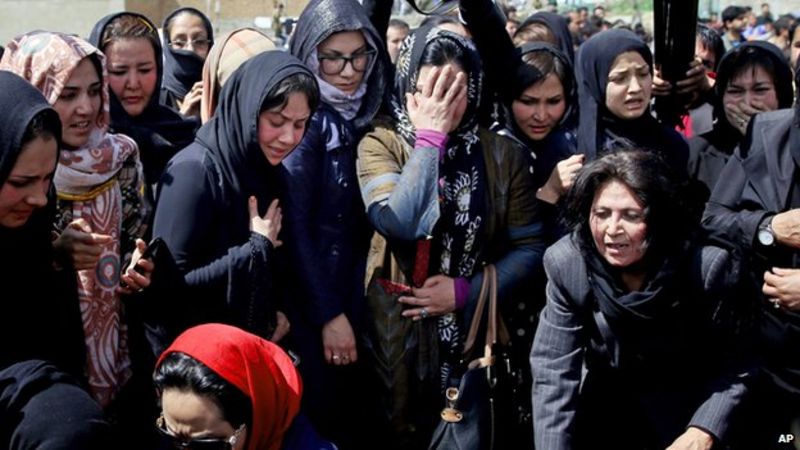
Why is Women Targeted in Mob Attacks

Daily writing prompt
Do you or your family make any special dishes for the holidays?

By Shashikant Nishant Sharma

The incidents of women lynching in Manipur have drawn significant attention to the issue of vigilantism and the dangers it poses, particularly to vulnerable groups such as women. It’s important to address the issue of mob attacks on women in the context of India and examine the complex factors contributing to such incidents. India, like many other societies, has deep-rooted gender inequalities and a patriarchal social structure. Despite significant progress in women’s rights and empowerment, there are still pockets of society where traditional gender norms and attitudes persist, leading to the marginalization and vulnerability of women. Some cultural norms and beliefs may perpetuate the notion that women are subordinate to men and should not challenge authority. This can result in the objectification and disrespect of women, making them targets of mob attacks in certain situations. In some cases, mob attacks on women may be used as a means of exerting control or punishment. Women who are perceived as deviating from societal norms or who assert their rights and freedoms may face hostility from conservative elements.

Despite progress in women’s empowerment, there are still areas where women face limited access to education, healthcare, and economic opportunities. This lack of empowerment can make them more susceptible to violence and abuse. The effectiveness of law enforcement and the justice system in addressing crimes against women can vary widely across regions in India. Weak law enforcement and slow justice processes may embolden perpetrators and encourage mob violence. Mob attacks often involve a group mentality where individuals may feel less accountable for their actions, leading to a sense of impunity. This can lead to the escalation of violence, especially against vulnerable targets like women. In some cases, mob attacks against women may be linked to underlying communal or caste tensions. Women from minority or marginalized communities may be targeted as part of larger conflicts.

Addressing these issues requires a multi-faceted approach:

  • Promoting gender equality and women’s empowerment through education, awareness campaigns, and economic opportunities.
  • Strengthening law enforcement and the justice system to ensure swift and fair action against perpetrators of violence.
  • Challenging cultural norms and beliefs that perpetuate gender inequality and discrimination.
  • Encouraging community engagement and dialogue to counter mob mentality and promote respect for women’s rights.
  • Enhancing women’s safety through measures like improved street lighting, safe public transportation, and community watch programs.

It’s important to recognize that progress is being made in India towards addressing these challenges, and numerous individuals and organizations are working tirelessly to improve the status of women and their safety. However, the issue remains complex and will require sustained efforts from all sections of society to achieve lasting change.

How to Celebrate World Environment Day

Daily writing prompt
Do you or your family make any special dishes for the holidays?

by Shashikant Nishant Sharma

World Environment Day is celebrated on June 5 every year, and it is a day designated by the United Nations to encourage global awareness and action to protect the environment. The theme for World Environment Day changes every year, and it serves as a platform for individuals, governments, and organizations to come together and take action towards a sustainable future. While celebrating World Environment Day is crucial, it is equally essential to ensure that the celebrations are meaningful and impactful. In this critical note, we will discuss how to celebrate World Environment Day effectively.

Spread Awareness: One of the primary purposes of World Environment Day is to raise awareness about environmental issues. Therefore, it is essential to create awareness about the importance of protecting the environment and the impact of human activities on it. We can organize events and campaigns such as rallies, poster competitions, and educational seminars to spread awareness. We can also use social media platforms to spread awareness and educate people about environmental issues.

Plant Trees: Planting trees is an effective way to celebrate World Environment Day as it helps to combat air pollution and climate change. We can organize tree planting drives in parks, schools, and other public spaces. We can also encourage people to plant trees in their homes and communities. It is essential to ensure that the trees planted are native species and are planted in areas where they can grow and thrive.

Reduce Waste: The world is currently grappling with a waste management crisis, and reducing waste is an effective way to combat this problem. On World Environment Day, we can organize waste management campaigns such as plastic clean-up drives and awareness campaigns about reducing plastic waste. We can also encourage people to reduce waste by practicing sustainable habits such as recycling and composting.

Clean-Up Campaigns: Clean-up campaigns are an effective way to celebrate World Environment Day as they help to clean up polluted areas and promote cleanliness. We can organize clean-up campaigns in beaches, parks, and other public spaces. These campaigns can involve volunteers who can help to pick up litter and debris.

Support Local Conservation Efforts: World Environment Day is an opportunity to support local conservation efforts. We can partner with local organizations and groups working towards environmental conservation and support their efforts. This can involve volunteering, donating funds, or participating in events organized by these organizations.

Sustainable Living: Sustainable living is the key to a greener and cleaner future, and World Environment Day is an opportunity to encourage people to adopt sustainable living practices. We can organize campaigns and events that promote sustainable practices such as reducing energy consumption, using public transport, and reducing water usage. These events can also encourage people to adopt eco-friendly products and practices.

Encourage Policy Changes: Policy changes are crucial to combat environmental issues, and World Environment Day is an opportunity to urge policymakers to take action towards a sustainable future. We can organize petitions, letters, and other campaigns that encourage policymakers to implement policies that promote sustainability.

In conclusion, World Environment Day is an opportunity to celebrate and take action towards a sustainable future. While celebrating the day, it is essential to ensure that the celebrations are meaningful and impactful. We can spread awareness, plant trees, reduce waste, organize clean-up campaigns, support local conservation efforts, promote sustainable living, and encourage policy changes to make World Environment Day celebrations effective. Together, we can make a difference and work towards a sustainable future.

—————————————————————-