
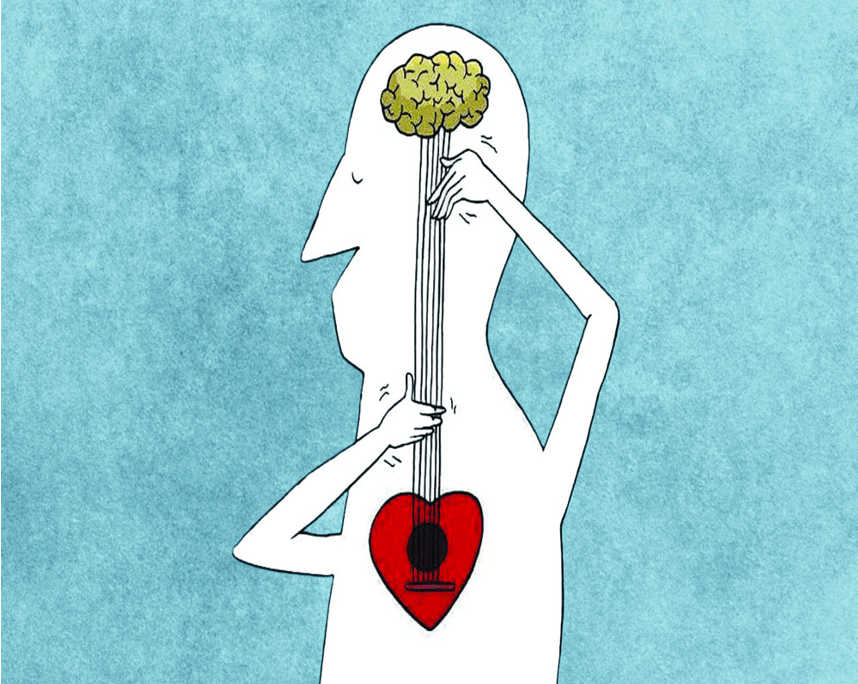
“Music has healing powers. It has the ability to take people out of themselves for a few hours” – Elton John
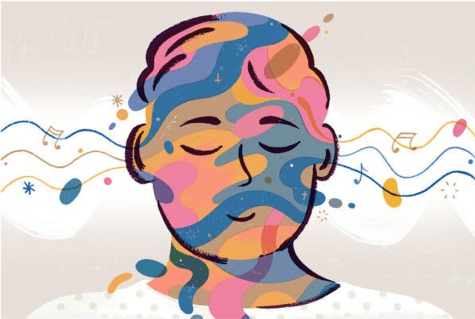
It is interesting to believe that music has healing powers as it enhances mindfulness. What is incredibly special about music is the fact that music is available to everyone everywhere. No matter what the situation is, music is one thing which does not need to worry about time and place and most people will agree that we all need music in our lives as it has its ways of opening hearts and sometimes helping people express themselves.
The most beautiful thing about music is, we can use music when we are joyous and we can use music when our heartaches. We all have that one song that has such deep imprints in our minds, which simply helps us in lifting our mood during hard times.
American musician Billy Joel once said, “It’s an explosive expression of humanity. It’s something we are all touched by. No matter what culture we are from, everyone loves music.”
It is how deeply one can connect with music that makes it so therapeutic.
What is Music therapy?
Music therapy for healing mental health issues uses music as a therapeutic modality. This therapy is known to open up gates for communication that transcends the limitations of verbal expression. It helps in balancing emotions and also in expressing some deep-seeded feelings.
Music therapy employs its natural properties like mood-lifting to help people improve not only their mental health but overall well-being.
Barbara Else, the senior advisor of policy and research at the American Music Therapy Association says, “We have such a deep connection to music because it is ‘hardwired’ in our brains and bodies. The elements of music – rhythm, melody, etc. – are echoed in our physiology, functioning, and being.”
It has been observed that music therapy session mainly includes making and listening to music which is then followed by a discussion. It’s based on psychological disciplines like psychodynamic, behavioural, and humanistic therapeutic approaches.
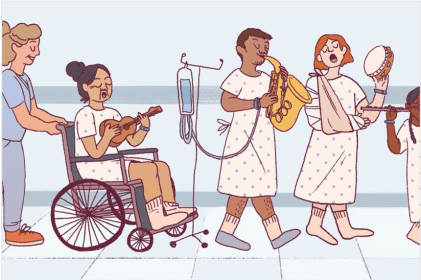
There are two different types of music therapy
Active music therapy
In Active music therapy, the therapist and the client(s) create music with various instruments, their voices, or other objects.
Receptive music therapy
In Receptive music therapy, the therapist plays an instrument and makes music and the client listens.
How exactly does music therapy help mental health?
A study led by Brunel University in the United Kingdom suggested that music may help in reducing pain and anxiety who have undergone surgery. A lot of patients suffer a lifestyle change that can cause stress, anxiety, and even depression and it has been observed that music can be used in such situations to relieve on from such stress.
The leader of the study, Dr. Catherine Meads said – “If music was a drug, it would be marketable. Music is a non-invasive, safe, cheap intervention that should be available to everyone undergoing surgery.”
Researches show that music triggers the release of opioids in the brain which is a natural pain reliever. People with mental health issues can use musical interactions as a means of communication and expression. This therapy aims to help individuals develop relationships and address issues they may not be able to address using words alone.
What are the outcomes/results one observes after music therapy?
- Reduced muscle tension
- Improved self-image/self-esteem
- Decreased anxiety/agitation
- Increased verbalization
- Enhanced interpersonal relationships
- Improved group cohesiveness
- Increased motivation
- Successful and safe emotional release
- Reduced social isolation
- Decrease in stress hormone(cortisol) in teenagers especially
- Improved aggression
Music is powerful. It promotes the idea of being calm and relaxed which has become extremely essential in today’s day and age where everyone busy rushing to achieve their goals at cost of their overall well-being. It is through music that one can sit, take a breather and try to relieve themselves from all the stress and anxiety.
References
https://www.medicalnewstoday.com/articles/302903
https://www.musictherapy.org/assets/1/7/MT_Mental_Health_2006.pdf
 Track2Training