
Writing a resume requires a balance of finesse and attention-to-detail to land an interview for the role you seek. It’s all about presenting your professional brand in a way that will pique the interest of a hiring manager.
There’s more than one way to write a resume. But writing a good resume is easier said than done, especially if you lack formal work experience. However, there are some resume-writing tips that can help you present your best skills and top achievements to potential employers.
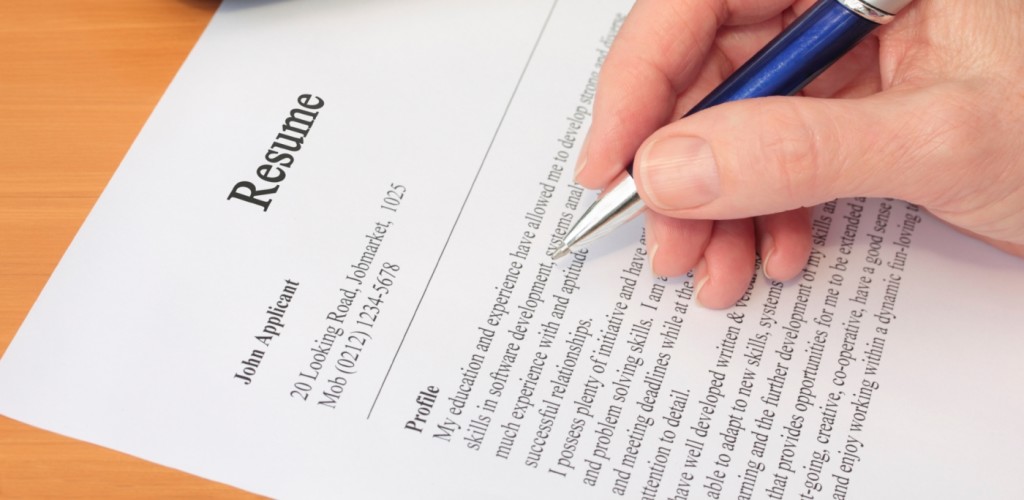
Writing Prep
Before you start writing your resume, there are a few things you’ll need to prepare. Remember, each resume you write should be customized to an individual role.
To ensure you have all the information you need at your fingertips, keep the following in mind:
- Look at the job ad to understand the role.
- List your applicable soft, hard and technical skills.
- Highlight important job duties from each of your previous positions.
Choosing the Resume Format
Before you start writing anything, the first step is to decide on the right format for your resume. There are three basic resume formats used by job seekers today: reverse-chronological, functional, and combination.
- Chronological resume format
- Functional resume format
- Combination resume format
So, which format is the best?
Fortunately, there’s a simple answer: the reverse chronological format is the best choice for the vast majority of job seekers. Most employers are used to seeing chronological resumes, and it’s considered the standard format for job seekers in every industry.
Why? Because for most new and mid-level professionals the chronological format is the best way to showcase their blossoming career.
Resume objective
The professional summary is how you grab a reader’s attention and express your career goals and interest in three to five sentences. It is usually the section hiring managers spend the most time on, so it should be both succinct and customized to the job posting.
Use this section if:
- I am an entry-level applicant.
- I do not have in-depth experience in the industry.
- I am a recent college graduate.
Don’t if:
- I have a wealth of industry-specific skill sets.
- I am changing career paths.
Here are two examples of career objectives:
- “Dedicated marketing professional with 12 years of experience looking to explore a career in design.”
- “Recent graduate looking to pursue a career at a pharmaceutical company in chemical research.”
Writing your work experience section
Employers want to see the impact your work has had in your previous jobs, so your work experience should be more than just a list of responsibilities. Results matter and numbers are powerful. Regardless of your role, it’s usually possible to find data or metrics that prove your impact in previous roles. Some tips:
- List your jobs in reverse-chronological order. Add your most recent position first. If you have many years of experience or have changed jobs often, focus on the first 10 years of your employment history.
- Show off the positive. Did you give great advice to customers or improve a less than effective program? Then let your future employers know so they can see what you’d bring to the table if you are hired.
- Don’t forget keywords. Whenever possible, use keywords from the job ad to describe your accomplishments and job duties. Use the same language as the job posting. Don’t clutter your resume with buzzwords because you think you should. Use your real experience to prove that you’re a great fit.
Completing the resume
Now that you’ve written the bulk of your resume, it’s time to focus on the finer details of your document. Listing out your educational experience proves your industry qualifications and lets employers know you are a good fit.
To start, your header/contact information should be in a font that is professional and easy to read. Make sure to double-check your contact information for accuracy. Add the finishing touches to your resume by including:
- Links to your portfolio or website, if applicable
- Link to your LinkedIn profile
- Details about special training and certifications, if applicable
- Information about awards and honors you’ve won, if they are relevant to the role
- Languages
- Volunteer work
- Industry conferences
Edit and proofread your resume
- Fact-check the details. Double-check things like dates and the spelling of company or school names and that all of your contact information is accurate and up to date.
- Proofread your resume. Your hard work on making the resume most presentable will go down the drain if your resume is full of spelling and grammatical errors. Read the page from top to bottom before deeming it ready for recruiters. Whenever possible, send your document to a trusted friend for a fresh set of eyes.

SOURCES
https://resumegenius.com/blog/resume-help/how-to-write-a-resume
https://www.livecareer.com/resources/resumes/how-to/write/8-simple-steps
 Track2Training