
Authors: Shashikant N Sharma, Dungar Singh
Traffic analysis plays a pivotal role in urban planning, transportation management, and road safety enhancement. While much attention is given to intersections, mid-block segments of road are often overlooked, even though they are just as critical in ensuring safe and efficient traffic flow. Mid-block traffic analysis is the systematic study of these segments, providing valuable insights into traffic behavior, road design, and safety measures. In this article, we delve into the world of mid-block traffic analysis, exploring its significance and methodologies.
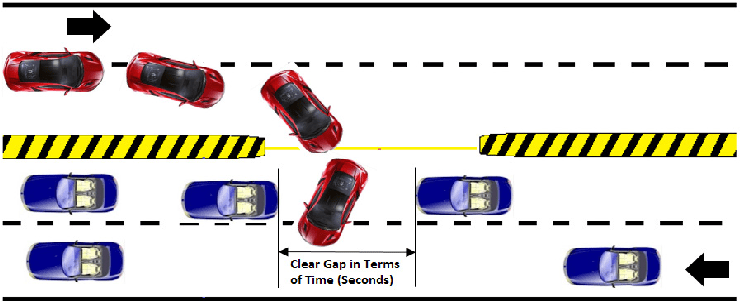
In the realm of transportation and urban planning, ensuring road safety is paramount. The complex dynamics of traffic flow demand comprehensive strategies that go beyond the typical intersection-focused approaches. Mid-block traffic analysis emerges as a crucial tool in this endeavor, addressing a critical aspect of road safety often overlooked.
Mid-block segments, which refer to the sections of road between intersections, are essential components of any urban or suburban roadway network. They present unique challenges and opportunities for traffic management and safety improvement. From pedestrian safety to efficient vehicle flow, understanding and analyzing mid-block traffic is vital for creating safer and more sustainable transportation systems.
This article delves into the intricacies of mid-block traffic analysis, shedding light on its importance, methodologies, and real-world applications. We will explore how this tool can help identify traffic patterns, assess risk factors, and guide the implementation of targeted safety measures. By gaining a deeper understanding of mid-block traffic analysis, we empower urban planners, engineers, and policymakers to make informed decisions that prioritize road safety and enhance the overall quality of transportation networks.
The Significance of Mid-Block Traffic Analysis
Mid-block segments represent the stretches of road that lie between intersections or major junctions. These areas may not have traffic signals, stop signs, or other intersection controls, making them particularly susceptible to various traffic-related issues. Understanding and analyzing traffic patterns in these sections is vital for several reasons:
- Safety Improvement: Mid-block segments often witness a significant number of accidents, including pedestrian incidents. Analyzing traffic behavior in these areas helps identify safety deficiencies and implement measures to reduce accidents.
- Traffic Flow Optimization: Efficient traffic flow is essential for minimizing congestion and travel time. Mid-block traffic analysis can help identify bottlenecks, congestion points, and areas where traffic calming measures are needed.
- Infrastructure Assessment: Evaluating the road infrastructure in mid-block segments ensures that they are designed to accommodate the current and projected traffic volume. This can lead to better road planning and infrastructure development.
- Pedestrian Safety: Many mid-block areas have pedestrian crosswalks. Understanding how pedestrians interact with vehicles in these sections is crucial for designing safe pedestrian facilities.
Methodologies for Mid-Block Traffic Analysis
Several methodologies and tools are employed to conduct mid-block traffic analysis, each with its own strengths and applications:
- Traffic Counting: The collection of traffic data through various means, such as manual counts, automated counters, or video analysis, is fundamental. These data include vehicle counts, speed, and vehicle classifications.
- Speed Studies: Analyzing vehicle speeds in mid-block segments helps identify areas where speed limits may need adjustment or where traffic calming measures like speed bumps are necessary.
- Conflict Analysis: Identifying conflict points where vehicles interact, such as lane changes, merges, or diverges, allows for pinpointing potential safety hazards.
- Pedestrian Studies: For areas with pedestrian crosswalks, studying pedestrian behavior and the interaction between pedestrians and vehicles is crucial. This includes crosswalk utilization, waiting times, and crossing behavior.
- Geographic Information Systems (GIS): GIS technology helps in mapping and visualizing traffic data, allowing for more comprehensive analysis and planning.
- Surveys and Observations: Surveys and observations conducted by traffic engineers and transportation experts provide valuable qualitative data on driver behavior, pedestrian activity, and road conditions.
- Simulation Modeling: Computer simulation tools can replicate traffic flow scenarios and help assess the impact of different interventions and designs in mid-block segments.
Applying Mid-Block Traffic Analysis
Once data is collected and analyzed, the findings can be applied to improve mid-block traffic safety and efficiency:
- Infrastructure Upgrades: Implement changes to road design, signage, lighting, and pavement markings based on analysis results.
- Traffic Calming Measures: Install speed bumps, pedestrian refuge islands, or raised crosswalks to slow down vehicles and improve pedestrian safety.
- Traffic Enforcement: Allocate resources for increased police presence and enforcement in areas with high accident rates or traffic violations.
- Education and Awareness: Launch public awareness campaigns to inform drivers and pedestrians about the specific safety measures in place and how they can contribute to road safety.
Conclusion
Mid-block traffic analysis is a crucial tool for enhancing road safety and optimizing traffic flow in urban areas. By understanding and addressing the unique challenges posed by mid-block segments, cities and transportation authorities can make significant strides in creating safer, more efficient road networks. As technology and methodologies continue to advance, the accuracy and effectiveness of mid-block traffic analysis will further improve, ultimately leading to better and safer transportation systems for all road users.
References
- Ogden, K. W., & Hall, F. L. (2017). Urban Traffic Systems. Wiley.
- Transportation Research Board. (2018). Highway Capacity Manual (6th ed.). National Academies Press.
- Leden, L., & Brühwiler, P. A. (2016). Road Traffic Data: Collection and Analysis. CRC Press.
- Zegeer, C. V., Stewart, J. R., Huang, H. F., & Lagerwey, P. A. (2002). Safety Effects of Marked vs. Unmarked Crosswalks at Uncontrolled Locations: Analysis of Pedestrian Crashes in 30 Cities. Transportation Research Record, 1818, 84-94.
- Fitzpatrick, K., Koppa, R., Park, E. S., & Carlson, P. (2010). Evaluation of Pedestrian Crosswalks: Analysis of Pedestrian Crashes and Factors Influencing Driver Yielding Behavior. Transportation Research Record, 2188, 40-48.
- Federal Highway Administration. (2009). Manual on Uniform Traffic Control Devices for Streets and Highways. U.S. Department of Transportation.
- Bonneson, J. A., Zimmerman, K., Chien, S., & Karim, A. (2017). Guidelines for the Timing of Pedestrian Walk/Don’t Walk Intervals. Texas A&M Transportation Institute.
- Levinson, H. S., & Dutzik, T. (2017). Dangerous by Design 2016: An Analysis of Pedestrian Deaths in the U.S. and Recommendations for Safer Streets. Smart Growth America.
- National Cooperative Highway Research Program. (2019). NCHRP Synthesis 545: Addressing Bicycle and Pedestrian Safety at Intersections. Transportation Research Board.
- Pietrucha, M. T., & Baek, J. (2016). Analysis of Vehicle Speeds at Crosswalks on Multilane Roads Using Video Data. Journal of Transportation Engineering, 142(4), 04015056.
- Singh, D., Ameen, T., & Ahmad, A. (2021). Analysis of delay and queue length variation at three-leg signalized intersection under mixed traffic condition. Innovative infrastructure solutions, 6(2), 125.
 Track2Training
You must be logged in to post a comment.