
By: Shashikant Nishant Sharma and Kavita Dehalwar
Writing a term paper involves several key steps and considerations. Here are some general guidelines to help you navigate the process:
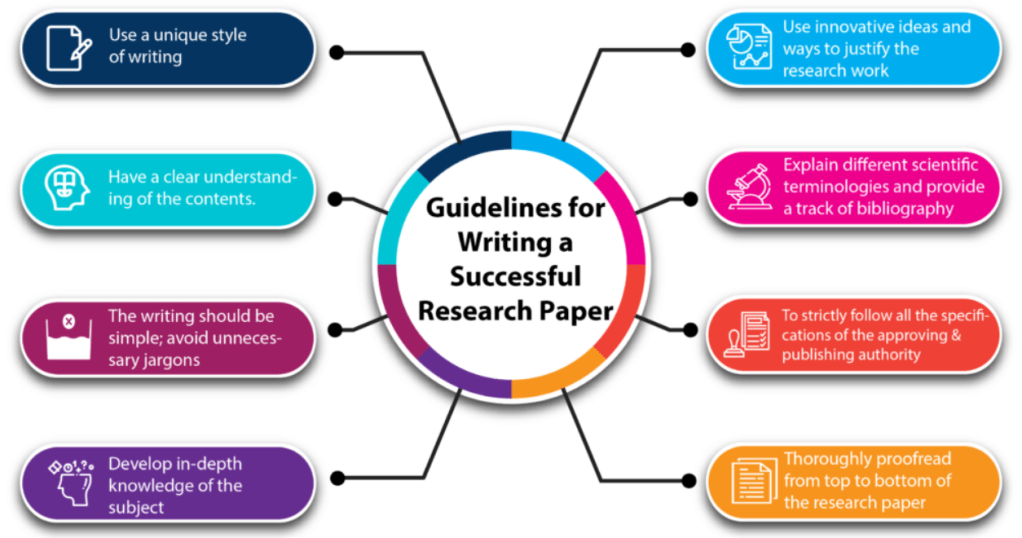
Understand the Assignment:
Carefully read the assignment promptly to understand the requirements and expectations.
Take note of any specific guidelines regarding formatting, length, and citation style.
Before embarking on your term paper, meticulously examine the assignment prompt to comprehend its requirements. Pay keen attention to formatting specifications, paper length constraints, and the prescribed citation style. Understanding these nuances is crucial for meeting the instructor’s expectations and ensuring your paper aligns with the given guidelines. This initial step lays the foundation for a well-structured and appropriately formatted academic work, enhancing your chances of academic success.
Choose a Topic:
Select a topic that interests you and is relevant to the course.
Ensure the topic is not too broad or too narrow for the scope of the assignment.
When selecting a topic for your term paper, choose a subject that genuinely captivates your interest and holds relevance to the course content. Passion for the topic can fuel your engagement and motivation throughout the research and writing process. However, it’s equally important to strike a balance: avoid topics that are overly broad, as this can result in a superficial treatment of the subject, and steer clear of overly narrow topics that may lack sufficient research material. Aim for a focused yet comprehensive theme that allows you to explore the intricacies of the subject within the assignment’s scope, ensuring depth and academic rigor.
Conduct Research:
Use a variety of reputable sources such as academic journals, books, and reliable websites.
Take thorough notes and keep track of your sources for proper citation.
When conducting research for your term paper, diversify your sources to include reputable outlets such as academic journals, authoritative books, and reliable websites. Academic journals offer peer-reviewed insights, books provide in-depth analyses, and trusted websites can offer contemporary perspectives. As you delve into your sources, take meticulous notes to capture key ideas, evidence, and citations. Organize your notes methodically to facilitate later writing and referencing. Maintain a comprehensive record of your sources, noting details like authors, publication dates, and page numbers. This disciplined approach ensures accurate and proper citation, lending credibility to your work and acknowledging the intellectual contributions of others.
Create a Thesis Statement:
Develop a clear and concise thesis that outlines the main argument or purpose of your paper.
Your thesis should guide the reader on what to expect from your paper.
Craft a clear and concise thesis statement that succinctly outlines the main argument or purpose of your paper. This pivotal sentence serves as the focal point, conveying the core message you aim to explore or prove. Ensure that your thesis is specific, debatable, and directly related to the topic. It should not only encapsulate the essence of your stance but also provide a roadmap for the reader. Your thesis acts as a guidepost, offering a preview of the arguments and insights that will unfold in your paper, cultivating anticipation and setting the tone for a coherent and purposeful academic exploration.
Outline Your Paper:
Create a structured outline that organizes your thoughts and ideas logically.
Include an introduction, body paragraphs, and a conclusion.
Construct a well-structured outline to logically organize your thoughts and ideas for your term paper. Begin with an introduction that provides background information, introduces the topic, and states your clear and concise thesis statement. Follow this with organized body paragraphs, each centered on a distinct point that supports your thesis. Begin each body paragraph with a topic sentence, supported by evidence and analysis. Maintain a logical flow between paragraphs. Finally, craft a conclusion that summarizes key points, restates your thesis in a new light, and explores broader implications or future research possibilities. This structured outline serves as a foundation for a coherent and compelling term paper.
Write the Introduction:
Provide background information on the topic.
Present your thesis statement.
Outline the structure of your paper.
In the introduction of your term paper, provide essential background information on the chosen topic to contextualize it for the reader. Establish the relevance and significance of the subject matter within the broader context of your field of study. Following this, present a clear and concise thesis statement that encapsulates the main argument or purpose of your paper.
Conclude the introduction by outlining the structure of your paper. Briefly describe how you will unfold your arguments and what each section will focus on. This serves as a roadmap for your readers, guiding them through the logical progression of your ideas. A well-crafted introduction not only captures attention but also provides a framework for understanding the content and organization of your term paper.
Develop Body Paragraphs:
Each paragraph should focus on a single point that supports your thesis.
Use topic sentences to introduce the main idea of each paragraph.
Support your points with evidence and examples from your research.
Ensure the coherence and clarity of your term paper by dedicating each paragraph to a singular point that reinforces your thesis. Begin each paragraph with a topic sentence that concisely introduces the main idea. This sentence acts as a guidepost for the reader, signaling the focus of the upcoming discussion. Subsequently, support your assertions with relevant evidence and examples derived from your research. This evidence could include data, quotations, or references to scholarly literature. By adhering to this structure, you provide a systematic and compelling development of your arguments, allowing your reader to follow and appreciate the logical progression of your ideas.
Cite Your Sources:
Follow the citation style specified in the assignment prompt (e.g., APA, MLA, Chicago).
Be consistent in your citation format throughout the paper.
Adhere to the specified citation style outlined in the assignment prompt, whether it’s APA, MLA, Chicago, or another format. Familiarize yourself with the rules and guidelines of the chosen citation style, encompassing aspects like in-text citations, bibliography, and formatting of reference entries.
Consistency is paramount; maintain the same citation format throughout your paper. Ensure that every source cited in the text aligns with the corresponding entry in the bibliography, and vice versa. This uniformity not only upholds academic integrity but also enhances the professionalism and credibility of your work. Precise and consistent citations allow readers and evaluators to trace and verify your sources seamlessly.
Write a Strong Conclusion:
Summarize the main points of your paper.
Restate your thesis in a new way.
Discuss the broader implications of your findings or suggest areas for future research.
In your term paper’s conclusion, succinctly summarize the main points you’ve addressed throughout the paper. Emphasize key findings and insights that support your thesis.
Restate your thesis in a fresh and impactful manner, providing a renewed perspective on the central argument. This restatement should capture the essence of your thesis without simply repeating the original wording.
Extend your conclusion by delving into the broader implications of your research. Discuss how your findings contribute to the field of study, highlight practical applications, or suggest potential impacts on related areas. Additionally, consider proposing areas for future research, inviting readers to explore and expand upon the foundations you’ve laid. This forward-looking element adds depth to your conclusion and encourages scholarly engagement beyond the scope of your paper.
Revise and Edit:
Review your paper for clarity, coherence, and consistency.
Check for grammar, punctuation, and spelling errors.
Consider seeking feedback from peers or instructors.
Prior to submission, meticulously review your term paper to ensure clarity, coherence, and consistency. Verify that your arguments logically flow, with each paragraph contributing to the overall coherence of the paper. Confirm that your ideas are presented clearly and that there’s a logical progression from one point to the next.
Check for grammar, punctuation, and spelling errors to maintain a polished and professional presentation. Utilize grammar-checking tools but also manually proofread to catch nuanced mistakes that automated tools might overlook.
Consider seeking feedback from peers or instructors. External perspectives can offer valuable insights, identifying potential areas for improvement and confirming that your paper effectively communicates its intended message. Constructive feedback enhances the overall quality of your work and helps you refine your writing skills.
Check Formatting:
Ensure your paper adheres to the specified formatting guidelines.
Include a title page, if required, and a bibliography or works cited page.
Guarantee that your term paper complies with the specified formatting guidelines outlined in the assignment instructions. Confirm that you’ve met any requirements regarding font, spacing, margins, and other formatting details.
Include a title page if it is required. The title page typically contains essential information such as the title of your paper, your name, the course title, the instructor’s name, and the date.
Don’t forget to incorporate a bibliography or works cited page, adhering to the citation style (e.g., APA, MLA, Chicago) specified in the assignment prompt. List all the sources you referenced in your paper in a consistent and organized manner, providing readers with a clear roadmap to trace and verify your sources. Pay attention to the specific details required for each citation entry, such as author names, publication dates, titles, and page numbers.
Final Review:
Read through your paper one final time to catch any last-minute errors.
Make sure your paper flows well and effectively communicates your ideas.
Before submitting your term paper, conduct a final thorough review. Read through your paper carefully to identify and rectify any last-minute errors in grammar, punctuation, or spelling. This meticulous check ensures the overall quality and professionalism of your work.
Pay attention to the flow of your paper. Confirm that your ideas progress logically and that each paragraph seamlessly connects with the next. Check for coherence in your arguments and transitions between sections, ensuring that your paper effectively communicates your intended message.
This final review is an opportunity to polish your work, presenting it in its best possible form before submission. Taking the time for this last check can significantly enhance the overall impact and clarity of your term paper.
Submit On Time:
Submit your term paper by the specified deadline.
Keep a copy of your paper for your records.
Submit your term paper by the specified deadline to meet the requirements of the assignment. Punctuality is essential in academic settings and demonstrates your commitment to the task.
Additionally, retain a copy of your paper for your records. This precautionary step ensures that you have a backup in case of unforeseen issues with the submission process or if you need to reference your work in the future. Archiving your papers contributes to a well-organized academic record and facilitates future research or reflection on your scholarly endeavors.
Remember that these are general guidelines, and you should always follow any specific instructions provided by your instructor or institution. If you have any doubts or questions, don’t hesitate to seek clarification from your instructor.
References
Dehalwar, K., & Sharma, S. N. (2023). Fundamentals of Research Writing and Uses of Research Methodologies. Edupedia Publications Pvt Ltd.
Guilford, William H. “Teaching peer review and the process of scientific writing.” Advances in physiology education 25.3 (2001): 167-175.
Rafik-Galea, Shameem, Nalini Arumugam, and Geraldine de Mello. “Enhancing ESL Students Academic Writing Skills through the Term-Paper.” Pertanika Journal of Social Sciences & Humanities 20.4 (2012).
Sharma, Shashikant Nishant. “Understanding Citations: A Crucial Element of Academic Writing.” (2023).
Sharma, Shashikant Nishant. “Experiences in Self-Determined Learning: Moving from Education 1.0 Through Education 2.0 Towards Education 3.0.”
Sharma, Shashikant Nishant, ed. New perspectives in sociology and allied fields. EduPedia Publications (P) Ltd, 2016.
Sutton, Brian. “Writing in the disciplines, first-year composition, and the research paper.” Language and Learning across the Disciplines 2.1 (1997): 46-57.
Whitaker, Anne. “Academic writing guide.” A step-by-step-guide to writing academic papers. Seattle: City University of Seattle (2009).
 Track2Training
You must be logged in to post a comment.