


by Shashikant Nishant Sharma
Urban congestion is a pressing issue in many cities around the globe, contributing to environmental degradation, diminished quality of life, and economic inefficiencies. As cities continue to grow, the challenge of managing traffic congestion becomes increasingly complex. One promising approach to mitigating these issues is Sustainable Transit-Oriented Development (TOD). TOD focuses on creating vibrant, walkable communities centered around efficient transit systems, offering a multifaceted solution to congestion. This article explores the principles of TOD, its benefits, and how it can address urban congestion effectively.
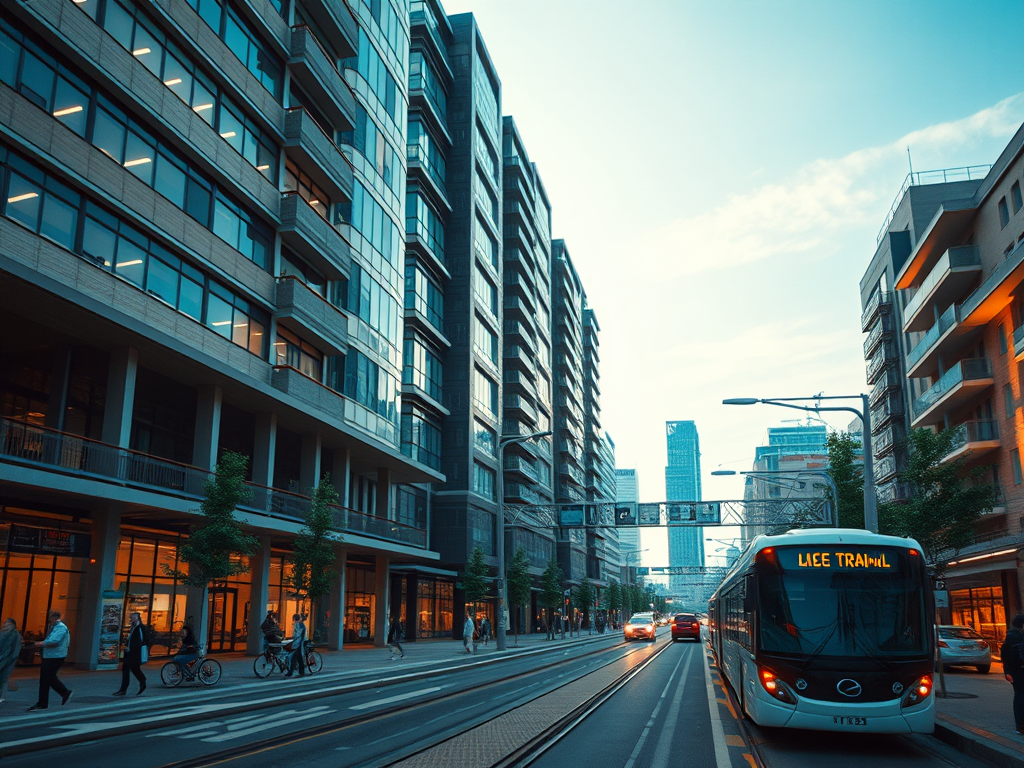
Understanding Transit-Oriented Development
Transit-Oriented Development is a planning and design strategy that emphasizes high-density, mixed-use development around public transit stations. The goal is to create environments where people can live, work, and play without relying heavily on personal vehicles. TOD integrates several key elements:
- High-Density Development: TOD promotes denser, more compact development near transit hubs. By concentrating people and activities in these areas, TOD reduces the distance people need to travel, thereby decreasing reliance on cars.
- Mixed-Use Zoning: TOD encourages the development of residential, commercial, and recreational spaces in close proximity. This mix of uses supports a vibrant, active community where residents have easy access to amenities and services.
- Pedestrian-Friendly Design: TOD emphasizes walkability, with well-designed streetscapes, pedestrian pathways, and safe crossings. This design reduces the need for short car trips, which are often inefficient and contribute to congestion.
- Efficient Transit Systems: At the core of TOD is a robust transit network that provides frequent, reliable service. This might include trains, buses, trams, or ferries that connect people to key destinations efficiently.
- Sustainable Practices: TOD incorporates green building practices, energy-efficient infrastructure, and environmental conservation. Sustainable development reduces the carbon footprint of urban areas and enhances overall livability.
Benefits of Transit-Oriented Development
- Reduction in Traffic Congestion: By providing viable alternatives to car travel and reducing the need for long commutes, TOD can significantly decrease the volume of vehicles on the road. This leads to less congestion and smoother traffic flow.
- Environmental Impact: TOD reduces greenhouse gas emissions by promoting the use of public transit and encouraging walking and cycling. Additionally, compact development lowers the urban sprawl, preserving natural landscapes and reducing habitat destruction.
- Economic Advantages: High-density development increases property values and generates greater revenue for municipalities through property taxes. Businesses benefit from higher foot traffic, and investments in transit infrastructure can lead to long-term economic growth.
- Enhanced Quality of Life: TOD fosters vibrant communities with easy access to amenities, cultural attractions, and recreational opportunities. This increases overall quality of life by reducing travel time, lowering stress, and enhancing social interactions.
- Health Benefits: Encouraging walking and cycling promotes physical activity, which can improve public health outcomes. Reduced vehicle emissions also contribute to better air quality, further benefiting health.
Implementing Successful TOD
- Planning and Zoning: Effective TOD requires careful planning and zoning regulations that support high-density and mixed-use development. Planners need to balance growth with infrastructure capacity and ensure that land use policies align with TOD principles.
- Community Engagement: Engaging with the community is crucial for the success of TOD projects. Public input helps address concerns, tailor developments to local needs, and build support for transit initiatives.
- Investment in Infrastructure: Successful TOD relies on well-developed transit infrastructure. Governments and private stakeholders must invest in transit systems, including stations, routes, and amenities, to ensure they meet the demands of growing populations.
- Integration with Existing Systems: TOD should complement and enhance existing transportation networks. Integrating new developments with current transit systems can maximize the benefits and ensure a seamless experience for users.
- Policy Support: Strong policy frameworks and incentives are essential for promoting TOD. Governments can support TOD through grants, tax incentives, and supportive legislation that encourages sustainable development practices.
Case Studies
- Portland, Oregon: Portland is renowned for its successful TOD initiatives. The city has integrated light rail lines with mixed-use developments, creating vibrant neighborhoods around transit stations. The Portland Streetcar and MAX Light Rail are pivotal in reducing congestion and supporting local businesses.
- Hong Kong: Hong Kong’s TOD model is characterized by its extensive and efficient transit system, which is intricately linked with high-density development. The city’s integration of transit with residential and commercial spaces has helped manage congestion effectively and promote sustainable urban living.
- Copenhagen, Denmark: Copenhagen is a leader in sustainable transit planning, with its focus on cycling infrastructure and public transit. The city’s TOD strategies include bike-friendly streets and efficient transit options that reduce reliance on cars and alleviate congestion.
Challenges and Considerations
Despite its benefits, TOD faces challenges that need to be addressed:
- Funding and Investment: Securing funding for transit infrastructure and development can be challenging. Public-private partnerships and innovative financing mechanisms can help overcome this hurdle.
- Gentrification: High-density development can lead to increased property values, which may result in the displacement of lower-income residents. Ensuring affordable housing options and inclusive planning can mitigate this issue.
- Integration with Existing Urban Fabric: Implementing TOD in established urban areas requires careful planning to integrate new developments with existing infrastructure and communities.
- Long-Term Sustainability: TOD projects need to be designed with long-term sustainability in mind, considering future growth, changing transportation needs, and evolving environmental conditions.
Conclusion
Sustainable Transit-Oriented Development offers a compelling solution to urban congestion by promoting high-density, mixed-use communities centered around efficient transit systems. By reducing reliance on personal vehicles, enhancing walkability, and investing in sustainable practices, TOD can alleviate congestion, improve environmental outcomes, and enhance quality of life. As cities continue to grow, adopting TOD principles can help create more livable, sustainable urban environments and address one of the most pressing challenges of modern urban life.
References
Cervero, R., & Sullivan, C. (2011). Green TODs: marrying transit-oriented development and green urbanism. International journal of sustainable development & world ecology, 18(3), 210-218.
Dehalwar, K., & Sharma, S. N. (2023). Fundamentals of Area Appreciation and Space Perceptions.
Ibraeva, A., de Almeida Correia, G. H., Silva, C., & Antunes, A. P. (2020). Transit-oriented development: A review of research achievements and challenges. Transportation Research Part A: Policy and Practice, 132, 110-130.
Jaiswal, A., Rathore, K., & Jain, D. (2012). Sustainable transit oriented development: solving congestion problem at Delhi. OIDA International Journal of Sustainable Development, 3(8), 59-68.
Liang, Y., Du, M., Wang, X., & Xu, X. (2020). Planning for urban life: A new approach of sustainable land use plan based on transit-oriented development. Evaluation and program planning, 80, 101811.
Loo, B. P., & du Verle, F. (2017). Transit-oriented development in future cities: towards a two-level sustainable mobility strategy. International Journal of Urban Sciences, 21(sup1), 54-67.
Ma, X., Chen, X., Li, X., Ding, C., & Wang, Y. (2018). Sustainable station-level planning: An integrated transport and land use design model for transit-oriented development. Journal of Cleaner Production, 170, 1052-1063.
Sharma, S. N. (2019). Review of most used urban growth models. International Journal of Advanced Research in Engineering and Technology (IJARET), 10(3), 397-405.
Sharma, S. N., & Dehalwar, K. (2023). Fundamentals of Planning and Design of Housing.
Sharma, S. N., Kumar, A., & Dehalwar, K. (2024). The Precursors of Transit-oriented Development. EPW Economic & Political Weekly, 59(16), 14.
 Track2Training
You must be logged in to post a comment.