


By Shashikant Nishant Sharma
The Sustainable Development Goals (SDGs), established by the United Nations in 2015, represent a global commitment to address critical challenges such as poverty, inequality, climate change, and access to education and healthcare. These 17 goals aim to create a sustainable future by balancing economic growth, social inclusion, and environmental protection. Social work, as a profession dedicated to fostering social justice and improving the well-being of individuals and communities, plays a pivotal role in achieving these goals.
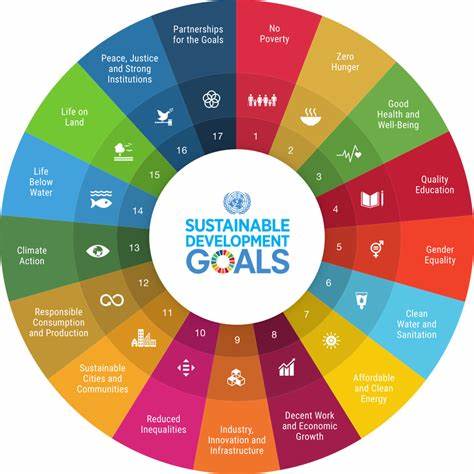
Understanding the SDGs
The SDGs encompass a broad spectrum of interconnected objectives, including:
- No Poverty (Goal 1): Eradicating extreme poverty and ensuring access to resources and opportunities for all.
- Zero Hunger (Goal 2): Addressing food security and promoting sustainable agriculture.
- Good Health and Well-Being (Goal 3): Ensuring healthy lives and access to quality healthcare.
- Quality Education (Goal 4): Providing inclusive and equitable education for all.
- Gender Equality (Goal 5): Promoting gender equity and empowering women and girls.
- Clean Water and Sanitation (Goal 6): Ensuring access to safe water and sanitation.
- Affordable and Clean Energy (Goal 7): Promoting renewable energy and energy efficiency.
- Decent Work and Economic Growth (Goal 8): Advocating for inclusive and sustainable economic growth.
- Industry, Innovation, and Infrastructure (Goal 9): Building resilient infrastructure and fostering innovation.
- Reduced Inequalities (Goal 10): Addressing disparities in income and opportunities.
- Sustainable Cities and Communities (Goal 11): Creating safe and sustainable urban environments.
- Responsible Consumption and Production (Goal 12): Encouraging sustainable consumption patterns.
- Climate Action (Goal 13): Tackling climate change through mitigation and adaptation.
- Life Below Water (Goal 14): Protecting marine ecosystems.
- Life on Land (Goal 15): Promoting the sustainable use of terrestrial ecosystems.
- Peace, Justice, and Strong Institutions (Goal 16): Promoting peaceful and inclusive societies.
- Partnerships for the Goals (Goal 17): Strengthening global collaboration to achieve the SDGs.
The Role of Social Work
Social work contributes significantly to the realization of the SDGs through its core values of social justice, human rights, and empowerment. Below are some of the key ways in which social work aligns with and advances the SDGs:
- Poverty Alleviation: Social workers engage in community development programs, advocate for social welfare policies, and provide direct assistance to marginalized populations, addressing the root causes of poverty.
- Promoting Health and Well-Being: Social workers play a critical role in healthcare settings, offering counseling, case management, and support services to improve mental and physical health outcomes.
- Advancing Education: Social workers support access to education by working with schools, families, and communities to address barriers such as poverty, discrimination, and lack of resources.
- Gender Equality and Social Justice: Through advocacy and intervention, social workers combat gender-based violence, promote women’s empowerment, and challenge societal norms that perpetuate inequality.
- Building Resilient Communities: Social workers assist communities in disaster preparedness, recovery, and resilience, aligning with goals such as climate action and sustainable cities.
- Addressing Inequalities: Social workers work tirelessly to reduce inequalities by advocating for inclusive policies, combating discrimination, and ensuring equitable access to resources and opportunities.
- Environmental Sustainability: Recognizing the interconnectedness of social and environmental issues, social workers engage in initiatives that promote environmental justice, sustainable practices, and awareness of climate change.
- Strengthening Institutions and Partnerships: Social workers collaborate with governments, NGOs, and other stakeholders to design and implement programs that foster peace, justice, and effective governance.
Challenges and Opportunities
While social work has immense potential to advance the SDGs, it also faces challenges such as resource constraints, political resistance, and systemic inequities. However, these challenges present opportunities for innovation, advocacy, and collaboration. By leveraging technology, fostering partnerships, and emphasizing community-driven approaches, social workers can amplify their impact.
Conclusion
The SDGs provide a comprehensive framework for creating a sustainable and equitable world. Social work, with its commitment to social justice and human dignity, is uniquely positioned to contribute to these goals. By addressing systemic issues, empowering communities, and fostering resilience, social workers play a crucial role in transforming the vision of the SDGs into reality. As the world navigates complex global challenges, the integration of social work practices with the SDGs offers a pathway to a more inclusive and sustainable future.
References
Amadi, L. A., Ogbanga, M. M., & Agena, J. E. (2015). Climate change and feminist environmentalism in the Niger Delta, Nigeria. African Journal of Political Science and International Relations, 9(9), 361-371.
Adonye, F. G., & Ogbanga, M. M. (2024). THE CONTRIBUTION OF CHRISTIAN WOMEN GROUPS TO COMMUNITY DEVELOPMENT IN OPOBO/NKORO LOCAL GOVERNMENT AREA OF RIVERS STATE NIGERIA; IMPLICATIONS AND OPPORTUNITIES FOR SOCIAL WORK PRACTICE. The Professional Social Work Journal, 31.
Ogbanga, M. M. (2024). Migration and Transformation: Understanding the Impact on Destination Countries in the Age of Mobility.
Jack, J. T. C. B., Ogbanga, M. M., & Odubo, T. R. (2018). Energy poverty and environmental sustainability challenges in Nigeria. Ilorin Journal of Sociology, 10(1), 19-31.
Ramsey-Soroghaye, B. N., & Ogbanga, M. (2022). Socio-cultural determinants hindering research among social workers in Nigeria. African Journal of Social Work, 12(4), 153-162.
Ogbanga, M. M., & Bukie, B. F. (2024). Traditional Institutions and Conflict Resolution in Nigeria: A Social Work Analysis.
Ogbanga, M. M. (2024). Vulnerabilities of Youths to Climate Change Impacts: A Case Study of Phalga Local Government Area.
Amadi, L., Imoh-Ita, I., & Ogbanga, M. (2016). Exploring knowledge management and green corporate strategy (GCS) nexus. International Journal of Social Science and Humanities Research, 4(1), 66-82.
Ogbanga, M. M., & Sharma, S. N. (2024). Climate Change and Mental Heat.
Ngowari, G. B., & Ogbanga, M. (2020). The effects of cultural practices and knowledge systems on community development. Management Insight, 16(02), 9-16.
Nwakanma, E., & Ogbanga, M. M. Assessing disaster preparedness and Indigenous disaster management systems of at-risk communities in Isoko-South LGA of Delta State, Nigeria.
Uzobo, E., & Ogbanga, M. M. (2017). The Role of Civil Registration and Vital Statistics in the Attainment of Selected Sustainable Development Goals in Nigeria. Indian Journal of Sustainable Development, 3(2), 1-10.
 Track2Training
You must be logged in to post a comment.