


1. External Development
External Development refers to all infrastructure facilities that are developed outside the individual plot or building boundary but are essential for the proper functioning of a project, township, or urban development. These facilities connect the project with the larger city or regional infrastructure network.
External development typically includes:
- External approach roads and access roads
- Water supply pipelines from municipal mains
- Sewerage and storm water connections to city networks
- External power supply lines and substations
- External drainage channels
- Street lighting in peripheral areas
The responsibility for external development may lie with the developer, government agencies, or be shared, depending on local development regulations. In large housing or mixed-use projects, external development ensures integration with city services, smooth mobility, environmental safety, and long-term sustainability. Poor external development often leads to traffic congestion, water shortages, flooding, and service failures.
2. Electrification
Electrification involves the planning, installation, and commissioning of electrical infrastructure required to supply safe and reliable power to a project or area. It includes both external electrification and internal electrification.
Key components of electrification include:
- High tension (HT) and low tension (LT) power lines
- Electrical substations and transformers
- Distribution panels and switchgear
- Street lighting systems
- Backup power systems (DG sets, solar PV, batteries)
External electrification connects the project to the city or state electricity grid, while internal electrification distributes power within buildings, common areas, and services. Modern electrification planning also integrates renewable energy systems, energy-efficient lighting, and smart metering to reduce power consumption and operational costs.
3. UGRs (Underground Reservoirs)
UGRs (Underground Reservoirs) are structures used for storage of potable or non-potable water below ground level. They form a critical part of water supply systems in residential, commercial, and institutional developments.
Functions of UGRs include:
- Storing municipal water for uninterrupted supply
- Acting as buffer storage during peak demand
- Supporting fire-fighting systems
- Storing treated water for reuse (flushing, landscaping)
UGRs are usually connected to overhead tanks (OHTs) through pumping systems. Proper design of UGRs ensures adequate capacity, water quality protection, ease of maintenance, and structural safety. They help ensure water security, especially in areas with intermittent municipal supply.
4. STP (Sewage Treatment Plant)
A Sewage Treatment Plant (STP) is a facility designed to treat wastewater generated from residential, commercial, or mixed-use developments before disposal or reuse. STPs are mandatory in large developments under environmental and urban development regulations.
The treatment process generally includes:
- Preliminary treatment (screening and grit removal)
- Primary treatment (settling of solids)
- Secondary biological treatment (removal of organic matter)
- Tertiary treatment (filtration and disinfection)
Treated wastewater from STPs is reused for:
- Flushing toilets
- Landscape irrigation
- Cooling towers
- Road washing
STPs reduce pollution loads on city sewer networks, conserve freshwater resources, and support sustainable urban water management. Efficient operation and maintenance of STPs are crucial to avoid odor, health risks, and environmental violations.
5. ESS (Electrical Substation / Energy Storage System)
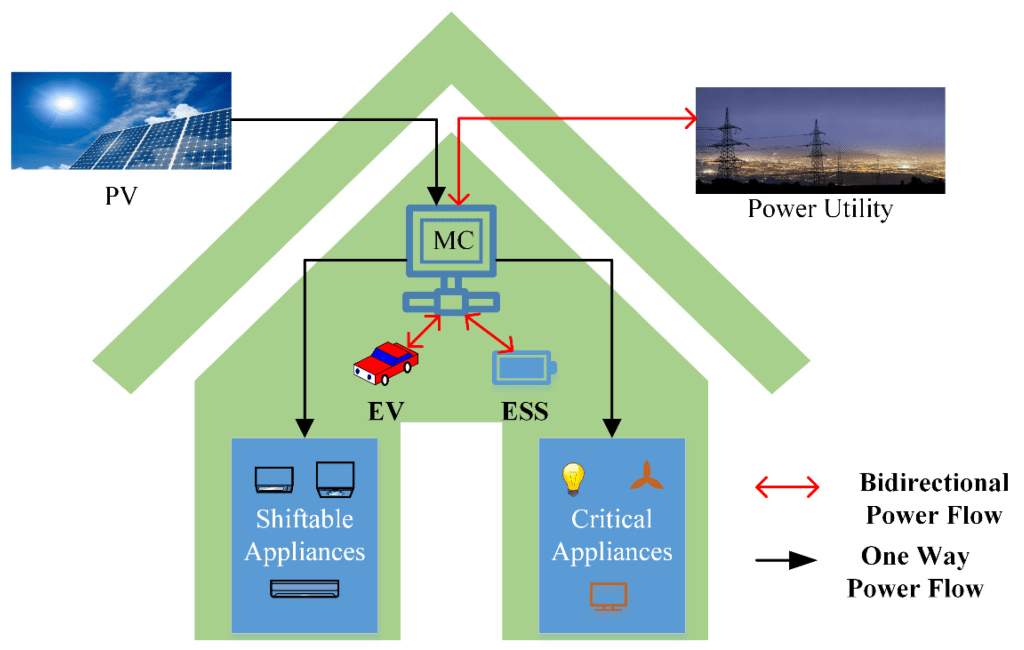
The term ESS can have two meanings depending on project context:
(a) Electrical Substation
An Electrical Substation is a facility where voltage is transformed from high to low or vice versa to enable safe distribution of electricity. Substations include:
- Transformers
- Circuit breakers
- Control panels
- Protection systems
They ensure stable power supply, voltage regulation, and electrical safety within a project or township.
(b) Energy Storage System
In modern developments, ESS may also refer to Energy Storage Systems, which store electrical energy for later use. These systems:
- Improve power reliability
- Support renewable energy integration (solar, wind)
- Reduce peak load demand
- Provide backup during power outages
Energy storage systems play a growing role in sustainable and smart city projects.
6. Other Supporting Infrastructure (“etc.”)
In addition to the above, large projects also include:
- Storm water drainage systems
- Solid waste management facilities
- Fire-fighting infrastructure
- Communication and ICT networks
- Utility corridors and service ducts
These systems collectively ensure functional efficiency, safety, environmental protection, and quality of life.
Conclusion
External development and infrastructure components such as electrification, UGRs, STPs, and ESS form the backbone of any planned urban or infrastructure project. Their proper planning, design, and integration ensure sustainable service delivery, environmental compliance, and long-term operational efficiency. Together, these systems transform physical development into a livable, resilient, and well-functioning urban environment.
 Track2Training
You must be logged in to post a comment.