
1. Introduction
Human settlements have evolved over thousands of years as societies developed new forms of social organization, economic activities, and technological advancements. A settlement refers to a place where people establish communities for living, working, and social interaction. These settlements may range from small rural villages to large urban cities.
The evolution of settlements is influenced by several factors including geography, culture, economy, religion, defense needs, and political systems. Over time, settlements have developed different patterns, sizes, and spatial structures, reflecting the social and economic characteristics of the communities that inhabit them.
Understanding the evolution of settlements is important for urban planners and historians because it helps explain the physical form and organization of cities and provides insights into how urban spaces developed over time.
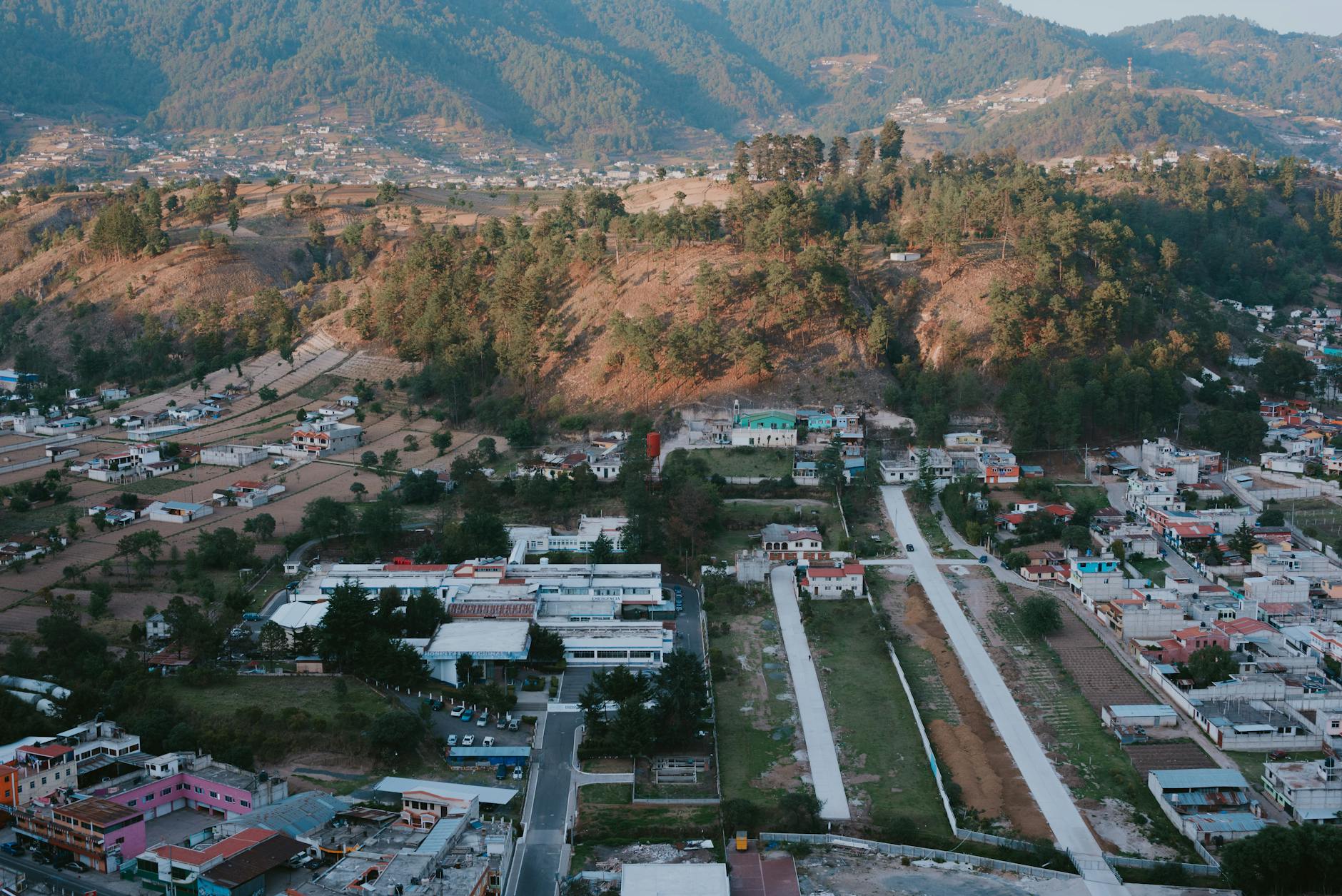
2. Evolution of Human Settlements
Human settlements have evolved through different stages of development depending on technological progress, economic systems, and social organization.
2.1 Primitive Settlements
The earliest settlements were small and temporary communities formed by hunter-gatherer groups. These settlements were usually located near water sources, forests, and fertile land that provided food and shelter.
Characteristics of primitive settlements included:
- Small population size
- Temporary or semi-permanent structures
- Dependence on natural resources
- Lack of organized street patterns
As humans learned agriculture and animal domestication, settlements gradually became more permanent.
2.2 Agricultural Settlements
The development of agriculture during the Neolithic period led to the establishment of permanent villages. People settled near fertile land and water sources to cultivate crops and raise livestock.
Features of agricultural settlements included:
- Small rural villages
- Houses clustered around agricultural land
- Simple road networks or pathways
- Community-based social organization
These settlements formed the foundation for later urban development.
2.3 Early Urban Settlements
With the growth of trade, craftsmanship, and governance systems, settlements began to develop into towns and cities. Ancient civilizations such as those in Mesopotamia, Egypt, the Indus Valley, and China developed organized urban settlements.
Characteristics of early cities included:
- Planned street layouts
- Defensive walls
- Public buildings and marketplaces
- Administrative and religious centers
These early cities represented the transition from rural settlements to organized urban systems.
2.4 Medieval Settlements
During the medieval period, cities developed around trade routes, religious centers, and fortified structures such as castles or citadels.
Medieval cities often had:
- Narrow and irregular streets
- Fortified walls for protection
- Central marketplaces
- Religious buildings such as temples, churches, or mosques
Urban growth during this period was influenced by political authority, trade activities, and defense requirements.
2.5 Modern Urban Settlements
The Industrial Revolution in the 18th and 19th centuries transformed settlements into modern cities. Industrialization led to rapid urban growth, expansion of transportation networks, and development of large metropolitan areas.
Modern cities are characterized by:
- Complex transportation systems
- High population density
- Industrial and commercial zones
- Advanced infrastructure and services
3. Patterns of Settlements
Settlement patterns refer to the spatial arrangement of houses, streets, and other physical elements within a settlement.
3.1 Linear Pattern
In linear settlements, buildings are arranged along a transportation route such as a road, river, or railway line.
Examples include settlements along highways or riverbanks.
3.2 Grid Pattern
Grid patterns consist of streets intersecting at right angles, forming rectangular blocks. This pattern provides easy navigation and efficient land division.
Many planned cities follow the grid pattern.
3.3 Radial or Circular Pattern
In radial settlements, roads extend outward from a central point such as a market square or administrative center.
This pattern is often found in historical cities built around central plazas or forts.
3.4 Irregular Pattern
Irregular settlement patterns develop without planned layouts. Streets and buildings grow organically over time.
This pattern is common in old cities and traditional villages.
4. Size and Structure of Settlements
Settlements vary in size and structure depending on population, economic activities, and administrative importance.
Types Based on Size
- Hamlet – Very small settlement with a few households.
- Village – Rural settlement with agricultural activities.
- Town – Larger settlement with commercial and administrative functions.
- City – Large urban settlement with complex economic and social systems.
- Metropolitan City – Major urban center with a large population and regional importance.
Urban Structure
The structure of cities generally includes:
- Residential areas
- Commercial districts
- Industrial zones
- Transportation networks
- Public spaces and institutions
The arrangement of these components determines the overall urban form.
5. Influence of Socio-Cultural Factors on City Planning
Socio-cultural factors significantly influence the design and organization of settlements.
Social Organization
The social structure of communities often determines the spatial arrangement of neighborhoods. In many traditional societies, residential areas were organized according to social groups, occupations, or ethnic communities.
Cultural Practices
Cultural traditions influence architectural styles, building materials, and urban layouts.
For example:
- Courtyard houses in traditional settlements
- Community gathering spaces
- Cultural and recreational facilities
Lifestyle and Community Interaction
Urban spaces such as markets, streets, and public squares often reflect social interactions and community life.
6. Influence of Economic Factors
Economic activities play a major role in shaping settlements and cities.
Trade and Commerce
Many historical cities developed along trade routes, river ports, or coastal areas where commercial activities flourished.
Markets and commercial districts often formed the core of cities.
Industrial Development
Industrialization led to the growth of factory towns and industrial cities where economic production became the main driver of urban development.
Employment Opportunities
Availability of jobs attracts people to cities and influences population growth and urban expansion.
7. Influence of Military Factors
Defense considerations played a significant role in the planning of many historical cities.
Fortified Cities
Many ancient and medieval cities were surrounded by defensive walls, gates, and watchtowers to protect residents from invasions.
Examples include cities built around forts or citadels.
Strategic Location
Cities were often located in strategic positions such as hilltops, riverbanks, or coastal areas to enhance defense capabilities.
Military Infrastructure
Barracks, arsenals, and fortifications were important components of military-oriented settlements.
8. Influence of Religious Factors
Religion has historically been a major influence on urban development.
Religious Centers
Many cities developed around important religious institutions such as temples, mosques, churches, or monasteries.
These religious structures often formed the focal point of the city.
Pilgrimage Cities
Some cities grew as pilgrimage centers attracting visitors from distant regions.
Examples include cities with major religious shrines or sacred sites.
Religious Architecture
Religious beliefs influenced architectural styles and urban layouts, including the orientation of buildings and placement of public spaces.
9. Interaction of Multiple Factors
In most historical cities, development was influenced by a combination of socio-cultural, economic, military, and religious factors.
For example:
- Economic trade may have attracted population growth.
- Religious institutions may have shaped cultural identity.
- Military considerations may have influenced city walls and defensive structures.
- Social structures may have determined residential patterns.
Together, these factors created unique urban forms and spatial patterns in different civilizations.
10. Conclusion
The evolution of settlements reflects the changing social, economic, cultural, and technological conditions of human societies. From small primitive settlements to complex modern cities, human settlements have undergone significant transformation over time.
Settlement patterns, sizes, and structures vary depending on geographical conditions, population growth, economic activities, and cultural traditions. Historical cities were shaped by multiple influences including socio-cultural practices, economic activities, military defense needs, and religious institutions.
Understanding these factors is important for urban planners and historians because it helps explain the development of cities and provides valuable lessons for contemporary urban planning. By studying the evolution of settlements, planners can better appreciate the historical context of urban development and design cities that respect cultural heritage while meeting modern needs.


 Track2Training