
Development works refer to the provision of essential infrastructure and services required to make land usable for urban activities. These include roads, drainage, water supply, sewerage, electricity, landscaping, and social infrastructure. Costing of development works is a crucial step in project planning, as it determines financial feasibility, supports budgeting, and ensures efficient resource allocation.
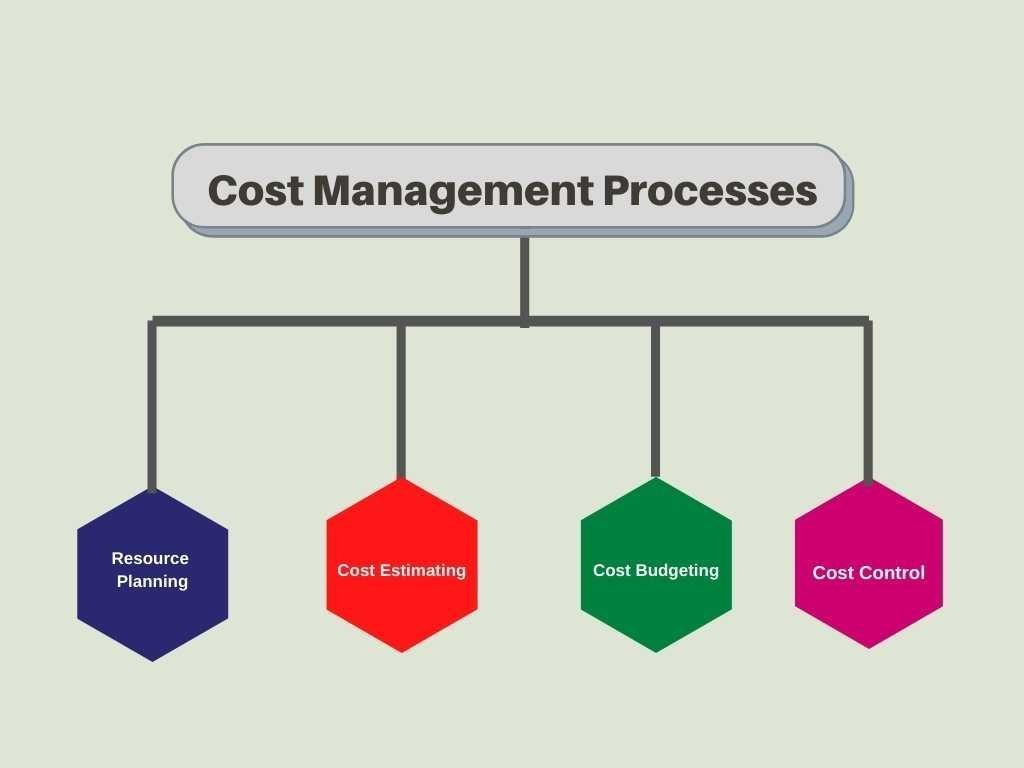
The costing procedure involves estimating quantities, determining unit rates, and calculating total costs while considering site conditions, design standards, and regulatory requirements.
2. Objectives of Costing Development Works
- To determine total development cost of a project
- To prepare Detailed Project Reports (DPRs)
- To support financial planning and budgeting
- To assist in tendering and contract management
- To ensure cost control during execution
- To evaluate alternative development options
3. Components of Development Works
3.1 Site Preparation
- Land clearing
- Grading and leveling
- Earthwork
3.2 Road Infrastructure
- Internal roads
- Pavements
- Parking areas
3.3 Water Supply System
- Pipelines
- Storage tanks
- Pumping systems
3.4 Sewerage System
- Sewer lines
- Manholes
- Treatment systems
3.5 Storm Water Drainage
- Surface drains
- Culverts
3.6 Electrical Infrastructure
- Street lighting
- Power distribution
3.7 Landscaping and Open Spaces
- Parks
- Green belts
- Plantation
3.8 Social Infrastructure
- Schools
- Community centers
- Health facilities
4. Types of Cost Estimates
4.1 Preliminary Estimate
- Based on per hectare or per acre development cost
- Used at planning stage
4.2 Detailed Estimate
- Based on item-wise quantities and rates
- Used for DPR and execution
4.3 Revised Estimate
- Prepared when costs exceed initial estimate
4.4 Supplementary Estimate
- For additional works
5. Costing Procedure (Step-by-Step)
Step 1: Define Project Scope
- Identify type of development (residential, commercial, TOD, etc.)
- Determine infrastructure requirements
Step 2: Site Analysis
- Topography
- Soil conditions
- Existing infrastructure
- Accessibility
Step 3: Preparation of Layout Plan
- Road network
- Plot division
- Utility corridors
Step 4: Quantity Estimation
Calculate quantities for each component:
- Earthwork (m³)
- Roads (m²)
- Pipelines (m)
- Structures (m³)
Step 5: Rate Analysis
Determine unit rates for each item:
- Material cost
- Labor cost
- Equipment cost
- Transportation cost
- Overheads and profit
Step 6: Preparation of BOQ (Bill of Quantities)
List all items with:
- Description
- Quantity
- Unit rate
- Total cost
Step 7: Cost Calculation
Total Cost=∑(Quantity×Rate)
Step 8: Add Indirect Costs
- Supervision charges
- Administrative expenses
- Contingencies (3–5%)
Step 9: Add Taxes and Charges
- GST
- Development charges
- Approval fees
Step 10: Final Cost Estimation
Final Cost=Direct Cost+Indirect Cost+Taxes
6. Example Cost Estimation
Given
- Area: 1 hectare
- Development cost: ₹2 crore/hectare
Cost Breakdown
| Component | Percentage | Cost (₹) |
|---|---|---|
| Roads | 25% | 50,00,000 |
| Water supply | 15% | 30,00,000 |
| Sewerage | 20% | 40,00,000 |
| Drainage | 10% | 20,00,000 |
| Electrical | 10% | 20,00,000 |
| Landscaping | 10% | 20,00,000 |
| Miscellaneous | 10% | 20,00,000 |
| Total | 100% | ₹2,00,00,000 |
7. Determination of Rates
7.1 Sources of Rates
- CPWD Schedule of Rates
- State PWD SOR
- Market rates
- Previous project data
7.2 Rate Components
- Material cost
- Labor wages
- Equipment usage
- Transportation
- Contractor profit (10–15%)
8. Factors Affecting Development Cost
8.1 Location
- Urban vs rural
- Land value
8.2 Site Conditions
- Soil type
- Terrain
8.3 Infrastructure Level
- Basic vs advanced services
8.4 Design Standards
- Road width
- Service levels
8.5 Market Conditions
- Material and labor cost fluctuations
9. Cost Optimization Techniques
- Efficient layout planning
- Use of local materials
- Integrated infrastructure planning
- Value engineering
10. Role in Urban Planning and TOD
- Supports high-density development
- Ensures efficient infrastructure provision
- Enables value capture financing (VCF)
- Improves accessibility and livability
11. Challenges in Costing
- Uncertain price variations
- Incomplete data
- Delays in approvals
- Scope changes
12. Sustainability Considerations
- Green infrastructure
- Rainwater harvesting
- Energy-efficient systems
- Low-impact development
13. Conclusion
The costing procedure for development works is a systematic process that integrates engineering, economic, and planning principles. Accurate estimation ensures financial feasibility, efficient infrastructure delivery, and sustainable urban growth. By adopting standardized methods and modern techniques, planners and engineers can optimize costs while maintaining quality and performance.


 Track2Training