
Planning as a discipline is multidisciplinary in nature, integrating knowledge from engineering, economics, sociology, geography, environmental science, and public administration. Over time, the scope of planning has expanded significantly due to rapid urbanization, globalization, environmental challenges, and technological advancements.
The fields of planning refer to specialized domains within planning practice that address specific aspects of development. These fields are interrelated and often overlap, but each has distinct objectives, methodologies, and implementation mechanisms.
Broadly, planning fields can be categorized into:
- Urban Planning
- Regional Planning
- Environmental Planning
- Transport Planning
- Rural Planning
- Infrastructure Planning
- Economic Planning
- Social Planning
Each of these fields contributes to achieving sustainable, inclusive, and efficient development.
2. Urban Planning
2.1 Definition
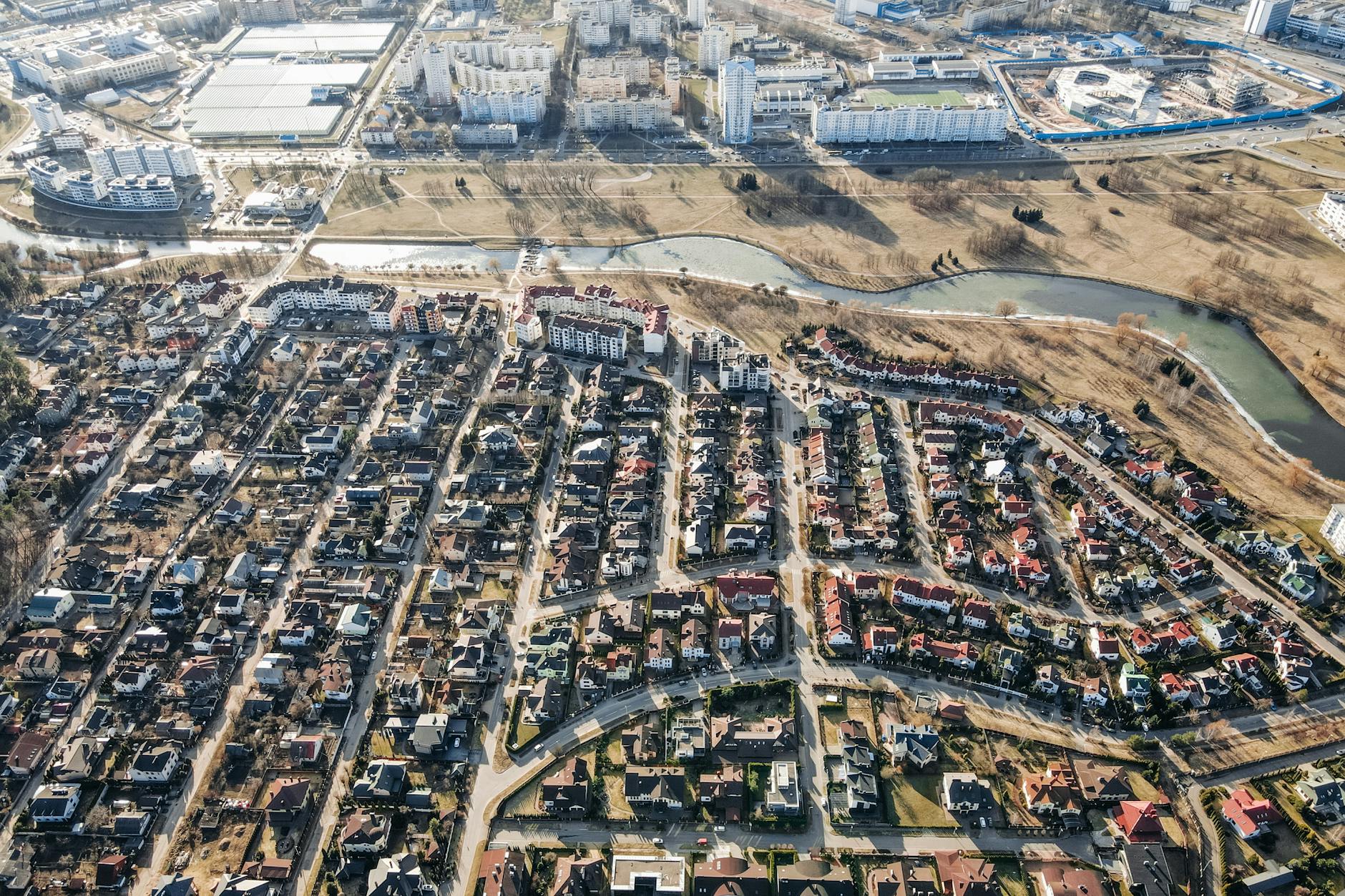
Urban planning deals with the planning and management of cities and urban areas, focusing on land use, infrastructure, housing, transportation, and public services.
2.2 Key Objectives
- Ensure orderly urban growth
- Improve quality of life
- Optimize land use
- Provide infrastructure and services
- Promote sustainable development
2.3 Major Components (Points)
- Land use planning (residential, commercial, industrial zoning)
- Housing and urban design
- Transportation systems
- Infrastructure (water, sewerage, energy)
- Public amenities (schools, parks, hospitals)
- Urban governance
2.4 Explanation
Urban planning is the most prominent field of planning, especially in developing countries like India where cities are growing rapidly. It involves preparation of Master Plans/Development Plans, which guide the spatial structure of cities. Urban planners aim to balance economic growth with environmental sustainability while ensuring equitable access to services.
With increasing urbanization, issues such as slums, congestion, pollution, and housing shortages have made urban planning more complex. Modern approaches such as Transit-Oriented Development (TOD), smart cities, and compact city concepts are increasingly being adopted.
3. Regional Planning
3.1 Definition
Regional planning focuses on the development of large geographic areas, including multiple cities, towns, and rural regions.
3.2 Objectives (Points)
- Reduce regional disparities
- Promote balanced development
- Strengthen urban-rural linkages
- Optimize resource distribution
- Develop regional infrastructure
3.3 Explanation
Regional planning addresses inequalities between different areas, such as disparities in income, infrastructure, and opportunities. It ensures that development is not concentrated only in major cities but is distributed across regions.
For example, planning for industrial corridors, regional transport networks, and economic zones falls under this domain. In India, regional planning is evident in initiatives like the National Capital Region (NCR) planning framework.
This field is particularly important in countries with diverse geographic and socio-economic conditions, as it helps in achieving spatial equity and national integration.
4. Environmental Planning
4.1 Definition
Environmental planning involves the integration of environmental considerations into planning processes to ensure sustainable development.
4.2 Objectives (Points)
- Protect natural resources
- Reduce environmental degradation
- Promote sustainable land use
- Mitigate climate change impacts
- Ensure ecological balance
4.3 Key Components
- Environmental Impact Assessment (EIA)
- Resource management (water, land, forests)
- Pollution control
- Biodiversity conservation
- Climate resilience planning
4.4 Explanation
Environmental planning has gained prominence due to increasing concerns about climate change, pollution, and resource depletion. It ensures that development activities do not harm the environment.
For example, planners must consider flood zones, air quality, and green spaces while designing cities. Sustainable practices such as green infrastructure, renewable energy integration, and waste management systems are key aspects.
In urban contexts, environmental planning overlaps with urban planning to promote livable and resilient cities.
5. Transport Planning
5.1 Definition
Transport planning focuses on the development and management of transportation systems to facilitate the movement of people and goods.
5.2 Objectives (Points)
- Improve mobility and accessibility
- Reduce congestion and travel time
- Promote sustainable transport modes
- Enhance safety and efficiency
- Support economic development
5.3 Key Components
- Traffic management
- Public transport planning
- Non-motorized transport (walking, cycling)
- Freight and logistics planning
- Travel demand modeling
5.4 Explanation
Transport planning is a critical field, especially in urban areas where mobility challenges are significant. It involves analyzing travel behavior, designing transport networks, and improving connectivity.
Modern transport planning emphasizes:
- Public transport systems (metro, buses)
- Active transport (walking, cycling)
- Integration with land use (TOD)
In your research context (TOD in Delhi), transport planning plays a central role in influencing mode choice, ridership, and accessibility, while also addressing perceived safety and travel behavior.
6. Rural Planning
6.1 Definition
Rural planning deals with the development of villages and rural areas, focusing on agriculture, infrastructure, and livelihoods.
6.2 Objectives (Points)
- Improve rural infrastructure
- Enhance agricultural productivity
- Reduce rural poverty
- Promote rural-urban integration
- Provide basic services
6.3 Explanation
Rural planning aims to bridge the gap between urban and rural areas by improving living conditions in villages. It includes:
- Development of roads, irrigation, and markets
- Provision of education and healthcare
- Promotion of rural industries
In India, schemes like PMGSY (rural roads) and MGNREGA contribute to rural planning objectives.
7. Infrastructure Planning
7.1 Definition
Infrastructure planning involves the development of physical and social infrastructure systems required for economic and social activities.
7.2 Components (Points)
- Water supply and sanitation
- Energy and power systems
- Communication networks
- Solid waste management
- Social infrastructure (schools, hospitals)
7.3 Explanation
Infrastructure planning ensures that cities and regions have adequate facilities to support growth. It is closely linked with urban and regional planning.
Efficient infrastructure planning improves:
- Economic productivity
- Public health
- Quality of life
8. Economic Planning
8.1 Definition
Economic planning focuses on the allocation of resources and development of economic activities.
8.2 Objectives (Points)
- Promote economic growth
- Generate employment
- Reduce poverty
- Enhance productivity
- Support industrial development
8.3 Explanation
Economic planning guides decisions related to:
- Industrial location
- Investment strategies
- Trade and commerce
It plays a crucial role in shaping urban and regional development patterns.
9. Social Planning
9.1 Definition
Social planning addresses social equity, inclusion, and welfare.
9.2 Objectives (Points)
- Reduce inequalities
- Improve access to services
- Promote social justice
- Enhance community participation
9.3 Explanation
This field focuses on vulnerable groups such as:
- Urban poor
- Women
- Elderly
- Marginalized communities
It ensures that development benefits all sections of society.
10. Land Use Planning
10.1 Definition
Land use planning involves the allocation and regulation of land for different uses.
10.2 Components (Points)
- Zoning regulations
- Density control
- Mixed-use development
- Land suitability analysis
10.3 Explanation
It is a core aspect of planning that ensures efficient and sustainable use of land resources.
11. Integrated Planning Approach
11.1 Need for Integration
Modern planning requires integration across fields due to:
- Complex urban challenges
- Interdependence of sectors
- Need for sustainability
11.2 Key Aspects (Points)
- Coordination between sectors
- Multi-level planning
- Stakeholder participation
- Data-driven decision-making
11.3 Explanation
For example, Transport Planning + Urban Planning = TOD, which improves accessibility and reduces congestion.
12. Emerging Fields of Planning
12.1 Smart City Planning
- Use of digital technologies
- Data-driven governance
12.2 Climate Change Planning
- Adaptation and mitigation strategies
12.3 Disaster Management Planning
- Risk assessment
- Resilience building
12.4 Mobility Planning
- Shared mobility
- Electric vehicles
13. Challenges Across Planning Fields
13.1 Key Challenges (Points)
- Lack of coordination
- Data limitations
- Institutional constraints
- Financial limitations
- Rapid urbanization
13.2 Explanation
Planning fields often operate in silos, leading to inefficiencies. Integrated approaches are needed to overcome these challenges.
14. Indian Context
In India, planning fields are influenced by:
- URDPFI Guidelines
- Five-Year Plans (historically)
- State planning policies
Urban planning dominates, but increasing attention is being given to:
- Transport planning
- Environmental sustainability
- Regional development
15. Conclusion
The fields of planning represent the diverse and interconnected domains that collectively shape human settlements and development processes. Urban, regional, environmental, and transport planning are among the most critical fields, each addressing specific challenges while contributing to overall sustainability and inclusiveness.
In the contemporary context, the boundaries between these fields are increasingly blurred, necessitating an integrated and multidisciplinary approach. As cities and regions continue to evolve, planners must adopt innovative strategies, leverage technology, and ensure participatory governance to create resilient and sustainable environments.


 Track2Training