Fields of Planning: Urban, Regional, Environmental, Transport and Others

Planning as a discipline is multidisciplinary in nature, integrating knowledge from engineering, economics, sociology, geography, environmental science, and public administration. Over time, the scope of planning has expanded significantly due to rapid urbanization, globalization, environmental challenges, and technological advancements.

The fields of planning refer to specialized domains within planning practice that address specific aspects of development. These fields are interrelated and often overlap, but each has distinct objectives, methodologies, and implementation mechanisms.

Broadly, planning fields can be categorized into:

  • Urban Planning
  • Regional Planning
  • Environmental Planning
  • Transport Planning
  • Rural Planning
  • Infrastructure Planning
  • Economic Planning
  • Social Planning

Each of these fields contributes to achieving sustainable, inclusive, and efficient development.
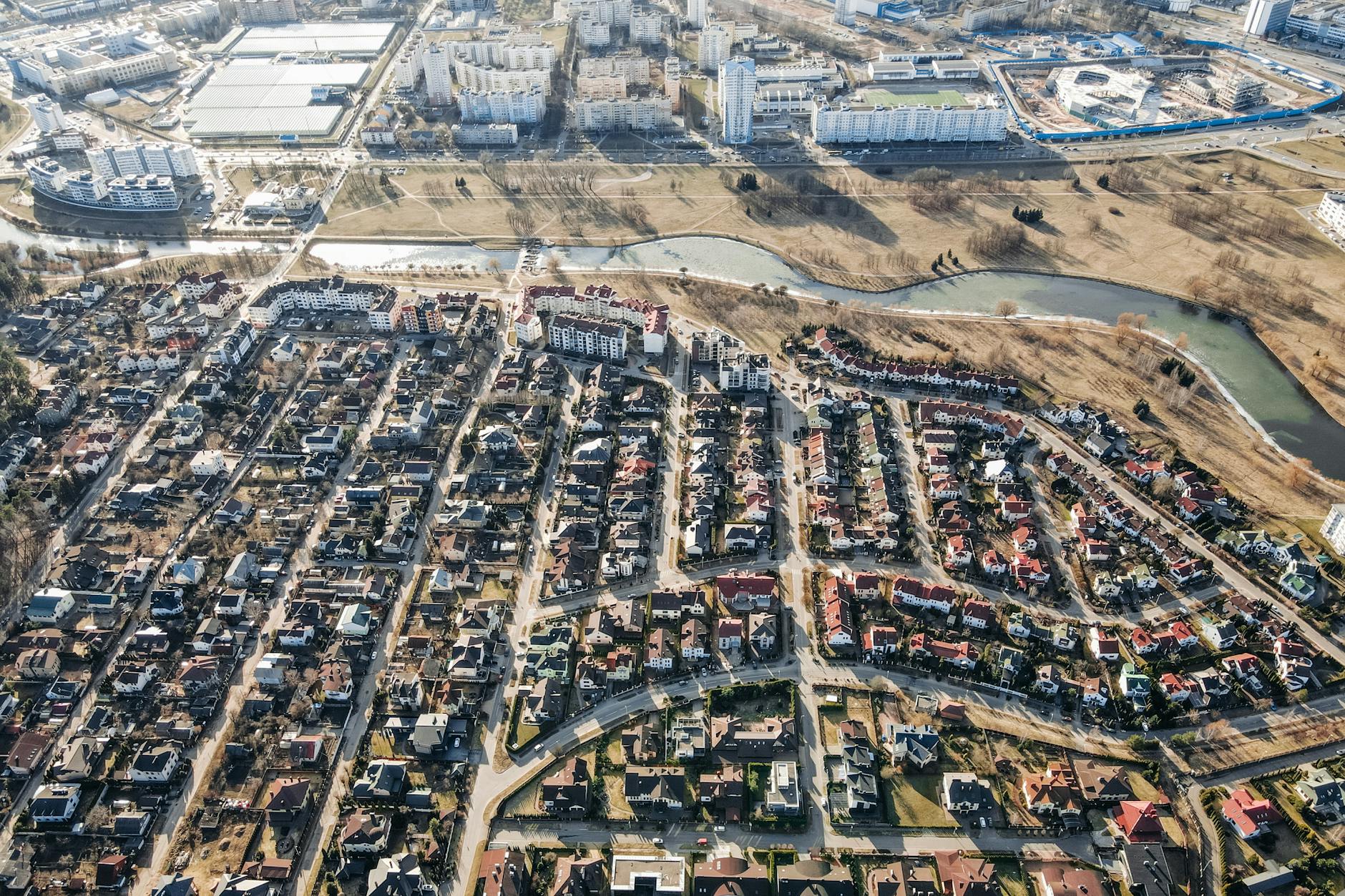
Photo by Pavel Danilyuk on Pexels.com

2. Urban Planning

2.1 Definition

Urban planning deals with the planning and management of cities and urban areas, focusing on land use, infrastructure, housing, transportation, and public services.

2.2 Key Objectives

  • Ensure orderly urban growth
  • Improve quality of life
  • Optimize land use
  • Provide infrastructure and services
  • Promote sustainable development

2.3 Major Components (Points)

  • Land use planning (residential, commercial, industrial zoning)
  • Housing and urban design
  • Transportation systems
  • Infrastructure (water, sewerage, energy)
  • Public amenities (schools, parks, hospitals)
  • Urban governance

2.4 Explanation

Urban planning is the most prominent field of planning, especially in developing countries like India where cities are growing rapidly. It involves preparation of Master Plans/Development Plans, which guide the spatial structure of cities. Urban planners aim to balance economic growth with environmental sustainability while ensuring equitable access to services.

With increasing urbanization, issues such as slums, congestion, pollution, and housing shortages have made urban planning more complex. Modern approaches such as Transit-Oriented Development (TOD), smart cities, and compact city concepts are increasingly being adopted.


3. Regional Planning

3.1 Definition

Regional planning focuses on the development of large geographic areas, including multiple cities, towns, and rural regions.

3.2 Objectives (Points)

  • Reduce regional disparities
  • Promote balanced development
  • Strengthen urban-rural linkages
  • Optimize resource distribution
  • Develop regional infrastructure

3.3 Explanation

Regional planning addresses inequalities between different areas, such as disparities in income, infrastructure, and opportunities. It ensures that development is not concentrated only in major cities but is distributed across regions.

For example, planning for industrial corridors, regional transport networks, and economic zones falls under this domain. In India, regional planning is evident in initiatives like the National Capital Region (NCR) planning framework.

This field is particularly important in countries with diverse geographic and socio-economic conditions, as it helps in achieving spatial equity and national integration.


4. Environmental Planning

4.1 Definition

Environmental planning involves the integration of environmental considerations into planning processes to ensure sustainable development.

4.2 Objectives (Points)

  • Protect natural resources
  • Reduce environmental degradation
  • Promote sustainable land use
  • Mitigate climate change impacts
  • Ensure ecological balance

4.3 Key Components

  • Environmental Impact Assessment (EIA)
  • Resource management (water, land, forests)
  • Pollution control
  • Biodiversity conservation
  • Climate resilience planning

4.4 Explanation

Environmental planning has gained prominence due to increasing concerns about climate change, pollution, and resource depletion. It ensures that development activities do not harm the environment.

For example, planners must consider flood zones, air quality, and green spaces while designing cities. Sustainable practices such as green infrastructure, renewable energy integration, and waste management systems are key aspects.

In urban contexts, environmental planning overlaps with urban planning to promote livable and resilient cities.


5. Transport Planning

5.1 Definition

Transport planning focuses on the development and management of transportation systems to facilitate the movement of people and goods.

5.2 Objectives (Points)

  • Improve mobility and accessibility
  • Reduce congestion and travel time
  • Promote sustainable transport modes
  • Enhance safety and efficiency
  • Support economic development

5.3 Key Components

  • Traffic management
  • Public transport planning
  • Non-motorized transport (walking, cycling)
  • Freight and logistics planning
  • Travel demand modeling

5.4 Explanation

Transport planning is a critical field, especially in urban areas where mobility challenges are significant. It involves analyzing travel behavior, designing transport networks, and improving connectivity.

Modern transport planning emphasizes:

  • Public transport systems (metro, buses)
  • Active transport (walking, cycling)
  • Integration with land use (TOD)

In your research context (TOD in Delhi), transport planning plays a central role in influencing mode choice, ridership, and accessibility, while also addressing perceived safety and travel behavior.


6. Rural Planning

6.1 Definition

Rural planning deals with the development of villages and rural areas, focusing on agriculture, infrastructure, and livelihoods.

6.2 Objectives (Points)

  • Improve rural infrastructure
  • Enhance agricultural productivity
  • Reduce rural poverty
  • Promote rural-urban integration
  • Provide basic services

6.3 Explanation

Rural planning aims to bridge the gap between urban and rural areas by improving living conditions in villages. It includes:

  • Development of roads, irrigation, and markets
  • Provision of education and healthcare
  • Promotion of rural industries

In India, schemes like PMGSY (rural roads) and MGNREGA contribute to rural planning objectives.


7. Infrastructure Planning

7.1 Definition

Infrastructure planning involves the development of physical and social infrastructure systems required for economic and social activities.

7.2 Components (Points)

  • Water supply and sanitation
  • Energy and power systems
  • Communication networks
  • Solid waste management
  • Social infrastructure (schools, hospitals)

7.3 Explanation

Infrastructure planning ensures that cities and regions have adequate facilities to support growth. It is closely linked with urban and regional planning.

Efficient infrastructure planning improves:

  • Economic productivity
  • Public health
  • Quality of life

8. Economic Planning

8.1 Definition

Economic planning focuses on the allocation of resources and development of economic activities.

8.2 Objectives (Points)

  • Promote economic growth
  • Generate employment
  • Reduce poverty
  • Enhance productivity
  • Support industrial development

8.3 Explanation

Economic planning guides decisions related to:

  • Industrial location
  • Investment strategies
  • Trade and commerce

It plays a crucial role in shaping urban and regional development patterns.


9. Social Planning

9.1 Definition

Social planning addresses social equity, inclusion, and welfare.

9.2 Objectives (Points)

  • Reduce inequalities
  • Improve access to services
  • Promote social justice
  • Enhance community participation

9.3 Explanation

This field focuses on vulnerable groups such as:

  • Urban poor
  • Women
  • Elderly
  • Marginalized communities

It ensures that development benefits all sections of society.


10. Land Use Planning

10.1 Definition

Land use planning involves the allocation and regulation of land for different uses.

10.2 Components (Points)

  • Zoning regulations
  • Density control
  • Mixed-use development
  • Land suitability analysis

10.3 Explanation

It is a core aspect of planning that ensures efficient and sustainable use of land resources.


11. Integrated Planning Approach

11.1 Need for Integration

Modern planning requires integration across fields due to:

  • Complex urban challenges
  • Interdependence of sectors
  • Need for sustainability

11.2 Key Aspects (Points)

  • Coordination between sectors
  • Multi-level planning
  • Stakeholder participation
  • Data-driven decision-making

11.3 Explanation

For example, Transport Planning + Urban Planning = TOD, which improves accessibility and reduces congestion.


12. Emerging Fields of Planning

12.1 Smart City Planning

  • Use of digital technologies
  • Data-driven governance

12.2 Climate Change Planning

  • Adaptation and mitigation strategies

12.3 Disaster Management Planning

  • Risk assessment
  • Resilience building

12.4 Mobility Planning

  • Shared mobility
  • Electric vehicles

13. Challenges Across Planning Fields

13.1 Key Challenges (Points)

  • Lack of coordination
  • Data limitations
  • Institutional constraints
  • Financial limitations
  • Rapid urbanization

13.2 Explanation

Planning fields often operate in silos, leading to inefficiencies. Integrated approaches are needed to overcome these challenges.


14. Indian Context

In India, planning fields are influenced by:

  • URDPFI Guidelines
  • Five-Year Plans (historically)
  • State planning policies

Urban planning dominates, but increasing attention is being given to:

  • Transport planning
  • Environmental sustainability
  • Regional development

15. Conclusion

The fields of planning represent the diverse and interconnected domains that collectively shape human settlements and development processes. Urban, regional, environmental, and transport planning are among the most critical fields, each addressing specific challenges while contributing to overall sustainability and inclusiveness.

In the contemporary context, the boundaries between these fields are increasingly blurred, necessitating an integrated and multidisciplinary approach. As cities and regions continue to evolve, planners must adopt innovative strategies, leverage technology, and ensure participatory governance to create resilient and sustainable environments.

Daily writing prompt
What animals make the best/worst pets?

Scrap Value (in Valuation of Land and Buildings)

1. Definition

Scrap value is the amount realized from the sale of dismantled materials of a structure after it is demolished.

๐Ÿ‘‰ In simple terms:
It is the value of materials like steel, bricks, timber, etc., obtained after demolition of a building.


2. Key Concept

  • Applicable mainly to buildings, machinery, and structures
  • Represents material recovery value only
  • Does not include land value
  • Always realized after dismantling or demolition

3. Formula

Scrap Value=Value of Recovered Materialsโˆ’Demolition CostScrap\ Value = Value\ of\ Recovered\ Materials – Demolition\ CostScrap Value=Value of Recovered Materialsโˆ’Demolition Cost


4. Example Calculation

Given:

  • Value of recovered materials = โ‚น1,20,000
  • Demolition cost = โ‚น20,000

Scrap Value:

Scrap Value=1,20,000โˆ’20,000=โ‚น1,00,000Scrap\ Value = 1,20,000 – 20,000 = โ‚น1,00,000Scrap Value=1,20,000โˆ’20,000=โ‚น1,00,000


5. Factors Affecting Scrap Value


5.1 Type of Materials

  • Steel and metal โ†’ high scrap value
  • RCC โ†’ low scrap value

5.2 Condition of Materials

  • Reusable materials increase value
  • Damaged materials reduce value

5.3 Market Demand

  • Higher demand for scrap โ†’ higher value

5.4 Demolition Cost

  • Higher demolition cost reduces net scrap value

5.5 Accessibility

  • Easy access reduces demolition cost

6. Importance of Scrap Value


6.1 In Valuation

  • Helps determine residual value of building

6.2 In Demolition Decisions

  • Assists in deciding whether demolition is economical

6.3 In Cost Analysis

  • Used in lifecycle costing

6.4 In Recycling and Sustainability

  • Promotes reuse of materials

6.5 In Urban Redevelopment

  • Important for old building replacement

7. Scrap Value vs Salvage Value

AspectScrap ValueSalvage Value
MeaningValue of dismantled materialsResidual value of asset
ScopeOnly materialsBroader concept
DeductionIncludes demolition costBased on depreciation
UseDemolition stageEnd of useful life

8. Typical Range

  • Usually 2โ€“10% of original cost
  • Depends on material composition

9. Practical Example

  • Old building demolished
  • Steel, doors, and fixtures sold

๐Ÿ‘‰ Money obtained = Scrap value


10. Role in Urban Planning

  • Supports redevelopment projects
  • Helps in cost-benefit analysis
  • Encourages circular economy practices
  • Important in smart city and TOD redevelopment

11. Conclusion

Scrap value represents the recoverable value of materials after demolition of a structure. It is an important factor in valuation, demolition planning, and sustainable construction practices. Proper estimation of scrap value helps optimize costs and supports efficient resource utilization.

Daily writing prompt
What animals make the best/worst pets?

Appreciation and Depreciation (in Valuation of Land and Buildings)

1. Introduction

In valuation, the value of land and buildings does not remain constant over time. It may either increase (appreciation) or decrease (depreciation) depending on physical, economic, and environmental factors.

Understanding appreciation and depreciation is essential for:

  • Property valuation
  • Cost estimation
  • Financial planning
  • Urban development decisions

2. Appreciation


2.1 Definition

Appreciation is the increase in the value of land or property over time.

๐Ÿ‘‰ It reflects the gain in property value due to favorable conditions.


2.2 Causes of Appreciation


1. Location Advantage

  • Proximity to city center, metro stations, TOD zones
  • Better accessibility increases value

2. Infrastructure Development

  • Roads, metro, water supply, sewerage
  • Public investments raise land value

3. Economic Growth

  • Increase in income levels
  • Higher demand for property

4. Population Growth

  • Increased demand for housing
  • Leads to higher land prices

5. Change in Land Use

  • Conversion from agricultural to residential/commercial
  • Significant increase in value

6. Government Policies

  • Smart city projects
  • TOD policies
  • Value capture financing

7. Scarcity of Land

  • Limited supply increases price

2.3 Formula for Appreciation

Future Value=Present Valueร—(1+r)nFuture\ Value = Present\ Value \times (1 + r)^nFuture Value=Present Valueร—(1+r)n

Where:

  • rrr = appreciation rate
  • nnn = number of years

Example

  • Present value = โ‚น10,00,000
  • Rate = 10%
  • Time = 2 years

Future Value=10,00,000ร—(1.1)2=โ‚น12,10,000Future\ Value = 10,00,000 \times (1.1)^2 = โ‚น12,10,000Future Value=10,00,000ร—(1.1)2=โ‚น12,10,000


2.4 Importance of Appreciation

  • Encourages investment
  • Increases wealth of property owners
  • Supports urban development financing
  • Important in TOD and land value capture

3. Depreciation


3.1 Definition

Depreciation is the decrease in the value of a building or property over time due to wear, tear, or obsolescence.

๐Ÿ‘‰ Mostly applicable to buildings (not land)


3.2 Causes of Depreciation


1. Physical Deterioration

  • Wear and tear
  • Aging of materials

2. Functional Obsolescence

  • Outdated design
  • Poor layout

3. Economic Obsolescence

  • Decline in surrounding area
  • Reduced demand

4. Environmental Factors

  • Pollution
  • Flood-prone areas

5. Lack of Maintenance

  • Poor upkeep reduces value

3.3 Methods of Calculating Depreciation


1. Straight Line Method

Depreciation=Costโˆ’Scrap ValueLifeDepreciation = \frac{Cost – Scrap\ Value}{Life}Depreciation=LifeCostโˆ’Scrap Valueโ€‹


Example

  • Cost = โ‚น10,00,000
  • Scrap value = โ‚น1,00,000
  • Life = 30 years

Depreciation=9,00,00030=โ‚น30,000/yearDepreciation = \frac{9,00,000}{30} = โ‚น30,000/yearDepreciation=309,00,000โ€‹=โ‚น30,000/year


2. Declining Balance Method

Value=Costร—(1โˆ’r)nValue = Cost \times (1 – r)^nValue=Costร—(1โˆ’r)n


3. Sinking Fund Method

  • Uses compound interest principles
  • Funds accumulated for replacement

3.4 Importance of Depreciation

  • Helps determine actual property value
  • Important for taxation and accounting
  • Used in valuation and insurance
  • Helps in maintenance planning

4. Comparison: Appreciation vs Depreciation

AspectAppreciationDepreciation
MeaningIncrease in valueDecrease in value
Applies toLand & buildingsMainly buildings
NaturePositiveNegative
CausesGrowth, demandWear, obsolescence
ImpactWealth increaseValue reduction

5. Combined Effect in Property Valuation

  • Land value โ†’ usually appreciates
  • Building value โ†’ depreciates over time

๐Ÿ‘‰ Total property value depends on:Total Value=Land Value+Building ValueTotal\ Value = Land\ Value + Building\ ValueTotal Value=Land Value+Building Value


6. Role in Urban Planning

  • Helps in land use decisions
  • Supports TOD development strategies
  • Influences property taxation and redevelopment
  • Guides investment and infrastructure planning

7. Practical Example

  • Land value increases due to metro (appreciation)
  • Old building deteriorates (depreciation)

๐Ÿ‘‰ Net effect depends on balance between both


8. Conclusion

Appreciation and depreciation are fundamental concepts in valuation that reflect changes in property value over time. While appreciation enhances land value due to development and demand, depreciation reduces building value due to aging and obsolescence. Understanding both is essential for accurate valuation, investment decisions, and sustainable urban planning.

Daily writing prompt
What animals make the best/worst pets?

Importance of Valuation of Land and Buildings

Valuation of land and buildings is the process of determining their present economic worth based on physical, legal, and market factors. It is essential for decision-making in urban planning, real estate, infrastructure development, taxation, and financial management.

Accurate valuation ensures that assets are priced fairly, resources are allocated efficiently, and stakeholdersโ€”government, investors, and individualsโ€”can make informed choices.


2. Importance of Valuation


2.1 Buying and Selling of Property

  • Helps determine the fair market price of land or buildings
  • Prevents overpricing or underpricing
  • Facilitates transparent transactions between buyers and sellers

2.2 Taxation Purposes

  • Used for calculating:
    • Property tax
    • Capital gains tax
    • Stamp duty and registration charges
  • Ensures equitable tax assessment

2.3 Mortgage and Loan Security

  • Financial institutions require valuation before granting loans
  • Property acts as collateral security
  • Helps determine loan amount and risk level

2.4 Insurance Purposes

  • Determines the insurable value of property
  • Helps in calculating compensation in case of:
    • Fire
    • Natural disasters
    • Damage or loss

2.5 Compulsory Land Acquisition

  • Government acquires land for public projects (roads, metro, etc.)
  • Valuation ensures fair compensation to owners
  • Important for infrastructure development

2.6 Rent Fixation

  • Helps determine reasonable rental value
  • Used in lease agreements and rent control cases

2.7 Investment Decision-Making

  • Assists investors in evaluating:
    • Profitability
    • Return on investment
  • Used in real estate and infrastructure projects

2.8 Urban Planning and Development

  • Supports:
    • Land use planning
    • Zoning regulations
    • TOD (Transit-Oriented Development)
  • Helps in value capture financing (VCF)

2.9 Financial Reporting

  • Used in accounting to determine:
    • Asset value
    • Depreciation
  • Important for company balance sheets

2.10 Legal and Dispute Resolution

  • Helps in:
    • Property division
    • Settlement of disputes
    • Court cases

2.11 Compensation and Rehabilitation

  • Used in resettlement and rehabilitation projects
  • Ensures fair compensation to affected populations

2.12 Development Feasibility

  • Helps assess:
    • Project viability
    • Cost-benefit analysis
  • Important in DPR preparation

3. Importance in Different Contexts


3.1 For Government

  • Tax collection
  • Land acquisition
  • Infrastructure planning

3.2 For Individuals

  • Buying/selling property
  • Loan security
  • Investment planning

3.3 For Developers

  • Project feasibility
  • Pricing strategy
  • Profit estimation

3.4 For Financial Institutions

  • Risk assessment
  • Loan approval
  • Asset valuation

4. Factors Enhancing Importance

  • Rapid urbanization
  • Rising land prices
  • Infrastructure expansion (metro, highways)
  • TOD and smart city development

5. Role in Sustainable Urban Development

  • Promotes efficient land use
  • Encourages compact development
  • Supports equitable distribution of resources

6. Conclusion

Valuation of land and buildings is a vital process that influences economic, social, and planning decisions. It ensures fairness, transparency, and efficiency in property transactions, taxation, and infrastructure development. In modern urban systems, especially under TOD and sustainable planning frameworks, valuation plays a key role in shaping cities and guiding investments.

Daily writing prompt
What animals make the best/worst pets?

Cost Estimation and Determination of Rates for Infrastructure Services: Water Supply

Water supply infrastructure is a vital urban service that ensures the provision of safe, adequate, and reliable water for domestic, commercial, industrial, and institutional uses. It includes components such as source development, treatment, transmission, storage, and distribution systems.

Cost estimation and rate determination for water supply works are essential for planning, budgeting, financial appraisal, and execution of projects. These processes help in evaluating project feasibility, preparing Detailed Project Reports (DPRs), and ensuring efficient allocation of resources.


2. Objectives of Cost Estimation

  • To determine total project cost
  • To prepare DPR and budget allocation
  • To assist in tendering and contract management
  • To ensure cost control and monitoring
  • To evaluate alternative design options
  • To support policy decisions in urban infrastructure

3. Components of Water Supply System


3.1 Source Development

  • Surface water (rivers, lakes, reservoirs)
  • Groundwater (tube wells, bore wells)

3.2 Intake Structures

  • Pumping stations
  • Intake wells

3.3 Water Treatment Plant (WTP)

  • Sedimentation tanks
  • Filtration units
  • Chlorination systems

3.4 Transmission System

  • Raw water mains
  • Treated water pipelines

3.5 Storage Structures

  • Overhead tanks (OHT)
  • Ground-level reservoirs (GLR)

3.6 Distribution System

  • Distribution pipelines
  • Valves and fittings
  • House service connections

3.7 Ancillary Works

  • Pump houses
  • Electrical systems
  • SCADA systems (for smart monitoring)

4. Types of Cost Estimates


4.1 Preliminary Estimate

  • Based on per capita cost or per km pipeline cost
  • Used for feasibility stage

4.2 Detailed Estimate

  • Based on item-wise quantities and rates
  • Used for DPR and tendering

4.3 Revised Estimate

  • Prepared when costs exceed initial estimates

4.4 Supplementary Estimate

  • For additional works

5. Methods of Estimation


5.1 Per Capita Method

  • Cost per person served

Example:

  • โ‚น5,000โ€“โ‚น15,000 per capita (depending on infrastructure level)

5.2 Unit Rate Method

  • Cost per km of pipeline
  • Cost per ML (million liters) treatment capacity

5.3 Detailed Quantity Method

  • Most accurate
  • Based on drawings and specifications

6. Quantity Estimation


6.1 Pipeline Quantity

Length ร— Number of pipes

Example:

  • Length = 1000 m
  • Pipe diameter = 150 mm

6.2 Excavation Volume

Volume = Length ร— Width ร— Depth


6.3 Concrete Works

For structures like tanks and pump houses


6.4 Steel Reinforcement

Calculated based on structural design


7. Determination of Rates (Rate Analysis)


7.1 Components of Rate Analysis

(a) Material Cost

  • Pipes (PVC, HDPE, DI)
  • Cement, sand, aggregates
  • Valves and fittings

(b) Labor Cost

  • Skilled labor (fitters, masons)
  • Unskilled labor

(c) Machinery Cost

  • Excavators
  • Pumps
  • Welding equipment

(d) Transportation Cost

  • Delivery of pipes and materials

(e) Overheads and Profit

  • 10โ€“15% added

8. Example Rate Analysis


8.1 Excavation for Pipeline (1 mยณ)

ComponentCost (โ‚น)
Labor150
Equipment200
Miscellaneous50
Total400
Profit (10%)40
Final Rateโ‚น440/mยณ

8.2 Laying of PVC Pipe (150 mm dia, per meter)

ComponentCost (โ‚น)
Pipe cost500
Labor100
Jointing50
Transport80
Total730
Profit73
Final Rateโ‚น800/m

8.3 RCC Overhead Tank (per mยณ)

ComponentCost (โ‚น)
Concrete6000
Steel4000
Labor2000
Total12,000
Profit1200
Final Rateโ‚น13,200/mยณ

9. Cost Estimation Example (Water Supply Project)

Given

  • Pipeline length: 5 km
  • Pipe cost: โ‚น800/m

Cost Calculation

ComponentCost (โ‚น)
Pipelines40,00,000
Excavation10,00,000
Pumping system15,00,000
Storage tank20,00,000
Treatment plant25,00,000
Miscellaneous10,00,000
Totalโ‚น1,20,00,000

10. Factors Affecting Cost


10.1 Source Location

  • Distance from water source
  • Elevation differences

10.2 Pipe Material

  • PVC (low cost)
  • DI (durable but expensive)
  • HDPE (flexible and corrosion-resistant)

10.3 Terrain

  • Rocky areas increase excavation cost

10.4 Population and Demand

  • Higher demand โ†’ larger infrastructure

10.5 Energy Cost

  • Pumping requirements

10.6 Water Quality

  • Treatment complexity

11. Schedule of Rates (SOR)

  • CPWD/PWD SOR used for:
    • Standard rates
    • Tender preparation
    • Cost validation

12. Cost Optimization Techniques

  • Gravity-based systems (reduce pumping cost)
  • Use of HDPE pipes for flexibility
  • Leak detection systems
  • Smart metering

13. BOQ (Bill of Quantities)

Typical items:

  • Excavation
  • Pipe laying
  • Valve installation
  • Concrete works
  • Pump installation
  • Electrical works

14. Role in Urban Planning and TOD

In urban planning context:

  • Ensures equitable water distribution
  • Supports high-density TOD development
  • Influences public health and quality of life
  • Critical for sustainable urban infrastructure

15. Challenges in Estimation

  • Fluctuating material prices
  • Leakage and losses (NRW)
  • Inaccurate demand forecasting
  • High energy costs

16. Sustainability Considerations

  • Rainwater harvesting integration
  • Reuse of treated wastewater
  • Energy-efficient pumps
  • Smart monitoring systems

17. Conclusion

Cost estimation and rate determination for water supply infrastructure are essential for ensuring efficient, reliable, and sustainable service delivery. Accurate estimation supports financial planning, infrastructure development, and policy implementation. By integrating engineering principles with economic analysis, planners can design cost-effective and resilient water supply systems.

Daily writing prompt
What animals make the best/worst pets?

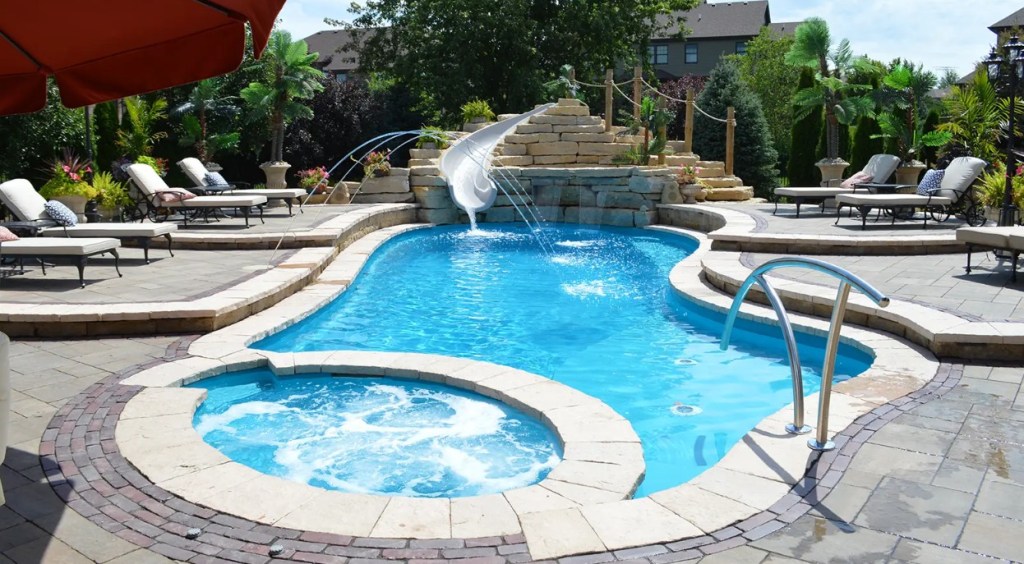
Detailed Specifications for Swimming Pools

Swimming pools are engineered water-retaining structures designed for recreation, training, therapy, and aesthetic purposes. In urban and institutional contexts (such as campuses, TOD zones, and recreational complexes), pools contribute to public health, social interaction, and urban livability. Proper design and construction ensure structural safety, water hygiene, user comfort, and long-term durability.

This specification outlines the standards and procedures for planning, designing, constructing, and maintaining swimming pools, incorporating structural, hydraulic, mechanical, and safety aspects.


2. Scope of Work

The work shall include:

  • Site preparation and excavation
  • Structural construction (RCC pool shell)
  • Waterproofing
  • Plumbing and filtration systems
  • Pool finishes (tiles, coping)
  • Deck and surrounding area development
  • Electrical and lighting systems
  • Safety equipment installation
  • Testing, commissioning, and maintenance

3. Types of Swimming Pools

3.1 Based on Function

  • Recreational pools
  • Training/competition pools
  • Childrenโ€™s pools (shallow)
  • Infinity/overflow pools
  • Therapy pools

3.2 Based on Water Circulation System

  • Skimmer Pool: Water collected through skimmers
  • Overflow Pool: Water flows into overflow gutters for better hygiene

4. Site Selection and Planning

4.1 Site Considerations

  • Adequate sunlight exposure
  • Protection from strong winds
  • Accessibility and visibility
  • Proximity to changing rooms and utilities

4.2 Orientation

  • Prefer north-south orientation to minimize glare
  • Avoid shading from tall structures

4.3 Soil Investigation

  • Soil bearing capacity testing
  • Groundwater level assessment
  • Necessary for foundation design

5. Design Specifications

5.1 Pool Dimensions

Standard Sizes

  • Recreational pool: Variable (10โ€“25 m length)
  • Competition pool: 25 m or 50 m length
  • Childrenโ€™s pool depth: 0.3โ€“0.75 m

5.2 Depth

  • Shallow end: 0.9โ€“1.2 m
  • Deep end: 1.8โ€“3.0 m

5.3 Freeboard

  • Minimum 150โ€“300 mm above deck level

5.4 Slope

  • Gradual slope from shallow to deep end
  • Typical slope: 1:10

6. Excavation and Subgrade Preparation

6.1 Excavation

  • Excavation to required depth with allowance for base layers
  • Side slopes maintained to prevent collapse

6.2 Subgrade Preparation

  • Compaction of soil
  • Sand layer (75โ€“100 mm thick)
  • PCC layer (100 mm thick, M10 grade)

7. Structural Construction (RCC Pool Shell)

7.1 Materials

  • Concrete grade: Minimum M25
  • Reinforcement steel: Fe500

7.2 Base Slab

  • Thickness: 150โ€“300 mm
  • Reinforcement as per structural design

7.3 Walls

  • Thickness: 200โ€“300 mm
  • Designed to resist water pressure and soil pressure

7.4 Construction Joints

  • Proper sealing with water stops
  • Avoid leakage

8. Waterproofing

8.1 Methods

  • Integral waterproofing compounds in concrete
  • Membrane waterproofing
  • Cementitious coatings

8.2 Testing

  • Water retention test for 7โ€“14 days
  • No leakage permitted

9. Pool Finishes

9.1 Tiles

  • Anti-skid, non-porous ceramic or mosaic tiles
  • Light-colored tiles preferred

9.2 Grouting

  • Waterproof epoxy grout

9.3 Coping

  • Rounded edges
  • Non-slip finish
  • Stone or precast concrete

10. Plumbing and Circulation System

10.1 Components

  • Inlets and outlets
  • Main drain
  • Skimmers / overflow gutters
  • Balance tank (for overflow pools)

10.2 Piping

  • PVC/HDPE pipes
  • Leak-proof joints

10.3 Turnover Rate

  • Complete water circulation every 4โ€“6 hours

11. Filtration System

11.1 Types

  • Sand filters
  • Cartridge filters

11.2 Pumps

  • Energy-efficient pumps
  • Proper sizing based on pool volume

11.3 Disinfection

  • Chlorination system
  • Automatic dosing preferred

12. Electrical and Lighting

12.1 Underwater Lighting

  • LED lights (12V for safety)
  • Waterproof fixtures

12.2 Deck Lighting

  • Pathway and ambient lighting

12.3 Safety

  • Proper earthing
  • Use of circuit breakers

13. Deck and Surrounding Area

13.1 Decking Materials

  • Anti-skid tiles
  • Natural stone
  • Concrete pavers

13.2 Slope

  • Minimum slope away from pool (1โ€“2%)

13.3 Drainage

  • Surface drains around pool

14. Safety Features

14.1 Physical Safety

  • Handrails and ladders (stainless steel)
  • Depth markings
  • Non-slip surfaces

14.2 Lifesaving Equipment

  • Life buoys
  • Rescue poles
  • First aid kit

14.3 Fencing

  • Mandatory for public pools
  • Height: Minimum 1.2โ€“1.5 m

15. Changing Rooms and Utilities

  • Separate male and female changing rooms
  • Showers and lockers
  • Toilets
  • Filtration plant room

16. Water Quality Standards

16.1 Parameters

  • pH: 7.2โ€“7.6
  • Chlorine: 1โ€“3 ppm
  • Turbidity: Clear water

16.2 Testing

  • Daily monitoring
  • Automated systems preferred

17. Maintenance Guidelines

17.1 Daily Maintenance

  • Skimming debris
  • Checking chemical levels

17.2 Weekly Maintenance

  • Backwashing filters
  • Cleaning tiles

17.3 Periodic Maintenance

  • Draining and refilling
  • Structural inspection

18. Sustainability Considerations

18.1 Water Conservation

  • Use of pool covers
  • Recycling backwash water

18.2 Energy Efficiency

  • Solar heating systems
  • Energy-efficient pumps

18.3 Material Selection

  • Eco-friendly materials
  • Durable finishes

19. Quality Control

  • Material testing (cement, steel, tiles)
  • Inspection at each stage
  • Compliance with IS codes

20. Cost Considerations

  • Construction cost
  • Equipment cost
  • Operational and maintenance cost

21. Safety and Regulatory Compliance

  • Compliance with local building codes
  • Fire and electrical safety norms
  • Public health standards

22. Conclusion

Swimming pool construction requires a multidisciplinary approach involving structural engineering, hydraulics, water treatment, and safety planning. A well-designed pool enhances user experience, ensures hygiene, and provides long-term functionality. Proper adherence to specifications ensures durability, efficiency, and safety.

Daily writing prompt
What animals make the best/worst pets?

SCHOLARSHIPS AND FELLOWSHIPS TO OBC, SC & ST STUDENTS TO PURSUE HIGHER EDUCATION

Daily writing prompt
What animals make the best/worst pets?

The Government is implementing different scholarship and fellowship schemes for providing financial assistance to all categories of students including Scheduled Castes (SC), Scheduled Tribes (ST) and Other Backward Classes (OBC). The details of these schemes including the criteria laid down for scholarship and fellowship are available in the following websites:

Photo by Pixabay on Pexels.com
Sl. No.Ministry/ DepartmentWebsite links
1.Ministry of Social Justice & EmpowermentThe details are available at https://socialjustice.gov.in/scheme-cat
2.Ministry of Tribal AffairsThe details are available at https://tribal.nic.in/ScholarshiP.aspx
3.Department of Higher EducationThe details are available at https://www.education.gov.in/scholarships-education-loan-0
4.University Grants CommissionThe details are available at https://www.ugc.gov.in/Home/student_Corner
5.All India Council for Technical EducationThe details are available athttps://www.aicte-india.org/bureaus/rifd/Scholarship-Schemes

Moreover, the Ministry of Social Justice and Empowerment and Ministry of Tribal Affairs provides scholarships to all students belonging to Scheduled Castes, Scheduled Tribes, Other Backward Classes, subject to their parental income ceiling. The number of students who have benefitted from these scholarships and fellowships in the last three years, and the total amount of funds allocated for said purposemay be accessed at https://www.education.gov.in/parl_ques.

To spread awareness among the students, the Ministry/ Departments disseminate information regarding the scholarships/ fellowshipsthrough print and social media among the stakeholders, including education departments and higher secondary boards of all States. Information useful for the students are also provided at dedicated studentsโ€™ section of the National Scholarship Portal.

The information was given by the Minister of State for Education, Dr. Sukanta Majumdar in a written reply in the Rajya Sabha today.

*****

Higher education institutions in the country in STEM

Daily writing prompt
What animals make the best/worst pets?

The National Education Policy (NEP) 2020 aims to transform and improve the quality of education in the country and to provide a standard of education that is inclusive, equitable, and of high quality, empowering learners for the future and contributing to national development. NEP 2020 also promotes research and innovations by Higher Educations Institutes (HEIs) by setting up start-up incubation centres; technology development centres; centres in frontier areas of research; greater industry-academic linkages; and interdisciplinary research including humanities and social sciences research.

Photo by Pixabay on Pexels.com

In alignment with NEP 2020, the Ministry of Education has taken several initiatives to enhance quality of education in HEIs.

Government of India also provides financial support to State Governments under Rashtriya Uchchatar Shiksha Abhiyan (RUSA)/ Pradhan Mantri Uchchatar Shiksha Abhiyan (PMUSHA) scheme under three components namely, โ€œEnhancing Quality and Excellence in select State Universitiesโ€, โ€œInfrastructure Grants to Universitiesโ€ and โ€œMulti-Disciplinary Education and Research Universities (MERU)โ€ for improvement in Higher Education.

All India Council for Technical Education (AICTE), a statutory body under the Ministry of Education, grants approval for conducting courses in Technical Education at diploma, undergraduate and post graduate levels to Technical Institutions, Institutions deemed to be Universities and standalone institutions. To enhance quality of technical education, AICTE has taken several steps including:

โ€ข Model Curriculum has been developed in areas such as Artificial Intelligence, Data Science, Space Technology, Electronic Engineering (VLSI Design and Technology), Robotics and Artificial Intelligence etc. Due representation of Industry stakeholders is ensured in the curriculum revision committees.

โ€ข Memoranda of Understanding (MoU) with leading industries and organisations have been signed to facilitate internship, skilling and upskilling of students and faculty members.

โ€ข Issued model internship guidelines for technical courses. Internship is mandatory component of Model Curriculum issued by AICTE for different courses. These guidelines provide internship in full-time or part-time.

โ€ข Industry Academia Mobility framework launched by AICTE to facilitate connect between theoretical knowledge and practical application, facilitating collaboration between academia and industry. Additionally, it provides for frameworks for industry-academia partnership, encouraging mutually beneficial engagements that enrich both parties.

(b) to (d) Government has taken various measures to promote accessibility and affordability of Higher Education in the country.

Ministry of Education launched SWAYAM (Study Webs of Active-Learning for Young Aspiring Minds) Portal in July 2017 to make high-quality content available to learners free of cost with the approach of โ€œAnyone, Anywhere, Anytime Learningโ€. The portal has more than 5.1 crore enrolments since its inception.

Ministry of Education has launched PM Vidyalaxmi, a new central sector scheme on 6th November 2024, to ensure that no student is denied the opportunity to pursue higher education due to financial constraints. Under the scheme, collateral-free and guarantor-free education loan is provided to all the students, including female students, who get merit-based admission in top Quality Higher Education Institutions (QHEIs) and who desire to avail the education loan. Further, for students with annual family income up to โ‚น 8 lakh, the scheme provides 3% interest subvention on loans up to โ‚น 10 lakhs. Up to one lakh fresh students not getting any other scholarship or interest subvention on education loan will get this interest subvention.

University Grants Commission (UGC) provides scholarship under โ€œNational Scholarship for Post Graduate Studies (NSPG)โ€ scheme to students pursuing Post Graduate Programs. UGC is also providing fellowships to pursue Ph.D. in all disciplines including STEM education, under UGC NET-Junior Research Fellowship and Savitribai Jyoti Rao Phule Single Girl Child Fellowship.

With a view to improve female enrolment in the Undergraduate Programmes in Indian Institutes of Technology (IITs) and National Institutes of Technology (NITs), supernumerary seats were created which increased the female enrolment from less than 10% to more than 20%.

Further, Indian Institutes of Technology (IITs) and National Institutes of Technology (NITs) also provide 100% tuition fee waiver for SC/ST/PwD undergraduate students. Besides, the most economically backward students (whose family income is less than Rs.1.00 lakh per annum) gets full remission of the fee and the other economically backward students with family income between Rs.1.00 lakh to Rs.5.00 lakh get 2/3rd fee remission.

The National Credit Framework (NCrF) has been developed as a comprehensive credit accumulation & transfer framework encompassing elementary, school, higher, and vocational education & training. NCrF integrates creditization of learning in various dimensions i.e. academics, vocational skills and experiential learning including relevant experience and proficiency/ professional levels acquired. The NCrF provides for creditization of all learning and assignment, accumulation, storage, transfer & redemption of credits, subject to assessment; removes distinction and establishes academic equivalence between vocational & general education while enabling mobility within & between them.

The University Grants Commission (UGC) has formulated guidelines for introduction of Apprenticeship Embedded Degree Programmes by HEIs to provide practical exposure during the course of study with the aim to enhance competencies of the graduates.

With an aim to augment employability of students/learners, the Ministry of Education provides apprenticeship through โ€œNational Apprenticeship Training Scheme (NATS)โ€, which is a flagship scheme of Government of India, for on-the-job training and skilling of Indian youth. It is implemented by the Ministry of Education through four regional Boards of Apprenticeship Training/Practical Training (BoATs/BoPT) located at Mumbai, Kanpur, Chennai and Kolkata. Under the Scheme apprenticeship and training is provided to fresh graduates, diploma holders and degree apprentices. The prescribed minimum stipend for Graduate/Degree apprentices is Rs 9,000 per month and for Technician/Diploma apprentices is Rs 8,000 per month. Government of India provides 50% of the prescribed minimum stipend for apprentices. The Ministry of Education launched NATS 2.0 portal to bring students, industry and HEIs on single platform. Through NATS 2.0 portal, the government has started disbursing its share of the stipend through Direct Benefit Transfer (DBT) mechanism. During the last 5 financial years over 8.72 Lakh apprentices were benefitted under NATS through a total financial assistance of Rs 1298 crore for stipend. During 2024-25 the scheme has benefitted 4.82 lakh students till date through financial assistance of over Rs 729 crore.

To promote research ecosystem in the country, in pursuance to the Budget Announcement 2018-19, the Government had approved Prime Ministerโ€™s Research Fellowship Scheme (PMRF) with total financial outlay of Rs. 1650.00 Cr. The scheme aimed to attract the best and brightest minds to pursue high โ€“ quality research in Indiaโ€™s premier academic institutions with enhanced financial support. Under first phase of PMRF, 3688 scholars are admitted. The first phase of PMRF has led to better outcomes of research and thus, 10,000 fellowships have been announced under PMRF in Budget 2025-26 for technological research with enhanced financial support.

The Government has approved establishment of three Centres of Excellence (CoE) in Artificial Intelligence (AI); one each in the areas of health, sustainable cities and agriculture; with a total financial outlay of Rs. 990.00 Cr over the period of FY 2023-24 to FY 2027-28.

42 Centrally Funded Institutions including 8 Central Universities, 7 IITs and 8 IIMs were added in last ten years from 2014 to 2024.