


Pollution is categorized into air, water, noise, and soil pollution, each requiring specific parameters for measurement.
1. Air Pollution 🏭🌫
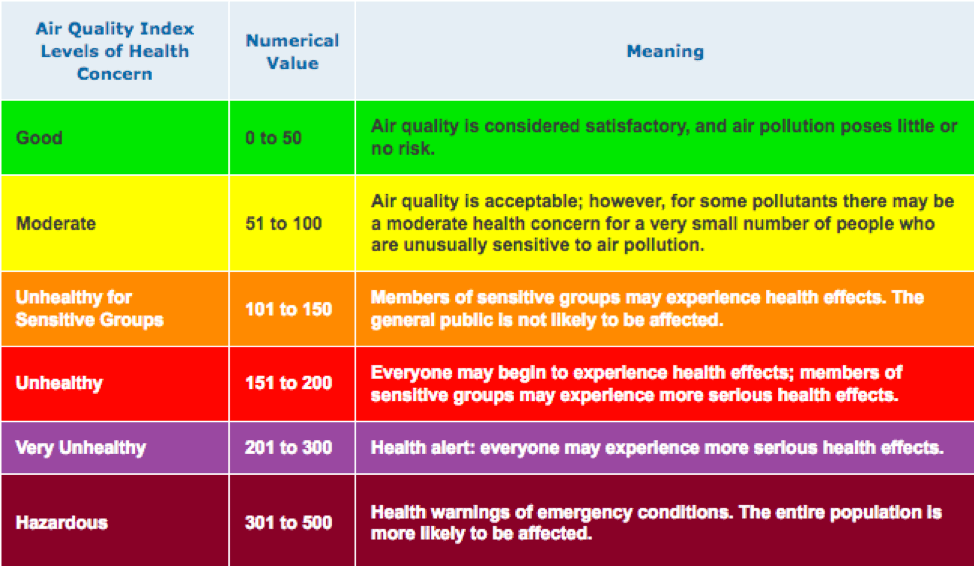
Key Measurement Parameters:
| Parameter | Unit | Description |
|---|---|---|
| PM2.5 | µg/m³ | Fine particulate matter (<2.5 µm) harmful to lungs. |
| PM10 | µg/m³ | Coarse particulate matter (<10 µm) affecting respiration. |
| SO₂ (Sulfur Dioxide) | ppm or µg/m³ | Causes acid rain and respiratory problems. |
| NO₂ (Nitrogen Dioxide) | ppm or µg/m³ | Leads to smog, acid rain, and lung irritation. |
| CO (Carbon Monoxide) | ppm | Reduces oxygen carrying capacity of blood. |
| O₃ (Ozone) | ppm | Harmful at ground level; causes respiratory issues. |
| VOC (Volatile Organic Compounds) | ppm | Includes benzene, formaldehyde, contributing to smog. |
| AQI (Air Quality Index) | Index | Composite measure of multiple pollutants. |
🔹 Measuring Devices: Air Quality Monitoring Stations, Laser Particle Counters, Gas Analyzers.
2. Water Pollution 🚰
Key Measurement Parameters:
| Parameter | Unit | Description |
|---|---|---|
| pH | Scale (0-14) | Measures acidity or alkalinity (7 = neutral). |
| Dissolved Oxygen (DO) | mg/L | Essential for aquatic life; low levels indicate pollution. |
| Biochemical Oxygen Demand (BOD) | mg/L | Measures organic pollution by oxygen consumption over 5 days. |
| Chemical Oxygen Demand (COD) | mg/L | Measures oxygen needed to break down organic & inorganic matter. |
| Total Dissolved Solids (TDS) | mg/L | Indicates mineral concentration. |
| Total Suspended Solids (TSS) | mg/L | Particles that can cause water turbidity. |
| Nitrates & Phosphates | mg/L | Excessive levels cause eutrophication in water bodies. |
| Heavy Metals (Pb, Hg, Cd, As) | ppm or mg/L | Toxic metals harmful to human health. |
| Fecal Coliform | CFU/100mL | Indicates sewage contamination. |
🔹 Measuring Devices: pH Meters, Spectrophotometers, BOD/COD Analyzers.
3. Noise Pollution 🔊
Key Measurement Parameters:
| Parameter | Unit | Description |
|---|---|---|
| Sound Level (Decibels – dB) | dB(A) | Measures noise intensity; permissible limit: 55 dB (day), 45 dB (night) in residential areas. |
| Frequency (Hz) | Hertz (Hz) | Determines the pitch of the noise. |
| Duration of Exposure | Hours | Prolonged exposure to high noise levels increases health risks. |
🔹 Measuring Devices: Sound Level Meters, Noise Dosimeters.
4. Soil Pollution 🌱
Key Measurement Parameters:
| Parameter | Unit | Description |
|---|---|---|
| pH | Scale (0-14) | Indicates soil acidity/alkalinity affecting plant growth. |
| Organic Matter Content | % | Indicates soil fertility and decomposition. |
| Heavy Metals (Pb, Hg, Cd, As) | mg/kg | Toxic elements from industrial waste and pesticides. |
| Nitrate & Phosphate Levels | mg/kg | Excessive levels lead to soil and water contamination. |
| Cation Exchange Capacity (CEC) | meq/100g | Measures soil fertility and nutrient-holding capacity. |
| Microbial Content | CFU/g | Assesses soil health and biological activity. |
🔹 Measuring Devices: Soil Test Kits, Atomic Absorption Spectroscopy (AAS).
Conclusion 📊
Each type of pollution has unique measurement parameters crucial for monitoring, control, and policy formulation. Environmental agencies use these parameters to assess pollution levels and implement mitigation strategies.
Would you like details on any specific parameter or measuring instrument? 😊
 Track2Training
You must be logged in to post a comment.