

Definition and Objectives
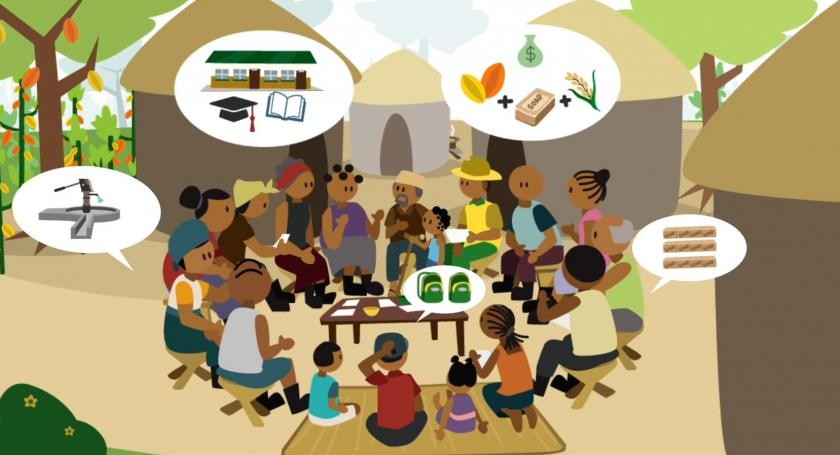
Community development is a process where local people come together to take collective action and generate solutions to common problems. It aims to build stronger and more resilient communities by enhancing economic, social, cultural, and environmental well-being. Key objectives include:
- Empowerment of marginalized groups
- Enhancement of social cohesion and inclusivity
- Economic development and employment generation
- Infrastructure and service improvements
- Environmental sustainability
Approaches to Community Development
- Participatory Development: Engages local stakeholders in decision-making.
- Asset-Based Community Development (ABCD): Focuses on utilizing existing strengths rather than external aid.
- Sustainable Development Approach: Ensures economic growth without depleting natural resources.
- Rights-Based Approach: Ensures that community development aligns with human rights principles.
Challenges in Community Development
- Resource Scarcity: Limited financial, human, and natural resources hinder progress.
- Lack of Community Engagement: Some communities face difficulties in participation due to socio-political constraints.
- Political and Bureaucratic Hurdles: Government policies and red tape can slow down initiatives.
- Sustainability Issues: Ensuring long-term sustainability of projects is a challenge.
- Cultural and Social Barriers: Differences in traditions and beliefs can create resistance to change.
- Economic Disparities: Wealth gaps within communities affect equal participation and benefits.
Development-Induced Displacement (Anthropo-Social Considerations)
Understanding Development-Induced Displacement (DID)
Development-induced displacement occurs when communities are forced to relocate due to large-scale infrastructure projects such as dams, highways, urban expansion, and industrial zones. While these projects drive economic growth, they often disrupt the socio-cultural and economic fabric of affected communities.
Anthropo-Social Considerations
- Loss of Livelihoods: Displaced communities often lose traditional jobs like farming, fishing, and artisanal work.
- Cultural Disintegration: Forced relocation can sever ties with cultural heritage and social networks.
- Psychological Trauma: Displacement creates emotional stress, uncertainty, and identity crises among affected people.
- Social Fragmentation: Relocated communities often struggle to integrate into new areas due to differences in language, traditions, or economic conditions.
- Legal and Land Ownership Issues: Many displaced individuals lack legal land ownership documents, leading to inadequate compensation.
- Environmental Impact: Large-scale projects often damage ecosystems, affecting community-dependent natural resources.
Resettlement and Rehabilitation
Definition
Resettlement and rehabilitation (R&R) refer to the process of relocating displaced populations and ensuring their socio-economic restoration. Effective R&R policies mitigate the negative impacts of displacement and help communities rebuild their lives.
Key Components of Resettlement & Rehabilitation
- Land and Housing Compensation: Providing fair compensation and alternative housing to displaced families.
- Livelihood Restoration: Initiatives to provide employment, skill training, and business opportunities.
- Infrastructure Development: Ensuring availability of roads, water supply, schools, healthcare, and community centers in resettlement sites.
- Legal Protection: Safeguarding the rights of displaced people through legal provisions and frameworks.
- Community Integration Programs: Encouraging social cohesion between displaced populations and host communities.
- Environmental Rehabilitation: Measures to restore ecological balance post-development projects.
Challenges in Resettlement and Rehabilitation
- Inadequate Compensation: Many resettled individuals receive insufficient funds for rebuilding their lives.
- Poor Implementation of R&R Policies: Government initiatives often face delays and inefficiencies.
- Lack of Employment Opportunities: Resettled communities may struggle with finding sustainable jobs.
- Social Conflicts: Tensions between displaced groups and host communities can arise.
- Health and Education Gaps: Displaced populations often experience poor healthcare and disrupted education.
- Environmental Degradation: Improper planning can lead to ecological damage in resettlement zones.
Conclusion
Community development, development-induced displacement, and resettlement & rehabilitation are interrelated processes requiring a holistic approach. Sustainable development strategies must balance economic growth with social equity and environmental responsibility. Policies should prioritize community participation, fair compensation, and long-term well-being of displaced populations to ensure ethical and effective development practices.
 Track2Training
You must be logged in to post a comment.