


Treated effluent water supply lines form a critical component of modern urban water management systems, especially in water-stressed regions. Treated effluent water refers to wastewater that has undergone primary, secondary, and in many cases tertiary treatment in sewage treatment plants (STPs) to make it suitable for non-potable uses. Dedicated treated effluent water supply lines are laid to transport this reclaimed water from treatment facilities to various end-use points such as parks, industries, power plants, and construction sites. Their use reflects a shift from a linear “use-and-dispose” water model to a more sustainable circular water economy.
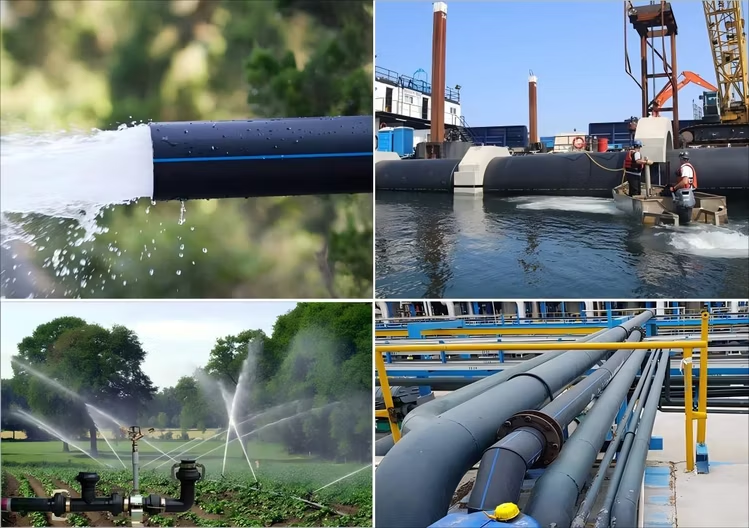
Purpose of Treated Effluent Water Supply Lines
The primary purpose of treated effluent water supply lines is to reduce dependence on freshwater sources such as rivers, lakes, reservoirs, and groundwater. By segregating potable and non-potable water systems, cities can ensure that high-quality freshwater is reserved for drinking and domestic needs, while treated wastewater is productively reused for activities that do not require drinking-water quality.
These pipelines are usually colour-coded (often purple or green) and clearly marked to avoid cross-connection with potable water lines, ensuring public health safety.
Major Uses of Treated Effluent Water
1. Landscaping and Green Areas
One of the most common uses of treated effluent water is irrigation of parks, gardens, road medians, green belts, sports complexes, golf courses, and institutional campuses. Landscaping demands large volumes of water, and using treated effluent significantly reduces pressure on freshwater supplies while supporting urban green cover.
2. Industrial Use
Industries use treated effluent water for cooling systems, boiler feed (after additional treatment if required), process water, and equipment washing. Dedicated effluent supply lines to industrial areas help industries meet sustainability norms and reduce groundwater extraction.
3. Construction Activities
Treated effluent water is widely used for construction purposes such as concrete mixing (subject to quality standards), curing, dust suppression, and site cleaning. Construction demand is temporary but intensive, making reclaimed water an ideal substitute for freshwater.
4. Power Plants and Infrastructure Facilities
Thermal power plants, district cooling systems, and large infrastructure installations use treated effluent water for cooling and auxiliary services. This application has high potential for large-scale water reuse.
5. Urban Services and Municipal Uses
Municipal bodies use treated effluent water for street washing, drain cleaning, flushing of public toilets, firefighting reserves, and maintenance of public spaces.
6. Agriculture and Peri-Urban Farming
In some cases, treated effluent water is used for irrigating non-food crops, fodder, biofuel plantations, or agriculture after ensuring compliance with safety standards. This use helps support livelihoods while conserving freshwater.
Importance and Benefits of Treated Effluent Supply Lines
Water Conservation:
Reusing treated wastewater reduces freshwater withdrawals from rivers and aquifers, helping address water scarcity.
Environmental Protection:
Diverting treated effluent for reuse reduces pollution load in rivers and lakes, improving overall water quality and aquatic ecosystems.
Energy and Cost Efficiency:
Supplying treated effluent locally through dedicated pipelines is often more energy-efficient and cost-effective than transporting freshwater over long distances.
Urban Resilience:
Cities with reclaimed water networks are better equipped to handle droughts and climate variability.
Compliance with Sustainability Goals:
Effluent reuse supports sustainable development goals related to water efficiency, sanitation, and environmental protection.
Planning and Design Considerations
Proper planning of treated effluent water supply lines is essential to ensure safety, reliability, and acceptance:
- Segregated network design to prevent cross-contamination with potable water systems
- Quality standards based on end-use requirements (secondary or tertiary treated water)
- Storage infrastructure, such as balancing reservoirs and sumps, to manage supply-demand variations
- Pumping and pressure management, considering topography and distance
- Clear identification and signage of pipelines and outlets
- Monitoring systems for water quality, flow, and leakage
Public awareness and capacity-building among operators and users are equally important to build trust in reclaimed water systems.
Challenges and Limitations
Despite clear benefits, treated effluent supply systems face challenges:
- Public perception issues, with resistance to using recycled water
- High initial investment for separate pipeline networks
- Operation and maintenance requirements, including regular quality monitoring
- Institutional coordination between water supply, sewerage, and urban development agencies
Addressing these challenges requires strong policy support, incentives for reuse, and transparent communication.
Conclusion
Treated effluent water supply lines are a cornerstone of sustainable urban water management. By enabling safe and efficient reuse of wastewater, they help conserve freshwater, protect the environment, and support diverse urban, industrial, and infrastructural needs. As cities grow and water stress intensifies, integrating treated effluent supply networks into urban planning is no longer optional but essential. With proper design, regulation, and public engagement, treated effluent water can be transformed from a waste product into a valuable and reliable resource for long-term urban sustainability.


You must be logged in to post a comment.