
1. Introduction
India is experiencing rapid social and economic transformation due to population growth, industrialization, and urbanization. While cities are expanding rapidly, rural areas continue to support a large proportion of the population through agriculture and natural resource-based livelihoods. Both urban and rural areas face unique challenges that affect development and quality of life.
Urban problems arise mainly due to rapid and unplanned urban growth, while rural development issues are often related to poverty, lack of infrastructure, and limited economic opportunities. Effective planning and policy interventions are necessary to address these challenges and ensure balanced development between urban and rural areas.
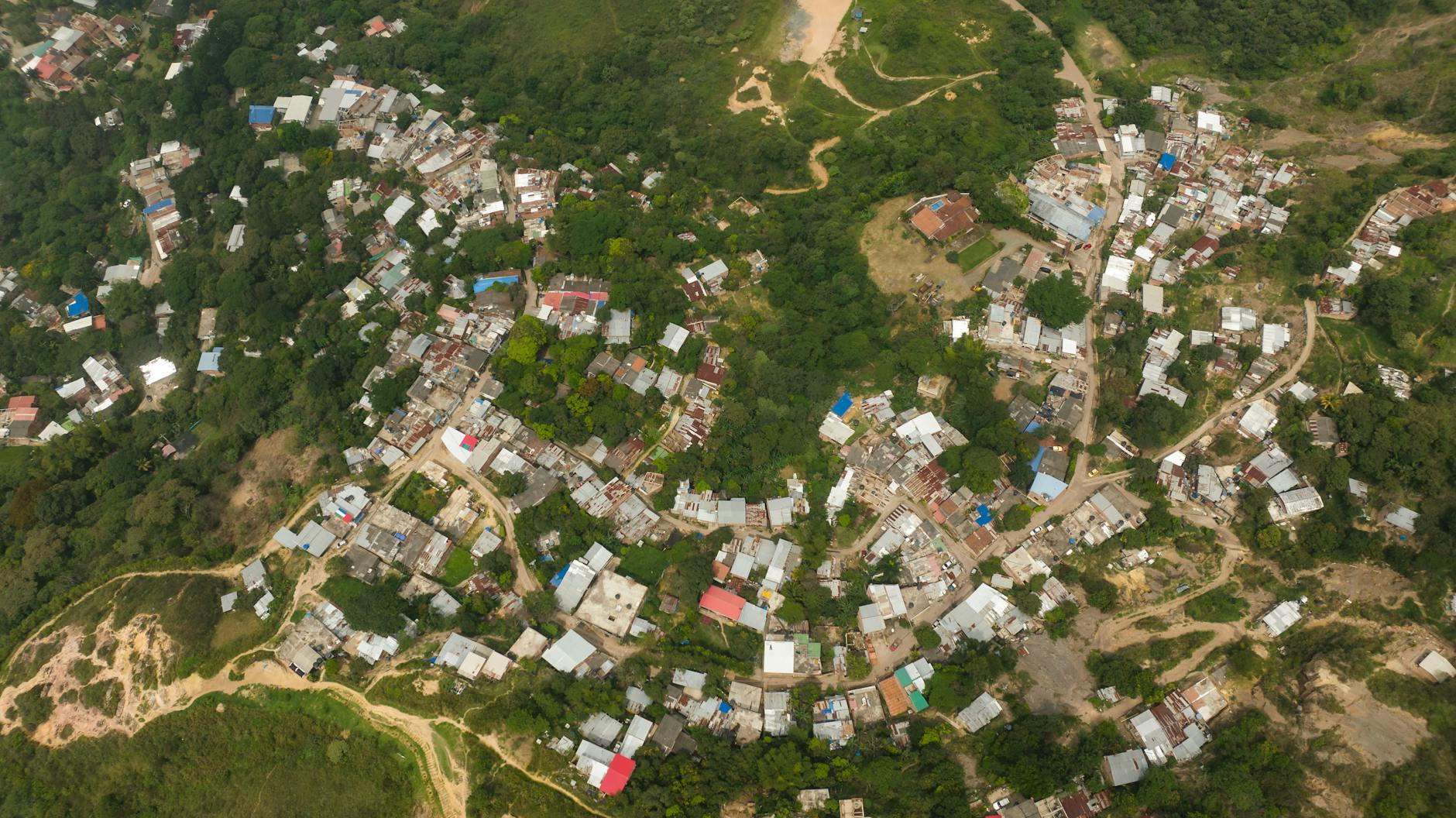
2. Urban Problems
Urban problems refer to the difficulties faced by cities and towns due to rapid population growth, inadequate infrastructure, and inefficient planning. These problems affect the quality of life of urban residents and hinder sustainable urban development.
2.1 Housing Shortage and Slums
One of the most serious urban problems in India is the shortage of affordable housing. Rapid migration from rural areas increases demand for housing in cities. When housing supply is insufficient, many people live in informal settlements or slums.
Slums often lack basic facilities such as:
- Safe drinking water
- Sanitation systems
- Proper drainage
- Electricity and waste management
These conditions lead to unhealthy living environments.
2.2 Traffic Congestion
The rapid increase in the number of vehicles combined with inadequate transportation infrastructure has resulted in severe traffic congestion in many cities.
Urban transportation problems include:
- Long travel times
- Road accidents
- Increased fuel consumption
- Air pollution
Improving public transportation systems and promoting sustainable mobility are important planning priorities.
2.3 Inadequate Infrastructure
Urban infrastructure such as water supply, sewage systems, drainage networks, and solid waste management often fails to keep pace with population growth.
Common infrastructure challenges include:
- Water shortages
- Poor sanitation
- Flooding due to inadequate drainage
- Improper waste disposal
These issues affect public health and environmental quality.
2.4 Environmental Pollution
Urban areas are major sources of environmental pollution. Rapid industrialization and increased vehicle use contribute to air pollution, while untreated waste and sewage pollute water bodies.
Major environmental concerns include:
- Air pollution
- Water pollution
- Noise pollution
- Solid waste accumulation
Environmental degradation reduces urban livability and threatens public health.
2.5 Urban Poverty and Unemployment
Despite economic growth, many urban residents work in the informal sector with low wages and limited job security. Urban poverty often results in poor living conditions and limited access to education and healthcare.
Unemployment and underemployment remain major concerns in many cities.
2.6 Urban Sprawl
Unplanned expansion of cities into surrounding rural areas leads to urban sprawl. This results in inefficient land use, loss of agricultural land, and increased transportation costs.
Urban sprawl also increases the demand for infrastructure and public services.
3. Rural Development Issues
Rural areas in India face several development challenges due to limited economic opportunities, poor infrastructure, and dependence on agriculture.
3.1 Agricultural Challenges
Agriculture is the main source of livelihood in rural areas. However, farmers face problems such as:
- Low agricultural productivity
- Dependence on rainfall
- Limited irrigation facilities
- High cost of inputs
- Fluctuating market prices
These factors contribute to rural poverty and economic instability.
3.2 Lack of Infrastructure
Many rural areas lack adequate infrastructure and basic services. Key issues include:
- Poor road connectivity
- Limited access to electricity
- Inadequate water supply
- Poor sanitation facilities
- Lack of healthcare and education services
Improving rural infrastructure is essential for development.
3.3 Poverty and Unemployment
Rural poverty remains a major issue in many parts of India. Limited employment opportunities outside agriculture lead to seasonal unemployment and underemployment.
Many rural residents migrate to cities in search of better economic opportunities.
3.4 Lack of Educational and Healthcare Facilities
Rural areas often have limited access to quality education and healthcare services. Schools and hospitals may be located far from villages, making it difficult for residents to access these services.
Improving rural education and healthcare systems is important for human development.
3.5 Environmental Degradation
Overuse of land and natural resources in rural areas can lead to environmental problems such as:
- Soil erosion
- Deforestation
- Water scarcity
Sustainable management of natural resources is essential for long-term rural development.
4. Rural–Urban Migration
One of the major consequences of rural development issues is migration from villages to cities. People move to urban areas in search of employment, education, healthcare, and better living conditions.
This migration contributes to:
- Population growth in cities
- Increased demand for housing and services
- Expansion of informal settlements
Balanced development strategies are needed to reduce excessive migration pressures.
5. Planning Strategies to Address Urban and Rural Issues
Effective planning and policy interventions are required to address both urban and rural development challenges.
Urban Planning Strategies
- Development of affordable housing programs
- Expansion of public transportation systems
- Improvement of urban infrastructure and services
- Promotion of sustainable land-use planning
- Protection of urban green spaces
Rural Development Strategies
- Improvement of agricultural productivity
- Development of rural industries and employment opportunities
- Expansion of rural infrastructure and connectivity
- Strengthening of education and healthcare systems
- Promotion of sustainable natural resource management
Integrated development approaches can help reduce disparities between urban and rural areas.
6. Government Initiatives
The Government of India has launched several programs to address urban and rural development challenges.
Examples include:
Urban Programs
- Smart Cities Mission
- AMRUT (Atal Mission for Rejuvenation and Urban Transformation)
- Pradhan Mantri Awas Yojana (Urban)
Rural Programs
- MGNREGA (Mahatma Gandhi National Rural Employment Guarantee Act)
- Pradhan Mantri Awas Yojana (Gramin)
- National Rural Livelihood Mission
These initiatives aim to improve infrastructure, employment, housing, and service delivery.
7. Conclusion
Urban and rural areas in India face different but interconnected challenges. Urban problems include housing shortages, traffic congestion, infrastructure deficiencies, environmental pollution, and urban poverty. Rural development issues include agricultural challenges, lack of infrastructure, unemployment, limited access to services, and environmental degradation.
Addressing these issues requires integrated planning strategies that promote balanced development between urban and rural areas. By improving infrastructure, creating employment opportunities, and promoting sustainable resource management, planners and policymakers can enhance the quality of life for both urban and rural populations.


 Track2Training
You must be logged in to post a comment.