
ENVIRONMENTAL DISASTERS

An environmental disaster  is defined as a catastrophic event regarding the natural environment that is due to human activity . This point distinguishes environmental disasters from other disturbances such as natural disasters and intentional acts of war such as nuclear bombings. Environmental disasters show how the impact of humans’ alteration of the land has led to widespread and/or long-lasting consequences.

These disasters have included deaths of wildlife, humans and plants, or severe disruption of human life or health, possibly requiring migration .Environmental disasters historically have affected agriculture, biodiversity  including wildlife, the economy and human health. The most common causes include pollution that seeps into groundwater or a body of water , emissions into the atmosphere and depletion of natural resources, industrial activity or agricultural practices.

Environmental disasters have a severely detrimental effect on ecosystems. These catastrophes are often short in duration, but have a lasting impact on the animals and plants that live in the affected habitat. Occasionally, environmental catastrophes change the physical environment so much that the damage to the ecosystem is irreversible. In other cases, environmental damage can be contained and the habitat rehabilitated.
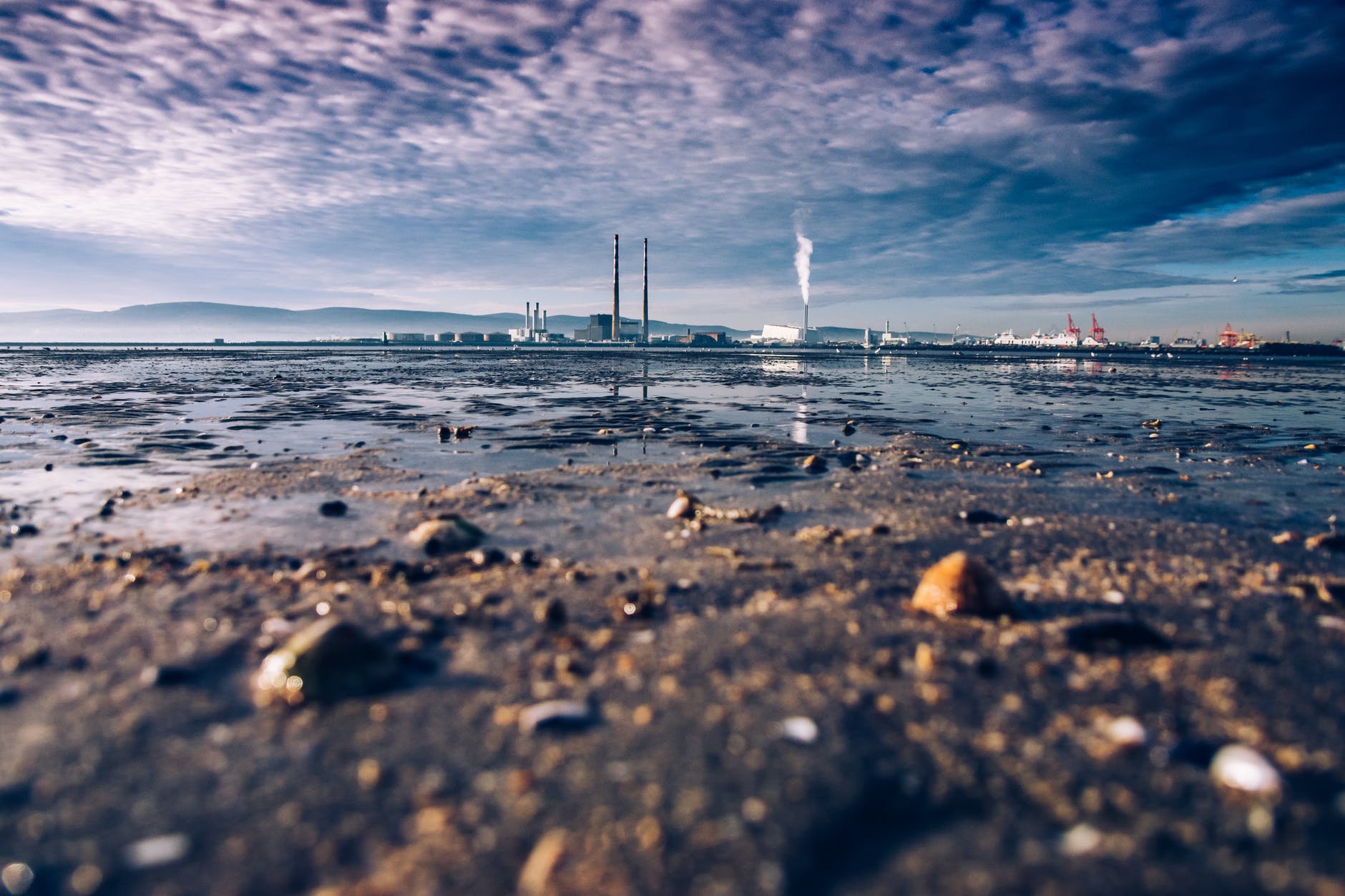
Photo by Luciann Photography on Pexels.com

Environmental disasters fall into two general categories. Some disasters are caused by natural climate or weather events. These include wild fires, landslides, floods, earthquakes, droughts, tornadoes, tsunamis, and volcanic eruptions. Although the causes of these natural environmental disasters do not involve human activities, in some cases the effects are worsened by the influence of people. For example, the environments that suffered the most damage during the Indian Ocean tsunami of 2004 were those where urban development and construction had damaged coral reefs. In places where coral reefs were healthy, the reef acted like a buffer, deflecting the power of the giant wave.

A second category of environmental disasters includes those caused by human activities. Examples of human-induced environmental disasters include oil spills, chemical spills, and nuclear incidents. In addition, wars and terrorist activities can be disastrous to ecosystems. In many cases, environmental disasters caused by humans have longer lasting effects on the environment than catastrophes brought on by natural events. For example, the enormous oil spill that occurred when the Exxon Valdez supertanker ran aground in Prince William Sound in 1989 continues to have major environmental repercussions. Twelve years after the oil spill, significant deposits of oil, which is toxic to many species, persisted throughout the affected area. In 2002, the population size of at least eight species of fish and mammals was still severely impacted from the oil spill.

Although environmental disasters take a terrible toll on ecosystems, they can bring increased attention to threatened habitats. In some cases, the increased oversight by governmental, intergovernmental, and non-governmental agencies results in legislation, which reduces the impact of future environmental disasters. For example, the Exxon Valdez oil spill led to much stronger regulation of the oil shipping industry. Also, additional funds were allocated for cleaning up oil spills, should they occur again. In the wake of the 2004 tsunami, the United Nations began organizing an Indian Ocean Tsunami warning system to alert citizens when another gigantic wave is heading to shore.

Humans have long believed that their scientific creativity could meet the challenges of natural forces. However, as Earth’s resources continue to be eroded by the growing population and its demand for natural resources, it is ever more likely that environmental disasters will increase both in number and intensity. It delves into the effects that these catastrophes have taken on the environment and on the human communities involved.

PROCRASTINATION

What exactly is procrastination?

Procrastination is the action of unnecessarily and voluntarily delaying or postponing something despite knowing that there will be negative consequences for doing so.  It could be further stated as a habitual or intentional delay of starting or finishing a task despite knowing it might have negative consequences. It is a common human experience involving delay in everyday chores or even putting off salient tasks such as attending an appointment, submitting a job report or academic assignment, or broaching a stressful issue with a partner. Although typically perceived as a negative trait due to its hindering effect on one’s productivity often associated with depression, low self-esteem, guilt and inadequacy, it can also be considered a wise response to certain demands that could present risky or negative outcomes or require waiting for new information to arrive.

According to Joseph Ferrari, a professor of psychology at DePaul University in Chicago and author of “Still Procrastinating: The No Regret Guide to Getting It Done,” around 20% of U.S. adults are chronic procrastinators. No matter how well-organized and committed you are, chances are that you have found yourself frittering away hours on trivial pursuits (watching TV, updating your Facebook status, shopping online) when you should have been spending that time on work or school-related projects. Whether you’re putting off finishing a project for work, avoiding homework assignments, or ignoring household chores, procrastination can have a major impact on your job, your grades, and your life.

Photo by cottonbro on Pexels.com

How to overcome procrastination?

  • Make Written To-Do Lists

To-Do Lists are a tried-and-true way of getting your bearings and keeping yourself from getting overwhelmed. They also help you organize your thoughts and can prevent confusion. It’s ideal to make a new list at the end of each day to prepare for the next day. Keep in mind, however, this tip won’t help much if you over-plan or set actionable tasks that cannot be completed in less than half an hour. If a task takes longer than thirty minutes, break it up into smaller tasks.

  • Deal with Your Fear

Fear is one factor that contributes to procrastination. This can involve a fear of failure, a fear of making mistakes, or even a fear of success. If you are afraid of success because you secretly believe that you don’t deserve it, it is important to realize that your self-handicapping might be keeping you from achieving your goals. By addressing the fear that is keeping you from getting started, you can begin to overcome your procrastination habit.

  • Create an Ideal Environment

Distractions arise when your environment is imperfect for your work. If distractions are a real issue for you and organizing your tasks does not relieve the impulse to procrastinate, it is vital that you take a look around and find out what is blocking your productivity. Distractions can range from background noise to a stiff chair, from a cluttered desk to Facebook. Do what you need to do in order to remove or avoid these elements. Many of us are distracted by the Internet. (“I’ll watch just one more cat video.” Yeah, right.) Develop the discipline to work in a space without Internet connectivity or build idle Internet browsing into your schedule (see tip three).

  • Final Thoughts

Breaking the procrastination habit isn’t easy. After all, if it was simple there wouldn’t be an estimated 80% to 95% of students engaging in procrastination on a regular basis. The urge to put things off can be strong, especially when there are so many things around us to provide fun and entertaining distractions.

While procrastination might not be something you can avoid entirely, becoming cognizant of the reasons why you procrastinate and how to overcome those tendencies can help. By implementing these strategies, you might find that it is easier to put your nose to the grindstone and get started on those important tasks.

PERSONALITY DISORDER

WHAT ARE PERSONALITY DISORDER?

A personality disorder is a way of thinking, feeling and behaving that deviates from the expectations of the culture, causes distress or problems functioning, and lasts over time. Personality is the way of thinking, feeling and behaving that makes a person different from other people. An individual’s personality is influenced by experiences, environment (surroundings, life situations) and inherited characteristics.

A person’s personality typically stays the same over time. Personality disorders are long-term patterns of behavior and inner experiences that differs significantly from what is expected. The pattern of experience and behavior begins by late adolescence or early adulthood and causes distress or problems in functioning.

Symptoms and Types of Personality Disorders | Bell Foundation®

WHAT ARE THE COMMON SIGN AND SYMPTOMS OF BORDERLINE PERONALITY DISORDER?

Borderline Personality Disorder has several signs and symptoms. For diagnosis, mental health professionals have grouped the symptoms into 9 categories. A person who shows at least 5 of these symptoms for a long duration is diagnosed as suffering from BPD. 

  1. Fear of abandonment

One of the most prominent signs of BPD is a fear of abandonment. People with BPD are always scared of being left alone by loved ones. Something as simple as a family member coming home late from work can trigger intense reactions. As a result, individuals suffering from BPD put frantic efforts into keeping family and friends close.

2. Unstable relationships

  People with BPD tend to have relationships that are intense and short-lived. You may fall in love quickly, believing that each new person is the one who will make you feel whole, only to be quickly disappointed. Your relationships either seem perfect or horrible, without any middle ground. Your lovers, friends, or family members may feel like they have emotional whiplash as a result of your rapid swings from idealization to devaluation, anger, and hate.

3. Unclear self-image

Self-image is a perception of self that defines how much you like yourself. With BPD, individuals struggle to keep a stable perception. They go from loving themselves one day to absolutely hating themselves the next day. Such people do not have an idea of who they are and what they want in life.

4. Self-destructive behaviour

If you have BPD, you may engage in harmful, sensation-seeking behaviors, especially when you’re upset. You may impulsively spend money you can’t afford, binge eat, drive recklessly, shoplift, , or overdo it with drugs or alcohol. These risky behaviors may help you feel better in the moment, but they hurt you and those around you over the long-term.

5. Self-harm

After self-destruction comes self-harm. Individuals suffering from BPD do not hesitate from harming themselves. They may easily cut themselves or burn themselves and may also take a step with the intent of suicide. Loved ones have to be vigilant at all times and on the lookout for suicidal thoughts.

6. Mood swings

 Unstable emotions and moods are common with BPD. One moment, you may feel happy, and the next, despondent. Little things that other people brush off can send you into an emotional tailspin. These mood swings are intense, but they tend to pass fairly quickly , usually lasting just a few minutes or hours.

7. Chronic feelings of emptiness

Individuals with BPD suffer from a chronic feeling of emptiness. They often feel like “nobody” and have this uncomfortable void that they try to fill with the help of extreme and risky behaviors. This feeling is uncomfortable, so you may try to fill the void with things like drugs, food . But nothing feels truly satisfying.

  1. Explosive anger

BPD causes impulsiveness, which often results in explosive anger. It also results in a short temper that comes out even at the slightest of disagreements. Explosive anger may be accompanied by behavior like throwing things or screaming (even in public places).

9. Feeling suspicious

 People with BPD often struggle with paranoia or suspicious thoughts  about others’ motives. When under stress, you may even lose touch with reality an experience known as dissociation. You may feel foggy, spaced out, or as if you’re outside your own body.

SELF-CONFIDENCE

Self-confidence is a person’s belief or trust in their own ability. It means you accept and trust yourself and have a sense of control in your life. Self-confidence can be defined as the belief and assurance you feel towards yourself. It is not something you are taught in school, as confidence has to come from inside. In a way, it’s freedom from doubting about every step you take in life. Self-confidence is one of the most important routes you have to take in your path to success. It makes a person independent, eager, optimistic, loving and positive. We see people in school, workplaces and public sectors who have achieved success be more initiative, more active, and more confident with their decisions, making them stand out from the crowd.

But when it comes to a person who cannot trust themselves or believe in themselves, success is a hard gain for them. They become more vulnerable to criticism and failure. They also find it super hard to get back on their feet and carry on. Everyone who has self-confidence gets to enjoy various perks that come along with that state of mind. The way to gain self-confidence is completely personal and an internal decision. Just like self-love, self-confidence takes time to acquire. But once you start believing in yourself, no one can stop you from conquering all the heights in your life and career. A self-confident man also knows how to be heard with dignity, when there is a difference of opinion. All this takes practice, but the most important thing is the belief that you can be better.

5 tips to build confidence and self-esteem - UPES Blog

HOW TO BOOST YOUR SELF-CONFIDENCE?

Do something you’re good at ; Everyone has talent , Recognize that and try to build on those things which help to boost your self-confidence.

Talk to yourself ; you’re never going to feel confident if you have negative thoughts in your mind telling you that you’re no good.

Build positive relationships ; if you find certain people tend to bring you down, try to spend less time with them, or tell them how you feel about their words or actions. Try to build relationships with people who are positive and who appreciate you.

Give yourself a challenge ; we all feel nervous or afraid to do things at times. But people with healthy self-esteem do not let these feelings stop them trying new things or taking on challenges.

Look at what you’ve already achieved ; It’s easy to lose confidence if you believe you haven’t achieved anything. Make a list of all the things you’re proud of in your life, whether it’s getting a good mark on an exam or learning some new stuff. Keep the list close by and add to it whenever you do something you’re proud of. When you’re low in confidence, pull out the list and use it to remind yourself of all the awesome stuff you’ve done.

Get a hobby ; Try to find something that you’re really passionate about. It could be photography, sport, dancing, singing or anything else! When you’ve worked out your passion, commit yourself to giving it a go.