
By Krishnapal Dabi
1. Abstract
This detailed essay provides an in-depth examination of essential demographic measures that shape population structures and social characteristics across diverse societies worldwide. It emphasizes the significance of understanding the age-sex composition, the utility of the age-sex pyramid as a visual analytical tool, and the importance of various social indicators such as marital status, caste, regional distribution, and literacy levels. The analysis aims to synthesize theoretical frameworks with empirical data, facilitating informed policy-making and socio-economic planning. The discussion highlights how these demographic indicators influence population growth, social stratification, and development trajectories, underscoring their relevance in contemporary demographic studies and policy formulation. This essay serves as a foundational resource for demographers, policymakers, social scientists, and development practitioners seeking to understand the complex dynamics of population structures and their implications for sustainable development.
2. Introduction
Population studies are fundamental to understanding the social, economic, and health dynamics of societies. They encompass a wide array of measures that describe the composition and structure of populations, which are crucial for effective policy-making, resource allocation, and development planning. Among these measures, the age-sex structure provides vital insights into demographic momentum, potential growth, and aging trends. The population pyramid, a graphical representation of this structure, visually depicts the distribution of different age groups by sex, revealing underlying demographic trends and social patterns.
In addition to age and sex, other social indicators such as marital status, caste, regional distribution, and literacy levels play a significant role in shaping demographic patterns and social stratification. Marital status influences fertility rates and household structures, while caste and regional factors reflect social inequalities and access to resources. Literacy levels serve as a proxy for human capital and socio-economic development, impacting health outcomes, employment opportunities, and social participation. This essay systematically examines these measures, their interrelations, and their implications for development and policy-making.
3. Measures of Age-Sex Structure
3.1 Understanding Age-Sex Composition
The age-sex structure of a population is a fundamental demographic indicator that describes the distribution of individuals across various age groups and by gender. It influences population growth rates, dependency ratios, and social dynamics. A well-structured age-sex profile helps in understanding demographic momentum, potential for future growth, and the aging process within a society. This measure is crucial for planning in sectors such as healthcare, education, employment, and social security, as it provides insights into the current and future needs of the population.
3.2 Age-Sex Pyramid: A Visual Tool
The age-sex pyramid is a graphical representation that provides a snapshot of a population at a specific point in time. It consists of horizontal bars representing different age groups, with males on one side and females on the other. The shape of the pyramid offers insights into demographic trends: a broad base indicates high birth rates and a youthful population, while a narrow top suggests aging populations. Variations such as a constricted middle or irregular shapes can reveal issues like gender imbalances, migration effects, or mortality patterns. The pyramid’s shape is instrumental in demographic analysis, policy planning, and understanding social dynamics.
3.3 Population Composition and Its Significance
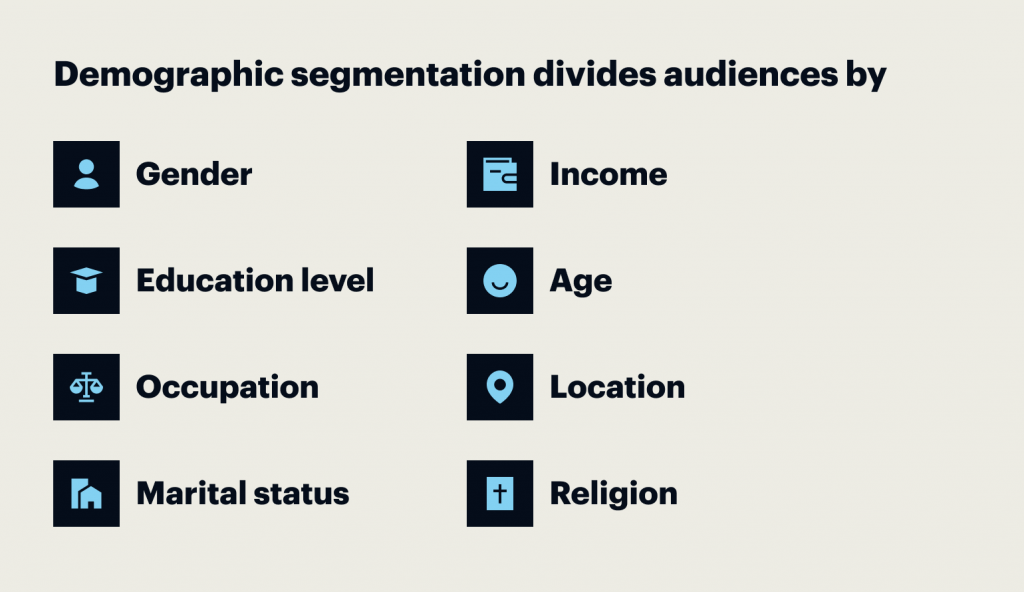
Population composition encompasses various demographic characteristics, including age, sex, marital status, caste, religion, literacy, and regional distribution. Analyzing composition helps in assessing socio-economic status, health needs, and development potential. For example, a youthful population may necessitate investments in education and employment, whereas an aging population might require healthcare and social security support. Regional disparities in composition can highlight inequalities and guide targeted interventions. Understanding these components is essential for designing effective social policies and development programs.
3.4 Marital Status and Its Demographic Significance
Marital status is a crucial social indicator that influences fertility, household structures, and social stability. It is typically categorized as single, married, widowed, divorced, or separated. Variations in marital status across regions and social groups impact population growth and social cohesion. Higher marriage rates often correlate with higher fertility, affecting population size and structure. Understanding marital patterns helps in designing policies related to family planning, social security, and health services. It also provides insights into social stability and changing cultural norms.
4. Caste, Regional Distribution, and Population Dynamics
Caste and regional factors significantly shape population distribution and social stratification. In countries like India, caste systems influence social mobility, access to resources, and demographic patterns. Regional disparities reflect differences in economic development, healthcare access, cultural practices, and historical contexts. Analyzing these factors helps identify marginalized groups, regional development needs, and social inequalities, guiding equitable policy formulation. Recognizing the influence of caste and regional differences is vital for promoting social justice and inclusive growth.
4.1 Literacy Level and Socioeconomic Development
Literacy is a key indicator of human capital and socio-economic development. Higher literacy levels are associated with better health outcomes, increased economic productivity, and greater social participation. Demographic studies often correlate literacy rates with fertility, mortality, and migration patterns, emphasizing the role of education in shaping population dynamics. Improving literacy levels is essential for sustainable development, reducing inequalities, and fostering social cohesion. Education policies aimed at increasing literacy can significantly influence demographic trends and overall societal progress.
4.2 Additional Points on Demographic Measures
Beyond the core measures, several other demographic indicators are vital for a comprehensive understanding of population dynamics. These include:
- Migration Patterns: Internal and international migration significantly impact regional population distribution, labor markets, and urbanization trends. Migration can lead to demographic shifts, influence age-sex composition, and alter social structures.
- Fertility and Mortality Rates: These fundamental indicators determine population growth or decline. Fertility rates reflect reproductive behavior, while mortality rates indicate health standards and healthcare effectiveness.
- Dependency Ratios: These ratios compare the working-age population to dependents (young and old), providing insights into economic productivity and social support systems.
- Urbanization Trends: Rapid urban growth affects demographic patterns, infrastructure needs, and social services, often leading to increased demand for housing, transportation, and healthcare facilities.
5. Discussion
The interplay of age-sex structure, population composition, marital status, caste, regional distribution, and literacy levels creates a complex demographic landscape. Regions with high literacy and advanced healthcare tend to have aging populations with declining fertility rates, reflecting demographic transition. Conversely, areas with limited access to education and healthcare often exhibit high birth rates and youthful populations, leading to rapid growth.
Marital status influences fertility and family size, which directly impact population growth rates. Socio-economic disparities, caste, and regional differences further exacerbate inequalities, affecting access to education, healthcare, and employment opportunities. These factors collectively shape social stratification and influence demographic trends. Recognizing these interrelations is vital for designing targeted policies that promote equitable development, social stability, and sustainable population growth.
6. Conclusion
Demographic measures such as the age-sex pyramid, population composition, marital status, caste, regional distribution, and literacy levels are essential tools for understanding population dynamics. They provide critical insights into growth patterns, social structure, and development needs. A systematic and comprehensive analysis of these indicators enables policymakers to address demographic challenges effectively, ensuring sustainable development and social equity. Future research should focus on integrating these measures with technological advancements and data analytics to enhance demographic planning, policy formulation, and resource management.
7. References
- Andreev, E. M., Shkolnikov, V. M., & Begun, A. Z. (2002). Algorithm for decomposition of differences between aggregate demographic measures and its application to life expectancies, healthy life expectancies, parity-progression ratios and total fertility rates. Demographic research, 7, 499-522.
- Carmichael, G. A. (2016). Fundamentals of demographic analysis: Concepts, measures and methods. Switzerland: Springer.
- United Nations. (2019). World Population Prospects 2019. United Nations Department of Economic and Social Affairs.
- United Nations Development Programme. (2020). Human Development Report 2020.
- Singh, S. (2018). Demographic Transition and Population Growth. Journal of Population Studies.
- Government of India. (2021). Census of India 2011. Office of the Registrar General & Census Commissioner.
World Bank. (2022). World Development Indicators
 Track2Training
You must be logged in to post a comment.