Butterflies🦋

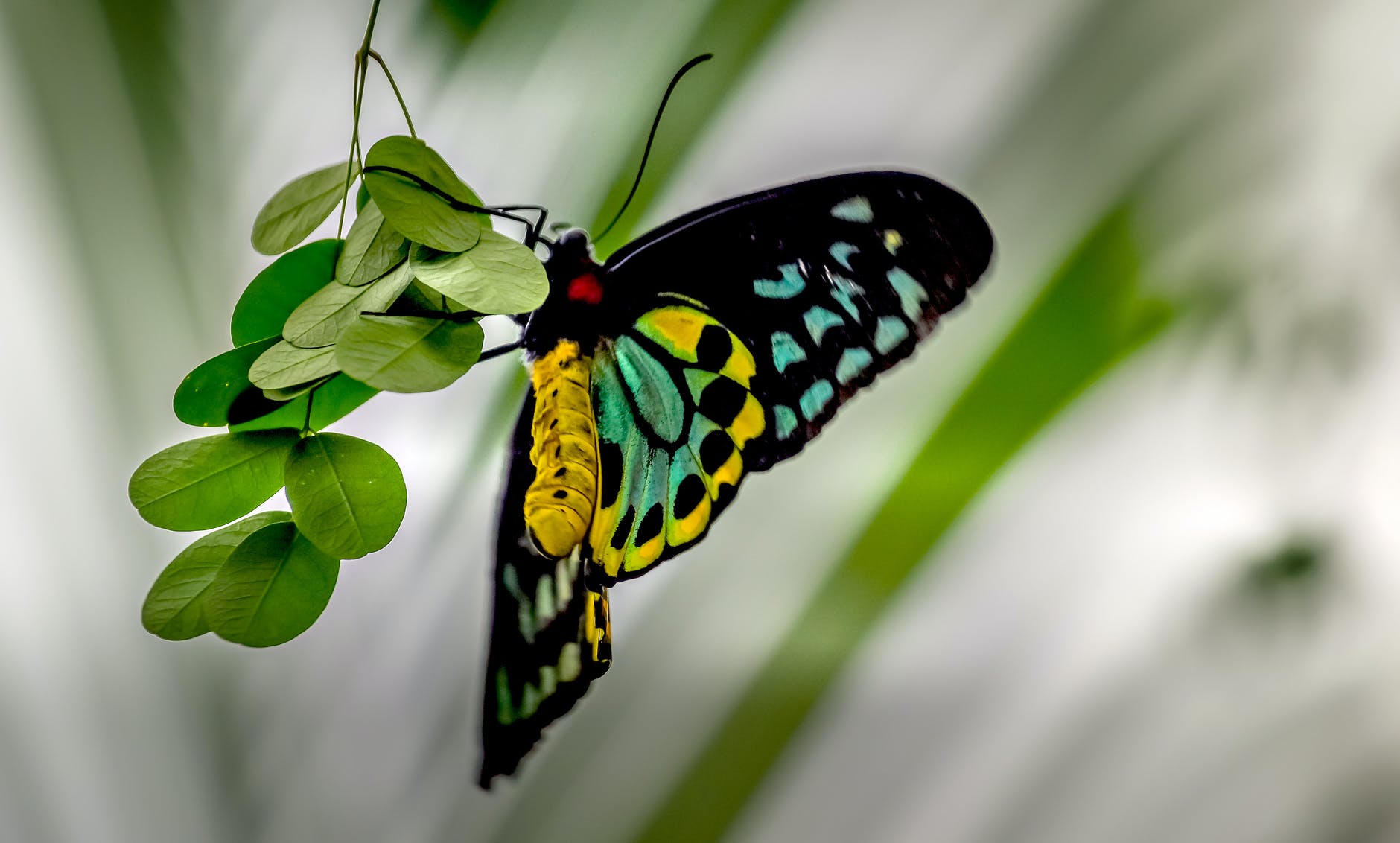
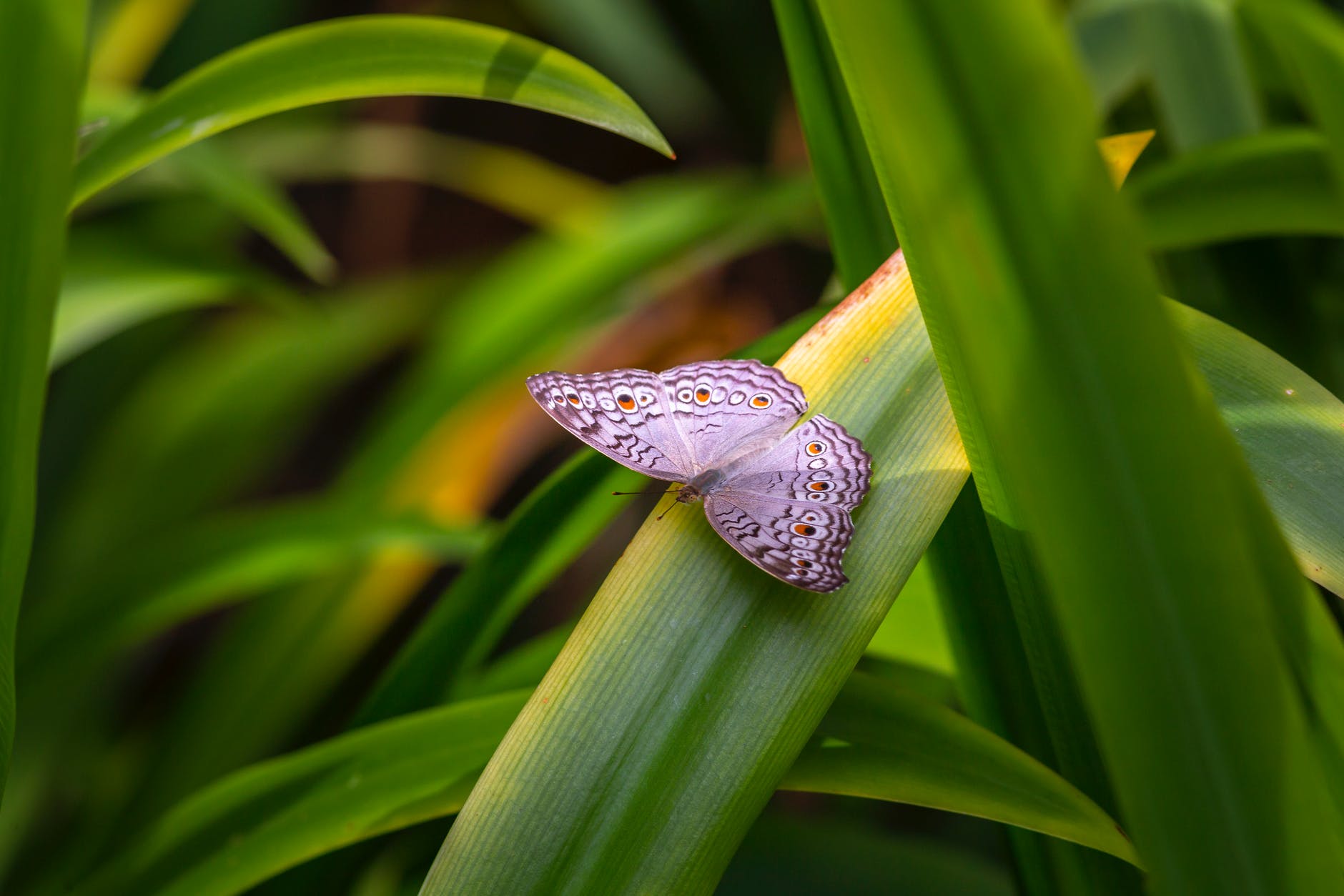
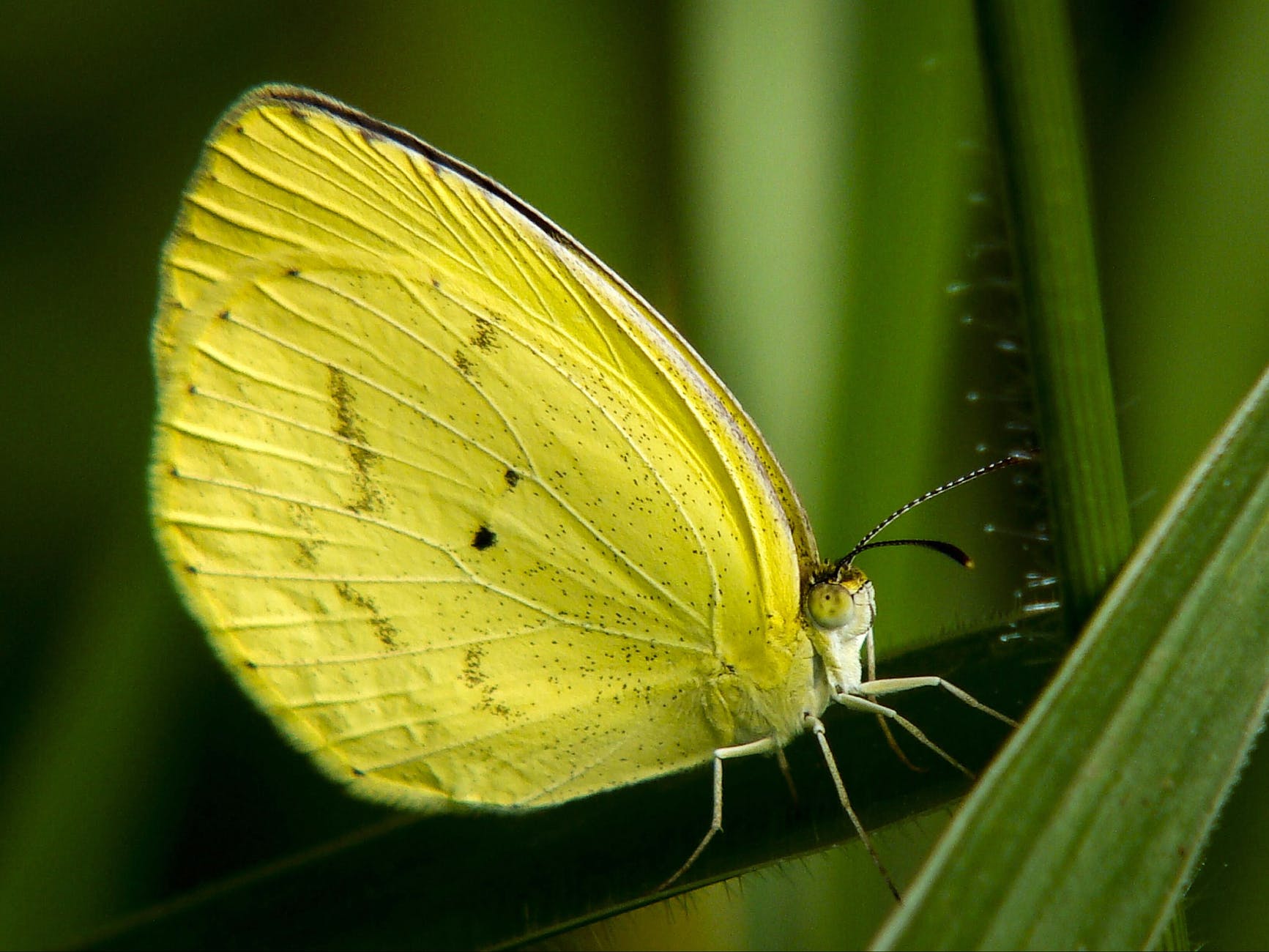
Have you ever seen a baby butterfly? Me neither because they don’t exist🤭. Butterfly is the adult form of caterpillar. But who gave butterflies the right to be this beautiful🥺, they are a treat to eyes. All the colors they display with so much variety in shapes and patterns is just breathtaking. They indicate biodiversity but sadly the change in climate and the shift in weather is slowly making these creatures to go extinct. Since, they are known to react quickly on climate change and to see them struggling to survive is a serious indication and warning of global warming.
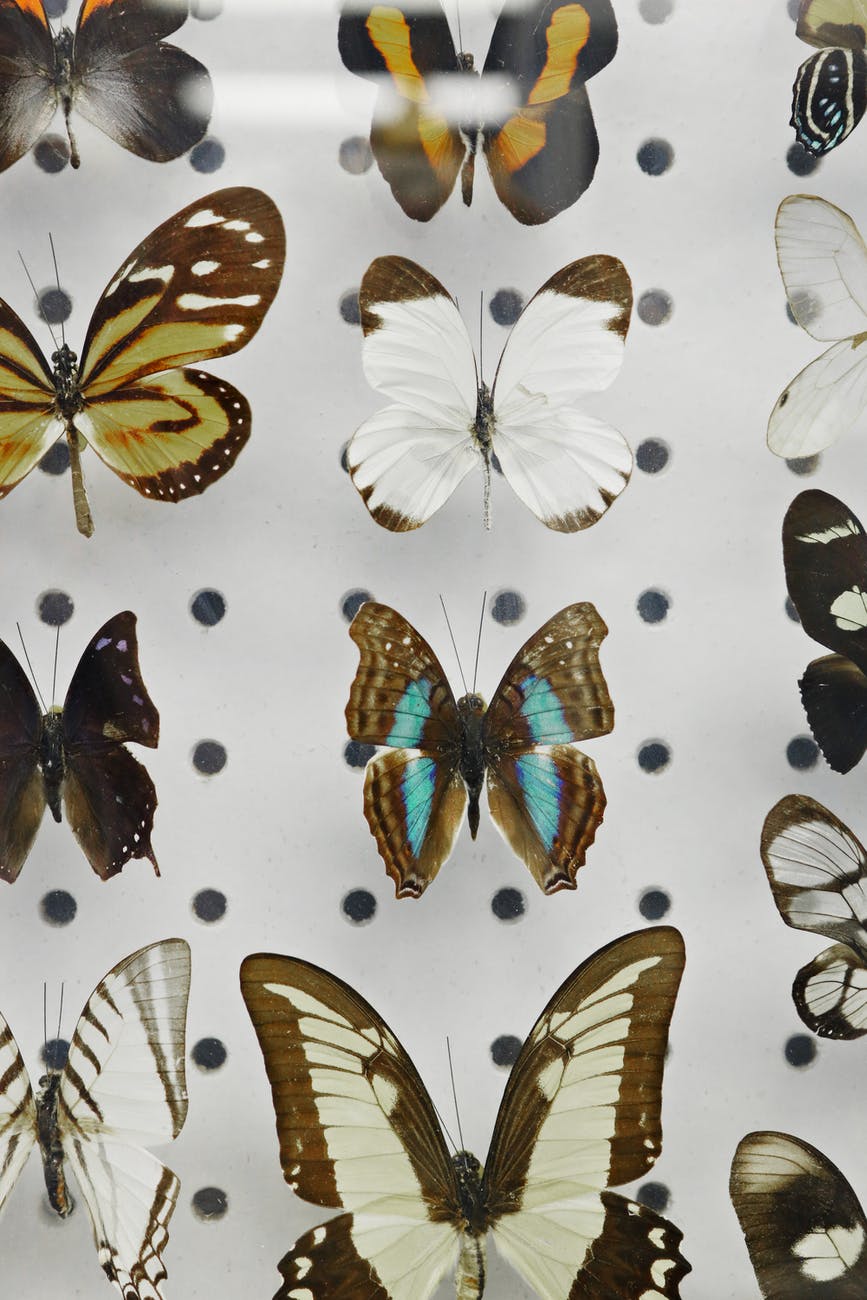
Photo by Madison Inouye on Pexels.com

let’s look at some amazing facts about butterflies.

Butterflies can fly with a speed of 12 miles per hour.Their size can differ from as tiny as 1/8 inch to a huge 12 inches.

Their wings are made up a substance called chitin and are transparent in real. All the colors we see are a reflection of various colors through the thousands of scales present in them.
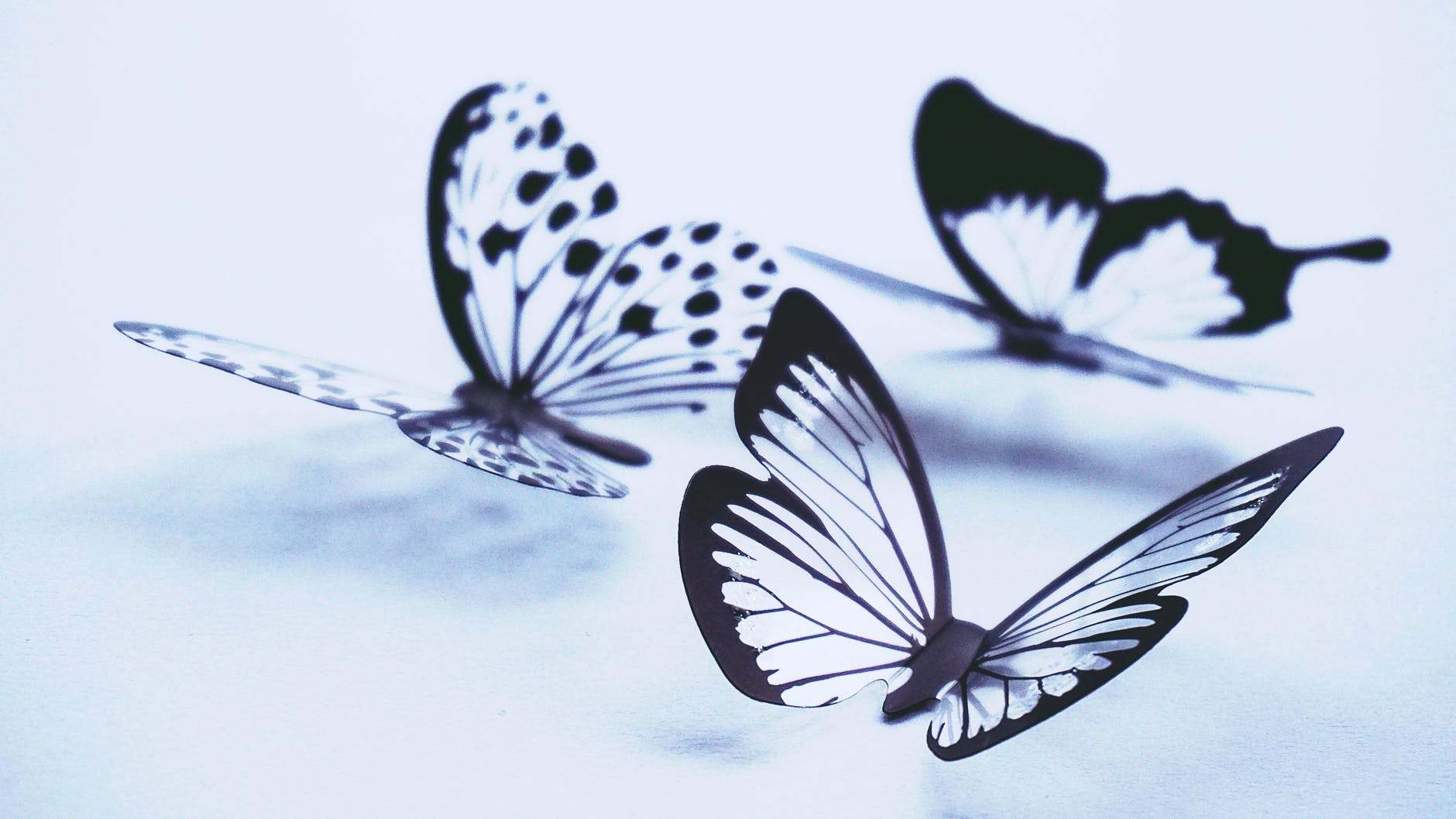
Photo by Suzy Hazelwood on Pexels.com

There are about 24,000 butterfly species on this earth. Antarctica is the only place to be devoid of their presence.

The Monarch Butterfly Biosphere Reserve is located in Mexico. Millions of butterflies travel from Texas. The trees are filled with butterflies and appear orange in color. The goal of reserve is to protect the butterfly species and their habitat.

They have their taste receptors on their feet. Their legs help them in locating the best plants and are evn used by them to choose plants for laying eggs.
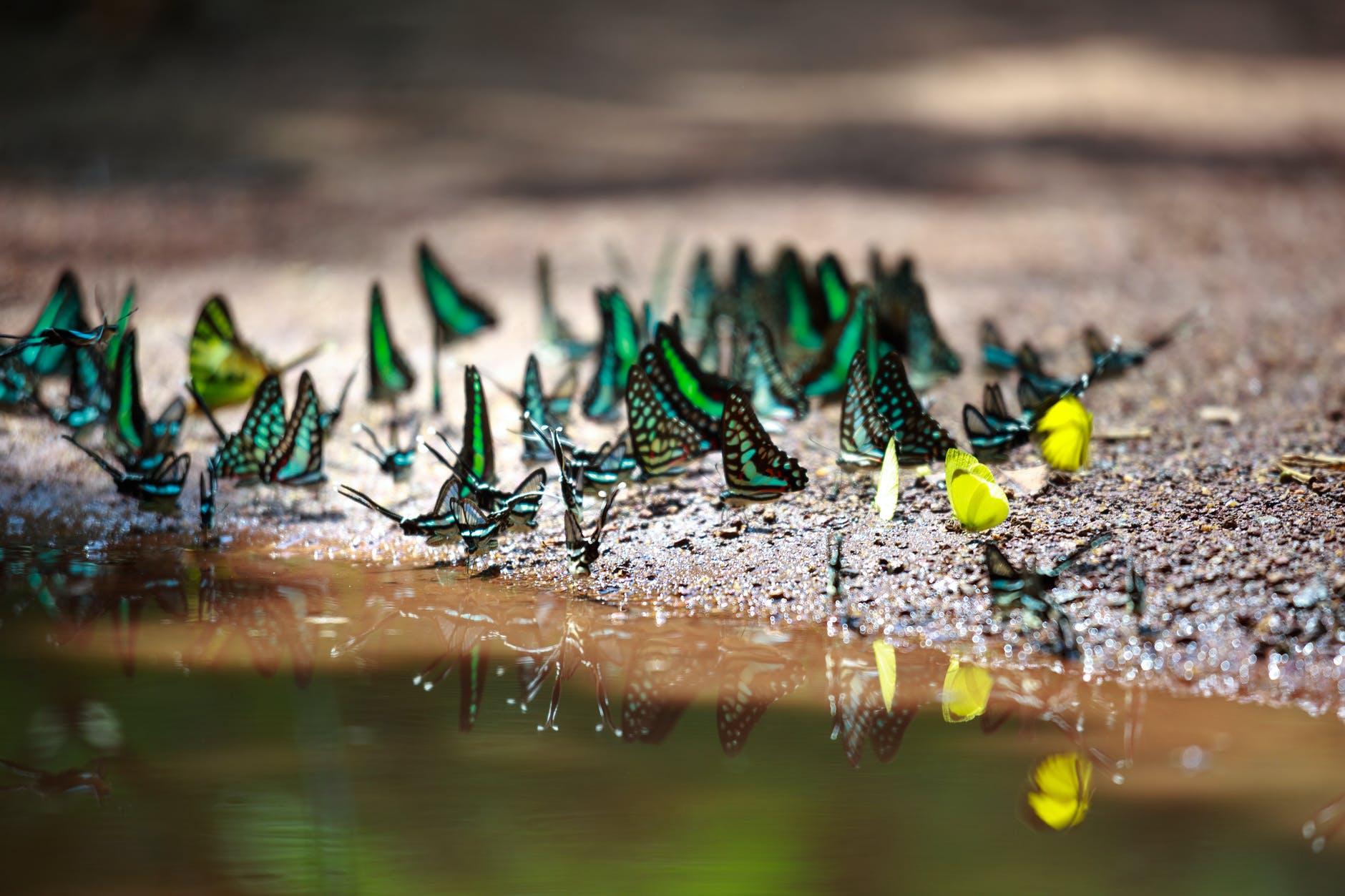
Photo by Quang Nguyen Vinh on Pexels.com

Their average lifespan is of a 3-4 weeks. One species of butterfly lives only upto 24 hours and some migratory butterflies can live for about 8 months.

Butterflies are cold blooded hence, require ideal settings. They can’t fly if their temperature is less than 85 degrees. Some species migrate to warm places when the temperature begins to drop.
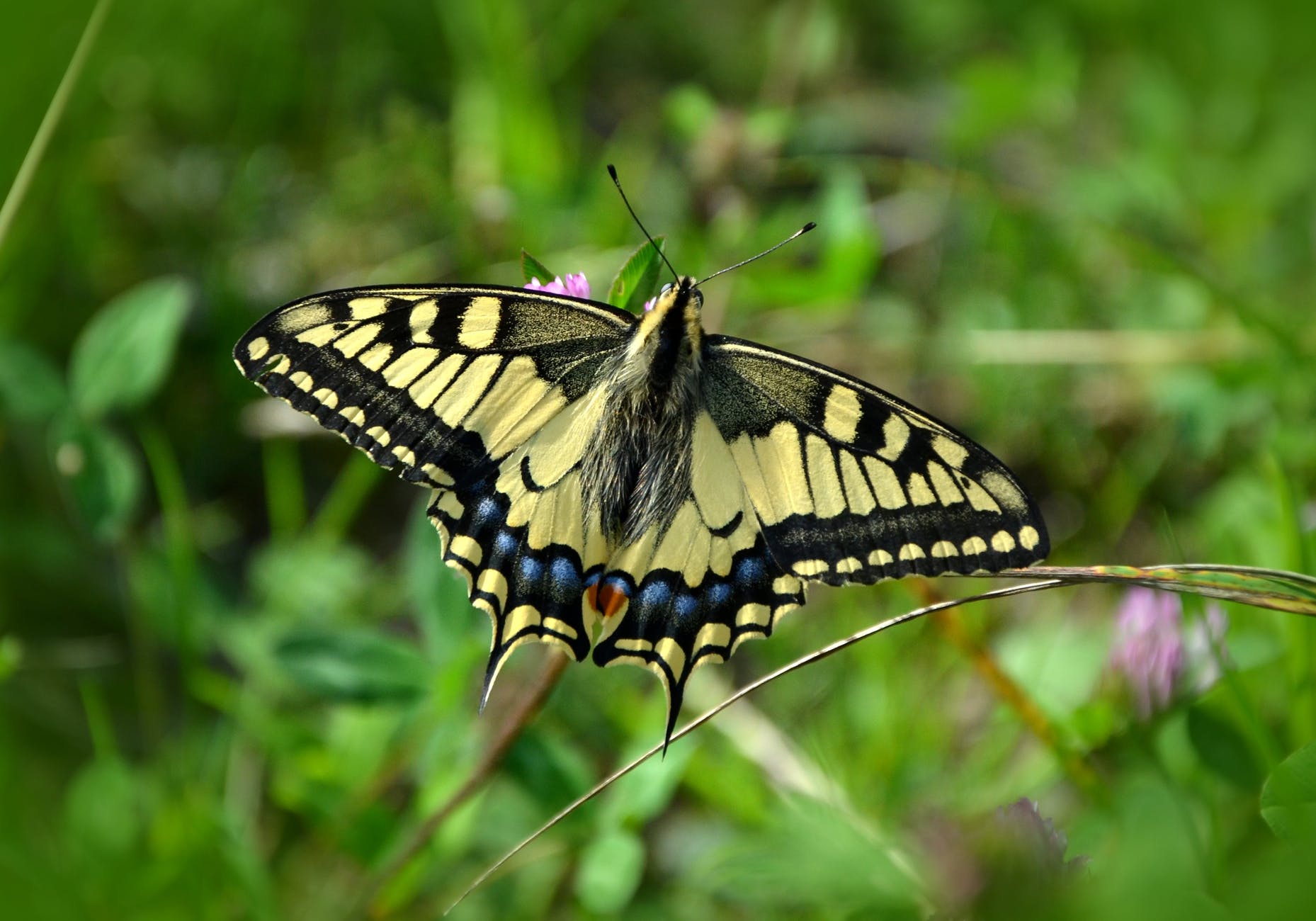
Photo by Pixabay on Pexels.com

Butterflies are health conscious and so they follow liquid diet. Lol. Actually they don’t have the necessary apparatus that helps in chewing instead they have a straw like structure that helps them in sucking nectar from flowers.

Their wings are a great defense against enemies. All the color and patterns are actually to scare predators away. And also they have 4 wings not 2. Forewings, that are close to the head and hindwings, at the back.
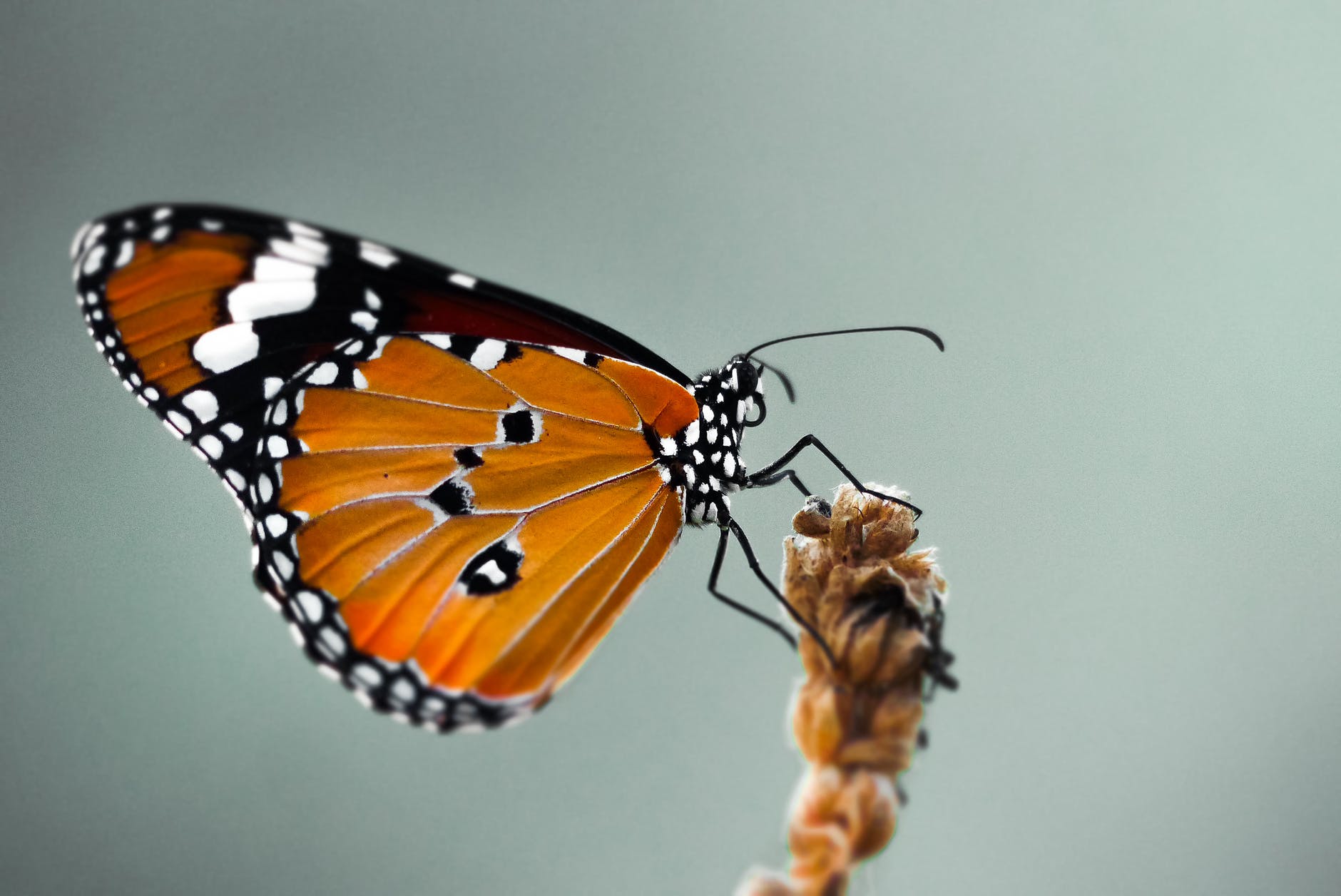
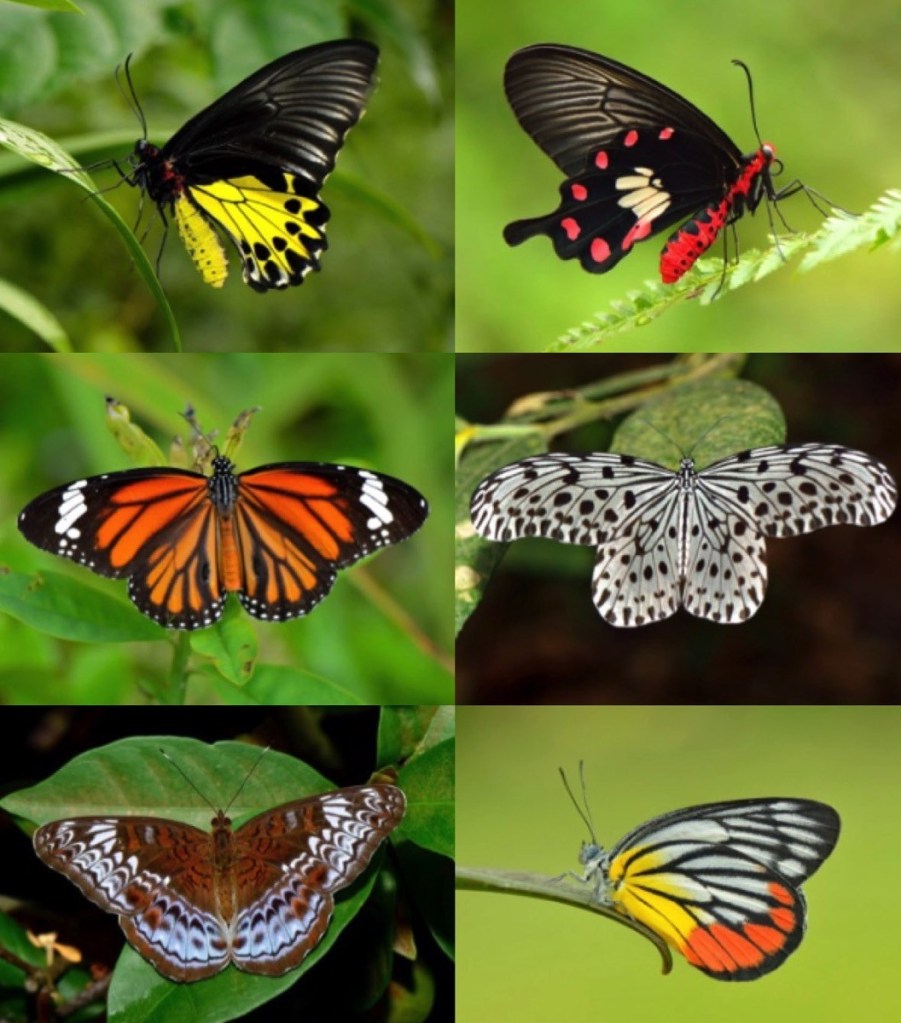
Photo by Aenic Visuals on Pexels.com

BUTTERFLY

ABOUT BUTTERFLY:

The butterfly is one of the most beautiful and wonderful creatures. Both butterflies and moths belong to the Lepidoptera family. Butterflies are flying insects with large scaly wings. We can observe different colors and patterns in the wings. Butterflies have six legs and three main body parts: head, thorax (chest or midsection), and abdomen (tail end). They also have two antennae and an exoskeleton. The butterfly’s body is covered by tiny sensory hairs. The adult butterfly has four wings that are covered with tiny scales that give them their colorful and diverse designs. These are cold-blooded creatures. The group of butterflies is called flutter. Butterflies have an amazing ability to see, smell. Some butterflies can fly as fast as 40 miles per hour. There are a thousand kinds of butterflies. They may vary from small to big. The lifespan of a butterfly varies with factors like size, species, and habitat.

LIFE CYCLE OF A BUTTERFLY:

There are four stages involved in the life cycle of a butterfly. They are,

  • FIRST STAGE-EGG:

 Butterfly starts their life as an egg. Their egg shape maybe circle, oval or cylindrical depending on the butterfly that laid the egg. Butterflies lay their eggs on a leaf of a plant.

  • SECOND STAGE-THE LARVA(CATERPILLAR):

When the egg hatches caterpillar comes out of it. In this stage they all do is eat. The caterpillar eats the leaf from where they were born.

  • THIRD STAGE-PUPA(CHRYSALIS):

The third stage of the butterfly is the pupa. As soon as a caterpillar is done growing and they have reached their full length/weight, they form themselves into a pupa, also known as a chrysalis. From the outside of the pupa, it looks as if the caterpillar may just be resting, but the inside is where all of the action is. Inside the pupa, the caterpillar is rapidly changing. Within the chrysalis, the old body parts of the caterpillar are undergoing a remarkable transformation, called ‘metamorphosis,’ to become the beautiful parts that make up the butterfly that will emerge. Tissue, limbs, and organs of a caterpillar have all been changed by the time the pupa is finished and is now ready for the final stage of a butterfly’s life cycle.

  • FOURTH STAGE-ADULT BUTTERFLY:

In the final stage, when the caterpillar has done all of its forming and changing inside the pupa, It will have emerged as an adult butterfly. When the butterfly first emerges from the chrysalis, both of the wings are going to be soft and folded against its body. This is because the butterfly had to fit all its new parts inside of the pupa in this stage. As soon as the butterfly has rested after coming out of the chrysalis, it will pump blood into the wings in order to get them working and flapping – then they get to fly. Usually, within a three or four-hour period, the butterfly will become master in flying and will search for a mate in order to reproduce. When in the fourth and final stage of their lives, adult butterflies are constantly on the lookout to reproduce and when a female lays their eggs on some leaves, the butterfly life cycle will start all over.

INTERESTING FACTS ABOUT BUTTERFLY:

· Some butterfly species migrate from the cold.

· Most butterflies have taste receptors on their feet.

· They’ll even drink the tears of reptiles to get some much-needed sodium.

· Butterflies will not fly if the temperature is below 50 degrees Fahrenheit.

· A butterfly drink its food, with a straw-like tube called a proboscis.

· They can see a range of ultraviolet colors, invisible to human eyes.