
N.O.W.: Development of Land at Sector G7/G8, Narela

Daily writing prompt
What are your favorite sports to watch and play?

Construction of Integrated Packaged Sewage Treatment Plant (STP) on Turnkey Basis (Specialised Work)
The N.O.W. (National Objective Works) project for the Development of Land at Sector G7/G8, Narela, represents a significant step towards strengthening urban environmental infrastructure in one of Delhiโ€™s rapidly developing sub-cities. A key component of this initiative is the design, supply, installation, construction, and operation of an integrated packaged-type Sewage Treatment Plant (STP) with a total treatment capacity of 7.87 MLD, based on Moving Bed Biofilm Reactor (MBBR) technology, located in Pockets 5, 6, and 7 of Sector G7/G8, Narela. This specialised work is being executed on a turnkey basis, ensuring end-to-end responsibility and long-term operational reliability.


Background and Need for the Project

Narela has been planned as a major urban extension of Delhi, accommodating residential, institutional, and commercial developments. With increasing population density and urban activity, the generation of domestic wastewater has risen significantly. In the absence of adequate sewage treatment infrastructure, untreated sewage can lead to contamination of surface water bodies, groundwater pollution, public health risks, and environmental degradation.

The establishment of a decentralised, integrated STP at Sector G7/G8 directly addresses these challenges. The project is designed to ensure safe collection, treatment, and disposal or reuse of sewage, thereby supporting sustainable urban growth and compliance with environmental norms.


Scope of Work under the STP Project

The project scope is comprehensive and covers the entire lifecycle of the sewage treatment system. It includes:

  • Design and engineering of the STP based on projected sewage loads and effluent quality standards
  • Supply and installation of packaged treatment units, mechanical and electrical equipment
  • Civil construction works, including foundations, tanks, control rooms, and ancillary structures
  • Integration of treatment processes for Pockets 5, 6, and 7, achieving a combined capacity of 7.87 MLD
  • Testing, commissioning, and stabilisation of the plant
  • Operation and maintenance (O&M) for the specified period under the turnkey arrangement

Being classified as specialised work, the project demands high technical expertise, precision engineering, and strict quality control.


MBBR Technology and Its Advantages

The Sewage Treatment Plant is based on MBBR (Moving Bed Biofilm Reactor) technology, which is widely adopted for urban wastewater treatment due to its efficiency and compact design. In this system, specially designed bio-media are suspended within the aeration tank, providing a large surface area for microbial growth. These microorganisms break down organic pollutants in the sewage.

Key advantages of MBBR technology include:

  • High treatment efficiency with consistent effluent quality
  • Compact footprint, suitable for space-constrained urban areas
  • Lower sludge generation, reducing handling and disposal costs
  • Operational flexibility, capable of handling load fluctuations
  • Ease of operation and maintenance, making it ideal for decentralised STPs

These benefits make MBBR technology particularly appropriate for residential pockets like those in Sector G7/G8, Narela.


Turnkey Basis and Operational Responsibility

Execution on a turnkey basis means that a single specialised agency is responsible for delivering the complete STPโ€”from concept and design to construction and operation. This approach minimises coordination issues, ensures accountability, and improves overall project efficiency.

Inclusion of operation within the project scope ensures that the plant does not remain underutilised after construction. Proper operation during the initial years helps stabilise biological processes, train personnel, and ensure compliance with prescribed discharge standards.


Financial Details and Project Timeline

The estimated project cost for the Sewage Treatment Plant is โ‚น13.83 crore, reflecting the specialised nature of the work and the advanced treatment technology involved. The sanctioned cost stands at โ‚น12.58 crore, indicating careful financial structuring under the N.O.W. and UDF-aligned framework.

The project commenced on 08 February 2021, marking the start of implementation activities at the site. The investment underscores the importance of environmental infrastructure as a foundation for sustainable urban development.


Environmental and Urban Significance

The STP at Sector G7/G8 plays a crucial role in improving the environmental performance of Narela. By treating sewage at the local level, it prevents pollution of downstream drains and water bodies, protects groundwater quality, and improves overall sanitation conditions.

Treated effluent from the plant can potentially be reused for horticulture, landscaping, flushing, and other non-potable purposes, reducing dependence on freshwater sources. This aligns with broader goals of water conservation and circular urban water management.


Long-Term Benefits

The long-term benefits of this STP project include:

  • Improved public health and sanitation standards
  • Reduced environmental pollution
  • Compliance with regulatory norms
  • Support for future urban expansion in Narela
  • Creation of resilient and self-sufficient urban infrastructure

By integrating treatment, operation, and maintenance within a single project framework, the initiative ensures durability and sustainability of assets.


Conclusion

The N.O.W. project for the construction of an integrated packaged-type Sewage Treatment Plant at Sector G7/G8, Narela, is a vital infrastructure intervention supporting sustainable urban development in Delhiโ€™s expanding periphery. With a treatment capacity of 7.87 MLD, adoption of MBBR-based technology, execution on a turnkey basis, and a project cost of โ‚น13.83 crore (sanctioned โ‚น12.58 crore), commenced on 08.02.2021, the project exemplifies a technically sound and environmentally responsible approach to wastewater management. It not only addresses present sanitation needs but also lays the foundation for a cleaner, healthier, and more resilient urban future for Narela.
N.O.W. Up-Gradation of District Centre at Bhikaji Cama Place, New Delhi

Daily writing prompt
What are your favorite sports to watch and play?

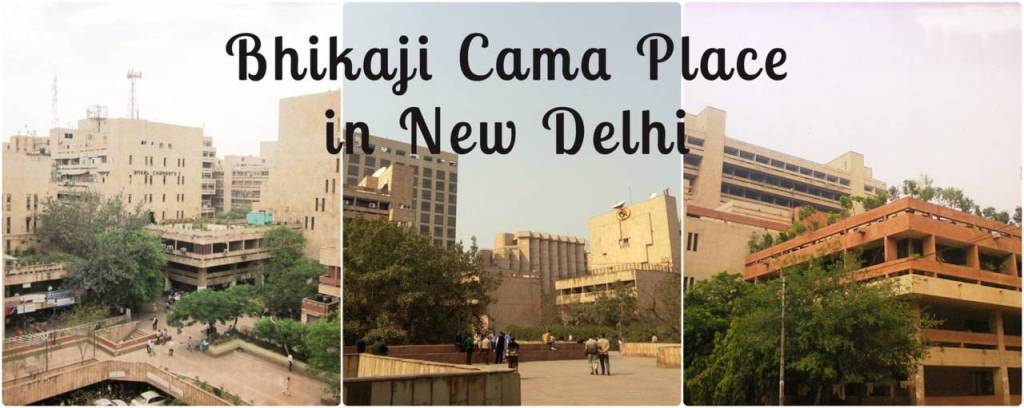
The N.O.W. (National Objective Works) Up-gradation of the District Centre at Bhikaji Cama Place represents a comprehensive urban renewal initiative aimed at revitalising one of New Delhiโ€™s important commercial and institutional hubs. Bhikaji Cama Place has long functioned as a district-level centre with offices, commercial establishments, public institutions, and heavy daily footfall. Over time, however, ageing infrastructure, fragmented public spaces, traffic congestion, and inadequate pedestrian amenities necessitated a holistic redevelopment approach. The up-gradation project has therefore been conceived as a UDF (Urban Development Fund) Project, ensuring structured financing, integrated planning, and long-term sustainability.


Rationale and Need for Up-gradation

Bhikaji Cama Place occupies a strategic location in South Delhi, serving as a major employment node and transit-oriented commercial area. Despite its importance, the district centre faced several urban challenges such as deteriorated buildings, lack of organised commercial space, insufficient public amenities, poor-quality plazas, and inefficient circulation for pedestrians and vehicles. The absence of vibrant public realms and modern infrastructure limited the areaโ€™s potential as a contemporary district centre.

The N.O.W. up-gradation project addresses these shortcomings through comprehensive redevelopment on a Design, Engineering, Procurement, and Construction (EPC) basis, combined with Operation and Maintenance (O&M), ensuring that the assets created remain functional and well-maintained over time.


Scope of Work under the Project

The project encompasses a wide range of infrastructure, architectural, and public realm interventions, transforming Bhikaji Cama Place into a modern, inclusive, and people-centric district centre.


Construction of Offices and Shops

A key component of the project is the construction and reorganisation of office and shop spaces. These spaces are designed to meet contemporary functional, safety, and accessibility standards. By providing organised commercial infrastructure, the project helps rationalise activities, reduce clutter, and improve the overall business environment. Modern office and retail spaces enhance economic productivity and support long-term commercial viability.


Public Toilets and Civic Amenities

Provision of modern public toilet facilities is an essential social infrastructure element in a high-footfall district centre. The toilets are designed with adequate capacity, hygiene standards, accessibility for persons with disabilities, water-efficient fixtures, and proper ventilation. These facilities significantly improve user comfort, dignity, and public health.


Renovation of Bhikaji Cama Bhawan

The renovation of Bhikaji Cama Bhawan is an important heritage-linked and functional component of the project. Renovation works include structural improvements, faรงade enhancement, internal space upgrades, and modern service integration. The revitalised building strengthens the identity of the district centre while preserving its institutional and architectural significance.


Plaza and Amphitheatre Development

To introduce vibrancy and social life into the district centre, the project includes the development of a central plaza and amphitheatre. These spaces serve as venues for public gatherings, cultural performances, informal meetings, and recreational activities. The plaza acts as a visual and social anchor for the area, transforming Bhikaji Cama Place from a purely functional commercial zone into an active public destination.


Tensile Shading Structures

Given Delhiโ€™s extreme climatic conditions, tensile shading structures are provided over plazas, walkways, and key pedestrian areas. These structures improve thermal comfort, encourage outdoor activity, and add a contemporary architectural character to the district centre.


Development Works: Roads, Footpaths, and Parking

Comprehensive development works form the backbone of the up-gradation. Internal roads are improved with better surfacing, signage, and traffic management measures. Footpaths are redesigned to prioritise pedestrians, incorporating adequate widths, barrier-free access, tactile paving, and safe crossings.

Parking facilities are reorganised to reduce random on-street parking and improve traffic circulation. Structured and well-managed parking supports commercial activity while enhancing safety and efficiency.


Horticulture and Landscape Works

Horticulture and landscaping play a crucial role in improving the environmental quality of Bhikaji Cama Place. The project includes tree plantation, landscaped plazas, green buffers, and planters, helping reduce heat stress, dust, and noise while improving visual appeal. Use of native and low-maintenance plant species ensures sustainability and ease of upkeep.


Lifts, Escalators, and Universal Accessibility

To ensure inclusivity and ease of movement, lifts and escalators are integrated into key buildings and pedestrian connections. These features enhance accessibility for senior citizens, persons with disabilities, and visitors, aligning the district centre with universal design principles.


Electrification and Allied Works

Up-gradation of electrical infrastructure includes energy-efficient LED lighting, decorative and faรงade lighting, underground cabling, and reliable power distribution systems. Allied works such as CCTV surveillance, fire safety systems, signage, and ICT infrastructure contribute to safety, security, and smart management of the district centre.


EPC Mode and Operation & Maintenance

Execution on an EPC basis ensures single-point accountability for design quality, construction, timelines, and cost control. Inclusion of Operation and Maintenance within the project framework ensures that the newly created infrastructure remains functional, safe, and aesthetically maintained over the specified period, maximising value for public investment.


Financial Details and Project Timeline

The estimated project cost for the up-gradation is โ‚น59.99 crore, while the sanctioned cost stands at โ‚น61.82 crore, reflecting the comprehensive scope of redevelopment works. The project commenced on 19 December 2019, marking the start of systematic transformation under the UDF framework. The scale of investment highlights the strategic importance of Bhikaji Cama Place as a district centre within New Delhi.


Conclusion

The N.O.W. Up-gradation of the District Centre at Bhikaji Cama Place, New Delhi, represents a holistic urban renewal effort that integrates commercial redevelopment, public amenities, cultural spaces, improved mobility, landscaping, and modern infrastructure. Implemented as a UDF Project on EPC basis with O&M, it not only upgrades physical assets but also enhances livability, accessibility, and economic vitality. Once completed, the redeveloped Bhikaji Cama Place is poised to emerge as a modern, vibrant, and inclusive district centre, setting a strong example for sustainable and people-centric urban regeneration in New Delhi.