Major planning theories, their proponents, and the year they were proposed:

Daily writing prompt
What is your favorite drink?

major planning theories, their proponents, and the year they were proposed:

1. Rational Planning Theory

  • Proponent: Herbert Simon
  • Year: 1957
  • Key Idea: Decision-making is a rational process involving goal setting, data analysis, and evaluation of alternatives.

2. Incrementalism (Incremental Planning Theory)

  • Proponent: Charles E. Lindblom
  • Year: 1959
  • Key Idea: Planning is a continuous and small-scale adjustment process rather than comprehensive, large-scale changes.

3. Mixed Scanning Model

  • Proponent: Amitai Etzioni
  • Year: 1967
  • Key Idea: Combines aspects of both rational planning and incrementalism by using a hierarchical approach to decision-making.

4. Advocacy Planning

  • Proponent: Paul Davidoff
  • Year: 1965
  • Key Idea: Planners should represent different interest groups and advocate for the needs of marginalized communities.

5. Communicative Planning Theory

  • Proponent: Judith Innes, Patsy Healey
  • Year: 1980s-1990s
  • Key Idea: Emphasizes participatory planning and consensus-building through stakeholder dialogue.

6. Equity Planning

  • Proponent: Norman Krumholz
  • Year: 1975
  • Key Idea: Planning should focus on social justice, ensuring that resources and opportunities are distributed fairly.

7. Strategic Planning

  • Proponent: John Bryson
  • Year: 1988
  • Key Idea: Long-term planning that focuses on setting goals and defining actions to achieve them in a dynamic environment.

8. Advocacy Coalition Framework (ACF)

  • Proponent: Paul Sabatier
  • Year: 1988
  • Key Idea: Policy changes occur through the interactions of advocacy coalitions over time.

9. Radical Planning

  • Proponent: John Friedmann
  • Year: 1987
  • Key Idea: Emphasizes grassroots participation and self-reliance in planning.

10. Collaborative Planning

  • Proponent: Patsy Healey
  • Year: 1997
  • Key Idea: Encourages communication and cooperation among various stakeholders to shape urban development.

11. New Urbanism

  • Proponent: Andrรฉs Duany, Elizabeth Plater-Zyberk, Peter Calthorpe
  • Year: 1990s
  • Key Idea: Promotes walkable neighborhoods, mixed-use developments, and sustainable urban growth.

12. Sustainable Development Theory

  • Proponent: Brundtland Commission
  • Year: 1987
  • Key Idea: Development should meet present needs without compromising the ability of future generations to meet their needs.

13. Smart Growth Theory

  • Proponent: Smart Growth Network, Peter Calthorpe
  • Year: 1990s
  • Key Idea: Encourages compact, transit-oriented, and environmentally friendly urban growth.

14. Complexity Theory in Planning

  • Proponent: Michael Batty
  • Year: 2005
  • Key Idea: Cities and urban systems should be understood as complex, self-organizing entities.

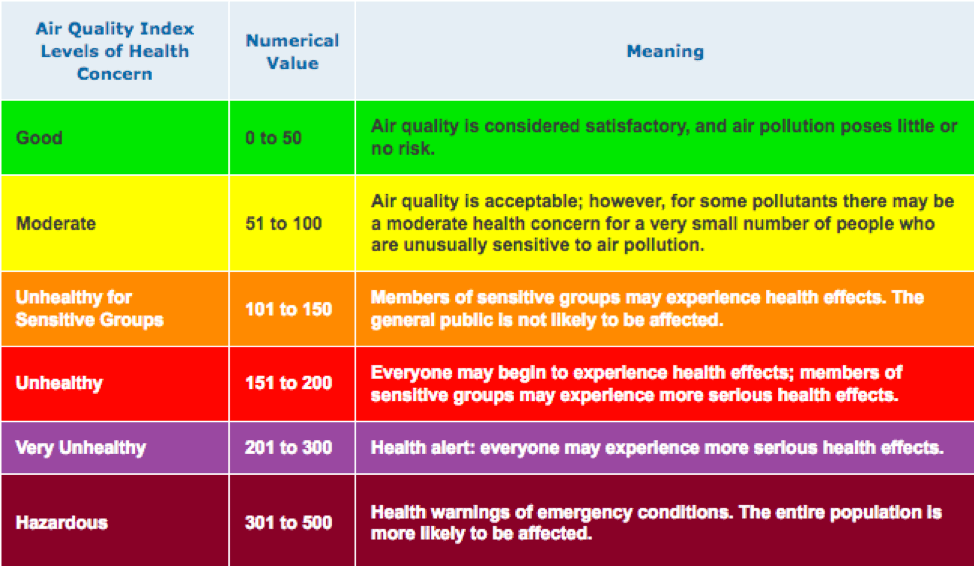
Measurement Parameters for Different Types of Pollution

Daily writing prompt
What is your favorite drink?

Pollution is categorized into air, water, noise, and soil pollution, each requiring specific parameters for measurement.


1. Air Pollution ๐Ÿญ๐ŸŒซ

Key Measurement Parameters:

ParameterUnitDescription
PM2.5ยตg/mยณFine particulate matter (<2.5 ยตm) harmful to lungs.
PM10ยตg/mยณCoarse particulate matter (<10 ยตm) affecting respiration.
SOโ‚‚ (Sulfur Dioxide)ppm or ยตg/mยณCauses acid rain and respiratory problems.
NOโ‚‚ (Nitrogen Dioxide)ppm or ยตg/mยณLeads to smog, acid rain, and lung irritation.
CO (Carbon Monoxide)ppmReduces oxygen carrying capacity of blood.
Oโ‚ƒ (Ozone)ppmHarmful at ground level; causes respiratory issues.
VOC (Volatile Organic Compounds)ppmIncludes benzene, formaldehyde, contributing to smog.
AQI (Air Quality Index)IndexComposite measure of multiple pollutants.

๐Ÿ”น Measuring Devices: Air Quality Monitoring Stations, Laser Particle Counters, Gas Analyzers.


2. Water Pollution ๐Ÿšฐ

Key Measurement Parameters:

ParameterUnitDescription
pHScale (0-14)Measures acidity or alkalinity (7 = neutral).
Dissolved Oxygen (DO)mg/LEssential for aquatic life; low levels indicate pollution.
Biochemical Oxygen Demand (BOD)mg/LMeasures organic pollution by oxygen consumption over 5 days.
Chemical Oxygen Demand (COD)mg/LMeasures oxygen needed to break down organic & inorganic matter.
Total Dissolved Solids (TDS)mg/LIndicates mineral concentration.
Total Suspended Solids (TSS)mg/LParticles that can cause water turbidity.
Nitrates & Phosphatesmg/LExcessive levels cause eutrophication in water bodies.
Heavy Metals (Pb, Hg, Cd, As)ppm or mg/LToxic metals harmful to human health.
Fecal ColiformCFU/100mLIndicates sewage contamination.

๐Ÿ”น Measuring Devices: pH Meters, Spectrophotometers, BOD/COD Analyzers.


3. Noise Pollution ๐Ÿ”Š

Key Measurement Parameters:

ParameterUnitDescription
Sound Level (Decibels – dB)dB(A)Measures noise intensity; permissible limit: 55 dB (day), 45 dB (night) in residential areas.
Frequency (Hz)Hertz (Hz)Determines the pitch of the noise.
Duration of ExposureHoursProlonged exposure to high noise levels increases health risks.

๐Ÿ”น Measuring Devices: Sound Level Meters, Noise Dosimeters.


4. Soil Pollution ๐ŸŒฑ

Key Measurement Parameters:

ParameterUnitDescription
pHScale (0-14)Indicates soil acidity/alkalinity affecting plant growth.
Organic Matter Content%Indicates soil fertility and decomposition.
Heavy Metals (Pb, Hg, Cd, As)mg/kgToxic elements from industrial waste and pesticides.
Nitrate & Phosphate Levelsmg/kgExcessive levels lead to soil and water contamination.
Cation Exchange Capacity (CEC)meq/100gMeasures soil fertility and nutrient-holding capacity.
Microbial ContentCFU/gAssesses soil health and biological activity.

๐Ÿ”น Measuring Devices: Soil Test Kits, Atomic Absorption Spectroscopy (AAS).


Conclusion ๐Ÿ“Š

Each type of pollution has unique measurement parameters crucial for monitoring, control, and policy formulation. Environmental agencies use these parameters to assess pollution levels and implement mitigation strategies.

Would you like details on any specific parameter or measuring instrument? ๐Ÿ˜Š

National Action Plan on Climate Change (NAPCC) in India

Daily writing prompt
What is your favorite drink?

The National Action Plan on Climate Change (NAPCC) in India consists of 8 core missions, each targeting a specific aspect of climate change mitigation and adaptation.

8 Missions of NAPCC and Their Targets:

  1. National Solar Mission (NSM) ๐ŸŒž
    • Promote solar energy development.
    • Achieve 100 GW solar power capacity by 2022 (now part of a larger 500 GW renewable energy goal by 2030).
  2. National Mission for Enhanced Energy Efficiency (NMEEE) โšก
    • Improve energy efficiency in industries.
    • Reduce energy intensity of GDP.
    • Promote market-based mechanisms like Perform, Achieve & Trade (PAT) scheme.
  3. National Mission on Sustainable Habitat (NMSH) ๐Ÿ™
    • Improve energy efficiency in buildings.
    • Enhance public transport and waste management.
  4. National Water Mission (NWM) ๐Ÿ’ง
    • Improve water conservation and efficiency.
    • Target 20% reduction in water use by 2030.
  5. National Mission for Sustaining the Himalayan Ecosystem (NMSHE) ๐Ÿ”
    • Protect Himalayan glaciers and biodiversity.
    • Enhance climate resilience for mountain communities.
  6. National Mission for a Green India (GIM) ๐ŸŒฒ
    • Increase forest cover and eco-restoration.
    • Target 10 million hectares of afforestation by 2030.
  7. National Mission for Sustainable Agriculture (NMSA) ๐Ÿšœ
    • Promote climate-resilient agriculture.
    • Improve soil health, water efficiency, and crop diversification.
  8. National Mission on Strategic Knowledge for Climate Change (NMSKCC) ๐Ÿ“š
    • Improve climate change research and data collection.
    • Enhance awareness and capacity building.

These eight missions are supplemented by State Action Plans on Climate Change (SAPCCs) and additional sector-specific initiatives like Faster Adoption and Manufacturing of Electric Vehicles (FAME).

Difference Between Growth Pole Theory and Central Place Theory

Daily writing prompt
What is your favorite drink?

Difference Between Growth Pole Theory and Central Place Theory

FeatureGrowth Pole TheoryCentral Place Theory
Proposed ByFranรงois Perroux (1955)Walter Christaller (1933)
ConceptEconomic development occurs around specific “growth poles” or urban centers that stimulate regional growth.Settlements are organized in a hierarchical pattern to provide goods and services to surrounding areas.
FocusIndustrial and economic growthSpatial distribution of settlements and services
Key ElementsGrowth poles, industries, agglomeration economies, spread effectsMarket areas, range, threshold, hierarchical organization
ProcessGrowth starts at a pole (a major urban center or industry) and spreads outward.Larger settlements serve more specialized functions, while smaller ones provide basic services.
Growth PatternUneven growth, concentrated in specific locationsBalanced distribution of services based on population demand
ApplicabilityRegional economic planning, industrial development policiesUrban and regional planning, location of retail and service centers
ExampleDevelopment of IT hubs like Bengaluru in India, leading to regional economic growth.Distribution of towns and cities based on service provision, such as tiered settlement hierarchy in Germany.

Key Differences in Their Approach

  • Growth Pole Theory is economic-centric, emphasizing how specific industries or urban centers drive regional development.
  • Central Place Theory is spatial-centric, focusing on the arrangement and hierarchy of settlements based on service provision.
You said:

show graphically

ChatGPT said:

Here are graphical representations of Growth Pole Theory and Central Place Theory to illustrate their differences:


1. Growth Pole Theory (Franรงois Perroux)

  • Growth occurs around a dominant urban or industrial center.
  • Economic activities are concentrated in a few key locations.
  • Development spreads outward from these poles.

Graphical Representation

๐Ÿ“ Growth Pole โ†’ ๐Ÿ”„ Spillover Effects โ†’ ๐ŸŒ Regional Development

javaCopyEdit     Growth Pole (City/Industry)
             โฌ‡๏ธ
     Economic Activities
        โ†™๏ธ  โฌ‡๏ธ  โ†˜๏ธ
   Nearby Towns/Villages
         โฌ‡๏ธ
    Spread Effects
Growth Pole Theory

(Illustration: The growth pole (central circle) influences nearby areas, leading to economic expansion.)


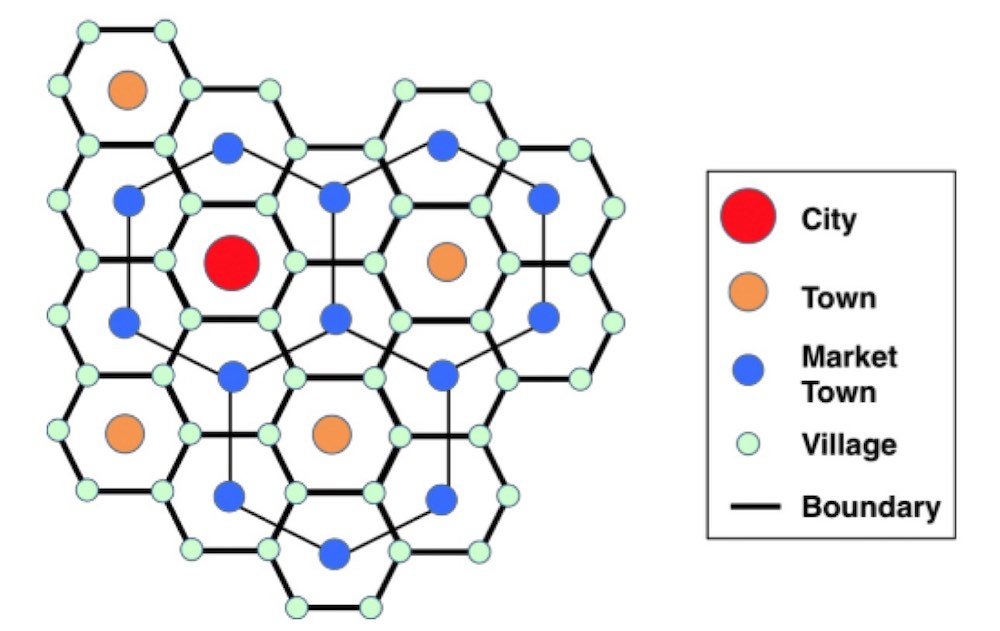
2. Central Place Theory (Walter Christaller)

  • Settlements form a hierarchical network based on their function.
  • Higher-order centers provide specialized services, while lower-order centers provide basic services.
  • Market areas are hexagonal to maximize coverage and minimize overlap.

Graphical Representation

๐Ÿ™ Central Place (City) โ†’ ๐Ÿ˜ Towns โ†’ ๐Ÿ  Villages โ†’ ๐Ÿšœ Hamlets

markdownCopyEdit       Central City
       ๐Ÿ™ (Top-tier)
        /  |  \
  Towns (Mid-tier)
   ๐Ÿ˜    ๐Ÿ˜    ๐Ÿ˜
  / | \  / | \  / | \
Villages (Lower-tier)
๐Ÿ  ๐Ÿ  ๐Ÿ  ๐Ÿ  ๐Ÿ  ๐Ÿ 
Central Place Theory

(Illustration: Settlements follow a hexagonal hierarchy, with larger centers serving as hubs for smaller ones.)


Key Takeaways

  1. Growth Pole Theory โ†’ Economic development is concentrated and spreads from a central hub.
  2. Central Place Theory โ†’ Settlements are distributed in a hierarchical pattern, serving different functions.

Gentrification: A Socio-Economic Transformation

Daily writing prompt
What is your favorite drink?

By Aayush Gupta

Definition and Concept

Gentrification refers to the process of urban transformation where lower-income neighborhoods undergo redevelopment, leading to an influx of middle- and upper-class residents. This often results in rising property values, increased commercial investments, and displacement of original residents.

Image Credit: Rigolon, A., & Nรฉmeth, J. (2019). Toward a socioecological model of gentrification: How people, place, and policy shape neighborhood change. Journal of Urban Affairs41(7), 887โ€“909. https://doi.org/10.1080/07352166.2018.1562846

Causes of Gentrification

  1. Urban Redevelopment โ€“ Governments and private investors initiate renewal projects to modernize deteriorating areas.
  2. Economic Growth โ€“ Expansion of industries, businesses, and job opportunities attracts wealthier populations.
  3. Improved Infrastructure โ€“ Investments in public transport, green spaces, and cultural hubs make areas more desirable.
  4. Cultural and Social Appeal โ€“ Artists, students, and young professionals often drive early waves of gentrification.
  5. Policy Interventions โ€“ Zoning laws, tax incentives, and housing policies influence neighborhood transformations.

Key Features of Gentrification

  1. Demographic Shift โ€“ Wealthier, often younger, populations move into historically working-class or marginalized areas.
  2. Rising Property Values โ€“ Increased demand leads to higher real estate prices and rents.
  3. Displacement of Low-Income Residents โ€“ Original inhabitants may be forced out due to unaffordable costs.
  4. Change in Local Businesses โ€“ Small, local businesses are replaced by upscale restaurants, cafes, and retail chains.
  5. Urban Aesthetic Transformation โ€“ Old buildings are renovated, and modern architectural developments emerge.

Social and Economic Impacts

  1. Positive Effects
    • Improved infrastructure and amenities.
    • Increased property values benefiting homeowners.
    • Reduction in crime rates in some cases.
    • Economic revitalization through new businesses.
  2. Negative Effects
    • Loss of cultural and social identity of neighborhoods.
    • Displacement of lower-income residents due to unaffordable rents.
    • Social tensions between newcomers and long-term residents.
    • Homelessness and increased socio-economic disparities.

Gentrification in the Modern Context

  1. Gentrification in Global Cities โ€“ London, New York, San Francisco, and Berlin have witnessed rapid gentrification, affecting housing affordability.
  2. Government Policies and Interventions โ€“ Rent control laws, affordable housing policies, and community-led development initiatives aim to mitigate negative impacts.
  3. Sustainable Urban Planning โ€“ Efforts to balance economic development with social equity, ensuring inclusive growth.

Gentrification is the process by which urban neighborhoods, often those that have long been home to lower-income residents, experience redevelopment through the influx of middle- and upper-class populations. This urban transformation is driven by a combination of economic forces, policy interventions, and cultural shifts. While gentrification can stimulate economic growth and improve public infrastructure, it frequently also results in the displacement of longstanding communities and the loss of cultural identity.

Definition and Causes

  • Urban Redevelopment Initiatives:
    Government-led programs and private investments often target dilapidated areas for revitalization. Infrastructure improvementsโ€”such as upgraded transportation, parks, and utilitiesโ€”create a more attractive environment for new investments.
  • Economic Growth:
    As industries expand and job opportunities increase, wealthier populations are drawn to urban centers. The rise in demand for modern amenities and lifestyle-oriented housing leads to increased property values.
  • Cultural Shifts:
    Artists, young professionals, and creative entrepreneurs are frequently the early adopters of gentrification, drawn by affordable spaces and the vibrant energy of urban life. Their presence, while culturally enriching, can alter the original social fabric.
  • Policy and Zoning Changes:
    Changes in zoning laws, tax incentives, and housing policies can accelerate redevelopment. These policies are often designed to promote economic growth but may inadvertently contribute to the exclusion of lower-income residents.

Key Features of Gentrification

  1. Demographic Shifts:
    The influx of wealthier, often younger, populations reshapes the social demographics of a neighborhood.
  2. Rising Property Values and Rents:
    Increased demand drives up the cost of housing, often pricing out long-term residents.
  3. Displacement:
    Original residents, frequently from marginalized communities, may be forced to relocate as affordable housing becomes scarce.
  4. Transformation of Local Businesses:
    Traditional local stores and markets give way to upscale boutiques, cafes, and restaurants tailored to new residents.
  5. Urban Aesthetic Changes:
    Historical buildings are renovated or replaced, and new architectural styles emerge that reflect modern tastes.

Figure 1: The Gentrification Process Flowchart

[Urban Decay]

     โ”‚

     โ–ผ

[Government & Private Investments]

     โ”‚

     โ–ผ

[Infrastructure Improvements & Zoning Changes]

     โ”‚

     โ–ผ

[Attraction of Middle/Upper-Class Residents]

     โ”‚

     โ–ผ

[Increased Property Values & Economic Revitalization]

     โ”‚

     โ–ผ

[Displacement of Long-Term, Lower-Income Residents]

Figure 1 illustrates the flow of the gentrification processโ€”from initial urban decay through investment and renewal to the resulting economic and social shifts that can lead to displacement.


Table 1: Impact of Gentrification

AspectPositive ImpactNegative Impact
EconomicBoosts local economy; increases tax revenueRising costs; displacement of low-income groups
SocialReduction in crime rates; enhanced public servicesSocial tensions; erosion of long-standing community ties
CulturalRevitalizes neighborhoods with creative inputsLoss of cultural identity; homogenization of urban spaces
HousingRenovation of housing stock; improved amenitiesEscalating rents; loss of affordable housing

Table 1 summarizes the dual nature of gentrification impacts, showing that while there are economic and social benefits, these gains often come at the cost of affordability and cultural diversity.


Conclusion

Gentrification is a multifaceted phenomenon that brings about both revitalization and disruption. While the influx of investment and economic growth can lead to better infrastructure and reduced crime, the displacement of long-standing, lower-income residents poses serious challenges. Sustainable urban planning that incorporates affordable housing and community engagement is essential for ensuring that redevelopment benefits all stakeholders without eroding the unique cultural character of urban neighborhoods. This balanced approach is key to fostering inclusive growth in rapidly changing urban environments.

Gentrification is a double-edged sword, bringing economic growth but also deepening social inequalities. While it revitalizes urban spaces, it raises concerns about affordability, displacement, and cultural erosion. Sustainable policies and inclusive urban planning are essential to ensure that development benefits all residents.

References

Almeida, R., Patrรญcio, P., Brandรฃo, M., & Torres, R. (2022). Can economic development policy trigger gentrification? Assessing and anatomising the mechanisms of state-led gentrification. Environment and Planning A: Economy and Space54(1), 84-104.

Dehalwar, K., & Sharma, S. N. (2024). Social Injustice Inflicted by Spatial Changes in Vernacular Settings: An Analysis of Published Literature.

Rigolon, A., & Nรฉmeth, J. (2019). Toward a socioecological model of gentrification: How people, place, and policy shape neighborhood change. Journal of Urban Affairs41(7), 887โ€“909. https://doi.org/10.1080/07352166.2018.1562846

Kovรกcs, Z. (2009). Social and economic transformation of historical neighbourhoods in Budapest. Tijdschrift voor economische en sociale geografie100(4), 399-416.

Saleh, H., & Remmang, H. (2018). Economic gentrification and socio-cultural transformation metropolitan suburban of Mamminasata.

Thomas, J., & Vogel, B. (2018). Intervention gentrification and everyday socio-economic transactions in intervention societies. Civil Wars20(2), 217-237.