WordPress.com Just Changed the Game in 2026: Full Theme & Plugin Access on All Paid Plans!

If youโ€™ve ever felt limited while building your website, this update will change everything.

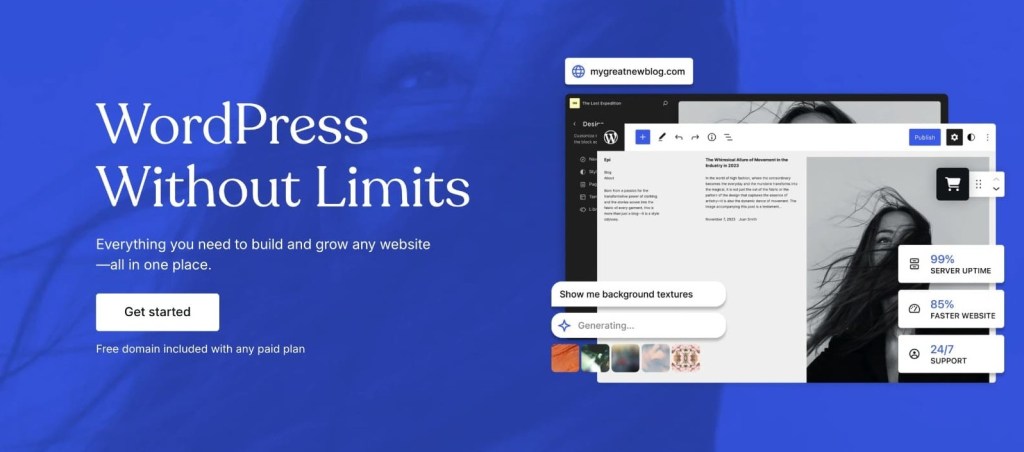
In April 2026, WordPress.com rolled out one of its most powerful upgrades everโ€”all paid plans now support themes and plugins.

Yes, you read that right.

What was once restricted is now fully unlocked.

Whether you’re a blogger, researcher, entrepreneur, or digital creatorโ€”this update gives you complete control over your website without the technical hassle.

Letโ€™s break down why this mattersโ€”and how you can take advantage of it today.


๐Ÿ”ฅ Whatโ€™s New (And Why Itโ€™s a Big Deal)

Until recently, WordPress.com users faced a trade-off:

๐Ÿ‘‰ Easy setup but limited flexibility
๐Ÿ‘‰ Advanced featuresโ€”but only on higher plans

Now, that trade-off is gone.

With this update, every paid user can:

  • Install powerful plugins
  • Use custom and premium themes
  • Build fully customized websites
  • Scale without restrictions

This is a massive shift toward freedom and flexibility.


๐ŸŽฏ What You Can Do Now (That You Couldnโ€™t Before)

๐Ÿงฉ 1. Add Powerful Plugins Instantly

Want more features? Just install a plugin.

You can now:

  • Boost SEO performance
  • Add contact forms and lead capture tools
  • Improve speed and performance
  • Secure your website
  • Integrate analytics and tracking

Your website becomes smarter, faster, and more effective.


๐ŸŽจ 2. Design Without Limits Using Themes

Your website design is your first impression.

Now you can:

  • Choose from thousands of themes
  • Customize layouts and styles
  • Match your brand identity perfectly
  • Create professional-level designs

No coding. No restrictions. Just creativity.


โšก 3. Build Anything You Want

From simple blogs to advanced platforms:

  • Academic websites
  • Business portals
  • Portfolio sites
  • Content hubs
  • E-commerce-ready platforms

Youโ€™re no longer limited by the platformโ€”youโ€™re empowered by it.


๐Ÿ’ก Why This Update Matters (More Than You Think)

This isnโ€™t just a feature updateโ€”itโ€™s a complete transformation.

โœ… Beginner-Friendly + Advanced Power

You get:

  • Easy setup (no technical skills needed)
  • Advanced customization (like pro developers)

๐Ÿ’ฐ Save Time & Money

No need to:

  • Buy separate hosting
  • Manage security manually
  • Handle updates

Everything is integrated.


๐Ÿ“ˆ Grow Without Migrating

Start small. Expand anytime.

No need to switch platforms laterโ€”WordPress.com now grows with you.


๐Ÿ‘ฅ Who Should Use This?

โœ๏ธ Bloggers & Content Creators

  • Improve SEO
  • Monetize content
  • Customize user experience

๐ŸŽ“ Researchers & Academicians

  • Publish articles and papers
  • Create knowledge platforms
  • Share research globally

๐Ÿข Businesses & Startups

  • Build professional websites
  • Add marketing tools
  • Track performance

๐Ÿ“Š Digital Marketers

  • Optimize campaigns
  • Improve conversions
  • Use advanced plugins

๐Ÿš€ How to Get Started (Itโ€™s Easier Than Ever)

  1. Choose a WordPress.com paid plan
  2. Install your favorite theme
  3. Add plugins for extra functionality
  4. Customize your website
  5. Launch and grow

๐Ÿ‘‰ Start building your website

Daily writing prompt
How would you improve your community?

Exploring Community Development and its Challenges: Anthropo-Social Considerations in Development-Induced Displacement, Resettlement, and Rehabilitation

Daily writing prompt
How would you improve your community?

By Kavita Dehalwar

Community development is a multifaceted process aimed at enhancing the well-being, cohesion, and empowerment of communities. It encompasses various initiatives and strategies designed to foster social, economic, and environmental progress within a particular locality. However, despite its noble objectives, community development often faces significant challenges, particularly in the context of development-induced displacement, resettlement, and rehabilitation.

Photo by Leah Newhouse on Pexels.com

Understanding Development-Induced Displacement

Development projects, such as infrastructure construction, urban renewal, or natural resource extraction, can lead to the displacement of communities. This phenomenon, known as development-induced displacement, has profound anthropo-social implications. Displaced communities often experience disruptions in their social fabric, loss of livelihoods, and disconnection from cultural and historical roots. Furthermore, displacement can exacerbate existing inequalities and marginalization, particularly among vulnerable populations such as indigenous peoples or ethnic minorities.

Anthropo-Social Considerations

Anthropo-social considerations in development-induced displacement delve into the human and social dimensions of displacement. It involves recognizing the unique identities, cultures, and social structures of affected communities. Failure to acknowledge these anthropo-social factors can result in inadequate planning and implementation of resettlement and rehabilitation initiatives, leading to further marginalization and injustice.

Resettlement and Rehabilitation

Resettlement and rehabilitation are critical components of mitigating the adverse impacts of development-induced displacement. Resettlement involves the physical relocation of displaced communities to new areas, while rehabilitation focuses on restoring and enhancing their livelihoods, social cohesion, and well-being. However, effective resettlement and rehabilitation require more than just providing housing and infrastructure; they necessitate comprehensive strategies that address the socio-economic, cultural, and psychological needs of affected communities.

Challenges in Community Development

Several challenges hinder effective community development in the context of development-induced displacement:

  1. Lack of Participation and Consultation: Displacement often occurs without meaningful consultation or participation of affected communities in decision-making processes. This lack of engagement undermines community ownership and can lead to mistrust and resistance towards development initiatives.
  2. Inadequate Compensation and Assistance: Many displaced communities receive insufficient compensation for lost assets and livelihoods, and the assistance provided during resettlement is often inadequate to meet their needs. This can exacerbate poverty and deepen social inequalities.
  3. Cultural Disruption and Identity Loss: Displacement disrupts the cultural traditions, practices, and identities of affected communities, leading to a sense of loss and disorientation. Preserving cultural heritage and fostering cultural continuity are essential for the well-being and resilience of displaced communities.
  4. Psychological Impacts: Displacement can have profound psychological impacts, including stress, anxiety, depression, and trauma. Addressing the psychosocial needs of displaced individuals and communities is crucial for their mental health and resilience.
  5. Sustainability and Long-Term Development: Ensuring the long-term sustainability of resettlement and rehabilitation efforts is essential for the enduring well-being of displaced communities. This requires investment in education, healthcare, infrastructure, and economic opportunities to foster self-reliance and resilience.

Conclusion

Community development in the context of development-induced displacement is a complex and challenging endeavor that requires a holistic understanding of anthropo-social dynamics. Effectively addressing the needs and aspirations of displaced communities necessitates participatory approaches, respect for cultural diversity, and comprehensive strategies that encompass socio-economic, cultural, and psychological dimensions. By prioritizing the well-being and empowerment of affected communities, we can strive towards more inclusive and sustainable development that leaves no one behind.

References

Aboda, C., Mugagga, F., Byakagaba, P., & Nabanoga, G. (2019). Development induced Displacement; A review of risks faced by communities in developing countries.

Bronen, R. (2013). Climate-induced displacement of Alaska Native communities.ย Washington DC: Brookings Institution (US).

Draper, J., & McKinnon, C. (2018). The ethics of climateโ€induced community displacement and resettlement.ย Wiley Interdisciplinary Reviews: Climate Change,ย 9(3), e519.

Robinson, W. C. (2003).ย Risks and rights: The causes, consequences, and challenges of development-induced displacementย (Vol. 18). Washington DC: The Brookings Institution.

Sharma, S. N. (2014).ย Participatory Planning in Plan Preparation. BookCountry.

Vanclay, F. (2017). Project-induced displacement and resettlement: from impoverishment risks to an opportunity for development?.ย Impact Assessment and Project Appraisal,ย 35(1), 3-21.