
Political and Economic Constraints on Policy Making

Public policy making is the process through which governments design, implement, and evaluate decisions intended to address societal needs. Ideally, policies should be rational, evidence-based, and oriented toward the long-term welfare of citizens. However, in practice, policy formulation is constrained by political realities and economic limitations. Governments operate in complex environments shaped by competing interests, limited resources, ideological divides, and structural pressures.
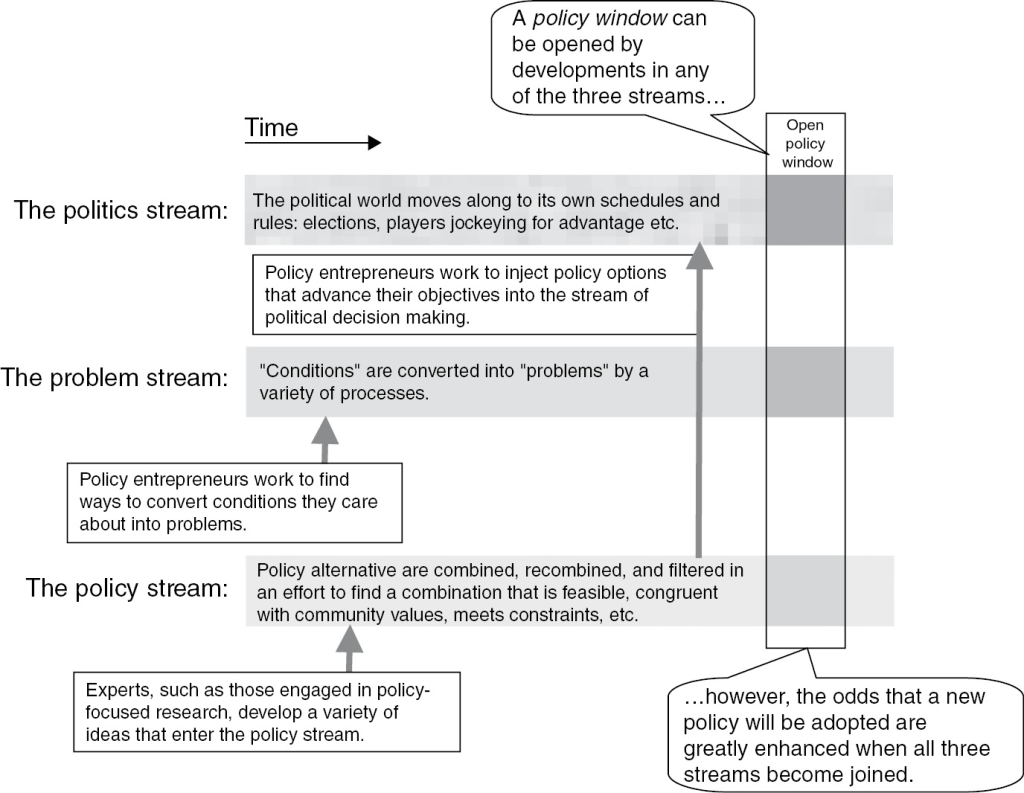
Political and economic constraints influence not only the content of policies but also the pace of decision-making, the scope of implementation, and the effectiveness of outcomes. Understanding these constraints is essential for assessing why policies often deviate from their intended goals or fail to deliver expected results. This essay discusses in detail the political and economic constraints on policy making, their implications, and possible ways to address them.


Political Constraints on Policy Making

1. Electoral Pressures and Populism

Elected governments are heavily influenced by electoral cycles. Politicians often prioritize short-term, populist measures to secure votes rather than long-term structural reforms. For example, subsidies, loan waivers, or tax cuts may win immediate popularity but undermine fiscal stability and sustainable development. This short-termism hinders comprehensive and rational policy making.

2. Interest Groups and Lobbying

Powerful interest groups, such as industry associations, trade unions, or advocacy organizations, exert pressure on policymakers. Policies may reflect the demands of influential lobbies rather than the broader public interest. For instance, environmental regulations may be weakened due to pressure from industrial lobbies, even if stricter laws are necessary for ecological sustainability.

3. Bureaucratic Politics

The bureaucracy plays a central role in drafting and implementing policies. However, bureaucratic inertia, red tape, and turf wars between departments can delay or distort policy outcomes. Often, bureaucratic interests diverge from public needs, leading to incremental rather than transformative changes.

4. Coalition Governments and Political Fragmentation

In multiparty democracies, coalition governments are common. Policy decisions must accommodate diverse party agendas, which often results in compromise and diluted policies. Political fragmentation can slow down reforms and create policy paralysis, as seen in debates over land acquisition or labor reforms in India.

5. Ideological and Partisan Divides

Policies are shaped by ideological orientations of ruling parties. Left-leaning governments may emphasize welfare programs, while right-leaning ones focus on market liberalization. This ideological divide can lead to policy reversals whenever a new party comes to power, undermining policy continuity and stability.

6. Public Opinion and Media Influence

Public opinion, amplified by media and social networks, shapes the political feasibility of policies. Even well-designed but unpopular policiesโ€”such as fuel price hikes or pension reformsโ€”may be abandoned due to public backlash. Politicians often prioritize policies that resonate with mass sentiment, even at the cost of economic rationality.

7. Corruption and Clientelism

Corruption diverts resources from intended beneficiaries and weakens public trust. Clientelismโ€”where political support is exchanged for material benefitsโ€”distorts policy priorities, leading to inefficient allocation of resources. For instance, public funds may be diverted to projects that benefit select constituencies rather than society as a whole.

8. International Political Pressures

In a globalized world, national policies are influenced by international politics. Commitments under treaties (such as climate agreements) or pressures from global institutions (like the WTO or IMF) constrain domestic policy choices. Developing countries, in particular, may face limited autonomy in designing trade, fiscal, or environmental policies.


Economic Constraints on Policy Making

1. Scarcity of Resources

Governments face the fundamental constraint of limited resources. Financial, natural, and human resources are finite, and competing demands must be prioritized. Scarcity forces difficult trade-offs: more spending on defense may mean less for health or education.

2. Fiscal Deficits and Debt Burden

High fiscal deficits limit a governmentโ€™s ability to launch new programs or expand existing ones. Similarly, a heavy debt burden constrains policy choices because significant revenues go toward debt servicing. This leaves limited fiscal space for welfare or developmental policies.

3. Inflation and Price Stability

Economic policies must consider inflationary pressures. Excessive government spending or subsidies can fuel inflation, reducing the purchasing power of citizens. Policymakers must balance growth-promoting expenditure with the need to maintain price stability.

4. Dependence on Foreign Aid and Investment

Developing countries often depend on external aid, loans, or foreign direct investment (FDI). Such dependence limits policy autonomy because donors and investors may attach conditions. For example, structural adjustment programs by the IMF in the 1980s required recipient countries to implement austerity and liberalization measures.

5. Global Economic Pressures

Globalization ties national economies to global markets. Economic crises, fluctuating oil prices, or recessions in major economies influence domestic policy space. For instance, during global recessions, governments may be forced to adopt austerity measures despite local needs for expansionary policies.

6. Regional Inequalities and Poverty

Persistent economic inequalities across regions and social groups constrain policy making. Governments must balance demands for equitable development with pressures for efficiency. Policies that benefit one group may be seen as discriminatory by others, complicating the design of inclusive programs.

7. Unemployment and Labor Market Constraints

High unemployment creates pressure for job-creation policies, often through public works or subsidies. However, these may not be sustainable in the long term. Similarly, rigid labor markets or resistance to reforms from trade unions constrain structural changes in labor policies.

8. Technological and Infrastructure Gaps

Economic constraints also arise from underdeveloped infrastructure, low productivity, and limited technological innovation. Policies promoting industrialization or digitalization may face hurdles if the economy lacks necessary foundations such as reliable power supply, skilled workforce, or digital access.


Interplay Between Political and Economic Constraints

Political and economic constraints are deeply interconnected:

  • Populist Policies vs. Fiscal Prudence: Electoral pressures often push governments to introduce subsidies or loan waivers, even when the fiscal situation is unsustainable.
  • Lobbying and Resource Allocation: Economic elites may influence political leaders to direct resources toward their interests, sidelining public welfare.
  • Globalization and Sovereignty: International economic integration reduces national policy autonomy, but political leaders must still justify such constraints to their domestic constituencies.
  • Reforms and Public Resistance: Economically necessary reforms (like labor or pension reforms) may be politically unpopular, leading to delays or dilution.

Thus, effective policy making requires balancing political feasibility with economic rationality.


Addressing Political and Economic Constraints

  1. Institutional Strengthening
    Independent institutions such as election commissions, anti-corruption bodies, and public audit agencies can reduce political manipulation and enhance accountability.
  2. Evidence-Based Policy Making
    Using scientific research, data analytics, and expert advice can counter populism and lobby-driven policies. Transparent communication of evidence helps gain public trust.
  3. Inclusive Governance
    Ensuring participation of marginalized groups, civil society, and local communities in policy processes enhances legitimacy and reduces inequality.
  4. Fiscal Discipline with Innovation
    Adopting sound fiscal policies while exploring innovative financing (public-private partnerships, green bonds) can ease resource constraints.
  5. Policy Continuity
    Bipartisan consensus on critical reforms (such as health, education, or climate policies) reduces policy reversals across electoral cycles.
  6. Global Cooperation
    Active participation in international organizations and multilateral forums ensures that external pressures are negotiated collectively rather than imposed unilaterally.

Conclusion

Policy making is inherently a complex process shaped by political dynamics and economic realities. Political constraintsโ€”such as electoral pressures, lobbying, and ideological dividesโ€”limit rational, long-term decision-making. Economic constraintsโ€”such as resource scarcity, fiscal deficits, and global market pressuresโ€”restrict what is practically feasible.

Yet, these constraints need not paralyze governance. With institutional reforms, transparent communication, fiscal innovation, and inclusive approaches, governments can design policies that balance political feasibility with economic rationality. Ultimately, the art of policy making lies in navigating these constraints to achieve sustainable and equitable development.
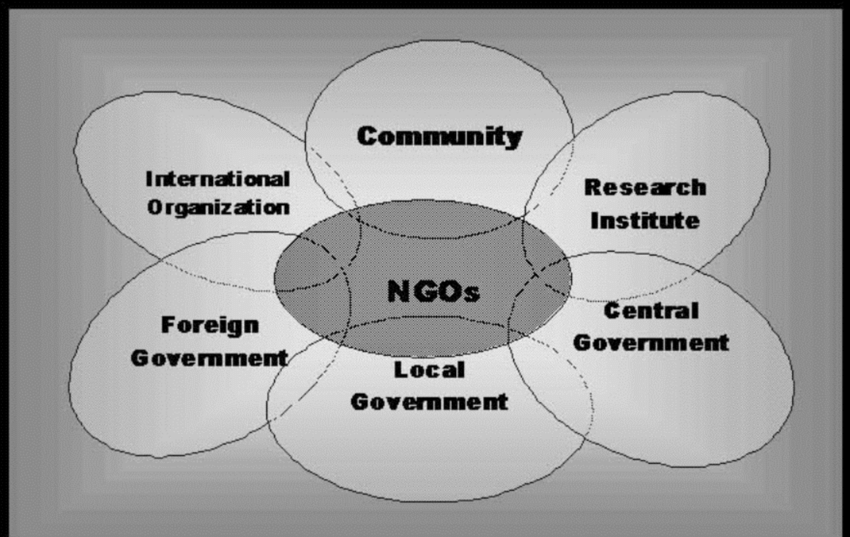
Two Important International NGOs in the Field of Environment and Their Principal Activities

Non-Governmental Organizations (NGOs) play a vital role in addressing environmental challenges at local, national, and global levels. Unlike governments, NGOs operate independently, often bridging the gap between scientific research, policy-making, and grassroots activism. They raise awareness, mobilize communities, advocate for environmental justice, and provide innovative solutions to ecological problems. Among the countless environmental NGOs worldwide, two stand out for their international reputation and impact: Greenpeace International and the World Wide Fund for Nature (WWF).

Both organizations emerged in the second half of the twentieth century, a period when the world began to witness unprecedented environmental degradation, biodiversity loss, and threats of nuclear pollution. Over time, these NGOs became global leaders in campaigns to safeguard ecosystems, combat climate change, and promote sustainable development. This essay explores the origins, objectives, and principal activities of Greenpeace and WWF, while highlighting their contributions to environmental protection.


Greenpeace International

Background and Origins

Greenpeace International was founded in 1971 in Vancouver, Canada, by a small group of activists protesting against U.S. nuclear weapons testing near Alaska. They chartered a boat named โ€œPhyllis Cormackโ€ to sail into the test zone, aiming to draw global attention to the environmental and human dangers of nuclear testing. Their nonviolent but confrontational strategy attracted massive media coverage and public support. Over time, Greenpeace expanded its focus from nuclear issues to a wide range of environmental concerns such as climate change, deforestation, overfishing, and toxic pollution.

Today, Greenpeace operates as a global network with national and regional offices in more than 55 countries, coordinated by Greenpeace International based in Amsterdam, Netherlands.

Mission and Philosophy

Greenpeaceโ€™s mission is to โ€œensure the ability of the Earth to nurture life in all its diversity.โ€ Its philosophy is built on nonviolent direct action, scientific research, and advocacy. By exposing environmental abuses and proposing solutions, Greenpeace aims to influence governments, corporations, and public opinion.

Principal Activities

  1. Climate and Energy Campaigns
    Greenpeace strongly advocates for reducing greenhouse gas emissions, phasing out fossil fuels, and transitioning to renewable energy. It has campaigned against coal power plants, oil drilling in the Arctic, and nuclear power. Simultaneously, it promotes solar, wind, and decentralized renewable systems as sustainable alternatives.
  2. Forests Protection
    Greenpeace campaigns against deforestation in critical ecosystems such as the Amazon, Congo Basin, and Southeast Asia. It pressures corporations to adopt deforestation-free supply chains, particularly in palm oil, soy, beef, and timber industries. It also works with indigenous communities to defend forest rights.
  3. Oceans Conservation
    Overfishing and destructive fishing practices are central concerns for Greenpeace. The organization campaigns for the creation of marine protected areas, fights illegal fishing, and calls for global treaties to safeguard high seas biodiversity.
  4. Food and Agriculture
    Greenpeace opposes genetically modified organisms (GMOs) and the overuse of chemical pesticides and fertilizers. It promotes ecological farming practices that protect soil, water, and biodiversity while ensuring food security.
  5. Detoxing the Planet
    Greenpeace has exposed toxic pollution from industries such as electronics, fashion, and chemicals. Campaigns like โ€œDetox My Fashionโ€ pushed major clothing brands to eliminate hazardous chemicals from their supply chains.
  6. Peace and Disarmament
    Staying true to its origins, Greenpeace continues to campaign against nuclear weapons and nuclear power, emphasizing the environmental and human risks of radioactive contamination.

Achievements

  • Played a key role in the adoption of a moratorium on commercial whaling by the International Whaling Commission in 1982.
  • Contributed to international agreements against dumping toxic waste at sea.
  • Pressured global corporations like Nestlรฉ, Unilever, and Kimberly-Clark to commit to sustainable sourcing of palm oil and paper.
  • Advocated for a global ocean treaty under negotiation at the United Nations.

World Wide Fund for Nature (WWF)

Background and Origins

The World Wide Fund for Nature (WWF) was founded in 1961 in Morges, Switzerland, by a group of scientists, naturalists, and conservationists, including Sir Julian Huxley and Sir Peter Scott. Originally known as the World Wildlife Fund, its initial focus was wildlife conservation, particularly protecting endangered species such as the giant panda, which became its iconic logo.

Over the decades, WWF expanded its scope beyond species conservation to broader environmental issues, including climate change, sustainable development, and environmental education. Today, WWF operates in over 100 countries with more than 5 million supporters worldwide.

Mission and Philosophy

WWFโ€™s mission is โ€œto stop the degradation of the planetโ€™s natural environment and to build a future in which humans live in harmony with nature.โ€ Unlike Greenpeace, WWF adopts a less confrontational, more collaborative approach, working with governments, corporations, and local communities. It focuses on science-based conservation and long-term partnerships.

Principal Activities

  1. Biodiversity Conservation
    WWF works to protect endangered species like tigers, elephants, rhinos, whales, and pandas. It establishes wildlife sanctuaries, anti-poaching patrols, and community-based conservation programs. It also campaigns against illegal wildlife trade.
  2. Forest Conservation
    WWF runs programs to conserve tropical rainforests, boreal forests, and mangroves. It promotes sustainable forestry through initiatives like the Forest Stewardship Council (FSC), which certifies responsibly sourced timber and paper products.
  3. Marine and Freshwater Conservation
    WWF works to protect coral reefs, wetlands, and river basins. It collaborates with local communities to manage freshwater resources sustainably and campaigns against plastic pollution in oceans.
  4. Climate and Energy
    WWF is a leading advocate for global climate action. It promotes renewable energy, energy efficiency, and policies to reduce carbon emissions. The Earth Hour campaign, launched in 2007, encourages individuals and communities worldwide to switch off lights for one hour as a symbolic act of environmental awareness.
  5. Sustainable Development
    WWF promotes sustainable agriculture, fisheries, and urban development. It works with businesses to reduce their ecological footprint and integrates conservation into economic planning.
  6. Policy and Advocacy
    WWF engages in international negotiations on biodiversity, climate change, and sustainable development. It works closely with the United Nations, World Bank, and governments to shape environmental policies.

Achievements

  • Played a major role in the creation of the Convention on International Trade in Endangered Species of Wild Fauna and Flora (CITES, 1973).
  • Contributed to the establishment of protected areas in biodiversity hotspots such as the Amazon, Himalayas, and Coral Triangle.
  • Its Earth Hour campaign has grown into one of the worldโ€™s largest grassroots environmental movements.
  • Helped promote sustainable certification systems for forestry, fisheries (Marine Stewardship Council), and palm oil (Roundtable on Sustainable Palm Oil).

Comparative Perspective

While both Greenpeace and WWF are internationally renowned, they differ in their methods:

  • Greenpeace relies on nonviolent direct action, confrontation, and media attention to highlight environmental abuses and pressure governments or corporations.
  • WWF uses collaboration, partnerships, and long-term conservation programs grounded in scientific research.

Despite these differences, both have significantly influenced global environmental policy, raised public awareness, and contributed to protecting biodiversity and ecosystems. Together, they demonstrate the complementary roles NGOs can playโ€”activism and advocacy on one hand, collaboration and conservation on the other.


Conclusion

The environmental challenges of the twenty-first centuryโ€”climate change, deforestation, biodiversity loss, pollutionโ€”are too vast for governments alone to tackle. International NGOs like Greenpeace and WWF have emerged as indispensable actors in this global struggle. Through their campaigns, research, advocacy, and partnerships, they mobilize millions of people and resources to safeguard the planet.

While Greenpeace brings urgency through activism and confrontation, WWF builds enduring solutions through collaboration and conservation. Both approaches are essential in moving humanity toward a sustainable future. By continuing their work and adapting to new challenges, these NGOs will remain at the forefront of global environmental protection for generations to come.

โ€œWe Discharge Our Roles Following a Particular Lifestyle That May Not Be Compatible with Sustainable Developmentโ€

Sustainable development emphasizes meeting the needs of the present without compromising the ability of future generations to meet their own needs. However, our daily lifestyle choicesโ€”from how we eat, travel, shop, and consume energyโ€”often run counter to this principle. Many of these choices are shaped by convenience, consumerism, and modern aspirations, yet they lead to excessive resource use, waste generation, and environmental degradation.

The statementโ€”โ€œWe discharge our roles following a particular lifestyle that may not be compatible with sustainable developmentโ€โ€”highlights the contradiction between our everyday practices and the ideals of sustainability. This essay justifies the statement with suitable examples from daily life, critically analysing the unsustainable patterns embedded in contemporary lifestyles.


1. Consumption-Oriented Lifestyle

One of the defining features of modern society is consumerism, where success and happiness are equated with material possessions.

Examples:

  • Fast Fashion: Buying cheap, disposable clothes every season fuels water-intensive cotton production, toxic dyeing processes, and textile waste. The fashion industry is one of the largest polluters, accounting for 10% of global carbon emissions.
  • Overuse of Plastics: Our dependence on single-use plasticsโ€”bags, bottles, and packagingโ€”creates long-lasting waste that pollutes oceans and harms marine life.
  • Electronic Waste: Constant upgrading of gadgets like smartphones and laptops contributes to e-waste, with harmful heavy metals contaminating soil and water.

Incompatibility with Sustainability:

This lifestyle disregards the principle of responsible consumption and production (SDG 12). Instead of reusing and recycling, it promotes a โ€œthrowaway culture,โ€ depleting natural resources at unsustainable rates.


2. Energy-Intensive Practices

Energy consumption is central to our daily life, but much of it is derived from fossil fuels, contributing to climate change.

Examples:

  • Household Energy Use: Leaving lights, fans, and air-conditioners running unnecessarily increases electricity demand, mostly met through coal-based power.
  • Transport Choices: Preference for private cars over public transport results in higher per-capita energy use and greenhouse gas emissions.
  • Digital Footprint: Excessive streaming, cloud storage, and online activities consume large amounts of energy in data centres.

Incompatibility with Sustainability:

Such energy-intensive practices accelerate climate change (SDG 13), increase air pollution, and widen the gap between renewable energy adoption and fossil fuel dependence.


3. Food Habits and Agricultural Pressures

Our dietary choices also reflect lifestyles that may conflict with sustainability.

Examples:

  • Meat Consumption: Livestock farming contributes to deforestation, methane emissions, and overuse of water. A kilo of beef, for instance, requires around 15,000 litres of water.
  • Food Waste: Large quantities of food are discarded at homes, restaurants, and supermarkets. Globally, one-third of food produced is wasted, even as millions go hungry.
  • Preference for Processed Foods: Reliance on packaged, processed foods not only harms health but also adds to plastic waste and carbon emissions from transportation.

Incompatibility with Sustainability:

These habits undermine food security (SDG 2) and ecological balance. A sustainable diet would require moderation in meat consumption, reduction of waste, and preference for locally grown food.


4. Water Use Patterns

Water scarcity is a growing global challenge, yet our lifestyles often involve careless water use.

Examples:

  • Household Waste: Long showers, leaking taps, and excessive use of water for cleaning waste thousands of litres annually.
  • Urban Overconsumption: In cities, lawns and car-washing consume more water than agriculture in some regions.
  • Groundwater Depletion: In rural areas, over-extraction for irrigation depletes aquifers, threatening future availability.

Incompatibility with Sustainability:

Such unsustainable water use conflicts with the goals of clean water and sanitation (SDG 6). It disregards the need for conservation and equitable distribution.


5. Transportation Choices

Modern lifestyles emphasise speed, convenience, and comfort, often at the cost of sustainability.

Examples:

  • Private Vehicle Dependence: Increasing car ownership worsens traffic congestion, air pollution, and carbon emissions.
  • Air Travel: Frequent flying for work or leisure has a disproportionately large carbon footprint. A single long-haul flight emits more COโ‚‚ per passenger than many people produce in an entire year.
  • Neglect of Cycling/Walking: Despite being healthier and eco-friendly, non-motorised modes of transport are often neglected due to poor urban infrastructure.

Incompatibility with Sustainability:

These practices undermine sustainable cities and communities (SDG 11) by making urban areas more polluted and less liveable.


6. Waste Generation and Disposal

The modern lifestyle is marked by the production of enormous amounts of waste, much of which is not managed sustainably.

Examples:

  • Household Waste: Excessive packaging, disposable cutlery, and non-biodegradable materials pile up in landfills.
  • Electronic Waste: Unregulated disposal of electronics releases toxic substances.
  • Lack of Segregation: Many households fail to segregate biodegradable and non-biodegradable waste, hampering recycling efforts.

Incompatibility with Sustainability:

Improper waste management contaminates land and water, affecting ecosystems and human health. This lifestyle runs counter to the idea of a circular economy.


7. Lifestyle of Excessive Mobility and Urbanisation

Globalisation and modern work culture have created a lifestyle of constant mobility and high urban demand.

Examples:

  • Migration and Urban Sprawl: Rapid, unplanned urbanisation increases pressure on housing, transport, and infrastructure, deepening inequality.
  • Over-Consumption of Land: Expanding cities often eat into fertile agricultural land and forests.
  • High Carbon Footprint of Global Supply Chains: Imported goods require transportation across continents, consuming vast amounts of energy.

Incompatibility with Sustainability:

Such lifestyles undermine goals of sustainable communities and responsible urbanisation (SDG 11), leading to environmental degradation and social inequities.


8. Digital and Consumerist Culture

Our increasing reliance on technology and digital media also carries hidden sustainability challenges.

Examples:

  • E-commerce: Online shopping increases packaging waste and carbon emissions from delivery systems.
  • High-Tech Gadgets: Production of smartphones and laptops consumes rare earth minerals, often mined unsustainably.
  • Planned Obsolescence: Manufacturers design products with limited lifespans, encouraging repeated consumption.

Incompatibility with Sustainability:

This digital lifestyle encourages unsustainable production cycles while masking its environmental costs.


9. Social Aspirations and Status Symbols

Modern lifestyles are often shaped by societal expectations and the desire for status.

Examples:

  • Luxury Consumption: Preference for large houses, SUVs, and air-conditioned spaces reflects aspirations rather than needs, leading to resource overuse.
  • Wedding Expenditure in India: Lavish weddings generate food waste, energy consumption, and extravagant material use, symbolising social inequality.
  • Brand Obsession: Preference for branded goods fuels unsustainable industrial production.

Incompatibility with Sustainability:

These aspirational lifestyles perpetuate social inequalities and ecological footprints, clashing with the ethics of sustainable development.


Towards Sustainable Lifestyles

While our current lifestyles are often incompatible with sustainable development, change is possible through conscious choices and policy support.

Possible Shifts:

  • Adopting Minimalism: Reducing unnecessary consumption and valuing durability over disposability.
  • Energy Efficiency: Using LED lights, energy-efficient appliances, and renewable energy sources at home.
  • Sustainable Transport: Choosing public transport, cycling, or carpooling instead of private cars.
  • Water Conservation: Rainwater harvesting, repairing leaks, and efficient irrigation.
  • Dietary Changes: Reducing meat intake, avoiding food waste, and supporting local produce.
  • Responsible Waste Management: Practicing segregation, composting, and recycling.

Such lifestyle changes, when practiced collectively, can align individual roles with the goals of sustainability.


Conclusion

The statement that โ€œwe discharge our roles following a particular lifestyle that may not be compatible with sustainable developmentโ€ is strongly justified. Our daily lives are filled with unsustainable practicesโ€”consumerism, energy overuse, food waste, private vehicle dependence, and lavish consumptionโ€”that compromise ecological balance and intergenerational equity. These practices contradict the principles of sustainable development and aggravate environmental and social inequalities.

However, recognising this incompatibility also opens pathways for change. By adopting sustainable consumption, energy efficiency, responsible mobility, and conscious choices, individuals and communities can reshape lifestyles in harmony with sustainable development goals. Ultimately, achieving sustainability is not only the responsibility of governments and industries but also of individuals who must rethink their roles as responsible consumers and global citizens.