
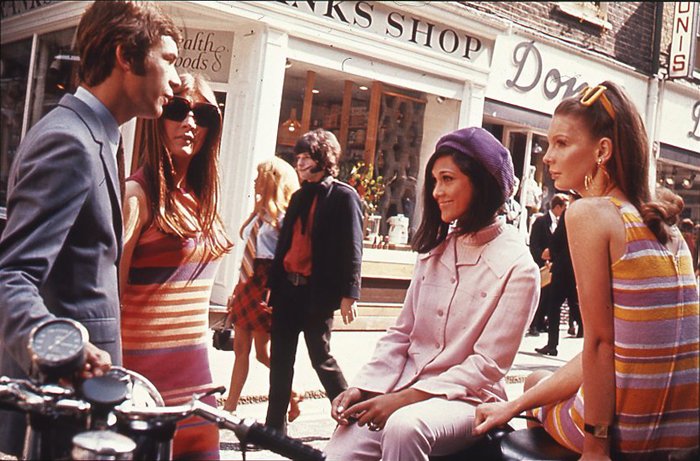
SWINGING SIXTIES:
A Youth Culture was emerging with a set of values that was frowned upon by the previous generation. There was a revolution in fashion, music, literature, and the arts. The sudden development of mass communication helped create and sustain this youth culture. This youth culture spread all over Europe and USA. Miniskirts and kaftans made their appearance on the streets of London and San Francisco. This was the time when two singing groups, The Beatles and The Rolling Stones, gained worldwide popularity. The new kind of music was symbolic of young people’s rejection of parental values. The reality of change was to be perceived in every aspect of life-in fashion, in a new frankness in conversation, and print. All these were summed up under the label ‘permissiveness’. Sexual and social taboos eroded with the introduction of contraceptive pills and recreational drugs. The values of this youth culture exercised sway over half the globe as the Swinging Sixties wore on.
MAJOR EVENTS:
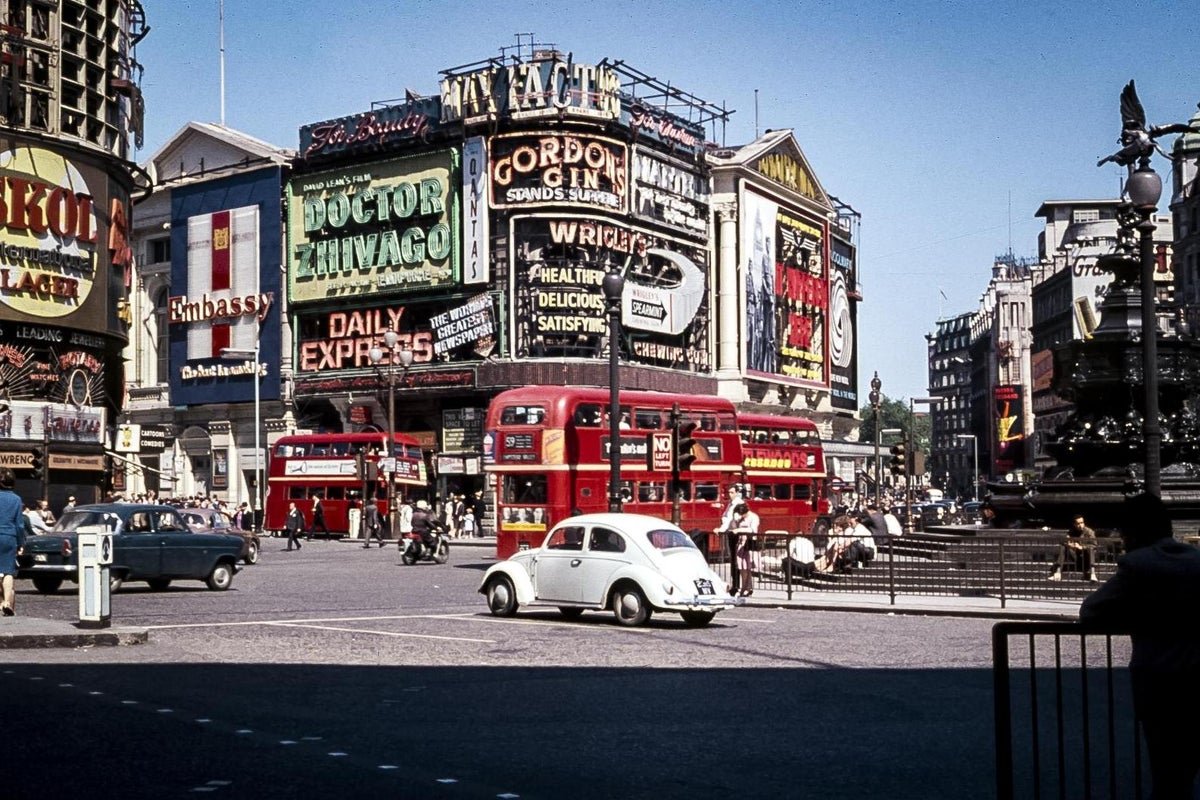
In the sixties, the major cities of the world were undergoing the most dramatic transformation. Bulldozers could be seen everywhere n old buildings; and in their place, mighty skyscrapers mushroomed. The higher the skyscrapers rose, the higher seemed the people’s hope for the future. The landscape seemed to be changing faster than at any time earlier in history. In the name of welfare and development, low-cost housing was introduced. Urban motorways and hideous high-rise flats, which were becoming increasingly common, destroyed the environment. Historically, it was an important decade, witnessing the death of three great world leaders-John F Kennedy, Jawaharlal Nehru, and Martin Luther King. The Cold War was becoming more and more serious as the conflicts between the USA and the USSR increased. Tension prevailed throughout 1962 in the newly – divided city of Berlin. The Berlin Wall symbolized the East-west confrontation. Mankind reached the very pinnacle of technological advancement when Neil Armstrong set foot on the moon in 1969. Another major milestone in human history was passed when Dr. Christian Barnard performed the first-ever human heart transplant operation.
DEVELOPMENT IN LITERATURE:
In the world of literature, a new type of drama called ‘Kitchen Sink Drama’ became popular. This type of drama focused very realistically on domestic life, family quarrels, marriage, and other matters about the ordinary courageous way of life. Another type of drama called ‘absurd drama’ was also enjoying its heyday. Samuel Beckett’s Waiting for Godot and Edward Albee’s who’s Afraid of Virginia Woolf? was seen by a large number of people. Tom Stoppard’s Rosencrantz and Guildenstern are Dead was a well-known play that was written in a similar style. In America, Joseph Heller’s novel catch-22 was published in 1961 and Norman Mailer’s an American Dream in 1965. It was the decade in which the all-time favorites Dr. Zhivago and Barbara Streisand’s funny girl were screened. Looking back, the sixties was a crucial period in the history of not only Great Britain, but of the whole world. Tremendous changes were taking place all over the globe.
Published by
Ayisha Shabana……

 Track2Training
You must be logged in to post a comment.