
Protests are public expressions of discontent, disagreement, or objection to an authority, idea, or things that have public impacts. Our country has seen a large number of public protests and upheavals in the past one year. Globally, we have been living in times of great change and public displays of dissent in the recent past, from the Hongkong protests to the Black Lives Matter movement. Many are skeptical of protests and their ability to bring change. Protests have been considered as inherently violent and anti-establishment, and hence something that should be stayed away from. What can marches and slogans do anyway, is the attitude of many who stay on the sidelines. However, a quick look into history can reveal that protests have been an integral part of multiple struggles that have brought in moral progress and change to our societies. The manner of conduct and how those involved acted might vary but there is no doubt that such displays of disapproval have brought in changes big and small.
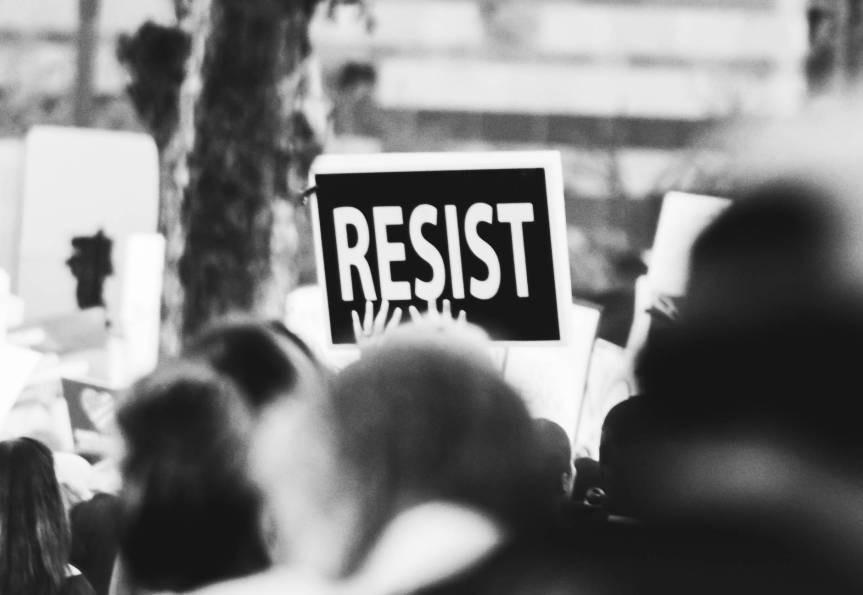
The right to protest is one of the most important rights in a democracy since it ensures that the people’s voice is heard. The form of democracy that we practice in India is representative democracy, where people are represented by elected individuals in parliament. This means that the voice of a huge population is given a hearing through this one person. We cannot discount the biases and affiliations of these individuals when they present their demands, even though on paper we reassert that they are to represent the voice of the people even if they disagree themselves. Democracy is considered the rule of the people: a governing system for the people, by the people, and of the people. One of the downsides of democracy is the fact that it is often only the majority voice that gets to be heard and accepted, while there would be multiple other opinions which might be statistically a little less in number that goes unheeded. This is all the more dangerous if the voice of the majority turns out to be bigoted and discriminatory.
Protests are fundamental precisely because people have the right to disagree and do so freely without fear of repercussions. Protests bring people together as a group and imbibe a sense of strength and unity. They realize that they are not alone in their cause and that there will be others who will stand along. Protests are vital to create spaces of engagement, debate, and dialogue. It also provides minorities with an opportunity to voice their concerns, especially when they have no representation and are suffering from perpetual marginalization. The anger that often accompanies protesting voices is the expression of prolonged frustration by those who have suffered under the system. Those who tone-police by saying that people should not sound so angry are more concerned about the manner of protest than the reasons that force people out onto the streets. It is a sign of great privilege that one can live their everyday lives without having to demand anything that has been denied to them over the years. It is usually those who have not been affected at all by what is happening who ask why protest at all or give the excuse that protests are violent. People protest because they need to be heard, and because the system has so often failed them that waiting for change to come through office paperwork if they do not exert any outside pressure is almost illusory.
Protests are often not violent till force is exerted on them by state machinery. And using the excuse that protests tend to turn violent and so they should not be allowed is a way of discounting all the good that a protest can potentially do. One cannot use a deviant illustration to invalidate an entire expression. Being able to dissent and having the right to challenge authority, if taken away, would spell the death of democracy. Protests are not so much about winning an argument or agenda as they are about the right to disagree freely and make the voices of the people heard. It might take decades to create any change but protests provide people with the strength to fight and the assurance that they are part of a larger whole. It enables those on the fringes of society to stand up for their rights and those who seek the attention of the authorities to do it quicker. At this time, we have to be vigilant that this right itself is not taken away from us and it is imperative that we understand the position that protests hold in a democracy.
 Track2Training
You must be logged in to post a comment.