
We are living through times of unprecedented change and confusion. The COVID-19 pandemic has posed challenges to mankind in every realm imaginable, urging as to rethink the way we have approached social activities as well as everyday tasks that we so far did without second thoughts. Work from home has become the norm for most IT companies and trade has moved largely online. Perhaps the most visible of all shifts is in the education sector with all educational institutions having been shut down for months with no definite time for reopening. Since learning cannot be paused, teaching has moved online as well. This has brought with it multiple challenges – from questions of accessibility to apprehension over a widening digital divide to difficulty in ensuring the students understand and the limited interaction possible. While online education is a viable alternative in most western countries, it is far from ideal and is only a poor substitute for classrooms in a developing country like India.
While we can agree that students all over the country, particularly from rural backgrounds, are facing a severe challenge with this new mode of learning, we also understand that teachers have been finding the shift extremely difficult as well. If many tech-savvy students who are used to spending much time online or facing a screen is finding the shift strenuous, it is natural that teachers who have spent years teaching on a blackboard would find it more so. Along with the challenges of learning how to use technology in a way that allows students to learn better and maximizes opportunities for optimum holistic engagement, teachers also face other concomitant issues.
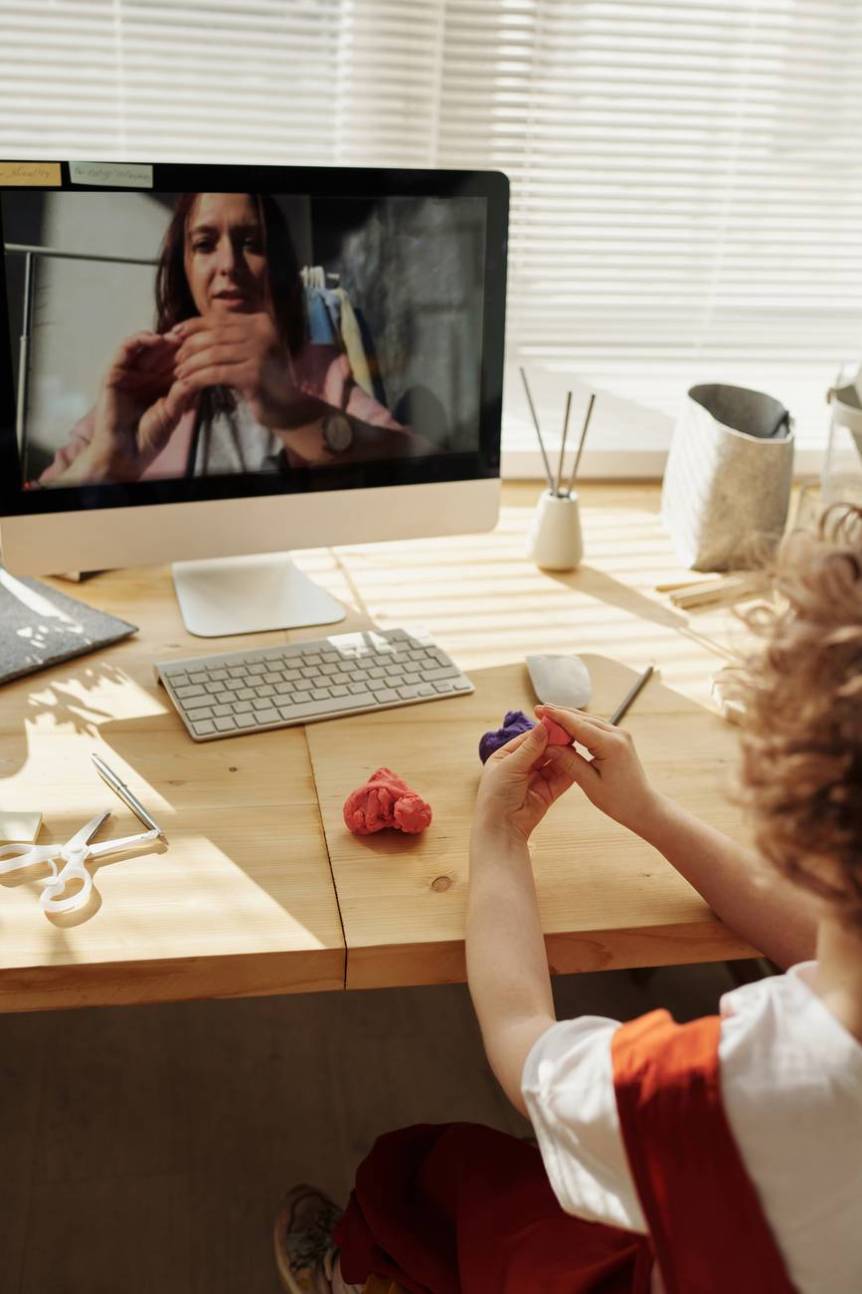
While at home, many of them, like their students, are unable to access proper internet or gadgets which will make their work easier. They also have longer days where much time is spent worrying over internet connections and whether they are able to teach the students well. Particularly for teachers of younger classes, making videos that will capture the attention of seven-year-olds, and being able to anticipate their reactions are a huge task. Many teachers also need to be involved with whatever is happening at home or in the places that they are staying. The privilege of being uninterrupted while teaching is not one that is available to all.
Teachers also say that they are unable to connect with their students and help them with their questions or doubts. And if a new academic year which is completely online is to commence soon, a batch of students the teacher has never met will be learning from her. It is impossible with our current limitations and methods to forge meaningful relationships that used to exist in the class. Another major issue that has come up is that of the student response. Teachers have come out with stories of rude and condescending behavior from students. Many students who dare not say anything otherwise have turned to mocking teachers and interrupting classes, flaunting their strength from behind a screen. This has led to public outrage but also largescale demoralizing of teachers. Burnouts have become common and many worry that they are unable to deliver according to the expectations and needs of those they are teaching.
It is time to come together and support each other more than ever now. The challenges faced by those on the teaching side should be taken as seriously as that of the students. Only if those are addressed adequately can we ensure that a semblance of normal learning can be maintained within our digital classrooms. Their voices have to be heard and amplified. They should also be provided with solutions to their issues so that the entire education sector does not suffer.
 Track2Training
You must be logged in to post a comment.