
“Mental health…is not a destination, but a process. It’s about how you drive, not where you’re going.” – Noam Shpancer, PhD

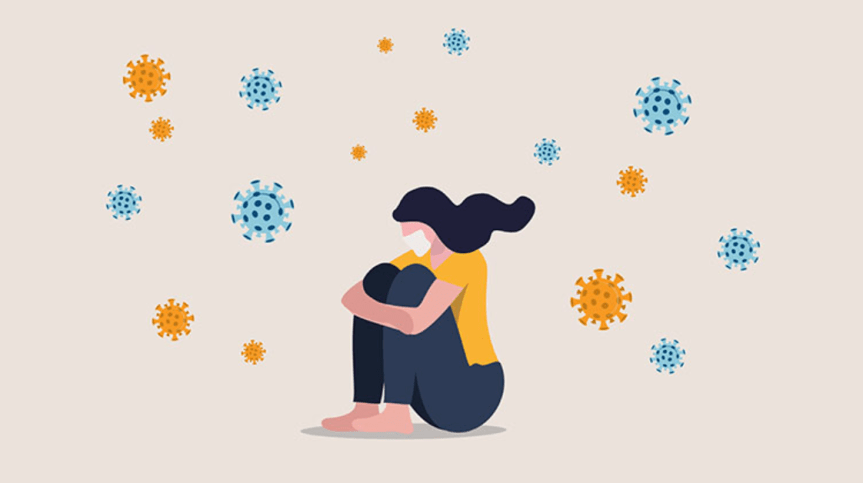
The coronavirus pandemic has affected all of us in one way or the other. This pandemic is not just about a viral infection or a disease phenomenon but has caused people to suffer from serious mental health issues like anxiety, stress, stigma, and xenophobia. This widespread COVID-19 resulted in the enforcement of regional lockdowns, social distancing, closure of educational institutions, workplaces, entertainment venues, etc. all this led to one thing which is isolation. Isolation in turn causes anxiety and stress.
Unfortunately, how this pandemic affects one’s mental health has not been studied at length. At the moment, all the focus is on understanding the epidemiology, clinical features, and ways of transmission.
Stress does not only cause anxiety, sadness, or a feeling of frustration but, is known to cause a lot more like fear, anger, and even numbness. Stress can lead to a change in appetite patterns, lack of and interest, difficulty in concentrating and making decisions, difficulty in sleeping, nightmares, and physical reactions such as headaches, body pains, stomach problems, and even skin rashes.
The use of substances like tobacco, alcohol, and others is also observed.
People who are in quarantine or self-isolation suffer more from such issues of mental health. A review published in The Lancet said that separation from loved ones, loss of freedom, boredom, and uncertainty can cause a deterioration in an individual’s mental health status.
Stigmatization
Pandemic is known to bring about stigmatization which affects individuals, authority figures, and health care professionals, etc. People who are released from quarantine, doctors, nurses, hospital staff, and people of Asian descent especially Chinese can experience stigmatization and xenophobia. They could be made to feel differently about themselves when they returned fully recovered and experience a different welcome by society or even by their family members. There have been cases when people come home fully recovered and the members of the family exercise social distancing from them because of the nature of transmission of this viral infection.
Such people may develop sadness, anger, or frustration because of the constant isolation and the fear that other people hold against them that they may contract the infection from them even though they have been determined not to be contagious. This situation results in a lot of stress and panic.
Ways to cope up with Stress
1. Take a break from watching, reading, or listening to news stories
Constantly listening to the increase or decrease in the number of cases, can be upsetting. You can disconnect him/herself from phone, tv, and newspapers in order to avoid stress. You can watch movies and read books.
2. Give attention to your body
Exercise and meditate regularly. Give your bodies adequate amounts of sleep and water.
Avoid excessive consumption of alcohol and tobacco.
3. Engage yourselves in different activities
Try to make time for activities that you enjoy like reading, singing, dancing. Such activities take your mind of the current situation and help you gain back your energy and interest.
4. Connect with people
Talk to people you trust about your worries and concern. Share your feelings.
Conclusion
The COVID-19 outbreak has created fear in society. We must ensure help people around us and be civil, courteous, and rational towards those who have recovered and the front-line workers. We should try to communicate with people and should offer our full support that we all are in this together.
References
https://www.cdc.gov/coronavirus/2019-ncov/daily-life-coping/managing-stress-anxiety.html
 Track2Training