
Prejudice And Discrimination in our Society.

Introduction

It focuses specifically on the equality groups set out in the Equality Act 2006: groups which share a common attribute in respect of age, disability, gender, race, religion or belief, or sexual orientation.
Prejudice and discrimination have been prevalent throughout human history. Those who practice discrimination do so to protect opportunities for themselves by denying access to those whom they believe do not deserve the same treatment as everyone else.. Many prejudices seem to be passed along from parents to children. The media—including television,
movies, and advertising—also perpetuate demeaning images and stereotypes about assorted groups, such as ethnic minorities, women, gays and lesbians, the disabled, and the elderly. Prejudices may bring support from significant others, so rejecting prejudices may lead to losing social support. The pressures to conform to the views of families, friends, and
associates can be formidable. In response to early socialization, some people are especially prone to stereotypical thinking and projection based on unconscious fears. People with an authoritarian personality rigidly conform, submit without question to their superiors, reject those they consider to be inferiors, and express intolerant sexual and religious
opinions. The authoritarian personality may have its roots in parents who
are unloving and aloof disciplinarians. The child then learns to control his or her anxieties via rigid attitudes. To date, solutions to prejudice that emphasize change at the individual level have not been successful. In contrast, research sadly shows that even unprejudiced people can, under specific conditions of war or economic competition, become highly prejudiced against their perceived “enemies.” Neither have attempts at
desegregation in schools been successful. Instead, many integrated schools
have witnessed the formation of ethnic cliques and gangs that battle other
groups to defend their own identities.

Prejudice tended to mean having a set of idea about someone that is based
on assumptions or preconceptions, rather than a person’s actual action. For
Example: racism, sexism, ageism, classism, homophobia, nationalism etc.
Prejudices can either be positive or negative—both forms are usually
preconceived and difficult to alter. The negative form of prejudice can lead
to discrimination, although it is possible to be prejudiced and not act upon
the attitudes. Discrimination is the actual behaviour of excluding or restricting members of one group from opportunities that are available for other groups. For
example: age discrimination, sexual orientation, national origin, sexual
harassment etc. Unfortunately due to our past history, discrimination had
been among us from since decades. And it’s still on-going. These things had
led to human conflict which resulted in crime, war, and mass murder such
as genocide. Discriminations affect people’s opportunities and well-being.
Societies continue to make distinctions based on ethnicity, race, sex or
gender and other characteristics that should have no bearing on people’s
achievements or on their wellbeing. Prejudice and discrimination could
affect health of the victim in several ways. Discrimination could determine
groups living conditions and life changes affecting such areas as education,
employment, and housing. As per humanity every single individual existing
should have equal rights and opporcunity in all the areas of life.

conclusion

Therapists are not immune to prejudicial attitudes. Indeed, most schools
offer therapists little training on the role of racism, sexism, and other forms
of prejudice and discrimination in therapy. Prejudice can undermine the
therapeutic process and harm clients. Some examples of how prejudice can
affect therapy include:
Altering perceptions: A therapist’s prejudicial beliefs about a group
can affect their opinion of clients. For example, a therapist who thinks women tend to exaggerate things might not take seriously a woman’s claims of sexual abuse.
Minimizing experiences: A therapist’s prejudicial beliefs about how
prejudice and discrimination affects people can undermine their ability to help. A therapist might underestimate the extent to which police killings of unarmed black people affect black mental health, or
may be unaware of how high-profile sexual assault cases affect sexual
abuse survivors.

Not recognizing power dynamics: A therapist who harbours
prejudicial beliefs or who is unaware of the effects of prejudice might not recognize power dynamics in therapy. For example, a white therapist might not understand why a black person is reluctant to
discuss racism. In family therapy, a therapist who is prejudiced might
not notice power dynamics between male and female romantic
partners.
Gas lighting: A therapist who is blind to the effects of prejudice or who does not recognize their own prejudices may inadvertently gaslight by questioning a client’s experiences or reality.


Prejudice can manifest in other ways, too:
✓ Prejudice directed at a therapist may undermine the therapist’s
ability to help.
✓ A client may seek therapy to deal with the effects of prejudice on
their life and mental health. Prejudice can make virtually every
aspect of life more difficult, and has measurable lifelong mental and
physical health consequences.
✓ Prejudice may be a factor in couples or family therapy. To offer
comprehensive help, a therapist must recognize prejudice and
identify its role in the family.
✓ A client might seek therapy to overcome prejudicial attitudes.
Though prejudice is not a mental health diagnosis, it can have
profound and lasting effects on people and the world.
✓ Prejudice infects an entire society, but making change begins with
changing individual minds and lives.
Thank you

Gender equality.

Gender equality, referred to as sexual equality or equality of the sexes,
is that the state of equal simple access to resources and opportunities no matter gender, including economic participation and decisionmaking; and therefore the state of valuing different behaviors,
aspirations and wishes equally, no matter gender. Gender equality is that the goal, while gender neutrality and gender
equity are practices and ways of thinking that help in achieving the goal. Gender parity, which is employed to live gender balance during a given situation, can aid in achieving gender equality but isn’t the goal in and of itself. Gender equality is quite equal representation, it’s strongly
tied to women’s rights, and sometimes requires policy changes.

Gender equality isn’t solely a elementary right, however a necessary foundation for a peaceful, prosperous and property world. There has been progress over the last decades: a lot of women area unit planning to faculty, fewer women area unit forced into early wedding, a lot of girls
area unit serving in parliament and positions of leadership, and laws
area unit being reformed to advance gender equality. Despite these gains, several challenges stay: discriminatory laws and social norms remain pervasive, girls still be underrepresented in the
slightest degree levels of political leadership, And one in five girls and
women between the ages of fifteen and forty nine report experiencing
physical or sexual violence by an intimate partner at intervals a 12month
amount.

The effects of the COVID-19 pandemic may reverse the restricted progress that has been created on gender equality and women’s rights. The coronavirus irruption exacerbates existing inequalities {for women or ladies for women} and girls across each sphere – from health and
therefore the economy, to security and social protection. Women play a
disproportionate role in responding to the virus, as well as frontline tending employees and careers reception. Women’s unpaid care work has inflated considerably as a results of faculty closures and therefore the inflated wants of older individuals. Girls are tougher hit by the economic impacts of COVID-19, as they disproportionately add insecure
labour markets. Nearly 60% of girls add the informal economy, that puts
them at larger risk of falling into financial condition.
The pandemic has additionally junction rectifier to a steep increase in
violence against girls and women. With imprisonment measures in situ,
many ladies area unit at bay reception with their abusers, troubled

knowledge shows that, since the irruption of the pandemic, violence
against girls and women – and notably force – has intense to access services that area unit affected by cuts and restrictions. Rising

Gender difference and discrimination to exist in our society. Still there are specific field in which men and women are not treated equally. A lot of people in India are thinks that men and women does not have equal rights and that women are dominated. Women are equally
entitled to live in freedom as well as dignity. It is important to promote common values such as respect for human rights and equality between women and men. While progress is being made to increase gender equality across the globe, people need to be more aware of disadvantages that women still continue two face and take action to promote equality.

Thank you.

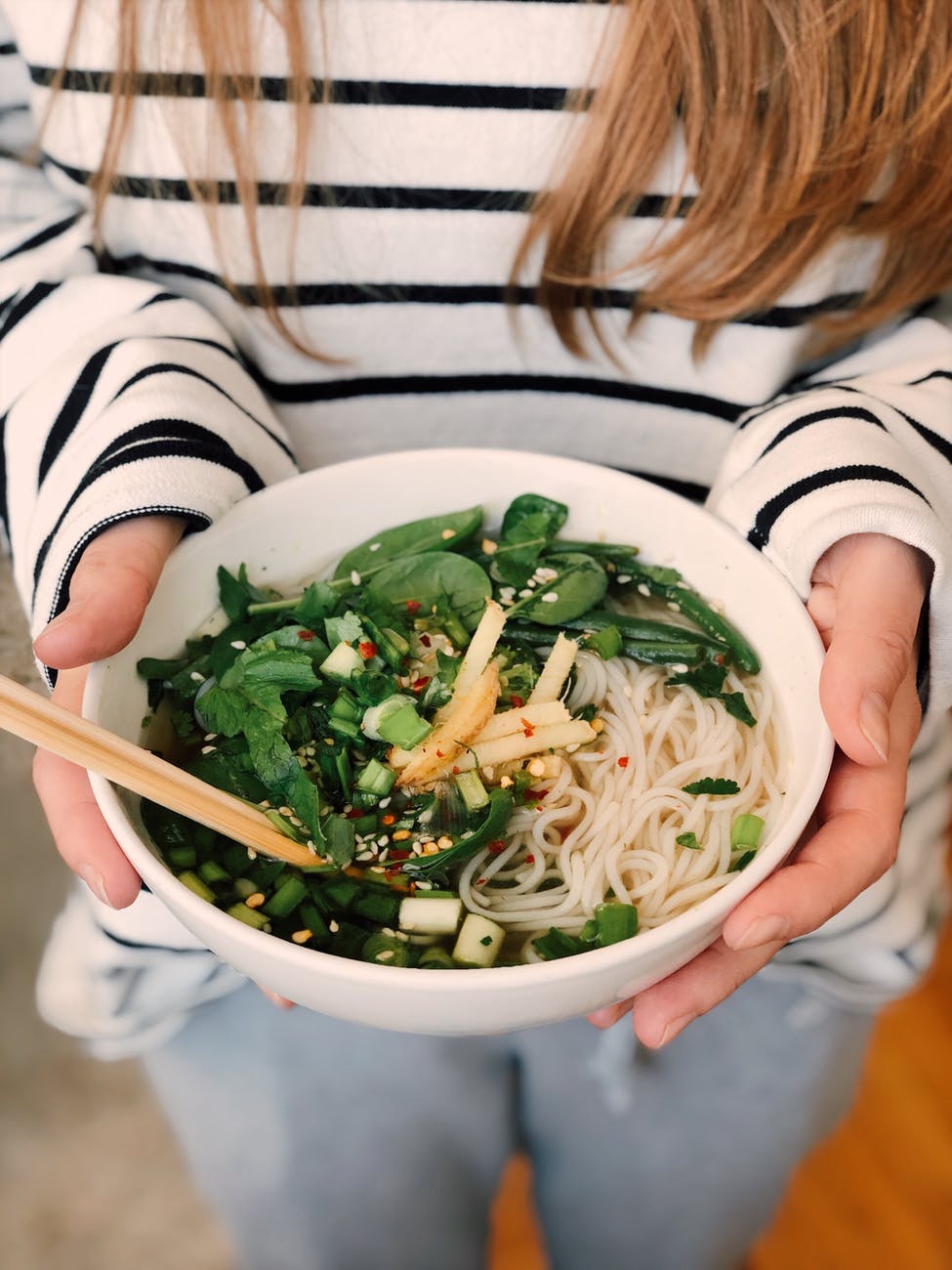
Consumption of healthy food.


“Healthy” food is a term which we often hear by almost everyone. It’s not only that
people are becoming more health-conscious but also following a trend which
supports healthier food. Whether it be your favorite Film star or Youtube and
Instagram influencer everyone is emphasizing how important it is to eat healthy food. From getting a good body to clear and even-toned skin everything depends on your diet which obviously includes healthy food items. So in this age of technology where people spend most of the time on Instagram and other social media where every other influencer is flaunting their good physique and fairness everyone is intimidated to become the same by eating good and healthy food. There’s a trend which is shifting towards healthy food. From physical to mental wellbeing everything is related to healthy food. To provide a more comprehensive assessment of why people are shifting towards healthy food we have done a survey that aims at analyzing and finding opinions and behavior of people towards healthy food.


With Increasing problems in the environment, the concern for consumption of the right food has become the main concern of people. Half of the problems nowadays have only one sole reason for its cause, that is unhealthy food. People now realised how important it is, to keep and maintain a healthy body. Serving your body with healthy food will not only increase your life expectancy but also improve your
mental health. From youngsters to grandparents, everyone is so attentive as to what is on their plate. A pandemic could also be considered as a means to the end, the end is eating healthy. As we are tackling and confronting new types of diseases each day, it has become fundamental to prioritize healthy food over unhealthy. Not only laymen but also companies and everyone who is associated with producing food has
realized the changing environment and shifted their sole focus on either producing healthy food or innovating new methods to make the current produced healthy.

Eating right has now occupied space in the priority list of the people. Good food
provides umpteenth benefits starting from good mental health to healthy living,
which is now believed by a lot of people. So the shift in trend is justified by the
benefits it supplies. A lot of youngsters have started to treat themselves with the
right food so that, it doesn’t affect them adversely in the upcoming future. With
modernization we can see the drastic change in the mentality of all the classes of people, choosing healthy food over fast food. Not only government policies are in
favor of this, but even the corporates have also started paying a huge amount of
attention to it. They’ve experimented so much to provide a good taste with
appropriate nutrients, that now people will not struggle in search of healthy food.
The whole shift of population towards healthy food carries a lot of expectations
such as low-stress level, good body, better living, etc. One shouldn’t let stress
dominate over his or her mind as that has been proven to be one of the causes of
craving for fast food. With all the minute things avoided, one can expect this shift
to occupy more people in it.

Thank you.