


By Kavita Dehalwar
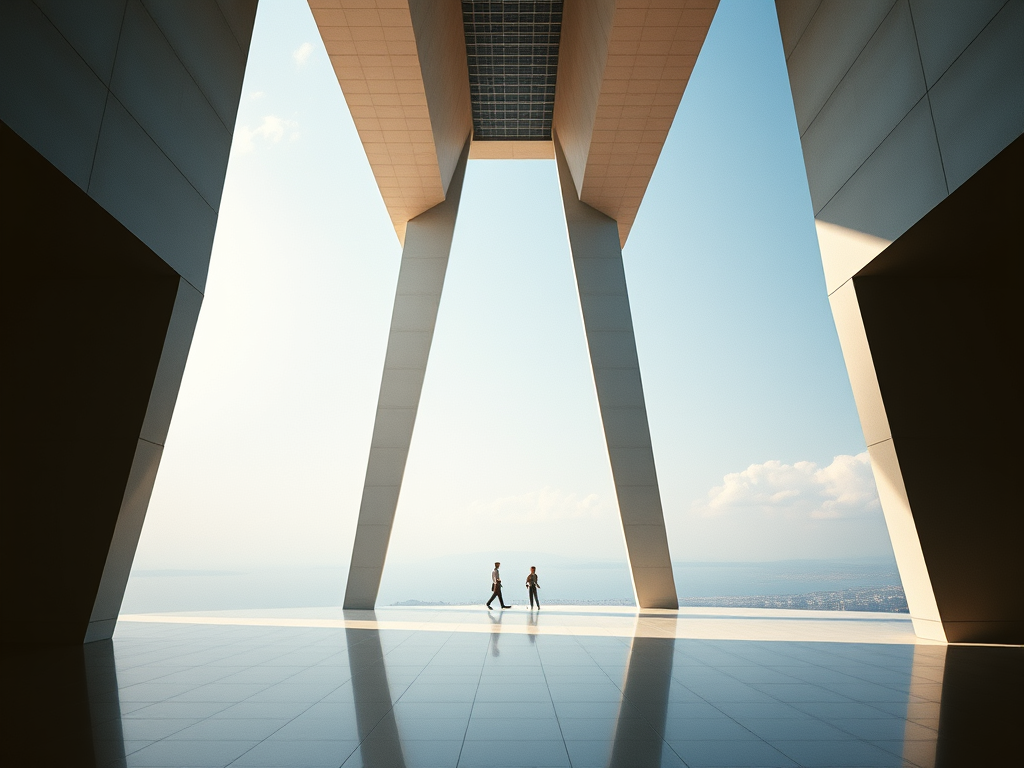
Understanding how we perceive and appreciate the area and space around us is fundamental to numerous fields, including architecture, urban planning, psychology, and even art. Our ability to navigate, interact with, and interpret spaces plays a critical role in daily life, influencing everything from how we move through environments to how we experience aesthetic and functional qualities of designed spaces. In this article, we will delve into two key concepts—area appreciation and space perception—to understand how these elements shape human experience and environmental design.
1. Defining Area Appreciation and Space Perception
Area Appreciation
Area appreciation refers to an individual’s or a community’s recognition and valuation of a specific geographical or physical area. This appreciation can arise from multiple factors, including cultural significance, aesthetic value, functional utility, and emotional attachment. In essence, it is how people cognitively and emotionally connect with a particular area, whether it is a neighborhood, city block, or natural landscape.
Key factors that influence area appreciation:
- Aesthetic Appeal: The beauty or attractiveness of an area can significantly impact its appreciation. Green spaces, architectural designs, and cultural landmarks often enhance aesthetic value.
- Functional Value: Practical aspects like accessibility, infrastructure, and amenities (e.g., shops, schools, hospitals) contribute to an area’s functionality, increasing its appreciation.
- Cultural and Historical Significance: Areas with deep cultural or historical roots often enjoy greater appreciation, as they foster a sense of identity and continuity.
- Emotional and Psychological Attachment: An area may hold sentimental value for individuals due to personal history or experiences, enhancing their attachment and appreciation for the place.
Space Perception
Space perception is the cognitive process by which individuals understand and interpret their spatial surroundings. It involves the use of sensory information—visual, auditory, tactile, and even olfactory cues—to determine the size, distance, depth, and orientation of objects in relation to one another. Space perception is integral to how we move through, interact with, and mentally map our environment.
Key dimensions of space perception:
- Depth Perception: The ability to perceive the world in three dimensions (3D) and judge the distance between objects.
- Size and Scale: Estimating the size of objects or areas based on visual cues and comparing them to familiar objects.
- Proximity and Spatial Relationships: Understanding how objects relate to each other in terms of distance and spatial arrangement.
- Orientation and Navigation: Using landmarks, visual cues, and environmental information to orient oneself within a space and navigate it.
Space perception relies on multiple sensory inputs (visual, auditory, and kinesthetic), as well as the brain’s ability to synthesize and interpret these inputs to form a coherent understanding of the environment.
2. The Science Behind Space Perception
Visual Cues and Depth Perception
Visual information is the most significant input for perceiving space. The brain processes various visual cues to construct a 3D image of the world around us. Some of the essential cues include:
- Binocular Cues: These arise from the slight difference between the images seen by each eye, also known as binocular disparity. The brain uses this disparity to estimate the depth and distance of objects.
- Monocular Cues: When one eye is used, the brain still picks up clues such as relative size, texture gradient, linear perspective, and occlusion (one object partially blocking another) to infer depth and spatial relationships.
- Motion Parallax: As you move, objects closer to you appear to move faster than objects farther away. This provides valuable information about the distance of objects.
- Shadows and Light: Shadows, shading, and the play of light on surfaces help the brain understand the contours and depth of objects.
Auditory Cues
While vision plays the dominant role in space perception, auditory cues also contribute to spatial awareness. For instance, the direction, volume, and echoes of sound help us gauge the location of objects or events without directly seeing them.
- Echo-location: The way sound waves reflect off surfaces gives us information about the space and distance of objects.
- Binaural Hearing: Differences in the time and intensity of sounds arriving at each ear help the brain determine the direction and distance of sound sources.
Proprioception and Kinesthetic Awareness
Proprioception, or the awareness of body position and movement, complements space perception by helping us understand how our body moves through space. This internal sense is crucial for tasks like walking, grasping objects, and maintaining balance.
3. Cultural and Psychological Dimensions of Space Perception
Cultural Influences on Space Perception
Culture heavily influences how individuals perceive and use space. Different cultures have distinct norms related to personal space, spatial organization, and how space is used in social interactions.
- Proxemics: The study of personal space in different cultures reveals varying comfort zones. For example, in some cultures, people stand closer together when communicating, while others maintain a larger distance.
- Architecture and Spatial Design: Cultural traditions influence how buildings and public spaces are designed. In some cultures, open spaces and courtyards are valued, while others prioritize compartmentalized or enclosed environments.
Psychological and Emotional Dimensions
Space perception is not only a sensory or cognitive process but also an emotional and psychological one. Individuals’ moods, personalities, and experiences can all affect how they perceive space.
- Crowdedness and Comfort: High-density environments can lead to feelings of discomfort or stress, while spacious areas often evoke relaxation.
- Familiarity and Attachment: People tend to feel more comfortable in familiar spaces, and emotional bonds with a place can enhance perceptions of safety, comfort, and pleasure.
- Anxiety and Claustrophobia: Some individuals may experience anxiety in confined spaces (claustrophobia) or large, open spaces (agoraphobia), illustrating how psychological states affect space perception.
4. The Role of Area Appreciation in Urban Planning and Design
Enhancing Quality of Life
Area appreciation is a crucial consideration in urban planning and design, as it directly impacts quality of life. Planners and architects seek to create spaces that balance functionality, aesthetics, and cultural relevance to foster a strong sense of community and belonging.
- Green Spaces and Public Areas: Incorporating parks, plazas, and communal spaces can increase area appreciation by offering aesthetic value and social interaction opportunities.
- Walkability and Accessibility: Designing areas that are pedestrian-friendly and well-connected to public transport enhances functional value and increases appreciation of the space.
- Sustainability and Innovation: Environmentally conscious designs that prioritize sustainability and resilience to climate change often lead to a deeper appreciation of the area, aligning with modern values.
Place-Making and Identity
“Place-making” is the process of creating spaces that foster a strong sense of identity and community. Urban planners use place-making strategies to enhance area appreciation by reflecting the cultural, historical, and social fabric of a community.
- Cultural Landmarks: Establishing monuments, public art, or historically significant structures in urban spaces can imbue areas with cultural meaning, enhancing appreciation.
- Community Engagement: Involving local communities in the design and development of spaces can increase the emotional connection and collective ownership of the area.
5. Artistic Interpretation of Space Perception
Space in Art and Architecture
Artists and architects have long explored the concept of space perception to influence how viewers experience their work. Understanding how individuals perceive space allows creators to manipulate it for aesthetic or functional purposes.
- Perspective in Art: Techniques like linear perspective and shading are used in visual art to create the illusion of depth and space on a 2D surface.
- Architectural Design: Architects use space perception principles to design buildings that evoke particular emotions or behaviors. For example, high ceilings may inspire awe, while narrow corridors can create feelings of intimacy or constraint.
Virtual and Augmented Reality
Modern technology, such as virtual reality (VR) and augmented reality (AR), offers new avenues to explore space perception. These technologies allow users to experience spaces that may not physically exist or are distant, offering an immersive experience of virtual environments.
Conclusion
Area appreciation and space perception are essential elements in how humans interact with and interpret their environments. While area appreciation speaks to our emotional, cultural, and practical connection to specific locations, space perception involves the cognitive and sensory processes by which we navigate and understand those spaces. Both concepts are integral to fields like architecture, urban planning, psychology, and art, shaping our daily experiences and contributing to the richness of our environments. By understanding the mechanics and influences behind these processes, we can design spaces that enhance quality of life, foster emotional attachment, and reflect cultural identity.
References
Dehalwar, K., & Sharma, S. N. (2023). Fundamentals of Research Writing and Uses of Research Methodologies. Edupedia Publications Pvt Ltd.
Dehalwar, K. (Ed.). (2024). Basics of Research Methodology-Writing and Publication. EduPedia Publications Pvt Ltd.
Dehalwar, K., & Sharma, S. N. (2023). Fundamentals of Area Appreciation and Space Perceptions.
Hamilton, W. G. (1977). Landscape appreciation: Utilizing sense of place themes in college geography. Journal of Geography, 76(5), 175-179.
Hofstede, H., Salemink, K., & Haartsen, T. (2022). The appreciation of rural areas and their contribution to young adults’ staying expectations. Journal of Rural Studies, 95, 148-159.
Jia, J., Zhang, X., Huang, C., & Luan, H. (2022). Multiscale analysis of human social sensing of urban appearance and its effects on house price appreciation in Wuhan, China. Sustainable Cities and Society, 81, 103844.
Kumar, G., Vyas, S., Sharma, S. N., & Dehalwar, K. (2023). Planning and Development of Housing in Urban Fringe Area: Case of Bhopal (MP). GIS Business, 18(1), 1-14.
Sharma, S. N., & Dehalwar, K. (2023). Fundamentals of Planning and Design of Housing.
SOUAYAH, H. (2022). The notion of appreciation in space design’s approach: from conception to reception and perception. International Design Journal, 12(2), 343-347.
Swensen, G., & Sæter, O. (2011). The mall method: Applied in a study of inhabitants’ appreciation of urban cultural heritage areas. International Journal of Qualitative Methods, 10(2), 125-139.
 Track2Training
You must be logged in to post a comment.