


By Kavita Dehalwar
Increasing public participation in the planning process is vital to ensure inclusive, transparent, and community-centered outcomes. Effective measures to enhance public engagement in plan-making involve a mix of education, accessibility, technology, and trust-building. Below are detailed steps to increase public participation in planning:
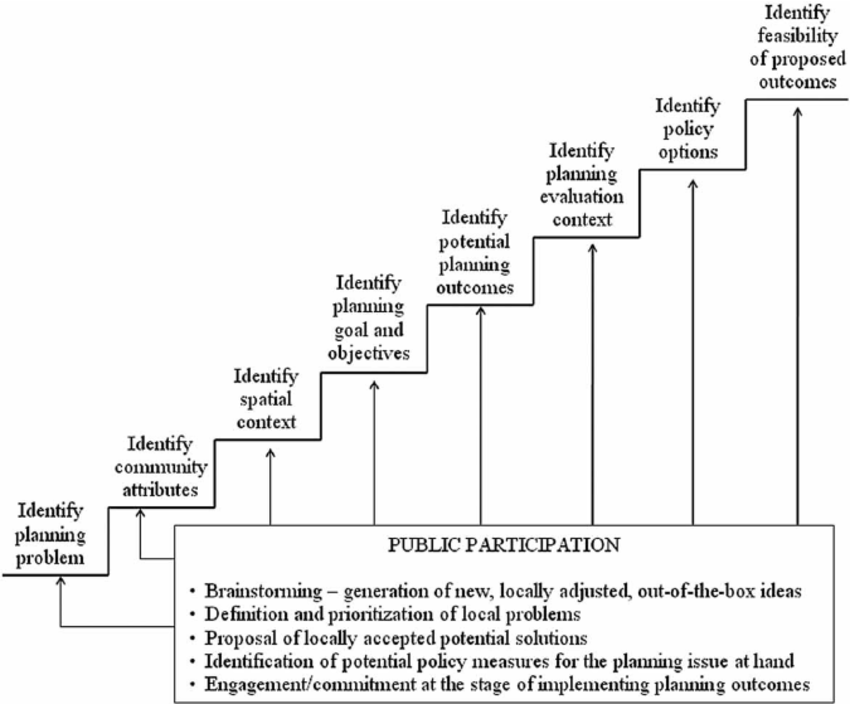
1. Education and Awareness
- Public Awareness Campaigns: Use media campaigns, workshops, and community meetings to educate citizens about the importance of planning and its impact on their lives.
- Simplified Information: Create easy-to-understand summaries of technical documents to help non-experts grasp the issues.
- Outreach in Schools and Colleges: Engage younger generations through educational programs in schools and colleges to cultivate a culture of civic participation.
- Citizen Guides: Publish “How-to” guides to explain how citizens can contribute meaningfully to planning processes.
2. Accessible Communication Channels
- Multi-Language Communication: Provide documents and announcements in multiple languages relevant to the local population.
- Use of Visual Aids: Share maps, charts, and infographics to present complex plans in a more comprehensible manner.
- Inclusive Venues and Timings: Host meetings in locations accessible to all, including those with disabilities, and schedule them at times convenient for working individuals.
- Helplines and Support Desks: Offer dedicated phone lines, email support, and in-person helpdesks to address public queries.
3. Digital Tools and Technology
- Interactive Websites and Apps: Create platforms where people can view plans, submit feedback, and track the progress of their inputs.
- Virtual Public Meetings: Offer live streaming and interactive Q&A sessions for those who cannot attend in person.
- Online Surveys and Polls: Use digital surveys to gather broad-based opinions efficiently.
- GIS Tools: Enable the public to view geographic data interactively, allowing them to understand spatial planning implications better.
4. Participatory Workshops and Forums
- Community Visioning Workshops: Facilitate workshops where residents can brainstorm ideas and prioritize issues.
- Focus Groups: Conduct small, focused discussions with specific demographic groups (e.g., women, youth, seniors) to ensure their voices are heard.
- Citizen Panels: Form panels or advisory groups of residents to regularly consult during the planning process.
- Hackathons and Design Jams: Organize events where participants collaborate on innovative solutions for urban challenges.
5. Proactive Outreach
- Door-to-Door Engagement: Send planners or volunteers to homes to distribute materials and discuss the process.
- Engagement with Local Organizations: Partner with community groups, NGOs, and resident welfare associations to act as bridges between the government and the public.
- Mobile Units: Use vans or kiosks to reach underserved or remote areas to engage with the public directly.
6. Feedback Mechanisms
- Transparent Feedback Loops: Regularly update participants on how their feedback has been incorporated or why certain suggestions were not feasible.
- Public Dashboards: Create online dashboards showing public contributions and decisions made at each stage.
- Recognition Programs: Acknowledge active participants through certificates, public mentions, or awards.
7. Legal and Policy Frameworks
- Mandatory Public Consultation Requirements: Ensure legal provisions for minimum public consultation periods and incorporate public input as a mandatory step in the planning process.
- Citizen Assemblies: Institutionalize regular citizen assemblies to discuss and deliberate on planning issues.
- Grievance Redressal Systems: Establish mechanisms to address concerns or complaints related to the planning process.
8. Building Trust and Transparency
- Anti-Corruption Measures: Ensure that the planning process is free from corruption and favoritism to build trust.
- Open Data Policies: Share all non-confidential planning data publicly to allow independent analysis.
- Public Monitoring Committees: Enable community representatives to monitor and report on planning developments.
9. Incentives for Participation
- Stipends or Honorariums: Provide compensation for time and effort spent by citizens participating in lengthy consultations.
- Recognition of Contributions: Highlight contributions through media or social media platforms.
- Gamification: Use gamified approaches like reward points for participating in surveys or contributing ideas.
10. Cultural and Contextual Sensitivity
- Local Festivals and Events: Tie consultations to popular cultural events to attract larger audiences.
- Tailored Approaches: Adapt engagement strategies to align with the social, cultural, and economic dynamics of the community.
11. Long-Term Engagement Strategies
- Citizen Capacity Building: Invest in long-term training for citizens to enhance their understanding of planning principles and decision-making processes.
- Institutionalized Roles: Form permanent citizen committees that regularly interact with planning authorities.
- Continual Feedback Opportunities: Provide year-round avenues for citizens to provide feedback beyond formal consultation periods.
By combining these measures, authorities can foster greater public involvement, resulting in plans that are not only better aligned with community needs but also enjoy broader support and legitimacy.
References
Dehalwar, K., & Sharma, S. N. (2023). Fundamentals of Area Appreciation and Space Perceptions.
Dehalwar, K., & Sharma, S. N. (2024). Social Injustice Inflicted by Spatial Changes in Vernacular Settings: An Analysis of Published Literature.
Dehalwar, K., & Sharma, S. N. (2024). Politics in the Name of Women’s Reservation. Contemporary Voice of Dalit, 2455328X241262562.
Haklay, M., Jankowski, P., & Zwoliński, Z. (2018). Selected modern methods and tools for public participation in urban planning–a review. Quaestiones Geographicae, 37(3), 127-149.
Lane, M. B. (2005). Public participation in planning: an intellectual history. Australian geographer, 36(3), 283-299.
Sharma, S. N. (2014). Participatory Planning in Plan Preparation. BookCountry.
Sharma, S. N. (2013). Participatory Planning in Practice. Lulu. com.
Sharma, S. N. (2018). Review of National Urban Policy Framework 2018. Think India Journal, 21(3), 74-81.
Sharma, S. N. (2018). Transformation of Aspirational Districts Programme: A Bold Endeavor Towards Progress. Think India Journal, 21(4), 197-206.
Sharma, S. N. (2005). Evaluation of the JnNURM Programme of Government of India for Urban Renewal. Think India Journal, 8(2), 1-7.
Thomas, H. (2003). Public participation in planning. In British planning policy (pp. 187-206). Routledge.
 Track2Training
You must be logged in to post a comment.