


By Kavita Dehalwar
Climate change is one of the most pressing challenges facing humanity. It encompasses a wide range of issues, including rising temperatures, shifting weather patterns, melting glaciers, and increasing natural disasters. While its effects are global, they are not equally distributed, disproportionately affecting marginalized communities, particularly women in developing regions. Feminist environmentalism offers a critical lens to understand and address these inequities, integrating gender justice into the broader framework of environmental sustainability.
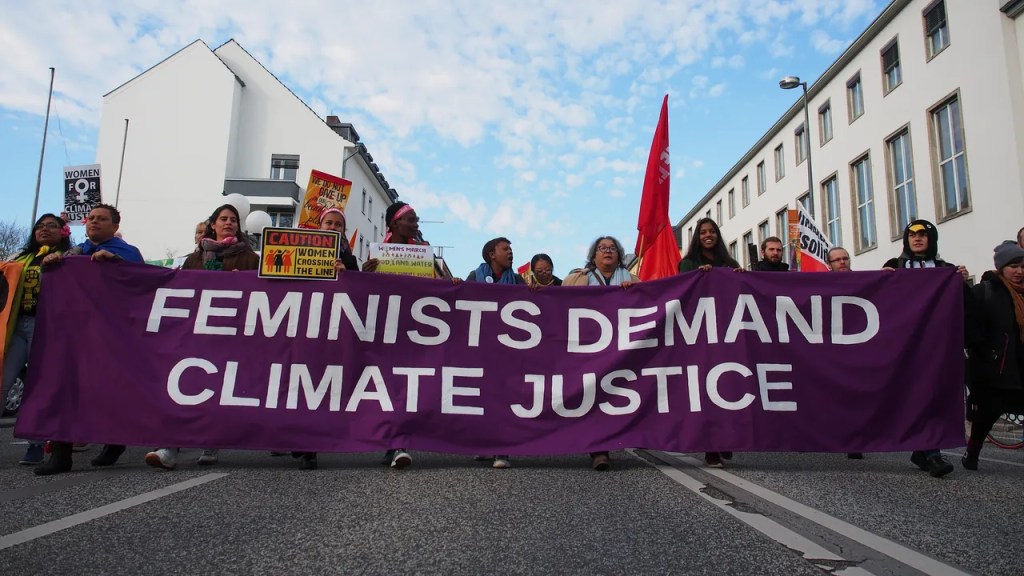
The Interplay Between Climate Change and Gender
The impacts of climate change are intricately tied to existing social and economic inequalities. Women, especially those in rural and marginalized communities, often rely on natural resources for their livelihoods, making them more vulnerable to environmental changes. For instance:
- Agricultural Dependency: Women constitute a significant proportion of the agricultural workforce in many developing countries. Erratic rainfall and prolonged droughts threaten crop yields, directly impacting their income and food security.
- Water Scarcity: Women are frequently responsible for water collection in many societies. Climate-induced water shortages force them to travel longer distances, exposing them to physical strain and potential violence.
- Displacement: Climate disasters often lead to displacement, and women in refugee settings face unique challenges, including inadequate healthcare, limited access to education, and heightened risk of gender-based violence.
These examples underline how climate change is not just an environmental issue but also a social one, with profound implications for gender equality.
Feminist Environmentalism: A Transformative Approach
Feminist environmentalism bridges the gap between environmental and gender justice, emphasizing that sustainable solutions must address the structural inequalities that perpetuate both environmental degradation and gender oppression. This approach is rooted in several key principles:
- Intersectionality: Feminist environmentalism recognizes the interconnectedness of various forms of oppression, such as race, class, and gender. For example, Indigenous women are often at the forefront of climate activism because their communities bear the brunt of resource exploitation and ecological destruction.
- Empowerment and Agency: Women must be seen not merely as victims of climate change but as agents of change. Programs that empower women to participate in environmental decision-making lead to more equitable and effective solutions. For instance, studies show that women’s involvement in forest management improves conservation outcomes.
- Care Ethics: Feminist perspectives highlight the value of care ethics in addressing environmental crises. This approach prioritizes nurturing relationships between humans and nature, moving away from extractive models of development.
Contributions of Women to Climate Action
Women have been pivotal in leading grassroots movements and advocating for climate justice:
- Wangari Maathai: The Kenyan environmentalist and Nobel laureate founded the Green Belt Movement, which empowered women to plant trees, combat deforestation, and advocate for sustainable development.
- Greta Thunberg: The young Swedish activist has galvanized global attention to the climate crisis, inspiring millions to demand urgent action from policymakers.
- Indigenous Women Leaders: Across the globe, Indigenous women are defending their lands and advocating for the preservation of biodiversity, often at great personal risk.
These examples demonstrate the critical role women play in shaping a sustainable future.
Policy Recommendations for Integrating Feminist Environmentalism
To create a just and sustainable world, policymakers must incorporate feminist perspectives into climate strategies. Key recommendations include:
- Gender-Inclusive Climate Policies: Policies should address the unique vulnerabilities of women and ensure their participation in decision-making processes. For example, allocating resources for women’s education and training in sustainable practices can build resilience in vulnerable communities.
- Support for Women-Led Initiatives: Governments and international organizations should provide funding and technical support to women-led environmental projects. This not only fosters innovation but also ensures that solutions are tailored to local contexts.
- Legal Protections: Strengthening legal frameworks to protect women environmental defenders from violence and harassment is crucial for sustaining their advocacy efforts.
- Intersectional Data Collection: Collecting and analyzing gender-disaggregated data on climate impacts can help identify specific challenges and tailor interventions accordingly.
Conclusion
Climate change is not a gender-neutral phenomenon. Addressing it requires a nuanced understanding of the intersection between environmental degradation and social inequalities. Feminist environmentalism provides a powerful framework to tackle these challenges holistically, advocating for a world that values both ecological sustainability and gender justice. By empowering women and embracing inclusive policies, we can forge a path toward a more equitable and resilient future.
References
Amadi, L. A., Ogbanga, M. M., & Agena, J. E. (2015). Climate change and feminist environmentalism in the Niger Delta, Nigeria. African Journal of Political Science and International Relations, 9(9), 361-371.
Amadi, L., Wordu, S., & Ogbanga, M. (2015). Sustainable Development in Crisis? A Post Development Perspective. Journal of Sustainable Development in Africa, 17(1), 140-163.
Brick, P., & Cawley, R. M. (2008). Producing political climate change: the hidden life of US environmentalism. Environmental Politics, 17(2), 200-218.
Gilley, B. (2012). Authoritarian environmentalism and China’s response to climate change. Environmental politics, 21(2), 287-307.
Ogbanga, M. M. (2024). Oil, Gender and Unemployment: Social Issues in the Niger. Eduindex.
Pulver, S. (2007). Making sense of corporate environmentalism: An environmental contestation approach to analyzing the causes and consequences of the climate change policy split in the oil industry. Organization & environment, 20(1), 44-83.
Wright, C., & Nyberg, D. (2012). Working with passion: Emotionology, corporate environmentalism and climate change. Human Relations, 65(12), 1561-1587.
 Track2Training
You must be logged in to post a comment.