
Swimming pools are engineered water-retaining structures designed for recreation, training, therapy, and aesthetic purposes. In urban and institutional contexts (such as campuses, TOD zones, and recreational complexes), pools contribute to public health, social interaction, and urban livability. Proper design and construction ensure structural safety, water hygiene, user comfort, and long-term durability.
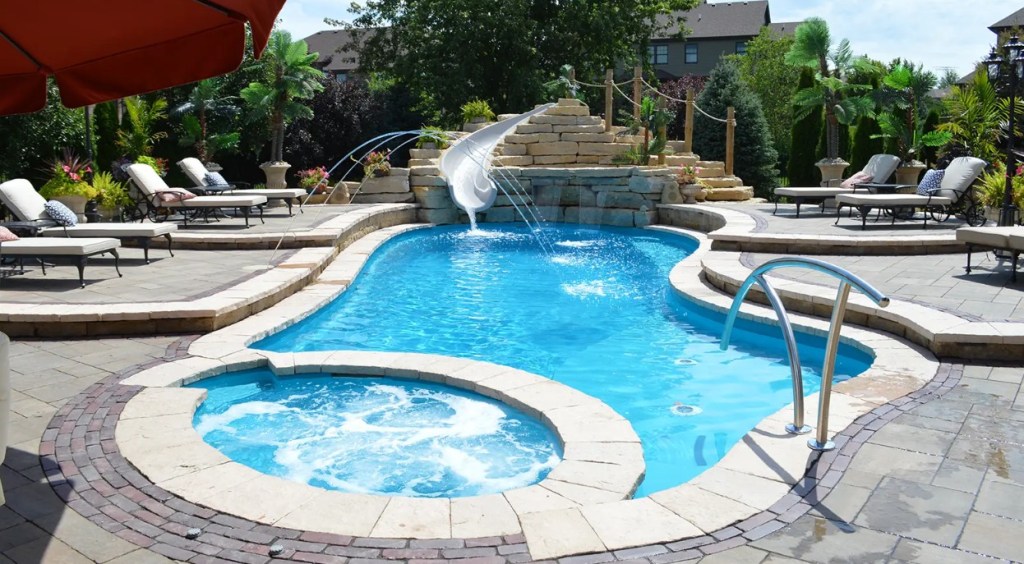
This specification outlines the standards and procedures for planning, designing, constructing, and maintaining swimming pools, incorporating structural, hydraulic, mechanical, and safety aspects.
2. Scope of Work
The work shall include:
- Site preparation and excavation
- Structural construction (RCC pool shell)
- Waterproofing
- Plumbing and filtration systems
- Pool finishes (tiles, coping)
- Deck and surrounding area development
- Electrical and lighting systems
- Safety equipment installation
- Testing, commissioning, and maintenance
3. Types of Swimming Pools
3.1 Based on Function
- Recreational pools
- Training/competition pools
- Children’s pools (shallow)
- Infinity/overflow pools
- Therapy pools
3.2 Based on Water Circulation System
- Skimmer Pool: Water collected through skimmers
- Overflow Pool: Water flows into overflow gutters for better hygiene
4. Site Selection and Planning
4.1 Site Considerations
- Adequate sunlight exposure
- Protection from strong winds
- Accessibility and visibility
- Proximity to changing rooms and utilities
4.2 Orientation
- Prefer north-south orientation to minimize glare
- Avoid shading from tall structures
4.3 Soil Investigation
- Soil bearing capacity testing
- Groundwater level assessment
- Necessary for foundation design
5. Design Specifications
5.1 Pool Dimensions
Standard Sizes
- Recreational pool: Variable (10–25 m length)
- Competition pool: 25 m or 50 m length
- Children’s pool depth: 0.3–0.75 m
5.2 Depth
- Shallow end: 0.9–1.2 m
- Deep end: 1.8–3.0 m
5.3 Freeboard
- Minimum 150–300 mm above deck level
5.4 Slope
- Gradual slope from shallow to deep end
- Typical slope: 1:10
6. Excavation and Subgrade Preparation
6.1 Excavation
- Excavation to required depth with allowance for base layers
- Side slopes maintained to prevent collapse
6.2 Subgrade Preparation
- Compaction of soil
- Sand layer (75–100 mm thick)
- PCC layer (100 mm thick, M10 grade)
7. Structural Construction (RCC Pool Shell)
7.1 Materials
- Concrete grade: Minimum M25
- Reinforcement steel: Fe500
7.2 Base Slab
- Thickness: 150–300 mm
- Reinforcement as per structural design
7.3 Walls
- Thickness: 200–300 mm
- Designed to resist water pressure and soil pressure
7.4 Construction Joints
- Proper sealing with water stops
- Avoid leakage
8. Waterproofing
8.1 Methods
- Integral waterproofing compounds in concrete
- Membrane waterproofing
- Cementitious coatings
8.2 Testing
- Water retention test for 7–14 days
- No leakage permitted
9. Pool Finishes
9.1 Tiles
- Anti-skid, non-porous ceramic or mosaic tiles
- Light-colored tiles preferred
9.2 Grouting
- Waterproof epoxy grout
9.3 Coping
- Rounded edges
- Non-slip finish
- Stone or precast concrete
10. Plumbing and Circulation System
10.1 Components
- Inlets and outlets
- Main drain
- Skimmers / overflow gutters
- Balance tank (for overflow pools)
10.2 Piping
- PVC/HDPE pipes
- Leak-proof joints
10.3 Turnover Rate
- Complete water circulation every 4–6 hours
11. Filtration System
11.1 Types
- Sand filters
- Cartridge filters
11.2 Pumps
- Energy-efficient pumps
- Proper sizing based on pool volume
11.3 Disinfection
- Chlorination system
- Automatic dosing preferred
12. Electrical and Lighting
12.1 Underwater Lighting
- LED lights (12V for safety)
- Waterproof fixtures
12.2 Deck Lighting
- Pathway and ambient lighting
12.3 Safety
- Proper earthing
- Use of circuit breakers
13. Deck and Surrounding Area
13.1 Decking Materials
- Anti-skid tiles
- Natural stone
- Concrete pavers
13.2 Slope
- Minimum slope away from pool (1–2%)
13.3 Drainage
- Surface drains around pool
14. Safety Features
14.1 Physical Safety
- Handrails and ladders (stainless steel)
- Depth markings
- Non-slip surfaces
14.2 Lifesaving Equipment
- Life buoys
- Rescue poles
- First aid kit
14.3 Fencing
- Mandatory for public pools
- Height: Minimum 1.2–1.5 m
15. Changing Rooms and Utilities
- Separate male and female changing rooms
- Showers and lockers
- Toilets
- Filtration plant room
16. Water Quality Standards
16.1 Parameters
- pH: 7.2–7.6
- Chlorine: 1–3 ppm
- Turbidity: Clear water
16.2 Testing
- Daily monitoring
- Automated systems preferred
17. Maintenance Guidelines
17.1 Daily Maintenance
- Skimming debris
- Checking chemical levels
17.2 Weekly Maintenance
- Backwashing filters
- Cleaning tiles
17.3 Periodic Maintenance
- Draining and refilling
- Structural inspection
18. Sustainability Considerations
18.1 Water Conservation
- Use of pool covers
- Recycling backwash water
18.2 Energy Efficiency
- Solar heating systems
- Energy-efficient pumps
18.3 Material Selection
- Eco-friendly materials
- Durable finishes
19. Quality Control
- Material testing (cement, steel, tiles)
- Inspection at each stage
- Compliance with IS codes
20. Cost Considerations
- Construction cost
- Equipment cost
- Operational and maintenance cost
21. Safety and Regulatory Compliance
- Compliance with local building codes
- Fire and electrical safety norms
- Public health standards
22. Conclusion
Swimming pool construction requires a multidisciplinary approach involving structural engineering, hydraulics, water treatment, and safety planning. A well-designed pool enhances user experience, ensures hygiene, and provides long-term functionality. Proper adherence to specifications ensures durability, efficiency, and safety.


 Track2Training
You must be logged in to post a comment.