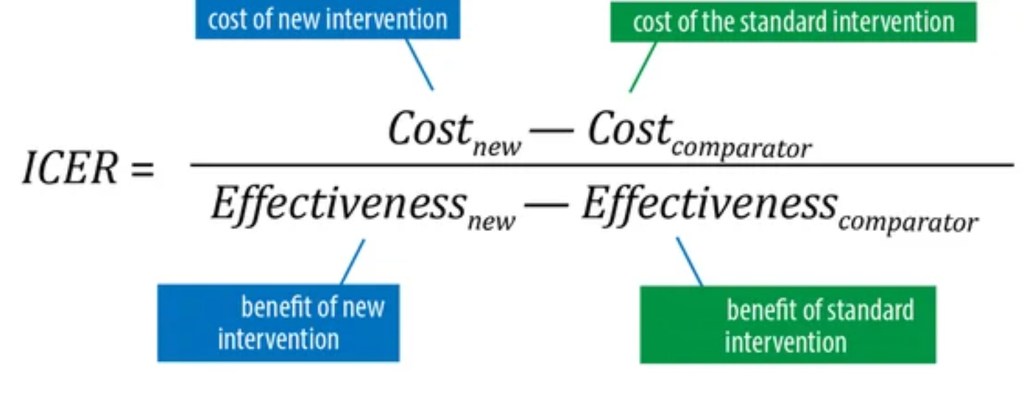
Incremental cost estimation is a critical financial and planning tool in architectural and infrastructure projects. It helps planners, architects, and decision-makers evaluate the additional cost incurred when a project is expanded, modified, or upgraded. Unlike total cost estimation, which considers the entire project cost, incremental costing focuses only on the marginal or additional costs associated with a specific change.
This concept is widely used in urban planning, transport infrastructure, housing projects, and building design, especially when evaluating alternatives, phasing, or design modifications.
1. Concept of Incremental Cost Estimation
Incremental cost refers to:
“The difference in total cost between two alternatives or between two levels of output or design.”
✔ Helps in rational decision-making ✔ Supports cost-benefit analysis ✔ Useful for phased development ✔ Enables efficient resource allocation ✔ Critical for policy and planning (TOD, smart cities)
9. Limitations
✖ Ignores sunk costs ✖ May not capture qualitative benefits (aesthetics, safety) ✖ Requires accurate baseline data ✖ Sensitive to assumptions
10. Practical Considerations
a. Inflation Adjustment
FutureCost=PresentCost×(1+r)n
b. Discounting (NPV)
NPV=∑(1+r)tBt−Ct
c. Contingency
Usually 5–10% of project cost
11. Conclusion
Incremental cost estimation is an indispensable tool in architectural planning and urban development. It provides a clear financial perspective on whether modifications, expansions, or technological upgrades are justified.
In modern planning contexts—especially Transit-Oriented Development (TOD), sustainable design, and smart infrastructure—incremental costing helps bridge the gap between economic feasibility and design innovation.
By integrating cost, benefits, and long-term impacts, architects and planners can make data-driven, sustainable, and efficient decisions, ensuring optimal use of resources while enhancing functionality and urban livability.
Urban mobility is undergoing a profound transformation, driven by rapid technological advancements and the growing urgency to address sustainability, congestion, and accessibility challenges. Intelligent Transport Systems (ITS), once confined to traffic management and control, have now evolved into complex, adaptive, and data-driven ecosystems that redefine how cities move. This transition is particularly significant in the Global South, where rapid urbanisation and infrastructure deficits demand innovative and scalable mobility solutions.
Recent scholarship has expanded the scope of ITS beyond operational efficiency to include behavioural insights, environmental sustainability, and integrated urban development. The work of Lodhi, Jaiswal, and Sharma (2023) underscores the expanding role of ITS in shaping contemporary transport systems through real-time data, automation, and system-wide optimisation. In parallel, emerging research highlights the importance of integrating ITS with Transit-Oriented Development (TOD), first-last mile connectivity, and inclusive transport policies to achieve holistic urban mobility outcomes.
This post explores the evolving landscape of ITS, examining key technological innovations, behavioural transformations, sustainability implications, and future trajectories in the context of smart and resilient cities.
Reframing ITS: From Infrastructure to Intelligence
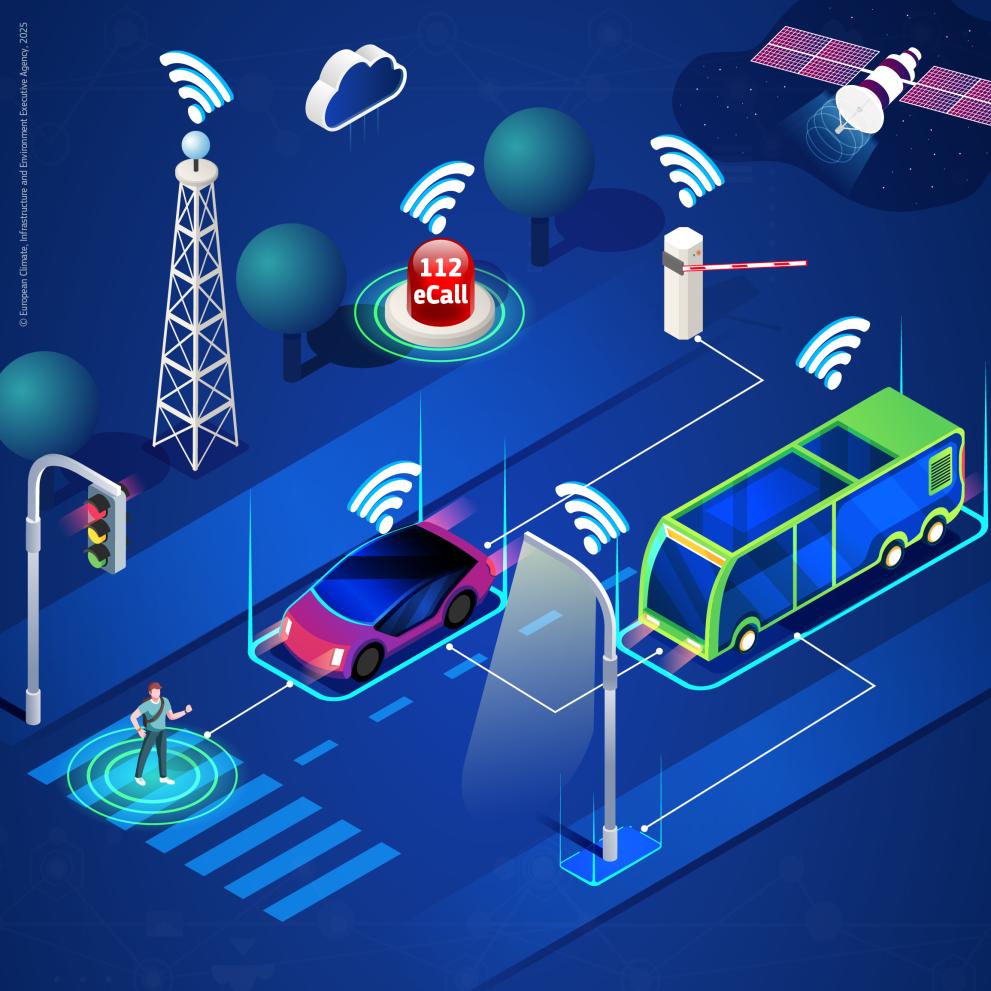
The traditional conception of transport systems as static physical infrastructure is being replaced by a dynamic, information-rich paradigm. ITS represents this shift by embedding intelligence into transport networks through sensors, communication technologies, and advanced analytics.
Earlier ITS applications focused on isolated functions such as traffic signal coordination and electronic tolling. However, contemporary systems operate as integrated platforms, enabling seamless interaction between vehicles, infrastructure, and users. Lodhi et al. (2023) argue that this transition is marked by the increasing use of real-time data streams, enabling adaptive responses to changing traffic conditions.
This transformation is also closely linked to the evolution of Land Use Transport Interaction (LUTI) frameworks. Sharma and Dehalwar (2025) note that modern LUTI models incorporate real-time data and behavioural variables, enabling planners to simulate complex urban dynamics with greater accuracy. As a result, ITS is no longer merely a tool for traffic management but a core component of urban planning and policy-making.
Artificial Intelligence and Predictive Mobility Systems
Artificial Intelligence (AI) has emerged as a cornerstone of modern ITS, enabling predictive and prescriptive analytics that enhance decision-making processes. AI-driven systems can analyse vast datasets to identify patterns, forecast demand, and optimise network performance.
Sharma and Dehalwar (2026) highlight the role of AI-based mobility modelling in developing intelligent transport infrastructure. These models integrate socio-demographic, environmental, and behavioural variables to provide nuanced insights into travel demand and mode choice. This represents a significant departure from traditional aggregate models, which often fail to capture the complexity of urban mobility.
In the domain of first and last mile connectivity, AI has facilitated the development of user-centric models that account for factors such as perceived safety, accessibility, and environmental conditions. Yadav, Dehalwar, and Sharma (2026) demonstrate that these factors significantly influence travel behaviour, particularly in TOD zones.
Furthermore, machine learning frameworks are increasingly being used to predict multimodal accessibility and optimise route selection. Such approaches not only improve system efficiency but also enhance user satisfaction by providing personalised mobility solutions (Yadav et al., 2026).
Digital Twins and the Virtualisation of Transport Systems
One of the most transformative developments in ITS is the emergence of Digital Twin technology, which enables the creation of real-time virtual replicas of transport systems. These digital models facilitate simulation, monitoring, and optimisation, providing valuable insights for planning and operations.
Sharma (2026) emphasises the role of Urban Spatial Digital Twins (USDT) in integrating transport systems with broader urban frameworks, particularly in the context of TOD. By simulating various scenarios, digital twins enable planners to assess the impacts of infrastructure investments, policy changes, and behavioural shifts.
In addition to urban planning, digital twins are increasingly being applied in logistics and autonomous vehicle systems. Sharma (2026) illustrates how digital twin-driven optimisation can enhance last-mile logistics by reducing delivery times, minimising costs, and lowering emissions.
Moreover, digital twins play a critical role in risk assessment and safety validation, particularly for autonomous vehicles. By simulating complex scenarios, these systems enable the identification of potential risks and the development of mitigation strategies, thereby enhancing system reliability and safety.
Sustainability and Environmental Implications
Sustainability is a central concern in contemporary transport planning, and ITS offers significant potential to reduce the environmental impact of urban mobility. By optimising traffic flow, reducing congestion, and promoting alternative modes of transport, ITS contributes to lower emissions and improved air quality.
Sharma (2025) highlights the role of generative AI and digital twins in enabling sustainable last-mile logistics. These technologies facilitate the adoption of electric vehicles and optimise delivery routes, thereby reducing energy consumption and emissions.
The integration of ITS with TOD principles further enhances its sustainability potential. Sharma, Kumar, and Dehalwar (2024) identify TOD as a key strategy for promoting compact, mixed-use development and reducing dependence on private vehicles. ITS supports these objectives by improving connectivity, enhancing public transport efficiency, and facilitating seamless multimodal integration.
Additionally, studies on bus user satisfaction (Lodhi et al., 2024) demonstrate that ITS applications such as real-time information systems and smart ticketing can significantly improve the attractiveness of public transport, encouraging modal shift and reducing reliance on private vehicles.
Safety, Risk Management, and Resilience
Safety remains a fundamental objective of transport systems, and ITS has introduced innovative approaches to enhance road safety and system resilience. Advanced technologies such as real-time monitoring, predictive analytics, and surrogate safety measures enable proactive risk management.
Sharma, Singh, and Dehalwar (2024) highlight the potential of surrogate safety analysis in identifying conflict points and preventing accidents. By leveraging ITS technologies, these approaches enable the early detection of safety risks and the implementation of targeted interventions.
Moreover, ITS enhances the resilience of transport systems by enabling rapid response to disruptions such as accidents, natural disasters, and infrastructure failures. The integration of real-time data and predictive analytics allows for dynamic rerouting and efficient resource allocation, minimising the impact of disruptions on system performance.
Inclusivity and Equity in Intelligent Mobility
While technological advancements have significantly improved transport efficiency, ensuring inclusivity and equity remains a critical challenge. ITS has the potential to address these issues by providing accessible and user-friendly mobility solutions for diverse population groups.
Sharma and Dehalwar (2025) emphasise the importance of inclusive transport policies, particularly for vulnerable groups such as senior citizens. ITS applications such as real-time information systems, accessible interfaces, and demand-responsive transport services can significantly enhance mobility for these groups.
The role of ITS in improving pedestrian safety is also noteworthy. Sharma and Dehalwar (2025) highlight the importance of integrating ITS with urban design interventions to create safer walking environments. This is particularly relevant in the context of TOD, where active travel modes play a crucial role in first and last mile connectivity.
Behavioural Insights and Travel Decision-Making
Understanding travel behaviour is essential for designing effective transport systems, and recent ITS developments have increasingly focused on behavioural dimensions. By incorporating behavioural data into modelling frameworks, ITS enables the development of more accurate and responsive systems.
Yadav et al. (2025, 2026) demonstrate that factors such as perceived safety, environmental quality, and accessibility significantly influence travel behaviour. These insights are further supported by Lalramsangi, Garg, and Sharma (2025), who highlight the importance of environmental determinants in route choice decisions.
The integration of behavioural insights into ITS facilitates the design of nudging strategies that encourage sustainable travel behaviour. For instance, real-time information on travel times and environmental impacts can influence mode choice decisions, promoting the use of public transport and active modes.
Challenges and the Road Ahead
Despite the transformative potential of ITS, several challenges must be addressed to ensure its successful implementation. These include issues related to data privacy, system interoperability, infrastructure costs, and institutional capacity.
In developing countries, these challenges are further compounded by fragmented governance structures and limited technical expertise. Sharma and Dehalwar (2025) emphasise the need for integrated planning frameworks that align transport systems with broader urban development goals.
Looking ahead, the future of ITS lies in the integration of emerging technologies such as Internet of Things (IoT), blockchain, and autonomous systems. The development of agentic AI systems, capable of autonomous decision-making, represents a significant frontier in ITS research.
Furthermore, the convergence of ITS with digital twins, AI, and behavioural analytics will enable the creation of adaptive, resilient, and user-centric transport systems, capable of addressing the complex challenges of urban mobility.
Conclusion
The ongoing transformation of Intelligent Transport Systems reflects a broader shift toward data-driven, sustainable, and inclusive urban mobility. By integrating advanced technologies with behavioural insights and urban planning frameworks, ITS has the potential to revolutionise transport systems and improve the quality of life in cities.
From AI-driven mobility modelling and digital twins to sustainable logistics and inclusive transport policies, recent developments in ITS highlight the importance of a holistic approach to transport planning. As cities continue to evolve, the role of ITS will become increasingly critical in shaping the future of urban mobility, ensuring that transport systems are not only efficient but also equitable and sustainable.
References
Lodhi, A. S., Jaiswal, A., & Sharma, S. N. (2023). An investigation into the recent developments in intelligent transport system. In Proceedings of the Eastern Asia Society for Transportation Studies (Vol. 14).
Yadav, K., Dehalwar, K. & Sharma, S.N. Exploring the environmental determinants of mode choice in first and last mile connectivity: evidence from a systematic review. Innov. Infrastruct. Solut. 11, 204 (2026). https://doi.org/10.1007/s41062-026-02614-0
Sharma, S. N., & Dehalwar, K. (2026). Urban spatial digital twin in sustainability spur economic growth in transit-oriented development-based development. In Tenable engineering for a sustainable future (1st ed.). Elsevier. https://doi.org/10.26643/9780443405761-9
Lalramsangi, V., Garg, Y. K., & Sharma, S. N. (2025). Route choices to access public open spaces in hill cities. Environment and Urbanization ASIA, 16(2), 283–299. https://doi.org/10.1177/09754253251388721
Lodhi, A. S., Jaiswal, A., & Sharma, S. N. (2024). Assessing bus users’ satisfaction using discrete choice models: A case of Bhopal. Innovative Infrastructure Solutions, 9(11), 437. https://doi.org/10.1007/s41062-024-01652-w
Sharma, S. N. (2026). Urban spatial digital twin (USDT) in sustainability to spur economic growth for TOD-based development. In D. S.-K. Ting & N. P. Awazi (Eds.), Tenable engineering for a sustainable future: Integrating SDGs and natural resource utilization (1st ed.). Elsevier. https://shop.elsevier.com/books/tenable-engineering-for-a-sustainable-future/ting/978-0-443-40576-1Sharma, S. N. (2025). Generative AI and Digital Twins for Sustainable Last-Mile Logistics: Enabling Green Operations and Electric Vehicle Integration. In A. Awad & D. Al Ahmari (Eds.), Accelerating Logistics Through Generative AI, Digital Twins, and Autonomous Operations (pp. 183-216). IGI Global Scientific Publishing. https://doi.org/10.4018/979-8-3373-7006-4.ch007
Sharma, S. N., & Dehalwar, K. (2026). Advances in AI-based mobility modelling: Toward intelligent transport infrastructure in smart cities. In S. Ahmad, S. Jha, & M. A. Haque (Eds.), AI-based data mobility and intelligent modeling for smart cities. IGI Global Scientific Publishing. https://doi.org/10.4018/979-8-3373-4202-3
Sharma, S. N. (2026). Urban last-mile logistics and environmental sustainability: Green logistics and electric vehicle adoption. In R. Masengu & D. C. Jaravaza (Eds.), Sustainable last-mile logistics: Challenges, innovations, and policy perspectives. IGI Global Scientific Publishing. https://doi.org/10.4018/979-8-3373-7128-3
Sharma, S. N., & Dehalwar, K. (2025). A systematic literature review of pedestrian safety in urban transport systems. Journal of Road Safety, 36(4), 55–78. https://doi.org/10.33492/JRS-D-25-4-2707507
Sharma, S. N., & Dehalwar, K. (2025). A systematic literature review of transit-oriented development to assess its role in economic development of cities. Transportation in Developing Economies, 11(2), 23. https://doi.org/10.1007/s40890-025-00245-1
Sharma, S. N., & Dehalwar, K. (2025). Examining the inclusivity of India’s National Urban Transport Policy for senior citizens. In D. S.-K. Ting & J. A. Stagner (Eds.), Transforming healthcare infrastructure (1st ed., pp. 115–134). CRC Press. https://doi.org/10.1201/9781003513834-5
Sharma, S. N., & Dehawar, K. (2025). Review of land use transportation interaction model in smart urban growth management. European Transport / Trasporti Europei, 103, 1–15. https://doi.org/10.5281/zenodo.17315313
Sharma, S. N., Kumar, A., & Dehalwar, K. (2024). The precursors of transit-oriented development. Economic and Political Weekly, 59(14), 16–20. https://doi.org/10.5281/zenodo.10939448
Sharma, S. N., Singh, D., & Dehalwar, K. (2024). Surrogate safety analysis: Leveraging advanced technologies for safer roads. Suranaree Journal of Science and Technology, 31(4), 010320(1–14). https://doi.org/10.55766/sujst-2024-04-e03837
Yadav, K., Dehalwar, K., & Sharma, S. N. (2025). Assessing the factors affecting first and last mile accessibility in transit-oriented development: A literature review. GeoJournal, 90, 298. https://doi.org/10.1007/s10708-025-11546-8
Yadav, K., Dehalwar, K., Sharma, S. N., & Yadav, S. (2025). Understanding user satisfaction in last-mile connectivity under transit-oriented development in Tier 2 Indian cities: A climate-sensitive perspective. IOP Conference Series: Earth and Environmental Science.1579, 012006. https://doi.org/10.1088/1755-1315/1579/1/012006 Yadav, K., Dehalwar, K. & Sharma, S.N. A user-centric machine learning framework for predicting multi-modal accessibility in transit-oriented development zones for sustainable urban construction in tier-2 Indian cities. Asian J Civ Eng (2026). https://doi.org/10.1007/s42107-025-01625-z
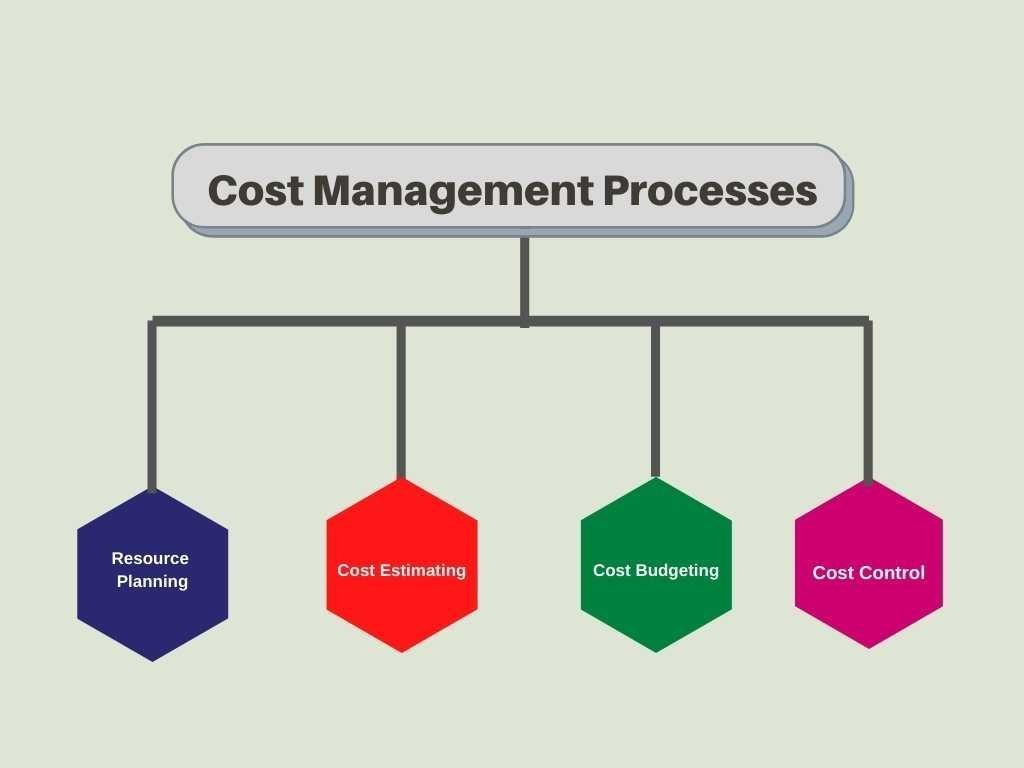
Development works refer to the provision of essential infrastructure and services required to make land usable for urban activities. These include roads, drainage, water supply, sewerage, electricity, landscaping, and social infrastructure. Costing of development works is a crucial step in project planning, as it determines financial feasibility, supports budgeting, and ensures efficient resource allocation.
The costing procedure involves estimating quantities, determining unit rates, and calculating total costs while considering site conditions, design standards, and regulatory requirements.
2. Objectives of Costing Development Works
To determine total development cost of a project
To prepare Detailed Project Reports (DPRs)
To support financial planning and budgeting
To assist in tendering and contract management
To ensure cost control during execution
To evaluate alternative development options
3. Components of Development Works
3.1 Site Preparation
Land clearing
Grading and leveling
Earthwork
3.2 Road Infrastructure
Internal roads
Pavements
Parking areas
3.3 Water Supply System
Pipelines
Storage tanks
Pumping systems
3.4 Sewerage System
Sewer lines
Manholes
Treatment systems
3.5 Storm Water Drainage
Surface drains
Culverts
3.6 Electrical Infrastructure
Street lighting
Power distribution
3.7 Landscaping and Open Spaces
Parks
Green belts
Plantation
3.8 Social Infrastructure
Schools
Community centers
Health facilities
4. Types of Cost Estimates
4.1 Preliminary Estimate
Based on per hectare or per acre development cost
Used at planning stage
4.2 Detailed Estimate
Based on item-wise quantities and rates
Used for DPR and execution
4.3 Revised Estimate
Prepared when costs exceed initial estimate
4.4 Supplementary Estimate
For additional works
5. Costing Procedure (Step-by-Step)
Step 1: Define Project Scope
Identify type of development (residential, commercial, TOD, etc.)
Determine infrastructure requirements
Step 2: Site Analysis
Topography
Soil conditions
Existing infrastructure
Accessibility
Step 3: Preparation of Layout Plan
Road network
Plot division
Utility corridors
Step 4: Quantity Estimation
Calculate quantities for each component:
Earthwork (m³)
Roads (m²)
Pipelines (m)
Structures (m³)
Step 5: Rate Analysis
Determine unit rates for each item:
Material cost
Labor cost
Equipment cost
Transportation cost
Overheads and profit
Step 6: Preparation of BOQ (Bill of Quantities)
List all items with:
Description
Quantity
Unit rate
Total cost
Step 7: Cost Calculation
Total Cost=∑(Quantity×Rate)
Step 8: Add Indirect Costs
Supervision charges
Administrative expenses
Contingencies (3–5%)
Step 9: Add Taxes and Charges
GST
Development charges
Approval fees
Step 10: Final Cost Estimation
Final Cost=Direct Cost+Indirect Cost+Taxes
6. Example Cost Estimation
Given
Area: 1 hectare
Development cost: ₹2 crore/hectare
Cost Breakdown
Component
Percentage
Cost (₹)
Roads
25%
50,00,000
Water supply
15%
30,00,000
Sewerage
20%
40,00,000
Drainage
10%
20,00,000
Electrical
10%
20,00,000
Landscaping
10%
20,00,000
Miscellaneous
10%
20,00,000
Total
100%
₹2,00,00,000
7. Determination of Rates
7.1 Sources of Rates
CPWD Schedule of Rates
State PWD SOR
Market rates
Previous project data
7.2 Rate Components
Material cost
Labor wages
Equipment usage
Transportation
Contractor profit (10–15%)
8. Factors Affecting Development Cost
8.1 Location
Urban vs rural
Land value
8.2 Site Conditions
Soil type
Terrain
8.3 Infrastructure Level
Basic vs advanced services
8.4 Design Standards
Road width
Service levels
8.5 Market Conditions
Material and labor cost fluctuations
9. Cost Optimization Techniques
Efficient layout planning
Use of local materials
Integrated infrastructure planning
Value engineering
10. Role in Urban Planning and TOD
Supports high-density development
Ensures efficient infrastructure provision
Enables value capture financing (VCF)
Improves accessibility and livability
11. Challenges in Costing
Uncertain price variations
Incomplete data
Delays in approvals
Scope changes
12. Sustainability Considerations
Green infrastructure
Rainwater harvesting
Energy-efficient systems
Low-impact development
13. Conclusion
The costing procedure for development works is a systematic process that integrates engineering, economic, and planning principles. Accurate estimation ensures financial feasibility, efficient infrastructure delivery, and sustainable urban growth. By adopting standardized methods and modern techniques, planners and engineers can optimize costs while maintaining quality and performance.
Gender dynamics have become a central focus in development planning, reflecting a broader recognition of the significant influence gender plays in shaping societal structures, opportunities, and outcomes. The intertwined concepts of gender and development, gender and sex, gender sensitivity, and their impact on development planning are critical to fostering inclusive and sustainable growth.
Gender and development refer to the relationship between gender equality and sustainable development. It acknowledges the diverse roles, responsibilities, and experiences of individuals based on their gender identity within socio-economic contexts. Development initiatives that fail to address gender disparities often perpetuate inequalities, hindering progress.
Gender and Sex: Deconstructing the Binary
While often used interchangeably, gender and sex represent distinct concepts. Sex typically refers to biological attributes such as anatomy and physiology, categorized as male, female, or intersex. In contrast, gender encompasses the roles, behaviors, expectations, and identities that society constructs around individuals based on their perceived sex. Understanding the fluidity and complexity of gender is crucial for addressing discrimination and promoting inclusivity.
Gender Sensitivity: A Lens for Inclusivity
Gender sensitivity involves recognizing, understanding, and responding to the diverse needs, experiences, and perspectives of individuals based on their gender identity. It necessitates challenging stereotypes, biases, and power imbalances embedded within societal structures. By adopting a gender-sensitive approach, development planners can design interventions that empower marginalized groups, promote equitable access to resources, and foster social cohesion.
Gender and Development Planning: Integrating Perspectives
Development planning involves the formulation, implementation, and evaluation of policies, programs, and projects aimed at achieving sustainable development goals. Gender mainstreaming, the integration of gender perspectives into all stages of planning processes, is essential for addressing gender inequalities effectively. This requires conducting gender analysis to identify differential impacts, engaging stakeholders from diverse backgrounds, and ensuring equitable participation and representation.
Examining Gender-Related Issues in Planning
Gender-related issues manifest across various dimensions of development planning:
Economic Empowerment: Women often face barriers to accessing economic opportunities, including limited access to education, financial services, and property rights. Development planning should prioritize initiatives that promote women’s entrepreneurship, vocational training, and employment in non-traditional sectors.
Education and Health: Gender disparities persist in education and healthcare, with women and girls facing obstacles such as early marriage, lack of reproductive health services, and cultural norms prioritizing male education. Development planners must prioritize investments in girls’ education, reproductive healthcare, and gender-responsive health programs to ensure equitable access to essential services.
Political Participation: Women are underrepresented in political decision-making processes, limiting their ability to influence policy outcomes and advocate for their rights. Development planning should promote gender-balanced representation in leadership positions, implement quotas or affirmative action measures, and provide training on gender-sensitive governance practices.
Social Norms and Cultural Practices: Harmful gender norms and cultural practices perpetuate inequalities and discrimination, particularly affecting marginalized groups such as LGBTQ+ individuals and indigenous communities. Development planners should engage communities in dialogue, awareness-raising, and capacity-building activities to challenge discriminatory beliefs and promote gender equality.
Violence and Security: Gender-based violence remains a pervasive issue globally, undermining individuals’ safety, dignity, and well-being. Development planning should prioritize strategies for preventing and responding to violence, including legal reforms, support services for survivors, and community-based initiatives that challenge harmful attitudes and behaviors.
In conclusion, integrating gender perspectives into development planning is essential for promoting inclusive, equitable, and sustainable development outcomes. By addressing gender disparities and promoting gender equality, development planners can contribute to building a more just and prosperous society for all.
References
Chant, S. (1991). Gender, migration and urban development in Costa Rica: The case of Guanacaste. Geoforum, 22(3), 237-253.
Ghannam, F. (2013). Live and die like a man: Gender dynamics in urban Egypt. Stanford University Press.
Harris, M. T., Laks, J., Stahl, N., Bagley, S. M., Saia, K., & Wechsberg, W. M. (2022). Gender dynamics in substance use and treatment: a women’s focused approach. Medical Clinics, 106(1), 219-234.
Lind, A. (1997). Gender, development and urban social change: Women’s community action in global cities. World Development, 25(8), 1205-1223.
Thomas-Hunt, M. C., & Phillips, K. W. (2004). When what you know is not enough: Expertise and gender dynamics in task groups. Personality and Social Psychology Bulletin, 30(12), 1585-1598.
Sharma, S. N. The Complex Reality of Delhi’s Slums: A Closer Look at Urban Informality.
Sharma, S.N., Kumar, A., & Dehalwar, K. (2024). The Precursors of Transit-oriented Development. Economic and Political Weekly, 59(14), 16–20. https://doi.org/10.5281/zenodo.10939448







 Track2Training
You must be logged in to post a comment.