เค†เคœ เคนเคฎ เคตเคฟเคคเคพเคจ เคชเฅเคธเฅเคคเคฟเค•เคพ เค•เคพ เคคเฅ€เคธเคฐเคพ เค…เคงเฅเคฏเคพเคฏ เค•เคฐเฅ‡เค‚เค—เฅ‡ – เค†เคฒเฅ‹ เค†เคงเคพเคฐเคฟ |

เคชเฅเคฐเคถเฅเคจ เคชเคพเค เฅ เค•เฅ‡ เค•เคฟเคจ เค…เค‚เคถเค“ เคธเฅ‡ เคธเคฎเคพเคœ เค•เฅ€ เคฏเคน เคธเคšเฅเคšเคพเคˆ เค‰เคœเคพเค—เคฐ เคนเฅ‹เคคเฅ€ เคนเฅˆ เค•เคฟ เคชเฅเคฐเฅเคท เค•เฅ‡ เคฌเคฟเคจเคพ
เคธเฅเคคเฅเคฐเฅ€ เค•เคพ เค•เฅ‹เคˆ เค…เคธเฅเคคเคฟเคคเฅเคต เคจเคนเฅ€เค‚ เคนเฅˆ เค•เฅเคฏเคพ เคตเคฐเฅเคคเคฎเคพเคจ เคธเคฎเคฏ เคฎเฅ‡เค‚ เคธเฅเคคเฅเคฐเคฟเคฏเฅ‹เค‚ เค•เฅ€ เค‡เคธ เคธเคพเคฎเคพเคœเคฟเค• เคธเฅเคฅเคฟเคคเคฟ เคฎเฅ‡เค‚
เค•เฅ‹เคˆ เคชเคฐเคฟเคตเคฐเฅเคคเคจ เค†เคฏเคพ เคนเฅˆ ? เคคเคฐเฅเค• เคธเคนเคฟเคค เค‰เคคเฅเคคเคฐ เคฆเฅ€เคœเคฟเค |
เค‰เคคเฅเคคเคฐ –
เค†เคฒเฅ‹ เค†เคงเคพเคฐ เคชเคพเค  เคฎเฅ‡เค‚ เค•เคˆ เคธเฅเคฅเคฒเฅ‹เค‚ เคชเคฐ เค‡เคธ เค“เคฐ เคธเค‚เค•เฅ‡เคค เค•เคฟเคฏเคพ เค—เคฏเคพ เคนเฅˆ เค•เคฟ เคญเคพเคฐเคคเฅ€เคฏ เคธเคฎเคพเคœ เคฎเฅ‡เค‚ เคชเฅเคฐเฅเคท
เค•เฅ‡ เคฌเคฟเคจเคพ เคธเฅเคคเฅเคฐเฅ€ เค•เคพ เค•เฅ‹เคˆ เค…เคธเฅเคคเคฟเคคเฅเคต เคจเคนเฅ€เค‚ เคนเฅˆ | เคฒเฅ‡เค–เคฟเค•เคพ เคฌเฅ‡เคฌเฅ€ เคนเคพเคฒเคฆเคพเคฐ เค•เฅ‹ เคชเฅเคฐเฅเคท เค•เฅ‡ เคธเคนเคพเคฐเฅ‡ เค•เฅ‡ เคฌเคฟเคจเคพ
เค…เคชเคจเคพ เคœเฅ€เคตเคจ เคฏเคพเคชเคจ เค•เฅ‡ เคฒเคฟเค เค•เคพเคซเฅ€ เคธเค‚เค˜เคฐเฅเคท เค•เคฐเคจเคพ เคชเคกเคผเคพ เค•เคพเคฎ เคขเฅ‚เค‚เคขเคจเคพ เคฎเค•เคพเคจ เค•เฅ€ เคคเคฒเคพเคถ เค•เคฐเคจเคพ
เค”เคฐ เคฒเฅ‹เค—เฅ‹เค‚ เค•เฅ€ เค—เค‚เคฆเฅ€ เคจเคœเคฐเฅ‹เค‚ เค•เคพ เคธเคพเคฎเคจเคพ เค•เคฐเคจเคพ เคเคธเฅ‡ เคนเฅ€ เคธเค‚เค˜เคฐเฅเคท เคนเฅˆ | เคชเฅเคฐเฅเคท เค•เฅ‡ เคฌเคฟเคจเคพ เคธเฅเคคเฅเคฐเฅ€ เค•เฅ‡ เคœเฅ€เคตเคจ
เคฎเฅ‡เค‚ เค…เคจเฅ‡เค• เคธเคฎเคธเฅเคฏเคพเคเค‚ เค†เคคเฅ€ เคนเฅˆเค‚ | เค†เคธเคชเคพเคธ เค•เฅ‡ เคฒเฅ‹เค— เค‰เคจเคธเฅ‡ เคชเฅ‚เค›เคคเฅ‡ เคนเฅˆเค‚ เคคเฅเคฎเฅเคนเคพเคฐเคพ เคธเฅเคตเคพเคฎเฅ€ เค•เคนเคพเค‚ เคนเฅˆ | เคคเฅเคฎ
เค•เคฟเคคเคจเฅ‡ เคฆเคฟเคจ เคธเฅ‡ เคฏเคนเคพเค‚ เคฐเคนเคพ เคนเฅ‹ |เคคเฅเคฎ เค…เคชเคจเฅ‡ เคธเฅเคตเคพเคฎเฅ€ เค•เฅ‡ เคชเคพเคธ เค•เฅเคฏเฅ‹เค‚ เคจเคนเฅ€เค‚ เคœเคพเคคเฅ€ เคนเฅ‹ |

เค•เคฟเคธเฅ€ เคฆเคฟเคจ เค˜เคฐ เคชเคนเฅเค‚เคšเคคเฅ‡ เคตเค•เฅเคค เคฆเฅ‡เคฐเฅ€ เคนเฅ‹ เคœเคพเค เคคเฅ‹ เคฎเค•เคพเคจ เคฎเคพเคฒเคฟเค• เคธเฅเคคเฅเคฐเฅ€ เคชเฅ‚เค›เคคเฅ€ เคนเฅˆ | เค‡เคคเคจเฅ€ เคฆเฅ‡เคฐ เค•เคนเคพเค‚
เคฐเคน เค—เคˆ | เค•เคนเคพเค‚ เคœเคพเคคเฅ€ เคนเฅˆ เคฐเฅ‹เคœ-เคฐเฅ‹เคœ | เคคเฅ‚ เค…เค•เฅ‡เคฒเฅ€ เคนเฅˆ | เคคเฅเคเฅ‡ เค‡เคจ เคฌเคพเคคเฅ‹เค‚ เค•เคพ เคงเฅเคฏเคพเคจ เคฐเค–เคจเคพ เคšเคพเคนเคฟเค
เคตเค—เฅˆเคฐเคพ-เคตเค—เฅˆเคฐเคพ เคตเคฐเฅเคคเคฎเคพเคจ เคธเคฎเคฏ เคฎเฅ‡เค‚ เคธเฅเคคเฅเคฐเคฟเคฏเฅ‹เค‚ เค•เฅ€ เคธเคพเคฎเคพเคœเคฟเค• เคธเฅเคฅเคฟเคคเคฟ เคฎเฅ‡เค‚ เค•เคพเคซเฅ€ เคฌเคฆเคฒเคพเคต เค†เคฏเคพ เคนเฅˆ | เคธเฅเคคเฅเคฐเฅ€
เคฏเคพ เคชเฅเคฐเฅเคท เค•เฅ‡ เคฌเคฟเคจเคพ เคธเฅเคตเคคเค‚เคคเฅเคฐ เคฐเฅ‚เคช เคธเฅ‡ เคฐเคน เคฐเคนเฅ€ เคนเฅˆ | เค…เคจเฅ‡เค• เคชเฅเคฐเค•เคพเคฐ เค•เฅ‡ เค•เคพเคฐเฅเคฏ เค•เคฐเค•เฅ‡ เค…เคชเคจเคพ เคœเฅ€เคตเคจ เคฏเคพเคชเคจ
เค•เคฐ เคฐเคนเฅ‡ เคนเฅˆเค‚ | เคนเคฐ เค•เฅเคทเฅ‡เคคเฅเคฐ เคฎเฅ‡เค‚ เคชเฅเคฐเฅเคท เค•เฅ€ เคฌเคฐเคพเคฌเคฐเฅ€ เค•เคฐ เคฐเคนเฅ‡ เคนเฅˆเค‚ | เค‰เคจเฅเคนเฅ‡เค‚ เคธเคฎเคพเคœ เคฎเฅ‡เค‚ เคญเฅ€ เคธเคฎเฅเคฎเคพเคจ เค•เฅ€ เคฆเฅƒเคทเฅเคŸเคฟ เคธเฅ‡
เคนเฅ€ เคฆเฅ‡เค–เคพ เคœเคพเคคเคพ เคนเฅˆ | เค•เฅเค› เค…เคธเคพเคฎเคพเคœเคฟเค• เคคเคคเฅเคต เคธเฅเคคเฅเคฐเฅ€ เค•เฅ‡ เค…เค•เฅ‡เคฒเฅ‡เคชเคจ เค•เคพ เค…เคจเฅเคšเคฟเคค เคฒเคพเคญ เค‰เค เคพเคจเคพ เคšเคพเคนเคคเฅ‡
เคนเฅˆเค‚ | เค‡เคธเคฒเคฟเค เคธเคฐเค•เคพเคฐ เค•เฅ‹ เค…เค•เฅ‡เคฒเฅ€ เคฐเคนเคจเฅ‡ เคตเคพเคฒเฅ€ เคฎเคนเคฟเคฒเคพเค“เค‚ เค•เฅ€ เคธเฅเคฐเค•เฅเคทเคพ เค•เฅ‡ เคฒเคฟเค เคฎเคนเคฟเคฒเคพ เค†เคถเฅเคฐเคฎ
เค”เคฐ เคฎเคนเคฟเคฒเคพ เค†เคตเคพเคธ ย เค˜เคฐเฅ‹เค‚ เค•เคพ เคจเคฟเคฐเฅเคฎเคพเคฃ เค•เคฐเคจเคพ เคšเคพเคนเคฟเค | เคตเคน เคฐเคพเคœเคจเฅ€เคคเคฟ เค•เคพ เค•เฅเคทเฅ‡เคคเฅเคฐ เคนเฅ‹ เคฏเคพ เค–เฅ‡เคฒ
เค•เคพ เคฎเฅˆเคฆเคพเคจ เคนเฅ‹ เคธเฅเคคเฅเคฐเคฟเคฏเฅ‹เค‚ เคจเฅ‡ เคนเคฐ เคœเค—เคน เค…เคชเคจเฅ€ เคธเฅเคฅเคฟเคคเคฟ เคฎเคœเคฌเฅ‚เคค เค•เคฐ เคฒเฅ€ เคนเฅˆ |

เคชเฅเคฐเคถเฅเคจ – ย เค…เคชเคจเฅ‡ เคชเคฐเคฟเคตเคพเคฐ เคธเฅ‡ เคคเคพเคคเฅเคถ เค•เฅ‡ เค˜เคฐ เคคเค• เค•เฅ‡ ย เคธเคซเคผเคฐ เคฎเฅˆเค‚ เคฌเฅ‡เคฌเฅ€ เค•เฅ‡ เคธเคพเคฎเคจเฅ‡ เคฐเคฟเคถเฅเคคเฅ‹เค‚ เค•เฅ€ เค•เฅŒเคจ
เคธเฅ€ เคธเคšเฅเคšเคพเคˆ เค‰เคœเคพเค—เคฐ เคนเฅ‹เคคเฅ€ เคนเฅˆ?
เค‰เคคเฅเคคเคฐ –
เค‡เคธ เคธเคซเคฐ เคฎเฅ‡เค‚ เคฌเฅ‡เคฌเฅ€ เคจเฅ‡ เคœเคพเคจ เคฒเคฟเคฏเคพ เค•เคฟ เคฐเคฟเคถเฅเคคเฅ‡ เคฆเคฟเคฒเฅ‹เค‚ เคธเฅ‡ เคฌเคจเคคเฅ‡ เคนเฅˆเค‚ | เคคเคพเคคเฅเคถ เค‰เคธเฅ‡ เคฆเคฟเคฒ เคธเฅ‡ เคšเคพเคนเคคเฅ‡ เคฅเฅ‡ |
เค‰เคจเฅเคนเฅ‹เค‚เคจเฅ‡ เค‰เคธเฅ‡ เคฌเฅ‡เคŸเฅ€ เคฌเคจเคพเค•เคฐ เคฐเค–เคพ เคฅเคพ |เค•เคฟเคธเฅ€ เคšเฅ€เคœ เค•เฅ€ เค•เคฎเฅ€ เคจเคนเฅ€เค‚ เคนเฅ‹เคจเฅ‡ เคฆเฅ€ | เค‡เคธ เค˜เคฐ เคฎเฅ‡เค‚ เค†เคจเฅ‡ เคธเฅ‡
เคชเคนเคฒเฅ‡ เค‰เคธเฅ‡ เคฌเคนเฅเคค เคธเคพเคฐเฅ€ เค•เค เคฟเคจเคพเค‡เคฏเฅ‹เค‚ เค•เคพ เคธเคพเคฎเคจเคพ เค•เคฐเคจเคพ เคชเคกเคผเคพ | เค‰เคธเค•เฅ‡ เคฎเคพเคคเคพ เคชเคฟเคคเคพ เคญเคพเคˆ เคฌเค‚เคงเฅ เค†เคฆเคฟ
เคธเคฌเค•เฅ‹ เคชเคคเคพ เคฅเคพ เค•เคฟ เคตเคน เคชเคคเคฟ เคธเฅ‡ เค…เคฒเค— เคนเฅ‹เค•เคฐ เค…เคชเคจเฅ‡ เคฌเคšเฅเคšเฅ‹เค‚ เค•เฅ‡ เคธเคพเคฅ เค…เค•เฅ‡เคฒเฅ€ เคฐเคน เคฐเคนเฅ€ เคนเฅˆ | เค•เฅ‹เคˆ
เคญเฅ€ เค‰เคธเค•เฅ€ เคธเคนเคพเคฏเคคเคพ เค”เคฐ เคนเคพเคฒเคšเคพเคฒ เคชเฅ‚เค›เคจเฅ‡ เคจเคนเฅ€เค‚ เค†เคฏเคพ | เค‰เคธเฅ‡ เค…เคชเคจเฅ€ เคฎเคพเค‚ เค•เฅ€ เคฎเฅƒเคคเฅเคฏเฅ เค•เคพ เคธเคฎเคพเคšเคพเคฐ
เคญเฅ€ 7 เคฎเคนเฅ€เคจเฅ‡ เค•เฅ‡ เคฌเคพเคฆ เคชเคคเคพ เคšเคฒเคพ เค‰เคธเค•เคพ เค˜เคฐ เคคเฅ‹เคกเคผ เคฆเคฟเคฏเคพ เค—เคฏเคพ | เคตเคน เคฐเคพเคค เคญเคฐ เคฌเคšเฅเคšเฅ‹เค‚ เค•เฅ‡ เคธเคพเคฅ
เค–เฅเคฒเฅ‡ เค†เคธเคฎเคพเคจ เคฎเฅ‡เค‚ เคเค• เคชเคฐเคฟเคšเคฟเคค เคญเฅ‹เคฒเคพ เคฆเคพ เค•เฅ‡ เคธเคพเคฅ เคฌเฅˆเค เฅ€ เคฐเคนเฅ€ | เคชเคพเคธ เคนเฅ€ เค‰เคธเค•เฅ‡ เคฆเฅ‹ เคญเคพเคˆ เคฐเคนเคคเฅ‡
เคฅเฅ‡ | เคชเคฐเค‚เคคเฅ เค‰เคจเฅเคนเฅ‹เค‚เคจเฅ‡ เค‰เคธเค•เฅ€ เค–เคฌเคฐ เค–เฅ‹เคœ เคจเคนเฅ€เค‚ เคฒเฅ€ | เค‰เคธเค•เฅ‡ เคธเคพเคฎเคจเฅ‡ เคธเคญเฅ€ เคฐเคฟเคถเฅเคคเฅ‹เค‚ เค•เฅ€ เคชเฅ‹เคฒ เค–เฅเคฒเคคเฅ€
เค—เคˆ เคธเคญเฅ€ เคธเค‚เคฌเค‚เคง เคตเฅเคฏเคฐเฅเคฅ เคนเฅ€ เคฒเค—เคคเฅ‡ เค—เค เค‰เคธเค•เฅ€ เคธเคนเคพเคฏเคคเคพ เค…เคจเคœเคพเคจ เคฒเฅ‹เค—เฅ‹เค‚ เคฎเฅ‡เค‚ เคธเฅ‡ เคธเฅเคจเฅ€เคฒ เคกเฅเคฐเคพเค‡เคตเคฐ,
เคคเคพเคคเฅเคถ เค”เคฐ เคญเฅ‹เคฒเคพ ย เคฆเคพ เคจเฅ‡ เค•เฅ€ เค”เคฐเคคเฅ‹เค‚ เคจเฅ‡ เคญเฅ€ เค‰เคธเค•เคพ เคฆเคฐเฅเคฆ เค•เคฎ เคนเฅ€ เคธเคฎเคเคพ | เคนเคฐ เค†เคฆเคฎเฅ€ เค‰เคธเค•เฅ€
เคฎเคœเคฌเฅ‚เคฐเฅ€ เค•เคพ เคซเคพเคฏเคฆเคพ เค‰เค เคพเคจเคพ เคšเคพเคนเคคเคพ เคฅเคพ |

เคชเฅเคฐเคถเฅเคจ – เค‡เคธ เคชเคพเค  เคธเฅ‡ เค˜เคฐเฅ‹เค‚ เคฎเฅ‡เค‚ เค•เคพเคฎ เค•เคฐเคจเฅ‡ เคตเคพเคฒเฅ‹เค‚ เค•เฅ‡ เคœเฅ€เคตเคจ เค•เฅ€ เคœเคŸเคฟเคฒเคคเคพเค“เค‚ เค•เคพ เคชเคคเคพ เคšเคฒเคคเคพ
เคนเฅˆ เค˜เคฐเฅ‡เคฒเฅ‚ เคจเฅŒเค•เคฐเฅ‹เค‚ เค•เฅ‹ เค”เคฐ เค•เคฟเคจ เคธเคฎเคธเฅเคฏเคพเค“เค‚ เค•เคพ เคธเคพเคฎเคจเคพ เค•เคฐเคจเคพ เคชเคกเคผเคคเคพ เคนเฅˆ เค‡เคธ เคชเคฐ เคตเคฟเคšเคพเคฐ
เค•เคฐเคฟเค?
เค‰เคคเฅเคคเคฐ –
เค†เคฒเฅ‹ เค†เคงเคพเคฐเคฟ ย เคชเคพเค  เคธเฅ‡ เคนเคฎเฅ‡เค‚ เคชเคคเคพ เคšเคฒเคคเคพ เคนเฅˆ เค•เคฟ เคฒเฅ‹เค—เฅ‹เค‚ เค•เฅ‡ เค˜เคฐเฅ‹เค‚ เคฎเฅ‡เค‚ เค•เคพเคฎ เค•เคฐเคจเฅ‡ เคตเคพเคฒเฅ‡ เค˜เคฐเฅ‡เคฒเฅ‚ เคจเฅŒเค•เคฐเฅ‹เค‚
เค•เฅ‹ เค•เคฟเคธ เคชเฅเคฐเค•เคพเคฐ ย เคธเฅ‡ เค…เคจเฅ‡เค• เค•เค เคฟเคจเคพเค‡เคฏเฅ‹เค‚ เค•เคพ เคธเคพเคฎเคจเคพ เค•เคฐเคจเคพ เคชเคกเคผเคคเคพ เคนเฅˆ | เคฐเคนเคจเฅ‡ เค•เฅ‡ เคฒเคฟเค เค…เคšเฅเค›เฅ€
เคœเค—เคน เคจเคนเฅ€เค‚ เคนเฅ‹เคคเฅ€ | เคฌเคšเฅเคšเฅ‹เค‚ เค•เฅ€ เคถเคฟเค•เฅเคทเคพ เค•เคพ เค•เฅ‹เคˆ เคชเฅเคฐเคฌเค‚เคง เคจเคนเฅ€เค‚ เคนเฅ‹เคคเคพ | เคœเคนเคพเค‚ เคตเฅ‹ เคฐเคนเคคเฅ‡ เคนเฅˆเค‚ เค†เคธเคชเคพเคธ
เค—เค‚เคฆเค—เฅ€ เคนเฅ‹เคคเฅ€ เคนเฅˆ เค‰เคจเฅเคนเฅ‡เค‚ เค…เคชเคจเฅ€ เคคเคฐเคน เค•เคพ เคœเฅ€เคตเคจ เคœเฅ€เคจเฅ‡ เค•เคพ เค•เฅ‹เคˆ เคนเค• เคจเคนเฅ€เค‚ เคนเฅ‹เคคเคพ | เคฎเคพเคฒเคฟเค• เคจเฅ‡ เคœเฅ‹
เค•เคนเคพ เค‰เคจเฅเคนเฅ‡เค‚ เคตเคนเฅ€ เค•เคฐเคจเคพ เคชเคกเคผเคคเคพ เคนเฅˆ | เคธเคพเคฐเคพ เคฆเคฟเคจ เค•เคพเคฎ เค•เคฐเค•เฅ‡ เคญเฅ€ เค‰เคจเฅเคนเฅ‡เค‚ เคกเคพเค‚เคŸ เคนเฅ€ เคฎเคฟเคฒเคคเฅ€ เคนเฅˆ | เค•เคˆ เคฌเคพเคฐ
เคคเฅ‹ เคตเคน เคญเฅ‚เค–เฅ‡ เคชเฅเคฏเคพเคธเฅ‡ เคนเฅ€ เค…เคชเคจเคพ เค•เคพเคฎ เค•เคฐเคคเฅ‡ เคฐเคนเคคเฅ‡ เคนเฅˆเค‚ | เค•เคฟเคธเฅ€ เค•เคฟเคธเฅ€ เค˜เคฐ เคฎเฅ‡เค‚ เคคเฅ‹ เค˜เคฐเฅ‡เคฒเฅ‚ เคจเฅŒเค•เคฐเฅ‹เค‚ เค•เฅ‡
เคธเคพเคฅ เค…เคฎเคพเคจเคตเฅ€เคฏ เคตเฅเคฏเคตเคนเคพเคฐ เคญเฅ€ เคนเฅ‹เคคเคพ เคนเฅˆ | เค›เฅ‹เคŸเฅ€ เคธเฅ€ เค—เคฒเคคเฅ€ เคชเคฐ เค‰เคจเฅเคนเฅ‡เค‚ เคชเคถเฅเค“เค‚ เค•เฅ€ เคคเคฐเคน เคฎเคพเคฐเคพ เคœเคพเคคเคพ
เคนเฅˆ | เคฌเฅ€เคฎเคพเคฐ เคนเฅ‹เคจเฅ‡ เคชเคฐ เคฆเคตเคพ เคญเฅ€ เคจเคนเฅ€เค‚ เค•เคฐเคตเคพเคˆ เคœเคพเคคเฅ€ | เค•เคˆ เคฌเคพเคฐ เคคเฅ‹ เค‰เคจเฅเคนเฅ‡เค‚ เคฎเคœเคฆเฅ‚เคฐเฅ€ เค•เฅ‡ เคฒเคฟเค เคญเฅ€
เค—เคฟเคกเคผเค—เคฟเคกเคผเคพเคจเคพ เคชเคกเคผเคคเคพ เคนเฅˆ | เค˜เคฐเฅ‡เคฒเฅ‚ เคจเฅŒเค•เคฐเฅ‹เค‚ เค•เฅ‹ เคฌเคนเฅเคค เคธเคพเคฐเฅ€ เคธเคฎเคธเฅเคฏเคพเค“เค‚ เค•เคพ เคธเคพเคฎเคจเคพ เค•เคฐเคจเคพ เคชเคกเคผเคคเคพ เคนเฅˆ |

เคชเฅเคฐเคถเฅเคจ – เค†เคฒเฅ‹ เค†เคงเคพเคฐเคฟ ย เคฐเคšเคจเคพ เคฌเฅ‡เคฌเฅ€ เค•เฅ€ เคตเฅเคฏเค•เฅเคคเคฟเค—เคค เคธเคฎเคธเฅเคฏเคพเค“เค‚ เค•เฅ‡ เคธเคพเคฅ-เคธเคพเคฅ เค•เคˆ เคธเคพเคฎเคพเคœเคฟเค•
เคฎเฅเคฆเฅเคฆเฅ‹เค‚ เค•เฅ‹ เคธเคฎเฅ‡เคŸเฅ‡ เคนเฅเค เคนเฅˆเค‚ เค•เคฟเคจเฅเคนเฅ€เค‚ เคฆเฅ‹ เคฎเฅเค–เฅเคฏ เคธเคฎเคธเฅเคฏเคพเค“เค‚ เคชเคฐ เค…เคชเคจเฅ‡ เคตเคฟเคšเคพเคฐ เคชเฅเคฐเค•เคŸ เค•เคฐเฅ‡เค‚ ?
เค‰เคคเฅเคคเคฐ –
เค‡เคธ เคชเคพเค  เค•เฅ‡ เค…เคจเฅเคธเคพเคฐ เคฌเคนเฅเคค เคธเฅ€ เคธเคฎเคธเฅเคฏเคพเคเค‚ เคนเฅˆเค‚ | เคœเฅˆเคธเฅ‡ เค•เคฟ เคชเคฐเคฟเคคเฅเคฏเค•เฅเคคเคพ เคธเฅเคคเฅเคฐเฅ€ เค•เฅ€ เคฆเคถเคพ, เค†เคตเคพเคœ เค•เฅ€
เคธเคฎเคธเฅเคฏเคพ, เคฌเคšเฅเคšเฅ‹เค‚ เค•เฅ€ เคถเคฟเค•เฅเคทเคพ เค•เฅ€ เคธเคฎเคธเฅเคฏเคพ, เคธเคพเคฐเฅเคตเคœเคจเคฟเค• เคถเฅŒเคšเคพเคฒเคฏ เค•เฅ€ เคธเคฎเคธเฅเคฏเคพ, เค˜เคฐเฅ‡เคฒเฅ‚ เคจเฅŒเค•เคฐเฅ‹เค‚
เค•เฅ€ เคธเคฎเคธเฅเคฏเคพ, เค—เค‚เคฆเค—เฅ€ เค•เฅ€ เคธเคฎเคธเฅเคฏเคพ เค”เคฐ เคธเฅเคคเฅเคฐเคฟเคฏเฅ‹เค‚ เค•เฅ€ เคฆเคถเคพ เค†เคฆเคฟ |

เคชเคนเคฒเฅ€ เคธเคฎเคธเฅเคฏเคพ –
เคธเคฎเคพเคœ เคฎเฅ‡เค‚ เคธเฅเคคเฅเคฐเฅ€ เค•เฅ€ เคฆเคถเคพ เค•เฅ‹ เคฒเฅ‡เคคเฅ‡ เคนเฅˆเค‚ | เคเค• เค…เค•เฅ‡เคฒเฅ€ เคฐเคน เคฐเคนเฅ€ เคธเฅเคคเฅเคฐเฅ€ เค•เฅ‹ เคธเคฎเคพเคœ เคฎเฅ‡เค‚ เคคเคพเคจเฅ‡ เค•เฅเคฏเฅ‹เค‚ เคธเฅเคจเคจเฅ‡
เคชเคกเคผเคคเฅ‡ เคนเฅˆเค‚ ? เค•เฅเคฏเคพ เค‰เคธเฅ‡ เค…เคชเคจเฅ€ เค‡เคšเฅเค›เคพ เคธเฅ‡ เคœเฅ€เคจเฅ‡ เค•เคพ เคนเค• เคจเคนเฅ€เค‚ เคนเฅˆ ? เคฒเฅ‹เค— เค‰เคธเฅ‡ เค—เค‚เคฆเฅ€ เคจเคœเคฐเฅ‹เค‚ เคธเฅ‡ เคฆเฅ‡เค–เคคเฅ‡
เคนเฅˆเค‚ เค…เค•เฅ‡เคฒเฅ€ เคฎเคœเคฌเฅ‚เคฐ เคธเฅเคคเฅเคฐเฅ€ เค•เฅ€ เคฎเคฆเคฆ เค•เคฐเคจเฅ‡ เค•เฅ€ เคฌเคœเคพเคฏ เค‰เคธเฅ‡ เคชเคฐเฅ‡เคถเคพเคจ เค•เคฟเคฏเคพ เคœเคพเคคเคพ เคนเฅˆ | เค‰เคธเค•เฅ‡
เค…เค•เฅ‡เคฒเฅ‡เคชเคจ เค•เคพ เค•เฅเค› เคฒเฅ‹เค— เคจเคพเคœเคพเคฏเคœ เคฒเคพเคญ เค‰เค เคพเคจเคพ เคšเคพเคนเคคเฅ‡ เคนเฅˆเค‚ | เค•เฅเค› เคคเคพเคจเฅ‡ เค•เคธเคคเฅ‡ เคนเฅˆเค‚ | เคตเคน เค…เคชเคจเฅ‡
เค•เคพเคฎ เคธเฅ‡ เค•เคพเคฎ เคฐเค–เคคเฅ‡ เคนเฅเค เคญเฅ€ เคฒเฅ‹เค—เฅ‹เค‚ เค•เฅ€ เค•เฅ เคฆเฅƒเคทเฅเคŸเคฟ เค•เคพ เคถเคฟเค•เคพเคฐ เคฌเคจเคคเฅ€ เคฐเคนเคคเฅ€ เคนเฅˆ |
เคฆเฅ‚เคธเคฐเฅ€ ย เคธเคฎเคธเฅเคฏเคพ –
เคธเคพเคฐเฅเคตเคœเคจเคฟเค• เคถเฅŒเคšเคพเคฒเคฏเฅ‹เค‚ เค•เคพ เคญเคพเคต เค•เคˆ เค•เฅเคทเฅ‡เคคเฅเคฐเฅ‹เค‚ เคฎเฅ‡เค‚ เค˜เคฐเฅ‹เค‚ เคฎเฅ‡เค‚ เคญเฅ€ เคถเฅŒเคšเคพเคฒเคฏ เคฌเคพเคฅเคฐเฅ‚เคฎ เคจเคนเฅ€เค‚ เคนเฅ‹เคคเฅ‡ | เคเคธเฅ‡
เคฎเฅ‡เค‚ เคชเฅเคฐเฅเคทเฅ‹เค‚ เค•เคพ เค•เคพเคฎ เคคเฅ‹ เคšเคฒ เคœเคพเคคเคพ เคนเฅˆ | เคฎเค—เคฐ เคธเฅเคคเฅเคฐเคฟเคฏเฅ‹เค‚ เค•เฅ‹ เคญเคพเคฐเฅ€ เคชเคฐเฅ‡เคถเคพเคจเฅ€ เค•เคพ เคธเคพเคฎเคจเคพ เค•เคฐเคจเคพ เคชเคกเคผเคคเคพ
เคนเฅˆ | เค‡เคจ เคธเคฎเคธเฅเคฏเคพเค“เค‚ เค•เฅ‹ เคธเคฎเคพเคœ เคนเฅ€ เคฆเฅ‚เคฐ เค•เคฐ เคธเค•เคคเคพ เคนเฅˆ | เค†เคชเคธเฅ€ เคญเฅ‡เคฆเคญเคพเคต เคญเฅเคฒเคพเค•เคฐ เคนเคฎ เคœเคพเคคเคฟ เค•เคพ
เคธเคฎเฅเคฎเคพเคจ เค•เคฐเฅ‡เค‚ เคต เค…เคธเคนเคพเคฏ เคฒเฅ‹เค—เฅ‹เค‚ เค•เฅ€ เคธเคนเคพเคฏเคคเคพ เค•เคฐเฅ‡เค‚ เคคเคญเฅ€ เค‡เคจ เคธเคฎเคธเฅเคฏเคพเค“เค‚ เค•เคพ เคธเคฎเคพเคงเคพเคจ เคนเฅ‹ เคธเค•เฅ‡เค—เคพ |

เคชเฅเคฐเคถเฅเคจ – โ€˜ เคคเฅเคฎ เคฆเฅ‚เคธเคฐเฅ€ เค†เคถเคพเคชเฅ‚เคฐเฅเคฃเคพ เคฆเฅ‡เคตเฅ€ เคฌเคจ เคธเค•เคคเฅ€ เคนเฅ‹ โ€™ – เคœเฅ‡เค เฅ‚ เค•เคพ เคฏเคน เค•เคฅเคจ เคฐเคšเคจเคพ- เคธเค‚เคธเคพเคฐ
เค•เฅ‡ เค•เคฟเคธ เคธเคคเฅเคฏ เค•เฅ‹ เค‰เคฆเฅเค˜เคพเคŸเคฟเคค เค•เคฐเคคเคพ เคนเฅˆ?
เค‰เคคเฅเคคเคฐ –
โ€˜เคคเฅเคฎ เคฆเฅ‚เคธเคฐเฅ€ เค…เคจเฅเคจเคชเฅ‚เคฐเฅเคฃเคพ เคฆเฅ‡เคตเฅ€ เคฌเคจ เคธเค•เคคเฅ€ เคนเฅ‹โ€™ย เคœเฅ‡เค เฅ‚ เค•เคพ เคฏเคน เค•เคฅเคจ เคฒเฅ‡เค–เคฟเค•เคพ เคฌเฅ‡เคฌเฅ€ เคฎเฅ‡เค‚ เคจเคฏเคพ เค‰เคคเฅเคธเคพเคน
เค•เคพ เคธเค‚เคšเคพเคฐ เค•เคฐเคคเคพ เคนเฅˆ | เค‡เคธ เค•เคฅเคจ เค•เคพ เค†เคถเคฏ เคฅเคพ เค•เคฟ เคฒเฅ‡เค–เคฟเค•เคพ เค•เฅ‡ เคœเฅ€เคตเคจ เค•เฅ€ เคœเคŸเคฟเคฒเคคเคพเคเค‚ เค‰เคธเค•เฅ‡
เค†เค—เฅ‡ เคจเคนเฅ€เค‚ เค† เคธเค•เคคเฅ€ | เค†เคถเคพเคชเฅ‚เคฐเฅเคฃเคพ เคฆเฅ‡เคตเฅ€ เคจเฅ‡ เคญเฅ€ เค…เคญเคพเคตเฅ‹เค‚ – เคญเคฐเฅ‡ ย เคœเฅ€เคตเคจ เคฎเฅ‡เค‚ เค…เคชเคจเคพ เคฒเฅ‡เค–เคจ เคœเคพเคฐเฅ€
เคฐเค–เคพ เค”เคฐ เคจเคˆ เคŠเค‚เคšเคพเค‡เคฏเฅ‹เค‚ เค•เฅ‹ เค›เฅ‚ เคฒเคฟเคฏเคพ | เคœเคฟเคธ เค•เคฟเคธเฅ€ เคฎเฅ‡เค‚ เคฒเฅ‡เค–เคจ เคชเฅเคฐเคคเคฟเคญเคพ เคนเฅˆ | เค‰เคธเฅ‡ เคœเคฐเคพ เคธเคพ เค‰เคคเฅเคธเคพเคนเคฟเคค
เค•เคฐ เคฆเฅ‡ เคคเฅ‹ เคฎเฅˆเค‚ เค…เคšเฅเค›เคพ เคฒเฅ‡เค–เคจ เคฒเคฟเค–เคจเฅ‡ เคฒเค— เคœเคพเคคเคพ เคนเฅˆ | เคœเฅ‡เค เฅ‚ เคจเฅ‡ เคฒเฅ‡เค–เคฟเค•เคพ เค•เฅ€ เคฒเฅ‡เค–เคจ เคชเฅเคฐเคคเคฟเคญเคพ เค•เฅ‹ เคชเคนเคšเคพเคจเคพ
เคฅเคพ | เคšเคพเคนเคคเฅ‡ เคฅเฅ‡ เค•เคฟ เคฒเฅ‡เค–เคฟเค•เคพ เคฌเฅ‡เคฌเฅ€ เคฒเคฟเค–เคจเคพ เคœเคพเคฐเฅ€ เคฐเค–เฅ‡เค‚ | เคต เคชเคคเฅเคฐเฅ‹เค‚ เค•เฅ‡ เคฎเคพเคงเฅเคฏเคฎ เคธเฅ‡ เค‰เคจเค•เคพ เค‰เคคเฅเคธเคพเคน เคฌเคขเคผเคพเคคเฅ‡
เคฅเฅ‡ | เคชเฅเคฐเฅ‹เคคเฅเคธเคพเคนเคจ เคฎเคฟเคฒเคจเฅ‡ เคชเคฐ เคฎเคจเฅเคทเฅเคฏ เคฎเฅ‡เค‚ เค•เคพเคฎ เคญเฅ€ เค•เคฐ เคœเคพเคคเคพ เคนเฅˆ | เคœเคฟเคธเฅ‡ เคธเฅ‹เคšเคจเฅ‡ เคธเฅ‡ เคญเฅ€ เคกเคฐเคคเคพ เคนเฅˆ |

เคชเฅเคฐเคถเฅเคจ – เคฌเฅ‡เคฌเฅ€ เค•เฅ€ เคœเคฟเค‚เคฆเค—เฅ€ เคฎเฅ‡เค‚ เคธเคพเคฅ เค‰เคธเค•เคพ เคชเคฐเคฟเคตเคพเคฐ เคจเคพ เค†เคฏเคพ เคนเฅ‹เคคเคพ เคคเฅ‹ เค‰เคธเค•เคพ เคœเฅ€เคตเคจ เค•เฅˆเคธเคพ
เคนเฅ‹เคคเคพ เค•เคฒเฅเคชเคจเคพ เค•เคฐเฅ‡เค‚ เค”เคฐ เคฒเคฟเค–เฅ‡เค‚ |
เค‰เคคเฅเคคเคฐ –
เคฌเฅ‡เคฌเฅ€ เค•เฅ€ เคœเคฟเค‚เคฆเค—เฅ€ เคฎเฅ‡เค‚ เคคเคพเคคเฅเคถ เค•เคพ เคชเคฐเคฟเคตเคพเคฐ ย เคจเคพ เค†เคฏเคพ เคนเฅ‹เคคเคพ เคคเฅ‹ เคจเคฟเคถเฅเคšเคฏ เคนเฅ€ เค‰เคธเค•เคพ เคœเฅ€เคตเคจ เคเค• เคจเคฐเค•
เค•เฅ€ เคคเคฐเคน เคนเฅ‹เคคเคพ | เค‰เคธเฅ‡ เคชเฅ‡เคŸ เคญเคฐ เค–เคพเคจเคพ เคญเฅ€ เคจเคพ เคฎเคฟเคฒเคคเคพ | เคฌเคšเฅเคšเฅ‹เค‚ เค•เคพ เคชเคพเคฒเคจ เคชเฅ‹เคทเคฃ เคญเฅ€ เค เฅ€เค• เคจเคพ เคนเฅ‹เคคเคพ |
เค‰เคธเค•เฅ‡ เคชเคฐเคฟเคตเคพเคฐ เค•เฅ‹ เคญเฅ€เค– เคฎเคพเค‚เค—เคจเฅ‡ เค•เฅ€ เคชเคกเคผเคคเฅ€ | เค‰เคธเค•เฅ‡ เคฌเคšเฅเคšเฅ‡ เคฆเฅ‚เคธเคฐเฅ‹เค‚ เค•เคพ เคœเฅ‚เค เคจ เค–เคพ เคฐเคนเฅ‡ เคนเฅ‹เคคเฅ‡ เคฌเฅเคฐเฅ€ เคธเค‚เค—เคค
เคฎเฅ‡เค‚ เคชเคกเคผ เค—เค เคนเฅ‹เคคเฅ‡ เคฌเฅ‡เคฌเฅ€ เค•เฅ‹ เคญเฅ€ เคฌเคธเฅเคคเฅ€ เค•เฅ‡ เค—เฅเค‚เคกเฅ‹เค‚ เคธเฅ‡ เค…เคชเคจเฅ€ เค‡เคœเฅเคœเคค เคฌเคšเคพเคจเฅ‡ เคฎเฅเคถเฅเค•เคฟเคฒ เคนเฅ‹ เคœเคพเคคเฅ€ | เค‰เคธเฅ‡
เคชเคขเคผเคจเฅ‡ เคฒเคฟเค–เคจเฅ‡ เค•เคพ เคคเฅ‹ เค…เคซเคธเคฐ เคนเฅ€ เคจเคพ เคฎเคฟเคฒเคคเคพ | เคเฅ‹เคชเคกเคผเคชเคŸเฅเคŸเฅ€ เคฎเฅ‡เค‚ เค…เคธเฅเคตเคฟเคงเคพเค“เค‚ เค•เฅ‡ เคธเคพเคฅย เค…เคชเคจเคพ เคœเฅ€เคตเคจ
เคตเฅเคฏเคคเฅ€เคค เค•เคฐ เคฐเคนเฅ€ เคนเฅ‹เคคเฅ€ |

เคชเฅเคฐเคถเฅเคจ – เคฌเฅ‡เคฌเฅ€ เค•เฅ‡ เคšเคฐเคฟเคคเฅเคฐ เค•เฅ€ เคตเคฟเคถเฅ‡เคทเคคเคพเคเค เคฒเคฟเค–เคฟเค?
เค‰เคคเฅเคคเคฐ –ย 
เคฏเคน เคชเคพเค  เคฌเฅ‡เคฌเฅ€ เค•เฅ€ เค†เคคเฅเคฎเค•เคฅเคพ เคนเฅˆ เคฌเฅ‡เคฌเฅ€ เค•เฅ‡ เคšเคฐเคฟเคคเฅเคฐ เค•เฅ€ เคชเฅเคฐเคฎเฅเค– เคตเคฟเคถเฅ‡เคทเคคเคพเคเค เคจเคฟเคฎเฅเคจเคฒเคฟเค–เคฟเคค เคนเฅˆ –

i) เคธเคพเคนเคธเฅ€ – เคฌเฅ‡เคฌเฅ€ เค•เคพ เคšเคฐเคฟเคคเฅเคฐ เคเค• เคธเคพเคนเคธเฅ€ เคฎเคนเคฟเคฒเคพ เค•เฅ‡ เคฐเฅ‚เคช เคฎเฅ‡เค‚ เค‰เคญเคฐ เค•เคฐ เคธเคพเคฎเคจเฅ‡ เค†เคคเคพ เคนเฅˆ |
เคตเคน เคชเคคเคฟ เค•เฅ‡ เคธเคพเคฅ เค…เคฒเค— เคนเฅ‹เค•เคฐ เค…เคชเคจเฅ‡ เคฌเคšเฅเคšเฅ‹เค‚ เค•เฅ‡ เคธเคพเคฅ เค•เคฟเคฐเคพเค เค•เฅ‡ เคฎเค•เคพเคจ เคฎเฅ‡เค‚ เคฐเคนเคคเฅ€ เคนเฅˆเค‚ | เคฒเฅ‹เค—เฅ‹เค‚ เค•เฅ‡
เค˜เคฐเฅ‹เค‚ เคฎเฅ‡เค‚ เค•เคพเคฎ เค•เคฐเค•เฅ‡ เค…เคชเคจเฅ‡ เคฌเคšเฅเคšเฅ‹เค‚ เค•เคพ เคชเคพเคฒเคจ เคชเฅ‹เคทเคฃ เค•เคฐเคคเฅ€ เคนเฅˆเค‚ | เค•เคพเคฎ เค›เฅ‚เคŸ เคœเคพเคจเฅ‡ เคชเคฐ เคญเฅ€ เค˜เคฌเคฐเคพเคคเฅ‡
เคจเคนเฅ€เค‚ เคฐเคพเคค เคญเคฐ เค–เฅเคฒเฅ‡ เคฎเฅ‡เค‚ เค…เคชเคจเฅ‡ เคฌเคšเฅเคšเฅ‹เค‚ เค•เฅ‡ เคธเคพเคฎเคพเคจ เค•เฅ‡ เคธเคพเคฅ เคฐเคนเคคเฅ€ เคนเฅˆเค‚ | เคฏเคน เคœเฅ€เคตเคจ ย เคฎเฅˆเค‚ เค†เคจเฅ‡ เคตเคพเคฒเฅ€ เคชเฅเคฐเคคเฅเคฏเฅ‡เค•
เคชเคฐเคฟเคธเฅเคฅเคฟเคคเคฟ เค•เคพ เคฎเฅเค•เคพเคฌเคฒเคพ เคธเคพเคนเคธ เคชเฅ‚เคฐเฅเคตเค• เค•เคฐเคคเฅ€ เคนเฅˆ |
ii) เคชเคฐเคฟเคถเฅเคฐเคฎเฅ€ – เคฌเฅ‡เคฌเฅ€ เคฌเคนเฅเคค เคชเคฐเคฟเคถเฅเคฐเคฎเฅ€ เคฎเคนเคฟเคฒเคพ เคนเฅˆ | เคฐเคพเคค เค‰เคธเค•เฅ‡ เค˜เคฐ เค•เคพ เคธเคพเคฐเคพ เค•เคพเคฎเค•เคพเคœ เคจเคฟเคชเคŸเคพ
เค•เคฐ เคธเคฎเคฏ เคจเคฟเค•เคพเคฒเค•เคฐ เคชเคขเคผ เคญเฅ€ เคฒเฅ‡เคคเฅ€ เคนเฅˆ |

iii) เค…เคงเฅเคฏเคฏเคจ เคถเฅ€เคฒ เคฌเฅ‡เคฌเฅ€ เค•เฅ‹ เค‡เคธ เคฌเคพเคค เค•เคพ เคฆเฅเค– เคนเฅˆ เค•เคฟ เคฎเฅˆเค‚ เคฌเคšเคชเคจ เคฎเฅ‡เค‚ เคชเคขเคผ เคฒเคฟเค– เคจเคนเฅ€เค‚ เคธเค•เคคเฅ€ เคฅเฅ€ |
เคธเคพเคฅ เค‰เคธเค•เฅ‡ เค˜เคฐ เค…เคฒเคฎเคพเคฐเคฟเคฏเคพเค‚ เคธเคพเคซ เค•เคฐเคคเฅ‡ เคนเฅเค เค‰เคธเค•เฅ€ เคจเคœเคฐ เค‰เคธเค•เฅ‹ เคชเคฐ เคชเคกเคผเคคเฅ€ เคนเฅˆ | เคธเฅ‹เคšเคคเฅ€ เคฅเฅ€ เค•เคฟ
เค‰เคจเฅเคนเฅ‡เค‚ เค•เฅŒเคจ เคชเคขเคผเคคเคพ เคนเฅ‹เค—เคพ เคตเฅˆเคธเฅ‡ เคฎเฅ‡เค‚ เค›เค เฅ€ เค•เค•เฅเคทเคพ เคฎเฅ‡เค‚ เคฅเฅ€ เคœเคฌ เค‰เคธเคจเฅ‡ เคชเคขเคผเคพเคˆ เค›เฅ‹เคกเคผ เคฆเฅ€ เคฅเฅ€ | เคœเคฌ เคคเค• เค‰เคธเคจเฅ‡
เค‰เคธเฅ‡ เคชเฅ‚เค›เคพ เคคเฅ‹ เค‰เคธเคจเฅ‡ เคฐเคตเคฟเค‚เคฆเฅเคฐ เคจเคพเคฅ เค เคพเค•เฅเคฐ เคจเคœเคผเคฐเฅเคฒ เค‡เคธเฅเคฒเคพเคฎ เคถเคฐเคฆ เคšเค‚เคฆเฅเคฐ เค†เคฆเคฟ เค•เฅ‡ เคจเคพเคฎ ย เค—เคฟเคจเคตเคพ เคฆเคฟเค |

iv) เคฎเคฎเคคเคพ เคธเฅ‡ เคญเคฐเฅ€ เคนเฅเคˆ – เคฌเฅ‡เคฌเฅ€ เค•เฅ‹ เค…เคชเคจเฅ‡ เคฌเคšเฅเคšเฅ‹เค‚ เค•เฅ‡ เคญเคตเคฟเคทเฅเคฏ เค•เฅ€ เคฌเคนเฅเคค เคšเคฟเค‚เคคเคพ เคฐเคนเคคเฅ€ เคนเฅˆ |
เค‰เคจเฅเคนเฅ‹เค‚เคจเฅ‡ เคชเคขเคผเคพ เคฒเคฟเค–เคพ เค•เคฐ เคธเคญเฅเคฏ เคจเคพเค—เคฐเคฟเค• เคฌเคจเคพเคจเคพ เคšเคพเคนเคคเฅ€ เคนเฅˆ | เคฐเคพเคค เค‰เคธเค•เฅ€ เคธเคนเคพเคฏเคคเคพ เคธเฅ‡ เคตเคน เคฆเฅ‹ เคฌเคšเฅเคšเฅ‹เค‚
เค•เฅ‹ เคธเฅเค•เฅ‚เคฒ เคฎเฅ‡เค‚ เคชเฅเคฐเคตเฅ‡เคถ เคฆเคฟเคฒเคพ เคฆเฅ‡เคคเฅ€ เคนเฅˆ | เค‰เคธเค•เคพ เคฌเคกเคผเคพ เคฒเคกเคผเค•เคพ เค•เคนเฅ€เค‚ เคจเฅŒเค•เคฐเฅ€ เค•เคฐเคคเคพ เคฅเคพ | เค‰เคธเค•เคพ เค‰เคธเฅ‡ เคชเคคเคพ
เคจเคนเฅ€เค‚ เคšเคฒเคคเคพ เคฅเคพ | เคคเฅ‹ เคตเคน เคตเฅเคฏเคพเค•เฅเคฒ เคฒเฅŒเคŸเคคเฅ€ เคฅเฅ€ | เคฐเคพเคค เค‰เคธเคจเฅ‡ เค‰เคธเฅ‡ เค‰เคธเค•เฅ‡ เคฌเฅ‡เคŸเฅ‡ เคธเฅ‡ เคฎเคฟเคฒเคตเคพ เคฆเคฟเคฏเคพ | เคตเคน
เคชเฅ‚เคœเคพ เค•เฅ‡ เค…เคตเคธเคฐ เคชเคฐ เค…เคชเคจเฅ‡ เคฌเคกเคผเฅ‡ เคฒเคกเคผเค•เฅ‡ เค•เฅ‹ เคญเฅ€ เค˜เคฐ เคฒเฅ‡ เค†เคคเฅ€ เคนเฅˆ | เค‡เคธ เคชเฅเคฐเค•เคพเคฐ เคธเฅเคชเคทเฅเคŸ เคนเฅˆ เค•เคฟ เคฌเฅ‡เคฌเฅ€ เคเค•
เคชเคฐเคฟเคถเฅเคฐเคฎเฅ€, เคธเคพเคนเคธเฅ€, เคธเฅเคตเคพเคญเคฟเคฎเคพเคจเฅ€ เคเคต เค…เคงเฅเคฏเคฏเคจ เคถเฅ€เคฒเคคเคพ เคตเคพเคฒเฅ€ เคฎเคนเคฟเคฒเคพ เคฅเฅ€ |

เค†เคœ เคนเคฎ เคตเคฟเคคเคพเคจ เคชเฅเคธเฅเคคเคฟเค•เคพ เค•เคพ เคคเฅ€เคธเคฐเคพ เค…เคงเฅเคฏเคพเคฏ เค•เคฐเฅ‡เค‚เค—เฅ‡ – เค†เคฒเฅ‹ เค†เคงเคพเคฐเคฟ |

เคชเฅเคฐเคถเฅเคจ เคชเคพเค เฅ เค•เฅ‡ เค•เคฟเคจ เค…เค‚เคถเค“ เคธเฅ‡ เคธเคฎเคพเคœ เค•เฅ€ เคฏเคน เคธเคšเฅเคšเคพเคˆ เค‰เคœเคพเค—เคฐ เคนเฅ‹เคคเฅ€ เคนเฅˆ เค•เคฟ เคชเฅเคฐเฅเคท เค•เฅ‡ เคฌเคฟเคจเคพ
เคธเฅเคคเฅเคฐเฅ€ เค•เคพ เค•เฅ‹เคˆ เค…เคธเฅเคคเคฟเคคเฅเคต เคจเคนเฅ€เค‚ เคนเฅˆ เค•เฅเคฏเคพ เคตเคฐเฅเคคเคฎเคพเคจ เคธเคฎเคฏ เคฎเฅ‡เค‚ เคธเฅเคคเฅเคฐเคฟเคฏเฅ‹เค‚ เค•เฅ€ เค‡เคธ เคธเคพเคฎเคพเคœเคฟเค• เคธเฅเคฅเคฟเคคเคฟ เคฎเฅ‡เค‚
เค•เฅ‹เคˆ เคชเคฐเคฟเคตเคฐเฅเคคเคจ เค†เคฏเคพ เคนเฅˆ ? เคคเคฐเฅเค• เคธเคนเคฟเคค เค‰เคคเฅเคคเคฐ เคฆเฅ€เคœเคฟเค |
เค‰เคคเฅเคคเคฐ –
เค†เคฒเฅ‹ เค†เคงเคพเคฐ เคชเคพเค  เคฎเฅ‡เค‚ เค•เคˆ เคธเฅเคฅเคฒเฅ‹เค‚ เคชเคฐ เค‡เคธ เค“เคฐ เคธเค‚เค•เฅ‡เคค เค•เคฟเคฏเคพ เค—เคฏเคพ เคนเฅˆ เค•เคฟ เคญเคพเคฐเคคเฅ€เคฏ เคธเคฎเคพเคœ เคฎเฅ‡เค‚ เคชเฅเคฐเฅเคท
เค•เฅ‡ เคฌเคฟเคจเคพ เคธเฅเคคเฅเคฐเฅ€ เค•เคพ เค•เฅ‹เคˆ เค…เคธเฅเคคเคฟเคคเฅเคต เคจเคนเฅ€เค‚ เคนเฅˆ | เคฒเฅ‡เค–เคฟเค•เคพ เคฌเฅ‡เคฌเฅ€ เคนเคพเคฒเคฆเคพเคฐ เค•เฅ‹ เคชเฅเคฐเฅเคท เค•เฅ‡ เคธเคนเคพเคฐเฅ‡ เค•เฅ‡ เคฌเคฟเคจเคพ
เค…เคชเคจเคพ เคœเฅ€เคตเคจ เคฏเคพเคชเคจ เค•เฅ‡ เคฒเคฟเค เค•เคพเคซเฅ€ เคธเค‚เค˜เคฐเฅเคท เค•เคฐเคจเคพ เคชเคกเคผเคพ เค•เคพเคฎ เคขเฅ‚เค‚เคขเคจเคพ เคฎเค•เคพเคจ เค•เฅ€ เคคเคฒเคพเคถ เค•เคฐเคจเคพ
เค”เคฐ เคฒเฅ‹เค—เฅ‹เค‚ เค•เฅ€ เค—เค‚เคฆเฅ€ เคจเคœเคฐเฅ‹เค‚ เค•เคพ เคธเคพเคฎเคจเคพ เค•เคฐเคจเคพ เคเคธเฅ‡ เคนเฅ€ เคธเค‚เค˜เคฐเฅเคท เคนเฅˆ | เคชเฅเคฐเฅเคท เค•เฅ‡ เคฌเคฟเคจเคพ เคธเฅเคคเฅเคฐเฅ€ เค•เฅ‡ เคœเฅ€เคตเคจ
เคฎเฅ‡เค‚ เค…เคจเฅ‡เค• เคธเคฎเคธเฅเคฏเคพเคเค‚ เค†เคคเฅ€ เคนเฅˆเค‚ | เค†เคธเคชเคพเคธ เค•เฅ‡ เคฒเฅ‹เค— เค‰เคจเคธเฅ‡ เคชเฅ‚เค›เคคเฅ‡ เคนเฅˆเค‚ เคคเฅเคฎเฅเคนเคพเคฐเคพ เคธเฅเคตเคพเคฎเฅ€ เค•เคนเคพเค‚ เคนเฅˆ | เคคเฅเคฎ
เค•เคฟเคคเคจเฅ‡ เคฆเคฟเคจ เคธเฅ‡ เคฏเคนเคพเค‚ เคฐเคนเคพ เคนเฅ‹ |เคคเฅเคฎ เค…เคชเคจเฅ‡ เคธเฅเคตเคพเคฎเฅ€ เค•เฅ‡ เคชเคพเคธ เค•เฅเคฏเฅ‹เค‚ เคจเคนเฅ€เค‚ เคœเคพเคคเฅ€ เคนเฅ‹ |

เค•เคฟเคธเฅ€ เคฆเคฟเคจ เค˜เคฐ เคชเคนเฅเค‚เคšเคคเฅ‡ เคตเค•เฅเคค เคฆเฅ‡เคฐเฅ€ เคนเฅ‹ เคœเคพเค เคคเฅ‹ เคฎเค•เคพเคจ เคฎเคพเคฒเคฟเค• เคธเฅเคคเฅเคฐเฅ€ เคชเฅ‚เค›เคคเฅ€ เคนเฅˆ | เค‡เคคเคจเฅ€ เคฆเฅ‡เคฐ เค•เคนเคพเค‚
เคฐเคน เค—เคˆ | เค•เคนเคพเค‚ เคœเคพเคคเฅ€ เคนเฅˆ เคฐเฅ‹เคœ-เคฐเฅ‹เคœ | เคคเฅ‚ เค…เค•เฅ‡เคฒเฅ€ เคนเฅˆ | เคคเฅเคเฅ‡ เค‡เคจ เคฌเคพเคคเฅ‹เค‚ เค•เคพ เคงเฅเคฏเคพเคจ เคฐเค–เคจเคพ เคšเคพเคนเคฟเค
เคตเค—เฅˆเคฐเคพ-เคตเค—เฅˆเคฐเคพ เคตเคฐเฅเคคเคฎเคพเคจ เคธเคฎเคฏ เคฎเฅ‡เค‚ เคธเฅเคคเฅเคฐเคฟเคฏเฅ‹เค‚ เค•เฅ€ เคธเคพเคฎเคพเคœเคฟเค• เคธเฅเคฅเคฟเคคเคฟ เคฎเฅ‡เค‚ เค•เคพเคซเฅ€ เคฌเคฆเคฒเคพเคต เค†เคฏเคพ เคนเฅˆ | เคธเฅเคคเฅเคฐเฅ€
เคฏเคพ เคชเฅเคฐเฅเคท เค•เฅ‡ เคฌเคฟเคจเคพ เคธเฅเคตเคคเค‚เคคเฅเคฐ เคฐเฅ‚เคช เคธเฅ‡ เคฐเคน เคฐเคนเฅ€ เคนเฅˆ | เค…เคจเฅ‡เค• เคชเฅเคฐเค•เคพเคฐ เค•เฅ‡ เค•เคพเคฐเฅเคฏ เค•เคฐเค•เฅ‡ เค…เคชเคจเคพ เคœเฅ€เคตเคจ เคฏเคพเคชเคจ
เค•เคฐ เคฐเคนเฅ‡ เคนเฅˆเค‚ | เคนเคฐ เค•เฅเคทเฅ‡เคคเฅเคฐ เคฎเฅ‡เค‚ เคชเฅเคฐเฅเคท เค•เฅ€ เคฌเคฐเคพเคฌเคฐเฅ€ เค•เคฐ เคฐเคนเฅ‡ เคนเฅˆเค‚ | เค‰เคจเฅเคนเฅ‡เค‚ เคธเคฎเคพเคœ เคฎเฅ‡เค‚ เคญเฅ€ เคธเคฎเฅเคฎเคพเคจ เค•เฅ€ เคฆเฅƒเคทเฅเคŸเคฟ เคธเฅ‡
เคนเฅ€ เคฆเฅ‡เค–เคพ เคœเคพเคคเคพ เคนเฅˆ | เค•เฅเค› เค…เคธเคพเคฎเคพเคœเคฟเค• เคคเคคเฅเคต เคธเฅเคคเฅเคฐเฅ€ เค•เฅ‡ เค…เค•เฅ‡เคฒเฅ‡เคชเคจ เค•เคพ เค…เคจเฅเคšเคฟเคค เคฒเคพเคญ เค‰เค เคพเคจเคพ เคšเคพเคนเคคเฅ‡
เคนเฅˆเค‚ | เค‡เคธเคฒเคฟเค เคธเคฐเค•เคพเคฐ เค•เฅ‹ เค…เค•เฅ‡เคฒเฅ€ เคฐเคนเคจเฅ‡ เคตเคพเคฒเฅ€ เคฎเคนเคฟเคฒเคพเค“เค‚ เค•เฅ€ เคธเฅเคฐเค•เฅเคทเคพ เค•เฅ‡ เคฒเคฟเค เคฎเคนเคฟเคฒเคพ เค†เคถเฅเคฐเคฎ
เค”เคฐ เคฎเคนเคฟเคฒเคพ เค†เคตเคพเคธ  เค˜เคฐเฅ‹เค‚ เค•เคพ เคจเคฟเคฐเฅเคฎเคพเคฃ เค•เคฐเคจเคพ เคšเคพเคนเคฟเค | เคตเคน เคฐเคพเคœเคจเฅ€เคคเคฟ เค•เคพ เค•เฅเคทเฅ‡เคคเฅเคฐ เคนเฅ‹ เคฏเคพ เค–เฅ‡เคฒ
เค•เคพ เคฎเฅˆเคฆเคพเคจ เคนเฅ‹ เคธเฅเคคเฅเคฐเคฟเคฏเฅ‹เค‚ เคจเฅ‡ เคนเคฐ เคœเค—เคน เค…เคชเคจเฅ€ เคธเฅเคฅเคฟเคคเคฟ เคฎเคœเคฌเฅ‚เคค เค•เคฐ เคฒเฅ€ เคนเฅˆ |

เคชเฅเคฐเคถเฅเคจ –  เค…เคชเคจเฅ‡ เคชเคฐเคฟเคตเคพเคฐ เคธเฅ‡ เคคเคพเคคเฅเคถ เค•เฅ‡ เค˜เคฐ เคคเค• เค•เฅ‡  เคธเคซเคผเคฐ เคฎเฅˆเค‚ เคฌเฅ‡เคฌเฅ€ เค•เฅ‡ เคธเคพเคฎเคจเฅ‡ เคฐเคฟเคถเฅเคคเฅ‹เค‚ เค•เฅ€ เค•เฅŒเคจ
เคธเฅ€ เคธเคšเฅเคšเคพเคˆ เค‰เคœเคพเค—เคฐ เคนเฅ‹เคคเฅ€ เคนเฅˆ?
เค‰เคคเฅเคคเคฐ –
เค‡เคธ เคธเคซเคฐ เคฎเฅ‡เค‚ เคฌเฅ‡เคฌเฅ€ เคจเฅ‡ เคœเคพเคจ เคฒเคฟเคฏเคพ เค•เคฟ เคฐเคฟเคถเฅเคคเฅ‡ เคฆเคฟเคฒเฅ‹เค‚ เคธเฅ‡ เคฌเคจเคคเฅ‡ เคนเฅˆเค‚ | เคคเคพเคคเฅเคถ เค‰เคธเฅ‡ เคฆเคฟเคฒ เคธเฅ‡ เคšเคพเคนเคคเฅ‡ เคฅเฅ‡ |
เค‰เคจเฅเคนเฅ‹เค‚เคจเฅ‡ เค‰เคธเฅ‡ เคฌเฅ‡เคŸเฅ€ เคฌเคจเคพเค•เคฐ เคฐเค–เคพ เคฅเคพ |เค•เคฟเคธเฅ€ เคšเฅ€เคœ เค•เฅ€ เค•เคฎเฅ€ เคจเคนเฅ€เค‚ เคนเฅ‹เคจเฅ‡ เคฆเฅ€ | เค‡เคธ เค˜เคฐ เคฎเฅ‡เค‚ เค†เคจเฅ‡ เคธเฅ‡
เคชเคนเคฒเฅ‡ เค‰เคธเฅ‡ เคฌเคนเฅเคค เคธเคพเคฐเฅ€ เค•เค เคฟเคจเคพเค‡เคฏเฅ‹เค‚ เค•เคพ เคธเคพเคฎเคจเคพ เค•เคฐเคจเคพ เคชเคกเคผเคพ | เค‰เคธเค•เฅ‡ เคฎเคพเคคเคพ เคชเคฟเคคเคพ เคญเคพเคˆ เคฌเค‚เคงเฅ เค†เคฆเคฟ
เคธเคฌเค•เฅ‹ เคชเคคเคพ เคฅเคพ เค•เคฟ เคตเคน เคชเคคเคฟ เคธเฅ‡ เค…เคฒเค— เคนเฅ‹เค•เคฐ เค…เคชเคจเฅ‡ เคฌเคšเฅเคšเฅ‹เค‚ เค•เฅ‡ เคธเคพเคฅ เค…เค•เฅ‡เคฒเฅ€ เคฐเคน เคฐเคนเฅ€ เคนเฅˆ | เค•เฅ‹เคˆ
เคญเฅ€ เค‰เคธเค•เฅ€ เคธเคนเคพเคฏเคคเคพ เค”เคฐ เคนเคพเคฒเคšเคพเคฒ เคชเฅ‚เค›เคจเฅ‡ เคจเคนเฅ€เค‚ เค†เคฏเคพ | เค‰เคธเฅ‡ เค…เคชเคจเฅ€ เคฎเคพเค‚ เค•เฅ€ เคฎเฅƒเคคเฅเคฏเฅ เค•เคพ เคธเคฎเคพเคšเคพเคฐ
เคญเฅ€ 7 เคฎเคนเฅ€เคจเฅ‡ เค•เฅ‡ เคฌเคพเคฆ เคชเคคเคพ เคšเคฒเคพ เค‰เคธเค•เคพ เค˜เคฐ เคคเฅ‹เคกเคผ เคฆเคฟเคฏเคพ เค—เคฏเคพ | เคตเคน เคฐเคพเคค เคญเคฐ เคฌเคšเฅเคšเฅ‹เค‚ เค•เฅ‡ เคธเคพเคฅ
เค–เฅเคฒเฅ‡ เค†เคธเคฎเคพเคจ เคฎเฅ‡เค‚ เคเค• เคชเคฐเคฟเคšเคฟเคค เคญเฅ‹เคฒเคพ เคฆเคพ เค•เฅ‡ เคธเคพเคฅ เคฌเฅˆเค เฅ€ เคฐเคนเฅ€ | เคชเคพเคธ เคนเฅ€ เค‰เคธเค•เฅ‡ เคฆเฅ‹ เคญเคพเคˆ เคฐเคนเคคเฅ‡
เคฅเฅ‡ | เคชเคฐเค‚เคคเฅ เค‰เคจเฅเคนเฅ‹เค‚เคจเฅ‡ เค‰เคธเค•เฅ€ เค–เคฌเคฐ เค–เฅ‹เคœ เคจเคนเฅ€เค‚ เคฒเฅ€ | เค‰เคธเค•เฅ‡ เคธเคพเคฎเคจเฅ‡ เคธเคญเฅ€ เคฐเคฟเคถเฅเคคเฅ‹เค‚ เค•เฅ€ เคชเฅ‹เคฒ เค–เฅเคฒเคคเฅ€
เค—เคˆ เคธเคญเฅ€ เคธเค‚เคฌเค‚เคง เคตเฅเคฏเคฐเฅเคฅ เคนเฅ€ เคฒเค—เคคเฅ‡ เค—เค เค‰เคธเค•เฅ€ เคธเคนเคพเคฏเคคเคพ เค…เคจเคœเคพเคจ เคฒเฅ‹เค—เฅ‹เค‚ เคฎเฅ‡เค‚ เคธเฅ‡ เคธเฅเคจเฅ€เคฒ เคกเฅเคฐเคพเค‡เคตเคฐ,
เคคเคพเคคเฅเคถ เค”เคฐ เคญเฅ‹เคฒเคพ  เคฆเคพ เคจเฅ‡ เค•เฅ€ เค”เคฐเคคเฅ‹เค‚ เคจเฅ‡ เคญเฅ€ เค‰เคธเค•เคพ เคฆเคฐเฅเคฆ เค•เคฎ เคนเฅ€ เคธเคฎเคเคพ | เคนเคฐ เค†เคฆเคฎเฅ€ เค‰เคธเค•เฅ€
เคฎเคœเคฌเฅ‚เคฐเฅ€ เค•เคพ เคซเคพเคฏเคฆเคพ เค‰เค เคพเคจเคพ เคšเคพเคนเคคเคพ เคฅเคพ |

เคชเฅเคฐเคถเฅเคจ – เค‡เคธ เคชเคพเค  เคธเฅ‡ เค˜เคฐเฅ‹เค‚ เคฎเฅ‡เค‚ เค•เคพเคฎ เค•เคฐเคจเฅ‡ เคตเคพเคฒเฅ‹เค‚ เค•เฅ‡ เคœเฅ€เคตเคจ เค•เฅ€ เคœเคŸเคฟเคฒเคคเคพเค“เค‚ เค•เคพ เคชเคคเคพ เคšเคฒเคคเคพ
เคนเฅˆ เค˜เคฐเฅ‡เคฒเฅ‚ เคจเฅŒเค•เคฐเฅ‹เค‚ เค•เฅ‹ เค”เคฐ เค•เคฟเคจ เคธเคฎเคธเฅเคฏเคพเค“เค‚ เค•เคพ เคธเคพเคฎเคจเคพ เค•เคฐเคจเคพ เคชเคกเคผเคคเคพ เคนเฅˆ เค‡เคธ เคชเคฐ เคตเคฟเคšเคพเคฐ
เค•เคฐเคฟเค?
เค‰เคคเฅเคคเคฐ –
เค†เคฒเฅ‹ เค†เคงเคพเคฐเคฟ  เคชเคพเค  เคธเฅ‡ เคนเคฎเฅ‡เค‚ เคชเคคเคพ เคšเคฒเคคเคพ เคนเฅˆ เค•เคฟ เคฒเฅ‹เค—เฅ‹เค‚ เค•เฅ‡ เค˜เคฐเฅ‹เค‚ เคฎเฅ‡เค‚ เค•เคพเคฎ เค•เคฐเคจเฅ‡ เคตเคพเคฒเฅ‡ เค˜เคฐเฅ‡เคฒเฅ‚ เคจเฅŒเค•เคฐเฅ‹เค‚
เค•เฅ‹ เค•เคฟเคธ เคชเฅเคฐเค•เคพเคฐ  เคธเฅ‡ เค…เคจเฅ‡เค• เค•เค เคฟเคจเคพเค‡เคฏเฅ‹เค‚ เค•เคพ เคธเคพเคฎเคจเคพ เค•เคฐเคจเคพ เคชเคกเคผเคคเคพ เคนเฅˆ | เคฐเคนเคจเฅ‡ เค•เฅ‡ เคฒเคฟเค เค…เคšเฅเค›เฅ€
เคœเค—เคน เคจเคนเฅ€เค‚ เคนเฅ‹เคคเฅ€ | เคฌเคšเฅเคšเฅ‹เค‚ เค•เฅ€ เคถเคฟเค•เฅเคทเคพ เค•เคพ เค•เฅ‹เคˆ เคชเฅเคฐเคฌเค‚เคง เคจเคนเฅ€เค‚ เคนเฅ‹เคคเคพ | เคœเคนเคพเค‚ เคตเฅ‹ เคฐเคนเคคเฅ‡ เคนเฅˆเค‚ เค†เคธเคชเคพเคธ
เค—เค‚เคฆเค—เฅ€ เคนเฅ‹เคคเฅ€ เคนเฅˆ เค‰เคจเฅเคนเฅ‡เค‚ เค…เคชเคจเฅ€ เคคเคฐเคน เค•เคพ เคœเฅ€เคตเคจ เคœเฅ€เคจเฅ‡ เค•เคพ เค•เฅ‹เคˆ เคนเค• เคจเคนเฅ€เค‚ เคนเฅ‹เคคเคพ | เคฎเคพเคฒเคฟเค• เคจเฅ‡ เคœเฅ‹
เค•เคนเคพ เค‰เคจเฅเคนเฅ‡เค‚ เคตเคนเฅ€ เค•เคฐเคจเคพ เคชเคกเคผเคคเคพ เคนเฅˆ | เคธเคพเคฐเคพ เคฆเคฟเคจ เค•เคพเคฎ เค•เคฐเค•เฅ‡ เคญเฅ€ เค‰เคจเฅเคนเฅ‡เค‚ เคกเคพเค‚เคŸ เคนเฅ€ เคฎเคฟเคฒเคคเฅ€ เคนเฅˆ | เค•เคˆ เคฌเคพเคฐ
เคคเฅ‹ เคตเคน เคญเฅ‚เค–เฅ‡ เคชเฅเคฏเคพเคธเฅ‡ เคนเฅ€ เค…เคชเคจเคพ เค•เคพเคฎ เค•เคฐเคคเฅ‡ เคฐเคนเคคเฅ‡ เคนเฅˆเค‚ | เค•เคฟเคธเฅ€ เค•เคฟเคธเฅ€ เค˜เคฐ เคฎเฅ‡เค‚ เคคเฅ‹ เค˜เคฐเฅ‡เคฒเฅ‚ เคจเฅŒเค•เคฐเฅ‹เค‚ เค•เฅ‡
เคธเคพเคฅ เค…เคฎเคพเคจเคตเฅ€เคฏ เคตเฅเคฏเคตเคนเคพเคฐ เคญเฅ€ เคนเฅ‹เคคเคพ เคนเฅˆ | เค›เฅ‹เคŸเฅ€ เคธเฅ€ เค—เคฒเคคเฅ€ เคชเคฐ เค‰เคจเฅเคนเฅ‡เค‚ เคชเคถเฅเค“เค‚ เค•เฅ€ เคคเคฐเคน เคฎเคพเคฐเคพ เคœเคพเคคเคพ
เคนเฅˆ | เคฌเฅ€เคฎเคพเคฐ เคนเฅ‹เคจเฅ‡ เคชเคฐ เคฆเคตเคพ เคญเฅ€ เคจเคนเฅ€เค‚ เค•เคฐเคตเคพเคˆ เคœเคพเคคเฅ€ | เค•เคˆ เคฌเคพเคฐ เคคเฅ‹ เค‰เคจเฅเคนเฅ‡เค‚ เคฎเคœเคฆเฅ‚เคฐเฅ€ เค•เฅ‡ เคฒเคฟเค เคญเฅ€
เค—เคฟเคกเคผเค—เคฟเคกเคผเคพเคจเคพ เคชเคกเคผเคคเคพ เคนเฅˆ | เค˜เคฐเฅ‡เคฒเฅ‚ เคจเฅŒเค•เคฐเฅ‹เค‚ เค•เฅ‹ เคฌเคนเฅเคค เคธเคพเคฐเฅ€ เคธเคฎเคธเฅเคฏเคพเค“เค‚ เค•เคพ เคธเคพเคฎเคจเคพ เค•เคฐเคจเคพ เคชเคกเคผเคคเคพ เคนเฅˆ |

เคชเฅเคฐเคถเฅเคจ – เค†เคฒเฅ‹ เค†เคงเคพเคฐเคฟ  เคฐเคšเคจเคพ เคฌเฅ‡เคฌเฅ€ เค•เฅ€ เคตเฅเคฏเค•เฅเคคเคฟเค—เคค เคธเคฎเคธเฅเคฏเคพเค“เค‚ เค•เฅ‡ เคธเคพเคฅ-เคธเคพเคฅ เค•เคˆ เคธเคพเคฎเคพเคœเคฟเค•
เคฎเฅเคฆเฅเคฆเฅ‹เค‚ เค•เฅ‹ เคธเคฎเฅ‡เคŸเฅ‡ เคนเฅเค เคนเฅˆเค‚ เค•เคฟเคจเฅเคนเฅ€เค‚ เคฆเฅ‹ เคฎเฅเค–เฅเคฏ เคธเคฎเคธเฅเคฏเคพเค“เค‚ เคชเคฐ เค…เคชเคจเฅ‡ เคตเคฟเคšเคพเคฐ เคชเฅเคฐเค•เคŸ เค•เคฐเฅ‡เค‚ ?
เค‰เคคเฅเคคเคฐ –
เค‡เคธ เคชเคพเค  เค•เฅ‡ เค…เคจเฅเคธเคพเคฐ เคฌเคนเฅเคค เคธเฅ€ เคธเคฎเคธเฅเคฏเคพเคเค‚ เคนเฅˆเค‚ | เคœเฅˆเคธเฅ‡ เค•เคฟ เคชเคฐเคฟเคคเฅเคฏเค•เฅเคคเคพ เคธเฅเคคเฅเคฐเฅ€ เค•เฅ€ เคฆเคถเคพ, เค†เคตเคพเคœ เค•เฅ€
เคธเคฎเคธเฅเคฏเคพ, เคฌเคšเฅเคšเฅ‹เค‚ เค•เฅ€ เคถเคฟเค•เฅเคทเคพ เค•เฅ€ เคธเคฎเคธเฅเคฏเคพ, เคธเคพเคฐเฅเคตเคœเคจเคฟเค• เคถเฅŒเคšเคพเคฒเคฏ เค•เฅ€ เคธเคฎเคธเฅเคฏเคพ, เค˜เคฐเฅ‡เคฒเฅ‚ เคจเฅŒเค•เคฐเฅ‹เค‚
เค•เฅ€ เคธเคฎเคธเฅเคฏเคพ, เค—เค‚เคฆเค—เฅ€ เค•เฅ€ เคธเคฎเคธเฅเคฏเคพ เค”เคฐ เคธเฅเคคเฅเคฐเคฟเคฏเฅ‹เค‚ เค•เฅ€ เคฆเคถเคพ เค†เคฆเคฟ |

เคชเคนเคฒเฅ€ เคธเคฎเคธเฅเคฏเคพ –
เคธเคฎเคพเคœ เคฎเฅ‡เค‚ เคธเฅเคคเฅเคฐเฅ€ เค•เฅ€ เคฆเคถเคพ เค•เฅ‹ เคฒเฅ‡เคคเฅ‡ เคนเฅˆเค‚ | เคเค• เค…เค•เฅ‡เคฒเฅ€ เคฐเคน เคฐเคนเฅ€ เคธเฅเคคเฅเคฐเฅ€ เค•เฅ‹ เคธเคฎเคพเคœ เคฎเฅ‡เค‚ เคคเคพเคจเฅ‡ เค•เฅเคฏเฅ‹เค‚ เคธเฅเคจเคจเฅ‡
เคชเคกเคผเคคเฅ‡ เคนเฅˆเค‚ ? เค•เฅเคฏเคพ เค‰เคธเฅ‡ เค…เคชเคจเฅ€ เค‡เคšเฅเค›เคพ เคธเฅ‡ เคœเฅ€เคจเฅ‡ เค•เคพ เคนเค• เคจเคนเฅ€เค‚ เคนเฅˆ ? เคฒเฅ‹เค— เค‰เคธเฅ‡ เค—เค‚เคฆเฅ€ เคจเคœเคฐเฅ‹เค‚ เคธเฅ‡ เคฆเฅ‡เค–เคคเฅ‡
เคนเฅˆเค‚ เค…เค•เฅ‡เคฒเฅ€ เคฎเคœเคฌเฅ‚เคฐ เคธเฅเคคเฅเคฐเฅ€ เค•เฅ€ เคฎเคฆเคฆ เค•เคฐเคจเฅ‡ เค•เฅ€ เคฌเคœเคพเคฏ เค‰เคธเฅ‡ เคชเคฐเฅ‡เคถเคพเคจ เค•เคฟเคฏเคพ เคœเคพเคคเคพ เคนเฅˆ | เค‰เคธเค•เฅ‡
เค…เค•เฅ‡เคฒเฅ‡เคชเคจ เค•เคพ เค•เฅเค› เคฒเฅ‹เค— เคจเคพเคœเคพเคฏเคœ เคฒเคพเคญ เค‰เค เคพเคจเคพ เคšเคพเคนเคคเฅ‡ เคนเฅˆเค‚ | เค•เฅเค› เคคเคพเคจเฅ‡ เค•เคธเคคเฅ‡ เคนเฅˆเค‚ | เคตเคน เค…เคชเคจเฅ‡
เค•เคพเคฎ เคธเฅ‡ เค•เคพเคฎ เคฐเค–เคคเฅ‡ เคนเฅเค เคญเฅ€ เคฒเฅ‹เค—เฅ‹เค‚ เค•เฅ€ เค•เฅ เคฆเฅƒเคทเฅเคŸเคฟ เค•เคพ เคถเคฟเค•เคพเคฐ เคฌเคจเคคเฅ€ เคฐเคนเคคเฅ€ เคนเฅˆ |
เคฆเฅ‚เคธเคฐเฅ€  เคธเคฎเคธเฅเคฏเคพ –
เคธเคพเคฐเฅเคตเคœเคจเคฟเค• เคถเฅŒเคšเคพเคฒเคฏเฅ‹เค‚ เค•เคพ เคญเคพเคต เค•เคˆ เค•เฅเคทเฅ‡เคคเฅเคฐเฅ‹เค‚ เคฎเฅ‡เค‚ เค˜เคฐเฅ‹เค‚ เคฎเฅ‡เค‚ เคญเฅ€ เคถเฅŒเคšเคพเคฒเคฏ เคฌเคพเคฅเคฐเฅ‚เคฎ เคจเคนเฅ€เค‚ เคนเฅ‹เคคเฅ‡ | เคเคธเฅ‡
เคฎเฅ‡เค‚ เคชเฅเคฐเฅเคทเฅ‹เค‚ เค•เคพ เค•เคพเคฎ เคคเฅ‹ เคšเคฒ เคœเคพเคคเคพ เคนเฅˆ | เคฎเค—เคฐ เคธเฅเคคเฅเคฐเคฟเคฏเฅ‹เค‚ เค•เฅ‹ เคญเคพเคฐเฅ€ เคชเคฐเฅ‡เคถเคพเคจเฅ€ เค•เคพ เคธเคพเคฎเคจเคพ เค•เคฐเคจเคพ เคชเคกเคผเคคเคพ
เคนเฅˆ | เค‡เคจ เคธเคฎเคธเฅเคฏเคพเค“เค‚ เค•เฅ‹ เคธเคฎเคพเคœ เคนเฅ€ เคฆเฅ‚เคฐ เค•เคฐ เคธเค•เคคเคพ เคนเฅˆ | เค†เคชเคธเฅ€ เคญเฅ‡เคฆเคญเคพเคต เคญเฅเคฒเคพเค•เคฐ เคนเคฎ เคœเคพเคคเคฟ เค•เคพ
เคธเคฎเฅเคฎเคพเคจ เค•เคฐเฅ‡เค‚ เคต เค…เคธเคนเคพเคฏ เคฒเฅ‹เค—เฅ‹เค‚ เค•เฅ€ เคธเคนเคพเคฏเคคเคพ เค•เคฐเฅ‡เค‚ เคคเคญเฅ€ เค‡เคจ เคธเคฎเคธเฅเคฏเคพเค“เค‚ เค•เคพ เคธเคฎเคพเคงเคพเคจ เคนเฅ‹ เคธเค•เฅ‡เค—เคพ |

เคชเฅเคฐเคถเฅเคจ – โ€˜ เคคเฅเคฎ เคฆเฅ‚เคธเคฐเฅ€ เค†เคถเคพเคชเฅ‚เคฐเฅเคฃเคพ เคฆเฅ‡เคตเฅ€ เคฌเคจ เคธเค•เคคเฅ€ เคนเฅ‹ โ€™ – เคœเฅ‡เค เฅ‚ เค•เคพ เคฏเคน เค•เคฅเคจ เคฐเคšเคจเคพ- เคธเค‚เคธเคพเคฐ
เค•เฅ‡ เค•เคฟเคธ เคธเคคเฅเคฏ เค•เฅ‹ เค‰เคฆเฅเค˜เคพเคŸเคฟเคค เค•เคฐเคคเคพ เคนเฅˆ?
เค‰เคคเฅเคคเคฐ –
โ€˜เคคเฅเคฎ เคฆเฅ‚เคธเคฐเฅ€ เค…เคจเฅเคจเคชเฅ‚เคฐเฅเคฃเคพ เคฆเฅ‡เคตเฅ€ เคฌเคจ เคธเค•เคคเฅ€ เคนเฅ‹โ€™ เคœเฅ‡เค เฅ‚ เค•เคพ เคฏเคน เค•เคฅเคจ เคฒเฅ‡เค–เคฟเค•เคพ เคฌเฅ‡เคฌเฅ€ เคฎเฅ‡เค‚ เคจเคฏเคพ เค‰เคคเฅเคธเคพเคน
เค•เคพ เคธเค‚เคšเคพเคฐ เค•เคฐเคคเคพ เคนเฅˆ | เค‡เคธ เค•เคฅเคจ เค•เคพ เค†เคถเคฏ เคฅเคพ เค•เคฟ เคฒเฅ‡เค–เคฟเค•เคพ เค•เฅ‡ เคœเฅ€เคตเคจ เค•เฅ€ เคœเคŸเคฟเคฒเคคเคพเคเค‚ เค‰เคธเค•เฅ‡
เค†เค—เฅ‡ เคจเคนเฅ€เค‚ เค† เคธเค•เคคเฅ€ | เค†เคถเคพเคชเฅ‚เคฐเฅเคฃเคพ เคฆเฅ‡เคตเฅ€ เคจเฅ‡ เคญเฅ€ เค…เคญเคพเคตเฅ‹เค‚ – เคญเคฐเฅ‡  เคœเฅ€เคตเคจ เคฎเฅ‡เค‚ เค…เคชเคจเคพ เคฒเฅ‡เค–เคจ เคœเคพเคฐเฅ€
เคฐเค–เคพ เค”เคฐ เคจเคˆ เคŠเค‚เคšเคพเค‡เคฏเฅ‹เค‚ เค•เฅ‹ เค›เฅ‚ เคฒเคฟเคฏเคพ | เคœเคฟเคธ เค•เคฟเคธเฅ€ เคฎเฅ‡เค‚ เคฒเฅ‡เค–เคจ เคชเฅเคฐเคคเคฟเคญเคพ เคนเฅˆ | เค‰เคธเฅ‡ เคœเคฐเคพ เคธเคพ เค‰เคคเฅเคธเคพเคนเคฟเคค
เค•เคฐ เคฆเฅ‡ เคคเฅ‹ เคฎเฅˆเค‚ เค…เคšเฅเค›เคพ เคฒเฅ‡เค–เคจ เคฒเคฟเค–เคจเฅ‡ เคฒเค— เคœเคพเคคเคพ เคนเฅˆ | เคœเฅ‡เค เฅ‚ เคจเฅ‡ เคฒเฅ‡เค–เคฟเค•เคพ เค•เฅ€ เคฒเฅ‡เค–เคจ เคชเฅเคฐเคคเคฟเคญเคพ เค•เฅ‹ เคชเคนเคšเคพเคจเคพ
เคฅเคพ | เคšเคพเคนเคคเฅ‡ เคฅเฅ‡ เค•เคฟ เคฒเฅ‡เค–เคฟเค•เคพ เคฌเฅ‡เคฌเฅ€ เคฒเคฟเค–เคจเคพ เคœเคพเคฐเฅ€ เคฐเค–เฅ‡เค‚ | เคต เคชเคคเฅเคฐเฅ‹เค‚ เค•เฅ‡ เคฎเคพเคงเฅเคฏเคฎ เคธเฅ‡ เค‰เคจเค•เคพ เค‰เคคเฅเคธเคพเคน เคฌเคขเคผเคพเคคเฅ‡
เคฅเฅ‡ | เคชเฅเคฐเฅ‹เคคเฅเคธเคพเคนเคจ เคฎเคฟเคฒเคจเฅ‡ เคชเคฐ เคฎเคจเฅเคทเฅเคฏ เคฎเฅ‡เค‚ เค•เคพเคฎ เคญเฅ€ เค•เคฐ เคœเคพเคคเคพ เคนเฅˆ | เคœเคฟเคธเฅ‡ เคธเฅ‹เคšเคจเฅ‡ เคธเฅ‡ เคญเฅ€ เคกเคฐเคคเคพ เคนเฅˆ |

เคชเฅเคฐเคถเฅเคจ – เคฌเฅ‡เคฌเฅ€ เค•เฅ€ เคœเคฟเค‚เคฆเค—เฅ€ เคฎเฅ‡เค‚ เคธเคพเคฅ เค‰เคธเค•เคพ เคชเคฐเคฟเคตเคพเคฐ เคจเคพ เค†เคฏเคพ เคนเฅ‹เคคเคพ เคคเฅ‹ เค‰เคธเค•เคพ เคœเฅ€เคตเคจ เค•เฅˆเคธเคพ
เคนเฅ‹เคคเคพ เค•เคฒเฅเคชเคจเคพ เค•เคฐเฅ‡เค‚ เค”เคฐ เคฒเคฟเค–เฅ‡เค‚ |
เค‰เคคเฅเคคเคฐ –
เคฌเฅ‡เคฌเฅ€ เค•เฅ€ เคœเคฟเค‚เคฆเค—เฅ€ เคฎเฅ‡เค‚ เคคเคพเคคเฅเคถ เค•เคพ เคชเคฐเคฟเคตเคพเคฐ  เคจเคพ เค†เคฏเคพ เคนเฅ‹เคคเคพ เคคเฅ‹ เคจเคฟเคถเฅเคšเคฏ เคนเฅ€ เค‰เคธเค•เคพ เคœเฅ€เคตเคจ เคเค• เคจเคฐเค•
เค•เฅ€ เคคเคฐเคน เคนเฅ‹เคคเคพ | เค‰เคธเฅ‡ เคชเฅ‡เคŸ เคญเคฐ เค–เคพเคจเคพ เคญเฅ€ เคจเคพ เคฎเคฟเคฒเคคเคพ | เคฌเคšเฅเคšเฅ‹เค‚ เค•เคพ เคชเคพเคฒเคจ เคชเฅ‹เคทเคฃ เคญเฅ€ เค เฅ€เค• เคจเคพ เคนเฅ‹เคคเคพ |
เค‰เคธเค•เฅ‡ เคชเคฐเคฟเคตเคพเคฐ เค•เฅ‹ เคญเฅ€เค– เคฎเคพเค‚เค—เคจเฅ‡ เค•เฅ€ เคชเคกเคผเคคเฅ€ | เค‰เคธเค•เฅ‡ เคฌเคšเฅเคšเฅ‡ เคฆเฅ‚เคธเคฐเฅ‹เค‚ เค•เคพ เคœเฅ‚เค เคจ เค–เคพ เคฐเคนเฅ‡ เคนเฅ‹เคคเฅ‡ เคฌเฅเคฐเฅ€ เคธเค‚เค—เคค
เคฎเฅ‡เค‚ เคชเคกเคผ เค—เค เคนเฅ‹เคคเฅ‡ เคฌเฅ‡เคฌเฅ€ เค•เฅ‹ เคญเฅ€ เคฌเคธเฅเคคเฅ€ เค•เฅ‡ เค—เฅเค‚เคกเฅ‹เค‚ เคธเฅ‡ เค…เคชเคจเฅ€ เค‡เคœเฅเคœเคค เคฌเคšเคพเคจเฅ‡ เคฎเฅเคถเฅเค•เคฟเคฒ เคนเฅ‹ เคœเคพเคคเฅ€ | เค‰เคธเฅ‡
เคชเคขเคผเคจเฅ‡ เคฒเคฟเค–เคจเฅ‡ เค•เคพ เคคเฅ‹ เค…เคซเคธเคฐ เคนเฅ€ เคจเคพ เคฎเคฟเคฒเคคเคพ | เคเฅ‹เคชเคกเคผเคชเคŸเฅเคŸเฅ€ เคฎเฅ‡เค‚ เค…เคธเฅเคตเคฟเคงเคพเค“เค‚ เค•เฅ‡ เคธเคพเคฅ เค…เคชเคจเคพ เคœเฅ€เคตเคจ
เคตเฅเคฏเคคเฅ€เคค เค•เคฐ เคฐเคนเฅ€ เคนเฅ‹เคคเฅ€ |

เคชเฅเคฐเคถเฅเคจ – เคฌเฅ‡เคฌเฅ€ เค•เฅ‡ เคšเคฐเคฟเคคเฅเคฐ เค•เฅ€ เคตเคฟเคถเฅ‡เคทเคคเคพเคเค เคฒเคฟเค–เคฟเค?
เค‰เคคเฅเคคเคฐ – 
เคฏเคน เคชเคพเค  เคฌเฅ‡เคฌเฅ€ เค•เฅ€ เค†เคคเฅเคฎเค•เคฅเคพ เคนเฅˆ เคฌเฅ‡เคฌเฅ€ เค•เฅ‡ เคšเคฐเคฟเคคเฅเคฐ เค•เฅ€ เคชเฅเคฐเคฎเฅเค– เคตเคฟเคถเฅ‡เคทเคคเคพเคเค เคจเคฟเคฎเฅเคจเคฒเคฟเค–เคฟเคค เคนเฅˆ –

i) เคธเคพเคนเคธเฅ€ – เคฌเฅ‡เคฌเฅ€ เค•เคพ เคšเคฐเคฟเคคเฅเคฐ เคเค• เคธเคพเคนเคธเฅ€ เคฎเคนเคฟเคฒเคพ เค•เฅ‡ เคฐเฅ‚เคช เคฎเฅ‡เค‚ เค‰เคญเคฐ เค•เคฐ เคธเคพเคฎเคจเฅ‡ เค†เคคเคพ เคนเฅˆ |
เคตเคน เคชเคคเคฟ เค•เฅ‡ เคธเคพเคฅ เค…เคฒเค— เคนเฅ‹เค•เคฐ เค…เคชเคจเฅ‡ เคฌเคšเฅเคšเฅ‹เค‚ เค•เฅ‡ เคธเคพเคฅ เค•เคฟเคฐเคพเค เค•เฅ‡ เคฎเค•เคพเคจ เคฎเฅ‡เค‚ เคฐเคนเคคเฅ€ เคนเฅˆเค‚ | เคฒเฅ‹เค—เฅ‹เค‚ เค•เฅ‡
เค˜เคฐเฅ‹เค‚ เคฎเฅ‡เค‚ เค•เคพเคฎ เค•เคฐเค•เฅ‡ เค…เคชเคจเฅ‡ เคฌเคšเฅเคšเฅ‹เค‚ เค•เคพ เคชเคพเคฒเคจ เคชเฅ‹เคทเคฃ เค•เคฐเคคเฅ€ เคนเฅˆเค‚ | เค•เคพเคฎ เค›เฅ‚เคŸ เคœเคพเคจเฅ‡ เคชเคฐ เคญเฅ€ เค˜เคฌเคฐเคพเคคเฅ‡
เคจเคนเฅ€เค‚ เคฐเคพเคค เคญเคฐ เค–เฅเคฒเฅ‡ เคฎเฅ‡เค‚ เค…เคชเคจเฅ‡ เคฌเคšเฅเคšเฅ‹เค‚ เค•เฅ‡ เคธเคพเคฎเคพเคจ เค•เฅ‡ เคธเคพเคฅ เคฐเคนเคคเฅ€ เคนเฅˆเค‚ | เคฏเคน เคœเฅ€เคตเคจ  เคฎเฅˆเค‚ เค†เคจเฅ‡ เคตเคพเคฒเฅ€ เคชเฅเคฐเคคเฅเคฏเฅ‡เค•
เคชเคฐเคฟเคธเฅเคฅเคฟเคคเคฟ เค•เคพ เคฎเฅเค•เคพเคฌเคฒเคพ เคธเคพเคนเคธ เคชเฅ‚เคฐเฅเคตเค• เค•เคฐเคคเฅ€ เคนเฅˆ |
ii) เคชเคฐเคฟเคถเฅเคฐเคฎเฅ€ – เคฌเฅ‡เคฌเฅ€ เคฌเคนเฅเคค เคชเคฐเคฟเคถเฅเคฐเคฎเฅ€ เคฎเคนเคฟเคฒเคพ เคนเฅˆ | เคฐเคพเคค เค‰เคธเค•เฅ‡ เค˜เคฐ เค•เคพ เคธเคพเคฐเคพ เค•เคพเคฎเค•เคพเคœ เคจเคฟเคชเคŸเคพ
เค•เคฐ เคธเคฎเคฏ เคจเคฟเค•เคพเคฒเค•เคฐ เคชเคขเคผ เคญเฅ€ เคฒเฅ‡เคคเฅ€ เคนเฅˆ |

iii) เค…เคงเฅเคฏเคฏเคจ เคถเฅ€เคฒ เคฌเฅ‡เคฌเฅ€ เค•เฅ‹ เค‡เคธ เคฌเคพเคค เค•เคพ เคฆเฅเค– เคนเฅˆ เค•เคฟ เคฎเฅˆเค‚ เคฌเคšเคชเคจ เคฎเฅ‡เค‚ เคชเคขเคผ เคฒเคฟเค– เคจเคนเฅ€เค‚ เคธเค•เคคเฅ€ เคฅเฅ€ |
เคธเคพเคฅ เค‰เคธเค•เฅ‡ เค˜เคฐ เค…เคฒเคฎเคพเคฐเคฟเคฏเคพเค‚ เคธเคพเคซ เค•เคฐเคคเฅ‡ เคนเฅเค เค‰เคธเค•เฅ€ เคจเคœเคฐ เค‰เคธเค•เฅ‹ เคชเคฐ เคชเคกเคผเคคเฅ€ เคนเฅˆ | เคธเฅ‹เคšเคคเฅ€ เคฅเฅ€ เค•เคฟ
เค‰เคจเฅเคนเฅ‡เค‚ เค•เฅŒเคจ เคชเคขเคผเคคเคพ เคนเฅ‹เค—เคพ เคตเฅˆเคธเฅ‡ เคฎเฅ‡เค‚ เค›เค เฅ€ เค•เค•เฅเคทเคพ เคฎเฅ‡เค‚ เคฅเฅ€ เคœเคฌ เค‰เคธเคจเฅ‡ เคชเคขเคผเคพเคˆ เค›เฅ‹เคกเคผ เคฆเฅ€ เคฅเฅ€ | เคœเคฌ เคคเค• เค‰เคธเคจเฅ‡
เค‰เคธเฅ‡ เคชเฅ‚เค›เคพ เคคเฅ‹ เค‰เคธเคจเฅ‡ เคฐเคตเคฟเค‚เคฆเฅเคฐ เคจเคพเคฅ เค เคพเค•เฅเคฐ เคจเคœเคผเคฐเฅเคฒ เค‡เคธเฅเคฒเคพเคฎ เคถเคฐเคฆ เคšเค‚เคฆเฅเคฐ เค†เคฆเคฟ เค•เฅ‡ เคจเคพเคฎ  เค—เคฟเคจเคตเคพ เคฆเคฟเค |

iv) เคฎเคฎเคคเคพ เคธเฅ‡ เคญเคฐเฅ€ เคนเฅเคˆ – เคฌเฅ‡เคฌเฅ€ เค•เฅ‹ เค…เคชเคจเฅ‡ เคฌเคšเฅเคšเฅ‹เค‚ เค•เฅ‡ เคญเคตเคฟเคทเฅเคฏ เค•เฅ€ เคฌเคนเฅเคค เคšเคฟเค‚เคคเคพ เคฐเคนเคคเฅ€ เคนเฅˆ |
เค‰เคจเฅเคนเฅ‹เค‚เคจเฅ‡ เคชเคขเคผเคพ เคฒเคฟเค–เคพ เค•เคฐ เคธเคญเฅเคฏ เคจเคพเค—เคฐเคฟเค• เคฌเคจเคพเคจเคพ เคšเคพเคนเคคเฅ€ เคนเฅˆ | เคฐเคพเคค เค‰เคธเค•เฅ€ เคธเคนเคพเคฏเคคเคพ เคธเฅ‡ เคตเคน เคฆเฅ‹ เคฌเคšเฅเคšเฅ‹เค‚
เค•เฅ‹ เคธเฅเค•เฅ‚เคฒ เคฎเฅ‡เค‚ เคชเฅเคฐเคตเฅ‡เคถ เคฆเคฟเคฒเคพ เคฆเฅ‡เคคเฅ€ เคนเฅˆ | เค‰เคธเค•เคพ เคฌเคกเคผเคพ เคฒเคกเคผเค•เคพ เค•เคนเฅ€เค‚ เคจเฅŒเค•เคฐเฅ€ เค•เคฐเคคเคพ เคฅเคพ | เค‰เคธเค•เคพ เค‰เคธเฅ‡ เคชเคคเคพ
เคจเคนเฅ€เค‚ เคšเคฒเคคเคพ เคฅเคพ | เคคเฅ‹ เคตเคน เคตเฅเคฏเคพเค•เฅเคฒ เคฒเฅŒเคŸเคคเฅ€ เคฅเฅ€ | เคฐเคพเคค เค‰เคธเคจเฅ‡ เค‰เคธเฅ‡ เค‰เคธเค•เฅ‡ เคฌเฅ‡เคŸเฅ‡ เคธเฅ‡ เคฎเคฟเคฒเคตเคพ เคฆเคฟเคฏเคพ | เคตเคน
เคชเฅ‚เคœเคพ เค•เฅ‡ เค…เคตเคธเคฐ เคชเคฐ เค…เคชเคจเฅ‡ เคฌเคกเคผเฅ‡ เคฒเคกเคผเค•เฅ‡ เค•เฅ‹ เคญเฅ€ เค˜เคฐ เคฒเฅ‡ เค†เคคเฅ€ เคนเฅˆ | เค‡เคธ เคชเฅเคฐเค•เคพเคฐ เคธเฅเคชเคทเฅเคŸ เคนเฅˆ เค•เคฟ เคฌเฅ‡เคฌเฅ€ เคเค•
เคชเคฐเคฟเคถเฅเคฐเคฎเฅ€, เคธเคพเคนเคธเฅ€, เคธเฅเคตเคพเคญเคฟเคฎเคพเคจเฅ€ เคเคต เค…เคงเฅเคฏเคฏเคจ เคถเฅ€เคฒเคคเคพ เคตเคพเคฒเฅ€ เคฎเคนเคฟเคฒเคพ เคฅเฅ€ |

Town and Country Planning: Definitions, Goals, and Objectives of Planning

1. Introduction

Town and country planning is an important discipline that focuses on the organized development and management of both urban and rural areas. It aims to ensure the efficient use of land, proper infrastructure development, environmental protection, and improved quality of life for communities. Planning helps guide the growth of cities, towns, and rural settlements in a systematic manner so that development occurs in a balanced, sustainable, and equitable way.

With increasing population growth, urbanization, and industrialization, planning has become essential to address problems such as housing shortages, traffic congestion, environmental degradation, and uneven regional development. Town and country planning provides a framework for coordinating social, economic, and physical development within a region.

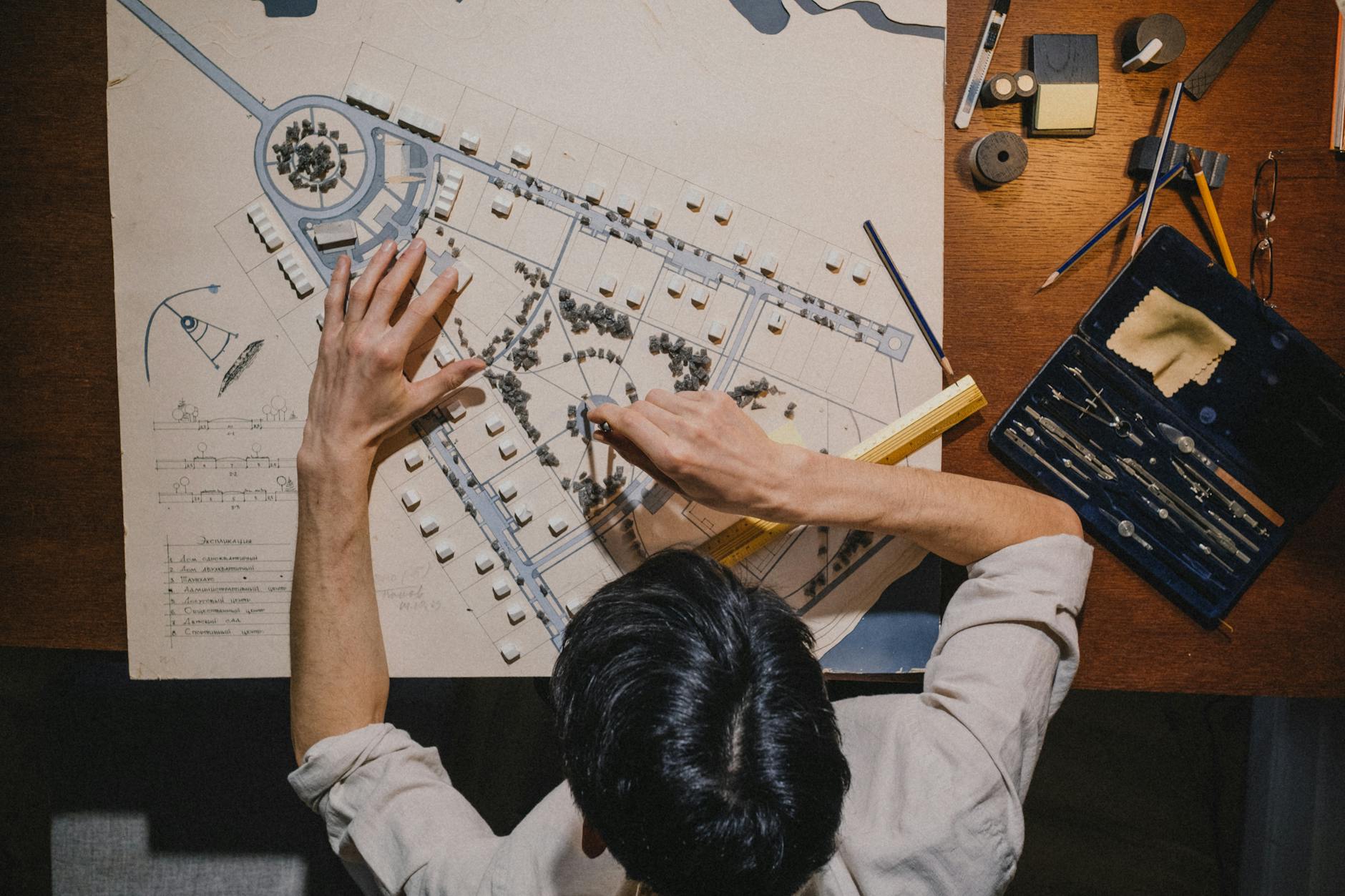
Photo by Tom Fisk on Pexels.com

2. Meaning of Town and Country Planning

Town and country planning refers to the process of organizing and controlling the development of land and resources in both urban and rural areas. It includes the planning of settlements, infrastructure, transportation systems, public services, and environmental management.

The term โ€œtown planningโ€ generally refers to the planning of urban areas such as cities and towns, while โ€œcountry planningโ€ focuses on rural areas including villages, agricultural land, forests, and natural resources.

Together, town and country planning aims to create well-organized and sustainable environments for human activities.


3. Definitions of Town and Country Planning

Various scholars and planning organizations have defined town and country planning in different ways.

Lewis Keeble

Lewis Keeble defined town planning as:

โ€œThe art and science of ordering the use of land and the siting of buildings and communication routes so as to secure the maximum practicable degree of economy, convenience and beauty.โ€

This definition highlights the importance of efficient land use, functional design, and aesthetic quality in urban development.


Patrick Geddes

Patrick Geddes emphasized the importance of understanding the relationship between people, environment, and economic activities. He introduced the idea that planning should be based on comprehensive surveys of social and environmental conditions.

His approach is often summarized through the concept of โ€œPlace, Work, and Folk.โ€


Town and Country Planning Association

According to the Town and Country Planning Association, planning is:

โ€œThe process of guiding the development and use of land in order to improve the quality of life and promote sustainable development.โ€


General Definition

In general terms, town and country planning can be defined as:

โ€œA systematic process of organizing land use, infrastructure, and development activities in urban and rural areas to achieve orderly growth, economic efficiency, social welfare, and environmental sustainability.โ€


4. Goals of Planning

The goals of planning represent the broad outcomes that planning aims to achieve. These goals guide the development strategies and policies prepared by planners.

Sustainable Development

One of the major goals of planning is to promote sustainable development by balancing economic growth, social welfare, and environmental protection.

Balanced Regional Development

Planning aims to reduce disparities between urban and rural areas and promote balanced development across regions.

Efficient Use of Land and Resources

Planning ensures that land and natural resources are used efficiently and responsibly.

Improved Quality of Life

Providing better housing, infrastructure, public services, and environmental conditions helps improve the overall quality of life for residents.

Environmental Protection

Planning aims to conserve natural resources, protect ecosystems, and reduce pollution.


5. Objectives of Planning

While goals represent broad aspirations, objectives are specific targets that help achieve these goals.

Orderly Urban Development

Planning ensures that cities and towns grow in a planned and organized manner rather than through uncontrolled expansion.

Efficient Land Use

Land-use planning helps allocate land for different purposes such as residential, commercial, industrial, and recreational activities.

Infrastructure Development

Planning focuses on providing adequate infrastructure including roads, water supply, sewage systems, electricity, and public transportation.

Housing Provision

Ensuring access to safe and affordable housing is a key objective of planning.

Social Welfare

Planning aims to improve social services such as education, healthcare, recreation, and community facilities.

Economic Development

Planning supports economic growth by promoting industries, businesses, and employment opportunities.

Environmental Sustainability

Protecting natural resources and maintaining ecological balance are essential objectives of planning.


6. Importance of Town and Country Planning

Town and country planning plays an essential role in managing development and improving living conditions.

Managing Urban Growth

Planning helps control urban expansion and prevents problems such as overcrowding and slum development.

Infrastructure Coordination

Planning ensures that infrastructure systems are developed in coordination with population growth and land use.

Environmental Management

Planning helps protect natural resources and reduce environmental degradation.

Social Equity

Planning promotes equitable access to housing, services, and economic opportunities.


7. Conclusion

Town and country planning is a comprehensive discipline that guides the development and management of urban and rural areas. It involves organizing land use, infrastructure, transportation, and public services in a systematic manner to achieve sustainable and balanced development.

Various scholars such as Lewis Keeble and Patrick Geddes have defined planning as both an art and a science that integrates social, economic, and environmental considerations. The goals of planning include sustainable development, balanced regional growth, and improved quality of life, while the objectives focus on efficient land use, infrastructure provision, housing development, and environmental protection.

Effective planning is essential for creating organized, livable, and sustainable settlements that meet the needs of present and future generations.

Daily writing prompt
What activities do you lose yourself in?

Urban and Rural India: Planning Concerns of Cities, Towns, and Villages

1. Introduction

India is characterized by a diverse settlement system consisting of large metropolitan cities, medium and small towns, and a vast network of villages. According to demographic patterns, India has historically been a predominantly rural country, although urbanization has been steadily increasing. Both urban and rural areas play significant roles in national development, and planning must address the specific needs and challenges of each type of settlement.

Urban areas are centers of industry, commerce, education, and services, while rural areas are primarily associated with agriculture, natural resource management, and traditional livelihoods. Effective planning in India requires an integrated approach that considers the development of cities, towns, and villages together rather than in isolation. Balanced development helps reduce regional disparities, improve living standards, and promote sustainable growth.

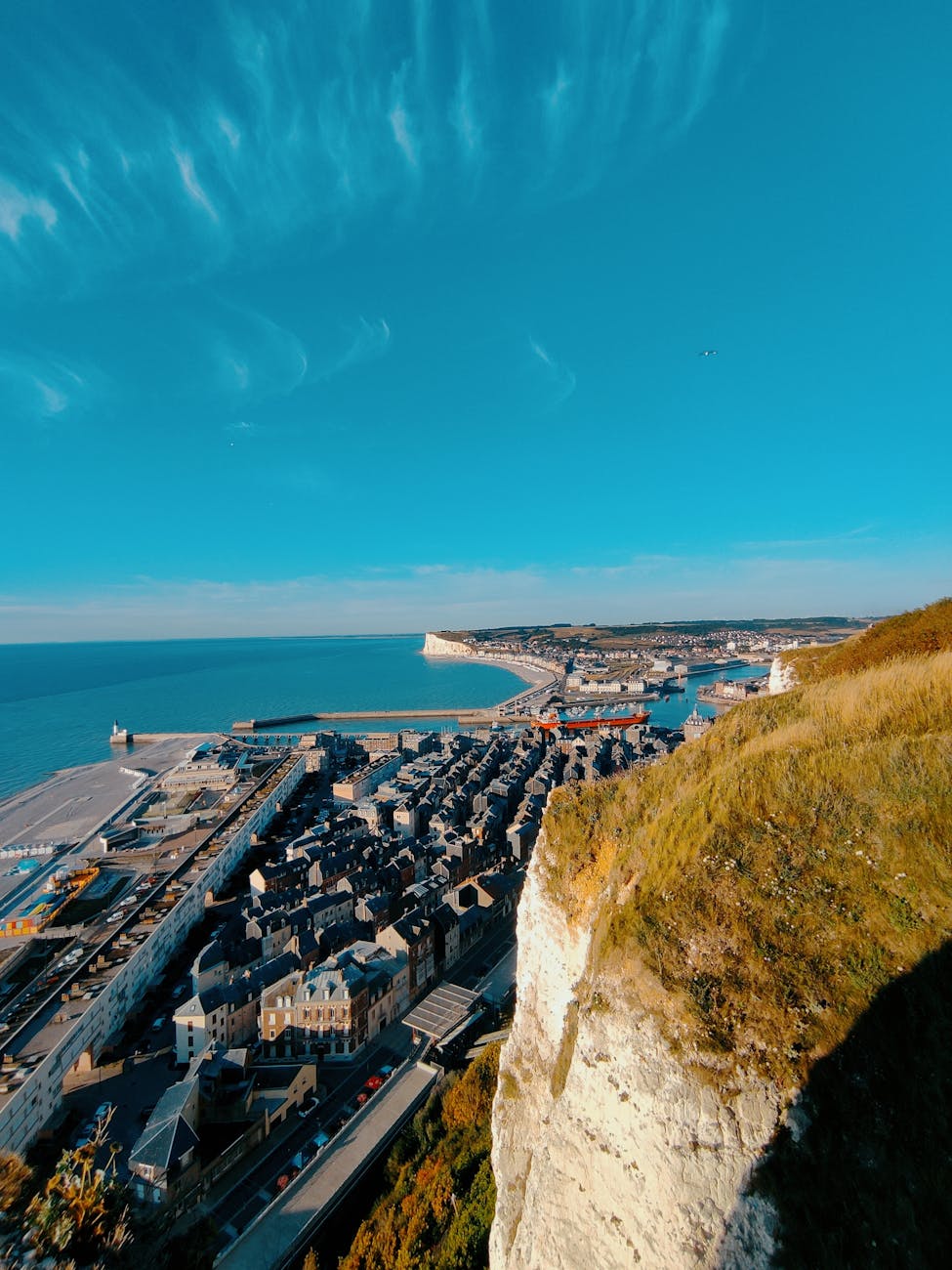
Photo by Markus Winkler on Pexels.com

2. Urban and Rural Structure in India

Indiaโ€™s settlement pattern includes three main categories:

  • Cities and metropolitan areas
  • Towns and small urban centers
  • Villages and rural settlements

Each category has different economic activities, population characteristics, infrastructure requirements, and development challenges.

Urban areas generally have higher population density, diverse economic activities, and developed infrastructure, whereas rural areas have lower population density and depend largely on agriculture and natural resources.


3. Planning Concerns of Cities

Cities are large and complex settlements that serve as economic and administrative centers. Rapid urbanization in India has created several planning challenges.

3.1 Housing and Urban Poverty

One of the major concerns in cities is the shortage of affordable housing. Rapid population growth and migration from rural areas have resulted in the expansion of slums and informal settlements.

Urban planning must focus on providing affordable housing, improving living conditions, and reducing homelessness.

3.2 Infrastructure and Basic Services

Cities require extensive infrastructure such as:

  • Water supply systems
  • Sewerage and sanitation networks
  • Electricity supply
  • Solid waste management
  • Transportation systems

In many Indian cities, infrastructure development has not kept pace with population growth.

3.3 Transportation and Mobility

Traffic congestion is a major issue in many urban areas. Efficient public transportation systems, pedestrian infrastructure, and traffic management strategies are essential for improving urban mobility.

3.4 Environmental Management

Urban areas face environmental challenges such as air pollution, water pollution, and loss of green spaces. Sustainable urban planning must include environmental protection and climate resilience.

3.5 Land Use Management

Efficient land-use planning is necessary to prevent unplanned development and ensure balanced distribution of residential, commercial, industrial, and recreational areas.


4. Planning Concerns of Towns

Towns serve as important intermediate settlements between cities and villages. They often function as regional service centers and support surrounding rural areas.

4.1 Infrastructure Development

Many towns in India lack adequate infrastructure such as proper roads, water supply, sanitation systems, and public transportation.

Planning must focus on improving basic infrastructure to support population growth and economic activities.

4.2 Economic Development

Towns play an important role in regional economic development by supporting small industries, markets, and service sectors.

Planning strategies should promote local economic activities and employment opportunities.

4.3 Urban Governance

Many towns face challenges related to weak administrative capacity and limited financial resources.

Strengthening local governance institutions is essential for effective planning and development.

4.4 Balanced Regional Development

Towns can help reduce migration to large cities by providing employment opportunities and essential services within smaller urban centers.


5. Planning Concerns of Villages

Villages are the backbone of rural India and are primarily dependent on agriculture and natural resources.

5.1 Agricultural Development

Planning in rural areas must focus on improving agricultural productivity through better irrigation systems, modern farming techniques, and access to markets.

5.2 Rural Infrastructure

Rural development requires improved infrastructure such as:

  • Rural roads
  • Electricity supply
  • Drinking water facilities
  • Sanitation systems
  • Healthcare and education facilities

These improvements help enhance the quality of life in rural communities.

5.3 Employment and Livelihoods

Many rural areas face challenges related to unemployment and underemployment. Planning must promote rural industries, agro-based enterprises, and skill development programs.

5.4 Rural Housing

Providing adequate housing in villages is another important planning concern. Rural housing programs aim to improve living conditions and ensure access to basic amenities.

5.5 Environmental Sustainability

Rural planning must also focus on sustainable management of natural resources such as land, forests, and water bodies.


6. Ruralโ€“Urban Linkages

Urban and rural areas are interconnected through economic, social, and transportation networks.

Cities depend on rural areas for:

  • Agricultural products
  • Natural resources
  • Labor supply

Rural areas depend on cities for:

  • Markets for agricultural goods
  • Employment opportunities
  • Education and healthcare services

Strengthening ruralโ€“urban linkages is essential for balanced regional development.


7. Integrated Planning for Urban and Rural Development

Integrated planning approaches aim to coordinate development between urban and rural areas.

Key strategies include:

  • Development of small and medium towns to reduce pressure on large cities
  • Promotion of regional planning to address spatial inequalities
  • Improvement of transportation networks connecting rural and urban areas
  • Encouraging rural industrialization and economic diversification

Such approaches help create a balanced settlement system.


8. Government Initiatives for Urban and Rural Development

The Government of India has introduced several programs to address planning concerns in both urban and rural areas.

Examples include:

Urban Development Programs

  • Smart Cities Mission
  • AMRUT (Atal Mission for Rejuvenation and Urban Transformation)
  • Pradhan Mantri Awas Yojana (Urban)

Rural Development Programs

  • Mahatma Gandhi National Rural Employment Guarantee Act (MGNREGA)
  • Pradhan Mantri Awas Yojana (Gramin)
  • National Rural Livelihood Mission

These programs aim to improve infrastructure, housing, employment, and service delivery.


9. Conclusion

Urban and rural India together form a complex settlement system that requires comprehensive and integrated planning. Cities face challenges related to housing, infrastructure, transportation, and environmental management. Towns require improved infrastructure and economic development to serve as regional growth centers. Villages need better agricultural productivity, rural infrastructure, employment opportunities, and resource management.

Effective planning must address the specific needs of cities, towns, and villages while strengthening ruralโ€“urban linkages. By promoting balanced regional development and improving infrastructure and services across all types of settlements, planners can contribute to sustainable and inclusive development in India.

Daily writing prompt
Which animal would you compare yourself to and why?

Five-Year Plans in India (Development Approaches)

1. Introduction

After gaining independence in 1947, India adopted a planned development strategy to address the challenges of poverty, economic backwardness, unemployment, and regional disparities. To guide national development, the Government of India introduced Five-Year Plans, which were comprehensive economic development programs prepared for a period of five years.

The Five-Year Plans were formulated by the Planning Commission, established in 1950. These plans focused on the systematic allocation of resources and implementation of policies to achieve economic growth, social welfare, and balanced regional development. Each plan emphasized specific development priorities depending on the economic and social conditions of the country at the time.

Photo by Tima Miroshnichenko on Pexels.com

The Five-Year Planning model was inspired by the planning system used in the Soviet Union, but India adopted a mixed economic approach, combining public sector planning with private sector participation.


2. Objectives of Five-Year Plans

The Five-Year Plans were designed to achieve several key development objectives, including:

  • Economic growth and industrial development
  • Reduction of poverty and unemployment
  • Improvement of agriculture and food production
  • Development of infrastructure such as transportation, energy, and irrigation
  • Balanced regional development
  • Improvement of education, healthcare, and social welfare

These objectives aimed to improve the overall quality of life for the population and promote national development.


3. Development Approaches in Five-Year Plans

Over time, the development approach of the Five-Year Plans evolved depending on the economic priorities and challenges faced by the country.

Major approaches included:

  • Agricultural development
  • Industrialization
  • Poverty alleviation
  • Infrastructure development
  • Human development and inclusive growth

4. First Five-Year Plan (1951โ€“1956)

Development Approach: Agricultural Development

The First Five-Year Plan focused primarily on agriculture and irrigation because India faced severe food shortages after independence.

Key priorities included:

  • Agricultural development
  • Irrigation and flood control projects
  • Community development programs
  • Improvement of rural infrastructure

Major projects such as Bhakra-Nangal Dam and Hirakud Dam were initiated during this period.

The plan was largely successful and helped stabilize the Indian economy.


5. Second Five-Year Plan (1956โ€“1961)

Development Approach: Industrialization

The Second Plan emphasized rapid industrialization, particularly the development of heavy industries.

It was based on the Mahalanobis Model, which focused on expanding the public sector and building industrial capacity.

Key initiatives included:

  • Development of steel plants
  • Expansion of heavy industries
  • Growth of machine-building industries

Major steel plants were established in Bhilai, Rourkela, and Durgapur.


6. Third Five-Year Plan (1961โ€“1966)

Development Approach: Self-Sufficiency

The Third Plan aimed to achieve self-sufficiency in food production and economic growth.

Major priorities included:

  • Agricultural development
  • Expansion of industries
  • Strengthening of infrastructure

However, the plan was affected by wars with China (1962) and Pakistan (1965) and severe droughts.

Due to economic difficulties, the plan did not achieve its targets.


7. Plan Holiday (1966โ€“1969)

After the Third Plan, India experienced economic instability. Instead of launching a new Five-Year Plan, the government introduced three annual plans between 1966 and 1969.

The focus during this period was on stabilizing the economy and improving agricultural production.


8. Fourth Five-Year Plan (1969โ€“1974)

Development Approach: Growth with Stability

The Fourth Plan aimed to achieve economic growth while maintaining stability and controlling inflation.

Key priorities included:

  • Agricultural development
  • Industrial growth
  • Poverty reduction

During this period, the Green Revolution significantly increased agricultural productivity.


9. Fifth Five-Year Plan (1974โ€“1979)

Development Approach: Poverty Removal

The Fifth Plan emphasized poverty alleviation and self-reliance.

The major slogan of the plan was โ€œGaribi Hataoโ€ (Remove Poverty).

Key initiatives included:

  • Employment generation programs
  • Expansion of agricultural production
  • Public distribution systems

The plan was terminated early due to political changes.


10. Sixth Five-Year Plan (1980โ€“1985)

Development Approach: Poverty Reduction and Technological Development

The Sixth Plan focused on reducing poverty and improving technological capabilities.

Major priorities included:

  • Rural development
  • Employment generation
  • Infrastructure expansion
  • Technological modernization

Economic growth improved during this period.


11. Seventh Five-Year Plan (1985โ€“1990)

Development Approach: Productivity and Employment

The Seventh Plan focused on improving productivity, employment, and modernization of industries.

Key sectors included:

  • Agriculture
  • Energy
  • Transportation
  • Social services

The plan aimed to strengthen the economy and improve living standards.


12. Eighth Five-Year Plan (1992โ€“1997)

Development Approach: Economic Liberalization

The Eighth Plan was implemented after economic reforms introduced in 1991.

It emphasized:

  • Economic liberalization
  • Private sector participation
  • Human development
  • Expansion of infrastructure

The plan encouraged market-oriented economic policies.


13. Ninth Five-Year Plan (1997โ€“2002)

Development Approach: Growth with Social Justice

The Ninth Plan aimed to promote economic growth while ensuring social equity.

Key priorities included:

  • Poverty reduction
  • Rural development
  • Agricultural growth
  • Employment generation

The plan focused on improving living standards in rural areas.


14. Tenth Five-Year Plan (2002โ€“2007)

Development Approach: High Economic Growth

The Tenth Plan aimed to achieve 8% annual economic growth and reduce poverty.

Key objectives included:

  • Improving infrastructure
  • Expanding education and healthcare
  • Increasing employment opportunities

15. Eleventh Five-Year Plan (2007โ€“2012)

Development Approach: Inclusive Growth

The Eleventh Plan emphasized inclusive growth, ensuring that economic benefits reach all sections of society.

Key areas included:

  • Education and health services
  • Rural development
  • Infrastructure expansion
  • Environmental sustainability

16. Twelfth Five-Year Plan (2012โ€“2017)

Development Approach: Faster, Sustainable and More Inclusive Growth

The Twelfth Plan focused on sustainable and inclusive development.

Major priorities included:

  • Infrastructure development
  • Energy security
  • Skill development
  • Environmental protection

After 2017, the Five-Year Plan system was discontinued, and the Planning Commission was replaced by NITI Aayog.


17. Importance of Five-Year Plans

The Five-Year Plans played an important role in shaping India’s development strategy.

They helped:

  • Promote industrial and agricultural growth
  • Develop infrastructure such as roads, dams, and power plants
  • Reduce poverty and unemployment
  • Improve social services like education and healthcare

These plans laid the foundation for India’s economic development.


18. Conclusion

The Five-Year Plans were central to India’s development strategy after independence. Through systematic planning and resource allocation, these plans guided economic growth, agricultural development, industrial expansion, and social welfare programs.

Over time, the development approach evolved from agricultural development to industrialization, poverty reduction, economic liberalization, and inclusive growth. Although the Five-Year Plan system has now been replaced by new policy frameworks under NITI Aayog, its contributions remain significant in shaping India’s economic and developmental trajectory.

Daily writing prompt
Which animal would you compare yourself to and why?

Urbanisation in India

Urbanisation in India

1. Introduction

Urbanisation refers to the process by which an increasing proportion of a country’s population lives in urban areas such as cities and towns. It involves the growth and expansion of urban settlements due to factors such as industrialization, economic development, improved infrastructure, and migration from rural areas. Urbanisation is considered an important indicator of economic and social development because cities serve as centers of trade, industry, education, and innovation.

In India, urbanisation has been steadily increasing since independence. Although India still has a large rural population, cities are expanding rapidly due to economic opportunities and improved connectivity. Urbanisation has contributed significantly to economic growth, but it has also created challenges related to housing, infrastructure, environment, and social inequality.


2. Meaning of Urbanisation

Urbanisation can be defined as the increase in the proportion of population living in urban areas and the expansion of urban settlements due to economic and social changes.

Urbanisation involves several processes such as:

  • Growth of cities and towns
  • Rural-to-urban migration
  • Expansion of urban boundaries
  • Transformation of rural settlements into urban areas
  • Increase in urban economic activities

It reflects the shift from an agricultural economy to an industrial and service-based economy.


3. Trends of Urbanisation in India

Urbanisation in India has increased gradually over the last century. At the time of independence in 1947, India was largely rural with a small percentage of the population living in urban areas. However, economic development, industrialization, and modernization have accelerated urban growth.

Growth of Urban Population

The urban population of India has grown steadily due to natural population increase and migration from rural areas. Large metropolitan cities have experienced rapid expansion, while many small towns have also developed into urban centers.

Growth of Metropolitan Cities

Major cities such as:

  • Delhi
  • Mumbai
  • Kolkata
  • Chennai
  • Bengaluru
  • Hyderabad

have become major economic and administrative centers with large populations and extensive infrastructure.

Emergence of Megacities

Several Indian cities have developed into megacities with populations exceeding ten million. These cities play a significant role in national economic development.

Expansion of Urban Areas

Urban areas are expanding beyond their traditional boundaries into surrounding rural regions. This process, known as urban sprawl, leads to the development of suburban areas and peri-urban zones.


4. Causes of Urbanisation in India

Urbanisation in India is influenced by several economic, social, and technological factors.

Industrialization

Industrial development attracts workers from rural areas seeking employment in factories and industries. Industrial zones and manufacturing hubs contribute to the growth of cities.

Economic Opportunities

Cities offer better job opportunities in sectors such as services, information technology, trade, and finance. This attracts people from rural areas and smaller towns.

Ruralโ€“Urban Migration

Many people migrate to cities in search of improved living standards, education, healthcare, and employment opportunities.

Educational and Healthcare Facilities

Urban areas provide better access to educational institutions, hospitals, and specialized services.

Infrastructure Development

Improved transportation networks, communication systems, and public services encourage the growth of cities.

Government Policies

Government initiatives such as industrial corridors, special economic zones, and urban development programs also contribute to urban growth.


5. Characteristics of Urbanisation in India

Urbanisation in India has several distinctive features.

Rapid Growth of Large Cities

A significant proportion of the urban population is concentrated in large metropolitan cities.

Growth of Informal Settlements

Due to housing shortages and rapid migration, many urban residents live in informal settlements or slums.

Expansion of Urban Peripheries

Cities are expanding outward into rural areas, leading to the growth of suburban settlements.

Increasing Role of Service Sector

The service sector has become a major contributor to urban employment and economic growth.


6. Urban Problems Associated with Urbanisation

Rapid and unplanned urbanisation has created several challenges for Indian cities.

Housing Shortage and Slums

The rapid influx of migrants increases the demand for housing. Many people are unable to afford formal housing and live in slums or informal settlements.

Traffic Congestion

Increasing numbers of vehicles and inadequate public transportation systems lead to severe traffic congestion in major cities.

Inadequate Infrastructure

Urban infrastructure such as water supply, sewage systems, and waste management often fails to keep pace with population growth.

Environmental Pollution

Urbanisation contributes to air pollution, water pollution, and solid waste problems.

Urban Poverty

Despite economic growth, many urban residents live in poverty and work in the informal sector with low wages and limited job security.

Urban Sprawl

Uncontrolled expansion of cities leads to inefficient land use, loss of agricultural land, and increased transportation costs.


7. Role of Urban Planning in Managing Urbanisation

Urban planning plays a crucial role in managing the challenges of urbanisation.

Planning strategies include:

  • Preparation of master plans and development plans
  • Promotion of affordable housing programs
  • Development of public transportation systems
  • Protection of green spaces and natural resources
  • Improvement of urban infrastructure and services

Planning initiatives such as smart cities, sustainable mobility plans, and transit-oriented development (TOD) are being implemented to improve urban living conditions.


8. Government Initiatives for Urban Development

The Government of India has launched several programs to improve urban infrastructure and governance.

Examples include:

  • Smart Cities Mission
  • AMRUT (Atal Mission for Rejuvenation and Urban Transformation)
  • Pradhan Mantri Awas Yojana (Housing for All)
  • Swachh Bharat Mission

These programs aim to enhance urban infrastructure, housing, sanitation, and service delivery.


9. Conclusion

Urbanisation in India is a significant process that reflects the country’s economic transformation and social development. The growth of cities has contributed to economic opportunities, technological advancement, and improved access to services. However, rapid and unplanned urbanisation has also created serious challenges such as housing shortages, infrastructure pressure, environmental degradation, and social inequality.

Effective urban planning, sustainable development strategies, and strong governance are essential to manage urban growth and improve the quality of life in cities. By adopting integrated planning approaches and investing in infrastructure and social services, India can ensure that urbanisation becomes a driver of inclusive and sustainable development.

Daily writing prompt
Which animal would you compare yourself to and why?

Natural Resources and Planning

1. Introduction

Natural resources play a fundamental role in the development and planning of cities, regions, and nations. They include elements of the natural environment such as land, water, forests, minerals, energy sources, and biodiversity that are essential for human survival and economic activities. The availability and management of natural resources significantly influence patterns of settlement, economic development, infrastructure planning, and environmental sustainability.

Planning must ensure that natural resources are used efficiently while maintaining ecological balance and sustainability for future generations. In modern planning practice, the integration of natural resource management into development planning is considered essential to achieve sustainable development and environmental protection.

Photo by ThisIsEngineering on Pexels.com

2. Meaning of Natural Resources

Natural resources are materials and environmental components that occur naturally and are utilized by humans for various purposes. These resources provide the foundation for economic development, industrial growth, agricultural production, and human settlements.

Natural resources are broadly categorized into the following types:

Renewable Resources

These resources can be replenished naturally over time. Examples include:

  • Forests
  • Water resources
  • Solar energy
  • Wind energy
  • Agricultural land

Proper management is required to ensure their sustainability.

Non-Renewable Resources

These resources are finite and cannot be replenished within a short period of time. Examples include:

  • Coal
  • Petroleum
  • Natural gas
  • Minerals and metals

Excessive exploitation of non-renewable resources can lead to depletion and environmental degradation.


3. Importance of Natural Resources in Planning

Natural resources play a crucial role in planning because they influence the location and development of settlements, industries, and infrastructure.

Resource-Based Development

Many cities and regions develop around natural resources. For example:

  • Mining towns develop near mineral deposits.
  • Agricultural settlements develop in fertile regions.
  • Port cities develop near coastal areas.

The availability of natural resources often determines economic specialization and regional development patterns.

Environmental Sustainability

Planning must ensure that natural resources are used responsibly to prevent environmental degradation. Sustainable planning practices aim to balance economic growth with environmental conservation.

Infrastructure Development

Infrastructure systems such as water supply, energy production, and transportation networks depend heavily on natural resources.


4. Role of Natural Resources in Urban and Regional Planning

Land Resources

Land is one of the most important natural resources in planning. Land-use planning determines how land is allocated for various activities such as residential areas, industrial zones, commercial centers, agriculture, and open spaces.

Efficient land-use planning helps prevent problems such as urban sprawl, land degradation, and environmental damage.

Water Resources

Water is essential for domestic use, agriculture, industries, and ecosystem health. Urban planners must ensure the availability and management of water resources through:

  • Water supply systems
  • Watershed management
  • Protection of rivers, lakes, and wetlands
  • Stormwater drainage systems

Water resource planning is particularly important in rapidly growing cities.

Forest Resources

Forests contribute to ecological balance, climate regulation, and biodiversity conservation. Urban planning must incorporate green spaces, urban forests, and protected natural areas to maintain environmental quality.

Mineral and Energy Resources

Mineral resources support industrial development and economic growth. Planning decisions must consider the location of mineral deposits and ensure responsible extraction practices.

Energy resources such as coal, oil, natural gas, and renewable energy sources influence industrial location and infrastructure development.


5. Natural Resource Conservation in Planning

Effective planning must include strategies for conserving natural resources and minimizing environmental impacts.

Sustainable Land Use

Planning policies should promote sustainable land use by protecting agricultural land, forests, and ecologically sensitive areas.

Environmental Impact Assessment (EIA)

Before implementing major development projects, environmental impact assessments are conducted to evaluate potential environmental consequences.

Protection of Ecosystems

Planning should protect ecosystems such as wetlands, forests, and coastal areas that provide essential ecological services.

Promotion of Renewable Energy

Encouraging renewable energy sources such as solar and wind power can reduce dependence on non-renewable resources and minimize environmental pollution.


6. Natural Resource Planning at Different Levels

Natural resource management must be integrated into planning at various levels.

National Level

At the national level, policies and strategies are developed to manage natural resources and ensure sustainable development.

Regional Level

Regional planning focuses on managing resources across large geographic areas such as river basins, forest regions, and agricultural zones.

Local Level

Local planning ensures the efficient use of land, water, and other resources within cities and towns.


7. Challenges in Natural Resource Planning

Despite the importance of natural resources, several challenges affect their management.

Overexploitation

Rapid population growth and economic development often lead to excessive exploitation of natural resources.

Environmental Degradation

Deforestation, pollution, and land degradation threaten the sustainability of natural ecosystems.

Climate Change

Climate change affects water availability, agricultural productivity, and ecosystem stability.

Urban Expansion

Unplanned urban expansion often encroaches on agricultural land, forests, and wetlands.

These challenges highlight the need for sustainable planning strategies.


8. Sustainable Resource Management in Planning

Modern planning emphasizes sustainable resource management to ensure long-term environmental and economic stability.

Important strategies include:

  • Integrated land-use planning
  • Conservation of biodiversity
  • Sustainable water management
  • Promotion of renewable energy
  • Protection of environmentally sensitive areas

Such strategies help balance development needs with environmental protection.


9. Conclusion

Natural resources are essential for the development and sustainability of cities and regions. They influence settlement patterns, economic activities, infrastructure development, and environmental quality. Effective planning must ensure that natural resources are used efficiently while protecting ecosystems and maintaining ecological balance.

Integrating natural resource management into planning processes is crucial for achieving sustainable development. Through responsible resource management, environmental conservation, and sustainable planning strategies, societies can ensure that natural resources remain available for future generations while supporting economic and social development.

Daily writing prompt
Are you superstitious?

Economics, Social and Physical Planning

1. Introduction

Planning is a comprehensive process that aims to guide the development of cities, regions, and communities in a balanced and sustainable manner. In order to achieve effective development, planning must consider various aspects of society including economic growth, social welfare, and the physical organization of land and infrastructure. These three componentsโ€”economic planning, social planning, and physical planningโ€”are closely interrelated and together form the foundation of modern planning practice.

Photo by Ron Lach on Pexels.com

Economic planning focuses on the efficient use of resources and economic development, social planning emphasizes improvement in the quality of life and social welfare, while physical planning deals with the spatial arrangement of land uses and infrastructure. When integrated effectively, these three types of planning contribute to the creation of sustainable and livable communities.


2. Economic Planning

Economic planning refers to the process of organizing and directing economic resources and activities to achieve development goals. It focuses on the efficient allocation of resources such as land, labor, capital, and technology in order to promote economic growth and improve living standards.

Objectives of Economic Planning

The main objectives of economic planning include:

  • Promoting economic growth and development
  • Generating employment opportunities
  • Reducing poverty and income inequality
  • Ensuring efficient use of resources
  • Strengthening industrial and commercial activities

Economic planning also plays a significant role in determining investment priorities and infrastructure development.

Role in Urban and Regional Development

Economic planning influences the spatial development of cities and regions by determining the location of industries, commercial centers, and economic activities. For example, industrial zones are often located near transportation networks to reduce production and transportation costs.

Economic planning also guides the development of infrastructure such as transportation systems, energy supply, and communication networks, which support economic activities.


3. Social Planning

Social planning focuses on improving the welfare and quality of life of individuals and communities. It addresses social issues such as housing, healthcare, education, employment, and social equity.

The goal of social planning is to create inclusive and equitable communities where all individuals have access to basic services and opportunities.

Objectives of Social Planning

Key objectives include:

  • Improving living conditions
  • Providing affordable housing
  • Ensuring access to education and healthcare
  • Promoting social justice and equality
  • Strengthening community development

Social planning also aims to reduce social disparities and improve the well-being of vulnerable groups.

Social Infrastructure

Social planning emphasizes the provision of essential social infrastructure such as:

  • Schools and universities
  • Hospitals and healthcare facilities
  • Community centers
  • Parks and recreational areas
  • Public safety services

These facilities contribute to the overall development and well-being of communities.


4. Physical Planning

Physical planning refers to the spatial organization and development of land uses, infrastructure, and built environments. It focuses on how land and physical resources are arranged and utilized within cities and regions.

Physical planning aims to create organized and functional urban environments by guiding land use, transportation networks, housing development, and infrastructure provision.

Objectives of Physical Planning

The primary objectives of physical planning include:

  • Efficient land-use management
  • Provision of infrastructure and public services
  • Development of transportation networks
  • Protection of environmental resources
  • Creation of well-organized urban spaces

Physical planning also helps control urban growth and prevent unplanned development.

Components of Physical Planning

Physical planning involves several key components:

  • Land-use planning
  • Transportation planning
  • Housing development
  • Infrastructure planning
  • Environmental management

Through these components, planners organize the spatial structure of cities and regions.


5. Relationship Between Economic, Social, and Physical Planning

Economic, social, and physical planning are closely interconnected and must be integrated to achieve sustainable development.

Economic Planning and Physical Planning

Economic activities require physical infrastructure and land resources. Therefore, economic planning influences the spatial distribution of industries, commercial centers, and employment zones.

Physical planning translates economic development strategies into spatial arrangements through land-use planning and infrastructure development.

Social Planning and Physical Planning

Social planning ensures that urban development meets the needs of communities by providing housing, education, healthcare, and recreational facilities.

Physical planning supports social planning by allocating land for these facilities and integrating them into urban layouts.

Integrated Planning Approach

Effective planning requires the integration of economic, social, and physical aspects to create balanced and sustainable urban development.

For example:

  • Economic planning may promote industrial growth.
  • Social planning ensures employment and housing for workers.
  • Physical planning organizes land use and infrastructure to support these activities.

6. Importance of Integrated Planning

Integrating economic, social, and physical planning provides several benefits.

Balanced Development

It ensures that economic growth is accompanied by social welfare and efficient infrastructure development.

Efficient Resource Use

Integrated planning helps utilize land, infrastructure, and financial resources effectively.

Improved Quality of Life

By addressing social needs and providing adequate infrastructure, integrated planning improves living conditions.

Sustainable Development

Environmental protection and sustainable resource management can be better achieved through coordinated planning efforts.


7. Challenges in Integrating Planning Approaches

Although integration is essential, several challenges may arise.

  • Lack of coordination between planning agencies
  • Limited availability of reliable data
  • Conflicting interests among stakeholders
  • Institutional and administrative barriers

Addressing these challenges requires strong governance systems and interdisciplinary collaboration.


8. Conclusion

Economic, social, and physical planning together form the foundation of comprehensive planning. Economic planning focuses on resource allocation and economic growth, social planning emphasizes human welfare and community development, and physical planning organizes the spatial structure of cities and regions.

The integration of these three planning approaches is essential for achieving balanced and sustainable development. By coordinating economic activities, social welfare initiatives, and spatial development strategies, planners can create urban environments that are efficient, inclusive, and environmentally sustainable.

Daily writing prompt
Are you superstitious?

Defining Planning as a Discipline, Its Multidisciplinary Nature, and the Role of a Planner

1. Introduction

Planning is a systematic and organized approach to guiding the development of human settlements and regions in order to improve the quality of life for people. With rapid urbanization, population growth, and increasing economic activities, cities and regions face complex challenges such as congestion, environmental degradation, housing shortages, and unequal access to resources. Planning helps address these issues by providing a structured framework for managing land use, infrastructure, transportation systems, environmental resources, and socio-economic development.

Planning is not limited to designing physical spaces; it also involves understanding social needs, economic development, environmental sustainability, and governance mechanisms. Because of this broad scope, planning has developed into a distinct academic and professional discipline that integrates knowledge from multiple fields.


2. Defining Planning as a Discipline

Planning as a discipline refers to the systematic process of analyzing present conditions, predicting future needs, and preparing strategies or policies to guide the development and management of land, infrastructure, and resources for the welfare of society.

Urban and regional planning focuses on organizing the physical environment in a way that supports economic growth, social equity, and environmental sustainability. It involves the preparation of development plans, policies, and projects that guide the orderly growth of cities, towns, and regions.

Several scholars and institutions have defined planning in different ways:

  • Lewis Keeble defined town planning as โ€œthe art and science of ordering the use of land and the siting of buildings and communication routes so as to secure the maximum practicable degree of economy, convenience and beauty.โ€
  • Patrick Geddes, a pioneer of modern planning, emphasized that planning should consider the relationship between place, work, and people, and that thorough surveys should be conducted before preparing plans.
  • Planning is often described as both a scientific and creative discipline because it combines analytical techniques with design and policy-making.

Thus, planning as a discipline involves technical analysis, spatial design, policy formulation, and community engagement.


3. Multidisciplinary Nature of Planning

Planning is inherently multidisciplinary because cities and regions function as complex systems influenced by multiple factors such as population growth, economic activities, environmental conditions, transportation systems, and governance structures. To address these complex interactions, planners must integrate knowledge from several disciplines.

3.1 Geography

Geography helps planners understand spatial patterns of land use, population distribution, climate, and natural resources. Geographic Information Systems (GIS) are widely used for spatial analysis and mapping.

3.2 Economics

Economic principles help planners analyze development trends, employment opportunities, investment patterns, and the financial feasibility of projects.

3.3 Sociology

Sociology provides insights into social structures, cultural practices, community needs, and demographic characteristics. Understanding social dynamics helps planners design inclusive and equitable communities.

3.4 Environmental Science

Environmental science is essential for sustainable planning. It helps planners address issues such as pollution control, climate change, biodiversity conservation, and natural resource management.

3.5 Transportation Engineering

Transportation engineering helps planners design efficient mobility systems including roads, public transport networks, pedestrian pathways, and cycling infrastructure.

3.6 Architecture and Urban Design

Architecture and urban design contribute to the physical form and aesthetics of cities, including building design, public spaces, and street layouts.

3.7 Public Administration and Governance

Planning policies are implemented through government institutions and legal frameworks. Knowledge of governance systems and administrative processes is therefore essential for effective planning.

Because of these diverse influences, planning acts as a bridge between technical sciences, social sciences, and design disciplines.


4. Role of a Planner

A planner plays an important role in shaping the development of cities and regions. The planner acts as an analyst, strategist, coordinator, and facilitator in the planning process.

4.1 Data Collection and Analysis

Planners begin by collecting and analyzing information about population, land use, infrastructure, environment, and economic activities. This data helps identify existing problems and opportunities.

4.2 Visioning and Strategic Planning

Planners develop long-term visions and strategies for urban and regional development. They prepare master plans, development plans, regional plans, and policy frameworks that guide future growth.

4.3 Land Use Planning

One of the key responsibilities of planners is organizing land use in a city or region. This involves allocating land for residential, commercial, industrial, recreational, and institutional purposes.

4.4 Infrastructure Planning

Planners ensure that essential infrastructure such as roads, water supply, sewage systems, electricity, and public transport systems are developed efficiently.

4.5 Environmental Protection

Modern planners must address environmental concerns by promoting sustainable development, protecting natural resources, and reducing pollution.

4.6 Public Participation

Planning increasingly involves participation from local communities and stakeholders. Planners engage with residents, organizations, and government agencies to incorporate public input into planning decisions.

4.7 Policy Formulation and Implementation

Planners help governments formulate policies related to housing, transportation, land use, and environmental protection. They also monitor the implementation of development plans.


5. Skills Required for Planners

To perform these roles effectively, planners require a combination of technical and interpersonal skills.

Important skills include:

  • Spatial analysis and GIS mapping
  • Research and data analysis
  • Communication and negotiation skills
  • Policy analysis and governance knowledge
  • Urban design understanding
  • Project management

These skills enable planners to manage complex urban systems and coordinate development activities.


6. Importance of Planning in Modern Society

Planning is essential for managing urban growth and improving living conditions. Without proper planning, cities may face problems such as overcrowding, traffic congestion, environmental degradation, and inadequate infrastructure.

Effective planning helps achieve:

  • Efficient land use
  • Improved infrastructure and services
  • Sustainable environmental management
  • Economic growth and investment
  • Social equity and inclusive development

Planning therefore plays a crucial role in creating cities that are livable, sustainable, and resilient.


7. Conclusion

Planning is a dynamic and multidisciplinary discipline that integrates knowledge from various fields to guide the development of cities and regions. It involves analyzing existing conditions, forecasting future needs, and preparing strategies that promote sustainable and equitable development.

The multidisciplinary nature of planning allows planners to address complex urban challenges by combining insights from geography, economics, sociology, environmental science, transportation engineering, architecture, and governance. The role of a planner extends beyond technical analysis to include visioning, coordination, policy formulation, and community engagement.

As urban populations continue to grow and environmental challenges increase, the importance of planning will continue to expand. Effective planning ensures that urban development is organized, efficient, and beneficial for society as a whole.

Daily writing prompt
Which animal would you compare yourself to and why?

Contributions of Leading Masters (Thinkers and Town Planners) in Planning

1. Introduction

Urban planning as a discipline has evolved through the ideas and contributions of several influential thinkers, planners, and architects. These individuals played a significant role in shaping modern planning principles by proposing innovative concepts, planning models, and urban design strategies. Their ideas emerged in response to the social, economic, and environmental challenges of their times, particularly during periods of rapid urbanization and industrialization.

The contributions of leading planning masters laid the foundation for modern urban and regional planning. Their work addressed issues such as urban congestion, housing shortages, transportation systems, environmental quality, and social welfare. Many of their ideas, such as the Garden City concept, regional planning, neighborhood planning, and urban design principles, continue to influence contemporary planning practices.

Photo by Mohammad Husaini on Pexels.com

2. Ebenezer Howard (1850โ€“1928)

Ebenezer Howard is one of the most influential figures in the history of urban planning. He is best known for introducing the Garden City concept, which aimed to combine the advantages of both urban and rural living.

Key Contributions

  • Proposed the Garden City model in his book โ€œTo-Morrow: A Peaceful Path to Real Reformโ€ (1898).
  • Suggested the development of self-contained towns surrounded by green belts.
  • Advocated balanced development with residential, industrial, and agricultural areas.
  • Promoted healthy living conditions through open spaces and planned communities.

Impact

Howardโ€™s ideas led to the development of Letchworth and Welwyn Garden City in England and influenced the planning of new towns and suburban developments around the world.


3. Patrick Geddes (1854โ€“1932)

Patrick Geddes was a Scottish biologist, sociologist, and town planner who emphasized the relationship between people, environment, and economic activities.

Key Contributions

  • Introduced the concept of โ€œSurvey before Plan.โ€
  • Developed the regional planning approach.
  • Emphasized the interrelationship between place, work, and folk.
  • Advocated conservation of historical urban areas rather than complete demolition.

Impact

Geddesโ€™ ideas greatly influenced modern urban planning and regional planning. His approach emphasized comprehensive analysis of social, economic, and environmental conditions before preparing development plans.


4. Le Corbusier (1887โ€“1965)

Le Corbusier was a Swiss-French architect and urban planner who proposed radical ideas for modern city planning.

Key Contributions

  • Proposed the concept of the Radiant City (Ville Radieuse).
  • Advocated high-rise buildings surrounded by open green spaces.
  • Emphasized functional zoning for residential, commercial, and industrial areas.
  • Promoted efficient transportation systems and modern infrastructure.

Impact

Le Corbusierโ€™s ideas influenced modernist urban planning and the design of several cities. He also played an important role in the planning of Chandigarh in India, which became an example of modern planned cities.


5. Clarence Perry (1872โ€“1944)

Clarence Perry was an American planner who introduced the concept of the Neighborhood Unit, which became an important model for residential planning.

Key Contributions

  • Developed the Neighborhood Unit concept.
  • Proposed that residential communities should be designed around elementary schools.
  • Emphasized safe pedestrian circulation and reduced traffic within neighborhoods.
  • Suggested the use of neighborhood parks and community facilities.

Impact

The Neighborhood Unit concept influenced the planning of residential areas in many cities and is still used as a guiding principle in neighborhood design.


6. Daniel Burnham (1846โ€“1912)

Daniel Burnham was a prominent American architect and planner associated with the City Beautiful movement.

Key Contributions

  • Advocated the creation of beautiful and orderly cities through monumental architecture and grand boulevards.
  • Played a major role in the Chicago Plan of 1909, one of the earliest comprehensive city plans in the United States.
  • Promoted large public parks, civic centers, and wide avenues.

Impact

Burnhamโ€™s work helped establish the importance of urban design and aesthetics in city planning and influenced many urban improvement projects.


7. Arturo Soria y Mata (1844โ€“1920)

Arturo Soria y Mata was a Spanish urban planner known for proposing the Linear City concept.

Key Contributions

  • Proposed the development of cities along linear transportation corridors.
  • Suggested that urban growth should occur along railways or roads.
  • Emphasized efficient transportation and distribution of urban services.

Impact

Although fully linear cities were rarely developed, the concept influenced modern urban planning ideas related to transport corridors and linear development patterns.


8. Lewis Mumford (1895โ€“1990)

Lewis Mumford was an American historian, sociologist, and urban critic who contributed significantly to planning theory.

Key Contributions

  • Criticized uncontrolled urban growth and industrial urbanization.
  • Supported regional planning and balanced urban development.
  • Advocated human-centered urban design and sustainable communities.
  • Promoted integration of technology, culture, and environment in urban development.

Impact

Mumfordโ€™s writings influenced modern urban planning philosophy and emphasized the importance of social and environmental considerations.


9. Sir Patrick Abercrombie (1879โ€“1957)

Patrick Abercrombie was a British planner known for his work in regional planning and urban reconstruction after World War II.

Key Contributions

  • Prepared the Greater London Plan (1944).
  • Proposed the development of new towns around London to reduce congestion.
  • Promoted green belts to control urban expansion.
  • Integrated transportation, housing, and land-use planning.

Impact

His planning ideas influenced modern metropolitan planning and regional development strategies.


10. Kevin Lynch (1918โ€“1984)

Kevin Lynch was an American urban planner and author known for his work on urban design and city perception.

Key Contributions

  • Introduced the concept of urban imageability in his book โ€œThe Image of the City.โ€
  • Identified five key elements of city form:
    • Paths
    • Edges
    • Districts
    • Nodes
    • Landmarks
  • Emphasized the importance of how people perceive and navigate urban environments.

Impact

Lynchโ€™s work greatly influenced urban design and the understanding of how people interact with cities.


11. Contributions of Indian Planning Thinkers

India has also seen contributions from several planners who shaped urban development.

M. N. Buch

  • Contributed to urban planning administration and policy development in India.
  • Played an important role in strengthening planning institutions.

Charles Correa

  • Prominent Indian architect and planner.
  • Designed several urban projects and advocated climate-responsive architecture.

B. V. Doshi

  • Contributed to housing and urban design in India.
  • Promoted sustainable architecture and community-oriented development.

12. Importance of Planning Thinkers

The contributions of these planning masters have shaped the development of modern planning theory and practice.

Their ideas helped introduce:

  • Planned urban growth
  • Neighborhood planning concepts
  • Integration of land use and transportation
  • Environmental sustainability
  • Human-centered urban design

These principles continue to influence contemporary urban planning and development policies.


13. Conclusion

The development of urban planning as a discipline owes much to the ideas and innovations of leading thinkers and planners. Individuals such as Ebenezer Howard, Patrick Geddes, Le Corbusier, Clarence Perry, Daniel Burnham, and others introduced influential planning concepts that addressed the challenges of urban growth and industrialization.

Their contributions established important planning principles including garden cities, regional planning, neighborhood units, modernist city design, and aesthetic urban planning. These ideas continue to guide contemporary planning practices and inspire planners to create sustainable, functional, and livable urban environments.

By studying the work of these planning masters, planners can gain valuable insights into the evolution of planning thought and apply these lessons to address modern urban challenges.

Daily writing prompt
What activities do you lose yourself in?