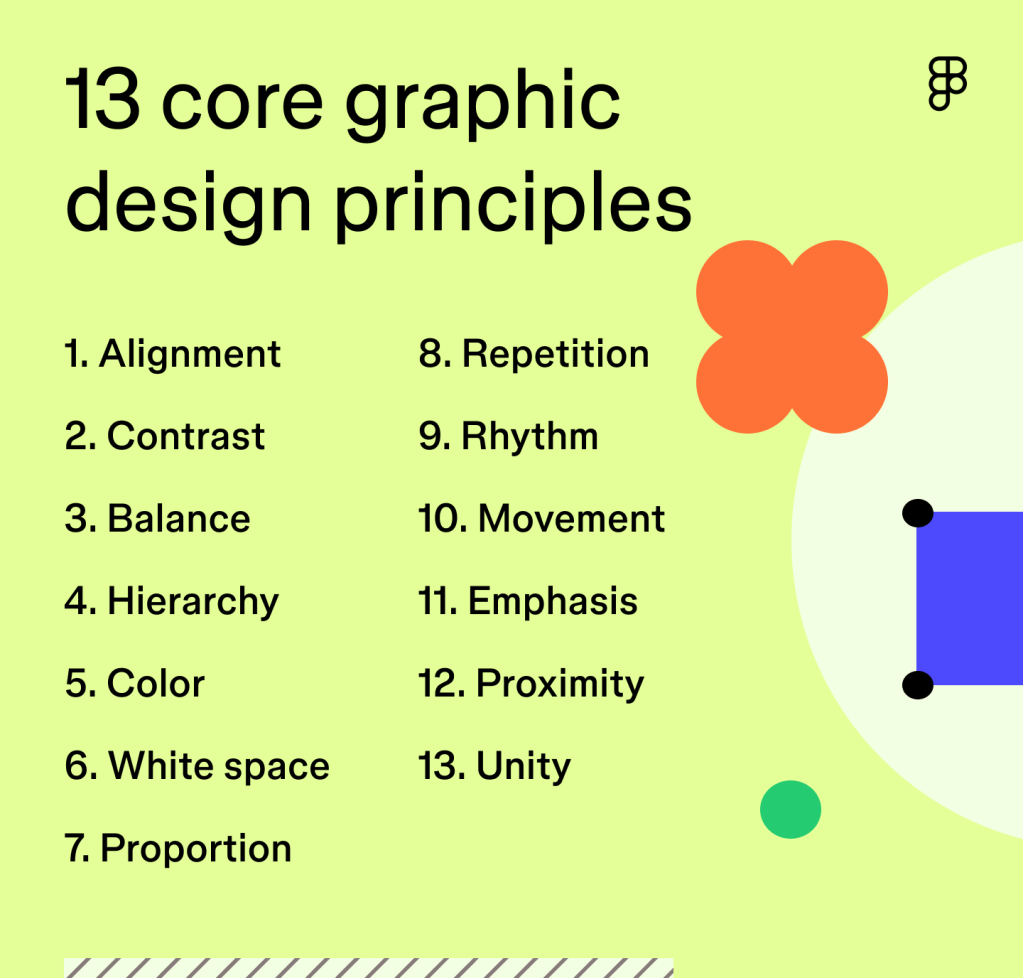
Microsoft Word Formatting Tutorial

โœ… Learn How to Use Headings, Bullets, Fonts & More


1. How to Apply Headings (H1, H2, H3, etc.)

๐Ÿ“Œ Why Use Headings?

Headings create a structured document. They make it easier to navigate, especially in long reports or books. They’re also used to auto-generate a Table of Contents.

๐Ÿงญ Steps:

  1. Highlight the text you want as a heading (e.g., a chapter or section title).
  2. Go to the Home tab on the ribbon.
  3. In the Styles group (top center), choose a heading:
    • Heading 1: For main titles (like chapter titles)
    • Heading 2: For sub-sections
    • Heading 3: For sub-sub-sections

๐Ÿ’ก Tip:

  • You can customize a heading style by right-clicking on it โ†’ Modify.
  • You can change font, color, spacing, and more for that style.

2. How to Create Bullet Points

๐Ÿ“Œ Why Use Bullets?

Bullet points make lists easier to scan and read. Use them for ideas, tasks, steps, features, etc.

๐Ÿงญ Steps:

  1. Click where you want the list, or highlight existing text.
  2. Go to the Home tab.
  3. In the Paragraph group, click the Bullets icon (a dot with three lines).
  4. To change bullet style:
    • Click the small arrow next to the bullets icon โ†’ choose different styles (dots, arrows, checkmarks).

๐Ÿ”„ Keyboard Shortcut:

  • Press Ctrl + Shift + L to start a bullet list instantly.

3. How to Use Numbered Lists

๐Ÿงญ Steps:

  1. Highlight the items you want to number.
  2. Go to Home > Paragraph > Numbering (icon looks like 1., 2., 3.).
  3. Choose from different numbering styles (1., a., i., etc.).

4. How to Change Font Type (Style)

๐Ÿ“Œ Why Use Fonts?

Fonts set the tone of your document. Choose readable fonts for body text and distinct fonts for titles.

๐Ÿงญ Steps:

  1. Highlight the text.
  2. Go to the Home tab.
  3. In the Font group (top left), click the Font dropdown.
  4. Choose a font (e.g., Calibri, Arial, Times New Roman, Georgia).

๐Ÿ’ก Common Font Choices:

  • Serif fonts (like Times New Roman) for formal writing.
  • Sans-serif fonts (like Calibri or Arial) for a clean, modern look.

5. How to Change Font Size

๐Ÿงญ Steps:

  1. Highlight your text.
  2. Go to Home > Font size dropdown (next to the font name).
  3. Choose a size (common sizes: 11 or 12 for body, 14โ€“24 for headings).

๐Ÿ”„ Keyboard Shortcut:

  • Ctrl + Shift + > to increase font size
  • Ctrl + Shift + < to decrease font size

6. How to Bold, Italicize, and Underline Text

๐Ÿงญ Steps:

  1. Highlight the text.
  2. Click the following in the Home > Font group:
    • Bold (B) โ€“ or press Ctrl + B
    • Italic (I) โ€“ or press Ctrl + I
    • Underline (U) โ€“ or press Ctrl + U

7. How to Change Text Color or Highlight Text

๐Ÿงญ Steps:

  1. Highlight the text.
  2. Go to Home > Font group.
  3. Click:
    • A with a colored bar underneath (for text color)
    • Highlighter icon (for highlight color)

8. How to Use Styles for Faster Formatting

๐Ÿงญ Steps:

  1. Highlight your text.
  2. On the Home tab, use the Styles section.
  3. Pick from:
    • Normal
    • Heading 1, 2, 3
    • Title, Subtitle
    • Quote, Emphasis, etc.

๐Ÿ›  Tip: Right-click any style > Modify to change its default appearance.


๐Ÿงพ Summary Table

FeatureWhere to Find ItShortcut
Heading 1โ€“3Home > Stylesโ€”
Bullet PointsHome > Paragraph > BulletsCtrl + Shift + L
Font TypeHome > Font dropdownโ€”
Font SizeHome > Font SizeCtrl + Shift + > / <
Bold/Italic/UnderlineHome > FontCtrl + B / I / U
Text ColorHome > Font > A iconโ€”
HighlightHome > Font > Highlighterโ€”

10 Principles of Design for Microsoft Word Documents

1. Consistency

๐Ÿ“Œ Maintain uniform formatting throughout the document.

  • Use the same font type, size, and spacing for body text.
  • Stick to a consistent heading structure (e.g., Heading 1 for titles, Heading 2 for subheadings).
  • Align margins, spacing, and list styles uniformly.

๐Ÿ›  How to do it in Word: Use Styles under the Home tab to apply consistent formatting across all text.


2. Alignment

๐Ÿ“Œ Align text and objects to create clean, organized layouts.

  • Avoid randomly placed text boxes or images.
  • Left-align body text for readability (especially for English and similar languages).
  • Center-align titles and use consistent paragraph indents.

๐Ÿ›  Use: Home > Paragraph > Alignment tools or use keyboard shortcuts like Ctrl + L for left-align.


3. Hierarchy

๐Ÿ“Œ Establish visual importance using font size, style, and weight.

  • Title > Heading > Subheading > Body text โ€” make sure each level is clearly distinguishable.
  • Use bold or larger font for headers, but donโ€™t overdo it.

๐Ÿ›  Use: Home > Styles and modify Heading styles to suit your visual needs.


4. White Space

๐Ÿ“Œ Give elements room to breathe with proper spacing.

  • Donโ€™t cram text โ€” use spacing between paragraphs and sections.
  • Avoid filling every inch of the page.

๐Ÿ›  Use: Layout > Paragraph Spacing, and adjust margins in Layout > Margins.


5. Readability

๐Ÿ“Œ Make your text easy to read at a glance.

  • Use clean fonts like Calibri, Arial, or Times New Roman.
  • Avoid using decorative or script fonts for body text.
  • Keep paragraph length manageable (4โ€“6 lines is a good average).

๐Ÿ›  Use: Home > Font tools to adjust size and type; aim for 11โ€“12 pt body text.


6. Contrast

๐Ÿ“Œ Use contrast to highlight key information.

  • Ensure there is enough contrast between text and background (especially in colored sections).
  • Use bold, italics, or color (sparingly) to emphasize important points.

๐Ÿ›  Use: Font Color, Bold, and Highlight tools under Home > Font.


7. Visual Balance

๐Ÿ“Œ Create symmetry and balance across pages.

  • Distribute text and images evenly.
  • Donโ€™t overload one section of the page while leaving others empty.
  • Use columns or tables if needed for balance.

๐Ÿ›  Use: Layout > Columns, and Insert > Table for structured layouts.


8. Simplicity

๐Ÿ“Œ Less is more. Avoid clutter.

  • Avoid excessive fonts, colors, or effects.
  • Stick to 2โ€“3 fonts max per document.
  • Don’t overuse borders, clipart, or word art.

๐Ÿ›  Tip: Stick to professional templates and minimalist design practices.


9. Visual Flow

๐Ÿ“Œ Guide the readerโ€™s eye logically through the document.

  • Use headings, bullets, and numbered lists to break up information.
  • Use visual anchors (like images or icons) to help with scanning.

๐Ÿ›  Use: Insert > Shapes, Insert > SmartArt, and Home > Lists.


10. Accessibility

๐Ÿ“Œ Design for all readers, including those with visual impairments.

  • Use high-contrast text.
  • Add alt text to images (Right-click > Edit Alt Text).
  • Avoid using color as the only way to convey meaning.

๐Ÿ›  Use: Review > Check Accessibility to run an accessibility report on your document.


๐Ÿงพ Final Tips

  • Preview your document using Print Preview (File > Print) to see how the layout translates to paper or PDF.
  • If designing for professional use, export as a PDF to preserve formatting.
  • Use Templates from the Word gallery for a head start with good design.

Google Docs Writing Tutorial Series

Tutorial 1: Getting Started with Google Docs

๐Ÿ”น What You’ll Learn:

  • Accessing Google Docs
  • Creating a new document
  • Understanding the interface
  • Saving and auto-save

โœ… Steps:

  1. Access Google Docs
  2. Create a New Document
    • Click the + Blank option or use a template (e.g. resume, report).
    • Your document opens in a new tab.
  3. Understand the Interface
    • Menu Bar: File, Edit, View, Insert, etc.
    • Toolbar: Formatting options like font, bold, alignment.
    • Document Area: Where you type and format your content.
    • Title: Click the “Untitled document” to rename.
  4. Saving
    • Auto-Save: Google Docs saves your work automatically.
    • No need to hit Saveโ€”just ensure you’re connected to the internet.

Tutorial 2: Writing and Text Formatting

๐Ÿ”น What You’ll Learn:

  • Typing and editing
  • Font and text formatting
  • Line and paragraph spacing

โœ… Steps:

  1. Typing and Editing
    • Start typing in the document area.
    • Use Backspace or Delete to remove text.
  2. Format Text
    • Highlight text and use toolbar to:
      • Change font and size
      • Apply Bold (Ctrl/Cmd + B), Italic (Ctrl/Cmd + I), Underline (Ctrl/Cmd + U)
      • Change text color or highlight
  3. Align Text
    • Toolbar icons for align left, center, right, justify.
  4. Line Spacing
    • Click Format > Line & paragraph spacing
    • Choose from 1.15, 1.5, 2.0, etc.

Tutorial 3: Organizing Your Document

๐Ÿ”น What You’ll Learn:

  • Using headings
  • Bullet and numbered lists
  • Page breaks

โœ… Steps:

  1. Use Headings
    • Highlight text > select style from dropdown (Normal text โ†’ Heading 1, 2, etc.)
    • Helps with document structure and table of contents.
  2. Lists
    • Toolbar: click bullet or numbered list icons.
    • Indent using Tab or toolbar arrows.
  3. Page Breaks
    • Insert > Break > Page Break
    • Useful for starting new chapters/sections.

Tutorial 4: Inserting Elements

๐Ÿ”น What You’ll Learn:

  • Inserting images, tables, charts
  • Drawing and shapes
  • Links and bookmarks

โœ… Steps:

  1. Insert Images
    • Insert > Image > Upload from computer / Drive / Search the web
    • Resize and move freely.
  2. Insert Tables
    • Insert > Table > Select size (e.g., 3×3)
    • Use tab to move between cells.
  3. Insert Charts
    • Insert > Chart > Choose type (bar, line, pie)
    • Link to Google Sheets for live updates.
  4. Drawings & Shapes
    • Insert > Drawing > New > Use tools to create diagrams, arrows, etc.
  5. Hyperlinks
    • Highlight text > Insert > Link
    • Add URL, email, or link to document headings/bookmarks.

Tutorial 5: Page Layout and Design

๐Ÿ”น What You’ll Learn:

  • Page size, orientation, margins
  • Headers, footers, and page numbers
  • Background and themes (limited in Docs)

โœ… Steps:

  1. Page Setup
    • File > Page setup:
      • Set page size (e.g., A4, Letter)
      • Set orientation (Portrait or Landscape)
      • Set margins
  2. Headers and Footers
    • Insert > Headers & footers
    • Add titles, dates, or authorship info
  3. Page Numbers
    • Insert > Page numbers
    • Choose location and starting number

Tutorial 6: Collaboration and Review

๐Ÿ”น What You’ll Learn:

  • Sharing documents
  • Comments and suggestions
  • Version history

โœ… Steps:

  1. Share Your Document
    • Click the Share button (top-right)
    • Choose who can view/comment/edit
    • Generate a shareable link if needed
  2. Comments
    • Highlight text > Click comment icon or use Ctrl + Alt + M
    • Collaborators can reply or resolve comments
  3. Suggesting Mode
    • Top-right: Click “Editing” > switch to “Suggesting”
    • Suggested changes appear as tracked edits (like in MS Word)
  4. Version History
    • File > Version history > See version history
    • Restore previous versions or view edit timeline

Tutorial 7: Finalizing Your Document

๐Ÿ”น What You’ll Learn:

  • Table of contents
  • Spelling and grammar check
  • Exporting and printing

โœ… Steps:

  1. Add a Table of Contents
    • Insert > Table of contents
    • Based on headings (Heading 1, 2, etc.)
    • Click entries to jump through document
  2. Spelling & Grammar
    • Tools > Spelling and grammar
    • Enable automatic checking or run manually
  3. Word Count
    • Tools > Word count (or Ctrl + Shift + C)
    • Shows words, pages, characters
  4. Download or Export
    • File > Download as:
      • PDF
      • Microsoft Word (.docx)
      • Plain Text
      • HTML
      • EPUB (for eBooks)
  5. Print
    • File > Print or Ctrl + P
    • Choose layout, pages, and options

โœ… Bonus Tips for Writers

  • Voice Typing: Tools > Voice typing (use your mic to write)
  • Offline Access: Enable Docs offline via Google Drive settings
  • Document Outline: View > Show outline โ€” navigate through headings
  • Add-ons: Extend features using tools like Grammarly, EasyBib, etc.

Microsoft Word Writing Tutorial Series

Tutorial 1: Getting Started with Microsoft Word

๐Ÿ”น What You’ll Learn:

  • Opening Word
  • Understanding the Interface
  • Creating a New Document
  • Saving Documents

โœ… Steps:

  1. Open MS Word
    • Launch Microsoft Word from your desktop, start menu, or applications folder.
    • Choose Blank Document or select a template if desired.
  2. Understand the Interface
    • Ribbon: Toolbar at the top with tabs (Home, Insert, Design, etc.).
    • Document Area: The blank space where you type.
    • Status Bar: Shows word count, page number, etc.
    • Quick Access Toolbar: For common actions like save, undo, redo.
  3. Create a New Document
    • Click File > New > Blank Document to start from scratch.
  4. Save Your Work
    • File > Save As to save the first time.
    • Choose location and format (e.g., .docx).
    • Use Ctrl + S regularly to save changes.

Tutorial 2: Basic Writing and Formatting

๐Ÿ”น What You’ll Learn:

  • Typing and editing text
  • Formatting text (font, size, bold, italics)
  • Using paragraphs and line spacing

โœ… Steps:

  1. Typing Text
    • Click in the document and start typing.
    • Use Enter to create a new paragraph.
  2. Editing Text
    • Use mouse or arrow keys to navigate.
    • Use Backspace and Delete to remove text.
  3. Formatting Text
    • Highlight text, then use the Home tab:
      • Bold: Ctrl + B
      • Italic: Ctrl + I
      • Underline: Ctrl + U
      • Change font and size from the dropdown.
  4. Paragraph Formatting
    • Use Align Left, Center, Right, Justify buttons.
    • Set line spacing: Home > Paragraph > Line and Paragraph Spacing.

Tutorial 3: Structuring Your Document

๐Ÿ”น What You’ll Learn:

  • Headings and subheadings
  • Bullets and numbering
  • Page breaks and sections

โœ… Steps:

  1. Use Headings
    • Use Styles: Home > Styles > Heading 1, Heading 2, etc.
    • Helps organize and auto-generate a Table of Contents later.
  2. Bullets and Numbering
    • Home > Paragraph > Bullets or Numbering
    • Great for lists and outlines.
  3. Page and Section Breaks
    • Insert breaks: Insert > Break > Page Break or Section Break
    • Use to separate chapters or sections.

Tutorial 4: Inserting and Using Objects

๐Ÿ”น What You’ll Learn:

  • Inserting images, tables, and charts
  • Using SmartArt
  • Inserting hyperlinks

โœ… Steps:

  1. Insert Images
    • Insert > Pictures > From File or Online Pictures
    • Resize by dragging corners.
  2. Insert Tables
    • Insert > Table, select rows and columns.
    • Add data like spreadsheets.
  3. Insert Charts
    • Insert > Chart, choose type (bar, line, pie).
    • Opens Excel-style window to edit data.
  4. SmartArt
    • Insert > SmartArt, use for diagrams and flowcharts.
  5. Hyperlinks
    • Highlight text > Insert > Link
    • Add URLs, email addresses, or link to parts of your document.

Tutorial 5: Page Layout and Design

๐Ÿ”น What You’ll Learn:

  • Margins and orientation
  • Headers and footers
  • Page numbers
  • Themes and colors

โœ… Steps:

  1. Set Margins
    • Layout > Margins, choose Normal, Narrow, or Custom.
  2. Orientation & Size
    • Layout > Orientation (Portrait or Landscape)
    • Layout > Size (A4, Letter, etc.)
  3. Headers and Footers
    • Insert > Header or Footer
    • Add titles, dates, or author name.
  4. Page Numbers
    • Insert > Page Number, choose location and style.
  5. Themes and Colors
    • Design > Themes to apply a visual theme.
    • Design > Colors and Fonts to customize.

Tutorial 6: Proofing and Reviewing

๐Ÿ”น What You’ll Learn:

  • Spell check and grammar check
  • Thesaurus
  • Word count
  • Comments and Track Changes

โœ… Steps:

  1. Spelling and Grammar
    • Review > Spelling & Grammar or press F7
    • Errors underlined in red (spelling) or blue (grammar).
  2. Thesaurus
    • Right-click a word > Synonyms
    • Or use Review > Thesaurus
  3. Word Count
    • Review > Word Count to see how many words, pages, characters.
  4. Comments
    • Highlight text > Review > New Comment
    • Useful for giving feedback.
  5. Track Changes
    • Review > Track Changes
    • Shows edits and suggestions visibly for collaboration.

Tutorial 7: Finalizing and Exporting

๐Ÿ”น What You’ll Learn:

  • Creating Table of Contents
  • Saving as PDF
  • Printing
  • Document protection

โœ… Steps:

  1. Table of Contents
    • Use Heading Styles
    • References > Table of Contents to auto-generate
  2. Save or Export as PDF
    • File > Save As > Choose PDF from format options
    • Or File > Export > Create PDF
  3. Print
    • File > Print
    • Choose printer, pages, orientation, and hit Print
  4. Protect Document
    • File > Info > Protect Document
    • Add password or restrict editing if needed

โœ… Bonus Tips for Writers

  • AutoSave (if using OneDrive): Helps prevent data loss.
  • Templates: Use built-in templates for resumes, reports, etc.
  • Navigation Pane: View > Navigation Pane shows headings and makes long docs easier to navigate.
  • Dark Mode: File > Account > Office Theme