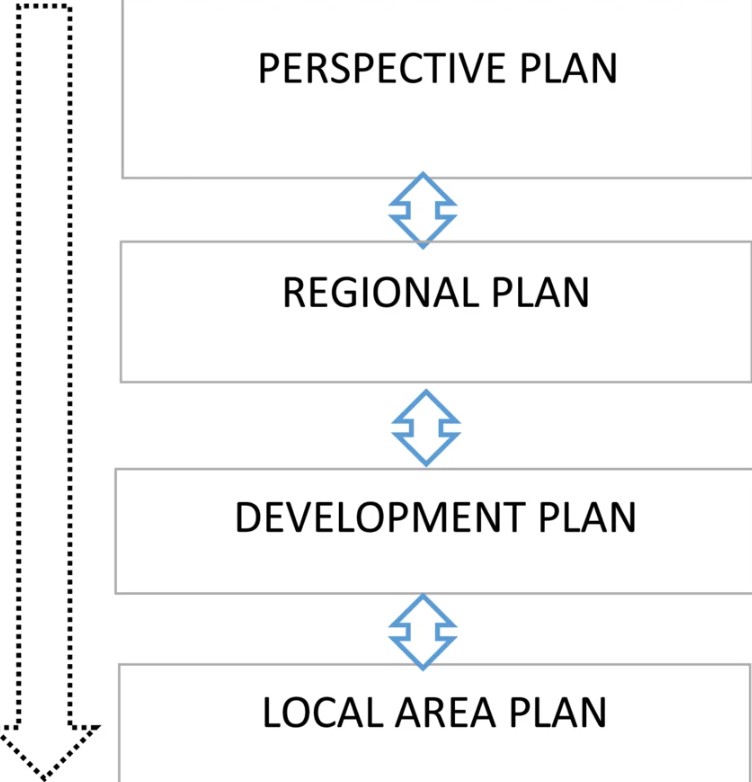
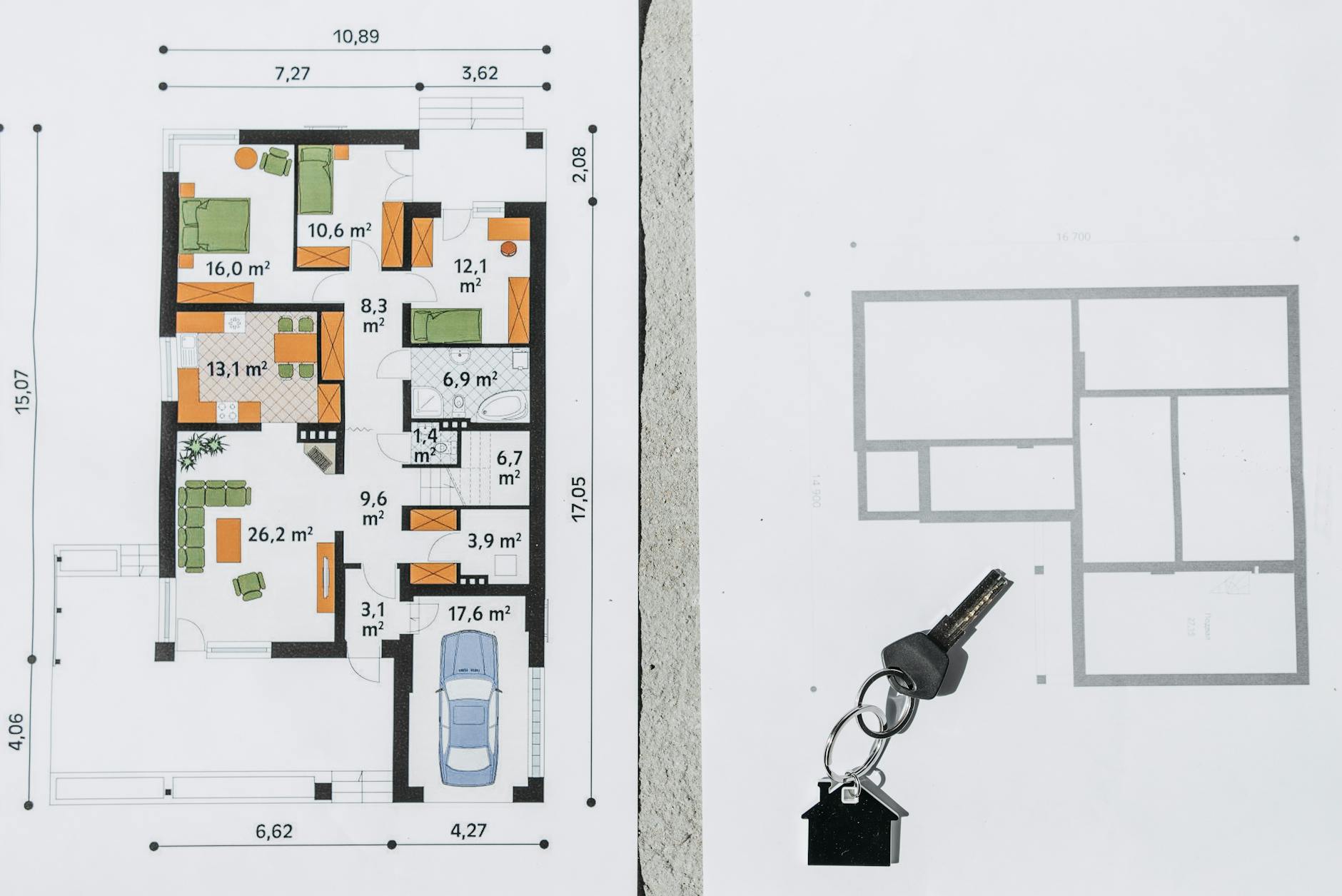
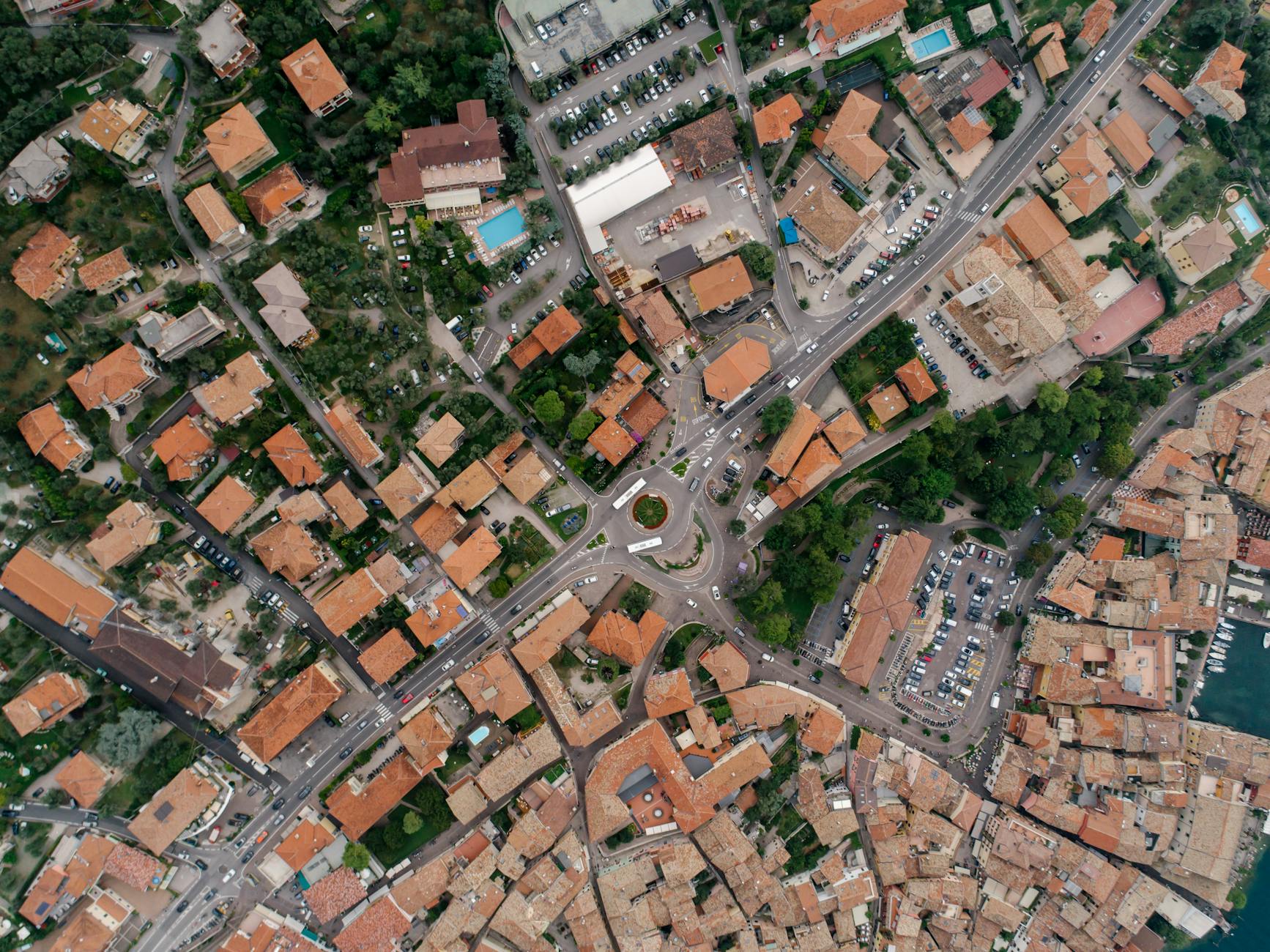
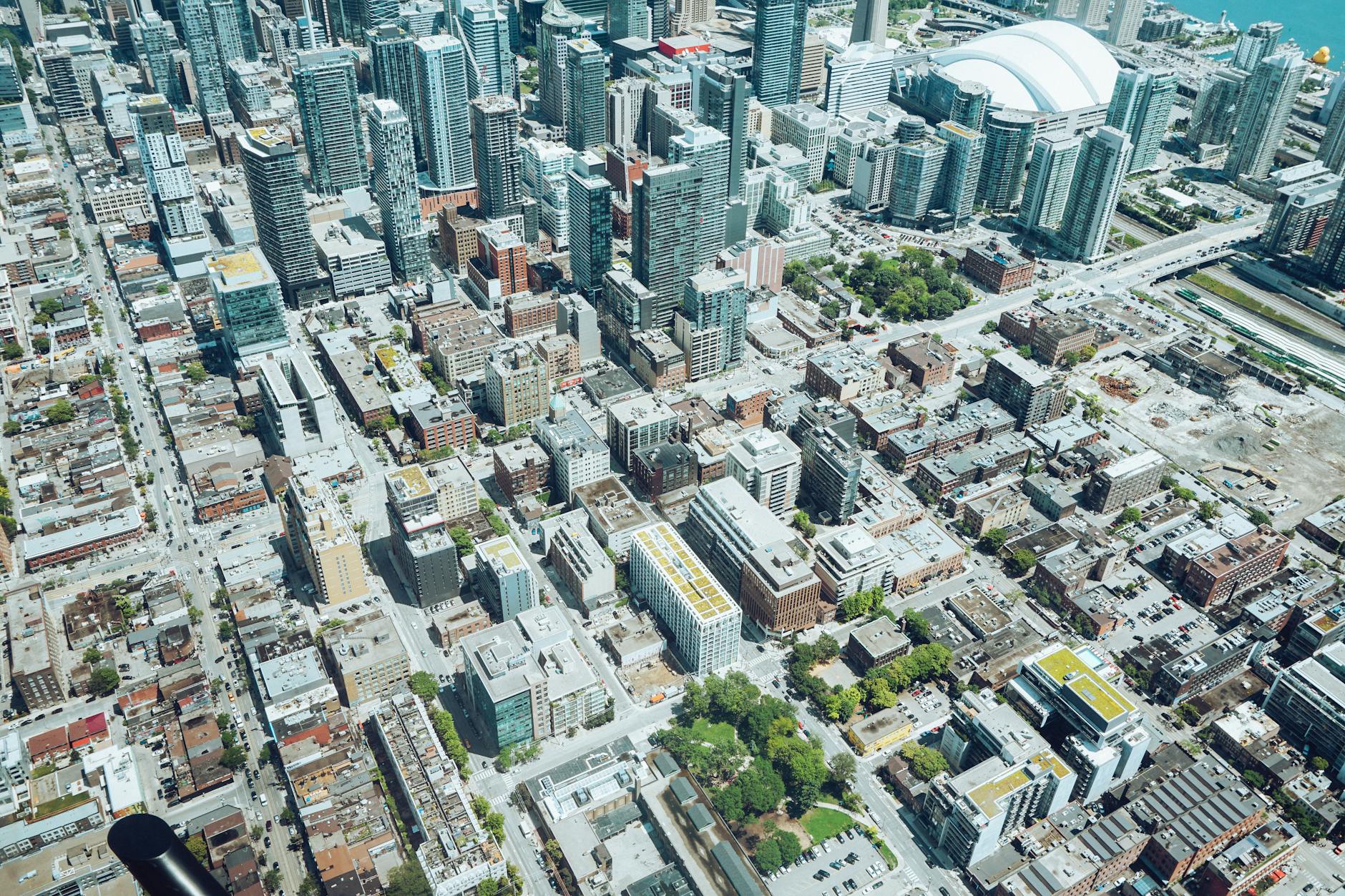
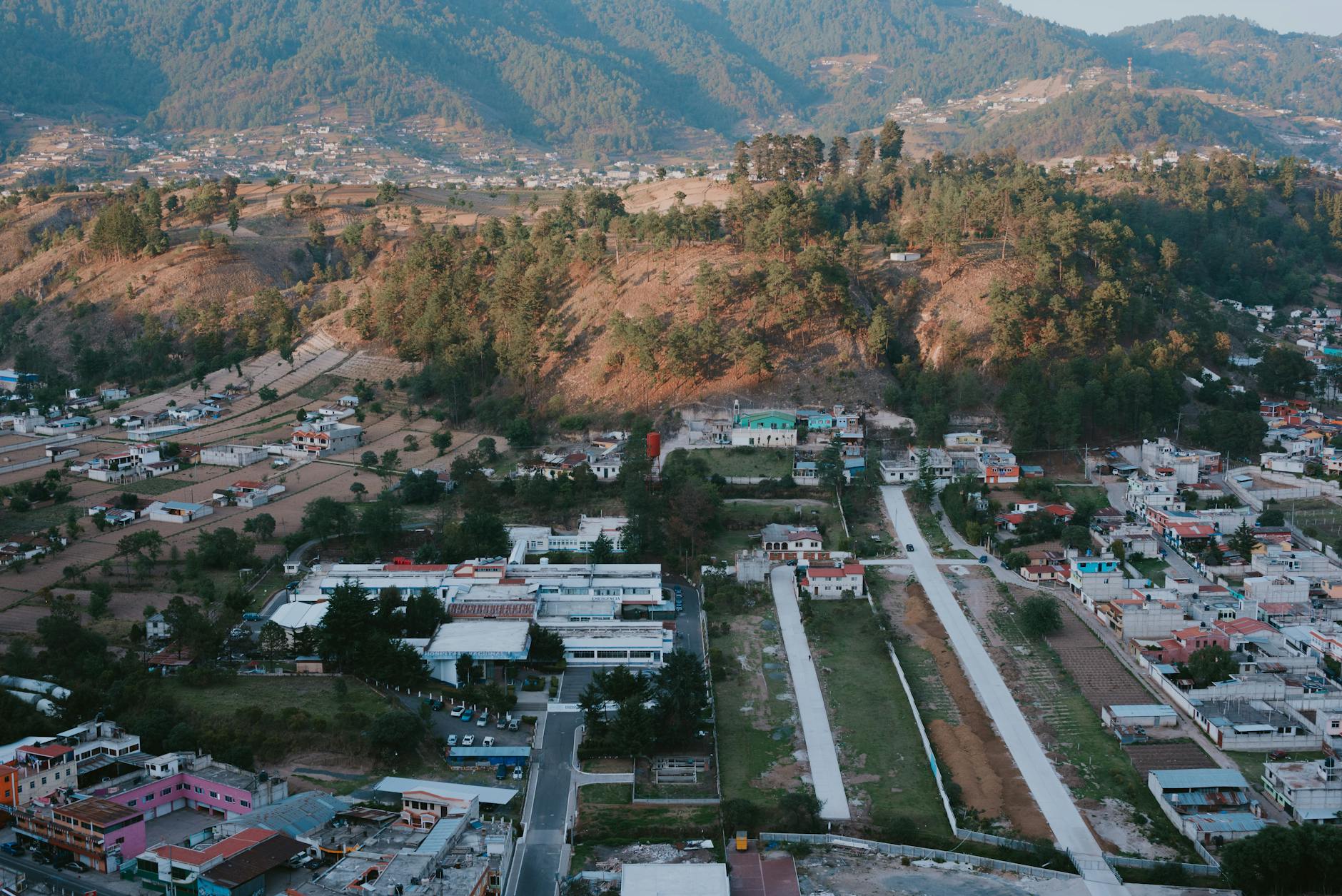
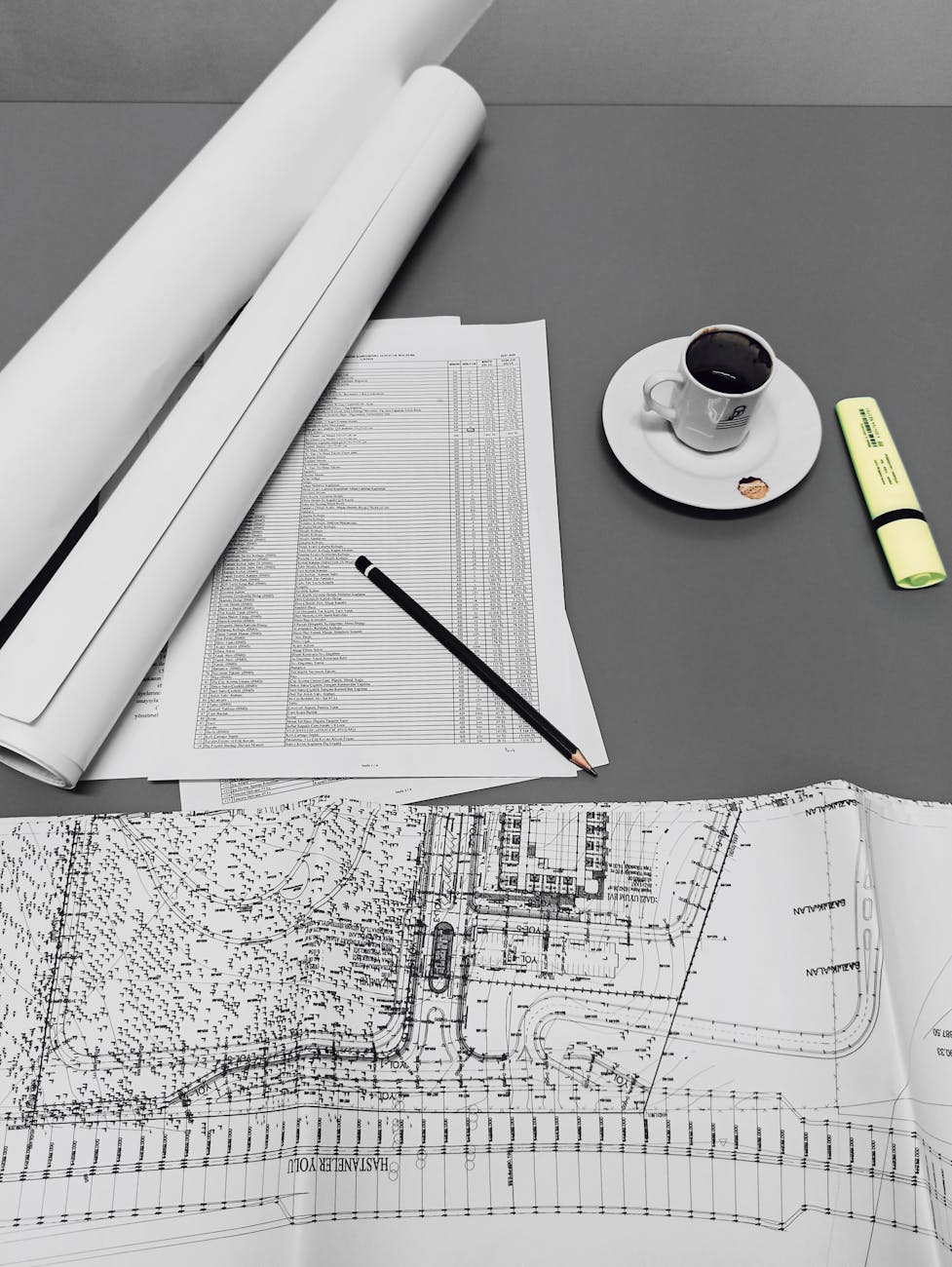
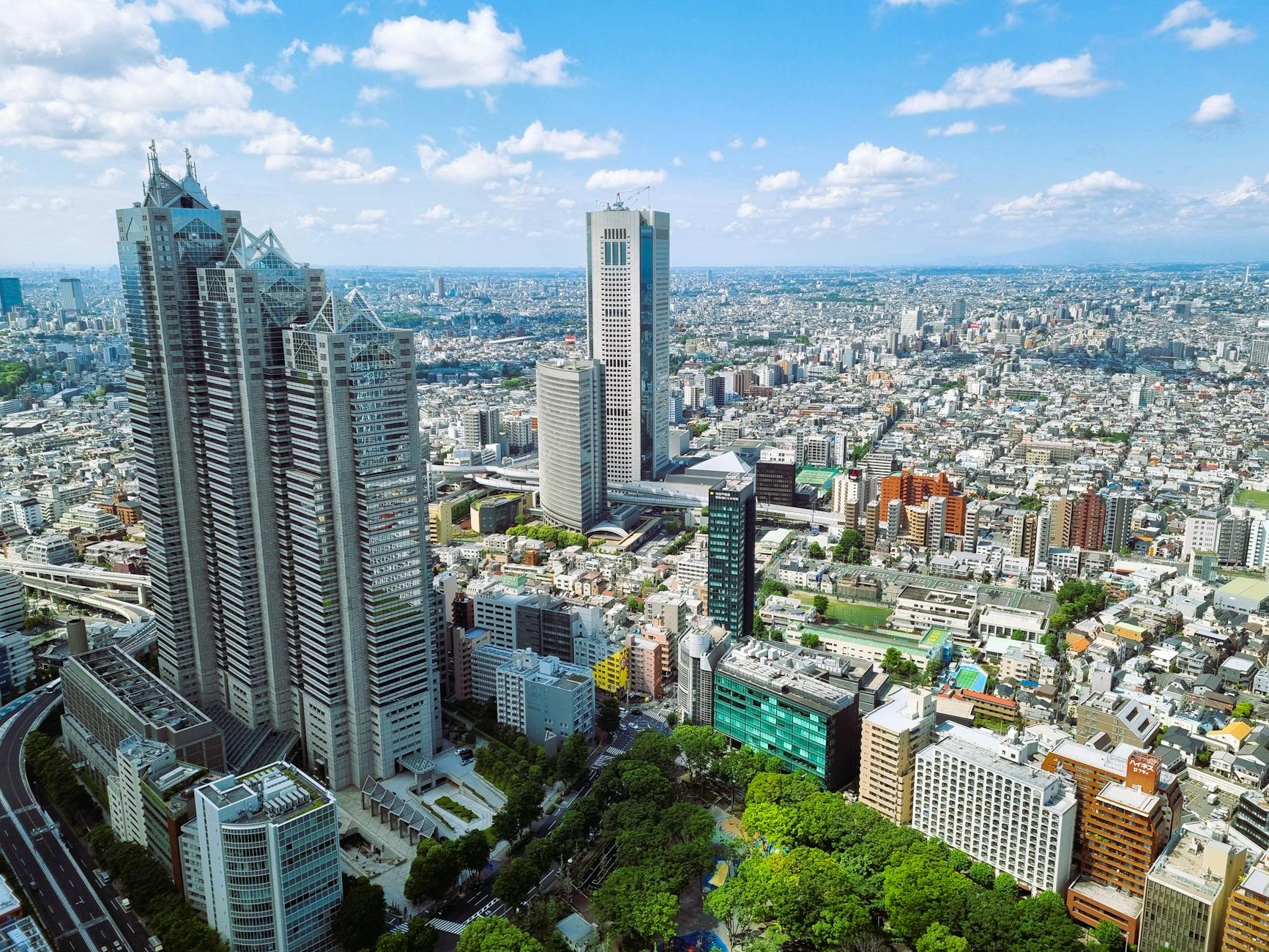
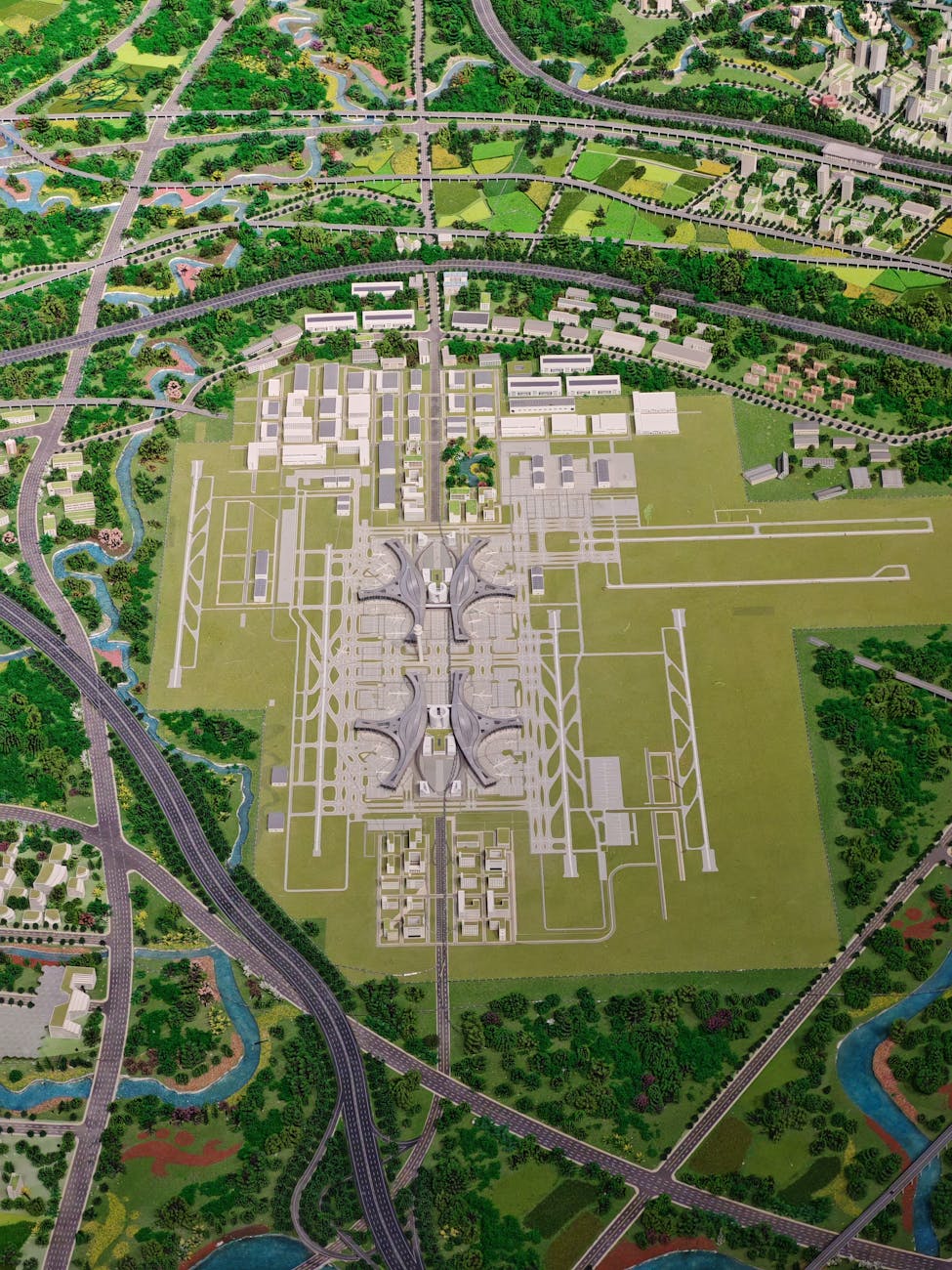
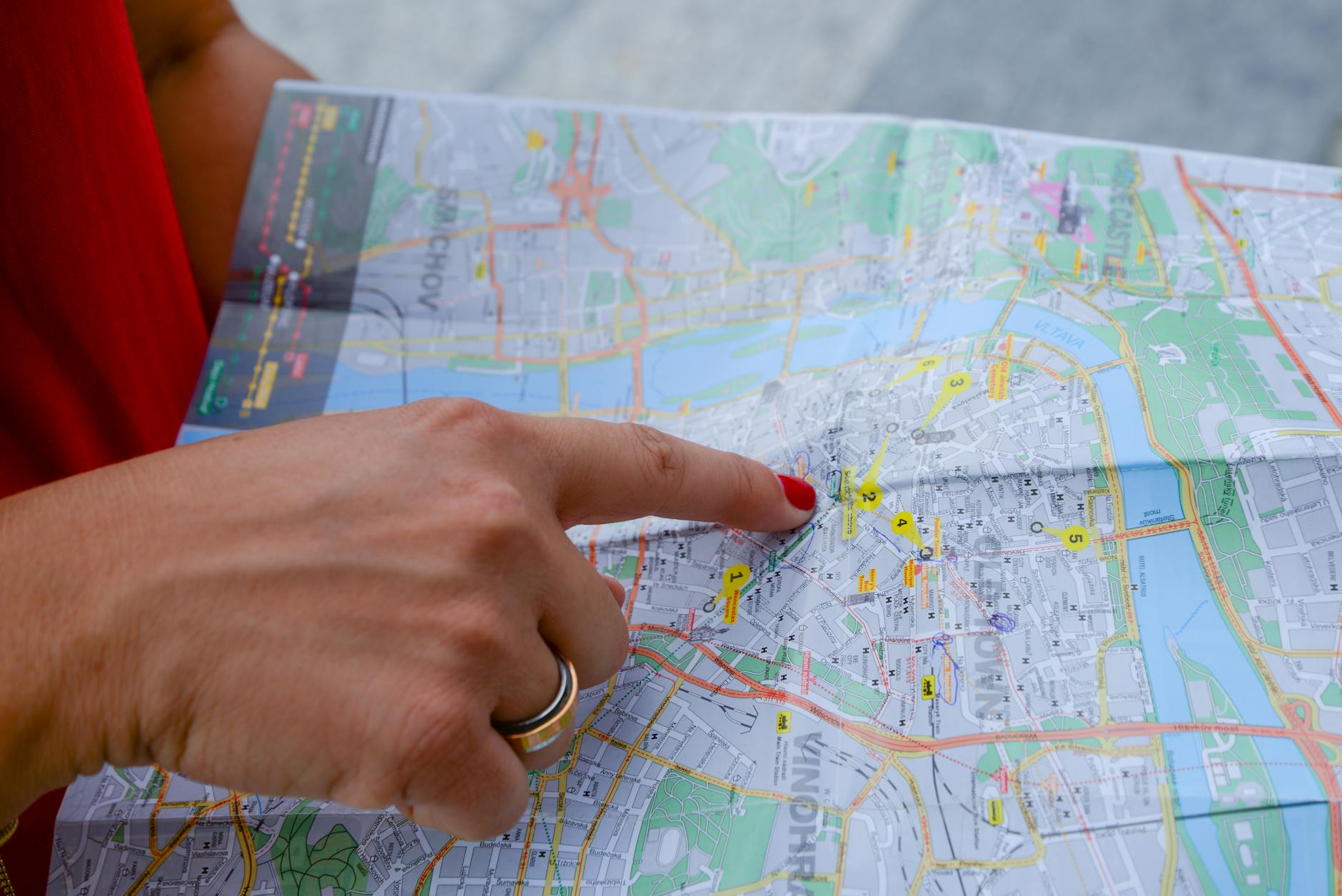
Types of plans: Master plan, city development plan, structure plan, districtย  plan, action area plan, subject plan, comprehensive planning, zonal plans etc

๐Ÿ™๏ธ Types of Plans in Planning Practice

Planning in India uses various types of plans to guide development at national, regional, city, and local levels. Each plan serves a specific purpose and scale, ensuring coordinated and systematic development.


1๏ธโƒฃ Master Plan

Definition:

A Master Plan is a long-term, comprehensive plan for the overall development of a city or town, usually covering 15โ€“20 years.

Focus:

  • Land-use allocation (residential, commercial, industrial, recreational).
  • Transportation networks, utilities, and infrastructure.
  • Population projections and housing requirements.
  • Environmental considerations and open spaces.

Example:

  • Master Plan of Delhi 2041
  • Pune Development Plan

2๏ธโƒฃ City Development Plan (CDP)

Definition:

A City Development Plan is a strategic urban planning document prepared under the Jawaharlal Nehru National Urban Renewal Mission (JNNURM) and other schemes.

Focus:

  • Economic growth, urban infrastructure, and governance.
  • Social development and poverty alleviation programs.
  • City-specific programs for water, sanitation, housing, and transport.

Objective:

  • Facilitate sustainable and inclusive urban development.

3๏ธโƒฃ Structure Plan

Definition:

A Structure Plan is a medium- to long-term plan that provides a framework for physical development of urban areas. It guides the detailed local plans (e.g., land-use zoning).

Focus:

  • Population distribution and settlement patterns.
  • Transportation and major infrastructure corridors.
  • Land-use distribution and environmental protection.

Example:

  • Structure plans prepared for fast-growing metropolitan regions.

4๏ธโƒฃ District Plan

Definition:

A District Plan focuses on planning at the district level, integrating urban, rural, and regional development objectives.

Focus:

  • Development of towns and villages within the district.
  • Resource allocation, infrastructure, and social services.
  • Coordination between local bodies and regional planning authorities.

5๏ธโƒฃ Action Area Plan

Definition:

An Action Area Plan is a short-term, site-specific plan within a city or town, aimed at immediate development or redevelopment.

Focus:

  • Implementation of specific projects (roads, parks, housing).
  • Development of priority zones or wards.
  • Addresses local needs and urgent interventions.

6๏ธโƒฃ Subject Plan

Definition:

A Subject Plan deals with a specific sector or theme, such as transport, housing, water supply, or environmental management.

Focus:

  • Sector-specific infrastructure and service planning.
  • Integration with regional or city-wide plans.
  • Can be short-, medium-, or long-term.

Examples:

  • Transport Master Plan
  • Water Supply and Sewerage Plan
  • Solid Waste Management Plan

7๏ธโƒฃ Comprehensive Planning

Definition:

Comprehensive Planning integrates all sectors, spatial, social, economic, and environmental considerations to guide development holistically.

Focus:

  • Long-term vision for the city or region.
  • Coordination of land use, transport, housing, utilities, and environment.
  • Inclusive and sustainable growth strategies.

8๏ธโƒฃ Zonal Plans

Definition:

Zonal Plans are sub-area plans that focus on specific zones or wards within a city or region.

Focus:

  • Detailed land use, development control, and infrastructure planning.
  • Implementation of local development projects.
  • Supports the Master Plan and Structure Plan.

9๏ธโƒฃ Hierarchy and Integration of Plans

Plan TypeScopePurpose / Focus
Master PlanCity / TownLong-term, overall development, land use, population, infrastructure
City Development PlanCityStrategic urban growth, governance, economic & social development
Structure PlanCity / Metropolitan AreaFramework for detailed planning, settlement patterns, transport
District PlanDistrictCoordination of urban and rural development at district level
Action Area PlanSpecific area / wardShort-term, site-specific development interventions
Subject PlanSector-specificPlanning for transport, water, housing, environment
Comprehensive PlanningCity / RegionHolistic integration of all sectors and long-term vision
Zonal PlanZone / WardDetailed planning and implementation for a specific sub-area

โœ… Key Points:

  • Planning in India is multi-layered and sector-specific, ensuring coordination from national/regional vision to local implementation.
  • Master Plans and Structure Plans provide long-term frameworks, while Action Area and Zonal Plans deal with immediate, site-specific interventions.
  • Subject Plans integrate sectoral priorities, and Comprehensive Plans ensure holistic, sustainable, and inclusive development.

Development and growth, Sustainable Development

๐ŸŒฑ Development, Growth, and Sustainable Development

Understanding these concepts is essential for planners, policymakers, and environmental managers to guide economic, social, and environmental progress.


1๏ธโƒฃ Growth

Definition:

Growth refers to an increase in quantitative aspects of the economy, such as GDP, industrial production, income, or population.

Key Features:

  • Measurable and numerical (e.g., GDP growth rate, industrial output).
  • Focuses on economic expansion, not necessarily social welfare or environmental health.
  • Can occur without improving quality of life or reducing inequality.

Example:

  • Rapid industrial production in a city without adequate housing, sanitation, or environmental safeguards.

2๏ธโƒฃ Development

Definition:

Development is a broader concept that includes economic growth plus improvements in social, environmental, and institutional conditions.

Key Features:

  • Qualitative and quantitative improvements.
  • Enhances human well-being, health, education, and quality of life.
  • Focuses on equity, justice, and opportunity in addition to economic indicators.

Example:

  • Urban development projects that provide affordable housing, clean water, schools, and parks alongside economic growth.

3๏ธโƒฃ Sustainable Development

Definition:

The Brundtland Commission (1987) defines Sustainable Development as:

โ€œDevelopment that meets the needs of the present without compromising the ability of future generations to meet their own needs.โ€

Key Principles:

  1. Environmental Sustainability: Protect natural resources, biodiversity, and ecosystems.
  2. Economic Sustainability: Promote long-term economic growth without overexploitation.
  3. Social Sustainability: Ensure equity, inclusion, and improved quality of life for all.

Features:

  • Integrates economic, social, and environmental planning.
  • Focuses on long-term impacts rather than short-term gains.
  • Requires participatory planning and policy coordination.

Examples in Planning Context:

  • Green buildings and eco-friendly urban designs.
  • Renewable energy integration in cities and industries.
  • Sustainable agriculture practices to protect soil and water.
  • Waste management and pollution control initiatives.

4๏ธโƒฃ Comparison: Growth vs Development vs Sustainable Development

AspectGrowthDevelopmentSustainable Development
NatureQuantitativeQuantitative + QualitativeBalanced economic, social, environmental
FocusEconomy / GDPQuality of life, well-beingPresent needs + Future generations
ScopeNarrowBroader (social + economic)Broadest (social + economic + environmental)
ExampleIndustrial output increaseAffordable housing + schoolsEco-friendly city with renewable energy, clean water, and public transport

5๏ธโƒฃ Relevance in Planning

  • Growth provides resources for development but may lead to inequality and environmental degradation if unchecked.
  • Development ensures equity, welfare, and social improvement alongside economic growth.
  • Sustainable development ensures long-term viability of cities, regions, and natural resources.

โœ… Key Takeaways:

  • Planning must aim for sustainable development, balancing economic growth, social equity, and environmental protection.
  • Policies should ensure that development today does not harm the ability of future generations to meet their needs.

Fields of planning โ€“ Urban, Regional Environmental, Transport etc.

๐ŸŒ Fields of Planning

Planning is a multidisciplinary activity that involves organizing resources, land, infrastructure, and policies to achieve sustainable development. Different fields of planning focus on specific aspects of human settlements, infrastructure, and environmental management.


1๏ธโƒฃ Urban Planning

Definition:

Urban planning deals with the design, development, and management of cities and towns to ensure efficient land use, infrastructure provision, and quality of life.

Focus Areas:

  • Land-use zoning: residential, commercial, industrial, recreational.
  • Housing, public amenities, and open spaces.
  • Transport and traffic management.
  • Environmental management within urban areas.
  • Disaster resilience and climate adaptation.

Objective:

Create livable, sustainable, and well-functioning cities.


2๏ธโƒฃ Regional Planning

Definition:

Regional planning focuses on large geographic areas, such as districts, states, or economic regions, integrating urban, rural, and natural resource development.

Focus Areas:

  • Balanced economic and social development.
  • Identification of growth centers and corridors.
  • Land and resource allocation across urban and rural areas.
  • Infrastructure development: highways, airports, industrial hubs.

Objective:

Promote equitable growth and reduce regional disparities.


3๏ธโƒฃ Environmental Planning

Definition:

Environmental planning ensures that development projects are sustainable, minimizing adverse impacts on natural resources and ecosystems.

Focus Areas:

  • Conservation of water, forests, soil, and biodiversity.
  • Pollution control: air, water, and noise.
  • Waste management and sanitation planning.
  • Climate change adaptation and disaster management.

Objective:

Achieve sustainable development while protecting natural resources.


4๏ธโƒฃ Transport Planning

Definition:

Transport planning involves designing and managing transport systems to facilitate efficient movement of people and goods.

Focus Areas:

  • Road, rail, metro, and public transport systems.
  • Traffic management and pedestrian facilities.
  • Freight transport and logistics planning.
  • Integration of transport with land use and urban planning.

Objective:

Provide efficient, safe, and sustainable mobility for urban and regional populations.


5๏ธโƒฃ Other Specialized Fields of Planning

FieldDefinition / Focus
Housing & Infrastructure PlanningProvision of affordable housing, utilities, and civic services.
Industrial & Economic PlanningAllocation of industrial zones, promotion of employment and investment.
Social PlanningEducation, healthcare, community welfare, and social equity.
Disaster & Risk Management PlanningMitigation, preparedness, and response strategies for natural and man-made disasters.
Tourism PlanningDevelopment of tourist infrastructure and sustainable tourism management.
Energy PlanningEfficient energy production, distribution, and renewable energy integration.

6๏ธโƒฃ Integration Across Fields

  • Planning fields overlap and complement each other.
  • Example: Urban planning incorporates transport, environmental, and social planning.
  • Example: Regional planning integrates economic, transport, and environmental planning to ensure balanced development.

โœ… Key Point: Effective planning requires a multidisciplinary approach, coordinating multiple fields to create sustainable, functional, and inclusive human settlements.

Hierarchy of plans: regional plan, sub-regional plan, sector plans, spatialย  plans, town planning schemes

๐Ÿ™๏ธ Hierarchy of Plans in India

Planning in India is structured in a hierarchical system, from broad national or regional frameworks to site-specific local plans. This ensures integration across levels and sectors while addressing local, regional, and national development objectives.


1๏ธโƒฃ Regional Plan

Definition:

A regional plan is a long-term plan that focuses on the development of a large area such as a district, state, or a cluster of districts, integrating urban, rural, and environmental planning.

Objectives:

  • Allocate land and resources efficiently across regions.
  • Promote balanced economic development and reduce regional disparities.
  • Identify growth centers and corridors for urban and industrial development.

Features:

  • Covers large geographic areas (state, region, or metropolitan region).
  • Provides framework for sub-regional and local plans.
  • Addresses land use, transport, infrastructure, and natural resource management.

2๏ธโƒฃ Sub-Regional Plan

Definition:

A sub-regional plan focuses on a smaller part of a region, such as a district or cluster of towns, detailing development policies within the regional framework.

Objectives:

  • Identify specific growth centers and development nodes.
  • Plan for infrastructure, transportation, and land use at a sub-regional level.
  • Coordinate urban and rural development within the sub-region.

Features:

  • More detailed than a regional plan.
  • Links regional planning objectives with local-level plans.
  • Focuses on functional areas, transport corridors, and resource allocation.

3๏ธโƒฃ Sector Plans

Definition:

Sector plans focus on specific sectors or themes, such as transport, housing, industry, water supply, or energy, across a region or city.

Objectives:

  • Improve efficiency and coordination of sector-specific development.
  • Integrate sectoral policies with spatial and regional planning.

Features:

  • Can be regional, sub-regional, or local in scope.
  • Provide guidelines for sector-specific infrastructure development.
  • Often include transport master plans, water supply schemes, or energy plans.

4๏ธโƒฃ Spatial Plans

Definition:

Spatial plans (also called land-use or urban plans) organize the physical layout of land and infrastructure for settlements, towns, or cities.

Objectives:

  • Allocate land for residential, commercial, industrial, and recreational purposes.
  • Plan transport networks, open spaces, and public facilities.
  • Ensure efficient, equitable, and sustainable land use.

Features:

  • Translate policy goals into physical form.
  • Include master plans, zoning regulations, and detailed development plans.
  • Often cover municipal or town areas.

5๏ธโƒฃ Town Planning Schemes (TPS)

Definition:

A Town Planning Scheme is a detailed local-level plan prepared for a specific area within a town or city, usually under the Town and Country Planning Act.

Objectives:

  • Reorganize land parcels for planned development.
  • Provide roads, parks, and civic amenities.
  • Compensate landowners for land acquired for public use while allowing development potential for private plots.

Features:

  • Area-specific and legally enforceable.
  • Includes land pooling, road layout, drainage, and public facilities.
  • Bridges the gap between master plans and on-ground implementation.

6๏ธโƒฃ Hierarchy Summary

LevelScopeFocusExample
Regional PlanLarge region/stateBroad development, land use, growth centersDelhi NCR Regional Plan
Sub-Regional PlanDistrict or cluster of townsSub-regional growth nodes, infrastructurePune Metropolitan Region Plan
Sector PlanSpecific sectorTransport, housing, industry, waterMumbai Transport Master Plan
Spatial PlanTown or cityLand-use allocation, infrastructure layoutMaster Plan of Bangalore
Town Planning SchemeSpecific locality/wardDetailed land development, roads, parksTPS in Jaipur or Ahmedabad

โœ… Key Points:

  • Planning is hierarchical and integrated, from broad regional frameworks to local-level implementation.
  • Regional plans set macro-level objectives.
  • Sub-regional and sector plans refine strategies.
  • Spatial plans and town planning schemes implement detailed land use and infrastructure plans.
  • This hierarchy ensures coordination, efficiency, and sustainable development across scales.

Contemporary examples of planning initiatives -Case studies

In recent decades, India has witnessed major urban planning initiatives aimed at creating sustainable, livable, and efficient cities. These initiatives often combine modern planning principles, technology, infrastructure development, and environmental considerations. The following case studies highlight contemporary planning approaches and their outcomes.


1. Chandigarh โ€“ Planned Modernist City

  • Background:
    • Designed by Le Corbusier in the 1950s as the new capital of Punjab and Haryana.
    • Objective: Provide a modern administrative and residential city post-independence.
  • Planning Features:
    • Sectoral Planning: City divided into sectors, each self-sufficient with schools, markets, and parks.
    • Green Spaces: Extensive use of parks, gardens, and tree-lined avenues.
    • Zoning: Separation of residential, commercial, and administrative zones.
    • Wide Roads and Grid System: Facilitates traffic circulation and orderly expansion.
  • Significance:
    • Chandigarh remains a model of modernist urban planning, blending functionality, aesthetics, and climate-responsive design.
    • Inspired subsequent planned cities in India, including Gandhinagar and Navi Mumbai.

2. Navi Mumbai โ€“ Satellite Town Planning

  • Background:
    • Developed in 1972 by CIDCO to decongest Mumbai and create organized residential and industrial zones.
  • Planning Features:
    • Sectoral Planning: Residential, commercial, and industrial sectors with planned civic amenities.
    • Transport Infrastructure: Wide roads, bridges, and rail connectivity integrated with public transport corridors.
    • Environmental Planning: Parks, green belts, and sustainable drainage systems.
  • Significance:
    • Successfully redirected population growth from Mumbai, providing a model for satellite cities in India.
    • Demonstrates integration of urban growth with infrastructure planning.

3. Smart Cities Mission โ€“ Pan-India Initiative

  • Background:
    • Launched by the Government of India in 2015, targeting 100 cities for smart, sustainable development.
  • Planning Features:
    • ICT Integration: Smart traffic management, e-governance, and public safety systems.
    • Infrastructure Upgrades: Water supply, waste management, renewable energy, and road networks.
    • Citizen-Centric Planning: Focus on livability, mobility, and economic opportunity.
  • Case Examples:
    • Pune Smart City: Intelligent traffic signals, GIS-based waste management, and pedestrian-friendly streets.
    • Ahmedabad Smart City: Integrated public transport system, solar-powered street lighting, and smart governance platforms.
  • Significance:
    • Introduces technology-driven, data-centric urban planning.
    • Emphasizes sustainable development, citizen participation, and urban resilience.

4. Delhi Metro โ€“ Transit-Oriented Development (TOD)

  • Background:
    • Launched in 1995 to address traffic congestion and pollution in Delhi.
  • Planning Features:
    • High-Capacity Public Transport: Metro corridors reduce dependency on private vehicles.
    • Transit-Oriented Development: Commercial and residential clusters planned near metro stations.
    • Integration with Urban Planning: Roads, pedestrian zones, and feeder bus networks complement metro access.
  • Significance:
    • Transformed Delhiโ€™s urban mobility and land use patterns.
    • Serves as a model for TOD across Indian cities, including Bangalore, Hyderabad, and Jaipur.

5. New Town Kolkata โ€“ Knowledge and IT Hub

  • Background:
    • Developed in the 1990s by WBHIDCO as a planned IT and residential hub on Kolkataโ€™s outskirts.
  • Planning Features:
    • Sectoral Planning: Dedicated IT parks, residential zones, and commercial areas.
    • Transport Connectivity: Road networks, metro rail integration, and public transport corridors.
    • Sustainable Design: Open spaces, water bodies, and eco-friendly development practices.
  • Significance:
    • Showcases modern satellite city planning in Eastern India.
    • Promotes employment-generation hubs integrated with urban infrastructure.

6. Lavasa โ€“ Private Planned City (Maharashtra)

  • Background:
    • Developed as a private, planned hill city emphasizing tourism, education, and recreation.
  • Planning Features:
    • Theme-Based Urban Planning: Residential, commercial, and recreational zones designed for aesthetic appeal.
    • Green and Water-Sensitive Planning: Preservation of natural landscape and lakes.
    • Modern Infrastructure: Roads, utilities, and public amenities in a planned manner.
  • Significance:
    • Innovative example of private urban planning in India.
    • Emphasizes environmental integration and high-quality urban design.

7. Gandhinagar โ€“ Administrative Capital Planning

  • Background:
    • Developed in the 1960s as the capital of Gujarat, designed as a planned city.
  • Planning Features:
    • Sectoral Planning: Residential, commercial, and administrative areas segregated.
    • Wide Roads and Axial Layouts: Facilitates traffic circulation.
    • Green Belts: Parks, gardens, and open spaces integrated for sustainability.
  • Significance:
    • Reflects post-independence administrative planning priorities.
    • Serves as an example of government-driven, functional city planning.

8. Jamshedpur โ€“ Industrial Township Planning

  • Background:
    • Developed in the early 20th century by Tata Steel as a model industrial city.
  • Planning Features:
    • Zoned Layout: Industrial zones, residential areas for employees, and civic amenities separated.
    • Green Spaces: Parks, gardens, and tree-lined streets.
    • Social Infrastructure: Schools, hospitals, and community centers integrated.
  • Significance:
    • Early example of planned industrial urban development in India.
    • Combines industry, residential living, and social infrastructure efficiently.

Key Takeaways from Contemporary Planning Initiatives

  1. Sectoral and Master Planning: Ensures organized land use and infrastructure provision.
  2. Sustainability: Emphasis on green spaces, renewable energy, and eco-friendly design.
  3. Technology Integration: Smart city projects utilize ICT, GIS, and IoT for urban management.
  4. Transit-Oriented Development: Metro and public transport corridors influence urban growth and density.
  5. Public-Private Partnerships: Cities like Lavasa demonstrate private sector involvement in planning.

Conclusion

Contemporary urban planning initiatives in India reflect a blend of historical lessons, modernist principles, and technological innovation. Cities like Chandigarh, Navi Mumbai, New Town Kolkata, Gandhinagar, and Jamshedpur serve as examples of planned development, while Smart Cities and metro-based TOD projects highlight the role of technology, sustainability, and citizen-centric approaches. These initiatives provide a roadmap for the future of Indian urbanism, emphasizing livability, efficiency, and resilience.

Impact of technology on urban form

The urban formโ€”the physical layout and structure of citiesโ€”is directly influenced by technological advancements. Technology affects transportation, communication, construction, utilities, and urban management, reshaping cities over time. From ancient settlements to modern megacities, each technological breakthrough has left a mark on how cities are planned, built, and function.


1. Transportation Technology and Urban Form

  • Early Transport Innovations
    • In pre-industrial cities, urban form was compact, walkable, and oriented along rivers or trade routes.
    • Streets were narrow, and settlements were densely packed around marketplaces and defensive structures.
  • Railways (19th Century)
    • Railways enabled suburban expansion, creating railway towns and commuter belts.
    • Cities developed linear growth patterns along railway lines.
    • Example: Suburbs around London, Mumbai, and Kolkata expanded due to rail connectivity.
  • Automobiles (20th Century)
    • Introduction of cars led to wider streets, arterial roads, and highways.
    • Encouraged urban sprawl, low-density residential areas, and decentralized city layouts.
    • Example: Post-WWII American cities (Los Angeles) expanded horizontally due to car dependency.
  • Public Transit Systems
    • Metro, bus rapid transit (BRT), and light rail systems reshaped dense urban cores.
    • Encouraged transit-oriented development (TOD) with mixed-use clusters around stations.
    • Example: Delhi Metro has influenced high-rise, mixed-use corridors in the National Capital Region.

Impact: Technology in transportation determines city density, shape, and connectivity, influencing both vertical and horizontal urban expansion.


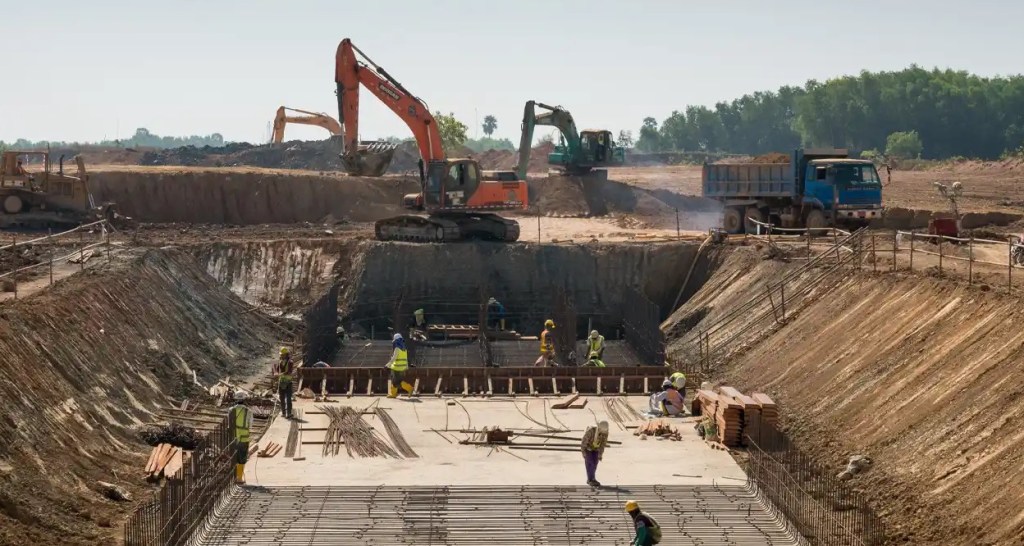
2. Construction Technology and Urban Form

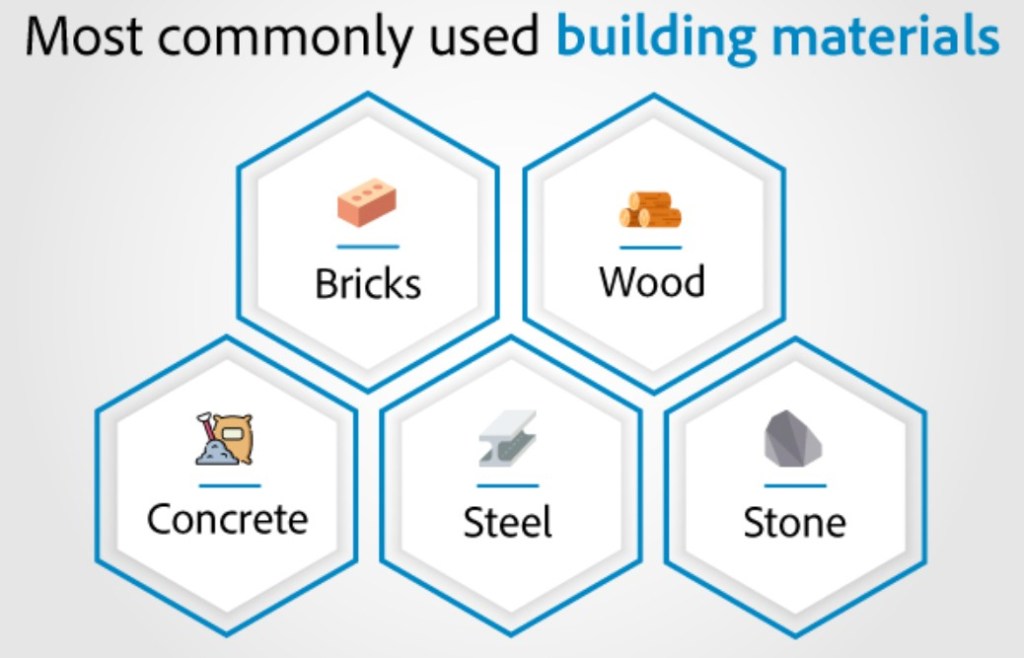
  • Steel and Reinforced Concrete
    • Enabled high-rise buildings and skyscrapers, concentrating population and commercial activity vertically.
    • Cities could grow upwards instead of outwards, changing urban skylines.
    • Example: Mumbai, New York, and Dubai.
  • Prefabrication and Modular Construction
    • Accelerates housing and infrastructure development.
    • Leads to planned neighborhoods and satellite towns with uniform layouts.
  • Building Services Technology
    • Elevators, HVAC systems, and fire safety technology make high-density vertical living feasible.
    • Urban cores are increasingly mixed-use, with residential, commercial, and office towers.

Impact: Construction technology has allowed cities to accommodate growing populations in limited space, changing the form from low-rise sprawl to vertical density.


3. Communication Technology and Urban Form

  • Telegraph and Telephone
    • Early communication technology facilitated administrative and commercial centralization in urban cores.
  • Internet and Digital Technology
    • Enabled remote work and e-commerce, reducing the dependency on city centers.
    • Led to polycentric cities with multiple activity hubs rather than a single central business district (CBD).
    • Example: IT hubs in Bangalore, Hyderabad, and Pune have developed tech parks and suburban office clusters.

Impact: Communication technology influences location of employment, retail, and services, shaping urban density and functional distribution.


4. Utilities and Infrastructure Technology

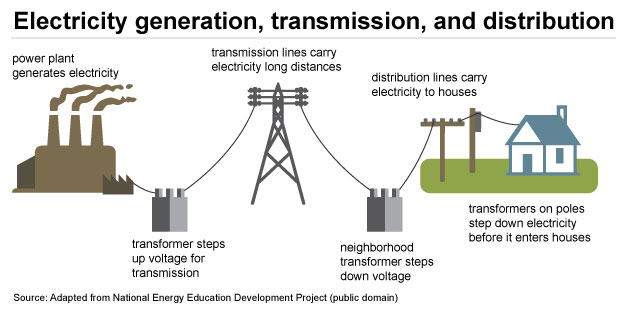
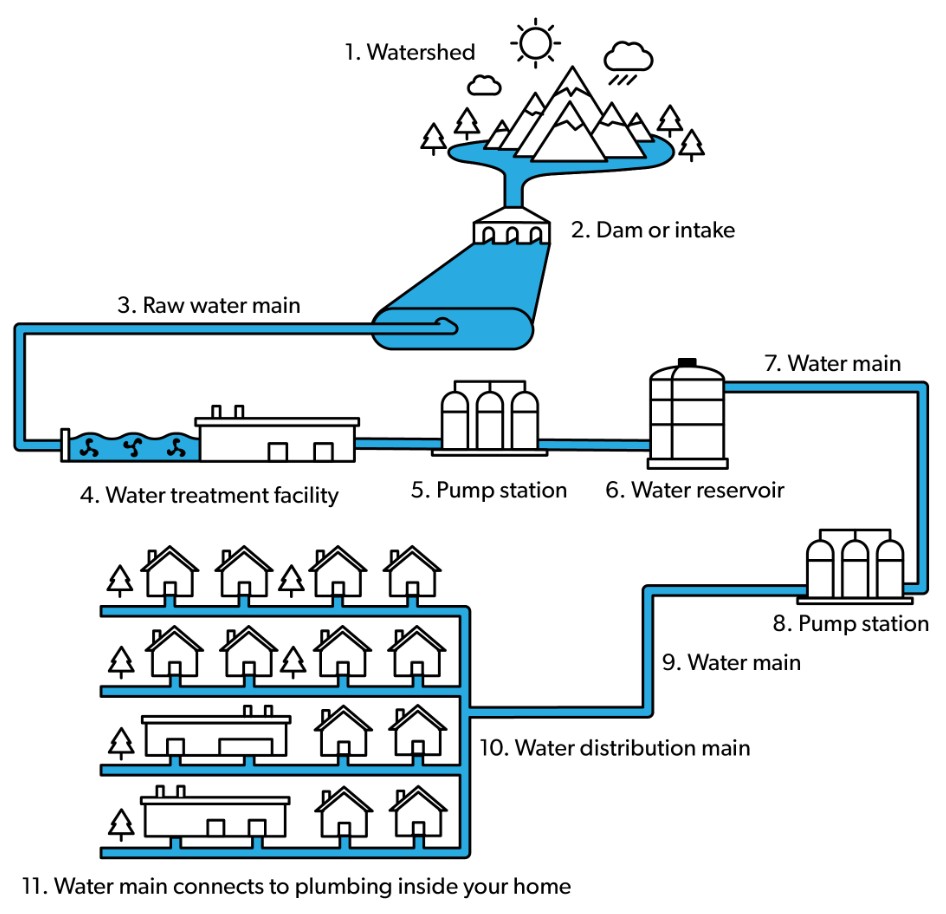
  • Water Supply, Sewage, and Electricity
    • Advanced utility networks allow high-density residential areas far from natural water sources.
    • Enable the development of modern planned cities with systematic grids, parks, and open spaces.
  • Smart City Technologies
    • Sensors, IoT, and GIS-based urban management optimize traffic flow, waste management, energy use, and public services.
    • Urban form is increasingly designed around data-driven infrastructure, such as intelligent transport corridors and energy-efficient buildings.

Impact: Utilities and smart infrastructure make cities more efficient, resilient, and sustainable, influencing urban layouts and livability.


5. Industrial Technology and Urban Form

  • Industrial Revolution
    • Factories concentrated near transport hubs, shaping urban cores around industrial activity.
    • Workersโ€™ housing, markets, and civic amenities emerged in proximity to industrial zones.
    • Example: Manchester (UK), Jamshedpur (India).
  • Post-Industrial Economy
    • Shift from manufacturing to service-based and knowledge economies transformed former industrial zones into commercial and residential areas.
    • Urban form became mixed-use and service-oriented, with adaptive reuse of industrial structures.

Impact: Industrial technology determines zoning, density, and functional distribution in cities.


6. Technology in Urban Planning and Design

  • GIS, Remote Sensing, and Modeling
    • Planners use geospatial data to optimize land use, traffic management, and environmental protection.
    • Influences urban form by identifying growth corridors, flood-prone zones, and optimal residential and commercial layouts.
  • Computer-Aided Design (CAD) and Simulation
    • Facilitates efficient urban design, infrastructure planning, and disaster management.
    • Supports 3D visualization, zoning analysis, and scenario modeling for sustainable city layouts.

Impact: Planning technology allows for scientific and precise urban design, shaping urban form based on data and simulation rather than intuition alone.


7. Summary of Technological Impacts on Urban Form

TechnologyImpact on Urban Form
RailwaysLinear city expansion, suburban growth
AutomobilesUrban sprawl, arterial roads, decentralized development
High-rise constructionVertical density, mixed-use cores
Communication technologyPolycentric cities, IT corridors
Utilities & smart techEfficient, sustainable city layouts
Industrial technologyZoning, industrial hubs, workersโ€™ quarters
GIS & CADData-driven urban form, disaster-resistant planning

Conclusion

Technology has profoundly reshaped urban form, influencing density, layout, functionality, and aesthetics of cities. Transportation and construction technologies determine whether cities grow horizontally or vertically, while communication and planning technologies influence functional distribution and spatial organization. Utilities and smart infrastructure improve livability and sustainability, and industrial technology shapes economic and social zoning. Collectively, these innovations have transformed cities from compact, walkable settlements to complex, multifunctional, and globally connected urban regions.

New Towns in India: Concept and Examples

New towns in India refer to planned urban settlements developed to address issues such as urban congestion, industrial growth, population pressure, and administrative needs. Unlike organically evolved cities, new towns are designed from scratch based on modern planning principles, incorporating zoning, infrastructure, transportation, public amenities, and open spaces.


1. Objectives of Developing New Towns in India

  • Relieve congestion in existing metropolitan areas (e.g., Mumbai, Kolkata).
  • Promote industrial and economic growth by creating hubs for manufacturing and services.
  • Implement modern urban planning principles (grid layouts, sectorization, zoning).
  • Provide affordable housing and better civic amenities.
  • Facilitate regional development and balanced population distribution.

2. Planning Principles for New Towns

  • Zoning: Residential, commercial, industrial, and recreational areas clearly segregated.
  • Transportation: Wide roads, public transit corridors, and pedestrian-friendly spaces.
  • Green Spaces: Parks, gardens, and green belts to ensure environmental sustainability.
  • Utilities and Infrastructure: Provision of water supply, drainage, electricity, and sewage systems.
  • Self-Containment: New towns often aim to be self-sufficient, providing employment, education, and healthcare locally.

3. Major New Towns in India

A. Navi Mumbai (Maharashtra)

Photo by Mohit Hambiria on Pexels.com
  • Established: 1972 by CIDCO (City and Industrial Development Corporation)
  • Purpose: To decongest Mumbai and provide organized residential, commercial, and industrial spaces.
  • Planning Features:
    • Sector-based development with wide roads and dedicated residential/commercial zones.
    • Well-planned public transport, schools, hospitals, and parks.
    • Industrial zones in Vashi, Panvel, and Turbhe.
  • Significance: One of Indiaโ€™s largest planned cities, serving as a model for satellite city planning.

B. Chandigarh (Punjab & Haryana)

  • Established: 1950s, designed by Le Corbusier
  • Purpose: Capital city for Punjab and Haryana post-independence.
  • Planning Features:
    • Sector-based layout, each sector self-sufficient with markets, schools, and parks.
    • Wide boulevards, green belts, and open spaces integrated with modernist architecture.
    • Administrative and government sectors distinctly separated from residential zones.
  • Significance: Iconic example of modernist planning and urban design in India.

C. Durgapur (West Bengal)

  • Established: 1955, as an industrial town under the Durgapur Development Authority.
  • Purpose: Promote steel and heavy industries as part of post-independence industrialization.
  • Planning Features:
    • Residential, industrial, and civic zones clearly demarcated.
    • Planned civic amenities, parks, and public utilities.
  • Significance: Early example of a planned industrial township in eastern India.

D. Bhilai (Chhattisgarh)

  • Established: 1955, with the Bhilai Steel Plant as the core industrial activity.
  • Purpose: Industrial hub for steel production and supporting townships.
  • Planning Features:
    • Township planned for employees of the steel plant with housing, schools, and recreational facilities.
    • Separate industrial, residential, and administrative zones.
  • Significance: One of Indiaโ€™s earliest planned industrial towns integrating industrial growth and urban living.

E. Gandhinagar (Gujarat)

  • Established: 1960s as the capital of Gujarat.
  • Purpose: Replace Ahmedabad as the administrative capital with a planned city.
  • Planning Features:
    • Sectoral planning with residential, commercial, and administrative areas.
    • Wide avenues, parks, and water bodies.
    • Emphasis on green belts and modern civic amenities.
  • Significance: Example of post-independence administrative planning.

F. Greater Noida (Uttar Pradesh)

  • Established: 1991 by the Greater Noida Industrial Development Authority.
  • Purpose: To decongest Delhi and promote industrial and IT development.
  • Planning Features:
    • Wide roads, sectoral planning, IT and industrial zones.
    • Modern infrastructure including universities, sports complexes, and metro connectivity.
  • Significance: One of Indiaโ€™s fastest developing satellite cities, emphasizing modern urban infrastructure.

G. New Town Kolkata (West Bengal)

  • Established: 1990s, developed by West Bengal Housing Infrastructure Development Corporation (WBHIDCO).
  • Purpose: Modern IT, residential, and commercial hub on the outskirts of Kolkata.
  • Planning Features:
    • Sector-based planning, with IT parks, residential zones, and civic amenities.
    • Emphasis on sustainable urban design and public transportation.
  • Significance: Example of a planned knowledge and business city in India.

4. Characteristics Common to Indian New Towns

  1. Master Planning: Detailed layouts prepared by town planning authorities.
  2. Zoning: Separation of land uses for residential, commercial, industrial, and recreational purposes.
  3. Infrastructure and Utilities: Proper provision of water supply, drainage, electricity, and sewage systems.
  4. Environmental Consideration: Parks, lakes, and green belts integrated for ecological balance.
  5. Transport Connectivity: Roads, railways, and public transport networks incorporated into design.
  6. Self-Containment: Inclusion of schools, hospitals, markets, and recreational facilities within sectors or zones.

5. Significance of New Towns in India

  • Helped reduce pressure on mega-cities like Mumbai, Delhi, and Kolkata.
  • Facilitated industrialization and economic growth through planned industrial zones.
  • Introduced modern urban planning principles in India, serving as models for future cities.
  • Promoted organized, sustainable, and livable urban environments.

Conclusion

New towns in India represent the countryโ€™s commitment to planned urban growth, balancing industrial, residential, and administrative needs. Cities like Navi Mumbai, Chandigarh, Durgapur, Bhilai, Gandhinagar, Greater Noida, and New Town Kolkata showcase the application of modern planning principles, including sectoral layouts, green belts, zoning, and civic amenities. These towns not only alleviate pressures on existing urban centers but also provide a template for sustainable urban development in India.

Greek Civilization: The Foundation of Western Culture

The Greek civilization stands as one of the most influential in world history. Emerging around 2000 BCE and flourishing between 800 BCE and 146 BCE, ancient Greece laid the intellectual, political, and cultural foundations of what we now call Western civilization. The Greeks made remarkable contributions to philosophy, democracy, art, architecture, literature, and science, shaping the way humanity thinks, governs, and expresses itself. Their legacy continues to inspire modern political systems, education, and cultural ideals.

Photo by jimmy teoh on Pexels.com

Geographical Setting and Early Development

Ancient Greece was not a single unified empire but a collection of city-states (poleis) scattered across the mountainous Greek mainland, the Aegean islands, and the western coast of Asia Minor (modern-day Turkey). The rugged terrain and numerous islands encouraged the development of independent communities, each with its own government, traditions, and identity. The Aegean Sea served as a natural highway, connecting Greece with Egypt, Mesopotamia, and the wider Mediterranean world, fostering trade and cultural exchange.

The earliest Greek civilizations were the Minoan Civilization (c. 2700โ€“1450 BCE) on the island of Crete and the Mycenaean Civilization (c. 1600โ€“1100 BCE) on the mainland. The Minoans, known for their palace at Knossos, were skilled traders and seafarers. The Mycenaeans, on the other hand, were warriors who built fortified cities like Mycenae and Tiryns. The legendary Trojan War, immortalized by Homerโ€™s epics โ€” The Iliad and The Odyssey โ€” reflects this heroic age.

After the decline of the Mycenaeans, Greece entered a period known as the Dark Age (1100โ€“800 BCE), marked by reduced trade and population decline. However, this period also laid the groundwork for cultural revival and the rise of the Classical Greek civilization.


Rise of the City-States (Polis)

By the 8th century BCE, Greek society was organized into city-states (poleis) such as Athens, Sparta, Corinth, and Thebes. Each polis was politically independent, with its own government, army, and laws, yet shared a common language, religion, and cultural identity. The Greeks referred to themselves as Hellenes and their land as Hellas.

Two of the most famous city-states, Athens and Sparta, represented contrasting political and social systems.

  • Athens developed the worldโ€™s first democracy, where citizens (free men) participated directly in decision-making through assemblies.
  • Sparta, by contrast, was a military oligarchy, emphasizing discipline, strength, and loyalty to the state.

Despite their differences, both city-states contributed significantly to Greek political and cultural achievements.


Political and Social Organization

Greek civilization experimented with various forms of governance โ€” monarchy, oligarchy, tyranny, and democracy. Athensโ€™ democratic system under leaders like Solon, Cleisthenes, and Pericles became a model for later societies. Citizens debated and voted on laws, emphasizing civic responsibility and public participation โ€” the foundation of modern democratic ideals.

Society in Greece was divided into citizens, metics (foreign residents), and slaves. Women generally had limited rights, though in Sparta they enjoyed more freedom and responsibility compared to other city-states. Education and intellectual growth were highly valued, especially in Athens, where philosophy, science, and the arts flourished.


Religion and Mythology

Religion played a central role in Greek life, shaping their values, festivals, and art. The Greeks were polytheistic, believing in a pantheon of gods and goddesses who lived on Mount Olympus. The most important deities included Zeus (king of the gods), Hera, Poseidon, Athena, Apollo, Artemis, Aphrodite, and Ares. Each city-state often honored a patron deity โ€” for example, Athens was dedicated to Athena, the goddess of wisdom.

Greek mythology explained natural phenomena, human behavior, and the origins of the world through stories filled with gods, heroes, and moral lessons. Myths such as those of Hercules, Perseus, Theseus, and Odysseus continue to captivate audiences today and influenced Western literature and art.


Philosophy and Intellectual Contributions

One of Greeceโ€™s greatest achievements was its intellectual revolution. Greek philosophers sought rational explanations for the world, moving away from mythological thinking.

  • Socrates emphasized ethics and the pursuit of truth through questioning (Socratic method).
  • Plato, his student, founded the Academy and explored ideas of justice, politics, and metaphysics in works like The Republic.
  • Aristotle, Platoโ€™s student, founded the Lyceum and made foundational contributions to logic, biology, ethics, and politics.

These thinkers laid the foundations of Western philosophy and science, influencing medieval scholars and the Renaissance.

The Greeks also advanced mathematics (Pythagoras, Euclid), medicine (Hippocrates), and astronomy. They sought to understand the natural world through observation and reasoning โ€” the earliest form of scientific inquiry.


Art, Architecture, and Literature

Greek art and architecture reflected balance, harmony, and proportion โ€” ideals that became central to Western aesthetics.

  • In architecture, the Doric, Ionic, and Corinthian styles defined temples such as the Parthenon on the Acropolis of Athens.
  • Sculpture achieved naturalism and beauty, depicting the human body with perfect proportion and movement โ€” as seen in works like Discobolus (the Discus Thrower) and the Venus de Milo.

Greek literature also flourished. The epics of Homer, the tragedies of Aeschylus, Sophocles, and Euripides, and the comedies of Aristophanes explored themes of heroism, fate, morality, and politics. Greek theater, performed in open-air amphitheaters, was both a form of entertainment and a means of public reflection on social and ethical issues.


The Hellenic and Hellenistic Periods

The Classical Period (5thโ€“4th centuries BCE) was Greeceโ€™s golden age, marked by the leadership of Pericles in Athens, the construction of the Parthenon, and the flourishing of art, philosophy, and democracy. However, constant warfare, such as the Peloponnesian War (431โ€“404 BCE) between Athens and Sparta, weakened the Greek states.

In the 4th century BCE, Alexander the Great of Macedon united Greece and created one of the largest empires in history, stretching from Greece to Egypt and India. His conquests spread Greek language, art, and ideas across Asia and the Mediterranean, beginning the Hellenistic Period (323โ€“146 BCE). This era blended Greek and Eastern cultures, producing advancements in science, art, and architecture โ€” seen in cities like Alexandria.


Legacy and Influence

The legacy of Greek civilization is profound and enduring. The Greeks introduced ideas that remain central to modern thought and governance:

  • Democracy and citizenship in political life.
  • Rational philosophy and scientific inquiry.
  • Classical art and architecture emphasizing beauty, symmetry, and proportion.
  • Literary forms such as epic poetry, drama, and comedy.
  • Olympic Games, celebrating physical excellence and unity.

Greek thought profoundly influenced Roman civilization, which adopted and spread Greek culture throughout Europe. During the Renaissance, Greek ideas about humanism, reason, and beauty were rediscovered and became the foundation of modern Western civilization.


Conclusion

The Greek civilization remains a cornerstone of human achievement โ€” a culture that elevated reason, beauty, and civic responsibility to ideals still admired today. Through their innovations in politics, philosophy, art, and science, the Greeks sought to understand both the world and humanityโ€™s place within it. From the democratic debates of Athens to the philosophical inquiries of Aristotle, their spirit of inquiry and creativity continues to guide the modern world.

In truth, the story of Greece is the story of civilization itself โ€” the birth of freedom, thought, and the enduring pursuit of knowledge and excellence.

Managing cities and towns, Urban governance, local government, differentย  planning and development agencies/organisations

๐Ÿ™๏ธ Managing Cities and Towns in India

Effective management of urban areas requires coordinated governance, planning, and development initiatives to ensure sustainable growth, efficient services, and improved quality of life for citizens.


1๏ธโƒฃ Urban Governance

Urban governance refers to the systems, policies, and institutions that regulate and manage cities and towns, including service delivery, development planning, and citizen engagement.

Key Features of Urban Governance

  • Decentralization: Delegating powers to municipal authorities for better local decision-making.
  • Transparency & Accountability: Policies and processes should be transparent, with mechanisms to hold officials accountable.
  • Citizen Participation: Involving communities in planning and decision-making.
  • Coordination Across Departments: Ensures infrastructure, social services, and economic development are integrated.

Challenges in Urban Governance

  • Rapid urbanization and population growth.
  • Infrastructure gaps (water, sanitation, transport, housing).
  • Resource limitations and revenue constraints.
  • Informal settlements and unplanned growth.

2๏ธโƒฃ Local Government in India

Local government institutions are responsible for urban administration and governance under the 73rd and 74th Constitutional Amendments.

Types of Local Government Bodies

LevelTypeKey Functions
Urban Local Bodies (ULBs)Municipal CorporationsManage large cities; infrastructure, health, education, taxation, urban services
Municipal Councils / Nagar PalikasManage medium-sized towns; local planning, utilities, social services
Nagar PanchayatsManage transitional areas (rural to urban); basic services and development
Rural Local BodiesGram PanchayatsVillage administration, rural development, water supply, sanitation, local roads

Roles and Responsibilities

  • Planning and implementing urban development projects.
  • Providing civic amenities (water supply, drainage, sanitation, waste management).
  • Regulating land use and building construction.
  • Mobilizing local resources through taxes, fees, and grants.
  • Promoting social welfare programs.

3๏ธโƒฃ Planning and Development Agencies / Organizations

Urban planning and development in India involve multiple agencies working at national, state, and local levels:

A. National Level

AgencyRole
Ministry of Housing and Urban Affairs (MoHUA)Formulates urban policies, programs, and guidelines; oversees schemes like Smart Cities, AMRUT, Swachh Bharat Mission
Central Public Works Department (CPWD)Designs and implements government buildings and infrastructure projects
National Institute of Urban Affairs (NIUA)Research, capacity building, and technical support for urban planning

B. State Level

AgencyRole
State Urban Development DepartmentsFormulate state policies and development plans, regulate local bodies
State Town & Country Planning DepartmentsPrepare master plans, regional plans, zoning regulations
State Housing BoardsDevelop housing schemes, manage land and real estate development

C. Local Level / City Development Authorities

AgencyRole
Municipal Corporations / CouncilsImplement local projects, manage civic services, enforce building regulations
Development Authorities (e.g., Delhi Development Authority, Bangalore Development Authority)Prepare master plans, acquire land, develop infrastructure, regulate urban growth
Urban Local Bodies (ULBs)Manage local amenities, property tax collection, waste management, and citizen services

D. Specialized Agencies / Programs

  • Smart Cities Mission: Technology-enabled infrastructure and governance.
  • AMRUT (Atal Mission for Rejuvenation and Urban Transformation): Water supply, sewerage, urban transport.
  • Pradhan Mantri Awas Yojana (PMAY): Affordable housing development.
  • Metro Rail Corporations: Mass transit planning and implementation.

4๏ธโƒฃ Key Principles for Managing Cities and Towns

  1. Integrated Urban Planning: Link land use, transport, housing, and environment.
  2. Decentralization: Empower local bodies for decision-making.
  3. Participatory Governance: Engage citizens in planning and monitoring.
  4. Sustainable Development: Promote green spaces, renewable energy, and pollution control.
  5. Financial Management: Efficient resource mobilization through taxes, fees, and grants.
  6. Regulation and Enforcement: Building codes, zoning laws, and land-use regulations.

5๏ธโƒฃ Summary

  • Managing cities and towns in India requires coordination between central, state, and local agencies.
  • Urban governance ensures efficient service delivery, infrastructure provision, and participatory decision-making.
  • Local governments (Municipal Corporations, Councils, Nagar Panchayats) play a critical role in civic management.
  • Development authorities and planning agencies prepare master plans, regional plans, and sectoral programs to guide sustainable growth.

Development of Civilization: A Global Perspective with Focus on River Valley Civilizations

The development of civilization marks one of the most significant transformations in human history. From small groups of hunter-gatherers to large, organized societies with cities, writing systems, and complex governance, the journey of civilization is a story of adaptation, innovation, and cultural evolution. The earliest civilizations emerged around fertile river valleys, where favorable geographical and climatic conditions supported agriculture, trade, and social organization. Understanding these early civilizations from a global perspective reveals not only the shared features of human progress but also the regional diversity that shaped the worldโ€™s cultural heritage.

Photo by Rachel Claire on Pexels.com

The Concept of Civilization

A civilization is generally defined as an advanced stage of human social and cultural development characterized by urbanization, surplus food production, organized governance, social hierarchy, technological advancement, and the development of writing and art. The word โ€œcivilizationโ€ originates from the Latin term civitas, meaning โ€œcity,โ€ reflecting the central role of urban settlements in civilizational growth. The emergence of civilization was made possible through the Neolithic Revolution (around 10,000 BCE), when humans shifted from nomadic lifestyles to settled agricultural communities. This transformation laid the foundation for surplus production, population growth, and specialized labor.

Global Development of Early Civilizations

Civilizations arose independently in various parts of the world between 3500 BCE and 1500 BCE. Despite being separated by vast distances, these early centers shared similar developmental patterns โ€” dependence on agriculture, trade networks, and centralized governance. The four major ancient river valley civilizations are:

  1. Mesopotamian Civilization (Tigris and Euphrates Rivers, Iraq)
  2. Egyptian Civilization (Nile River, Egypt)
  3. Indus Valley Civilization (Indus River, Indiaโ€“Pakistan region)
  4. Chinese Civilization (Yellow River or Huang He, China)

Each of these civilizations developed unique political, social, and technological systems but also exhibited interconnections through trade and cultural diffusion.

Mesopotamian Civilization

Mesopotamia, often called the โ€œCradle of Civilization,โ€ emerged between the Tigris and Euphrates Rivers around 3500 BCE. The fertile plains of this region (modern-day Iraq) allowed for surplus agricultural production, which supported the growth of cities like Uruk, Ur, and Babylon. Mesopotamians invented the worldโ€™s first writing system โ€” cuneiform โ€” used for record-keeping and administration. They also made advances in mathematics, astronomy, and architecture, building monumental ziggurats and developing early forms of law, such as the Code of Hammurabi. Mesopotamiaโ€™s city-states laid the foundation for governance, religion, and trade in the ancient world.

Egyptian Civilization

Developing along the Nile River around 3100 BCE, the Egyptian civilization thrived due to the riverโ€™s predictable flooding, which enriched the soil and supported stable agriculture. The Nile served as a natural highway for communication and trade, uniting Upper and Lower Egypt under the first pharaoh, Narmer (Menes). Egyptian society was highly organized, with a powerful centralized government led by divine kings. The Egyptians made remarkable achievements in engineering, medicine, art, and writing, particularly through the construction of the pyramids and the development of hieroglyphic script. Their religious beliefs in the afterlife shaped monumental architecture and artistic expression.

Indus Valley Civilization

The Indus Valley Civilization (c. 2600โ€“1900 BCE), also known as the Harappan Civilization, developed along the Indus River and its tributaries in modern-day India and Pakistan. It was among the most advanced urban cultures of its time, with well-planned cities like Harappa and Mohenjo-Daro featuring grid layouts, drainage systems, and standardized bricks. The Harappans engaged in extensive trade with Mesopotamia and produced high-quality crafts, pottery, and jewelry. Although their script remains undeciphered, archaeological evidence suggests a society with social equality, organized governance, and emphasis on sanitation and urban planning โ€” an early model of sustainable development.

Chinese Civilization

In East Asia, the Yellow River (Huang He) Valley saw the rise of Chinese civilization around 2000 BCE. The fertile loess plains supported agriculture, primarily millet and later rice cultivation. Early Chinese dynasties such as the Xia, Shang, and Zhou laid the groundwork for Chinaโ€™s cultural and political traditions. The Chinese developed oracle bone script, the earliest known form of Chinese writing, and made advancements in bronze casting, silk production, and military organization. The philosophical systems of Confucianism and Daoism, which evolved later, were deeply influenced by the early societal and natural relationships established in this riverine culture.

Other River-Based and Parallel Civilizations

Beyond these four, other civilizations developed independently around the world, often along rivers or fertile regions. The Mesoamerican civilizations (Olmec, Maya, Aztec) flourished in Central America, while the Andean civilizations (Inca) developed in South America. In Africa, the Nok and Kushite cultures rose, and in Europe, the Minoans and Mycenaeans established early complex societies. These regions, though geographically distant, demonstrate that human societies universally sought fertile land, stable food sources, and trade routes as foundations for cultural growth.

Significance and Legacy

River valley civilizations not only shaped their immediate regions but also influenced global human development. They introduced systems of governance, law, trade, writing, and art that became the bedrock of later empires and modern societies. Their innovations in irrigation, urban planning, and metallurgy transformed human capacity to manipulate the environment. Moreover, the cultural and technological exchanges among these civilizations laid the groundwork for globalization in the ancient world.

Conclusion

The development of civilization from a global perspective highlights humanityโ€™s shared journey toward progress, adaptation, and cultural expression. River valley civilizations represent the earliest experiments in organized human life, where environmental advantages nurtured complex societies. Though they eventually declined due to natural and social factors, their legacies endure โ€” in language, architecture, governance, and philosophy. The story of these civilizations reminds us that human advancement is deeply rooted in our relationship with nature, cooperation, and the quest for knowledge โ€” a foundation upon which modern civilization continues to build.

Top Down and Bottom up approach

๐Ÿ”น Top-Down and Bottom-Up Approaches in Planning

Planning approaches determine how decisions are made, implemented, and integrated in development projects, whether urban, regional, or rural.


1๏ธโƒฃ Top-Down Approach

Definition:

A Top-Down approach is a centralized planning method where decisions and policies are made by higher authorities (national or state governments) and implemented downwards at local levels.

Key Features:

FeatureDescription
Decision-makingMade by central/state authorities or experts.
ImplementationLocal authorities or communities follow instructions.
FocusLarge-scale, strategic, and macro-level objectives.
ParticipationMinimal local participation; community often informed rather than consulted.
Planning HorizonLong-term and often formalized.

Advantages:

  • Clear vision and centralized control.
  • Efficient resource allocation for large projects.
  • Easier coordination across regions.

Disadvantages:

  • May not reflect local needs and priorities.
  • Risk of public resistance if local conditions are ignored.
  • Can lead to inequality or inefficient use of resources.

Examples:

  • National Five-Year Plans in India.
  • Large infrastructure projects like dams, highways, or metro systems planned centrally.

2๏ธโƒฃ Bottom-Up Approach

Definition:

A Bottom-Up approach is a decentralized planning method where local communities and stakeholders actively participate in decision-making. Plans emerge from the needs, priorities, and insights of the people directly affected.

Key Features:

FeatureDescription
Decision-makingInitiated at local/community level; integrated upwards.
ImplementationLocal people are directly involved in execution.
FocusMicro-level, site-specific, and context-sensitive projects.
ParticipationHigh; encourages community ownership and engagement.
Planning HorizonShort- to medium-term, flexible.

Advantages:

  • Reflects local needs, culture, and priorities.
  • Encourages community ownership and sustainability.
  • Flexible and adaptive to local conditions.

Disadvantages:

  • May lack broader strategic coordination.
  • Resource limitations at local level.
  • Risk of fragmentation if not aligned with regional/national policies.

Examples:

  • Participatory rural development programs (e.g., MGNREGA projects).
  • Village-level planning under Gram Panchayats.
  • Local urban neighborhood development initiatives.

3๏ธโƒฃ Comparison of Top-Down and Bottom-Up Approaches

AspectTop-DownBottom-Up
Decision-makingCentralizedDecentralized
ParticipationLowHigh
ScaleMacro-levelMicro-level
FlexibilityRigidFlexible
Community OwnershipLowHigh
ExampleNational infrastructure projectsVillage development plans

4๏ธโƒฃ Integrated Approach

In practice, effective planning often combines both approaches:

  • Top-Down: Provides vision, resources, and regulatory framework.
  • Bottom-Up: Ensures local relevance, participation, and sustainability.

Example:

  • Urban master plans developed centrally but incorporating ward-level participatory planning.
  • National rural employment schemes designed centrally but executed through Gram Panchayat participation.

โœ… Key Takeaways:

  • Top-Down: Efficient for large-scale, strategic planning but may ignore local needs.
  • Bottom-Up: Responsive to local needs and participatory but may lack macro coordination.
  • Best Practice: Integrate both approaches to combine vision, resources, and local relevance.

Town and country planning, goals and objectives of planning, Definitions

๐Ÿ™๏ธ Town and Country Planning

Town and Country Planning (TCP) is a branch of planning concerned with the systematic arrangement of land, infrastructure, and services in urban and rural areas to ensure orderly growth, efficient use of resources, and improved quality of life.

It integrates social, economic, and physical planning principles to achieve sustainable development at local, regional, and national levels.


1๏ธโƒฃ Definitions of Town and Country Planning

  1. Royal Town Planning Institute (RTPI), UK:

โ€œTown planning is the art and science of ordering the use of land and the design of the urban environment, including the network of streets, the arrangement and design of buildings, and the provision of open spaces and public amenities.โ€

  1. Indian Context:

โ€œTown and country planning is the process of preparing, implementing, and controlling plans for the physical development of towns, cities, and rural areas, integrating social, economic, and environmental considerations.โ€

  1. Key Points in Definitions:
  • TCP is systematic and future-oriented.
  • Concerned with land-use regulation, infrastructure provision, and urban-rural integration.
  • Seeks efficient, equitable, and sustainable development.

2๏ธโƒฃ Goals of Town and Country Planning

The overarching goals of TCP focus on creating livable, functional, and sustainable communities:

GoalDescription
Orderly DevelopmentPrevents haphazard growth and unplanned urban sprawl.
Efficient Land UseOptimizes use of land for residential, commercial, industrial, and recreational purposes.
Economic GrowthPromotes industrial, commercial, and agricultural development.
Social EquityEnsures equitable access to housing, health, education, and amenities.
Environmental SustainabilityConserves natural resources, reduces pollution, and maintains green spaces.
Disaster ResiliencePlans for flood, earthquake, and other hazards in settlement layouts.
Integration of Urban & Rural AreasBalances development between towns, cities, and rural settlements.

3๏ธโƒฃ Objectives of Town and Country Planning

  1. Land-Use Regulation
    • Zoning residential, commercial, industrial, and recreational areas.
    • Protecting agricultural and ecologically sensitive lands.
  2. Infrastructure Development
    • Ensuring adequate water supply, drainage, electricity, transport, and communication networks.
  3. Housing and Community Facilities
    • Provision of affordable housing, schools, hospitals, parks, and social amenities.
  4. Urban-Rural Integration
    • Promote balanced development of cities, towns, and villages.
    • Reduce migration pressure on cities by improving rural livelihoods.
  5. Environmental Protection
    • Promote green belts, open spaces, and sustainable resource management.
  6. Economic and Industrial Development
    • Allocate land for industries, commercial zones, and marketplaces.
    • Support employment and economic opportunities.
  7. Traffic and Transportation Planning
    • Organize roads, highways, public transport, and pedestrian systems.
  8. Future-Oriented Growth
    • Anticipate population growth and urban expansion.
    • Prepare master plans and development frameworks for long-term planning.

4๏ธโƒฃ Summary

  • Town and Country Planning is a multidisciplinary, systematic process to manage physical, social, and economic development of settlements.
  • Goals: Ensure orderly growth, social equity, economic development, and environmental sustainability.
  • Objectives: Include land-use regulation, infrastructure provision, housing, industrial development, and urban-rural integration.

โœ… Key Point: TCP is both preventive (avoids chaos and congestion) and promotive (enables efficient and sustainable development).

Urban problems and rural development issues

๐Ÿ™๏ธ Urban Problems and Rural Development Issues

Indiaโ€™s rapid population growth, urbanization, and socio-economic disparities have created distinct challenges in urban and rural areas. Planners need to address these problems for sustainable development.


1๏ธโƒฃ Urban Problems

Urban areas, especially megacities and rapidly growing towns, face multiple issues due to overpopulation, unplanned growth, and resource pressure.

๐Ÿ”น Key Problems

ProblemDescriptionPlanning Concern
Overcrowding & High Population DensityCities are overpopulated, leading to congestion and pressure on services.Efficient land-use planning, high-density housing design
Housing Shortage & SlumsInadequate affordable housing โ†’ proliferation of informal settlements.Slum redevelopment, affordable housing programs
Traffic Congestion & Mobility IssuesNarrow roads, rising vehicle ownership, poor public transport.Integrated transport planning, public transit, pedestrian-friendly spaces
Pollution & Environmental DegradationAir, water, noise pollution; loss of green spaces.Environmental planning, waste management, green infrastructure
Water Supply & SanitationShortage of potable water, inadequate drainage and sewage systems.Water resource management, sewage treatment, stormwater planning
Infrastructure StrainOverloaded electricity, health, and education services.Upgrading utilities, decentralized infrastructure
Social InequalityUnequal access to education, healthcare, and services.Inclusive urban development, social housing, public facilities

๐Ÿ”น Planning Approaches

  • Master plans with zoning regulations.
  • Public transport networks and non-motorized transport corridors.
  • Affordable housing schemes and slum rehabilitation.
  • Pollution control, green spaces, and sustainable resource management.

2๏ธโƒฃ Rural Development Issues

Rural areas face challenges related to poverty, resource dependence, and lack of basic infrastructure, which affect livelihoods and quality of life.

๐Ÿ”น Key Issues

IssueDescriptionPlanning Concern
Agricultural ChallengesFragmented landholdings, low productivity, irrigation problems.Land reforms, irrigation infrastructure, sustainable agriculture
Poverty & UnemploymentDependence on agriculture; limited non-farm employment.Rural industrialization, skill development programs
Housing & Basic AmenitiesInadequate housing, lack of water supply, sanitation, electricity.Rural housing schemes, electrification, water & sanitation projects
Education & HealthPoor school and healthcare access.Schools, primary health centers, skill training
Infrastructure & ConnectivityPoor roads, limited transport, weak communication networks.Rural road development, public transport, telecom connectivity
Resource DegradationSoil erosion, deforestation, water scarcity.Natural resource management, afforestation, watershed development
Social Inequality & MigrationGender disparities, marginalized communities, seasonal migration to cities.Inclusive development, women’s empowerment, local employment generation

๐Ÿ”น Planning Approaches

  • Integrated rural development programs (e.g., MGNREGA, PMGSY).
  • Community-based natural resource management.
  • Promotion of small-scale industries and rural entrepreneurship.
  • Improvement of rural infrastructure: roads, schools, healthcare centers.

3๏ธโƒฃ Comparative Overview

AspectUrban ProblemsRural Issues
PopulationHigh density, overcrowdingLow density, dispersed settlements
HousingShortage, slumsBasic, often substandard housing
EmploymentIndustrial & service sector pressureAgriculture-dependent, limited non-farm jobs
InfrastructureWater, sanitation, electricity overloadLack of basic amenities and connectivity
EnvironmentPollution, green space lossResource degradation, soil erosion
SocialInequality, informal settlementsPoverty, illiteracy, gender disparity

โœ… Key Takeaways:

  • Urban areas face problems of overcrowding, pollution, infrastructure strain, and social inequality.
  • Rural areas struggle with poverty, lack of basic services, agricultural challenges, and resource management.
  • Integrated planning is essential to balance urban growth and rural development, promote migration management, and ensure sustainable livelihoods.

Urban and rural India-Planning concerns of cities, towns and villages

๐Ÿ™๏ธ Urban and Rural India: Planning Concerns

Indiaโ€™s planning challenges are diverse, reflecting the contrast between urban growth pressures and rural development needs. Effective planning requires context-specific strategies for cities, towns, and villages.


1๏ธโƒฃ Urban India: Cities and Towns

Urban areas include metropolitan cities, medium-sized towns, and emerging settlements. Rapid urbanization has created several planning challenges:

๐Ÿ”น Key Planning Concerns

AspectPlanning Concerns
Population Growth & DensityOvercrowding, pressure on housing and public services.
Housing & SlumsShortage of affordable housing; rise of informal settlements.
Infrastructure & UtilitiesWater supply, sewage, electricity, waste management often insufficient.
Transportation & MobilityTraffic congestion, lack of public transport, parking issues.
Environmental ConcernsAir and water pollution, urban heat islands, loss of green spaces.
Economic & Social ServicesUnequal access to healthcare, education, employment opportunities.
Land Use & ZoningUnplanned urban sprawl, encroachment on open spaces and agricultural land.

๐Ÿ”น Planning Strategies for Urban Areas

  • Prepare master plans and city development plans.
  • Develop affordable housing schemes and slum redevelopment projects.
  • Expand public transport networks and pedestrian-friendly spaces.
  • Create green belts, parks, and sustainable drainage systems.
  • Promote mixed-use development to reduce commute and improve livability.

2๏ธโƒฃ Rural India: Villages and Countryside

Rural areas form the backbone of India, with agriculture, small-scale industries, and local markets. Planning concerns differ from urban areas:

๐Ÿ”น Key Planning Concerns

AspectPlanning Concerns
Agriculture & Land UseLand fragmentation, soil degradation, irrigation needs.
Housing & Settlement PatternsQuality of housing, access to safe water and sanitation.
Basic InfrastructureRoads, electricity, healthcare, schools, and communication facilities.
Livelihood & EmploymentDependence on agriculture; need for rural industries and skill development.
Social DevelopmentEducation, health awareness, gender equity, and social inclusion.
Environmental SustainabilityWater conservation, forestry, soil management, disaster resilience.

๐Ÿ”น Planning Strategies for Rural Areas

  • Develop village master plans and Gram Panchayat development plans.
  • Promote rural roads, electrification, water supply, and sanitation.
  • Support agriculture modernization and non-farm employment.
  • Encourage community-based natural resource management.
  • Enhance access to healthcare, education, and skill development programs.

3๏ธโƒฃ Comparative Planning Concerns: Urban vs Rural

AspectUrban AreasRural Areas
Population DensityHigh, concentratedLow, dispersed
HousingShortage of affordable housing; slumsBasic housing quality; scattered settlements
InfrastructureComplex, multi-layeredBasic amenities, accessibility
TransportCongestion, multi-modal planningConnectivity to towns, rural roads
Economic ActivityIndustrial, service-basedAgriculture, cottage industries
Environmental ConcernsPollution, heat islandsSoil, water, forest conservation
Social ServicesSchools, hospitals, community centersAccess to primary education, healthcare, sanitation

4๏ธโƒฃ Integrated Planning Approach

  • Urban and rural planning must be interlinked to balance migration, employment, and resource management.
  • Regional planning integrates villages, towns, and cities into a sustainable development framework.
  • Policies like smart cities, AMRUT, Pradhan Mantri Awas Yojana, and rural infrastructure schemes aim to address both urban and rural concerns.

โœ… Key Takeaways:

  • Urban areas face challenges of density, infrastructure, housing, and pollution.
  • Rural areas require focus on livelihood, basic amenities, and sustainable resource use.
  • Integrated, multi-level planning ensures balanced development, connectivity, and improved quality of life.

Urbanisation in India

๐Ÿ™๏ธ Urbanization in India

Urbanization refers to the increase in the proportion of population living in urban areas and the expansion of towns and cities in terms of population and built-up area. India has witnessed rapid urban growth over the last few decades due to economic, social, and demographic changes.


1๏ธโƒฃ Trends and Patterns of Urbanization

  • Population Shift:
    • In 1951, only ~17% of Indiaโ€™s population lived in urban areas.
    • By 2021, the urban population increased to ~35% and continues to rise.
  • City Size Distribution:
    • Mega cities: Population > 10 million (e.g., Mumbai, Delhi).
    • Metropolitan cities: Population 1โ€“10 million.
    • Medium and small towns: Population <1 millionโ€”rapid growth in Tier-II and Tier-III cities.
  • Regional Patterns:
    • Highly urbanized states: Maharashtra, Tamil Nadu, Gujarat, Kerala.
    • Low urbanization: Bihar, Odisha, Uttar Pradesh.
    • Urban growth is often concentrated in coastal areas and industrial belts.

2๏ธโƒฃ Causes of Urbanization in India

CauseDescription
Economic OpportunitiesIndustrialization, service sector growth, IT hubs attract migrants.
Rural-Urban MigrationSearch for employment, education, healthcare, and better living standards.
Population GrowthNatural increase contributes to expanding urban population.
Infrastructure & ConnectivityBetter transport, roads, and communication promote urban growth.
Government PoliciesIndustrial estates, SEZs, and urban development projects encourage migration to cities.

3๏ธโƒฃ Impacts of Urbanization

๐Ÿ”น Positive Impacts

  • Economic growth: Concentration of labor, industries, and services.
  • Improved access to education, healthcare, and amenities.
  • Cultural and social interaction; cosmopolitan urban culture.

๐Ÿ”น Negative Impacts / Challenges

  • Urban Sprawl: Unplanned expansion of cities into surrounding rural areas.
  • Housing Shortage & Slums: High-density informal settlements due to demand-supply gap.
  • Traffic Congestion & Pollution: Air, water, and noise pollution due to vehicles and industries.
  • Infrastructure Strain: Inadequate water supply, sanitation, electricity, and waste management.
  • Social Inequality: Gaps between rich and poor, informal economy, and marginalization.

4๏ธโƒฃ Planning Implications of Urbanization

Urbanization requires effective urban planning to ensure sustainable, equitable, and efficient cities:

  • Land Use Planning: Zoning for residential, commercial, industrial, and recreational areas.
  • Transport & Connectivity: Roads, public transit, and non-motorized transport networks.
  • Housing & Slum Redevelopment: Affordable housing schemes and inclusive urban design.
  • Environmental Planning: Green spaces, pollution control, flood management, and water conservation.
  • Social Infrastructure: Schools, hospitals, community centers, and recreation areas.
  • Smart Cities & Technology Integration: GIS, data-driven planning, and smart utilities management.

5๏ธโƒฃ Key Takeaways

  • Urbanization in India is rapid and uneven, concentrated in specific states and metropolitan regions.
  • It is driven by economic migration, industrialization, and demographic changes.
  • While urbanization fuels economic growth and modernization, it also poses challenges of infrastructure, housing, environment, and social equity.
  • Sustainable urban planning is essential to manage growth, improve quality of life, and reduce negative impacts.

Historical Cities and Their Planning and Principles

Human civilization has always been closely associated with cities. Cities are not just physical spaces; they are reflections of culture, economy, technology, governance, and values of the societies that created them. The study of historical cities is essential in understanding how urban forms evolved, what principles guided their planning, and how those principles can still inform modern planning practice.

Photo by H. Emre on Pexels.com

1. Introduction to Historical Cities

Historical cities are settlements that emerged in ancient or medieval times, often as centers of administration, trade, culture, or religion. Their planning reflects both functional needs (defense, commerce, water supply) and symbolic meanings (religion, cosmology, social hierarchy). From the Indus Valley cities of Harappa and Mohenjo-Daro to medieval European towns, Islamic cities, and ancient Chinese capitals, each provides insights into planning traditions.


2. Key Historical Examples and Principles

a) Indus Valley Civilization (Harappa and Mohenjo-Daro, c. 2500 BCE)

  • Grid Iron Pattern: Streets were laid out in a north-south, east-west orientation.
  • Standardized Housing: Uniformity in residential blocks, with variation only in size.
  • Water Management: Advanced drainage systems, wells, and bathing areas.
  • Public Spaces: Granaries, citadels, and assembly halls served as community hubs.

Principle: Order, hygiene, and functionality.


b) Ancient Egyptian Cities

  • Oriented along the Nile River, which provided water and transport.
  • Temples and pyramids dominated the urban landscape, symbolizing religion and power.
  • Settlements developed near fertile floodplains, with planned layouts for workersโ€™ villages (e.g., Deir el-Medina).

Principle: Religious centrality and alignment with natural geography.


c) Greek Cities (Athens, Miletus, c. 5th century BCE)

  • Hippodamian Plan: Introduced by Hippodamus of Miletus, featuring a rectangular grid.
  • Agora: Central public square for markets, politics, and social life.
  • Acropolis: Elevated sacred area with temples.
  • Emphasis on civic life, philosophy, and democracy.

Principle: Balance of civic, sacred, and residential functions.


d) Roman Cities

  • Expanded grid plan with Cardo (north-south) and Decumanus (east-west) as main streets.
  • Forum: Administrative and commercial hub.
  • Infrastructure: Aqueducts, amphitheaters, baths, roads, and fortifications.
  • New towns were often established as military colonies.

Principle: Utility, connectivity, and grandeur.


e) Medieval European Cities

  • Organic Growth: Streets were often winding, adapted to terrain and defense.
  • Central Cathedral and Market Square: Spiritual and economic life revolved around them.
  • Fortifications: City walls and gates provided protection.
  • Guild-based neighborhoods: Craftsmen and traders settled in clusters.

Principle: Defense, community identity, and centrality of religion.


f) Islamic Cities (Baghdad, Cairo, Delhi, c. 8thโ€“16th centuries)

  • Central Mosque and Bazaar (Suq): Spiritual and commercial focus.
  • Citadel or Palace: Political authority emphasized.
  • Narrow, Shaded Streets: Adapted to hot climates.
  • Residential Privacy: Houses oriented inward with courtyards.

Principle: Integration of religion, commerce, and environment.


g) Chinese Cities (Changโ€™an, Beijing)

  • Based on geomancy (Feng Shui) and cardinal orientation.
  • Central Axis: Palaces, administrative centers, and ceremonial spaces aligned on it.
  • Walled cities with gates at cardinal points.
  • Hierarchical zoning: Emperorโ€™s palace at center, then officials, merchants, and workers.

Principle: Cosmic order, hierarchy, and symbolism.


h) Indian Medieval Cities (Varanasi, Jaipur, Shahjahanabad)

  • Varanasi: Organic growth along the Ganges, religious ghats dominating spatial form.
  • Jaipur (1727): Planned on gridiron pattern with wide streets, bazaars, and public squares, influenced by Vastu Shastra.
  • Shahjahanabad (Old Delhi, 17th century): Red Fort, Jama Masjid, Chandni Chowk bazaar at the heart; enclosed by walls and gates.

Principle: Blend of cosmology, commerce, and defense.


3. General Planning Principles of Historical Cities

Across civilizations, certain common principles emerge:

  1. Centrality of Power and Religion โ€“ Palaces, temples, mosques, or cathedrals were focal points.
  2. Geometry and Order โ€“ Grid patterns in Indus Valley, Greek, Roman, and Jaipur cities.
  3. Defense and Security โ€“ Walls, citadels, moats in medieval Europe and Islamic cities.
  4. Adaptation to Climate and Geography โ€“ Courtyards in hot climates, shaded narrow lanes, riverside settlements.
  5. Integration of Public Spaces โ€“ Agoras, forums, bazaars, ghats as centers of community life.
  6. Hierarchy and Zoning โ€“ Clear division of spaces for rulers, priests, merchants, workers.
  7. Infrastructure Focus โ€“ Drainage, water supply, roads, markets, storage facilities.
  8. Symbolism and Identity โ€“ Cities often reflected cosmology, religion, or imperial power.

4. Lessons for Modern Planning

Historical cities remind us that planning must go beyond physical design. They show the importance of:

  • Human-scale design (walkability, community interaction).
  • Integration of culture and identity into urban spaces.
  • Environmental adaptation (use of natural resources sustainably).
  • Resilient infrastructure (water systems, defenses, transport networks).
  • Inclusive public spaces where social, cultural, and economic life thrives.

Conclusion

Historical cities are living archives of human ingenuity, resilience, and cultural expression. Their planning was guided by principles of functionality, symbolism, and adaptability. By studying Harappaโ€™s drainage, Athensโ€™ civic spaces, Romeโ€™s infrastructure, Baghdadโ€™s bazaars, or Jaipurโ€™s grids, modern planners can learn how to design cities that are sustainable, inclusive, and culturally rooted. While times have changed, the underlying planning principles of historical cities remain deeply relevant to the challenges of todayโ€™s urbanization.

Guidelines for Mid-Term Cum Assignment Submission

Assignment Components

  1. 10-Slide Presentation (to be presented in class).
  2. 20-Page Written Report (+1 Cover Page).

Both the presentation and write-up should be on the same theme, directly connected to your dissertation topic, with a focus on policy review.


1. Objectives of the Assignment

  • To critically analyze existing policies and frameworks related to your dissertation research topic.
  • To examine how policies have evolved over the years in the chosen field.
  • To evaluate the effectiveness and shortcomings of these policies.
  • To propose future modifications or alternatives for improved policy implementation.
  • To strengthen academic skills in research, writing, and presentation.

2. Structure of the Assignment

(A) Presentation (10 Slides)

Your PowerPoint/Canva/Google Slides presentation should cover:

  1. Title Slide โ€“ Topic, Name, Roll Number, Course, Department.
  2. Introduction to the Research Topic (brief context).
  3. Policy Background โ€“ When it was introduced, by whom, key objectives.
  4. Evolution of the Policy โ€“ Historical changes, reforms, updates.
  5. Key Provisions of the Current Policy.
  6. Relevance to Your Research Topic โ€“ How it supports or influences your dissertation theme.
  7. Achievements and Positive Impacts.
  8. Shortcomings / Gaps Identified.
  9. Proposed Modifications / Future Directions.
  10. Conclusion & Key Takeaways.

๐Ÿ‘‰ Each slide should use bullet points, charts, or diagrams (not long paragraphs).
๐Ÿ‘‰ Presentation time per student: 7โ€“10 minutes.


(B) Written Report (20 Pages + 1 Cover Page)

The written submission should be comprehensive and structured as follows:

Cover Page (1 Page)

  • Title of Assignment
  • Studentโ€™s Name, Roll Number
  • Course, Department
  • Date of Submission
  • Institution Logo (if required)

Main Content (20 Pages)

  1. Introduction (2โ€“3 pages)
    • Introduce your dissertation topic.
    • State why policy review is important for your research theme.
    • Define scope and objectives of your review.
  2. Policy Background (2โ€“3 pages)
    • Describe the selected policy.
    • Discuss its legal framework, stakeholders, and target groups.
  3. Historical Evolution of Policy (3โ€“4 pages)
    • Trace development over decades.
    • Highlight amendments, reforms, and shifts in focus.
    • Include a timeline diagram if possible.
  4. Policy Provisions (2โ€“3 pages)
    • Outline major provisions relevant to your dissertation.
    • Present tables/flowcharts for clarity.
  5. Relevance to Research Topic (2โ€“3 pages)
    • Discuss how this policy affects your area of study.
    • Case examples or statistical evidence can be added.
  6. Strengths and Achievements (2 pages)
    • Show measurable outcomes or successes.
    • Use graphs/charts to highlight impact.
  7. Shortcomings and Gaps (2โ€“3 pages)
    • Critically analyze weaknesses, gaps in implementation, or challenges faced.
    • Support with secondary data or literature.
  8. Future Directions & Recommendations (2โ€“3 pages)
    • Suggest modifications, new approaches, or complementary measures.
    • Connect your suggestions to your research problem.
  9. Conclusion (1 page)
    • Summarize findings.
    • Re-emphasize relevance of policy for your dissertation.
  10. References / Bibliography (APA/MLA/Chicago format).

๐Ÿ‘‰ Total length: 20 pages content (excluding cover and references).
๐Ÿ‘‰ Use headings, subheadings, bullet points, and diagrams for clarity.


3. Formatting Guidelines for Written Submission

  • Font: Times New Roman or Calibri.
  • Font Size: 12 pt (Text), 14 pt Bold (Headings).
  • Line Spacing: 1.5.
  • Margins: 1 inch on all sides.
  • Page Numbers: Bottom center or bottom right.
  • Referencing Style: APA (preferred) or as per department guidelines.

4. Evaluation Criteria

Your assignment will be graded on:

  1. Content Quality (30%)
    • Depth of policy review.
    • Connection to dissertation topic.
  2. Critical Analysis (20%)
    • Identification of gaps/shortcomings.
    • Originality of suggestions.
  3. Presentation Skills (20%)
    • Clarity, confidence, time management.
    • Visual appeal of slides.
  4. Report Writing (20%)
    • Structure, language, formatting.
    • Use of references and citations.
  5. Creativity & Effort (10%)
    • Use of visuals, charts, diagrams.
    • Original contribution beyond just copying policy text.

5. Submission Details

  • Presentation in Class: On scheduled date.
  • Written Report Submission: Hard copy (back2back print, stapled) (b/w print) + Soft copy (PDF) by email or MS Teams portal.
  • Deadline: 14 Oct 2025.
  • Late Submission: Will invite penalty as per departmental rules.

6. Additional Tips

  • Choose a policy directly connected to your dissertation for maximum relevance.
  • Use government documents, academic articles, and policy papers as sources.
  • Keep presentation visual and conciseโ€”do not simply copy report text onto slides.
  • In the report, include tables, diagrams, or infographics to make content engaging.
  • Be analytical, not just descriptiveโ€”always ask: What worked? What failed? What can be improved?

The Think, Write, and Dance Principles for Academic Life

By Shashikant Nishant Sharma

Think, Write and Dance ๐Ÿค”โœ๐Ÿป๐Ÿ•บ๐ŸปPrinciples

Academic life is not merely about memorizing textbooks, attending lectures, or submitting assignments. It is a journey of self-discovery, critical thinking, creativity, and joy in learning. Shashikant Nishant Sharma has beautifully articulated this philosophy through what he calls the โ€œThink, Write, and Dance Principles.โ€ These principles are not rigid rules but flexible guiding ideas that can transform the way scholars, students, and researchers approach their studies and intellectual growth.


1. The Principle of Thinking

At the heart of every academic pursuit lies thinking. Thinking is the raw material of knowledge. It is what turns information into understanding and data into wisdom.

  • Critical Thinking: Scholars must learn not to accept everything at face value. Questioning assumptions, testing evidence, and looking for alternative perspectives are essential habits.
  • Creative Thinking: Academic life is not only about analysis but also about imagination. Creativity allows us to connect different fields, generate new ideas, and propose innovative solutions.
  • Reflective Thinking: Reflection enables students to learn from past mistakes, understand their learning style, and set goals for improvement.

โ€œThinking is like planting seeds. The more carefully you nurture them, the richer will be the harvest of your academic journey.โ€

Practical ways to adopt this principle:

  • Start a โ€œthinking journalโ€ where you write down questions that come to mind during lectures.
  • Dedicate 15โ€“20 minutes daily to silent reflection on what you studied.
  • Discuss ideas with peers to expand your intellectual horizons.

2. The Principle of Writing

Writing is the bridge between thought and communication. Without writing, even the best ideas may remain buried in the mind. Shashikant Nishant Sharma emphasizes writing as an essential discipline for academic success.

  • Clarity of Expression: Writing forces you to organize your ideas logically. It sharpens your understanding.
  • Habit Formation: Regular writingโ€”whether essays, research papers, or even short reflectionsโ€”trains your mind to think systematically.
  • Knowledge Sharing: Writing is not just personal; it is also a contribution to the wider academic community. When you write, you leave behind knowledge for others to build upon.

Practical ways to adopt this principle:

  • Keep a daily or weekly academic diary summarizing what you learned.
  • Practice writing small essays on topics beyond the syllabus.
  • Publish or share your work (blogs, class magazines, research forums).

โ€œWhat is not written is often forgotten. Writing makes your thoughts immortal.โ€


3. The Principle of Dancing

The most unique and refreshing part of Sharmaโ€™s framework is the idea of dancing. At first, it may seem symbolic, but it carries profound meaning. โ€œDanceโ€ here refers to the joy of learning, the rhythm of effort, and the celebration of creativity.

  • Balance and Flow: Just as dance requires balance and rhythm, so does academic life. There must be a harmony between study, rest, and reflection.
  • Joyful Engagement: Scholars should not treat studies as a burden. Learning should feel like dancingโ€”an act of joy, expression, and freedom.
  • Celebrating Progress: Every small achievementโ€”completing a project, mastering a concept, presenting in classโ€”should be celebrated like a dancer celebrating a graceful performance.

Practical ways to adopt this principle:

  • Take breaks to recharge and enjoy activities beyond academics (music, sports, art).
  • Celebrate small victories with friends or mentors.
  • Approach assignments with creativityโ€”add visuals, stories, or metaphors to make them lively.

โ€œDance reminds us that academic life is not just about reaching goals but enjoying every step of the journey.โ€


Integrating the Principles: A Scholarโ€™s Lifestyle

The real power of the Think, Write, and Dance Principles lies in their integration. Imagine a daily routine like this:

  • Morning: Spend time thinking deeply about a problem or concept.
  • Afternoon: Convert those reflections into written notes, essays, or research drafts.
  • Evening: Engage in a joyful, creative activityโ€”whether literal dance, music, or a celebration of what you achieved.

This cycle ensures that learning is holistic, sustainable, and fulfilling. It prevents burnout, keeps the mind active, and nurtures the soul.


Why Scholars Should Adopt These Principles

  1. They promote balance between intellectual rigor and personal well-being.
  2. They encourage creativity in academic work, moving beyond rote learning.
  3. They transform study from a duty into a joyful journey.
  4. They align with the modern need for interdisciplinary and innovative approaches.
  5. They build habits that last a lifetime, beyond the classroom and into professional and personal life.

Conclusion

Shashikant Nishant Sharmaโ€™s Think, Write, and Dance Principles are more than academic strategiesโ€”they are a philosophy of life. They remind scholars that learning is not confined to exams or degrees but is a lifelong rhythm of reflection, expression, and celebration. By thinking deeply, writing clearly, and dancing joyfully, every student can make their academic journey both productive and fulfilling.

โ€œTo think is to discover, to write is to preserve, and to dance is to celebrate the beauty of learning.โ€

Guidelines for Mini Test Cum Assignment

Assignment Title: My City from a Plannerโ€™s Perspective


1. Structure of the Assignment

Your assignment should be 6 pages total:

  • Page 1: Cover Letter (your name, roll number, assignment title, date, etc.)
  • Pages 2โ€“6: Main Content (5 pages) โ€“ each page must be written in a different composition style, using the 10 principles of layout design.

2. Content Requirements

Your write-up should cover the following themes:

  1. Location of the City
    • Geographical location (latitude/longitude if possible).
    • Administrative details (state, district, region).
    • Climate and natural features.
  2. Brief History
    • Origin and foundation.
    • Key historical events.
    • Influence of rulers, trade, culture, or industries.
  3. Importance of the City
    • Economic significance (industries, markets, IT, agriculture, etc.).
    • Political or administrative role (capital, district HQ).
    • Educational and cultural institutions.
  4. Tourist Attractions
    • Major monuments, temples, parks, or museums.
    • Heritage sites, festivals, fairs.
    • New-age attractions like malls, gardens, riverfronts.
  5. Your Likes and Dislikes
    • As a planner, highlight what you like (parks, heritage, infrastructure, transport).
    • Mention problems/dislikes (pollution, traffic, slums, overcrowding).
    • Suggest improvements with plannerโ€™s perspective.

3. The 10 Principles of Layout Design and Their Use

For this assignment, each of the five content pages should experiment with different combinations of design principles. Hereโ€™s how you can apply them: (You can read in detail at https://track2training.com/2025/09/12/10-principles-of-design-for-microsoft-word-documents/

(i) Balance

  • Distribute text and visuals evenly across the page.
  • Example: On one page, write text on the left and place a map/sketch on the right.

(ii) Alignment

  • Keep text aligned properly (left, center, or justified).
  • Example: Use left-aligned paragraphs with right-aligned image captions.

(iii) Hierarchy

  • Use clear headings, subheadings, and bullet points.
  • Example: Headings in bold/large size, sub-points in smaller font.

(iv) Contrast

  • Highlight key facts or quotes using boxes, bold text, or different colors.
  • Example: A quote like โ€œCities are the engines of growthโ€ inside a colored box.

(v) Repetition

  • Maintain a consistent style across pages (same font for headings, same bullet style).
  • Example: Use the same border design or title placement on each page.

(vi) Proximity

  • Group related content together.
  • Example: Keep history paragraphs together and tourist attractions in one section instead of scattering.

(vii) White Space

  • Do not fill the page fully with textโ€”leave margins, gaps, or empty areas.
  • Example: Write a paragraph in the center with wide borders on all sides.

(viii) Simplicity

  • Avoid over-decoration. Use neat boxes, underlines, or bullet points.
  • Example: Draw a simple city skyline outline at the bottom of the page.

(ix) Movement/Flow

  • Arrange text and visuals so that the readerโ€™s eyes naturally flow across the page.
  • Example: Write in a โ€œZ-patternโ€ where the eye moves left to right, then diagonally down.

(x) Unity

  • All elements should look connected. Use same color pencils for diagrams, same heading style.
  • Example: If you choose blue for location maps, use the same shade for other illustrations.

4. Page-by-Page Composition Plan

Hereโ€™s how you can structure the 5 content pages using the design principles:

Page 2: Location

  • Heading at top (Hierarchy).
  • Map of your city (Balance with text).
  • Box with quick facts (Contrast).
  • Clean alignment left for text.

Page 3: History

  • Timeline diagram with arrows (Movement).
  • Small illustrations (fort, temple, etc.).
  • Group events into 3 sections (Proximity).
  • White space around the diagram.

Page 4: Importance of the City

  • Use two columns (Alignment & Balance).
  • Left: Economic role (bullets).
  • Right: Cultural/educational role (short paras).
  • Repeat icon style for industries, schools, etc. (Repetition).

Page 5: Tourist Attractions

  • Large heading in creative style (Hierarchy).
  • Pictures or hand-drawn sketches of attractions.
  • Use boxes for each place with captions.
  • Contrast important site names with bold/highlight.

Page 6: Likes & Dislikes (Plannerโ€™s Perspective)

  • Use two boxes side by side: โ€œWhat I Likeโ€ and โ€œWhat I Dislike.โ€
  • Add a quote about sustainable cities.
  • Suggest improvements in bullet points.
  • Leave some empty margin (White Space).

5. Cover Letter (Page 1)

Your cover letter should look professional. It must contain:

  • Title of Assignment (My City from a Plannerโ€™s Perspective).
  • Your Name, Roll Number, Subject/Department.
  • Date of submission.
  • A short statement like:
    โ€œThis assignment is submitted as part of the Mini Test Cum Assignment to explore my city from the lens of planning, highlighting its location, history, importance, tourism, and challenges.โ€

Keep it center-aligned, simple, and neat.


6. Tips for Illustrations & Diagrams

  • You donโ€™t need to paste printed picturesโ€”simple line diagrams drawn with pencil and colored lightly will be better.
  • Examples:
    • Sketch a city map with rivers, roads, and main landmarks.
    • Draw monuments as outline sketches.
    • Show traffic problems with arrows and vehicles.
    • Use bar graphs (population growth, tourists per year).

7. Writing Style

  • Use clear and simple English (avoid long complicated sentences).
  • Write in paragraphs and bullet points.
  • Add quotes or proverbs about cities (e.g., โ€œA developed city is not one where the poor own cars, but one where the rich use public transport.โ€).
  • Keep grammar and spelling correct.

8. Evaluation Basis

Your teacher will likely evaluate based on:

  • Content Quality (coverage of all sections).
  • Composition Skills (use of layout principles).
  • Creativity (drawings, diagrams, color use).
  • Neatness & Presentation (no overwriting, proper alignment).
  • Personal Reflection (your likes/dislikes with plannerโ€™s vision).

9. Word Count & Time Management

  • Each page should have 300โ€“400 words approx., so overall 1500โ€“1800 words.
  • Keep time for drawing maps/diagrams (donโ€™t leave it for last minute).

10. Conclusion

This assignment is not only about describing your city but also about experimenting with design and composition. The 10 layout principles will help you learn how to present content in a visually appealing and structured way. If followed properly, your work will look professional, planner-oriented, and creative.

Census Classification, Definitions, and Use of Census Data for Planners

The census is one of the most vital tools in understanding the demographic, social, and economic profile of a country. Conducted periodically, usually every ten years, the census is a complete enumeration of the population, households, and their characteristics. For planners, it provides an indispensable database that informs decision-making across urban, regional, social, economic, and environmental planning. The classification systems, standardized definitions, and structured datasets of a census ensure that the information collected can be used for long-term development strategies, policy formulation, and spatial planning.


Census Classification

Census classification refers to the way population and related attributes are grouped, segmented, and organized to ensure accurate analysis. Some of the major classifications include:

  1. Population Classification
    • Rural vs. Urban: Based on criteria like population size, density, and occupational structure. In India, for example, a settlement is considered urban if it has at least 5,000 inhabitants, a density of 400 persons per sq. km, and 75% of the male workforce engaged in non-agricultural activities.
    • Household vs. Institutional Population: Census classifies individuals living in normal households separately from those living in institutions such as hostels, prisons, or ashrams.
    • Resident Status: Usual residents vs. migrants, classified by place of birth or last residence.
  2. Social Classification
    • By age, sex, marital status, literacy, education, religion, caste, and language. These classifications highlight the social structure and diversity of a population.
  3. Economic Classification
    • Work participation, occupation, industry, and employment status. Populations are divided into main workers, marginal workers, and non-workers.
  4. Housing and Amenities Classification
    • Type of housing (kutcha, pucca, semi-pucca), ownership status, availability of basic amenities like drinking water, electricity, toilets, and access to communication facilities.
  5. Geographical Classification
    • Data is categorized into various spatial levels such as state, district, sub-district (tehsil/taluka), town, ward, and village. This hierarchical spatial classification ensures planners can use data at different scales.

Key Definitions in Census

  1. Household: A group of persons who normally live together and take their meals from a common kitchen.
  2. Census House: A building or part of a building with a separate main entrance, used for living, shop, or office purposes.
  3. Usual Resident: A person who has stayed in a place for at least six months or intends to stay there for six months or more.
  4. Urban Area: Defined by population size, density, and proportion of non-agricultural workers, or statutory notification (municipality, corporation, cantonment board).
  5. Rural Area: All areas not classified as urban.
  6. Main Worker: A person who works for six months or more in the reference year.
  7. Marginal Worker: A person who works for less than six months in the reference year.
  8. Literacy: A person aged seven years or above who can read and write with understanding in any language.

Such standardized definitions ensure comparability of data across regions and over time.


Use of Census Data for Planners

Census data plays a pivotal role in planning processes at all levelsโ€”national, regional, and local. The following are key areas where planners make extensive use of census information:

  1. Urban and Regional Planning
    • Census data helps in identifying the size, growth rate, and distribution of population in urban and rural areas. This allows planners to prepare master plans, regional plans, and city development plans.
    • It aids in the classification of settlements, identification of urban sprawl, and the planning of new towns and satellite towns.
  2. Housing and Infrastructure Development
    • Data on housing stock, household size, and availability of amenities helps in forecasting housing demand. Planners can prioritize provision of water supply, sanitation, electricity, and transport.
    • Information about slum populations helps in designing urban renewal and slum improvement projects.
  3. Transport and Mobility Planning
    • Data on workforce participation and place of work-residence helps in transport planning, route optimization, and forecasting traffic demand.
  4. Social Planning
    • Census data on literacy, education, caste, and religion enables planners to design programs for education, health, and social equity.
    • Data on age structure helps in planning for schools, universities, and facilities for the elderly population.
  5. Economic and Employment Planning
    • Workforce participation data allows planners to assess the labor supply for industries, services, and agriculture.
    • Migration data helps in understanding labor mobility and designing employment programs.
  6. Environmental and Resource Planning
    • Population density and growth trends help in identifying pressure on land and natural resources. This informs sustainable development policies and conservation efforts.
  7. Policy Formulation and Governance
    • Census provides a factual basis for resource allocation, political representation, and welfare schemes. For instance, delimitation of constituencies, distribution of funds, and targeted poverty alleviation programs are based on census counts.

Conclusion

The census is not merely a headcount of people; it is a comprehensive socio-economic survey that provides the bedrock for planning. The classifications and definitions embedded in census methodology ensure consistency and reliability of data. For planners, it is both a diagnostic tool and a forecasting instrumentโ€”helping to understand past trends, current realities, and future needs. In an era of rapid urbanization, growing inequality, and environmental challenges, census data remains indispensable for evidence-based, sustainable, and inclusive planning.

Planning process and levels of planning in India

๐Ÿ™๏ธ Planning Process and Levels of Planning in India

Planning in India is a systematic approach to achieve balanced development across economic, social, and physical dimensions. It involves a sequence of steps and operates at multiple administrative levels.


1๏ธโƒฃ Planning Process in India

The planning process is cyclical and iterative, involving analysis, formulation, implementation, and evaluation.

๐Ÿ”น Steps in the Planning Process

  1. Goal Setting
    • Identify national or regional objectives: economic growth, employment, housing, infrastructure, social equity.
    • Example: Eliminate rural-urban disparities, provide affordable housing.
  2. Data Collection and Analysis
    • Collect demographic, economic, environmental, and spatial data.
    • Use tools like Census, GIS, remote sensing, and surveys.
  3. Forecasting and Projection
    • Predict population growth, urban expansion, resource needs, and economic trends.
    • Helps in anticipating future demands for housing, transport, energy, and public services.
  4. Plan Formulation
    • Prepare plans based on analysis and projections.
    • Decide policies, strategies, and programs for development.
    • Example: Master plans for cities, industrial development plans.
  5. Approval and Resource Allocation
    • Plans are approved by relevant authorities (central, state, local).
    • Allocate financial, human, and material resources for implementation.
  6. Implementation
    • Execute projects, policies, and programs.
    • Involves coordination between government departments, private sector, and communities.
  7. Monitoring and Evaluation
    • Check progress against targets.
    • Evaluate impact on economy, society, and environment.
    • Adjust plans as necessary (feedback mechanism).

2๏ธโƒฃ Levels of Planning in India

Planning in India operates at three main levels:

๐Ÿ”น a) National Level

  • Focus: Overall development strategy for the country.
  • Responsible Body: Planning Commission (historically), now NITI Aayog.
  • Key Plans:
    • Five-Year Plans (historically, till 2017)
    • National Development Agenda, Sustainable Development Goals (SDGs)
  • Example: Policies on industrialization, infrastructure, energy, health, and education.

๐Ÿ”น b) State Level

  • Focus: Regional development within a state.
  • Responsible Body: State Planning Departments / State Development Authorities.
  • Key Plans:
    • State Five-Year Plans (aligned with national plan)
    • Regional plans for urban and rural areas
  • Example: Industrial corridors, state highways, irrigation projects.

๐Ÿ”น c) Local / Urban Level

  • Focus: City, town, or village-specific planning.
  • Responsible Body: Municipal Corporations, Panchayati Raj Institutions, Development Authorities.
  • Key Plans:
    • Master plans / city development plans
    • Local area plans, slum redevelopment, housing schemes
  • Example: Master Plan of Delhi, Smart City Projects, local parks, and streetscapes.

3๏ธโƒฃ Integration Across Levels

  • National policies guide state and local plans.
  • State plans adapt national goals to regional realities.
  • Local plans implement policies in a practical and site-specific manner.
  • Feedback from local implementation informs state and national revisions.

4๏ธโƒฃ Summary Table

LevelFocusResponsible BodyExample
NationalCountry-wide strategyNITI Aayog / Former Planning CommissionNational Infrastructure Plan
StateRegional developmentState Planning DepartmentsIndustrial corridors, state highways
LocalCity/town/village plansMunicipalities, PanchayatsMaster plans, housing schemes, smart city projects

โœ… Key Points:

  • Planning in India is systematic, hierarchical, and iterative.
  • Three levels ensure plans are strategic (national), regional (state), and site-specific (local).
  • Successful planning requires integration, coordination, and continuous monitoring.

Dead Spots and their Remedies

In acoustics, dead spots (also called acoustic nulls or dead zones) are locations in a room or space where sound is noticeably weaker or almost inaudible compared to surrounding areas. These occur due to the cancellation of sound waves from reflections, standing waves, or interference patterns.

Causes of Dead Spots

  1. Standing Waves (Room Modes):
    When sound waves reflect off walls, ceilings, and floors, they interact with the direct sound. At certain frequencies, destructive interference occurs, cancelling out sound energy at specific points in the room.
  2. Phase Cancellation:
    If two sound waves of the same frequency but opposite phase overlap, they cancel each other out, creating a quiet or “dead” area.
  3. Poor Speaker Placement:
    Placing speakers near walls or corners can create uneven sound distribution, with dead spots in the middle or edges of the room.
  4. Room Shape and Materials:
    Odd-shaped rooms, parallel reflective walls, or materials that excessively absorb certain frequencies can all contribute to dead spots.

Examples

  • In a concert hall, some seats may have weaker bass response due to standing wave cancellation.
  • In a recording studio, a mix engineer sitting at the wrong spot may not hear certain frequencies accurately.
  • In a home theater, bass โ€œdisappearsโ€ at some seats while booming in others.

How to Minimize Dead Spots

  • Acoustic Treatment: Use bass traps, diffusers, and absorbers to reduce reflections and smooth out standing waves.
  • Speaker Placement: Experiment with moving speakers away from walls and corners.
  • Listener Positioning: Avoid sitting in the exact center of a room, where nulls are most common.
  • Multiple Subwoofers (for low frequencies): Helps distribute bass more evenly across the space.
  • Room Shape Design: Concert halls and auditoriums are carefully designed to reduce such effects.

๐Ÿ‘‰ Dead spots arenโ€™t complete silenceโ€”theyโ€™re frequency-dependent. A location might sound fine at midrange but have no bass, which is why they are particularly noticeable with low-frequency sounds.

Would you like me to also make a diagram showing how standing waves create dead spots in a room?

Complete Life Table vs. Abridged Life Table

A life table is a demographic tool that provides a systematic description of mortality, survival, and expectation of life at different ages in a population. It is constructed using age-specific mortality rates and helps to estimate measures like life expectancy, survival probabilities, and death probabilities at each age or age interval. There are two main types: Complete Life Table and Abridged Life Table.


1. Complete Life Table

  • Definition: A complete life table shows mortality and survival data for every single year of age, starting from birth (age 0) up to the maximum attainable age (often 100+).
  • Structure: It has entries for each exact age (0, 1, 2, 3 โ€ฆ up to the last age group).
  • Detail level: Provides fine-grained detail about the probability of death (qโ‚“), number surviving (lโ‚“), and life expectancy (eโ‚“) at each exact age.
  • Advantage: Useful for very precise demographic and actuarial calculations such as insurance premiums, pension schemes, and health risk assessments.
  • Limitation: Requires detailed and reliable age-specific mortality data, which may not always be available, especially in developing countries.

Example:
If we construct a complete life table for India and at age 25, the table shows:

  • Out of 100,000 live births (lโ‚€ = 100,000), about lโ‚‚โ‚… = 95,200 survive to exact age 25.
  • The probability of death between ages 25 and 26 (qโ‚‚โ‚…) might be 0.0021 (i.e., 2.1 deaths per 1000).
  • Life expectancy at age 25 (eโ‚‚โ‚…) could be 47.8 years.

2. Abridged Life Table

  • Definition: An abridged life table groups ages into wider intervals (commonly 5-year intervals such as 0โ€“4, 5โ€“9, 10โ€“14, etc.) instead of providing values for each single year.
  • Structure: Usually constructed with 5-year or 10-year age intervals, though the first age interval (0โ€“1, 1โ€“4) is often broken into smaller parts due to higher infant mortality.
  • Detail level: Less detailed than a complete life table but easier to construct and interpret.
  • Advantage: Requires less detailed data, can be built with smaller population samples or incomplete mortality data. Suitable for census-based or survey-based population studies.
  • Limitation: Less precise because it averages mortality experience over age intervals.

Example:
In an abridged life table for India:

  • Age group 20โ€“24 may show probability of dying (qโ‚‚โ‚€โ€“โ‚‚โ‚„) as 0.008 (i.e., 8 deaths per 1000 over 5 years).
  • Life expectancy at exact age 20 (eโ‚‚โ‚€) may be estimated as 51.5 years.
  • The table skips intermediate ages (21, 22, 23, 24), treating them as part of the group.

3. Key Differences at a Glance

AspectComplete Life TableAbridged Life Table
Age intervalsSingle year (0, 1, 2, โ€ฆ)Multi-year (often 5-year groups)
DetailVery detailed, preciseLess detailed, approximate
Data requirementNeeds full age-specific mortality dataCan be constructed from limited data
UseActuarial science, insurance, medical researchCensus analysis, demographic surveys, broad planning
Example outputProbability of death at exact age 25Probability of death for 20โ€“24 as a group

Conclusion

  • A complete life table is more precise but data-intensive, best suited for actuarial and insurance purposes.
  • An abridged life table is more practical for countries or studies with limited demographic data, commonly used in population censuses and health surveys.
  • Both are crucial tools in demography, each serving different analytical and policy needs.

Natural resources and planning

๐ŸŒฟ Natural Resources and Planning

Natural resources are elements of the natural environment that are utilized to meet human needsโ€”such as water, land, forests, minerals, soil, and energy sources. Proper planning ensures efficient use, conservation, and sustainability of these resources in settlements and urban development.


1๏ธโƒฃ Types of Natural Resources in Planning Context

Resource TypeExamplesPlanning Considerations
LandAgricultural land, urban land, wetlandsLand-use planning, zoning, soil conservation, preventing urban sprawl
WaterRivers, lakes, groundwater, rainwaterWater supply, drainage, flood control, rainwater harvesting
Forests & VegetationTrees, green belts, parksUrban greening, climate moderation, biodiversity, recreation
Minerals & EnergyCoal, oil, solar, windLocation of industries, renewable energy planning, sustainability
Air & ClimateWind, solar radiation, temperatureOrientation of buildings, ventilation, renewable energy potential

2๏ธโƒฃ Role of Natural Resources in Planning

  1. Land Planning
    • Identify suitable areas for development vs. conservation.
    • Preserve fertile agricultural land and forest cover.
    • Avoid construction in floodplains, wetlands, or ecologically sensitive areas.
  2. Water Resource Management
    • Ensure adequate water supply for residential, industrial, and recreational use.
    • Integrate stormwater drainage and flood mitigation.
    • Promote rainwater harvesting and groundwater recharge.
  3. Energy Planning
    • Identify potential for renewable energy sources like solar, wind, and hydro.
    • Plan for energy-efficient buildings and infrastructure.
  4. Environmental Sustainability
    • Maintain green spaces for urban cooling, recreation, and air purification.
    • Plan for waste management and pollution control to protect soil, water, and air.
  5. Disaster Risk Management
    • Analyze resource vulnerability: rivers prone to flooding, landslide-prone areas, drought-prone zones.
    • Plan settlements away from high-risk areas and integrate mitigation measures.

3๏ธโƒฃ Integration with Urban and Regional Planning

Planning ComponentIntegration with Natural Resources
Land-use planningAvoid ecologically sensitive zones, preserve agricultural land
Housing & settlementsWater and energy-efficient design, orientation for sunlight and wind
Transport networksMinimize land degradation, preserve wetlands/forests
Industry & economyLocate resource-intensive industries near raw materials sustainably
Recreation & open spacesUrban forests, parks, riverside promenades for ecological and social benefits

4๏ธโƒฃ Key Principles for Resource-Based Planning

  1. Sustainable Use โ€“ Ensure resources meet current needs without compromising future availability.
  2. Conservation โ€“ Protect forests, water bodies, soil, and biodiversity.
  3. Integration โ€“ Incorporate resource management into land-use, infrastructure, and urban design.
  4. Equity โ€“ Provide fair access to natural resources for all communities.
  5. Risk Assessment โ€“ Consider natural hazards (floods, droughts) in development plans.

โœ… In summary:

  • Natural resources form the foundation for all planning activities.
  • Planning must balance development with conservation.
  • Sustainable, resource-conscious planning ensures environmental protection, social welfare, and long-term economic viability.

CITES and Its Important Aspects

The conservation of wildlife and biodiversity has become a matter of global concern due to the rapid increase in illegal wildlife trade and species extinction. To address this, the international community established CITES โ€“ the Convention on International Trade in Endangered Species of Wild Fauna and Flora. CITES is a legally binding international agreement that aims to ensure that international trade in specimens of wild animals and plants does not threaten their survival.

Photo by ICSA on Pexels.com

What is CITES?

CITES was adopted on 3 March 1973 in Washington, D.C., and it came into force on 1 July 1975. Today, it has more than 180 member countries (called Parties), including India, which became a Party in 1976. Although CITES is legally binding, it does not replace national laws. Instead, it provides a framework for countries to regulate and monitor international wildlife trade.


Important Aspects of CITES

  1. Objectives
    The primary objective of CITES is to prevent overexploitation of species through international trade. It ensures that trade in plants and animals is legal, sustainable, and traceable. By regulating trade, CITES protects endangered species from extinction while allowing controlled trade in species that are not under severe threat.

  1. Appendices of CITES
    CITES classifies species into three appendices based on the degree of protection they need:
    • Appendix I: Includes species threatened with extinction. International trade in these species is strictly prohibited except for non-commercial purposes such as scientific research.
      Examples: Tigers, Asiatic lions, elephants, giant pandas, and gorillas.
    • Appendix II: Includes species not necessarily threatened with extinction but which may become so if trade is not regulated. Trade is allowed but requires export permits and monitoring.
      Examples: Indian star tortoise, certain orchids, and some reptile species.
    • Appendix III: Includes species that are protected in at least one country, which has requested other CITES Parties for assistance in controlling trade.
      Examples: Certain species of turtles and birds listed by specific countries.

  1. Regulation of Trade
    CITES establishes a system of permits and certificates to regulate trade. Export, import, and re-export of species listed in the appendices are allowed only when accompanied by valid permits issued by the designated national authorities.

  1. National Authorities
    Each Party designates two key authorities:
    • Management Authority: Issues permits and ensures implementation.
    • Scientific Authority: Provides advice on whether trade in a particular species is sustainable.
      In India, the Directorate of Wildlife Preservation serves as the CITES Management Authority.

  1. Impact on Wildlife Protection
    CITES has played a crucial role in reducing illegal trade of species such as ivory, rhino horn, and exotic birds. It has also promoted international cooperation in conservation efforts. India, for instance, has banned trade in tiger parts and ivory under CITES obligations.

  1. Challenges
    Despite its success, CITES faces challenges such as wildlife smuggling, weak enforcement in some countries, lack of awareness, and the growing demand for exotic pets and medicinal plants. Ensuring compliance and strengthening capacity in developing countries remain ongoing tasks.

Conclusion

CITES is a landmark international agreement that plays a pivotal role in conserving biodiversity by regulating the global wildlife trade. Its key aspectsโ€”classification of species into appendices, regulation through permits, and cooperation among member countriesโ€”make it an essential tool in protecting endangered flora and fauna. However, its success depends on strong national enforcement, global cooperation, and public awareness. In todayโ€™s context of rising illegal trade and biodiversity loss, CITES remains one of the most important international frameworks for wildlife conservation.

Buffer Zones and Their Importance in Protecting Biodiversity

Conservation of biodiversity requires not only protecting core natural habitats but also creating transitional areas where human activities can coexist with ecological balance. One of the most effective tools for this purpose is the establishment of buffer zones. These zones play a crucial role in minimizing human pressures on sensitive ecosystems and ensuring long-term biodiversity conservation.


Definition of Buffer Zones

A buffer zone is a region that surrounds or lies adjacent to a protected area, such as a national park, wildlife sanctuary, or biosphere reserve. It serves as a transitional area between strictly protected core zones and regions of human settlement or intensive land use. Buffer zones allow limited, regulated human activities while simultaneously protecting the integrity of the core habitat.

According to UNESCOโ€™s Man and the Biosphere (MAB) Programme, biosphere reserves consist of three zones:

  1. Core Zone โ€“ Strictly protected natural ecosystem.
  2. Buffer Zone โ€“ Surrounds the core zone, permitting research, education, and limited sustainable use.
  3. Transition Zone โ€“ Outermost area where communities practice sustainable livelihoods.

Thus, the buffer zone acts as a protective shield for the core biodiversity-rich area.


Importance of Buffer Zones in Protecting Biodiversity

  1. Protection Against Human Pressure
    Buffer zones reduce the direct impact of human activities such as agriculture, grazing, logging, or settlement on sensitive ecosystems. By serving as a barrier, they minimize disturbances like noise, pollution, and encroachment into core conservation areas.
  2. Habitat Connectivity and Wildlife Corridors
    Many species require large areas for survival and migration. Buffer zones act as corridors linking fragmented habitats, enabling safe movement of species like elephants, tigers, and migratory birds. This connectivity prevents genetic isolation and supports healthy populations.
  3. Support for Research and Education
    Scientific research, environmental education, and eco-tourism are permitted in buffer zones. This not only enhances public awareness about conservation but also reduces pressures on the strictly protected core zones. For instance, eco-tourism in buffer areas of Kaziranga National Park in Assam helps in both awareness generation and revenue creation.
  4. Sustainable Livelihoods for Communities
    Buffer zones allow local communities to carry out regulated activities such as collection of non-timber forest produce, handicraft-making, organic farming, and eco-tourism. This reduces conflict between conservation authorities and local populations, fostering community participation in biodiversity protection.
  5. Mitigation of Humanโ€“Wildlife Conflicts
    Buffer zones act as โ€œsafety netsโ€ that prevent direct encounters between wildlife and human settlements. By providing regulated grazing lands, water sources, and fodder, they reduce crop raiding and livestock predation by wild animals.
  6. Pollution Control and Environmental Services
    Buffer zones often consist of vegetation that absorbs pollutants, prevents soil erosion, and reduces runoff into rivers and lakes. Wetlands and forested buffer areas play an important role in filtering water and maintaining ecological balance.
  7. Climate Change Adaptation
    Buffer zones enhance ecosystem resilience by allowing species to shift their ranges in response to climate change. They provide additional habitats for species under stress from rising temperatures or changing rainfall patterns.

Examples in India

  • The Nilgiri Biosphere Reserve has buffer zones where sustainable agriculture and eco-tourism are promoted, reducing pressures on core forests.
  • The Sundarbans Biosphere Reserve uses buffer zones to regulate fishing and forest produce collection, thereby protecting mangroves and tigers.

Conclusion

Buffer zones are essential components of modern conservation strategies. They act as protective shields for core biodiversity areas, enable habitat connectivity, provide livelihood opportunities, and reduce humanโ€“wildlife conflicts. By balancing conservation with sustainable development, buffer zones foster harmony between people and nature. In the long run, strengthening buffer zones is vital to ensure the protection of biodiversity, ecological processes, and the well-being of human communities dependent on natural resources.

Social and Economic Strategies of Conserving Biodiversity

Biodiversity, the variety of life on Earth, is fundamental for maintaining ecological balance and providing essential resources for human survival. However, increasing habitat loss, pollution, climate change, and overexploitation have led to alarming rates of biodiversity decline. Conservation efforts are therefore not limited to ecological measures but also require social and economic strategies to ensure community participation, sustainable livelihoods, and long-term success.


Social Strategies for Conserving Biodiversity

  1. Community Participation
    Active involvement of local communities is crucial for biodiversity conservation. Indigenous people often possess traditional ecological knowledge about sustainable resource use. Initiatives like Joint Forest Management (JFM) in India empower local communities to protect forests while deriving benefits such as fuelwood and non-timber forest produce.
  2. Environmental Education and Awareness
    Education creates awareness about the importance of biodiversity and the threats it faces. Schools, NGOs, and government campaigns promote conservation values through eco-clubs, biodiversity parks, and awareness drives. Festivals and traditions linked to sacred plants and animals also reinforce conservation ethics.
  3. Traditional Knowledge and Practices
    Indigenous practices, such as maintaining sacred groves in Meghalaya or protecting sacred species like the Tulsi plant, contribute significantly to conservation. Documenting and integrating this traditional knowledge into modern conservation strategies ensures sustainability.
  4. Legislation and Policy Support
    Strong legal frameworks support biodiversity conservation. In India, the Wildlife Protection Act (1972), Biological Diversity Act (2002), and establishment of protected areas (national parks, sanctuaries, biosphere reserves) reflect the social commitment to biodiversity.
  5. Social Incentives and Recognition
    Recognizing and rewarding communities for their conservation efforts builds social responsibility. The Bishnoi community in Rajasthan is an example where religious and social values have led to strong protection of flora and fauna.

Economic Strategies for Conserving Biodiversity

  1. Sustainable Use of Resources
    Conservation must go hand in hand with livelihoods. Promoting sustainable forestry, fisheries, and agriculture ensures that natural resources are used without exhausting them. For instance, organic farming reduces chemical use and protects soil biodiversity.
  2. Eco-Tourism
    Eco-tourism generates income while promoting conservation. Tourists visiting national parks, wildlife sanctuaries, or biosphere reserves provide revenue that supports local communities and park management. The Kaziranga National Park in Assam is a successful example where eco-tourism supports both conservation and local economies.
  3. Payment for Ecosystem Services (PES)
    Communities protecting forests and watersheds can be compensated for the ecological benefits they provide, such as carbon sequestration, clean water, and soil conservation. This economic incentive motivates conservation at the grassroots level.
  4. Alternative Livelihoods
    To reduce pressure on forests and wildlife, alternative income sources such as handicrafts, bee-keeping, and medicinal plant cultivation are encouraged. This reduces dependence on unsustainable hunting, logging, or grazing.
  5. Conservation Funding and International Support
    Financial mechanisms such as the Global Environment Facility (GEF), biodiversity funds, and carbon credits provide monetary support for conservation projects. Corporate Social Responsibility (CSR) initiatives also channel funds for biodiversity-friendly projects.
  6. Market-Based Approaches
    Promoting biodiversity-friendly products through certification schemes such as organic labels or Fair-Trade certification encourages consumers to support conservation with their purchasing power.

Conclusion

The conservation of biodiversity cannot succeed through ecological measures aloneโ€”it requires strong social strategies such as community participation, education, and traditional practices, as well as economic strategies like sustainable resource use, eco-tourism, alternative livelihoods, and conservation funding. Together, these approaches align human welfare with environmental protection, ensuring that biodiversity conservation becomes both a social responsibility and an economic opportunity. By combining cultural values with economic incentives, societies can protect biodiversity while fostering sustainable development.

Main Characteristics of Biosphere Reserves

The term biosphere reserve refers to a protected area recognized under UNESCOโ€™s Man and the Biosphere (MAB) Programme, which began in 1971. Biosphere reserves aim to conserve biodiversity, promote sustainable development, and support scientific research and education. They are special regions that represent unique ecosystems of global significance, where human activity and nature coexist in balance. India has established several biosphere reserves such as Nilgiri, Sundarbans, Nanda Devi, and Gulf of Mannar, many of which are also part of the UNESCO World Network of Biosphere Reserves.

The main characteristics of biosphere reserves can be understood under the following headings:


1. Conservation of Biodiversity

The foremost characteristic of biosphere reserves is the protection of biological diversity. They are designed to conserve:

  • Genetic diversity: safeguarding varieties of crops, medicinal plants, and animal breeds.
  • Species diversity: protecting endangered, endemic, and keystone species.
  • Ecosystem diversity: conserving forests, wetlands, mountains, coastal areas, and grasslands.
    For example, the Sundarbans Biosphere Reserve conserves the unique mangrove ecosystem and species like the Royal Bengal Tiger.

2. Zonation System

A distinctive feature of biosphere reserves is their division into three zones for different levels of protection and use:

  • Core Zone: A strictly protected area where human activity is not allowed. It conserves ecosystems and species in their natural state.
  • Buffer Zone: Surrounds the core zone. Limited human activities like research, education, and sustainable resource use are permitted.
  • Transition Zone: The outermost zone where communities live and practice sustainable agriculture, forestry, and eco-friendly development.
    This zonation system balances conservation with human needs, making biosphere reserves unique.

3. Sustainable Development

Unlike national parks and sanctuaries, biosphere reserves are not only about protection but also about promoting sustainable livelihoods for local people. Activities such as organic farming, eco-tourism, and traditional resource use are encouraged in the transition zones. This ensures that conservation efforts benefit both nature and communities.


4. Research and Monitoring

Biosphere reserves serve as โ€œliving laboratoriesโ€ for ecological and social research. Scientists study ecosystem functions, climate change impacts, sustainable practices, and humanโ€“nature interactions in these areas. Regular monitoring of biodiversity helps in developing better conservation strategies.


5. Education and Awareness

Another characteristic of biosphere reserves is their role in spreading environmental education and awareness. They encourage local participation, community training, and student exposure to biodiversity. This helps people understand the value of conservation and adopt eco-friendly lifestyles.


6. Integration of Culture and Nature

Biosphere reserves acknowledge the close link between cultural traditions and biodiversity. Many reserves protect sacred groves, indigenous practices, and traditional knowledge. For example, the Nanda Devi Biosphere Reserve in Uttarakhand not only conserves Himalayan biodiversity but also protects the cultural heritage of local communities.


7. International Recognition

Many biosphere reserves are part of the UNESCO World Network of Biosphere Reserves, which promotes global cooperation in conservation and sustainable development. This gives international recognition to local conservation efforts and allows sharing of knowledge across countries.


Conclusion

Biosphere reserves are unique protected areas that combine conservation, sustainable development, and scientific research. Their key characteristics include biodiversity protection, zonation into coreโ€“bufferโ€“transition areas, promotion of sustainable livelihoods, integration of cultural values, and international cooperation. Unlike conventional protected areas, they aim to strike a balance between nature conservation and human needs. In the context of increasing biodiversity loss and climate change, biosphere reserves play a crucial role in maintaining ecological balance while ensuring that human societies continue to thrive in harmony with nature.

Species-Based Approach of Conserving Biodiversity

Biodiversity conservation can be carried out through different strategies, broadly categorized into species-based and ecosystem-based approaches. The species-based approach focuses on protecting and managing individual species that are threatened, endangered, or of special ecological, cultural, or economic importance. It emphasizes direct action to prevent the extinction of specific species and to restore their populations to sustainable levels.


Key Features of the Species-Based Approach

  1. Identification of Target Species
    The first step is to identify species that are endangered, threatened, or vulnerable. For example, the tiger, Asiatic lion, snow leopard, and gharial in India have been recognized as priority species for conservation.
  2. Legal Protection
    Laws and regulations are framed to protect these species from hunting, poaching, and trade. In India, the Wildlife Protection Act of 1972 provides legal safeguards to species listed under its schedules.
  3. Captive Breeding and Reintroduction
    Many species are bred in captivity under controlled conditions and later reintroduced into the wild. For instance, the captive breeding program for the gharial has helped revive its population in Indian rivers.
  4. Recovery Programs
    Special recovery programs are launched to monitor and improve the population status of threatened species. The Project Tiger (1973) and Project Elephant (1992) are examples of species-based initiatives in India.
  5. Awareness and Community Involvement
    Education and awareness campaigns encourage communities to participate in species conservation. Sacred species like the cow or peepal tree are often protected due to cultural values, reflecting traditional species-based conservation practices.

Advantages of the Species-Based Approach

  • Focused Protection: Provides targeted conservation measures to prevent extinction of critically endangered species.
  • Flagship and Keystone Species: Protecting iconic species like tigers or elephants indirectly conserves their habitats and many associated species.
  • Public Support: Charismatic species attract public attention and funding, making conservation campaigns more effective.
  • Scientific Knowledge: Provides detailed information about the biology, ecology, and behavior of species, useful for long-term management.

Disadvantages of the Species-Based Approach

  1. Narrow Focus
    This approach emphasizes a few selected species, often charismatic or economically valuable, while ignoring less attractive but ecologically vital species such as amphibians, reptiles, or insects.
  2. Neglect of Ecosystems
    Focusing only on individual species may overlook the broader ecosystem and habitat that sustain them. Without habitat protection, long-term conservation is unsustainable.
  3. High Cost and Resource Demand
    Species-based conservation requires intensive monitoring, breeding, and management, which is expensive and resource-intensive. Limited funds may restrict efforts to a few species, leaving many others unprotected.
  4. Risk of Failure in Captive Breeding
    Captive breeding programs may face challenges such as inbreeding, loss of natural behavior, and failure of reintroduced species to survive in the wild.
  5. Humanโ€“Wildlife Conflicts
    Focusing on large species like elephants or tigers sometimes leads to conflicts with local communities, as these animals may damage crops, livestock, or even cause human casualties.
  6. Short-Term Approach
    Species-based measures may temporarily improve numbers, but without addressing underlying causes like habitat destruction, climate change, or pollution, extinction risks remain.

Conclusion

The species-based approach of conserving biodiversity plays an important role in preventing the extinction of threatened species and in raising awareness about conservation. Programs like Project Tiger and captive breeding initiatives have achieved notable successes. However, this approach has limitations because it often neglects ecosystems as a whole and may be expensive and selective. For sustainable biodiversity conservation, species-based strategies must be integrated with ecosystem-based approaches that protect habitats and ecological processes, ensuring the survival of all life forms, not just a few iconic species.

Causes of Extinction of Species

Extinction is the permanent disappearance of a species from Earth. It is a natural process that has occurred throughout geological history, as seen in the extinction of dinosaurs about 65 million years ago. However, in the present age, human activities have accelerated extinction rates to alarming levels, far exceeding the natural background rate. The loss of species threatens not only biodiversity but also the ecological balance and resources essential for human survival. The major causes of extinction can be grouped into natural and anthropogenic factors.


1. Habitat Loss and Fragmentation

The most significant cause of species extinction is the destruction of natural habitats. Expanding agriculture, deforestation, mining, urbanization, and infrastructure projects reduce the living space for wildlife. Habitat fragmentation isolates populations, making them more vulnerable to genetic decline and inbreeding. For instance, the fragmentation of tiger habitats in India has led to declining populations and increased humanโ€“wildlife conflicts.


2. Overexploitation

Overhunting, overfishing, and overharvesting of plants and animals for food, medicine, timber, and trade have driven many species to extinction. The dodo bird of Mauritius was hunted to extinction in the 17th century. Similarly, excessive hunting of passenger pigeons in North America wiped out the species. In India, species like the Indian bustard and pangolin are critically endangered due to hunting and trade.


3. Pollution

Pollution of air, water, and soil has severely impacted species survival.

  • Industrial effluents and sewage degrade aquatic habitats, leading to fish kills and loss of aquatic biodiversity.
  • Pesticides and chemicals poison ecosystems, affecting birds and insects (e.g., the decline of vultures in India due to diclofenac poisoning).
  • Plastic pollution in oceans entangles marine species like turtles, dolphins, and seabirds.
    Pollution not only kills directly but also reduces reproduction and weakens species over time.

4. Climate Change

Global warming and climate change are altering habitats and species distribution. Rising temperatures, melting ice caps, sea-level rise, and shifting rainfall patterns force species to adapt, migrate, or perish. Polar bears are threatened as Arctic ice melts, while coral reefs are bleaching due to ocean warming and acidification. Species with narrow ecological ranges, such as alpine plants, face higher extinction risks as their habitats shrink.


5. Invasive Species

The introduction of non-native species often threatens local biodiversity by outcompeting, preying upon, or spreading diseases among native species. For example, the brown tree snake introduced to Guam caused the extinction of several bird species. In India, invasive weeds like Lantana camara and Eichhornia (water hyacinth) have degraded habitats, pushing native species towards decline.


6. Diseases

Emerging infectious diseases, often linked to human activities and climate change, pose new threats to wildlife. For example, the chytrid fungus has caused the extinction of several amphibian species worldwide. Similarly, rinderpest outbreaks historically wiped out populations of wild ungulates in Africa.


7. Small Population Size and Genetic Factors

Species with small populations face extinction risks due to inbreeding, reduced genetic diversity, and inability to adapt to environmental changes. Such populations are also vulnerable to random events such as natural disasters. The cheetah, for example, has very low genetic diversity, making it highly susceptible to diseases and habitat changes.


Conclusion

The extinction of species is driven by a combination of human-induced and natural factors. Habitat destruction, overexploitation, pollution, climate change, invasive species, diseases, and genetic problems all contribute to biodiversity loss. The rapid rate of extinction in the modern era is largely due to human pressures on ecosystems. Preventing extinction requires global cooperation in habitat conservation, pollution control, sustainable use of resources, and protection of endangered species. Conserving species is not only an ethical responsibility but also essential for maintaining ecological balance and ensuring the survival of humankind.

Factors Causing Habitat Loss

Habitat is the natural environment where a species lives, finds food, reproduces, and interacts with other organisms. The survival of all species depends on the availability and stability of their habitats. However, rapid human activities and environmental changes have led to widespread habitat loss, which is considered the most significant threat to global biodiversity. When natural habitats are destroyed, fragmented, or degraded, species face declining populations, loss of genetic diversity, and even extinction. Below are the major factors causing habitat loss.


1. Deforestation

One of the leading causes of habitat loss is large-scale deforestation. Forests are cleared for timber, fuelwood, agriculture, and urban expansion. This drastically reduces the living space for countless species. For example, the destruction of tropical rainforests in the Amazon and Southeast Asia has endangered species such as orangutans, jaguars, and countless insects. In India, forest clearance in the Western Ghats and Northeast threatens elephants, tigers, and endemic plants.


2. Agricultural Expansion

The growing demand for food has led to the conversion of natural habitats into farmland. Intensive monoculture farming, shifting cultivation, and slash-and-burn practices degrade habitats. Use of chemical fertilizers and pesticides further contaminates ecosystems, reducing biodiversity. Wetlands and grasslands have particularly suffered as they are drained or ploughed for crop cultivation.


3. Urbanization and Infrastructure Development

Rapid urban growth and industrialization result in the destruction of habitats. Expansion of cities, construction of roads, railways, dams, and mining activities fragment natural landscapes. This isolates animal populations, restricts migration routes, and disrupts ecological processes. For instance, highways in forested areas often cut off elephant corridors in central and southern India, leading to humanโ€“wildlife conflicts.


4. Overexploitation of Resources

Unsustainable exploitation of forests, fisheries, and minerals depletes natural habitats. Excessive hunting, logging, and overfishing not only remove species but also alter the ecological balance of habitats. Coral reefs, for example, are being degraded by destructive fishing practices and coral mining. Similarly, mangroves are cleared for aquaculture and firewood, destroying habitats for fish, crabs, and migratory birds.


5. Pollution

Pollution is a major factor contributing to habitat degradation and loss.

  • Air pollution damages forests and freshwater systems through acid rain.
  • Water pollution from industrial effluents, sewage, and agricultural runoff leads to eutrophication and dead zones in lakes, rivers, and seas.
  • Soil pollution caused by pesticides and heavy metals reduces soil fertility and affects microorganisms.
    Plastic pollution in oceans has destroyed habitats of marine species like turtles and seabirds.

6. Climate Change

Global warming and climate change are altering habitats at an unprecedented rate. Rising temperatures, melting glaciers, sea-level rise, and changing rainfall patterns are shifting species ranges and shrinking habitats. Coral reefs are bleaching due to higher sea temperatures. Polar bears are losing their Arctic ice habitats, while Himalayan species are forced to move to higher altitudes.


7. Invasive Species

The introduction of non-native species into ecosystems often threatens native biodiversity. Invasive plants and animals compete for resources, alter habitat conditions, and sometimes prey on native species. For example, the introduction of water hyacinth in Indian lakes has choked freshwater habitats, while invasive predators like cats and rats have devastated island bird populations worldwide.


Conclusion

Habitat loss is primarily driven by human activities such as deforestation, agriculture, urbanization, and pollution, compounded by global challenges like climate change and invasive species. It disrupts ecological processes, reduces biodiversity, and threatens ecosystem services vital to human well-being. Protecting habitats through afforestation, sustainable land use, pollution control, and wildlife corridors is essential to prevent further biodiversity decline. Safeguarding habitats is not only about conserving species but also about ensuring the stability of life-support systems on Earth.

Role of Biodiversity in Maintaining Soil, Air, and Water Quality

Biodiversity is not only the foundation of ecosystems but also the basis of environmental stability. It plays a critical role in regulating and maintaining the quality of essential natural resourcesโ€”soil, air, and water. Healthy ecosystems depend on the presence of diverse plants, animals, and microorganisms that interact to perform ecological functions. These processes sustain life on Earth and ensure human well-being.


1. Biodiversity and Soil Quality

Soil is the lifeline of agriculture and terrestrial ecosystems. Its fertility and structure depend heavily on biodiversity.

  • Decomposition and Nutrient Cycling: Microorganisms such as bacteria, fungi, and actinomycetes decompose organic matter, converting dead plants and animals into humus. This process releases essential nutrients like nitrogen, phosphorus, and potassium back into the soil, making them available for plant growth.
  • Soil Formation: Lichens and mosses colonize bare rocks and break them down into soil particles, initiating soil formation. Burrowing animals like earthworms and ants further enhance soil aeration and mixing.
  • Soil Fertility: Nitrogen-fixing bacteria (e.g., Rhizobium in legume roots, Azotobacter in the soil) enrich the soil with nitrogen. Mycorrhizal fungi form associations with plant roots, improving nutrient uptake.
  • Erosion Control: Plant roots bind soil particles and reduce erosion by water and wind. Vegetative cover in forests and grasslands prevents land degradation.

Thus, biodiversity sustains soil fertility, structure, and productivity.


2. Biodiversity and Air Quality

Air quality is maintained by the balance of gases in the atmosphere, a process strongly influenced by biodiversity.

  • Photosynthesis and Oxygen Supply: Green plants, algae, and phytoplankton absorb carbon dioxide during photosynthesis and release oxygen, maintaining the oxygenโ€“carbon dioxide balance necessary for life. Forests, often called the โ€œlungs of the Earth,โ€ play a crucial role in regulating air composition.
  • Carbon Sequestration: Forests, grasslands, and marine ecosystems store large amounts of carbon in biomass and soils, reducing greenhouse gases and mitigating climate change.
  • Pollutant Absorption: Plants act as natural filters by trapping dust, smoke, and other airborne particles. Certain species also absorb harmful gases like sulfur dioxide and nitrogen oxides.
  • Odor and Toxin Control: Wetland vegetation and microorganisms can absorb foul-smelling gases and neutralize toxins, improving local air quality.

Without biodiversity, the natural regulation of atmospheric gases and pollutants would collapse, leading to poor air quality and climate imbalance.


3. Biodiversity and Water Quality

Water quality is closely linked to biological processes in aquatic and terrestrial ecosystems.

  • Filtration and Purification: Wetlands, mangroves, and riparian vegetation act as natural water filters. They trap sediments, absorb nutrients, and filter pollutants before they reach rivers, lakes, or groundwater.
  • Decomposition of Organic Waste: Aquatic microorganisms and invertebrates break down organic matter, preventing water bodies from becoming polluted and oxygen-depleted.
  • Nutrient Cycling in Aquatic Systems: Algae, aquatic plants, and microbes recycle nutrients in lakes, rivers, and oceans, maintaining water productivity without excessive nutrient buildup.
  • Flood Regulation: Forests and wetlands absorb rainwater, recharge groundwater, and reduce runoff, preventing siltation and maintaining water clarity.
  • Buffer Against Pollution: Mangroves and estuaries act as buffers by absorbing heavy metals and toxic compounds, thereby protecting coastal water quality.

Through these functions, biodiversity ensures safe and clean water for human use and aquatic life.


Conclusion

Biodiversity is central to the maintenance of soil, air, and water quality. Microorganisms enrich soil and recycle nutrients; plants and forests regulate air composition and absorb pollutants; wetlands, aquatic species, and vegetation purify water and prevent pollution. In short, biodiversity acts as natureโ€™s life-support system, maintaining the very resources essential for survival. Protecting biodiversity is therefore not just about saving speciesโ€”it is about safeguarding the ecological processes that keep soil fertile, air breathable, and water pure for present and future generations.

Importance of Biodiversity in Providing Plant and Animal Food

Biodiversity, or the variety of life on Earth, plays a central role in sustaining human societies. One of its most direct contributions is the provision of food resources, which form the basis of nutrition, health, and livelihoods. From staple crops to fruits, vegetables, livestock, fish, and wild foods, biodiversity ensures both the quantity and quality of human diets. The diversity of plants and animals used for food also provides resilience against environmental stresses, pests, and diseases, making biodiversity indispensable for food security.


1. Plant Biodiversity as a Food Source

Plants form the primary source of human nutrition by supplying carbohydrates, proteins, fats, vitamins, and minerals. Agricultural biodiversity, which includes cultivated crops and their wild relatives, has developed over centuries through domestication and selective breeding.

  • Staple Crops: Cereals like rice, wheat, maize, millet, and barley form the foundation of global food supplies. India, for example, relies heavily on rice and wheat as staples. The genetic diversity within these crops allows for the development of varieties suited to different climates, soils, and resistance to pests.
  • Fruits and Vegetables: A wide variety of fruits such as mango, banana, apple, and citrus, along with vegetables like tomato, brinjal, spinach, and okra, provide essential micronutrients that prevent malnutrition and deficiency diseases.
  • Legumes and Oilseeds: Pulses like lentils, chickpeas, and beans are rich in protein, while oilseeds such as mustard, groundnut, and sunflower provide edible oils.
  • Wild Plants: Many communities, especially indigenous groups, depend on wild edible plants, tubers, and herbs as supplementary food sources. These not only diversify diets but also serve as survival foods during famine or drought.

Thus, plant biodiversity contributes directly to both staple food production and nutritional diversity.


2. Animal Biodiversity as a Food Source

Animals provide protein-rich foods that are critical for human health. Animal biodiversity encompasses domesticated livestock, poultry, aquaculture species, and wild animals that contribute to diets.

  • Livestock and Poultry: Domesticated animals such as cattle, buffalo, goats, sheep, pigs, and poultry supply meat, milk, eggs, and dairy products. India, being one of the largest milk producers, owes this to its rich diversity of cattle and buffalo breeds.
  • Fisheries: Oceans, rivers, and lakes provide fish, which are vital sources of protein and omega-3 fatty acids. In India, fish such as rohu, hilsa, and catla are important components of diets in coastal and riverine communities.
  • Wild Animals and Insects: In many tribal and rural societies, hunting of small wild animals, collection of honey, and even consumption of edible insects form part of traditional diets. This reflects the cultural significance of animal biodiversity in food systems.

3. Biodiversity and Food Security

Biodiversity enhances food security by ensuring a range of options and reducing dependence on a few species. Genetic diversity within crops and livestock allows adaptation to changing climatic conditions, diseases, and pests. For example, drought-resistant rice or pest-resistant maize varieties are developed by utilizing genetic diversity. Similarly, traditional breeds of livestock are often more resilient to local conditions compared to exotic breeds.


4. Cultural and Nutritional Importance

Different communities and regions have food traditions deeply rooted in biodiversity. Traditional diets based on local crops, spices, and livestock not only reflect cultural heritage but also ensure balanced nutrition. For instance, the Mediterranean diet with olives and seafood or Indian cuisine with pulses and spices highlights the role of biodiversity in enriching diets.


Conclusion

Biodiversity is the foundation of the worldโ€™s food systems, providing both plant-based and animal-based nutrition. It ensures food availability, dietary diversity, and resilience against environmental stresses. By conserving crop varieties, livestock breeds, fisheries, and wild species, humanity safeguards its food security and cultural heritage. Protecting biodiversity, therefore, is not only an ecological necessity but also a critical step in ensuring that present and future generations have access to safe, nutritious, and diverse food.

Cultural and Religious Values of Biodiversity

Biodiversity is not only the foundation of ecological balance and human survival but also a vital part of cultural, spiritual, and religious life. For centuries, societies across the world, especially in India, have revered nature in their traditions, rituals, and belief systems. Plants, animals, rivers, mountains, and forests are seen as sacred symbols, reflecting the deep connection between biodiversity and human culture. These values play a crucial role in conserving species and ecosystems while shaping human attitudes towards the natural world.


1. Sacred Plants and Trees

Many plant species hold immense cultural and religious importance. In India, trees such as the Peepal (Ficus religiosa), Banyan (Ficus benghalensis), and Tulsi (Ocimum sanctum) are considered sacred. The Peepal tree is associated with Lord Vishnu and Buddha, who attained enlightenment under it. The Banyan tree symbolizes immortality and is worshipped during festivals like Vat Savitri. Tulsi, revered in Hindu households, is not only a medicinal plant but also part of daily worship rituals. Such practices encourage the conservation of these species across generations.


2. Sacred Animals

Various animals are regarded as sacred or symbolic in cultural and religious traditions. The cow, considered a symbol of motherhood and non-violence in Hinduism, is protected and worshipped in many parts of India. The elephant, associated with Lord Ganesha, represents wisdom and strength. Snakes, particularly cobras, are worshipped during Nag Panchami. In Buddhism, the deer is a symbol of compassion, while in Jainism, non-violence toward all living beings (ahimsa) is a guiding principle that promotes biodiversity protection. These religious beliefs indirectly safeguard species and discourage their exploitation.


3. Rivers, Mountains, and Landscapes

Biodiversity is also revered through sacred rivers, mountains, and landscapes. The Ganga River is worshipped as Goddess Ganga and considered purifying and life-giving. Similarly, the Yamuna and Godavari rivers are important in Hindu rituals. The Himalayas, referred to as the abode of gods, hold immense spiritual significance in Hinduism and Buddhism. Sacred grovesโ€”patches of forests dedicated to local deitiesโ€”are found across India, particularly in states like Meghalaya, Himachal Pradesh, and Kerala. These groves serve as biodiversity reservoirs, protecting endemic plants and animals.


4. Festivals and Rituals Linked to Biodiversity

Many cultural festivals are directly linked to the use and celebration of biodiversity. For example, during Onam in Kerala, floral decorations (Pookalam) are made using diverse flowers. The Makar Sankranti festival in several states marks the harvest season, celebrating the role of crops and agricultural biodiversity. Rituals involving offerings of fruits, flowers, and leaves highlight the dependence of culture on plant diversity.


5. Traditional Knowledge and Folklore

Indigenous communities and local traditions often incorporate biodiversity into their folklore, songs, and medicinal practices. For instance, the Bishnoi community of Rajasthan has long protected trees and wildlife as part of their religious ethos. Their sacrifice to protect Khejri trees in the 18th century is an example of biodiversity conservation rooted in cultural values.


Conclusion

The cultural and religious values of biodiversity demonstrate the deep spiritual bond between humans and nature. Sacred trees, animals, rivers, and groves embody ecological wisdom, guiding communities to live in harmony with the environment. Festivals, rituals, and traditional practices ensure the protection of species and ecosystems. In an era of biodiversity loss and ecological crisis, these cultural values are not merely symbolic but serve as powerful tools for conservation, reminding humanity of its duty to respect and protect the natural world.

Zones of a Lake Biome

Lakes are important freshwater ecosystems that provide habitats for diverse species of plants, animals, and microorganisms. They also supply water for drinking, irrigation, industry, and recreation. The ecological structure of a lake is divided into distinct zones based on depth, light penetration, and proximity to the shore. Each zone supports unique biological communities and ecological processes. The four primary zones of a lake biome are the littoral zone, limnetic zone, profundal zone, and benthic zone.


1. Littoral Zone

The littoral zone is the shallow area near the shore where sunlight penetrates to the bottom, allowing the growth of rooted aquatic plants. It extends from the shoreline to the depth where light can still support plant photosynthesis.

  • Characteristics: Warm, well-lit, and nutrient-rich. The water is usually shallow, well-oxygenated, and supports high biodiversity.
  • Flora: Emergent plants (e.g., cattails, reeds, lotus), floating plants (e.g., water lilies), and submerged plants (e.g., hydrilla).
  • Fauna: This zone supports snails, insects, amphibians, small fish, and breeding grounds for many larger fish and birds. It is the most productive zone of the lake due to abundant light and nutrients.

2. Limnetic Zone

The limnetic zone is the open surface water area of the lake away from the shore, where sunlight penetrates but the bottom is too deep for rooted plants to grow. This zone extends to the depth of effective light penetration, also known as the compensation depth.

  • Characteristics: Well-lit, dominated by plankton, and oxygen-rich. It is important for primary productivity.
  • Flora: Floating phytoplankton such as algae and cyanobacteria form the main producers.
  • Fauna: Zooplankton, which feed on phytoplankton, and various fish species such as bass and trout dominate. Birds often feed on fish in this zone.
  • Ecological Role: This zone is the primary photosynthetic region of the lake, forming the base of the aquatic food chain.

3. Profundal Zone

The profundal zone lies below the depth of light penetration, making it a dark, cold, and relatively unproductive region. It is found only in deep lakes.

  • Characteristics: No photosynthesis due to lack of sunlight; low oxygen levels, especially in summer when the lake is stratified.
  • Flora: Virtually absent since no light reaches this zone.
  • Fauna: Populated by heterotrophic organisms such as bacteria, fungi, and bottom-dwelling invertebrates (e.g., worms and some insect larvae) that feed on organic matter sinking from upper zones. Some cold-water fish adapted to low oxygen may also be present.
  • Ecological Role: It plays an important role in nutrient recycling through the decomposition of dead plants and animals.

4. Benthic Zone

The benthic zone refers to the bottom surface of the lake, including the sediment and sub-surface layers. It overlaps with littoral and profundal zones depending on depth.

  • Characteristics: Dark, nutrient-rich, and often oxygen-poor in deeper parts. It is a site of decomposition and nutrient regeneration.
  • Flora: In shallow benthic areas, rooted plants and algae may grow.
  • Fauna: Decomposers such as bacteria and detritivores like mollusks, crustaceans, and benthic worms dominate.
  • Ecological Role: Acts as a recycling system, breaking down organic matter and releasing nutrients back into the water column.

Conclusion

The lake biome is a complex and dynamic system divided into zones with distinct physical, chemical, and biological characteristics. The littoral zone is highly productive and diverse, the limnetic zone supports plankton and fish, the profundal zone sustains decomposers in dark, low-oxygen conditions, and the benthic zone functions as the nutrient recycling base of the lake. Together, these zones create a balanced ecosystem that supports aquatic life and provides vital ecological services. Understanding these zones is crucial for managing freshwater resources and conserving biodiversity.

Important Features of the Tundra Biome

The Tundra biome is one of the harshest and most unique ecosystems on Earth, characterized by extreme cold, short growing seasons, and limited biodiversity. The word โ€œtundraโ€ originates from the Finnish word tunturi, meaning โ€œtreeless plain.โ€ It is primarily found in the Arctic regions of the Northern Hemisphere, though alpine tundra occurs on high mountain tops across the world. Despite its challenging conditions, the tundra plays a vital role in regulating global climate and supporting specially adapted forms of life.


1. Geographic Distribution

The tundra biome is mainly divided into two types:

  • Arctic Tundra: Found across Alaska, Canada, Greenland, Iceland, Scandinavia, and Russia, encircling the North Pole.
  • Alpine Tundra: Found at high altitudes on mountain ranges above the tree line, such as the Himalayas, Andes, and Rockies.

Together, tundra regions cover about one-fifth of the Earthโ€™s land surface.


2. Climate

The tundra is known for its extreme climate. Winters are long, dark, and severely cold, with temperatures often dropping below โ€“30ยฐC. Summers are short and cool, with average temperatures ranging between 3ยฐC and 12ยฐC. Precipitation is very low (about 150โ€“250 mm annually), making it almost a โ€œcold desert.โ€ Strong winds and permafrost conditions further add to the biomeโ€™s harshness.


3. Permafrost

One of the most distinctive features of the tundra biome is permafrost, a thick layer of soil that remains frozen throughout the year. In summer, only the top layer thaws, creating waterlogged conditions as the underlying soil prevents drainage. This limits plant growth and makes the landscape marshy, dotted with ponds and bogs.


4. Vegetation

Due to the cold climate and frozen soil, tundra vegetation is sparse and stunted. Trees are almost absent. Instead, vegetation includes mosses, lichens, grasses, sedges, dwarf shrubs, and hardy flowering plants that complete their life cycle quickly during the short summer. These plants are specially adapted to withstand cold, conserve moisture, and photosynthesize under low light.


5. Animal Life

Despite low biodiversity, several animals are uniquely adapted to the tundra. Common species include the Arctic fox, polar bear, caribou (reindeer), musk ox, lemming, and snowy owl. Many animals have thick fur, layers of fat, and hibernation or migration strategies to survive extreme conditions. During summer, migratory birds like geese and terns arrive in large numbers to breed. Insects, particularly mosquitoes, also thrive in the short summer season.


6. Human Presence and Activities

Human presence is sparse due to harsh conditions. Indigenous communities, such as the Inuit in Canada and Eskimos in Alaska, traditionally depend on hunting, fishing, and herding reindeer. In modern times, the tundra has attracted attention for its vast reserves of oil, gas, and minerals. However, industrial activities and infrastructure development are causing environmental challenges.


7. Ecological Importance

The tundra biome acts as a global carbon sink because its frozen soils store large amounts of organic carbon. However, climate change and rising temperatures are thawing permafrost, releasing greenhouse gases like methane and carbon dioxide, which further accelerate global warming. Thus, the tundra plays a critical role in regulating the Earthโ€™s climate balance.


Conclusion

The tundra biome, with its treeless landscapes, extreme cold, and permafrost, represents one of the most challenging environments on Earth. Despite its harshness, it sustains unique vegetation and animal life specially adapted to survive in such conditions. It is also ecologically significant for its role in climate regulation. However, climate change and human exploitation pose serious threats to this fragile biome. Conserving the tundra is vital not only for biodiversity but also for maintaining global ecological stability.

Species Richness and Its Types

Biodiversity refers to the variety of life forms found on Earth, encompassing genetic, species, and ecosystem diversity. Among these, species richness is one of the most fundamental measures of biodiversity. It denotes the number of different species present in a particular area or ecosystem, regardless of their abundance. In simple terms, species richness answers the question: โ€œHow many different species are there in a given habitat?โ€

For example, a forest containing 200 species of trees, birds, insects, and mammals is said to have higher species richness than a grassland with 50 species. While species richness alone does not consider the population size of each species, it serves as an essential baseline for understanding ecosystem health, ecological balance, and conservation priorities.

Species richness varies greatly across regions, influenced by factors such as climate, habitat heterogeneity, evolutionary history, and human activities. Tropical rainforests and coral reefs, for instance, are among the most species-rich ecosystems on Earth. In India, the Western Ghats and the Himalayan regions are recognized biodiversity hotspots due to their high species richness.


Types of Species Richness

Ecologists have developed various ways to measure species richness depending on the scale and focus of study. The three commonly recognized types are alpha diversity, beta diversity, and gamma diversity, originally proposed by R.H. Whittaker.

1. Alpha Diversity (Within-Habitat Richness)

Alpha diversity refers to the species richness within a particular habitat, community, or ecosystem. It measures the number of species found in a specific, relatively homogeneous area. For example, counting the number of plant species in a patch of tropical forest or the number of fish species in a pond gives alpha diversity.

  • Importance: It reflects local biodiversity and helps understand how productive or resilient a single ecosystem is.
  • Example: A grassland patch with 25 species of grasses, herbs, and shrubs has higher alpha diversity than another patch with only 10 species.

2. Beta Diversity (Between-Habitat Richness)

Beta diversity refers to the change in species composition between two different habitats or ecosystems. It measures the turnover of species along environmental gradients or spatial scales. High beta diversity means that two areas have very different sets of species, while low beta diversity means that they share most species.

  • Importance: It highlights the role of habitat heterogeneity in maintaining biodiversity.
  • Example: The difference in species composition between a riverine forest and a nearby dry deciduous forest indicates beta diversity. If one has entirely different species of birds and plants compared to the other, the beta diversity is high.

3. Gamma Diversity (Regional Richness)

Gamma diversity refers to the overall species richness within a large geographic region or landscape that includes multiple habitats or ecosystems. It provides a broader view of biodiversity at a regional or biogeographical scale.

  • Importance: It helps in identifying biodiversity hotspots and guiding conservation planning at larger scales.
  • Example: The total number of species found in the entire Western Ghats region, covering forests, rivers, and grasslands, represents gamma diversity.

Conclusion

Species richness is a fundamental measure of biodiversity that reflects the variety of species in an area. It can be studied at different scales: alpha diversity highlights local habitat richness, beta diversity emphasizes species turnover between habitats, and gamma diversity captures regional biodiversity. Understanding these types of species richness is crucial for conservation biology, ecological research, and sustainable management of ecosystems. By protecting habitats with high species richness, such as tropical forests and coral reefs, we not only conserve biodiversity but also safeguard ecological balance and human well-being.

Strategies for Water Conservation

Water is the foundation of life and a vital natural resource for agriculture, industry, domestic use, and maintaining ecosystems. Despite having a vast network of rivers and an average annual rainfall of about 1,170 mm, India faces severe water scarcity due to uneven distribution, overexploitation, and pollution. With rising population, urbanization, and climate change, conserving water has become a pressing necessity. Effective strategies for water conservation can ensure sustainable use of this precious resource. The following are some of the key measures:


1. Rainwater Harvesting

Rainwater harvesting is one of the most effective methods of conserving water. It involves collecting and storing rainwater from rooftops, courtyards, or catchment areas for later use. Rooftop harvesting structures can supply water for domestic use, while check dams and percolation pits help recharge groundwater. Cities like Chennai have made rooftop harvesting mandatory, setting a strong example.


2. Efficient Irrigation Practices

Agriculture consumes nearly 80% of Indiaโ€™s freshwater resources, making irrigation efficiency crucial. Traditional flood irrigation leads to waterlogging and wastage. Alternatives such as drip irrigation and sprinkler systems supply water directly to plant roots, reducing loss through evaporation and runoff. Crop diversification toward less water-intensive crops and scheduling irrigation based on soil moisture levels are also important strategies.


3. Watershed Management

Watershed management focuses on conserving water resources through soil and water conservation practices within a defined catchment area. Measures such as contour bunding, terracing, check dams, and vegetative cover reduce runoff, enhance groundwater recharge, and maintain soil fertility. This integrated approach improves both water availability and agricultural productivity.


4. Groundwater Recharge

Overextraction of groundwater has caused alarming declines in the water table in many parts of India. Artificial recharge techniques, such as constructing recharge wells, percolation tanks, and recharge trenches, can help restore aquifers. Protecting wetlands and traditional ponds also supports natural recharge processes.


5. Wastewater Treatment and Reuse

Urban and industrial wastewater can be treated and reused for non-potable purposes such as gardening, flushing, cooling in industries, and irrigation. Decentralized wastewater treatment systems at community and institutional levels reduce pressure on freshwater sources and improve sanitation.


6. Reducing Water Pollution

Conservation also means protecting water quality. Strict enforcement of laws to prevent discharge of untreated sewage and industrial effluents into rivers and lakes is essential. Community awareness about reducing use of harmful chemicals and promoting eco-friendly practices in agriculture and industry also plays a major role.


7. Water-Smart Urban Planning

In urban areas, water conservation can be promoted through smart planning. This includes water-efficient plumbing fixtures, recycling greywater, adopting green building standards, and integrating urban lakes and wetlands into city planning. Sustainable drainage systems help recharge groundwater while reducing flooding risks.


8. Community Participation and Awareness

Water conservation cannot succeed without public involvement. Awareness campaigns, school education, and local community initiatives encourage people to adopt simple practices such as fixing leaks, using buckets instead of showers, and avoiding wastage. Traditional systems like stepwells, tanks, and baolis can also be revived with community support.


Conclusion

Water conservation is no longer an option but a necessity for ensuring food security, sustainable development, and ecological balance. Strategies like rainwater harvesting, efficient irrigation, watershed management, groundwater recharge, wastewater reuse, and pollution control offer practical solutions. Combining modern technology with traditional practices and encouraging community participation can create a sustainable water future for India. Effective policies and peopleโ€™s cooperation together will ensure that this life-sustaining resource is preserved for generations to come.

The Rock Cycle and Types of Rocks

The Earthโ€™s crust is made up of different kinds of rocks, which serve as the foundation of continents, mountains, and valleys. Rocks are not static; they are continuously formed, broken down, transformed, and reformed through natural processes that occur both on the surface and deep inside the Earth. This continuous transformation of rocks is known as the rock cycle. It demonstrates the dynamic nature of Earthโ€™s geology and the interconnectedness of processes such as cooling, weathering, erosion, compaction, heat, pressure, and melting.

The rock cycle begins with molten magma beneath the Earthโ€™s surface. When magma cools and solidifies, it forms igneous rocks. These igneous rocks, when exposed to weathering and erosion, break into small particles or sediments. Over time, these sediments are transported by water, wind, or ice, and deposited in layers. Through compaction and cementation, these sediments harden into sedimentary rocks. If these sedimentary rocks are subjected to high temperature and pressure within the Earthโ€™s crust, they transform into metamorphic rocks. Metamorphic rocks, in turn, may undergo further changesโ€”if they melt back into magma, the cycle begins again. This continuous process shows that rocks are never destroyed but keep changing form in an endless cycle.


1. Igneous Rocks

Igneous rocks are known as the โ€œprimary rocksโ€ because they are formed directly from molten material. When magma cools and solidifies deep inside the Earth, the process is slow, resulting in coarse-grained intrusive igneous rocks like granite. When lava erupts from volcanoes and cools quickly on the surface, fine-grained extrusive igneous rocks like basalt are formed. Igneous rocks are generally hard, dense, and crystalline in structure. They are rich in minerals such as feldspar, mica, and quartz. These rocks form the basis of most mountain ranges and the ocean floor. In India, the Deccan Plateau is largely composed of basalt, while granite is found in the Chotanagpur Plateau.


2. Sedimentary Rocks

Sedimentary rocks are formed by the deposition and hardening of sediments derived from the breakdown of pre-existing rocks. These sediments are transported by rivers, winds, glaciers, or seas, and deposited in layers over time. With pressure and natural cementing agents, they become solid rock. Sedimentary rocks are usually stratified, softer than igneous rocks, and may contain fossils of plants and animals. Examples include sandstone, limestone, shale, and coal. These rocks cover nearly 75% of the Earthโ€™s land surface and are important sources of minerals, building materials, and fossil fuels. In India, sandstone is common in Madhya Pradesh and Rajasthan, while limestone is abundant in Gujarat and Andhra Pradesh.


3. Metamorphic Rocks

Metamorphic rocks are formed when existing igneous or sedimentary rocks undergo transformation due to intense heat, pressure, or chemical processes, without melting. This process, known as metamorphism, alters the mineral composition and texture of the parent rock, making it harder and more compact. For example, limestone changes into marble, shale into slate, and granite into gneiss. Metamorphic rocks are often foliated (layered) or banded, giving them a distinct appearance. They are widely used in construction, sculpture, and as decorative stones. In India, marble is famously found in Rajasthan (Makrana), while slate is common in Himachal Pradesh.


Conclusion

The rock cycle highlights the dynamic and ever-changing nature of the Earthโ€™s crust, where rocks of one type are constantly being transformed into another. Igneous rocks provide the primary base, sedimentary rocks record Earthโ€™s history through fossils, and metamorphic rocks show the effects of pressure and heat deep within the Earth. Together, these three rock types and their transformations reveal the complexity and balance of geological processes that shape our planet.

Importance of Solar Energy and Its Advantages

Energy is the driving force of economic growth and human development. In the face of rising energy demands, limited fossil fuel reserves, and growing environmental concerns, renewable sources of energy have become crucial. Among them, solar energy occupies a central place because of its abundance, sustainability, and versatility. India, being a tropical country, is especially well-positioned to harness solar power, receiving nearly 300 sunny days annually and an average solar insolation of 4โ€“7 kWh per square meter per day.

Importance of Solar Energy

  1. Abundant and Renewable Source
    Solar energy is one of the most abundant resources available to humankind. Unlike fossil fuels, which are finite and concentrated in specific regions, sunlight is universally available and inexhaustible. This makes solar energy a sustainable option for meeting long-term energy needs.
  2. Energy Security for India
    India imports a significant portion of its crude oil and natural gas, which creates energy dependency and economic vulnerability. By investing in solar power, India can reduce its reliance on imports, strengthen energy security, and achieve self-sufficiency in clean energy production.
  3. Climate Change Mitigation
    Traditional energy generation from coal and oil is a major contributor to greenhouse gas emissions. Solar energy, being clean and emission-free, plays a vital role in reducing carbon footprints, combating global warming, and meeting international commitments such as the Paris Agreement.
  4. Rural Electrification and Development
    Many rural areas in India still face power shortages or lack grid connectivity. Solar panels provide a decentralized and cost-effective solution for rural electrification. This improves education, healthcare, communication, and overall socio-economic development in remote regions.
  5. Support for Sustainable Development Goals (SDGs)
    Solar energy directly contributes to several UN Sustainable Development Goals, including affordable and clean energy (SDG 7), climate action (SDG 13), and sustainable cities (SDG 11). It supports inclusive and sustainable growth.

Advantages of Solar Energy

  1. Eco-Friendly and Pollution-Free
    Solar energy generation does not emit greenhouse gases, air pollutants, or noise. Unlike coal-based plants, it does not harm the environment through mining, ash generation, or air pollution.
  2. Low Operating Costs
    Once solar panels and systems are installed, the maintenance and operational costs are minimal. Solar energy systems can function effectively for 20โ€“25 years, making them a cost-effective long-term investment.
  3. Scalability and Versatility
    Solar technology can be used at multiple scalesโ€”from rooftop panels for individual homes to large solar farms generating megawatts of electricity. It can also be applied for heating, cooking, and water purification.
  4. Job Creation and Economic Growth
    The solar energy sector creates employment in manufacturing, installation, maintenance, and research. Indiaโ€™s solar mission has already generated thousands of jobs, contributing to skill development and industrial growth.
  5. Energy Access in Remote Areas
    Standalone solar systems, such as solar lanterns, pumps, and mini-grids, provide reliable power in regions where grid extension is difficult or uneconomical. This bridges the energy divide between urban and rural areas.
  6. Reduction in Energy Bills
    Solar rooftop systems enable households and businesses to generate their own electricity, reducing dependency on grid supply and lowering energy costs. Net metering policies further allow surplus energy to be sold back to the grid.

Conclusion

Solar energy is not only an answer to Indiaโ€™s growing energy needs but also a pathway to sustainable development. Its abundance, eco-friendliness, and versatility make it a critical component of the renewable energy mix. By reducing carbon emissions, enhancing energy security, promoting rural electrification, and creating jobs, solar energy offers multifaceted benefits. With advancements in technology and supportive government policies, India has the potential to emerge as a global leader in solar power, making the transition toward a greener and more sustainable future.

Water Resources and Problems in the Indian Scenario

Water is one of the most critical natural resources, essential for life, agriculture, industry, energy, and ecosystem balance. India, with its diverse geography and climate, possesses significant water resources in the form of rivers, lakes, groundwater, glaciers, and rainfall. However, despite being endowed with a vast network of rivers and an average annual rainfall of about 1,170 mm, the country faces acute challenges in managing its water resources. Unequal distribution, overexploitation, and pollution have made water scarcity a pressing issue.

Water Resources in India

Indiaโ€™s water resources can be categorized into surface water and groundwater:

  1. Surface Water
    India has 12 major river basins, including the Ganga, Brahmaputra, Indus, Godavari, Krishna, Narmada, Mahanadi, and Kaveri. Together, these account for most of the countryโ€™s surface water availability. Lakes, reservoirs, and canals also play vital roles in irrigation, hydropower, and drinking water supply. The total utilizable surface water is estimated at about 690 billion cubic meters (BCM).
  2. Groundwater
    Groundwater is the backbone of Indiaโ€™s agriculture, providing nearly 60% of irrigation and over 80% of rural drinking water supply. States like Punjab, Haryana, and Uttar Pradesh heavily depend on groundwater for high-yield agriculture. The utilizable groundwater resources are estimated at about 433 BCM annually.
  3. Rainfall and Glaciers
    Rainfall is the primary source of water, concentrated in the monsoon season (Juneโ€“September). However, its distribution is highly uneven across regions. The Himalayan glaciers also feed perennial rivers like the Ganga, Yamuna, and Brahmaputra, which are crucial for northern Indiaโ€™s water security.

Problems Associated with Water Resources in India

  1. Uneven Distribution
    Water resources are highly uneven across time and space. The north and northeast regions are water-rich, while the western and southern regions often face scarcity. Seasonal dependence on monsoons makes water availability uncertain and unreliable.
  2. Overexploitation of Groundwater
    Unsustainable extraction of groundwater for irrigation, especially in Punjab, Haryana, Rajasthan, and parts of Gujarat, has led to alarming declines in the water table. In some areas, aquifers are near exhaustion, threatening long-term agricultural sustainability.
  3. Water Pollution
    Industrial effluents, untreated sewage, agricultural runoff containing fertilizers and pesticides, and solid waste contaminate rivers, lakes, and groundwater. The Ganga, Yamuna, and Sabarmati are among the most polluted rivers. Contaminated water affects health, causing diseases like diarrhea, cholera, and fluorosis.
  4. Inefficient Irrigation Practices
    Agriculture consumes nearly 80% of Indiaโ€™s freshwater, yet irrigation efficiency remains low due to over-reliance on flood irrigation. This leads to waterlogging, salinization of soils, and wastage of precious resources.
  5. Inter-State Water Disputes
    Competition among states over river waters, such as the Cauvery dispute between Karnataka and Tamil Nadu or the Satluj-Yamuna Link conflict between Punjab and Haryana, highlights the political and social challenges in water-sharing.
  6. Climate Change Impact
    Erratic rainfall, frequent droughts, floods, and glacial retreat due to global warming are exacerbating water stress. Himalayan rivers face long-term risks from shrinking glaciers, while coastal regions face saline water intrusion.
  7. Population Growth and Urbanization
    Rising population and rapid urbanization increase the demand for drinking water, sanitation, and industrial use. Cities like Chennai, Bengaluru, and Delhi frequently face severe water shortages. The mismatch between demand and supply is widening every year.
  8. Decline in Traditional Water Systems
    Traditional water conservation systems like tanks, ponds, step-wells, and baolis have been neglected, reducing community-based resilience to water stress.

Conclusion

Indiaโ€™s water resources are vast but under severe stress due to overexploitation, pollution, uneven distribution, and the growing pressures of population and climate change. Effective solutions lie in sustainable water managementโ€”improving irrigation efficiency, rainwater harvesting, watershed management, pollution control, and interstate cooperation. Reviving traditional practices alongside modern technology can help ensure water security for future generations.

Adverse Effects of Soil Salinity and Alkalinity

Soil is the foundation of agriculture, but its productivity can be severely hampered by salinity and alkalinity. Both conditions are major land degradation problems in arid and semi-arid regions of India and the world. Soil salinity refers to the excessive accumulation of soluble salts such as sodium chloride, calcium chloride, and magnesium sulfate in the soil profile. Soil alkalinity (sodicity), on the other hand, is caused by high levels of sodium carbonate and bicarbonate, which lead to an elevated pH (usually above 8.5) and poor soil structure. These conditions reduce soil fertility, hinder crop growth, and pose long-term environmental challenges. The major adverse effects are discussed below.

1. Reduction in Soil Fertility

Saline and alkaline soils adversely affect soil fertility. In saline soils, the presence of high concentrations of salts disrupts nutrient balance, often leading to deficiencies of essential elements like nitrogen, phosphorus, and potassium. In alkaline soils, high sodium levels cause the dispersion of soil particles, reducing the availability of micronutrients such as zinc, iron, manganese, and copper. This imbalance lowers the soilโ€™s capacity to support healthy plant growth.

2. Poor Soil Structure

Excessive sodium in alkaline soils causes the breakdown of soil aggregates, leading to poor soil structure and compaction. This reduces soil porosity and aeration, making root penetration difficult. In saline soils, crust formation occurs on the surface, which further restricts seed germination and seedling emergence. Over time, these structural problems decrease soil productivity.

3. Water Infiltration and Drainage Issues

High salt concentration increases the osmotic pressure of soil water, making it harder for plants to absorb moisture. In alkaline soils, sodium-induced dispersion leads to reduced water infiltration and poor drainage. This results in water stagnation on the soil surface, increasing the risk of secondary salinization and waterlogging. Consequently, crop roots may suffer from oxygen deficiency and reduced growth.

4. Toxic Effects on Plants

Both salinity and alkalinity can have direct toxic effects on plants. In saline soils, excess chloride, sodium, and sulfate ions accumulate in plant tissues, leading to leaf burn, stunted growth, and premature leaf drop. In alkaline soils, sodium carbonate toxicity can damage root tissues and interfere with normal physiological functions. These conditions reduce crop yields drastically.

5. Reduced Crop Variety and Yield

Saline and alkaline soils restrict the types of crops that can be grown. Sensitive crops like pulses, oilseeds, fruits, and vegetables are particularly affected. Only salt-tolerant varieties, such as barley, cotton, and some millets, can withstand such soils, but even these crops yield poorly compared to normal conditions. In the long run, this reduces cropping diversity and farm profitability.

6. Environmental and Ecological Impacts

Salinity and alkalinity also degrade the environment. Salt accumulation in soils can lead to contamination of groundwater through leaching. In irrigation command areas, salinization reduces the overall agricultural potential of land, causing farmers to abandon fields. Large tracts of degraded saline or alkaline lands also contribute to desertification, biodiversity loss, and reduced ecosystem services.

7. Socio-Economic Consequences

The decline in soil productivity directly impacts farmersโ€™ livelihoods, especially in regions heavily dependent on agriculture. Reduced yields lead to food insecurity, income loss, and increased migration. The cost of soil reclamation and irrigation management further burdens rural communities, making it a significant socio-economic issue.


Conclusion

Soil salinity and alkalinity pose serious challenges to sustainable agriculture. They reduce soil fertility, impair structure, hinder water absorption, and cause toxic effects on plants, leading to reduced yields and limited crop choices. Beyond agriculture, these problems contribute to environmental degradation and socio-economic distress. Effective management, such as proper drainage, use of gypsum and organic amendments, adoption of salt-tolerant crops, and efficient irrigation practices, is essential to reclaim and preserve such soils for future generations.

Major Rivers of India

Rivers are the lifelines of India, shaping its geography, culture, and economy. They provide water for agriculture, drinking, hydroelectricity, and industry, while also serving as a basis for ancient civilizations and modern settlements. The river systems of India can be broadly divided into the Himalayan rivers, which are perennial and snow-fed, and the Peninsular rivers, which are mostly rain-fed and seasonal. Below is a brief account of the major rivers of India.

1. The Ganga River

The Ganga is Indiaโ€™s most sacred and important river. Originating from the Gangotri Glacier in Uttarakhand as the Bhagirathi, it is joined by the Alaknanda at Devprayag to form the Ganga. Flowing southeast across the plains of Uttar Pradesh, Bihar, and West Bengal, it empties into the Bay of Bengal, forming the worldโ€™s largest delta, the Sundarbans. Its major tributaries include the Yamuna, Ghaghara, Gandak, Kosi, and Son. The Ganga basin is one of the most fertile regions in the world, supporting dense population and agriculture, especially rice, wheat, and sugarcane.

2. The Yamuna River

The Yamuna, a major tributary of the Ganga, originates from the Yamunotri Glacier in Uttarakhand. Flowing through Himachal Pradesh, Haryana, and Delhi, it merges with the Ganga at Prayagraj (Allahabad). The cities of Delhi, Agra, and Mathura lie on its banks. Despite pollution challenges, the Yamuna is vital for irrigation and drinking water supply in northern India.

3. The Brahmaputra River

The Brahmaputra originates as the Yarlung Tsangpo in Tibet, enters India through Arunachal Pradesh, and flows across Assam before entering Bangladesh, where it merges with the Ganga. It is known for its vast width, frequent floods, and huge water discharge. Its fertile floodplains support rice, tea, and jute cultivation. The river is also rich in hydropower potential and is central to the culture and economy of Northeast India.

4. The Indus River

The Indus, originating in Tibet near Lake Mansarovar, flows through Ladakh, Gilgit-Baltistan, and into Pakistan, where it empties into the Arabian Sea. Historically significant as the cradle of the Indus Valley Civilization, it is a transboundary river governed by the Indus Water Treaty between India and Pakistan. Major tributaries within India include the Jhelum, Chenab, Ravi, Beas, and Sutlej, which sustain agriculture in Punjab and Haryana.

5. The Godavari River

The Godavari, often called the “Dakshina Ganga” or Ganga of the South, is the longest river of Peninsular India. Originating in Maharashtra, it flows eastward across Telangana and Andhra Pradesh before draining into the Bay of Bengal. Its fertile basin supports crops like rice, pulses, and cotton. Important tributaries include the Manjira, Penganga, and Indravati.

6. The Krishna River

The Krishna originates in the Western Ghats of Maharashtra and flows through Karnataka and Andhra Pradesh into the Bay of Bengal. Major tributaries include the Bhima, Tungabhadra, and Ghataprabha. It is crucial for irrigation projects like Nagarjuna Sagar and Krishna Delta irrigation systems.

7. The Narmada and Tapti Rivers

The Narmada and Tapti are west-flowing rivers that drain into the Arabian Sea. The Narmada originates from Amarkantak Plateau in Madhya Pradesh, while the Tapti rises in Satpura ranges. Their valleys separate the Vindhya and Satpura ranges. The Narmada is especially famous for projects like the Sardar Sarovar Dam and fertile black soil tracts.

8. The Mahanadi River

Originating in Chhattisgarh, the Mahanadi flows through Odisha into the Bay of Bengal. Known for Hirakud Dam, one of the longest dams in the world, it irrigates vast rice-growing regions.

9. The Kaveri River

The Kaveri originates in Karnatakaโ€™s Western Ghats and flows through Tamil Nadu before draining into the Bay of Bengal. Known as the “Ganga of the South,” it supports agriculture, especially paddy and sugarcane, and is central to interstate water disputes.


Conclusion

Indiaโ€™s major rivers are not just geographical features but cultural and economic lifelines. The Himalayan rivers like the Ganga, Yamuna, Indus, and Brahmaputra provide perennial water supply, while the Peninsular rivers like Godavari, Krishna, Narmada, and Kaveri sustain agriculture and power generation. Together, they form the backbone of Indiaโ€™s civilization, economy, and ecology. Sustainable management of these rivers is vital for ensuring water security, environmental balance, and continued prosperity.

Types of Fertile Soils in India

Soil is one of the most vital natural resources that sustains agriculture, which forms the backbone of the Indian economy. India, due to its diverse physiographic, climatic, and geological conditions, possesses a wide range of soil types. Among them, several soils are fertile and highly suitable for agricultural activities. These fertile soils not only support the cultivation of food grains but also cash crops that contribute to the countryโ€™s economic growth. The following are the major fertile soils found in India:

1. Alluvial Soil

Alluvial soil is the most extensive and agriculturally important soil in India. It covers nearly 40% of the total land area, especially in the Indo-Gangetic plains and river basins. Formed by the deposition of silt, sand, and clay carried by rivers like the Ganga, Brahmaputra, and Indus, this soil is very fertile. It is rich in potash, phosphoric acid, and lime but deficient in nitrogen and humus. Alluvial soil is suitable for crops such as wheat, rice, sugarcane, pulses, oilseeds, and jute. Its loamy texture, good water retention, and easy tillage make it a farmer-friendly soil.

2. Black Soil (Regur Soil)

Black soil, also known as Regur soil, is another fertile type found predominantly in the Deccan Plateau region, including Maharashtra, Madhya Pradesh, Gujarat, and parts of Andhra Pradesh and Tamil Nadu. This soil is formed from the weathering of volcanic basalt rocks. It is rich in lime, iron, magnesium, and alumina, though deficient in nitrogen and phosphorus. Black soil is characterized by its high moisture retention capacity and self-ploughing nature due to deep cracks that appear in summer. It is most suitable for cotton cultivation, earning it the name “black cotton soil,” but also supports crops like soybeans, groundnuts, maize, and pulses.

3. Red Soil

Red soil, derived from crystalline rocks, is found in Tamil Nadu, Karnataka, Andhra Pradesh, and parts of Odisha and Chhattisgarh. Its red color is due to the presence of iron oxides. While red soil is not as inherently fertile as alluvial or black soils, it becomes agriculturally productive with proper irrigation and fertilization. It is moderately rich in potash but poor in nitrogen, phosphorus, and organic matter. Red soils are suitable for cultivating millets, pulses, groundnut, cotton, and fruits like citrus and pomegranate.

4. Laterite Soil

Laterite soil, formed under high rainfall and temperature conditions, is found in Kerala, Karnataka, Maharashtra, Odisha, and the northeastern states. It is rich in iron and aluminum but poor in organic matter, nitrogen, and phosphate. While not naturally fertile, with adequate manuring and irrigation, laterite soil supports crops like tea, coffee, cashew, and coconut. Its ability to retain moisture in wet climates makes it agriculturally significant in plantation regions.

5. Mountain Soil

Mountain or forest soils are found in the Himalayan region, northeastern states, and the Western Ghats. They are fertile in valleys and lower slopes, where they receive humus from decayed vegetation. Rich in organic matter, these soils are suitable for crops like tea, coffee, spices, fruits, and medicinal plants. In terraced farming areas, mountain soils support rice and maize cultivation.

Conclusion

Indiaโ€™s fertile soils form the foundation of its agricultural prosperity. Alluvial soils dominate the northern plains with their richness and versatility, while black soils sustain cotton cultivation in the Deccan. Red and laterite soils, though less fertile, become productive with proper management. Mountain soils, enriched by organic content, support plantation crops and horticulture. The diversity of fertile soils across regions reflects Indiaโ€™s geographical variations and underlines the countryโ€™s potential for varied agricultural practices. Sustainable management of these soils is essential for ensuring food security and rural livelihoods in the long term.

Navigating Objectivity, Positionality, and Reflexivity in Qualitative Research

By Shashikant Nishant Sharma

There has long been an ongoing debate about the role of objectivity in qualitative research. Unlike quantitative traditions that emphasize neutrality and detachment, qualitative inquiry recognizes that the researcher is not an โ€œoutsiderโ€ who can simply collect and report data without influence. Rather, we bring our own perspectives, identities, and lived experiences into the field. These inevitably shape how we design our studies, ask questions, engage with participants, interpret findings, and ultimately construct narratives.

For some, this appears to undermine the credibility of qualitative work. If researchers cannot be fully โ€œobjective,โ€ how can their findings be trusted? But I believe the answer lies not in denying subjectivity, but in acknowledging and critically engaging with it. The goal is not to erase who we are, but to practice what many scholars call reflexive objectivityโ€”a way of producing knowledge that is honest about the influence of positionality while still striving for rigor and transparency.


Making Positionality Explicit

As a qualitative researcher, I begin by situating myself in relation to the topic. I reflect on my background, training, social identity, values, and even the institutional setting that shapes my perspective. For instance, my understanding of mobility, safety, or community participation may differ based on my own cultural and professional experiences. This positionality does not invalidate the researchโ€”it provides context for how I see and interpret the world.

Photo by Andrea Piacquadio on Pexels.com

Acknowledging positionality means that instead of claiming to be a neutral observer, I recognize the role of my standpoint in shaping interactions with participants and in framing the data. This act of disclosure not only strengthens trustworthiness but also helps readers evaluate how my lens influences the findings.


Reflexivity as a Continuous Practice

Reflexivity is not a one-time exercise; it is an ongoing practice woven throughout the entire research process. To me, reflexivity means asking: Why am I drawn to this topic? How do my assumptions guide the kinds of questions I ask? In what ways do I interpret a participantโ€™s words through my own framework?

I employ several strategies to remain reflexive and accountable:

  1. Reflexive journaling โ€“ Keeping a research diary allows me to capture my evolving thoughts, doubts, and emotional reactions during fieldwork and analysis. By revisiting these notes, I can identify moments when my assumptions may have influenced interpretation and work to balance them with participantsโ€™ voices.
  2. Member checking โ€“ I often share preliminary interpretations with participants themselves, asking whether my analysis resonates with their experiences. This feedback helps me avoid misrepresentations and ensures that the narrative is not solely my construction, but co-shaped with those whose lives the research reflects.
  3. Peer debriefing โ€“ Engaging in conversations with colleagues or mentors acts as a form of intellectual accountability. By exposing my interpretations to critique, I become more aware of blind spots and can strengthen the analysis through dialogue.
  4. Thick description โ€“ When writing, I strive to provide rich contextual details about settings, interactions, and participantsโ€™ perspectives. This not only captures the complexity of lived experiences but also allows readers to assess how my interpretations were constructed and to draw their own conclusions.
  5. Audit trail โ€“ I maintain systematic records of data collection, coding, and analytical decisions. Documenting these steps makes the process transparent and demonstrates that findings are not arbitrary but grounded in systematic engagement with the data.

Transparency and Accountable Subjectivity

In qualitative research, transparency is central to credibility. By documenting and openly communicating how decisions were made, which voices were prioritized, and how interpretations evolved, I make it possible for others to understand the logic of my narrative.

This does not mean I eliminate bias completelyโ€”bias is inherent in being human. Instead, I aim for what scholars describe as accountable subjectivity: the practice of recognizing oneโ€™s perspective, being explicit about it, and showing how it shapes the research process. In doing so, I move away from the illusion of โ€œpure objectivityโ€ and towards a more honest, situated, and ethically responsible approach to knowledge creation.


Reframing the Debate

Thus, the debate about objectivity in qualitative research is not about whether we can achieve absolute neutrality (we cannot). Rather, it is about how we, as researchers, negotiate our positionality in a way that enhances the rigor and credibility of our work. For me, reflexivity and transparency are not optionalโ€”they are integral to ethical qualitative practice.

By embracing reflexivity, I am not weakening the scientific value of my research; I am strengthening it. By disclosing my positionality, I am not inserting โ€œbiasโ€ into the findings; I am showing readers the lens through which meaning was constructed. By creating space for participantsโ€™ validation and peer critique, I am not undermining my authority as a researcher; I am ensuring that the narrative is both authentic and trustworthy.


In the end, qualitative research is less about claiming universal truths and more about providing deep, situated insights into human experiences. The role of the researcher is to co-construct these narratives responsiblyโ€”acknowledging subjectivity, engaging critically with it, and ensuring that knowledge is produced with rigor, integrity, and respect.

References

Dehalwar, K. S. S. N., & Sharma, S. N. (2024). Exploring the distinctions between quantitative and qualitative research methods.ย Think India Journal,ย 27(1), 7-15.

Fossey, E., Harvey, C., McDermott, F., & Davidson, L. (2002). Understanding and evaluating qualitative research.ย Australian and New Zealand journal of psychiatry,ย 36(6), 717-732.

Dehalwar, K., & Sharma, S. N. (2024). Social Injustice Inflicted by Spatial Changes in Vernacular Settings: An Analysis of Published Literature.

Grossoehme, D. H. (2014). Overview of qualitative research.ย Journal of health care chaplaincy,ย 20(3), 109-122.

Lodhi, A. S., Jaiswal, A., & Sharma, S. N. (2024). Assessing bus users satisfaction using discrete choice models: a case of Bhopal.ย Innovative Infrastructure Solutions,ย 9(11), 437.

Sharma, S. N., Dehalwar, K., Singh, J., & Kumar, G. (2024, February). Prefabrication Building Construction: A Thematic Analysis Approach. Inย International Conference on Advances in Concrete, Structural, & Geotechnical Engineeringย (pp. 405-428). Singapore: Springer Nature Singapore.

Sharma, S. N., & Dehalwar, K. Examining the Inclusivity of India’s National Urban Transport Policy for Senior Citizens. Inย Transforming Healthcare Infrastructureย (pp. 115-134). CRC Press.

What Exactly is a Dissertation?

By Shashikant Nishant Sharma

๐Ÿ“˜ Understanding the Dissertation: A Scholarโ€™s Journey

For many doctoral students, the dissertation is the most significant milestone of their academic journey. Yet, there is often confusion about what a dissertation truly isโ€”and what it is not. Letโ€™s break it down.

Photo by Tanya Gupta on Pexels.com

๐Ÿ”น Not Just a Term Paper or Personal Reflection
A dissertation is not a longer version of a term paper, nor is it an anecdotal record of professional achievements or a personal statement of beliefs. It is, instead, an objective, evidence-based, and detailed research document prepared for a scholarly audience. Its purpose is to demonstrate original thinking, methodological rigor, and a solid grounding in existing literature.

๐Ÿ”น Length and Disciplinary Variations
On average, dissertations are about 200 pages long, though they typically range from 125 to 225 pages. Differences arise based on field and research methodology:

  • Dissertations in natural sciences are usually shorter, with a stronger emphasis on experimental results.
  • Dissertations in social sciences or ethnographic studies are often longer due to the need for contextual detail, participant narratives, and interpretive analysis.

The practical advice remains constant: write your dissertation so that it is long enough to tell your research story clearly, but not so long that it loses your readerโ€™s interest.

๐Ÿ”น Looking and Sounding Scholarly
A dissertation must not only present new research but also engage with existing scholarship. This means:

  • Citations & Literature Review: Your work must show that you understand the field, can cite relevant studies, and position your research in the broader academic conversation.
  • Tone & Style: The writing should be formal, precise, and objective. While recent years have seen a move away from overly complex and turgid prose, the expectation remains that dissertations must maintain a scholarly voice, avoiding colloquial or editorial-style writing.

๐Ÿ”น Organisation and Structure
Although formats may vary, most dissertations continue to follow a well-established structure:

  1. Introduction โ€“ stating the problem and research objectives.
  2. Literature Review โ€“ situating the study within the existing body of knowledge.
  3. Methodology โ€“ explaining how the research was conducted.
  4. Results โ€“ presenting the findings systematically.
  5. Summary and Discussion โ€“ interpreting results, highlighting contributions, and suggesting future directions.

Even when deviations occur, dissertations generally follow a predictable order that ensures clarity and logical progression.

๐Ÿ”น Adhering to Style Guides and Academic Rigor
Dissertations must comply with specific style manuals such as APA, MLA, Chicago, or university-specific guidelines. Unlike term papers where some flexibility may be allowed, dissertations demand strict consistency in formatting citations, references, tables, figures, and headings. This attention to detail not only reflects professionalism but also ensures that the work aligns with academic publishing standards.

โœจ Why It Matters
A dissertation is more than just a degree requirementโ€”it is a scholarly contribution that adds to the pool of academic knowledge. It reflects years of study, months of data collection and analysis, and countless hours of writing, editing, and refining. Most importantly, it showcases a researcherโ€™s ability to think critically, engage with theory and evidence, and communicate ideas in a scholarly manner.

๐Ÿ‘‰ In conclusion, think of your dissertation as your first book-length research project. It is not about filling pages but about building arguments, documenting evidence, and making a meaningful academic contribution.

References

Hofstee, E. (2006). Constructing a good dissertation.ย Johannesburg: EPE.

Borden, I. (2006).ย The dissertation. Routledge.

Lyons, P., & Doueck, H. J. (2010).ย The dissertation: From beginning to end. Oxford university press.

Rudestam, K. E., & Newton, R. R. (2014).ย Surviving your dissertation: A comprehensive guide to content and process. Sage publications.

Scipioni, E. P. (2000).ย Dissertationย (Vol. 18). Edition Reichenberger.

Economics, social and physical planning

๐ŸŒ Economics, Social, and Physical Planning

Planning is multidimensional. To create sustainable and equitable settlements, planners focus on economic viability, social needs, and physical infrastructure.


1๏ธโƒฃ Economic Planning

Definition: Economic planning in the urban context refers to the allocation and management of financial and material resources to promote balanced growth and development.

๐Ÿ”น Objectives

  • Ensure efficient use of resources (land, labor, capital).
  • Promote industrial and commercial development.
  • Reduce regional disparities.
  • Support employment generation and income equality.

๐Ÿ”น Key Elements

AspectFocus
Land useCommercial, industrial, agricultural zoning
InvestmentInfrastructure, housing, utilities
Revenue generationProperty taxes, service charges
Resource managementWater, energy, materials

๐Ÿ”น Example

  • Establishing an industrial estate in a city outskirts: provides jobs, attracts investment, and stimulates local economy.

2๏ธโƒฃ Social Planning

Definition: Social planning ensures that human and community needs are met in the planning process. It focuses on equity, accessibility, and quality of life.

๐Ÿ”น Objectives

  • Address housing, health, education, and welfare.
  • Promote social integration and reduce inequality.
  • Support cultural and recreational activities.

๐Ÿ”น Key Elements

AspectFocus
HousingAffordable and adequate accommodation
Health & sanitationClinics, hospitals, clean water
EducationSchools, libraries, skill centers
RecreationParks, playgrounds, community centers
SafetyPolice stations, fire services, disaster preparedness

๐Ÿ”น Example

  • Planning a residential neighborhood with schools, parks, and community centers to meet social needs of residents.

3๏ธโƒฃ Physical Planning

Definition: Physical planning deals with the spatial organization of land, infrastructure, and built environment. It translates social and economic objectives into tangible, spatial layouts.

๐Ÿ”น Objectives

  • Ensure efficient land use and circulation.
  • Provide adequate infrastructure and utilities.
  • Maintain environmental sustainability.
  • Enhance urban form, aesthetics, and safety.

๐Ÿ”น Key Elements

AspectFocus
Land-use planningResidential, commercial, industrial zones
TransportRoads, railways, footpaths, parking
Utilities & servicesWater supply, sewage, electricity, drainage
Open spacesParks, plazas, green belts
Urban formBuilding height, density, skyline, street pattern

๐Ÿ”น Example

  • Designing a mixed-use urban sector: residential blocks, commercial spaces, roads, and parks integrated into a cohesive plan.

4๏ธโƒฃ Integration of Economics, Social, and Physical Planning

ComponentRole in PlanningInterrelationship
EconomicProvides resources, investment, and employmentInfluences affordability of housing and services
SocialEnsures welfare, equity, and cultural needsGuides spatial allocation of schools, hospitals, parks
PhysicalOrganizes land, infrastructure, and buildingsImplements social and economic objectives in physical form

โœ… Key point: Effective planning requires simultaneous consideration of economic viability, social well-being, and physical layout to create functional, equitable, and sustainable environments.

Planning in India (Post independent and colonial impact)

๐Ÿ™๏ธ Planning in India: Colonial Legacy and Post-Independence Developments

Urban and regional planning in India has evolved through historical, political, and social contexts. Its current framework is influenced both by colonial interventions and post-independence nation-building efforts.


1๏ธโƒฃ Colonial Impact on Planning (Pre-1947)

During the British period, planning in India was mainly functional, defensive, and administrative, rather than citizen-focused.

๐Ÿ”น Key Features

FeatureDescription
Administrative ControlCities planned to serve British administration, military cantonments, and trade.
Segregation of Land UsesClear division between European quarters, native settlements, and industrial areas.
Infrastructure FocusRoads, railways, ports, and water supply primarily to serve colonial trade and governance.
Sanitation & Public HealthIntroduction of sewage systems, water supply, and planned drainage in select areas, mainly in European areas.
Planning ExamplesCities like Chennai (Madras), Mumbai (Bombay), and Kolkata (Calcutta) saw gridiron layouts and cantonment planning.

๐Ÿ”น Limitations

  • Neglected local needs and cultural context.
  • Indigenous settlements were often ignored or demolished.
  • Focused on order and control, rather than equitable urban development.

2๏ธโƒฃ Post-Independence Planning (Post-1947)

After independence, India adopted planned development as a national strategy to address population growth, industrialization, and urbanization.

๐Ÿ”น Key Features

AspectDescription
Five-Year PlansPlanning became centralized under the Planning Commission (1950), emphasizing economic growth and infrastructure development.
New Towns & CapitalsExamples: Chandigarh (modernist city by Le Corbusier), Bhopal, Bhubaneswar, Gandhinagarโ€”planned for administrative efficiency and regional development.
Urban Planning Acts & RegulationsTown and Country Planning Acts (various states, 1949 onwards) mandated zoning, land use, and building regulations.
Focus AreasHousing, sanitation, transportation, industrial estates, and slum rehabilitation.
Regional PlanningIntegration of urban and rural areas to balance development.
Modern Planning ToolsGIS, remote sensing, and master planning adopted in later decades.

๐Ÿ”น Achievements

  • Creation of new administrative and industrial towns.
  • Introduction of zoning, land-use regulation, and master plans.
  • Emphasis on public housing, transportation networks, and civic amenities.

๐Ÿ”น Challenges

  • Rapid urbanization led to informal settlements and slums.
  • Implementation gaps due to bureaucracy and funding constraints.
  • Colonial legacies of segregation and centralized planning persisted in some cities.

3๏ธโƒฃ Influence of Colonial Legacy on Post-Independence Planning

  • Gridiron layouts and administrative zones in old cities influenced new master plans.
  • Civic infrastructure models (water supply, drainage) from British era were expanded.
  • Segregation patterns sometimes persisted in residential and industrial zones.
  • Modernist planning ideals (from Chandigarh) combined colonial order with post-independence democratic principles.

4๏ธโƒฃ Key Takeaways

  • Colonial planning focused on control, administration, and trade, largely neglecting Indian social and cultural needs.
  • Post-independence planning aimed at nation-building, equitable urban development, and modernization.
  • Indiaโ€™s contemporary planning is a blend of historical legacy, modernist design, and regional/local adaptations.

Five year Plans in India (Development approaches)

๐Ÿ“ˆ Five-Year Plans in India: Development Approaches

Five-Year Plans were the main instruments of planned economic development in India from 1951 to 2017. They aimed to allocate resources efficiently, promote growth, reduce inequalities, and improve social welfare.


1๏ธโƒฃ Introduction to Five-Year Plans

  • Initiated: 1951, after independence, inspired by the Soviet-style planned economy.
  • Purpose: Achieve balanced development across sectors and regions.
  • Planning Body: Planning Commission of India (replaced by NITI Aayog in 2015).
  • Scope: National, sectoral, and regional planning including agriculture, industry, infrastructure, social services, and environment.

2๏ธโƒฃ Development Approaches in Different Phases

๐Ÿ”น a) First Plan (1951โ€“1956): Agricultural and Infrastructure Focus

  • Focus: Agriculture, irrigation, energy, and transport.
  • Approach: Growth with stability โ†’ emphasize food production and basic infrastructure.

๐Ÿ”น b) Second Plan (1956โ€“1961): Industrialization

  • Focus: Heavy industry, steel plants, and industrial base.
  • Approach: Mahalanobis model โ†’ investment in capital goods sector for long-term growth.

๐Ÿ”น c) Third Plan (1961โ€“1966): Self-reliance and Stability

  • Focus: Balanced growth between agriculture and industry.
  • Approach: Mixed strategy; affected by Indo-China war (1962) โ†’ curtailed resources.

๐Ÿ”น d) Fourth Plan (1969โ€“1974): Growth with Stability

  • Focus: Increase agricultural production (Green Revolution) and industrial growth.
  • Approach: Address food security and employment.

๐Ÿ”น e) Fifth Plan (1974โ€“1979): Poverty Alleviation

  • Focus: Garibi Hatao (Remove Poverty) โ†’ rural development, employment programs.
  • Approach: Social justice and inclusive growth; strengthened planning for poor.

๐Ÿ”น f) Sixth Plan (1980โ€“1985): Technological and Industrial Development

  • Focus: Infrastructure modernization, technology, energy, and transport.
  • Approach: Balanced regional growth, reduce inequalities, modernize industries.

๐Ÿ”น g) Seventh Plan (1985โ€“1990): Social Justice and Human Development

  • Focus: Employment, education, health, social welfare.
  • Approach: People-centric planning, focus on rural areas and backward regions.

๐Ÿ”น h) Eighth Plan (1992โ€“1997): Post-Liberalization Growth

  • Focus: Economic liberalization, industry, IT, exports.
  • Approach: Market-oriented reforms, encourage private sector investment, infrastructure growth.

๐Ÿ”น i) Ninth Plan (1997โ€“2002): Social Development

  • Focus: Poverty reduction, employment, education, and health.
  • Approach: Pro-poor growth, balanced regional development.

๐Ÿ”น j) Tenth Plan (2002โ€“2007): Faster and More Inclusive Growth

  • Focus: Economic growth + social justice.
  • Approach: Inclusive development, targeted programs for marginalized communities.

๐Ÿ”น k) Eleventh Plan (2007โ€“2012): Inclusive Growth

  • Focus: Reduce poverty, regional disparities, environmental sustainability.
  • Approach: Strengthen rural livelihoods, infrastructure, and social services.

๐Ÿ”น l) Twelfth Plan (2012โ€“2017): Faster, Sustainable, and More Inclusive Growth

  • Focus: Infrastructure, human development, employment, sustainable growth.
  • Approach: Integrate economic efficiency, social justice, and environmental sustainability.

3๏ธโƒฃ Key Development Approaches Across Plans

ApproachFeaturesExample
Agricultural DevelopmentGreen Revolution, irrigation, food securityFirst and Fourth Plans
Industrialization & Capital GoodsHeavy industry, infrastructureSecond & Sixth Plans
Poverty AlleviationRural employment, social programsFifth & Ninth Plans
Inclusive & Human DevelopmentHealth, education, gender equalitySeventh, Tenth, Eleventh Plans
Liberalization & Market-Oriented GrowthPrivate sector investment, exportsEighth Plan onwards
Sustainable DevelopmentEnvironmental concerns, renewable energyTwelfth Plan

4๏ธโƒฃ Key Takeaways

  • Five-Year Plans were Indiaโ€™s primary tool for resource allocation, sectoral focus, and socio-economic development.
  • Approaches evolved from agriculture and industrialization โ†’ poverty alleviation and social justice โ†’ liberalization and inclusive growth โ†’ sustainable development.
  • Planning emphasized balanced regional growth, human development, and reducing inequalities.

Defining planning as a discipline, itโ€™s multidisciplinary nature, role of a planner

๐Ÿ™๏ธ Planning as a Discipline

Planning is the process of organizing, designing, and regulating the use of land, resources, and infrastructure to achieve socially, economically, and environmentally sustainable development. It is concerned with shaping human settlementsโ€”from small neighborhoods to entire regionsโ€”by integrating policy, design, and management.


1๏ธโƒฃ Planning as a Discipline

  • Definition: Planning is a professional and academic discipline that combines science, art, and policy-making to organize space, resources, and activities in a systematic and future-oriented way.
  • Purpose:
    • Ensure efficient land use and resource allocation.
    • Promote economic development, social welfare, and environmental protection.
    • Anticipate and manage urban growth and change.
  • Scope: Planning covers urban, regional, environmental, transportation, economic, and community planning, among others.

2๏ธโƒฃ Multidisciplinary Nature of Planning

Planning draws knowledge from multiple disciplines, making it inherently integrative:

DisciplineContribution to Planning
Architecture & DesignBuilding forms, spatial layouts, aesthetics
Civil & Structural EngineeringRoads, water systems, drainage, structural stability
Environmental ScienceClimate, ecology, resource management, sustainable practices
EconomicsFeasibility studies, cost-benefit analysis, infrastructure funding
Sociology & AnthropologyUnderstanding community needs, social behavior, cultural context
Geography & GISSite analysis, land-use mapping, urban growth modeling
Political Science & PolicyGovernance, regulations, public participation
Statistics & Data ScienceDemographics, traffic modeling, forecasting trends

Key point: Planners synthesize these diverse inputs to create coherent, sustainable, and human-centric solutions.


3๏ธโƒฃ Role of a Planner

A planner is a professional trained to analyze, design, and implement plans for settlements, cities, regions, and communities. Their role includes:

  1. Research & Analysis
    • Collect and analyze data on population, land use, environment, transport, and economy.
    • Identify problems, needs, and growth trends.
  2. Design & Planning
    • Prepare master plans, zoning maps, and development layouts.
    • Integrate infrastructure, public spaces, and services.
  3. Policy & Regulation
    • Formulate policies for sustainable urban growth, housing, and land use.
    • Ensure compliance with local, regional, and national regulations.
  4. Coordination & Stakeholder Engagement
    • Work with architects, engineers, environmentalists, economists, and government authorities.
    • Conduct public consultations to understand community needs.
  5. Implementation & Monitoring
    • Oversee project execution.
    • Monitor impacts and update plans based on evolving conditions.
  6. Vision & Strategy
    • Anticipate future growth, demographic changes, and technological developments.
    • Ensure plans are flexible and adaptive.

4๏ธโƒฃ Summary

  • Planning as a discipline: Organized effort to manage land, resources, and human settlements for sustainable development.
  • Multidisciplinary nature: Integrates architecture, engineering, economics, sociology, environmental science, geography, and policy-making.
  • Role of a planner: Analyst, designer, policy advisor, coordinator, and visionaryโ€”ensuring spaces are functional, equitable, and sustainable.

Understanding buildings andย  cluster of buildings.

๐Ÿ  Understanding Buildings and Clusters of Buildings

1๏ธโƒฃ Understanding a Single Building

A building is more than a structureโ€”it is a functional, spatial, and cultural response to human needs. To study a building, we analyze it in terms of:

๐Ÿ”น a) Form and Massing

  • Shape (cube, rectangle, L-shaped, circular, organic).
  • Scale (human scale vs monumental scale).
  • Proportion and rhythm in faรงade.

๐Ÿ”น b) Function and Space Use

  • Public vs private areas.
  • Circulation (vertical & horizontal movement: stairs, corridors, lifts).
  • Spatial hierarchy (entrance โ†’ lobby โ†’ rooms).

๐Ÿ”น c) Structure and Materials

  • Load-bearing vs framed structures.
  • Traditional vs modern materials.
  • Openings (windows, doors) for light & ventilation.

๐Ÿ”น d) Orientation and Climate Response

  • Sunlight, ventilation, shading.
  • Relation to site (street edge, garden, setback).

2๏ธโƒฃ Understanding Clusters of Buildings

A cluster is a group of buildings arranged together, forming a spatial unit within a settlement. They may be planned (designed layouts) or organic (grown over time).

๐Ÿ”น a) Types of Clusters

  • Linear clusters โ†’ along a street, river, or transit corridor.
  • Courtyard clusters โ†’ buildings arranged around an open space.
  • Radial clusters โ†’ arranged around a central node (plaza, temple, monument).
  • Organic clusters โ†’ irregular, often in old villages or historic towns.
  • Grid-based clusters โ†’ modern planned layouts, like residential colonies.

๐Ÿ”น b) Spatial Relationships

  • Proximity โ†’ distance between buildings defines density and privacy.
  • Orientation โ†’ facing toward common courtyards, streets, or views.
  • Scale โ†’ clusters can be human-scaled (villages) or monumental (institutional campuses).

๐Ÿ”น c) Shared Spaces

  • Courtyards, streets, plazas โ†’ act as social spaces.
  • Pathways and connections โ†’ ensure circulation.
  • Public vs private domain โ†’ front yards, verandahs, and transition zones.

3๏ธโƒฃ Comparison: Building vs Cluster

AspectSingle BuildingCluster of Buildings
FocusInternal space, functionality, comfortExternal space, relationships, community
ScaleHuman, family, or organizational unitNeighborhood, institutional, or urban scale
DesignForm, structure, climate responseArrangement, density, circulation
OutcomeShelter, identity, usabilitySocial interaction, community life, urban form

4๏ธโƒฃ Examples

  • Single building: A house designed with verandah, courtyard, and pitched roof (responding to climate).
  • Cluster: Houses arranged around a shared courtyard in Rajasthan havelis, or along narrow streets in European medieval towns.
  • Modern examples:
    • Single: High-rise office tower.
    • Cluster: IT campuses, university complexes, housing colonies.

5๏ธโƒฃ Why This Matters for Planners and Architects

  • Helps balance individual needs (privacy, comfort) with community needs (interaction, accessibility).
  • Influences density, livability, and sustainability of urban spaces.
  • Shapes the identity of towns and cities through built form and open spaces.

โœ… In summary:

  • A building is understood by its form, function, structure, and climate response.
  • A cluster is understood by arrangement, spatial relationships, and shared spaces.
  • Together, they define how people live, work, interact, and build communities.

Three point perspective of a tall building.

๐Ÿ™๏ธ Three-Point Perspective of a Tall Building

โœจ Concept

  • Three vanishing points (VPs):
    • VP1 and VP2 โ†’ on the horizon line (left & right).
    • VP3 โ†’ above or below horizon line (for height).
  • Unlike one- and two-point perspectives, vertical lines also converge (instead of staying upright).
  • This gives a dramatic, realistic effect โ†’ like looking up at a skyscraper or down from the sky.

1๏ธโƒฃ Steps to Draw a Tall Building

  1. Horizon line
    • Draw HL and place two vanishing points (VP1 & VP2) far apart.
  2. Third vanishing point (VP3)
    • If you are looking up at the building โ†’ place VP3 above horizon line.
    • If you are looking down (birdโ€™s-eye view) โ†’ place VP3 below horizon line.
  3. Front vertical edge
    • Instead of a vertical line, draw a line that leans toward VP3 (because verticals now converge).
  4. Receding sides
    • From the top and bottom of this edge, draw lines converging to VP1 and VP2.
    • Repeat for the other side โ†’ forms two walls tapering upward/downward.
  5. Height convergence
    • Extend top and bottom edges toward VP3.
    • All vertical edges of the building should taper toward VP3.
  6. Details
    • Windows, floors, balconies:
      • Horizontal edges โ†’ converge to VP1 & VP2.
      • Vertical edges โ†’ converge to VP3.
    • Add shading to emphasize depth and height.

2๏ธโƒฃ Visual Effect

  • Wormโ€™s-eye view (looking up): Building towers above you, tapering toward sky.
  • Birdโ€™s-eye view (looking down): Tall structure appears from above, tapering toward ground.

3๏ธโƒฃ Applications

  • Architectural visualizations of skyscrapers.
  • Urban design perspectives (skyline views).
  • Comic books and animation (dramatic views).
  • Concept art for cities and futuristic landscapes.

โœ… In summary:

  • Three-point perspective adds realism by converging all three sets of lines (width โ†’ VP1, depth โ†’ VP2, height โ†’ VP3).
  • Best suited for tall buildings where viewer looks up or down dramatically.

Two-point perspective of simple objects, Table and chair, different structures, rooms.

๐ŸŽฏ Tutorial: Two-Point Perspective Drawing

โœจ Basic Idea

  • Horizon line (HL): Eye level of the viewer.
  • Two vanishing points (VP1, VP2): Both located on the horizon line, left and right.
  • Front edges (vertical lines): Drawn true to size.
  • Depth: All receding edges converge toward either VP1 or VP2.

๐Ÿ‘‰ Unlike one-point perspective (good for frontal views), two-point perspective is best for corner views (when you see two sides of an object).


1๏ธโƒฃ Step 1: Cube / Simple Block

  1. Draw horizon line and place two vanishing points (VP1 & VP2) far apart.
  2. Draw a vertical front edge (the nearest corner of the cube).
  3. From top and bottom of this edge, draw receding lines to VP1 and VP2.
  4. Decide depth โ†’ close with vertical edges between the receding lines.
  5. Darken visible edges.

๐Ÿ‘‰ Now you have a cube seen in corner view.


2๏ธโƒฃ Step 2: Table in Two-Point Perspective

  1. Start with front vertical edge (table corner).
  2. Draw receding edges of the tabletop toward VP1 & VP2.
  3. Add back edges โ†’ parallel to front edge but converging to VP1 & VP2.
  4. Draw legs as vertical lines at four corners of tabletop.
  5. Project bottoms of legs toward vanishing points.

๐Ÿ‘‰ You now have a realistic table.


3๏ธโƒฃ Step 3: Chair in Two-Point Perspective

  1. Begin with the front vertical edge of the seat (corner of chair).
  2. Extend seat depth toward VP1 & VP2.
  3. Add legs โ†’ verticals dropping from corners, converging to VPs at the base.
  4. Draw backrest: extend vertical lines from rear seat edge upward, connect to VP1 & VP2.
  5. Add thickness/details.

๐Ÿ‘‰ Chair looks 3D, showing both sides.


4๏ธโƒฃ Step 4: Structures / Buildings

  1. Start with front corner vertical of building.
  2. Extend sides to VP1 & VP2 for walls.
  3. Add windows and doors โ†’
    • Vertical edges true.
    • Tops and bottoms converge to respective VP.
  4. Roofs:
    • Midpoint of top edge โ†’ sloping lines toward VP1 & VP2.

๐Ÿ‘‰ Shows realistic architecture in street view.


5๏ธโƒฃ Step 5: Interior Space (Room)

  1. Draw horizon line and place VP1 & VP2 on it.
  2. Begin with a vertical edge (front corner of the room).
  3. Draw receding lines from top and bottom to VP1 & VP2 โ†’ forms floor, ceiling, and walls.
  4. Add furniture:
    • Front vertical edges true.
    • Depth recedes to VP1 & VP2.
    • Windows, doors, and cupboards follow same rule.

๐Ÿ‘‰ Room appears as if viewed from a corner, both walls visible.


6๏ธโƒฃ Tips for Success

  • Keep vanishing points wide apart โ†’ avoids distortion.
  • Vertical lines stay upright; only horizontal lines converge.
  • Use light construction lines first.
  • Apply shading to enhance depth.

โœ… In summary:

  • Two-point perspective is best for showing objects or spaces seen from a corner.
  • Method: Start with vertical corner โ†’ recede edges to VP1 & VP2 โ†’ add verticals โ†’ close forms โ†’ add details.
  • Works for cubes, tables, chairs, buildings, and room interiors.

Tutorial on One-point perspective of simple objects, Table andย  chair, different structures, rooms.

๐ŸŽฏ Tutorial: One-Point Perspective Drawing

โœจ Basic Idea

  • Horizon line (HL): Eye level of the viewer.
  • Vanishing point (VP): A single point on the horizon line where all receding lines converge.
  • Front face: Drawn in true shape.
  • Depth: Achieved by receding lines going to the VP.

1๏ธโƒฃ Step 1: Cube / Simple Object

  1. Draw the horizon line and mark the vanishing point (VP).
  2. Sketch a front square/rectangle below or above the horizon line.
  3. From each corner, draw light receding lines to the VP.
  4. Decide the depth โ†’ cut off with a vertical/horizontal line.
  5. Darken visible edges.

๐Ÿ‘‰ Now you have a cube in one-point perspective.


2๏ธโƒฃ Step 2: Table in One-Point Perspective

  1. Start with a rectangle (top face) for the tabletop.
  2. Draw receding lines from its corners to the VP.
  3. Add back edges by closing off at desired depth.
  4. Draw the legs:
    • Vertical lines at corners of the tabletop.
    • Project the bottoms backward to VP.
  5. Erase construction lines and highlight edges.

๐Ÿ‘‰ Table appears realistic with depth.


3๏ธโƒฃ Step 3: Chair in One-Point Perspective

  1. Begin with the seat (rectangle) as the front face.
  2. Recede the back edge toward the VP โ†’ complete the seat plane.
  3. Add legs (verticals at corners) โ†’ project depth via VP.
  4. Draw the backrest:
    • Vertical rectangle rising from rear seat edge.
    • Top receding edges go to VP.
  5. Add thickness (front & side supports).

๐Ÿ‘‰ Chair looks solid and proportionate.


4๏ธโƒฃ Step 4: Simple Structures (House / Building)

  1. Draw a rectangle/square front face (the buildingโ€™s faรงade).
  2. Extend sides to VP for walls.
  3. Add roof:
    • Mark mid-point of top edge.
    • Project to VP for depth.
    • Add sloping lines for pitched roof.
  4. Doors and windows:
    • Draw front rectangles.
    • Recede tops/bottoms to VP.

๐Ÿ‘‰ Creates a realistic building in perspective.


5๏ธโƒฃ Step 5: Interior Space (Room)

  1. Draw a rectangle (back wall) inside your paper.
  2. Mark VP at the center of horizon line.
  3. Extend diagonals from corners of rectangle to VP โ†’ creates walls, ceiling, and floor.
  4. Add objects (tables, beds, windows):
    • Front face in correct proportion.
    • Depth lines recede to VP.
    • Vertical/horizontal edges stay straight.

๐Ÿ‘‰ Room appears 3D, with all furniture aligned to perspective.


6๏ธโƒฃ Tips for Accuracy

  • Always keep verticals upright and horizontals straight (except depth lines โ†’ they must go to VP).
  • Start with light construction lines.
  • Use proportional scaling (objects shrink as they approach VP).
  • Practice with grids โ†’ helps maintain proportions of interiors.

โœ… In summary:

  • Cube โ†’ Table โ†’ Chair โ†’ Building โ†’ Room.
  • Same method: front face true โ†’ receding lines to VP โ†’ depth cut-off โ†’ details added.
  • One-point perspective is best for frontal views like corridors, streets, rooms, and furniture seen head-on.

One-point perspective: principles.

๐ŸŽฏ One-Point Perspective: Principles

One-point perspective is a method of graphical projection that creates the illusion of depth by making parallel lines converge toward a single vanishing point on the horizon line. It mimics how the human eye perceives objects that are directly in front of us.


1๏ธโƒฃ Key Principles

  1. Horizon Line (HL)
    • Represents the viewerโ€™s eye level.
    • All vanishing points lie on this line.
  2. Vanishing Point (VP)
    • A single point on the horizon line where all parallel lines (receding in depth) appear to converge.
    • In one-point perspective, only one vanishing point is used.
  3. Parallel vs. Perpendicular Lines
    • Lines parallel to the picture plane (front faces) are drawn in their true shape and size.
    • Lines perpendicular to the picture plane recede toward the one vanishing point.
  4. Foreshortening
    • Objects appear smaller as they recede into the distance.
    • Equal distances in reality look progressively shorter in the drawing.
  5. Station Point (SP)
    • The eye position of the observer.
    • Determines how close or far objects appear.

2๏ธโƒฃ Steps to Construct a One-Point Perspective

  1. Draw a horizon line at eye level.
  2. Mark a single vanishing point (VP) on the horizon line.
  3. Draw the front face of the object (true shape).
  4. From each corner of the object, draw lines receding to the vanishing point.
  5. Add the back edges by cutting off receding lines at desired depth.
  6. Darken the visible outlines โ†’ realistic perspective view.

3๏ธโƒฃ Examples

  • Corridor or Railway Tracks โ†’ parallel sides converge at one point on the horizon.
  • Buildings Viewed Front-On โ†’ front faรงade true shape; sides recede to vanishing point.
  • Roads, Tunnels, Bridges โ†’ straight paths narrow into the distance.

4๏ธโƒฃ Applications

  • Architectural drawings (interiors, streetscapes).
  • Urban design visualizations.
  • Fine arts and photography (framing depth).
  • Teaching perspective basics.

โœ… In summary:
One-point perspective is based on the principle that all receding lines converge at a single vanishing point on the horizon line, making it the simplest and most widely used perspective technique for depicting depth and distance.

Geometric projections: Orthographic, isometric and perspectiveย  projections of one, two- and three-dimensional objects.

๐Ÿ“ Geometric Projections

Projection is a method of representing a three-dimensional object on a two-dimensional drawing surface (paper, screen) using straight lines drawn from the object to an imaginary plane.

The three main types of projections used in architecture, planning, and engineering are:

  1. Orthographic Projection
  2. Isometric Projection
  3. Perspective Projection

1๏ธโƒฃ Orthographic Projection

  • Definition: A method of representing objects by projecting perpendicular lines (orthogonal) from the object to the projection plane.
  • Characteristics:
    • Shows exact shape and size.
    • No distortion.
    • Multiple views (front, top, side) needed to fully describe object.
  • Applications: Engineering drawings, building plans, technical blueprints.

Orthographic views of different dimensions:

  • 1D object (a line) โ†’ Appears as a line or point depending on orientation.
  • 2D object (a square, triangle, circle) โ†’ Shows true shape (e.g., square as square, circle as circle) when parallel to projection plane.
  • 3D object (cube, cylinder, cone) โ†’ Represented using multiple views:
    • Front view
    • Top view
    • Side view

๐Ÿ“Œ Example: A cube in orthographic projection is shown as three separate 2D views (square front, square top, square side).


2๏ธโƒฃ Isometric Projection

  • Definition: A type of axonometric projection where the object is tilted so its three principal axes make equal angles (120ยฐ) with each other.
  • Characteristics:
    • Provides a pictorial 3D view.
    • Scale along each axis is equal, so proportions are preserved.
    • Parallel lines remain parallel (no vanishing point).
  • Applications: Design visualization, engineering drawings, exploded views.

Isometric representation of different dimensions:

  • 1D (line) โ†’ Drawn along one of the isometric axes at 120ยฐ.
  • 2D (plane figure) โ†’ A square becomes a rhombus; a circle appears as an ellipse.
  • 3D (solid figure) โ†’ Cube appears as an equal-sided rhombus structure; cylinder drawn with elliptical bases.

๐Ÿ“Œ Example: A cube in isometric looks like three visible rhombus faces meeting at 120ยฐ.


3๏ธโƒฃ Perspective Projection

  • Definition: A projection method where visual rays converge at a point (the eye or station point) and intersect the projection plane.
  • Characteristics:
    • Mimics human vision.
    • Objects appear smaller as distance increases.
    • Provides realistic depth.
    • Has vanishing points depending on type.
  • Applications: Architecture, urban design, interior design, landscape planning.

Types of Perspective:

  • One-point perspective โ†’ Used for roads, railway tracks, corridors; parallel lines converge at a single vanishing point.
  • Two-point perspective โ†’ Used for showing corners of buildings; two sets of parallel lines converge at two different vanishing points.
  • Three-point perspective โ†’ Used for tall buildings or aerial views; vertical lines also converge at a third vanishing point.

Perspective of dimensions:

  • 1D line โ†’ Appears as a line receding toward a vanishing point.
  • 2D shape โ†’ A square looks like a trapezium if tilted away; a circle appears as an ellipse.
  • 3D object โ†’ A cube appears realistic, with depth shown by receding edges toward vanishing points.

๐Ÿ“Œ Example: A cube in two-point perspective shows vertical edges true, but horizontal edges converge at two vanishing points.


๐Ÿ”‘ Comparison of Projection Methods

FeatureOrthographic ProjectionIsometric ProjectionPerspective Projection
NatureTechnical, accuratePictorial, measurableRealistic, visual
LinesParallel โ†’ parallelParallel โ†’ parallelParallel โ†’ converge
ScaleTrue scaleForeshortened equallyDiminishes with depth
UseWorking drawingsDesign visualizationArchitectural renderings

โœ… In summary:

  • Orthographic โ†’ exact, technical, needs multiple views.
  • Isometric โ†’ pictorial 3D, equal foreshortening, no vanishing point.
  • Perspective โ†’ realistic, mimics human vision, vanishing points.

Anthropometric study and analysis-Space required for variousย  activities by an average person as per European and Americanย  standard and their comparison to Indian requirements.

๐Ÿงโ€โ™‚๏ธ Anthropometric Study and Analysis

Anthropometry is the science of measuring the human body to understand dimensions, proportions, and functional requirements. For planners, architects, and designers, anthropometric data helps determine the minimum and optimum space needed for various activities such as sitting, walking, sleeping, cooking, or working.

Photo by Andres Ayrton on Pexels.com

This ensures designs are:

  • Ergonomic
  • Culturally appropriate
  • Comfortable for users

1๏ธโƒฃ Anthropometric Standards

  • European & American Standards
    • Based on taller and bulkier populations (average male height โ‰ˆ 1.75โ€“1.80 m, female โ‰ˆ 1.65โ€“1.70 m).
    • Furniture dimensions, circulation space, and clearances are more generous.
    • Emphasis on privacy and personal space (higher per capita area in housing and offices).
  • Indian Standards
    • Based on shorter average height and leaner build (average male height โ‰ˆ 1.68 m, female โ‰ˆ 1.55 m).
    • Furniture and space requirements are slightly smaller in scale.
    • Greater space efficiency due to cultural habits (floor sitting, compact kitchens, shared bedrooms).

2๏ธโƒฃ Space Requirements for Activities (Comparison)

Activity / FurnitureEuropean & American StandardIndian Standard (IS codes, CPWD norms, NBC)Remarks
Sleeping (Bed)Single bed: 2.0 ร— 1.0 m
Double bed: 2.0 ร— 1.5 m
Single bed: 1.85 ร— 0.9 m
Double bed: 1.85 ร— 1.35 m
Indian sizes smaller due to average body height
Chair SeatingSeat height: 0.45โ€“0.48 m
Seat depth: 0.45โ€“0.50 m
Seat height: 0.40โ€“0.43 m
Seat depth: 0.40โ€“0.45 m
Indian chairs slightly lower and shallower
Table / DeskHeight: 0.75โ€“0.78 mHeight: 0.72โ€“0.75 mAdjusted to Indian anthropometry
Kitchen WorktopHeight: 0.90 mHeight: 0.82โ€“0.85 mIndian kitchens lower due to shorter average height
Toilet SeatHeight: 0.40โ€“0.43 mHeight: 0.38โ€“0.40 mWestern style seats slightly taller
Passage Width (one person)0.90โ€“1.0 m0.75โ€“0.9 mNarrower passages common in Indian homes
Stair DimensionsRiser: 150โ€“170 mm
Tread: 280โ€“300 mm
Riser: 150โ€“180 mm
Tread: 250โ€“300 mm
Indian standards allow slightly steeper stairs
Work Space per Office Desk4.5โ€“6 mยฒ3.5โ€“4.5 mยฒIndians adapt to smaller workspaces
Personal Space (social distance)1.2โ€“3.6 m (average American/European)0.6โ€“1.2 m (average Indian)Reflects cultural acceptance of closeness

3๏ธโƒฃ Cultural Influence on Space Use

  • Europe/USA
    • Beds and seating furniture are dominant.
    • Greater emphasis on private rooms.
    • Minimal floor seating.
  • India
    • Flexible use of furniture โ†’ beds may double as seating.
    • Floor seating and sleeping in many households.
    • Compact kitchens and multi-functional rooms are common.

4๏ธโƒฃ Implications for Planners & Designers

  • Importing Western standards directly into Indian context often wastes space and resources.
  • Design must be localized โ†’ kitchens, toilets, furniture, and circulation areas need adjustments.
  • With globalization and lifestyle changes, Indian urban elites are shifting toward Western dimensions, but large segments of population still follow traditional compact patterns.

โœ… In summary:

  • European & American standards assume taller, bulkier body sizes and emphasize more personal space.
  • Indian requirements are scaled down, reflecting smaller average body size, space efficiency, and cultural patterns like floor activities.
  • Planners and architects must balance ergonomics + cultural appropriateness while adapting standards.

Types of scales including plain and diagonal scales.

๐Ÿ“ Types of Scales

In technical drawing and planning, a scale is used to represent large or small objects accurately on paper. Since it is not possible to draw everything in actual size, scales help convert real dimensions into manageable drawing sizes while preserving accuracy.


1๏ธโƒฃ Plain Scale

  • Definition: A plain scale can represent only two units of measurement (for example: meters and decimeters, or kilometers and hectometers).
  • Construction: It consists of a straight line divided into main units and further subdivided into smaller parts.
  • Use: Suitable for readings up to one decimal place.

๐Ÿ“Œ Example: A plain scale might show meters on the main divisions and decimeters on the subdivisions.


2๏ธโƒฃ Diagonal Scale

  • Definition: A diagonal scale can represent three units of measurement (for example: meters, decimeters, and centimeters).
  • Construction: A rectangle is drawn, divided horizontally into main units, and vertically into subdivisions. Diagonals are drawn across the small divisions, allowing very fine readings.
  • Use: Suitable for readings up to two decimal places, hence more precise than a plain scale.

๐Ÿ“Œ Example: A diagonal scale might show meters, decimeters, and centimeters all together, allowing accurate measurements.


3๏ธโƒฃ Comparative Scale

  • Definition: Used to compare measurements in different systems of units (e.g., kilometers vs. miles, meters vs. yards).
  • Use: Helpful in international or interdisciplinary projects where unit systems differ.

๐Ÿ“Œ Example: A comparative scale could show kilometers and nautical miles side by side for transport planning.


4๏ธโƒฃ Vernier Scale

  • Definition: A precise scale that uses a vernier device for measuring up to very fine accuracy.
  • Use: Allows readings much smaller than what a plain or diagonal scale can provide (used in instruments like vernier calipers, theodolites, etc.).

๐Ÿ“Œ Example: In surveying or detailed engineering drawings, a vernier scale helps achieve millimeter-level precision.


5๏ธโƒฃ Scale of Chords

  • Definition: Used to measure and construct angles in drawings.
  • Use: Mostly in geometry and navigation-related drafting.

๐Ÿ“Œ Example: In absence of a protractor, a scale of chords can construct angles like 30ยฐ, 45ยฐ, 60ยฐ, etc.


๐Ÿ”‘ Key Difference Between Plain & Diagonal Scales

FeaturePlain ScaleDiagonal Scale
Units represented2 (main unit + subdivision)3 (main unit + two subdivisions)
AccuracyUp to 1 decimal placeUp to 2 decimal places
ConstructionSimple divisions on a lineRectangle with diagonals
UseQuick, less detailed measurementsPrecise measurements

โœ… In summary:

  • Plain scales โ†’ simple, show two units.
  • Diagonal scales โ†’ more precise, show three units.
  • Comparative, vernier, and chord scales โ†’ used for specialized needs.

Concepts of scales and proportions: Sketching of human figures,ย  activities, natural and man-made elements.

โœ๏ธ Concepts of Scales and Proportions in Sketching

Photo by ROMBO on Pexels.com

Sketching is a fundamental tool for planners, architects, and designers to visualize spaces and communicate ideas. Two key principles govern effective sketching: scale and proportion. Without them, drawings lose their accuracy, realism, and communicative power.


1๏ธโƒฃ Concept of Scale

Scale is the mathematical relationship between the real-world size of an object and its representation on paper or digital media.

  • Architectural/Planning Scale:
    • Large-scale (e.g., 1:100) โ†’ Detailed sketches of buildings, streetscapes.
    • Medium-scale (e.g., 1:1000) โ†’ Urban blocks, neighborhoods.
    • Small-scale (e.g., 1:10,000) โ†’ Entire cities, regional plans.
  • Human Scale: Relates built environments to human dimensions, ensuring comfort and usability.

๐Ÿ“Œ Example: A park sketch at 1:500 scale shows benches, pathways, and trees, while a city master plan uses 1:50,000 to highlight land-use zones.


2๏ธโƒฃ Concept of Proportion

Proportion is the relative size of elements within a drawing or composition. Unlike scale (which is fixed), proportion ensures harmony and realism in how objects relate to one another.

  • Human Proportion:
    • Classical rule โ†’ An average adult is about 7โ€“8 heads tall.
    • Body parts have ratios (arm span โ‰ˆ height, hand โ‰ˆ face length, etc.).
  • Object Proportion:
    • Buildings, trees, and vehicles should be sized relative to human figures for accuracy.
  • Contextual Proportion:
    • A lamppost must look taller than a person, but smaller than a building.
    • A bicycle should not appear larger than a car in the same sketch.

๐Ÿ“Œ Tip: Use reference grids or modules to maintain proportions consistently in quick sketches.


3๏ธโƒฃ Sketching Human Figures & Activities

Planners often include people in sketches to show scale, liveliness, and usability of a space.

  • Standing Figures: Used as a height reference (average 1.6โ€“1.8 m).
  • Sitting Figures: Depict benches, bus stops, outdoor seating.
  • Activity Sketches: Walking, cycling, children playing, vendors workingโ€”help illustrate how spaces function.
  • Silhouettes & Stick Figures: Quick, simplified human sketches are enough to convey movement and proportion.

4๏ธโƒฃ Sketching Natural Elements

  • Trees: Represent scale of open spaces (small shrubs, medium trees, large canopy trees).
  • Water Bodies: Ripples, reflective shading, proportionate to surrounding context.
  • Topography: Hills, slopes, or natural barriers drawn in proportion to buildings and human figures.

5๏ธโƒฃ Sketching Man-Made Elements

  • Street Furniture: Benches, lights, dustbinsโ€”scaled in relation to human use.
  • Vehicles: Cars, buses, bicyclesโ€”drawn in proportion to road width and pedestrian figures.
  • Buildings:
    • Door height (โ‰ˆ 2 m) matches average human scale.
    • Windows, floors, and facades proportionally aligned with human activities.

6๏ธโƒฃ Why Scale & Proportion Matter for Planners

  • โœ… Ensures realism in communication.
  • โœ… Helps stakeholders imagine the usability of proposed designs.
  • โœ… Provides a relatable human connection to space.
  • โœ… Avoids distortions that mislead design decisions.

๐Ÿ”‘ In summary:

  • Scale = fixed ratio between real and drawing.
  • Proportion = harmonious relationship among parts.
    Together, they allow planners to sketch human figures, activities, and natural/man-made elements in a way that is accurate, relatable, and visually convincing.

Graphics application for planners with respect to use of lines, colours etc.

๐ŸŽจ Graphics Applications for Planners: The Power of Visual Communication

Urban and regional planning is as much about communicating ideas as it is about designing policies, strategies, and projects. Planners rely heavily on graphics, maps, and diagrams to make complex data understandable, and to influence decision-making. The thoughtful use of lines, colours, textures, and symbols transforms raw information into a narrative that is both engaging and precise.

1๏ธโƒฃ Role of Lines

Lines are the most basic graphic element but carry strong meaning in planning illustrations:

  • Boundary Lines โ†’ Define jurisdictional areas (wards, zones, districts, states).
  • Connectivity Lines โ†’ Represent roads, railways, metro corridors, or pedestrian pathways.
  • Flow Lines โ†’ Show movement of people, goods, or traffic.
  • Thickness & Style: A thick solid line emphasizes importance (national highways), while dashed or dotted lines indicate proposed features, planning boundaries, or constraints.

๐Ÿ“Œ Example: In a transportation plan, thicker bold lines can highlight major highways, while thin dotted lines can denote proposed bus routes.


2๏ธโƒฃ Role of Colours

Colour is a universal language that enhances readability and conveys emotions or priorities. In planning graphics:

  • Land-use Maps โ†’ Different colours symbolize land categories (green = open spaces, yellow = residential, purple = industrial, blue = water bodies).
  • Heat Maps โ†’ Gradient colours communicate density (light = low, dark = high).
  • Policy/Action Plans โ†’ Warm colours (red, orange) highlight urgency or danger, while cool colours (blue, green) denote calmness or sustainability.

๐Ÿ“Œ Tip: Maintain consistencyโ€”a park should always appear green, water blue, and industrial zones a contrasting tone. This helps non-expert stakeholders instantly grasp the message.


3๏ธโƒฃ Supporting Graphic Elements

  • Textures & Patterns: Hatch marks or dotted fills distinguish overlapping land uses when colour is insufficient.
  • Symbols & Icons: Universally understood icons (tree = green space, hospital cross = healthcare, bus icon = transit) make maps intuitive.
  • Typography: Font size and weight signal hierarchyโ€”city names bold, street names smaller, proposed projects italicized.

4๏ธโƒฃ Why it Matters for Planners

  • Clarity โ†’ Visuals simplify complex data for decision-makers and the public.
  • Engagement โ†’ Colours and symbols draw attention and keep audiences interested.
  • Transparency โ†’ Well-designed graphics foster trust by making plans understandable.
  • Advocacy โ†’ Strong visuals strengthen a plannerโ€™s ability to persuade communities and policymakers.

โœ… In essence: For planners, graphics are not just โ€œdecorationsโ€โ€”they are a planning tool in themselves. With careful use of lines, colours, and symbols, maps and diagrams can tell stories, reveal problems, and propose solutions in ways that words alone cannot.