Detailed Specifications: Electrical and Telephone Networks

 Electrical and telecommunication (telephone/data) networks are fundamental components of urban infrastructure, ensuring reliable power supply and seamless communication. Their planning, design, installation, and maintenance require adherence to technical standards, safety regulations, and future scalabilityโ€”especially in rapidly urbanizing and Transit-Oriented Development (TOD) contexts such as Delhi.
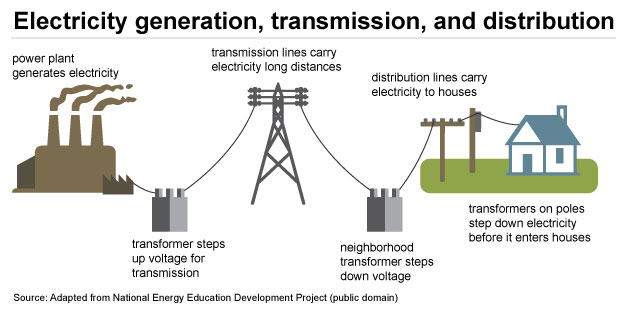
PART A: ELECTRICAL NETWORKS

1. Overview of Electrical Distribution System

An electrical network comprises systems for generation, transmission, and distribution of electricity. At the urban level, the focus is primarily on distribution systems, which deliver power from substations to consumers.

1.1 Types of Distribution Systems

  • Radial System
    • Simplest and most economical.
    • Power flows in one direction.
    • Common in small towns.
  • Ring Main System
    • Closed-loop system.
    • Provides better reliability.
    • Used in urban areas.
  • Interconnected System
    • Multiple substations interconnected.
    • High reliability and flexibility.

2. Components of Electrical Networks

2.1 Substations

  • Step-down voltage from transmission to distribution levels.
  • Types:
    • Primary (132/66 kV to 33 kV)
    • Secondary (33 kV to 11 kV)
    • Distribution (11 kV to 415/230 V)

2.2 Feeders

  • Carry power from substations to distribution points.
  • Designed based on current-carrying capacity.

2.3 Distributors

  • Supply electricity to consumers.
  • Voltage drop is a key design criterion.

2.4 Service Mains

  • Final connection to consumers.
  • Usually low voltage (230/415 V).

3. Types of Electrical Installations

3.1 Overhead Systems

  • Conductors supported on poles.
  • Advantages:
    • Low cost
    • Easy maintenance
  • Disadvantages:
    • Affected by weather
    • Visual intrusion

3.2 Underground Systems

  • Cables laid below ground.
  • Advantages:
    • Safer and aesthetically pleasing
    • Reliable in dense urban areas
  • Disadvantages:
    • High installation cost
    • Difficult maintenance

4. Materials and Equipment Specifications

4.1 Conductors

  • Materials:
    • Copper (high conductivity)
    • Aluminium (lightweight and economical)
  • Types:
    • AAC (All Aluminium Conductor)
    • ACSR (Aluminium Conductor Steel Reinforced)

4.2 Cables

  • Types:
    • PVC insulated cables
    • XLPE cables (cross-linked polyethylene)
  • Voltage ratings:
    • Low Voltage (LT): up to 1 kV
    • Medium Voltage (MV): 1โ€“33 kV

4.3 Poles

  • Types:
    • Wooden (obsolete)
    • Steel tubular
    • Reinforced Cement Concrete (RCC)
  • Spacing: 30โ€“50 m depending on terrain

4.4 Transformers

  • Oil-filled or dry-type transformers.
  • Installed on poles or in substations.

4.5 Switchgear

  • Circuit breakers, isolators, fuses.
  • Protect system from faults.

5. Design Considerations

5.1 Load Estimation

  • Based on:
    • Population
    • Land use (residential, commercial, industrial)
    • Demand factor and diversity factor

5.2 Voltage Drop

  • Should not exceed:
    • 2โ€“3% for feeders
    • 5% overall

5.3 Diversity Factor

  • Ratio of sum of individual maximum demands to system maximum demand.
  • Helps in economic design.

5.4 Power Factor

  • Should be close to unity.
  • Use of capacitors to improve efficiency.

6. Installation Specifications

6.1 Overhead Lines

  • Minimum clearance:
    • 5.8 m above roads
    • 3.7 m above ground (rural)
  • Proper earthing required.

6.2 Underground Cables

  • Depth:
    • 0.75โ€“1.2 m depending on voltage
  • Protective layers:
    • Sand bedding
    • Brick covering
  • Route markers provided.

7. Earthing and Safety

  • Essential for protection against electric shocks.
  • Types:
    • Plate earthing
    • Pipe earthing
  • Earth resistance:
    • Should be less than 1โ€“5 ohms.

8. Street Lighting Systems

  • Types:
    • LED street lights (energy-efficient)
    • High-pressure sodium lamps (older systems)
  • Pole spacing:
    • 25โ€“40 m depending on road width
  • Automatic control:
    • Timers or photocells

9. Testing and Maintenance

  • Insulation resistance testing
  • Load testing
  • Regular inspection of poles and cables
  • Preventive maintenance schedules

10. Standards and Codes (India)

  • National Electrical Code (NEC)
  • IS 732: Electrical Wiring Installations
  • Central Electricity Authority (CEA) Regulations
  • Delhi Electricity Regulatory Commission (DERC)ย guidelines

11. Modern Trends

  • Smart grids
  • Renewable energy integration (solar rooftop)
  • Underground cabling in TOD corridors
  • EV charging infrastructure integration

PART B: TELEPHONE (TELECOMMUNICATION) NETWORKS

1. Overview

Telecommunication networks facilitate voice, data, and internet communication. Modern systems are largely digital and integrated with fiber-optic technology.

2. Components of Telephone Networks

2.1 Exchange

  • Central node connecting subscribers.
  • Types:
    • Local exchange
    • Trunk exchange
    • Mobile switching center

2.2 Transmission Media

  • Twisted pair cables (traditional)
  • Coaxial cables
  • Optical fiber cables (OFC)

2.3 Distribution Network

  • Primary cables (exchange to distribution point)
  • Secondary cables (distribution to subscribers)

2.4 Subscriber Equipment

  • Telephone instruments
  • Modems and routers

3. Types of Telecommunication Systems

3.1 Wired Communication

  • Landline telephone systems
  • Broadband via DSL or fiber

3.2 Wireless Communication

  • Mobile networks (4G, 5G)
  • Wi-Fi systems

4. Cable Specifications

4.1 Twisted Pair Cables

  • Copper wires twisted to reduce interference.
  • Used in traditional telephony.

4.2 Optical Fiber Cables

  • High-speed data transmission.
  • Types:
    • Single-mode fiber
    • Multi-mode fiber

4.3 Coaxial Cables

  • Used in cable TV and internet.

5. Installation Specifications

5.1 Underground Cabling

  • Depth: 0.6โ€“1 m
  • Protection:
    • HDPE ducts
    • Warning tapes
  • Jointing chambers at intervals

5.2 Overhead Lines

  • Mounted on poles.
  • Used in rural areas.

5.3 Ducting System

  • Multiple ducts for future expansion.
  • Used in urban corridors.

6. Design Considerations

6.1 Network Capacity

  • Based on:
    • Population density
    • Internet usage patterns
    • Future demand

6.2 Signal Quality

  • Minimize attenuation and interference.
  • Use of repeaters and amplifiers.

6.3 Redundancy

  • Backup routes to ensure reliability.

7. Switching Systems

  • Digital switching systems
  • Packet switching (internet-based communication)
  • VoIP (Voice over Internet Protocol)

8. Testing and Maintenance

  • Cable fault detection
  • Signal strength testing
  • Optical Time Domain Reflectometer (OTDR) for fiber

9. Safety and Standards

  • Proper insulation and grounding
  • Protection against electromagnetic interference
  • Standards:
    • Telecommunication Engineering Centre (TEC)
    • ITU (International Telecommunication Union)

10. Modern Trends in Telecommunication

10.1 Fiber-to-the-Home (FTTH)

  • High-speed broadband connectivity.

10.2 5G Networks

  • Low latency and high data speeds.

10.3 Smart City Integration

  • IoT-based communication systems
  • Integration with traffic, surveillance, and utilities

10.4 TOD Context (Delhi Perspective)

  • High-capacity fiber networks in metro corridors:
    • Mukundpur
    • Dwarka Sector-21
    • Kashmere Gate
  • Supports:
    • Real-time transit information
    • Digital ticketing
    • Surveillance and safety systems

Conclusion

Electrical and telephone networks are essential for modern urban functioning, economic growth, and quality of life. Their detailed specifications ensure efficiency, safety, reliability, and scalability. In rapidly growing cities like Delhi, integrating these networks with TOD principles, smart technologies, and sustainable infrastructure is crucial for future-ready urban systems.

Various Civilizations and Their Settlements: Egyptian, Mesopotamian, Greek, and Roman Settlements; Town Planning in Medieval Times and Renaissance Europe

1. Introduction

The history of urban planning can be traced back to ancient civilizations where early cities were developed to support administrative, economic, religious, and social activities. Different civilizations created distinct settlement patterns and urban structures based on their cultural traditions, economic systems, governance structures, and technological advancements.

Ancient civilizations such as Egyptian, Mesopotamian, Greek, and Roman societies developed organized settlements with planned streets, public buildings, and infrastructure. These early examples of urban planning influenced later developments in city planning during the medieval period and the Renaissance in Europe.

Studying these historical settlements helps planners understand how cities evolved and how social, political, and technological factors shaped urban form and structure.

Photo by Maarten van den Heuvel on Pexels.com

2. Mesopotamian Settlements

The Mesopotamian civilization, which flourished around 3000 BCE in the region between the Tigris and Euphrates rivers (present-day Iraq), is considered one of the earliest urban civilizations.

Characteristics of Mesopotamian Cities

Mesopotamian cities were often located near rivers, which provided water for agriculture and transportation. These cities developed as centers of trade, administration, and religion.

Key features included:

  • Walled cities for defense
  • Irregular street patterns due to organic growth
  • Ziggurats (temple complexes) as the central religious structures
  • Residential areas clustered around temples and marketplaces
  • Use of mud-brick construction

Cities such as Ur, Babylon, and Nineveh were important urban centers of the Mesopotamian civilization.

The city was often organized around a central temple complex, which served both religious and administrative functions.


3. Egyptian Settlements

The Egyptian civilization developed along the banks of the Nile River around 3000 BCE. The Nile provided fertile land, water, and transportation routes, which supported the development of settlements.

Features of Egyptian Settlements

Egyptian towns were often built close to the Nile to benefit from irrigation and agricultural activities.

Important characteristics included:

  • Settlements organized along the Nile River
  • Use of rectangular street layouts in planned settlements
  • Separation of residential, administrative, and religious areas
  • Construction of monumental religious structures such as temples and pyramids

Some Egyptian settlements, particularly those built for workers constructing pyramids, showed evidence of planned layouts with grid-like street patterns and standardized housing units.

Cities such as Thebes and Memphis served as major political and religious centers.


4. Greek Settlements

Greek civilization introduced more advanced concepts of urban planning. Greek cities, known as city-states (polis), were independent political units that combined political, economic, and cultural functions.

Hippodamian Planning System

One of the most significant contributions of Greek civilization to urban planning was the Hippodamian grid system, named after the Greek planner Hippodamus of Miletus.

Key features of Greek settlements included:

  • Grid-based street layout
  • Planned residential blocks
  • Central public spaces such as the Agora (marketplace)
  • Acropolis (fortified hilltop with temples and public buildings)
  • Public buildings including theatres, stadiums, and temples

Greek cities emphasized order, symmetry, and functionality in urban design.

Examples include cities such as Miletus and Athens.


5. Roman Settlements

The Roman civilization further developed urban planning concepts and introduced sophisticated infrastructure systems.

Roman cities were highly organized and reflected the administrative efficiency of the Roman Empire.

Characteristics of Roman Town Planning

Roman cities followed a systematic planning approach with clearly defined street patterns and infrastructure.

Key features included:

  • Grid-based street layout
  • Two main streets:
    • Cardo (northโ€“south street)
    • Decumanus (eastโ€“west street)
  • Central public square known as the Forum
  • Public infrastructure such as baths, amphitheaters, and markets
  • Advanced engineering systems including aqueducts, sewer systems, and paved roads

Roman cities also included defensive walls, military camps, and administrative buildings.

Examples of Roman cities include Rome, Pompeii, and Timgad.

Roman planning principles influenced urban development in many parts of Europe and the Mediterranean region.


6. Town Planning in Medieval Times

After the decline of the Roman Empire, urban development in Europe entered the medieval period (approximately 5th to 15th centuries). Cities during this period were shaped by political instability, defense needs, and religious institutions.

Characteristics of Medieval Towns

Medieval towns developed around castles, monasteries, or trade centers.

Important features included:

  • Fortified walls and gates for protection
  • Irregular street patterns due to unplanned growth
  • Narrow winding streets
  • Central marketplaces
  • Prominent religious buildings such as churches or cathedrals

Cities were often densely built with limited open spaces.

Medieval towns also developed guild systems, where craftsmen and traders organized economic activities.

Examples of medieval towns include many historic European cities such as Florence, Bruges, and Prague.


7. Town Planning in Renaissance Europe

The Renaissance period (14th to 17th centuries) marked a revival of classical knowledge and artistic expression in Europe. Urban planning during this period reflected renewed interest in geometry, symmetry, and aesthetic design.

Characteristics of Renaissance Planning

Renaissance planners aimed to create cities that were both functional and visually appealing.

Key features included:

  • Geometric street layouts
  • Wide avenues and boulevards
  • Planned public squares
  • Emphasis on symmetry and proportion
  • Integration of architecture and urban design

The concept of the โ€œIdeal Cityโ€ emerged during this period, where cities were designed according to geometric principles and aesthetic harmony.


Example: Star-Shaped Fortified Cities

Many Renaissance cities incorporated star-shaped fortifications designed to improve defense against artillery attacks.

These cities featured:

  • Radial street patterns
  • Central plazas
  • Fortified walls with bastions

Examples include cities such as Palmanova in Italy.


8. Influence of Ancient Civilizations on Modern Planning

The urban planning principles developed by ancient civilizations have had a lasting influence on modern planning practices.

Key contributions include:

  • Grid-based planning from Greek and Roman cities
  • Infrastructure systems from Roman engineering
  • Central public spaces such as plazas and marketplaces
  • Integration of civic, religious, and economic functions

Modern urban planning continues to incorporate many of these historical concepts in contemporary city design.


9. Conclusion

The development of urban settlements has been shaped by the contributions of various civilizations throughout history. Mesopotamian and Egyptian settlements represent some of the earliest examples of organized urban development. Greek civilization introduced systematic planning through grid-based layouts, while Roman cities demonstrated advanced infrastructure and administrative planning.

During the medieval period, cities developed primarily around defense structures and religious institutions, resulting in irregular urban forms. The Renaissance period revived classical planning principles and emphasized symmetry, geometry, and aesthetic design.

The study of these historical settlements provides valuable insights into the evolution of urban planning and highlights how cultural, political, and technological factors influence the development of cities. These historical foundations continue to inform modern urban planning and design practices.

Daily writing prompt
What is one word that describes you?

Unraveling the Tapestry of Discovery: The Life of a Researcher

Daily writing prompt
What is one word that describes you?

By Shashikant Nishant Sharma

In the vast expanse of human knowledge, there exists a breed of individuals who dedicate their lives to unraveling its mysteriesโ€”the researchers. Their journey is one of relentless pursuit, fueled by curiosity, driven by passion, and defined by the pursuit of truth. From the depths of laboratories to the heights of academic institutions, the life of a researcher is a complex tapestry woven with threads of dedication, perseverance, and the occasional spark of inspiration.

Photo by Andrea Piacquadio on Pexels.com

The Quest for Knowledge: At the heart of a researcher’s life lies an insatiable thirst for knowledge. Their journey often begins with a questionโ€”an itch in the fabric of understanding that demands to be scratched. Whether exploring the intricacies of quantum mechanics or delving into the complexities of human behavior, researchers embark on a quest to push the boundaries of what is known and discover what lies beyond.

The Pursuit of Excellence: But the path of a researcher is not for the faint of heart. It is a journey fraught with challenges and obstacles at every turn. From the rigors of academic rigor to the pressures of publication, researchers must navigate a labyrinth of expectations and demands, constantly striving for excellence in their work. Late nights in the lab, endless revisions of manuscripts, and the occasional setback are all par for the course in the life of a researcher.

Collaboration and Community: Yet, amidst the trials and tribulations, researchers find solace in the camaraderie of their peers. Collaboration is the lifeblood of scientific inquiry, and researchers often find themselves working alongside colleagues from around the world, pooling their expertise and resources in pursuit of a common goal. Whether attending conferences, participating in interdisciplinary projects, or engaging in spirited debates over coffee, researchers thrive in the vibrant ecosystem of scientific community.

The Joy of Discovery: And then, amidst the toil and turmoil, comes the moment of triumphโ€”the thrill of discovery. Whether it’s uncovering a new molecule with potential therapeutic properties, solving a centuries-old mathematical puzzle, or shedding light on the mysteries of the cosmos, the joy of discovery is an experience like no other. It is a moment of clarityโ€”a glimpse into the vast tapestry of knowledge that stretches out before us, waiting to be explored.

The Legacy of Inquiry: But the impact of a researcher’s work extends far beyond the confines of their own lifetime. Each discovery, each breakthrough, becomes a brick in the edifice of human understanding, shaping the course of history and laying the foundation for future generations. From the revolutionary theories of Einstein to the groundbreaking experiments of Curie, the legacy of inquiry endures, inspiring generations of researchers to come.

Conclusion: In the end, the life of a researcher is a testament to the power of curiosity, the resilience of the human spirit, and the boundless potential of the human mind. It is a life of highs and lows, triumphs and setbacks, but above all, it is a life dedicated to the pursuit of truth. For researchers are the architects of our collective knowledge, the pioneers of our understanding, and the guardians of our future. And in their hands lies the power to unlock the secrets of the universe and illuminate the path forward for generations to come.

References

ร…kerlind, G. S. (2008). An academic perspective on research and being a researcher: An integration of the literature.ย Studies in higher education,ย 33(1), 17-31.

Dehalwar, K., & Sharma, S. N. (2023).ย Fundamentals of Research Writing and Uses of Research Methodologies. Edupedia Publications Pvt Ltd.

Finley, S., & Knowles, J. G. (1995). Researcher as artist/artist as researcher.ย Qualitative inquiry,ย 1(1), 110-142.

Saldana, J. (2018). Researcher, analyze thyself.ย International Journal of Qualitative Methods,ย 17(1), 1609406918801717.

Wa-Mbaleka, S. (2020). The researcher as an instrument. Inย Computer Supported Qualitative Research: New Trends on Qualitative Research (WCQR2019) 4ย (pp. 33-41). Springer International Publishing.

Yardley, A. (2008). Living stories: The role of the researcher in the narration of life. Inย Forum Qualitative Sozialforschung/Forum: Qualitative Social Researchย (Vol. 9, No. 3).