Urbanization in India through Five-Year Plans

Urbanization has been a gradually evolving focus in Indiaโ€™s Five-Year Plans. While early plans emphasized rural development, later ones began recognizing cities as engines of growth.

Photo by Sofiia Asmi on Pexels.com

1. First to Third Five-Year Plans (1951โ€“66)

  • Focus: Agriculture, community development, rural growth.
  • Urbanization received minimal attention, mainly in the form of housing schemes (e.g., Housing Boards).
  • Third Plan (1961โ€“66): First recognition of urban problems like housing shortages, slums, and basic amenities.

2. Fourth and Fifth Plans (1969โ€“79)

  • Acknowledged rapid urban growth and need for urban infrastructure investment.
  • Beginning of metropolitan planning (focus on Bombay, Delhi, Calcutta, Madras).
  • Housing, transport, and slum improvement were addressed in fragmented manner.

3. Sixth Plan (1980โ€“85)

  • Urbanization seen as unavoidable in the development process.
  • Proposed integrated urban development, strengthening small and medium towns.
  • Introduction of Integrated Development of Small and Medium Towns (IDSMT) Scheme (1980).

4. Seventh Plan (1985โ€“90)

  • National Commission on Urbanisation (NCU), 1986 was a milestone.
  • NCU stressed:
    • Strengthening urbanโ€“rural linkages.
    • Promoting growth centers.
    • Avoiding over-concentration in metros.
  • Recommendations influenced later programmes.

5. Eighth and Ninth Plans (1992โ€“2002)

  • Post-liberalization era โ†’ urbanization seen as key for economic growth.
  • Urban Land Ceiling Act (ULCRA) repealed (1999) to improve land supply.
  • Emphasis on private sector participation in housing and infrastructure.

6. Tenth Plan (2002โ€“07)

  • Explicit focus on urban governance and service delivery.
  • Stressed 74th Constitutional Amendment implementation.
  • Recommended reforms in municipal finance, user charges, and capacity-building.

7. Eleventh Plan (2007โ€“12)

  • Marked a paradigm shift โ†’ saw urbanization as a positive force.
  • Introduced Jawaharlal Nehru National Urban Renewal Mission (JNNURM, 2005).
    • Largest urban reform programme (infrastructure, housing, e-governance).
    • Stressed reforms-based funding (property tax, rent control, ULB empowerment).
  • Focus on inclusive cities and urban poor (BSUP โ€“ Basic Services to the Urban Poor).

8. Twelfth Plan (2012โ€“17)

  • Recognized that urban areas contribute >60% of GDP.
  • Called for โ€œfaster, more inclusive and sustainable growthโ€ in urbanization.
  • Proposed urban transport, housing, water, sanitation, governance reforms.
  • Suggested new urban policy framework but it did not fully materialize.

Latest Attempts at Urbanization Policy in India

Even though India does not yet have a formal, comprehensive National Urban Policy, multiple initiatives post-2014 act as de facto frameworks:


1. Smart Cities Mission (2015โ€“present)

  • Develop 100 smart cities with ICT-enabled governance, efficient mobility, sustainable environment, and quality of life.
  • Focus on area-based development + pan-city solutions.

2. AMRUT (Atal Mission for Rejuvenation and Urban Transformation, 2015)

  • Focus on basic services (water supply, sewerage, drainage, green spaces).
  • Covers 500 cities โ†’ more inclusive than Smart Cities Mission.

3. PMAYโ€“Urban (Pradhan Mantri Awas Yojana, 2015)

  • Housing for All by 2022 (now extended).
  • Addresses housing shortages for the urban poor, EWS, LIG, and MIG groups.

4. HRIDAY (Heritage City Development and Augmentation Yojana, 2015)

  • Focused on heritage conservation + urban infrastructure in historic cities.

5. National Urban Transport Policy (2006, revised efforts ongoing)

  • Prioritizes public transport and non-motorized transport.

6. Draft National Urban Policy Framework (NUPF, 2018)

  • Released by MoHUA & NITI Aayog.
  • Suggested a โ€œ10-pillar frameworkโ€ for cities:
    • Integrated spatial planning, mobility, housing, environment, inclusivity, local governance, municipal finance, technology.
  • Aims to provide strategic direction for future policies.

Summary

PeriodUrbanization Policy Highlights
1950sโ€“70sRural bias, limited urban focus, start of metropolitan planning
1980sRecognition of urban challenges, IDSMT scheme, NCU report (1986)
1990sLiberalization, urban reforms, private participation
2000sJNNURM, governance reforms, slum improvement
2010sInclusive, sustainable urbanization; Smart Cities, AMRUT, PMAY
LatestNUPF 2018 (draft), multi-mission approach instead of single national policy

โœ… In essence:
Urbanization policy in India evolved from a rural-centered planning era to recognizing cities as growth engines. The latest attempts (Smart Cities, AMRUT, PMAY, NUPF) show a multi-pronged, mission-driven approach rather than a single national policy document.

Migration: Causes and Consequences of Population Movement

Migration, the movement of people from one place to another, is a universal phenomenon that has shaped societies, cultures, and economies throughout history. It may occur within national boundaries (internal migration) or across international borders (international migration). The causes of migration are complex, often involving a combination of economic, social, political, and environmental factors, while the consequences are felt by both the regions of origin and destination.

Photo by Rahul Sapra on Pexels.com

Causes of Migration

Migration is usually driven by a mix of push factors (conditions that compel individuals to leave their home) and pull factors (attractions of a new place).

1. Economic Causes

  • Employment opportunities: People often move in search of better jobs, higher wages, or improved living standards.
  • Poverty and unemployment: Lack of income or livelihood opportunities in rural or underdeveloped regions forces people to seek work in urban or industrial areas.
  • Globalization: The interconnected world economy makes labor migration across countries more common, especially from developing to developed regions.

2. Social Causes

  • Education: Migration for higher education or better schools is common, especially among youth.
  • Healthcare and living standards: Families may move to access advanced healthcare facilities or improved quality of life.
  • Family ties and marriage: Many migrations occur for family reunification or after marriage.

3. Political Causes

  • Conflict and war: Wars, ethnic violence, and political instability create refugees and asylum seekers.
  • Persecution: Discrimination based on religion, ethnicity, or political beliefs forces people to flee.
  • Government policies: Restrictive or favorable immigration laws, land reforms, and resettlement programs can influence migration patterns.

4. Environmental Causes

  • Natural disasters: Floods, droughts, earthquakes, and hurricanes displace millions every year.
  • Climate change: Rising sea levels, desertification, and unpredictable rainfall patterns push people to leave vulnerable areas.
  • Resource scarcity: Lack of water, fertile land, or other essential resources drives rural-to-urban and cross-border migration.

Consequences of Migration

Migration has far-reaching impacts, both positive and negative, on individuals, families, and entire societies.

1. Consequences for the Place of Origin

  • Population decline: Outmigration reduces the working-age population, often leading to labor shortages.
  • Brain drain: Skilled and educated workers moving abroad can weaken the local economy.
  • Economic relief: Migration reduces pressure on local resources and provides income through remittances.
  • Social impacts: Separation of families may cause emotional strain but can also promote social mobility through financial support.

2. Consequences for the Place of Destination

  • Economic growth: Migrants often fill labor gaps, contribute to innovation, and boost industries.
  • Cultural diversity: Migration enriches societies with new languages, traditions, and cuisines.
  • Strain on resources: Rapid influx can stress housing, healthcare, education, and infrastructure.
  • Social tensions: Migration may fuel xenophobia, competition for jobs, and cultural conflicts.

3. Consequences for Migrants Themselves

  • Opportunities: Migrants often gain better employment, education, and living conditions.
  • Challenges: They may face discrimination, exploitation, or cultural isolation.
  • Identity and belonging: Many migrants experience a struggle between integrating into the new society and maintaining their original culture.

Conclusion

Migration is a dynamic process shaped by economic, social, political, and environmental forces. While it offers opportunities for growth, cultural exchange, and global connectivity, it also creates challenges for both migrants and host communities. Effective policies that ensure integration, protect migrant rights, and balance development between regions of origin and destination are essential. Ultimately, migration remains not just a demographic shift but also a human story of aspiration, resilience, and survival.

Urbanization Process in India: Influencing Factors

Urbanization in India is not merely a demographic phenomenon; it is a complex process shaped by a range of socio-cultural, political, economic, and administrative forces. These factors interact with each other, producing diverse patterns of urban growth and transformation across time and space.

Photo by Chandi Saha on Pexels.com

1. Socio-Cultural Factors

Urbanization in India has been closely tied to the countryโ€™s cultural traditions, migration patterns, and social dynamics.

  • Historical Legacy:
    Ancient civilizations (e.g., Harappa, Mohenjo-Daro), medieval temple towns (Madurai, Varanasi, Thanjavur), and Mughal capitals (Delhi, Agra, Fatehpur Sikri) laid strong urban foundations.
  • Religious and Cultural Centers:
    Cities like Varanasi, Ujjain, Haridwar, and Tirupati developed as pilgrimage centers, drawing permanent settlements, traders, and services.
  • Migration and Diversity:
    Social migration for education, jobs, and cultural opportunities has made cities cosmopolitan. For example, Mumbai, Delhi, and Bangalore are melting pots of languages, cuisines, and traditions.
  • Education and Modernization:
    Establishment of universities and institutions (e.g., Banaras Hindu University, JNU, IITs) transformed cities like Varanasi, Delhi, and Kanpur into knowledge hubs.
  • Changing Lifestyles:
    Urban areas act as spaces of social changeโ€”promoting modern values, womenโ€™s education, and new family structures (nuclear families, working women).

2. Political Factors

Urbanization has always been influenced by state policies, power centers, and political decisions.

  • Colonial Legacy:
    British rule created presidency towns (Calcutta, Bombay, Madras), cantonments, and port cities that remain major urban centers even today.
  • Capital Formation:
    Political decisions to shift or create capitals shaped urban landscapes, e.g., New Delhi (1911), Chandigarh (1950s), Gandhinagar, Bhubaneswar.
  • Post-Independence Planning:
    State-driven industrialization and Five-Year Plans emphasized creation of industrial townships like Bhilai, Rourkela, Bokaro.
  • Democracy and Governance:
    Urban governance through municipal corporations, state governments, and urban local bodies directly affects city growth, infrastructure, and service delivery.
  • Urban Policy Programs:
    • JNNURM (2005), AMRUT (2015), Smart Cities Mission (2015), PMAY have shaped modernization and housing.
    • Political will determines resource allocation for urban transport, housing, and slum redevelopment.

3. Economic Factors

Urbanization is fundamentally tied to economic change, as cities are engines of growth, trade, and employment.

  • Industrialization:
    • Post-independence establishment of heavy industries (steel, coal, power plants) created new industrial townships.
    • Growth of Mumbai (textiles), Kolkata (jute), Ahmedabad (cotton) linked to industrial activity.
  • Globalization and IT Revolution:
    • Since the 1990s, Bangalore, Hyderabad, Pune, Gurgaon emerged as IT hubs due to globalization and liberalization.
    • Special Economic Zones (SEZs) and IT parks accelerated service-led urbanization.
  • Rural-to-Urban Migration:
    • Economic opportunities attract migrants to cities for jobs in factories, construction, services, and informal economies.
  • Urban Informal Economy:
    • Street vendors, daily-wage workers, domestic help, and small enterprises form the backbone of urban survival but also create planning challenges.
  • Global Cities:
    • Indian cities like Mumbai, Delhi, and Bangalore are now integrated into global trade, finance, and technology networks.

4. Administrative Factors

Administrative decisions and governance structures are crucial in shaping urbanization patterns.

  • Planning and Development:
    • Post-1947, planning bodies like Town and Country Planning Organization (TCPO) and Delhi Development Authority (DDA) took charge of city development.
    • State-level Urban Development Authorities (BDA in Bangalore, MMRDA in Mumbai, LDA in Lucknow) oversee land use, housing, and infrastructure.
  • Municipal Governance:
    • Local self-governments (municipal corporations, municipalities) play a direct role in providing basic servicesโ€”water, waste management, roads, and health.
    • Weak capacity and resource constraints often lead to inefficiency.
  • Urban Renewal Programs:
    • Administrative initiatives like Smart Cities Mission, AMRUT, Metro Rail projects, and Housing for All are reshaping urban landscapes.
  • Decentralization and 74th Constitutional Amendment (1992):
    • Empowered Urban Local Bodies (ULBs) with more autonomy, encouraging participatory urban governance.
  • Challenges of Governance:
    • Issues of corruption, lack of coordination among agencies, and poor enforcement of master plans continue to hinder balanced urban growth.

5. Conclusion

The urbanization process in India is the outcome of interconnected socio-cultural traditions, political choices, economic transformations, and administrative interventions. While cultural heritage and migration enrich Indian cities, politics and governance determine their planning and resource allocation. Economic forcesโ€”from industrialization to globalizationโ€”drive growth, while administration ensures (or fails to ensure) efficiency and equity.

The future of Indian urbanization depends on how effectively these four dimensions are balanced to create inclusive, sustainable, and resilient cities.

Policies and strategies for directing urbanization trends in India

1. Post-Independence Policy Approach

India did not have a clear urbanization policy at Independence (1947); the focus was on rural development. Over time, with rapid urban growth, the government adopted planning interventions to manage urbanization.

Photo by Francesco Ungaro on Pexels.com

Key approaches:

  • Planned cities (Chandigarh, Bhubaneswar, Gandhinagar) โ†’ to decentralize urban growth.
  • Five-Year Plans: Urban sector linked to housing, infrastructure, and employment (especially through schemes like Integrated Urban Development).
  • Establishment of Urban Development Authorities (e.g., DDA, MMRDA) to plan metropolitan regions.

2. Major Policies and Programmes

(a) Housing and Infrastructure Policies

  • National Housing Policy (1988, revised later) โ†’ aimed at affordable housing.
  • Jawaharlal Nehru National Urban Renewal Mission (JNNURM, 2005) โ†’ modernization of water supply, sewerage, transport, and housing.
  • Pradhan Mantri Awas Yojana (PMAY-Urban, 2015) โ†’ โ€œHousing for Allโ€ by 2022 (extended).

(b) Urban Planning and Renewal

  • Town and Country Planning Acts (State-level) โ†’ regulate land use, master plans.
  • Integrated Development of Small and Medium Towns (IDSMT, 1979) โ†’ strengthen smaller towns to reduce pressure on metros.
  • Atal Mission for Rejuvenation and Urban Transformation (AMRUT, 2015) โ†’ water supply, sewerage, green spaces.
  • HRIDAY (2015) โ†’ rejuvenation of heritage cities.

(c) Economic and Industrial Strategies

  • Industrial corridors (Delhiโ€“Mumbai, Amritsarโ€“Kolkata) โ†’ promote new urban growth centers.
  • Special Economic Zones (SEZs) โ†’ attract investment, create jobs, encourage urban clusters.

(d) Sustainability-Oriented Strategies

  • Smart Cities Mission (2015) โ†’ 100 cities with ICT-based, sustainable infrastructure.
  • National Urban Transport Policy (2006) โ†’ promote mass transit, reduce congestion.
  • Swachh Bharat Mission (2014) โ†’ sanitation and solid waste management.
  • Climate Resilient Urban Development โ†’ integrated into recent urban policies.

3. Strategies for Directing Urbanization Trends

(a) Balanced Regional Development

  • Promote growth of small and medium towns (counter-magnets).
  • Develop satellite towns around metros (e.g., Gurgaon near Delhi, Navi Mumbai).
  • Strengthen regional development authorities for better coordination.

(b) Inclusive Urbanization

  • Slum rehabilitation (e.g., Rajiv Awas Yojana).
  • Affordable housing schemes for urban poor and migrants.
  • Participatory planning โ†’ involving citizens in decision-making.

(c) Economic Strategies

  • Develop urbanโ€“rural linkages (market integration, agro-processing).
  • Promote service-sector cities (IT hubs: Bengaluru, Hyderabad).
  • Support for industrial townships (Jamshedpur, Durgapur, Noida).

(d) Sustainability and Smart Growth

  • Compact city model โ†’ discourage urban sprawl.
  • Public transport, metro rail, non-motorized transport.
  • Urban green infrastructure (parks, water bodies, green belts).
  • Adoption of SDG-11 (Sustainable Cities and Communities) targets.

(e) Governance and Administrative Reforms

  • 74th Constitutional Amendment (1992): Empowered Urban Local Bodies (ULBs) for decentralized governance.
  • Capacity building of municipalities for planning, finance, and service delivery.
  • Publicโ€“Private Partnerships (PPPs) in urban infrastructure.

4. Current Trends and Challenges

  • India is projected to be 40% urban by 2036 (Census projection).
  • Urbanization is concentrated in metros โ†’ Delhi, Mumbai, Bengaluru, Chennai, Hyderabad.
  • Challenges: inequality, slums, congestion, climate risks, unemployment.
  • Strategy direction is shifting toward sustainable, smart, inclusive, and regionally balanced urbanization.

5. Summary Table

Strategy AreaExamples in India
Balanced growthIDSMT, satellite towns, industrial corridors
Housing & inclusionPMAY, Rajiv Awas Yojana, slum redevelopment
SustainabilityAMRUT, Smart Cities, Swachh Bharat Mission
Transport & mobilityMetro projects, National Urban Transport Policy
Governance74th CAA, ULB empowerment, PPP projects

โœ… In summary:
Indiaโ€™s urbanization policies have evolved from ignoring cities (pre-1960s) โ†’ controlling metros (1970sโ€“80s) โ†’ infrastructure modernization (2000s) โ†’ smart, sustainable, and inclusive cities (2010sโ€“present). The future requires balanced regional growth, sustainable planning, and empowered local governance.

National urbanization policy, basic issues in urbanization policy.

1. Concept of Urbanization Policy

  • A national urbanization policy (NUP) is a framework by which the government directs the growth, distribution, and management of cities and towns.
  • It seeks to ensure balanced regional development, inclusive growth, and sustainable urbanization.
  • For India, which is projected to have 40% urban population by 2036 (Census of India projection), such a policy is critical.
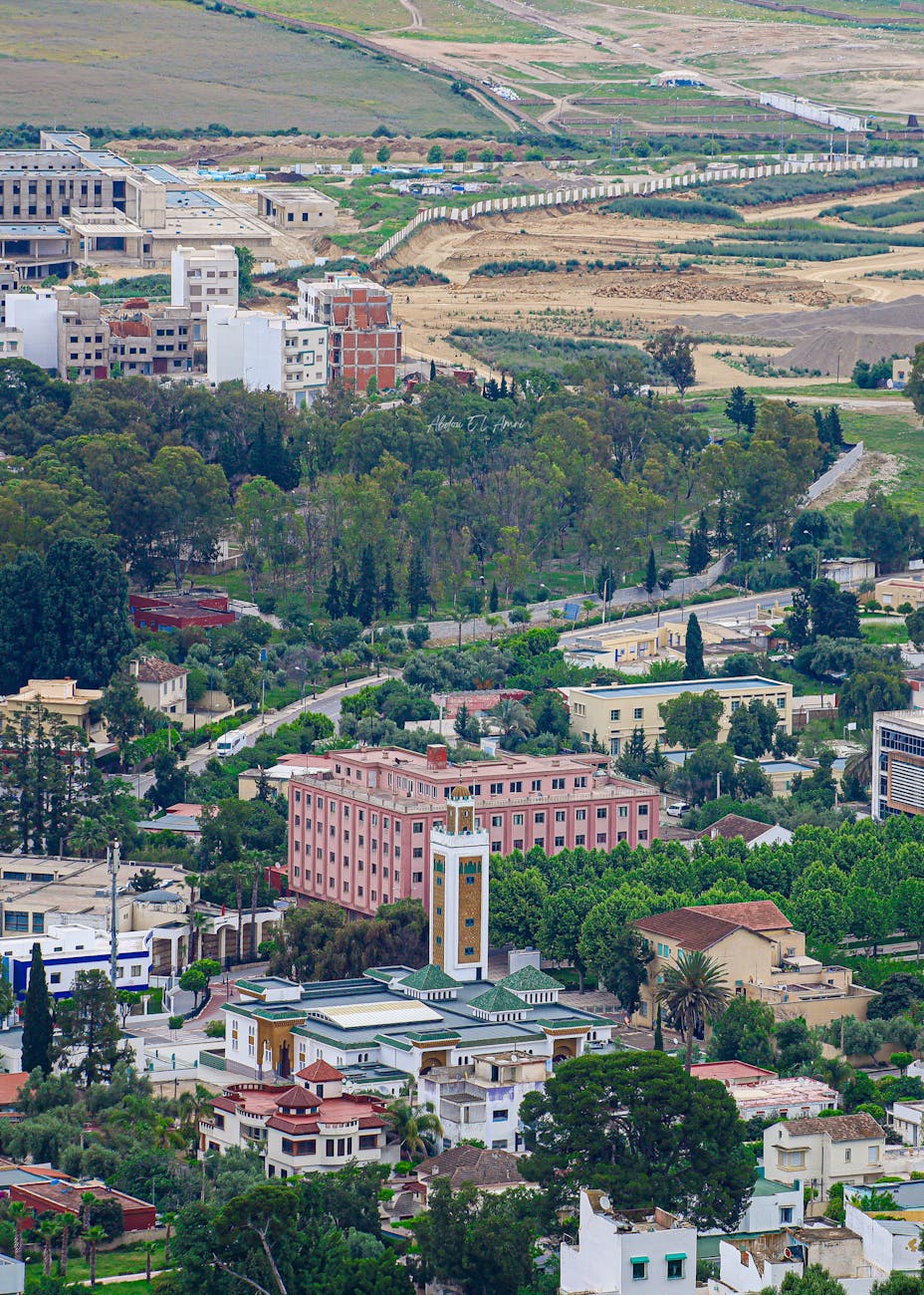
Photo by Abdou EL Amri on Pexels.com

2. Evolution of Urbanization Policy in India

India has no single comprehensive urbanization policy document, but multiple initiatives, programmes, and committees have shaped the approach:

  • First & Second Five-Year Plans (1951โ€“61): Focus on rural development, little attention to cities.
  • Third & Fourth Plans (1961โ€“74): Recognition of rapid urban growth, emergence of metropolitan planning.
  • National Commission on Urbanisation (NCU, 1986): Landmark effort; stressed strengthening of small and medium towns, reducing pressure on metros, and promoting balanced regional growth.
  • Post-1990s (Economic Liberalization): Market-driven urbanization, rise of SEZs, industrial corridors.
  • 21st Century Missions:
    • JNNURM (2005), AMRUT, Smart Cities Mission, HRIDAY, PMAY (2015 onwards).
    • These programmes together act as de facto national urban policy instruments.

3. Objectives of a National Urbanization Policy

  • Balanced regional development: Avoid over-concentration in metros.
  • Inclusive growth: Housing, services, and jobs for the poor and migrants.
  • Economic efficiency: Promote cities as engines of growth.
  • Environmental sustainability: Green infrastructure, waste management, resilience.
  • Strengthening urban governance: Empower urban local bodies (ULBs).
  • Urbanโ€“rural linkages: Promote intermediate towns and counter-magnets.

Basic Issues in Urbanization Policy


1. Demographic & Spatial Issues

  • Over-concentration in metros (Delhi, Mumbai, Bengaluru, Chennai).
  • Weak growth of small and medium towns, leading to uneven development.
  • Urban sprawl, peri-urban growth, and unplanned settlements.
  • Migration pressure creating slums and informal settlements.

2. Housing and Infrastructure Issues

  • Housing shortage: ~29 million units needed (mainly for low-income groups).
  • Proliferation of slums and squatter settlements.
  • Deficient basic services (water, sanitation, electricity).
  • Inadequate urban transport and congestion.

3. Economic Issues

  • Cities as engines of growth, but lack of planning reduces productivity.
  • Informal sector dominance โ†’ poor working conditions, low wages.
  • Weak integration of urban policy with industrial and employment policies.

4. Social Issues

  • Rising inequality and segregation in urban areas.
  • Lack of inclusivity for migrants, women, and marginalized groups.
  • Poor access to education, healthcare, and public spaces in many towns.

5. Environmental Issues

  • Air and water pollution, inadequate solid waste management.
  • Disappearance of lakes, wetlands, and urban green spaces.
  • Climate risks: flooding, heat islands, coastal vulnerability.

6. Governance and Institutional Issues

  • Weak capacity of Urban Local Bodies (ULBs) despite 74th Constitutional Amendment.
  • Lack of financial autonomy โ†’ dependence on state/central funds.
  • Multiplicity of agencies โ†’ poor coordination (water, transport, land use under different authorities).
  • Gaps in urban data, monitoring, and enforcement of master plans.

Summary Table

Issue AreaKey Problems
DemographicOvercrowding in metros, weak small towns, migration pressure
Housing & InfraShortage of affordable housing, slums, poor basic services
EconomicLow productivity, informal sector, poor integration with industrial policy
SocialInequality, exclusion of poor/migrants, lack of social infrastructure
EnvironmentalPollution, waste mismanagement, climate risks
GovernanceWeak ULBs, financial dependence, overlapping agencies

โœ… In summary:
Indiaโ€™s urbanization policy has evolved gradually, but challenges persist. The basic issues revolve around imbalanced growth, inadequate housing & infrastructure, weak governance, and environmental degradation. A comprehensive National Urbanization Policy should address these with integrated planning, inclusive strategies, and sustainable urban growth models.

Job Opening: Skill Trainer

Job Opening: Skill Trainer

Organization: Track2Training (An NGO Initiative)
Location: Multiple locations / Remote (as per program requirement)
Job Type: Full-Time / Part-Time / Contractual


About Track2Training

Track2Training is a not-for-profit organization committed to empowering communities through education, training, and capacity-building programs. We work with youth, women, and vulnerable groups to enhance livelihood opportunities, skill improvement, disaster resilience, and community development. Through our specialized training initiatives, we aim to equip individuals with practical knowledge and hands-on skills to become self-reliant and resilient in the face of challenges.


Position Overview

We are seeking passionate and dedicated Skill Trainers to join our team. The trainers will be responsible for delivering livelihood-oriented skill training, conducting workshops for skill development and improvement, and facilitating community-based resilience programs. The role requires individuals who are enthusiastic about capacity building, vocational education, and disaster preparedness, and who can motivate trainees to achieve their learning and career goals.


Key Responsibilities

  • Conduct structured training programs in livelihood skills, entrepreneurship, vocational skills, and disaster resilience.
  • Develop innovative and participatory training modules for youth, women, and marginalized communities.
  • Facilitate sessions on life skills, employability, communication, and digital literacy.
  • Provide hands-on demonstrations, group exercises, and interactive learning methods.
  • Train communities on disaster risk reduction (DRR), emergency preparedness, and resilience strategies.
  • Monitor progress of trainees and assess skill development outcomes.
  • Support beneficiaries in accessing livelihood opportunities, self-employment, and micro-entrepreneurship.
  • Prepare training reports, maintain attendance, and document success stories.
  • Collaborate with local partners, NGOs, and government agencies to maximize outreach and impact.

Desired Skills and Qualifications

  • Graduate / Postgraduate in Social Work, Education, Rural Development, Vocational Training, Disaster Management, or related fields.
  • Professional certification or experience in vocational skills training, entrepreneurship, or disaster resilience will be an added advantage.
  • Strong facilitation and communication skills in English and local languages.
  • Ability to motivate and mentor trainees from diverse backgrounds.
  • Knowledge of livelihood programs, community development, and skill-building initiatives.
  • Experience in working with NGOs, skill development missions, or government livelihood programs preferred.
  • Proficiency in MS Office, digital training tools, and online learning platforms.

Why Join Us?

  • Be part of a mission-driven NGO creating real social impact.
  • Opportunity to empower marginalized communities through sustainable skill development.
  • Work on innovative projects in livelihood training, digital empowerment, and disaster resilience.
  • Exposure to national and international collaborations in development initiatives.
  • Flexible and supportive work culture.

Remuneration

  • Competitive salary based on qualifications and experience.
  • Additional benefits as per NGO norms and project-based funding support.

How to Apply

Interested candidates are invited to send their CV, cover letter, and a brief note on their training experience to:

๐Ÿ“ง careers@track2training.org
๐Ÿ“… Application Deadline: 16 June 2022


๐Ÿ‘‰ Join Track2Training and contribute to building stronger, skilled, and resilient communities.