Disadvantages of Unsustainable Development in Industrialization and Methods to Overcome Them

Industrialization has historically been a key driver of economic progress, technological advancement, and improved standards of living. However, when pursued without regard for environmental, social, and intergenerational consequences, it leads to unsustainable development. Unsustainable industrialization prioritises short-term economic growth while neglecting the ecological limits of the planet, social equity, and resource conservation. This approach not only depletes natural resources but also generates long-term costs in terms of health, climate change, and economic instability.

This essay discusses the major disadvantages of unsustainable development in industrialization and proposes effective methods to overcome them.


Disadvantages of Unsustainable Development in Industrialization

1. Environmental Degradation

Unsustainable industrial practices cause severe air, water, and soil pollution. The burning of fossil fuels for energy releases greenhouse gases (GHGs) such as carbon dioxide and methane, leading to climate change. Industrial effluents often contaminate rivers and groundwater, causing biodiversity loss. Deforestation and land degradation result from rapid expansion of industrial zones.

  • Example: The Bhopal Gas Tragedy (1984) in India highlighted how poor regulation of industrial activities could lead to catastrophic pollution and health impacts.

2. Climate Change and Global Warming

Industries are among the largest contributors to GHG emissions. Unsustainable industrialization accelerates global warming, causing rising sea levels, extreme weather events, and loss of agricultural productivity. This has long-term implications for food security and human settlements.

  • Example: Coal-based industries in China and India have significantly contributed to rising emissions, intensifying climate-related challenges in Asia.

3. Resource Depletion

Industrialization based on unsustainable development rapidly exhausts non-renewable resources like coal, petroleum, and minerals. Over-extraction of groundwater for industrial use worsens water scarcity, particularly in arid regions. The overuse of resources undermines the ability of future generations to meet their needs.

  • Example: Mining industries in Africa and South America have depleted forests and freshwater resources, displacing indigenous communities.

4. Health Hazards

Industries emit harmful pollutants such as sulfur dioxide, nitrogen oxides, particulate matter, and toxic chemicals. Long-term exposure results in respiratory diseases, cancers, cardiovascular issues, and other chronic illnesses. Industrial accidents also pose risks to workers and surrounding populations.

  • Example: Air pollution caused by industrial emissions in cities like Delhi and Beijing has reached critical levels, reducing life expectancy.

5. Economic Inequality

Unsustainable industrialization often concentrates wealth and power in the hands of a few corporations, while communities face job insecurity, poor working conditions, and environmental risks. The benefits of industrial growth are unevenly distributed, exacerbating social and economic inequalities.

  • Example: Sweatshops in developing countries produce goods for global markets at low costs, but workers face exploitation and unsafe conditions.

6. Loss of Biodiversity

Expanding industrial zones encroach upon forests, wetlands, and coastal ecosystems, leading to habitat destruction and extinction of species. Unsustainable practices like overfishing, large-scale mining, and industrial agriculture further erode biodiversity.

  • Example: The Amazon rainforest faces deforestation pressures from industrial-scale cattle ranching and mining, contributing to global biodiversity loss.

7. Social Displacement and Conflicts

Industrial projects such as dams, mines, and factories often displace local communities, especially indigenous groups, without adequate rehabilitation. This causes loss of livelihoods and cultural heritage, triggering social conflicts and protests.

  • Example: The displacement of tribal communities due to industrial projects in Indiaโ€™s mineral-rich states has fueled long-standing conflicts.

8. Economic Instability

Short-term industrial growth that ignores sustainability eventually leads to economic instability. Resource depletion, environmental disasters, and rising healthcare costs impose heavy economic burdens. Additionally, industries that depend heavily on fossil fuels face uncertainty in the transition to green economies.

  • Example: The 2008 global financial crisis was partly linked to unsustainable production and consumption patterns.

Methods to Overcome the Disadvantages of Unsustainable Industrialization

Addressing these disadvantages requires a multi-pronged approach involving technological, policy, institutional, and societal transformations.

1. Adoption of Cleaner and Green Technologies

  • Renewable Energy Transition: Shifting from coal and oil to solar, wind, and hydro power can significantly reduce GHG emissions.
  • Energy Efficiency: Introducing energy-efficient machinery, green buildings, and smart grids lowers industrial energy consumption.
  • Circular Economy: Promoting recycling, waste minimisation, and resource recovery ensures sustainable production.
  • Example: Scandinavian countries have pioneered waste-to-energy technologies, reducing landfill waste while producing clean energy.

2. Strengthening Environmental Regulations

  • Governments should enforce strict pollution control laws and monitoring mechanisms.
  • Mandatory environmental impact assessments (EIA) before establishing industries ensure sustainability is built into projects.
  • Penalties for non-compliance should be combined with incentives for cleaner practices.
  • Example: The European Unionโ€™s stringent emission standards have pushed industries toward cleaner technologies.

3. Promoting Sustainable Industrial Policy

  • Governments can encourage eco-industrial parks where industries collaborate to reuse waste and share resources.
  • Green financing mechanisms, such as subsidies for renewable energy and taxes on polluting industries, can redirect investments toward sustainability.
  • Prioritising sectors like clean energy, sustainable agriculture, and green manufacturing creates long-term resilience.
  • Example: Chinaโ€™s establishment of eco-industrial parks has demonstrated successful integration of waste recycling and energy efficiency.

4. Enhancing Corporate Social Responsibility (CSR)

Industries must move beyond profit-making and incorporate social and environmental responsibilities. CSR initiatives can support community development, pollution reduction, and education. Transparent reporting through sustainability indices can improve accountability.

  • Example: Companies like Unilever and Tata Steel have adopted CSR frameworks focusing on sustainability and community welfare.

5. Investing in Research and Innovation

  • Governments and industries should invest in green R&D to develop cost-effective and scalable technologies for pollution reduction, renewable energy, and sustainable materials.
  • Public-private partnerships can accelerate innovation while sharing risks.
  • Example: Innovations in biodegradable plastics are reducing the environmental footprint of packaging industries.

6. Promoting Inclusive and Equitable Development

  • Policies must ensure that industrialisation benefits are widely distributed.
  • Fair wages, worker safety, and community participation in decision-making should be central to development planning.
  • Special provisions for marginalised groups, including women and indigenous communities, can reduce inequalities.
  • Example: Participatory development programs in Latin America have empowered local communities to co-manage industrial resources sustainably.

7. International Cooperation and Global Governance

  • Industrialisationโ€™s impacts are global; thus, cooperation is vital. Agreements like the Paris Climate Accord set emission targets and mobilise finance for clean technologies.
  • Technology transfer and financial support from developed to developing nations ensure equitable pathways to sustainability.
  • Example: The Clean Development Mechanism (CDM) has supported renewable energy projects in developing countries.

8. Education and Awareness

  • Building awareness among industries, workers, and consumers about the impacts of unsustainable practices fosters demand for sustainable goods.
  • Integrating sustainability education into curricula ensures future generations are equipped to make informed choices.
  • Example: Japanโ€™s emphasis on environmental education has cultivated a culture of sustainable consumption and recycling.

Conclusion

Unsustainable industrialization, while driving short-term economic growth, imposes long-term costs in terms of environmental degradation, health hazards, inequality, biodiversity loss, and climate change. These disadvantages highlight the urgent need for a shift toward sustainable industrial development that balances economic progress with ecological integrity and social equity.

Methods such as adoption of green technologies, robust environmental regulation, equitable industrial policies, CSR initiatives, and international cooperation offer viable pathways to address these challenges. However, success depends on political will, societal participation, and global solidarity. Sustainable industrialization is not only a necessity for ecological survival but also a moral obligation to ensure prosperity for present and future generations.

Sentiment Analysis as a Research Tool

Daily writing prompt
What’s your all-time favorite album?

By Shashikant Nishant Sharma

Sentiment Analysis as a Research Tool

1. Definition and Overview

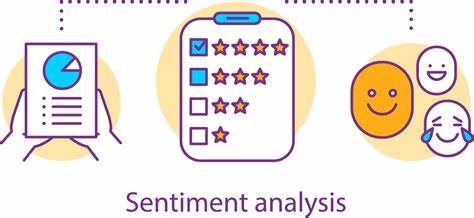
Sentiment analysis (also known as opinion mining) refers to the use of natural language processing (NLP), machine learning (ML), and text analytics to identify and extract subjective information from textual data. The primary objective of sentiment analysis is to determine whether a given piece of text expresses a positive, negative, or neutral sentiment.

2. Applications in Research

  • Marketing and Business Research: Companies use sentiment analysis to gauge public opinion about their products, services, or brands. For example, analyzing customer reviews, feedback, or social media mentions helps businesses understand consumer satisfaction, brand reputation, and areas for improvement.
  • Political Science: Sentiment analysis is used to measure public opinion about political parties, candidates, or policies. Researchers can analyze social media posts, news articles, or public speeches to evaluate the general sentiment of voters and predict election outcomes or policy acceptance.
  • Social Science and Psychology: In these fields, sentiment analysis helps understand human emotions and behavior. Analyzing online discussions or blogs can reveal insights about mental health issues, social movements, or societal trends.
  • Healthcare: In healthcare research, sentiment analysis helps assess patient feedback, such as reviews of hospitals or doctor-patient interactions. It can also be used to analyze public opinion on health policies or medication.

3. Techniques in Sentiment Analysis

  • Lexicon-based Approaches: This method relies on predefined lists of words associated with positive or negative sentiments. The text is analyzed by counting the number of positive and negative words. However, this approach may struggle with handling sarcasm, negations, or complex sentence structures.
  • Machine Learning-based Approaches: Using algorithms like Support Vector Machines (SVM), Naรฏve Bayes, or neural networks, these models are trained on labeled datasets (where the sentiment is already known) to predict the sentiment of new data. These approaches are more flexible than lexicon-based methods as they learn to interpret context and complex relationships between words.
  • Deep Learning: Advanced techniques such as Convolutional Neural Networks (CNNs) and Recurrent Neural Networks (RNNs) further improve accuracy by learning from large datasets and handling nuances in language, including context, tone, and more complex sentence structures.

4. Challenges in Sentiment Analysis

  • Ambiguity and Context: Human language is often ambiguous, making it difficult for machines to correctly interpret context. For example, the sentence “The movie was surprisingly good for a boring director” contains mixed sentiment, which can be tricky for algorithms to decipher.
  • Sarcasm and Irony: Sentiment analysis algorithms often struggle with sarcasm or ironic statements. A sentence like “Oh great, another rainy day” might be interpreted as positive due to the word “great” when the true sentiment is negative.
  • Domain-Specific Language: Sentiment analysis models trained on general data may not perform well in specialized fields like finance, medicine, or law, where the meaning of certain terms could differ from common usage.
  • Emotion Detection: Beyond positive or negative sentiment, there are subtleties of human emotion like anger, sadness, joy, or fear. Detecting such granular emotions is a complex challenge that requires advanced models and labeled datasets.

5. Tools and Technologies

  • TextBlob: A Python library for text processing that provides simple sentiment analysis tools.
  • VADER (Valence Aware Dictionary and sEntiment Reasoner): VADER is a lexicon and rule-based sentiment analysis tool specifically designed for social media texts.
  • NLTK (Natural Language Toolkit): A powerful library that supports complex text analysis, including sentiment analysis.
  • Google Cloud Natural Language API and AWS Comprehend: Cloud-based services that offer NLP and sentiment analysis as a service.
  • Transformers (e.g., BERT): Transformer-based models have been revolutionary in NLP and are often fine-tuned for sentiment analysis tasks to capture the context better.

6. Data Sources for Sentiment Analysis in Research

  • Social Media: Platforms like Twitter, Facebook, and Reddit are rich sources of opinionated content. Twitter sentiment analysis is particularly popular due to the public nature of tweets and their limited character count.
  • Surveys and Reviews: Analyzing reviews from platforms like Amazon, Yelp, or TripAdvisor helps researchers understand customer satisfaction and perception.
  • News Articles and Blogs: These sources are useful in understanding public sentiment over longer texts, such as editorials or opinion pieces.

7. Impact on Decision-Making

Sentiment analysis aids in decision-making by providing quantifiable insights into public opinion, brand health, or societal trends. For instance:

  • Businesses can tweak marketing strategies based on customer feedback.
  • Politicians can tailor their campaign strategies after understanding voter sentiment.
  • Researchers can track the emotional well-being of society by monitoring discussions on mental health.

8. Future Directions

  • Emotion Detection and Analysis: Researchers are working to enhance sentiment analysis with more refined emotion detection capabilities.
  • Multilingual Sentiment Analysis: With the rise of global online communities, sentiment analysis tools need to handle multiple languages and regional dialects effectively.
  • Real-Time Sentiment Analysis: As data streams from social media or other sources become more real-time, sentiment analysis models that can provide real-time insights are increasingly in demand.

In summary, sentiment analysis has become an invaluable tool across various research domains, helping researchers and organizations measure public opinion and make informed decisions.

References

Cambria, E., Das, D., Bandyopadhyay, S., & Feraco, A. (Eds.). (2017). A practical guide to sentiment analysis (Vol. 5). Cham: Springer International Publishing.

Dehalwar, K., & Sharma, S. N. (2023). Fundamentals of Research Writing and Uses of Research Methodologies. Edupedia Publications Pvt Ltd.

Medhat, W., Hassan, A., & Korashy, H. (2014). Sentiment analysis algorithms and applications: A survey. Ain Shams engineering journal5(4), 1093-1113.

Prabowo, R., & Thelwall, M. (2009). Sentiment analysis: A combined approach. Journal of Informetrics3(2), 143-157.

Taboada, M. (2016). Sentiment analysis: An overview from linguistics. Annual Review of Linguistics2(1), 325-347.

Wankhade, M., Rao, A. C. S., & Kulkarni, C. (2022). A survey on sentiment analysis methods, applications, and challenges. Artificial Intelligence Review55(7), 5731-5780.

9 Cs of Essay Writing

Daily writing prompt
What’s your all-time favorite album?

By Shashikant Nishant Sharma

CLARITY

Whatโ€™s the point of your essay? Is it clear to the reader from the very beginning? This is key since this is one of the main ways to improve the quality of the essay.

CREATIVITY

How you tell your story is just as important as which story you decide to tell. A creative introduction is a great way to catch your readerโ€™s attention.

COMPELLING

Write so that the reader wants to keep reading. Aim for telling a good story, as if you are introducing yourself to someone through your favorite story about yourself. Use specific, descriptive language. Use active words rather than passive ones. 

CONCISE

Use as few words as possible and make sure each word is the right one for the job. It should be concise in content but deep in meaning. Keeping meaningful and necessary sentences. Use conjunctions and compound sentences to make essay concise.

CANDOR

Make it your mission to be honest with your readers. Give readers something they can actually use in the real world: hard-won advice, useful facts that youโ€™ve discovered, a careful description of problems, and actionable solutions to those problems. Level with your readers about important information that less courageous writers would rather not write about.

CONFIDENCE

Be both calm and firm about the rightness of your argument. Donโ€™t demand that readers agree with you; ironically, such an approach shows lack of confidence. Invite readers to agree with you and congratulate them for choosing your firm side. Acknowledge opposing points of view, but refute them immediately and resolutely.

CONTROL

A strong argument has more impact when discussed matter-of-factly than when screamed or shouted. Donโ€™t quote others excessively. Always retain the first word and last word of every paragraph for yourself. Balance the structure of your essay. Each section of the essay should have a specific role.

COMPREHENSION

Whatever your topic, proactively show readers that you understand it well. Be both a helpful guide through complex issues and an informed judge when choices must be made. Cover your territory fully and give readers information that theyโ€™re not likely to know. Generous sharing of useful, real-world knowledge is the fastest way to establish trust with your audience. Never forget the ultimate goal, which is to contribute your wisdom freely and help your readers sincerely.

CONSISTENT

Essay should be consistent with the norms and guidelines usually followed in academic writing. Donโ€™t try to out of box and invent something new, this might not create impress rather it might lead to low score in essay writing answers. 

References

Dehalwar, K., & Sharma, S. N. (2023).ย Fundamentals of Research Writing and Uses of Research Methodologies. Edupedia Publications Pvt Ltd.

Rosenwasser, D., Stephen, J., & Rosernwasser, D. (2009).ย Writing analytically. Thomson Wadsworth.

Raimes, A. (1998). Teaching writing.ย Annual review of applied linguistics,ย 18, 142-167.

Sharma, S. N. (2023). An Insight into the Book Titled Why Stories Work.ย Think India Journal,ย 26(4), 19-24.

Weigle, S. C. (2002). Assessing writing.ย Ernst Klett Sprachen.

Rational Urban Planning Process

Daily writing prompt
What’s your all-time favorite album?

By Kavita Dehalwar

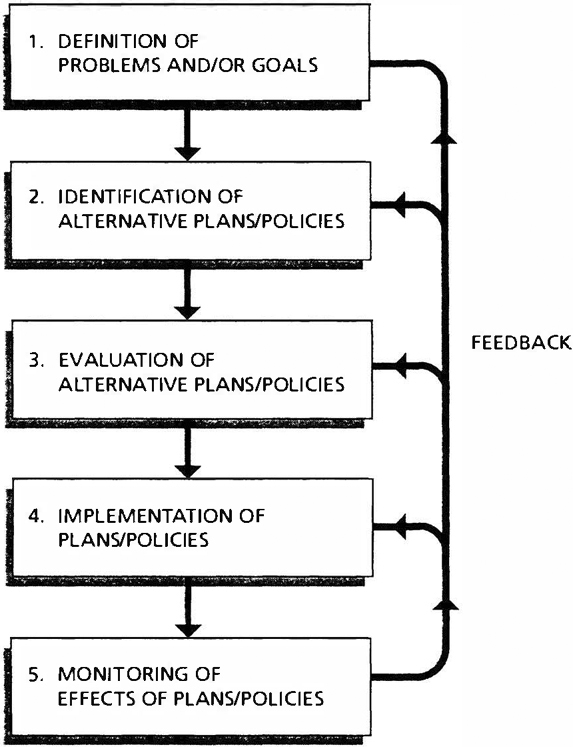
The Rational Urban Planning Process is a systematic and methodical approach used to guide urban development and city management. It is based on logical reasoning, data-driven decision-making, and a structured series of steps that ensure urban plans are comprehensive, practical, and sustainable. This process is often used by urban planners, city managers, and policymakers to design cities or manage growth in a way that maximizes benefits for residents, businesses, and the environment while minimizing potential negative impacts.

Key Components of the Rational Urban Planning Process

Key Components of the Rational Urban Planning Process

  1. Problem Identification and Definition
    The first step involves identifying and clearly defining the urban issues or problems that need to be addressed. This could range from housing shortages and traffic congestion to environmental degradation and infrastructure deficiencies. Clear problem definition allows the planning team to establish focused objectives for the planning process.
  2. Data Collection and Analysis
    Planners gather comprehensive data about the city, which may include demographic statistics, land use patterns, environmental data, and economic conditions. Analyzing this data helps planners understand the current situation, identify trends, and forecast future changes. This phase often involves mapping, surveys, and field studies.
  3. Goal Setting
    Based on the problem definition and data analysis, planners set specific, measurable goals for the urban plan. These goals may include reducing traffic, increasing green spaces, or improving public transport efficiency. Itโ€™s essential that these goals align with the broader vision of the city and the needs of its residents.
  4. Generating Alternative Solutions
    In the rational planning model, a variety of alternative solutions or plans are developed to address the defined problems. These alternatives are based on the collected data and are designed to achieve the goals set in the previous step. Each alternative is typically distinct, offering different strategies or priorities, such as emphasizing public transportation over private car use or increasing high-density housing versus preserving more open spaces.
  5. Evaluating Alternatives
    Once a range of alternatives has been developed, they are evaluated based on their potential impacts, costs, benefits, and feasibility. This evaluation uses quantitative and qualitative methods to assess how well each alternative aligns with the planning goals. Cost-benefit analysis, environmental impact assessments, and social equity assessments are some tools used in this step. Stakeholder feedback may also be integrated to refine the options.
  6. Selecting the Best Alternative
    The rational planning process aims to identify the “optimal” solution from the evaluated alternatives. This is the option that best meets the identified goals, maximizes benefits, and minimizes costs or negative impacts. The selected plan may not be perfect but should represent the most balanced and feasible approach.
  7. Implementation of the Plan
    Once the best alternative is selected, planners develop a detailed action plan that outlines how the urban plan will be implemented. This step involves creating policies, regulations, and strategies that ensure the plan is executed efficiently. It may also include designing timelines, allocating budgets, and identifying key agencies or stakeholders responsible for various aspects of the implementation.
  8. Monitoring and Evaluation
    After implementation, the plan must be regularly monitored to ensure that it is achieving the desired outcomes. Evaluation involves comparing actual results against the goals and objectives set earlier in the process. If the plan is not performing as expected, adjustments can be made. This continuous monitoring ensures that the urban plan remains responsive to changing conditions and community needs.

Characteristics of the Rational Urban Planning Process

  • Systematic: The process is highly structured and follows a step-by-step methodology, ensuring no aspect of urban planning is overlooked.
  • Goal-Oriented: Each step is driven by clearly defined goals and objectives, which guide decision-making throughout the process.
  • Data-Driven: Decisions are based on empirical data, research, and analysis, which helps avoid subjective or politically driven choices.
  • Flexibility in Alternatives: Multiple solutions are considered, allowing for a range of options to be explored and evaluated before selecting the best one.
  • Predictive: The process involves forecasting future trends and conditions, enabling planners to anticipate challenges and opportunities.

Criticism of the Rational Planning Process

Despite its logical structure, the rational planning process has faced criticism, particularly in the context of urban planning:

  1. Complexity of Urban Environments: Cities are dynamic and complex systems where social, economic, and environmental factors are interrelated. The rational approach can sometimes oversimplify this complexity, assuming that all variables can be measured and controlled.
  2. Time-Consuming: The thoroughness of data collection, analysis, and evaluation can make the rational process lengthy, sometimes leading to delays in decision-making or action.
  3. Limited Flexibility: The step-by-step nature of the process may not always allow for the flexibility needed to respond to unexpected changes, such as political shifts or economic crises.
  4. Stakeholder Exclusion: Critics argue that the rational planning process can overlook the voices of marginalized groups if the focus is solely on data and technical analysis, without sufficient community input or consideration of social equity.
  5. Over-Emphasis on Quantitative Data: While data-driven decision-making is a strength, the process sometimes places too much emphasis on quantitative analysis, neglecting qualitative factors like cultural significance or social well-being that are harder to measure.

Application in Modern Urban Planning

Today, the rational urban planning process is often blended with other planning models to address some of its limitations. For example:

  • Participatory Planning: Involves stakeholders, including local communities, in each step of the process, ensuring their voices are heard and their needs are reflected in the final plan.
  • Incremental Planning: Allows for smaller, more flexible decisions to be made, adjusting the plan as new information becomes available.
  • Sustainability Planning: Incorporates environmental considerations from the outset, aiming to create cities that are not only functional but also ecologically responsible.

Conclusion

The Rational Urban Planning Process is a valuable tool for systematically addressing the challenges of urban growth and development. Its emphasis on logical, data-driven decision-making helps create well-thought-out, practical solutions. However, in modern contexts, it is often used in combination with other models to address its limitations and ensure more inclusive, flexible, and adaptive urban planning outcomes.

References

Baum, H. S. (1996). Why the rational paradigm persists: Tales from the field.ย Journal of Planning Education and Research,ย 15(2), 127-135.

de Smit, J., & Rade, N. L. (1980). Rational and non-rational planning.ย Long Range Planning,ย 13(2), 87-101.

Gezelius, S. S., & Refsgaard, K. (2007). Barriers to rational decision-making in environmental planning.ย Land use policy,ย 24(2), 338-348.

Rothblatt, D. N. (1971). Rational planning reexamined.ย Journal of the American Institute of Planners,ย 37(1), 26-37.

Stuart, D. G. (1969). Rational urban planning: problems and prospects.ย Urban Affairs Quarterly,ย 5(2), 151-182.

Sherry Arnsteinโ€™s “Ladder of Citizen Participation”

Daily writing prompt
What’s your all-time favorite album?

Sherry Arnsteinโ€™s “Ladder of Citizen Participation” is a seminal framework in urban planning and public policy, which she introduced in a 1969 article in the Journal of the American Institute of Planners. The framework categorizes different levels of citizen involvement in decision-making processes, offering a critical perspective on the dynamics between power holders and citizens. Arnstein’s ladder remains influential in discussions of participatory democracy, power distribution, and community engagement.

Overview of the Ladder

The “Ladder of Citizen Participation” is depicted as an eight-rung ladder, with each rung representing a different level of citizen participation. The higher the rung, the greater the degree of citizen power and influence in the decision-making process. Arnstein’s model is divided into three broad categories:

  1. Nonparticipation: The lowest rungs, where the primary goal is not genuine participation but rather to manipulate or placate the public.
  2. Tokenism: The middle rungs, where citizens are allowed to have a voice but without any real power to influence the outcome.
  3. Citizen Power: The highest rungs, where citizens obtain decision-making power and can directly influence policies and programs.

The Eight Rungs of the Ladder

  1. Manipulation:
    • Definition: This is the lowest level of participation, where those in power (government officials, developers, etc.) “educate” or “inform” citizens in a way that subtly or overtly manipulates them into supporting predetermined plans.
    • Characteristics: Citizens are used as a public relations tool, with the illusion of participation rather than any real influence. Information is controlled and selectively released to shape opinions without genuinely addressing citizen concerns.
  2. Therapy:
    • Definition: This rung is characterized by efforts to “cure” or “educate” citizens about their own problems, under the assumption that their attitudes or behaviors are the root cause of issues, rather than systemic problems.
    • Characteristics: Citizens are involved in activities meant to change their views or attitudes, but not in a way that grants them any control over decisions. The focus is on “adjusting” citizens to fit existing structures, rather than altering those structures.
  3. Informing:
    • Definition: The first level of what Arnstein describes as “tokenism,” where citizens are merely informed of their rights, responsibilities, and options.
    • Characteristics: Information flows from the power holders to the citizens with no channel for feedback or dialogue. While informing is a necessary part of participation, at this stage, it is largely one-way communication, with little to no influence on decision-making.
  4. Consultation:
    • Definition: This rung involves asking citizens for their opinions through surveys, meetings, or public hearings.
    • Characteristics: Although this represents an improvement over simply informing, consultation often fails to ensure that citizen feedback will be heeded. It gives the appearance of involving citizens, but without any guarantee of influence on the final decision.
  5. Placation:
    • Definition: At this stage, citizens are allowed to advise or make recommendations, but the power holders retain the right to decide whether to accept or reject the advice.
    • Characteristics: Mechanisms like citizen advisory boards or committees are established, but these bodies typically lack the authority to make or enforce decisions.
  6. Partnership: In this level, power is shared between citizens and authorities. Citizens actively participate in decision-making processes, forming a partnership with officials. Negotiations take place, and there is mutual decision-making power.
  7. Delegated Power: Citizens gain more control as decision-making authority is largely handed over to them. They are given delegated responsibilities to govern specific areas, although ultimate control may still lie with higher authorities.
  8. Citizen Control: At the highest level of participation, citizens have full authority over decision-making processes. They initiate and lead programs, having complete control over policies and governance without needing external approval.

The participation levels of partnership, delegated power, and citizen control refer to degrees of citizen involvement in decision-making processes, often depicted in Arnsteinโ€™s Ladder of Citizen Participation. These levels represent increasing degrees of citizen empowerment.

These levels reflect a progression toward greater citizen autonomy and control over public matters.

References

Arnstein, S. R. (1969). A ladder of citizen participation.ย Journal of the American Institute of planners,ย 35(4), 216-224.

Arnstein, S. R. (2019). A ladder of citizen participation.ย Journal of the American planning association,ย 85(1), 24-34.

Gaber, J. (2020). Building โ€œa ladder of citizen participationโ€: Sherry Arnstein, citizen participation, and model cities. Inย Learning from Arnstein’s Ladderย (pp. 13-34). Routledge.

Maier, K. (2001). Citizen participation in planning: Climbing a ladder?.ย European Planning Studies,ย 9(6), 707-719.

May, J. (2006). Ladders, stars and triangles: old and new theory for the practice of public participation.ย International journal of market research,ย 48(3), 305-319.