The relationship between land use and transport is one of the most fundamental and dynamic elements shaping urban growth, accessibility, and sustainability. Land use determines where people live, work, and engage in various activities, while transport systems influence the ease with which these activities can be accessed. This interaction creates a continuous feedback loop—transport investments shape land development patterns, and in turn, urban form influences travel behavior and transport demand. Given the complexity of this interdependence, policy intervention becomes essential to ensure balanced, equitable, and sustainable development outcomes.
In most developing and rapidly urbanizing regions, the lack of coordinated land use and transport planning has resulted in sprawling urban forms, long commutes, and inefficient infrastructure utilization. The traditional approach of addressing land use and transportation as separate sectors has proven inadequate to deal with challenges such as traffic congestion, air pollution, and social inequities in accessibility. Hence, a policy framework integrating land use and transport planning is needed to promote compact urban forms, reduce travel demand, and enhance accessibility through sustainable modes like public transit, walking, and cycling.
One of the major policy needs lies in promoting Transit-Oriented Development (TOD)—a strategy that integrates high-density, mixed-use development with efficient public transport networks (Sharma & Dehalwar, 2025). By aligning land use zoning with transport corridors, TOD encourages a modal shift away from private vehicles and fosters livable, walkable communities. Policies supporting TOD can include density bonuses near transit nodes, reduced parking requirements, and mixed-income housing incentives to ensure social inclusivity. As highlighted in studies by Cervero and Guerra (2011), cities that implemented TOD policies—such as Curitiba, Singapore, and Copenhagen—have achieved higher public transit shares and reduced urban sprawl, demonstrating the tangible benefits of such policy interventions.
Another critical area for policy action is integrated urban governance. Land use and transport planning often fall under different institutional jurisdictions, leading to fragmented decision-making. Effective policy must therefore establish inter-agency coordination mechanisms, unified spatial planning frameworks, and integrated databases for transport and land use modeling. For instance, Singapore’s Land Transport Authority (LTA) exemplifies how centralized governance can successfully synchronize transport investments with spatial development policies, resulting in efficient land utilization and minimized congestion.
Moreover, policy interventions must address the equity dimension of land use–transport systems. Accessibility to jobs, education, and services should not be determined by socio-economic status or location. Policies promoting affordable housing near transit corridors, subsidized transit passes, and inclusive infrastructure design can ensure that marginalized communities also benefit from integrated planning. Without such interventions, market forces alone tend to create exclusionary patterns, pushing low-income groups to peripheral areas with poor connectivity.
Finally, climate and sustainability goals necessitate land use–transport integration in policy frameworks. Compact urban forms reduce per capita energy consumption, while policies promoting non-motorized and public transport modes significantly curb greenhouse gas emissions. Integrating transport and land use planning into national climate strategies aligns local development with global commitments under the Paris Agreement and the Sustainable Development Goals (particularly SDG 11—Sustainable Cities and Communities).
In conclusion, the interaction between land use and transport is not a spontaneous equilibrium but a system that requires strategic guidance through informed policy interventions. By integrating spatial and transport planning, encouraging transit-oriented and mixed-use development, ensuring social equity, and embedding sustainability in governance frameworks, policymakers can steer cities toward efficiency, inclusivity, and resilience. The need for such policies is not merely academic—it is an urgent prerequisite for achieving sustainable urban futures.
References
Acheampong, R. A., & Silva, E. A. (2015). Land use–transport interaction modeling: A review of the literature and future research directions. Journal of Transport and Land use, 8(3), 11-38.
Sharma, S. N., & Dehalwar, K. (2025). A Systematic Literature Review of Transit-Oriented Development to Assess Its Role in Economic Development of City. Transportation in Developing Economies, 11(2), 23. https://doi.org/10.1007/s40890-025-00245-1
Pfaffenbichler, P., Emberger, G., & Shepherd, S. (2010). A system dynamics approach to land use transport interaction modelling: the strategic model MARS and its application. System Dynamics Review, 26(3), 262-282.
Sharma, S. N., & Dehawar, K. (2025). Review of Landuse Transportation Interaction Model in Smart Urban Growth Management. European Transport, Issue 103, 1–15. https://doi.org/10.5281/zenodo.17315313
Webster, F. V., & Paulley, N. J. (1990). An international study on land‐use and transport interaction. Transport Reviews, 10(4), 287-308.
Sharma, S. N., & Dehalwar, K. (2025). Examining the Inclusivity of India’s National Urban Transport Policy for Senior Citizens. In D. S.-K. Ting & J. A. Stagner, Transforming Healthcare Infrastructure (1st ed., pp. 115–134). CRC Press. https://doi.org/10.1201/9781003513834-5
Lodhi, A. S., Jaiswal, A., & Sharma, S. N. (2024). Assessing bus users satisfaction using discrete choice models: A case of Bhopal. Innovative Infrastructure Solutions, 9(11), 437. https://doi.org/10.1007/s41062-024-01652-w
Sharma, S. N., Kumar, A., & Dehalwar, K. (2024). The Precursors of Transit-oriented Development. Economic and Political Weekly, 59(14), 16–20. https://doi.org/10.5281/ZENODO.10939448
Van Wee, B. (2015). Toward a new generation of land use transport interaction models. Journal of Transport and Land Use, 8(3), 1-10.
Sharma, S. N., Singh, D., & Dehalwar, K. (2024). Surrogate Safety Analysis- Leveraging Advanced Technologies for Safer Roads. Suranaree Journal of Science and Technology, 31(4), 010320(1-14). https://doi.org/10.55766/sujst-2024-04-e03837
Kumar, G., Vyas, S., Sharma, S. N., & Dehalwar, K. (2025). Urban growth prediction using CA-ANN model and spatial analysis for planning policy in Indore city, India. GeoJournal, 90(3), 139. https://doi.org/10.1007/s10708-025-11393-7
In the world of academic publishing, peer review is the invisible engine that ensures research quality, legitimacy, and trust. Yet often reviewers remain unrecognized, overworked, or under-incentivized. Reviewer Credits is a platform designed to change that dynamic — to help peer reviewers get rewarded, get certified, and build reputation — while helping journals manage, recruit, and retain high-quality reviewers.
What is Reviewer Credits?
Reviewer Credits calls itself “the leading cross-publisher platform to recruit, manage, and reward peer reviewers.” https://www.reviewercredits.com Its core mission is to bring more transparency, recognition, and sustainability into the peer review ecosystem. The service supports two main stakeholder groups:
They can participate in training modules (e.g. “Peer Reviewer Power-Up Course”) to sharpen their review skills. https://www.reviewercredits.com
Their profile on Reviewer Credits aggregates their reviewing contributions across multiple journals, helping them build an academic reputation. https://www.reviewercredits.com
Journals, publishers, and editors
They can use Reviewer Credits to identify and recruit reviewers who are motivated and qualified. https://www.reviewercredits.com
They can reward reviewers (via credits or other incentives) across multiple journals, improving reviewer retention. https://www.reviewercredits.com
They can save time and administrative cost by centralizing reviewer operations under one platform. https://www.reviewercredits.com
Reviewer Credits positions itself as publisher-independent, cross-journal, and sustainable — meaning that a reviewer’s contributions are recognized across multiple journals rather than being siloed. https://www.reviewercredits.com
How It Works (At a High Level)
A researcher signs up as a peer reviewer and builds a profile, indicating subject expertise, preferences, and availability.
Journals (or editors) send requests via the Reviewer Credits network. Because the system is cross-publisher, the “best match” mechanism can connect the reviewer to journals outside their immediate circle.
When the reviewer accepts and completes a review, the journal confirms, and the reviewer earns credits / rewards / recognition.
Over time, the reviewer’s certified record, credits, and training history accumulate, making their academic profile stronger and increasing future review opportunities.
Journals accrue metrics about their review operations: reviewer performance, turnaround times, retention, certification status, etc.
Because Reviewer Credits has integrations and subscription plans aimed at journals/publishers, it’s not just a standalone tool — it’s part of the publishing infrastructure. https://www.reviewercredits.com
Why Reviewer Credits Matters
Recognition & Incentive: Many reviewers see peer review as a service to the community, with little concrete reward. By quantifying and certifying effort, Reviewer Credits adds an element of recognition.
Quality & Accountability: With training modules and certification, reviewers are less likely to produce superficial or low-quality reviews.
Efficiency: Editors don’t need to reinvent reviewer recruitment for each submission; they tap into a shared pool.
Career Benefit: For early-career researchers, building a portfolio of verified review contributions can strengthen one’s CV / academic standing.
Cross-Journal Leverage: Because the platform works across multiple publishers, one’s efforts are not locked to a single journal, but count broadly.
Challenges & Considerations
Adoption & Scale: The benefit is maximized when many journals and many reviewers participate.
Fairness & Bias: Matching reviewers fairly and avoiding overloading “star reviewers” will be important.
Monetization & Sustainability: How rewards are funded (journals subsidizing, institutional support, etc.) will affect sustainability.
Standards: Clear standards for what counts as a “quality review” and how certification is awarded are crucial to maintaining trust.
In summary, Reviewer Credits seeks to modernize the peer review process by filling a gap: giving reviewers recognition, incentive, training, and reputation, while helping journals streamline reviewer management. In today’s publish-or-perish, metrics-driven academic world, such a platform can help rebalance the often invisible labor of peer review into something more sustainable and visible.
Inequality is one of the most persistent challenges of our time. Despite advances in technology, globalization, and overall economic growth, vast disparities remain in income, wealth, education, and opportunities — both within and among countries. The tenth Sustainable Development Goal (SDG 10) — Reduced Inequalities — aims to reduce inequality within and among countries by 2030. It calls for fair distribution of income, social protection for all, and the political and economic inclusion of every individual, regardless of age, gender, disability, race, ethnicity, religion, or economic status.
Reducing inequality is not only a moral imperative but also an economic necessity. High inequality undermines social cohesion, erodes trust in institutions, slows economic growth, and threatens political stability. SDG 10 envisions a more equitable global society where opportunities, resources, and representation are shared fairly, enabling everyone to achieve their potential.
Understanding SDG 10
Inequality manifests in multiple forms — economic, social, spatial, and political. Economic inequality involves disparities in income and wealth distribution. Social inequality refers to unequal access to education, healthcare, and justice. Spatial inequality is visible in the divide between urban and rural areas, or between developed and developing nations. SDG 10 adopts a multidimensional approach that addresses all these forms, focusing on inclusion, empowerment, and equitable growth.
While globalization and technological progress have lifted millions out of poverty, they have also widened the gap between the rich and the poor. The top 1% of the global population owns nearly half of the world’s wealth, while billions struggle to meet basic needs. Achieving SDG 10 requires addressing structural barriers that perpetuate inequality — including unfair trade practices, unequal access to finance, and systemic discrimination.
Targets of SDG 10
The United Nations outlines several specific targets to reduce inequality within and among countries by 2030:
Sustain income growth of the bottom 40% of the population at a rate higher than the national average.
Empower and promote the social, economic, and political inclusion of all, irrespective of age, gender, disability, ethnicity, origin, religion, or economic status.
Ensure equal opportunity and reduce inequalities of outcome through the elimination of discriminatory laws, policies, and practices.
Adopt fiscal, wage, and social protection policies that progressively achieve greater equality.
Improve regulation and monitoring of global financial markets and ensure enhanced representation of developing countries in international financial and economic institutions.
Facilitate safe and regular migration, ensuring orderly, responsible policies for mobility of people.
Encourage official development assistance (ODA) and financial flows, including foreign direct investment (FDI), to states most in need, particularly least developed countries (LDCs).
Reduce transaction costs for remittances sent by migrants to less than 3% by 2030.
These targets recognize that reducing inequality requires both domestic policy reforms and international cooperation to balance the global economic order.
Global Progress and Challenges
Over the past few decades, some progress has been made in narrowing gaps between countries. Developing economies such as China, India, and Vietnam have experienced rapid growth, reducing poverty rates and improving living standards. However, inequalities within countries have widened. According to the World Inequality Report (2023), income inequality within nations has reached alarming levels: the richest 10% earn more than half of all global income, while the poorest 50% receive only 8%.
Gender inequality, discrimination against minorities, and barriers faced by persons with disabilities further compound social exclusion. The COVID-19 pandemic exacerbated these inequalities — millions of low-income workers lost their jobs, while wealth among the world’s billionaires increased dramatically.
Global inequalities persist as well. Many developing nations face debt burdens, limited access to vaccines and technology, and unequal participation in trade and decision-making institutions. The digital divide also widens inequality — about 2.6 billion people remain offline, lacking access to education, information, and economic opportunities.
Strategies for Achieving SDG 10
Progressive Fiscal and Wage Policies Governments must implement equitable tax systems, minimum wage laws, and social protection programs. Progressive taxation ensures that the wealthiest contribute fairly to public services, while social transfers reduce poverty and inequality.
Universal Social Protection Systems Expanding access to healthcare, education, pensions, and unemployment benefits ensures a safety net for the most vulnerable populations. Such systems promote equity and social cohesion.
Equal Opportunity and Anti-Discrimination Measures Legal reforms must guarantee equal rights for all. Eliminating discriminatory laws, ensuring gender equality, and protecting the rights of migrants and minorities are vital for social inclusion.
Inclusive Economic Growth Policies should focus on employment generation, skill development, and support for small and medium enterprises (SMEs). Ensuring that economic growth benefits the poorest segments of society fosters shared prosperity.
Empowering Marginalized Communities Indigenous peoples, persons with disabilities, and other marginalized groups must be empowered through representation, education, and access to decision-making platforms. Participation strengthens democratic inclusion.
Regulating Global Financial Systems Strengthening international financial institutions to represent developing countries more equitably can promote fairer global governance. Transparency in trade, taxation, and debt management reduces structural disparities.
Facilitating Safe Migration and Remittances Migrant workers contribute significantly to global economies. Ensuring their rights, reducing remittance costs, and supporting diaspora engagement can enhance global equality.
Bridging the Digital Divide Expanding affordable internet access and digital literacy programs is crucial to prevent technological exclusion. Digital inclusion creates opportunities for education, entrepreneurship, and innovation.
International Cooperation and Development Assistance Wealthier nations must uphold their commitments to provide 0.7% of gross national income (GNI) as official development assistance to developing countries. Technology transfer and capacity-building initiatives can further level the playing field.
Case Studies and Best Practices
Countries like Norway, Sweden, and Denmark exemplify successful models of equitable societies, combining strong social protection systems with progressive taxation and inclusive governance. In Latin America, nations such as Uruguay and Chile have reduced inequality through targeted social programs and education reforms. The European Union’s cohesion policy also demonstrates how regional integration and solidarity funding can reduce inequalities between richer and poorer regions.
The Way Forward
Reducing inequality requires structural change — both nationally and globally. Economic systems must prioritize fairness, inclusion, and sustainability over short-term profit. Governments must address inequalities in wealth distribution, access to services, and political representation.
At the same time, international cooperation is essential to reform trade, finance, and technology systems that perpetuate global disparities. The empowerment of marginalized groups — particularly women, youth, migrants, and minorities — must remain at the center of all development strategies.
Conclusion
SDG 10: Reduced Inequalities envisions a fair and inclusive world where prosperity is shared, opportunities are equal, and diversity is celebrated. Achieving this goal requires bold policies, ethical leadership, and collective global responsibility.
Reducing inequality strengthens democracy, boosts social trust, and accelerates sustainable growth. It ensures that no one — regardless of who they are or where they come from — is left behind in humanity’s progress. As the world advances toward 2030, SDG 10 reminds us that true development can only be achieved when equity and justice become the foundations of our societies.
Introduction Poverty remains one of the most pressing global challenges of our time. Despite significant progress over recent decades, millions of people across the world continue to live in conditions of deprivation, lacking access to basic needs such as food, shelter, healthcare, and education. The first Sustainable Development Goal (SDG 1), “No Poverty,” lies at the very heart of the 2030 Agenda for Sustainable Development, adopted by all United Nations Member States in 2015. It calls for the eradication of poverty in all its forms everywhere by promoting inclusive growth, ensuring equal access to resources, and providing social protection for all. Achieving this goal is foundational for the success of all other SDGs, as poverty reduction directly influences health, education, gender equality, and environmental sustainability.
Understanding Poverty and Its Dimensions
Poverty is more than a lack of income—it encompasses deprivation in well-being, limited access to essential services, and social exclusion. The World Bank defines extreme poverty as living on less than $2.15 per day (as of 2022), but poverty also includes multidimensional factors such as inadequate housing, poor sanitation, unemployment, and lack of education. In many developing countries, poverty is interlinked with systemic inequalities, social injustice, and environmental vulnerabilities.
The multidimensional poverty index (MPI), used by the United Nations Development Programme (UNDP), goes beyond income-based measures to capture the realities of deprivation in health, education, and living standards. This holistic approach aligns closely with the SDG 1 framework, which recognizes that poverty cannot be eradicated without addressing its structural causes.
Targets of SDG 1
The United Nations set specific targets to guide the achievement of SDG 1 by 2030:
Eradicate extreme poverty for all people everywhere.
Reduce by half the proportion of people living in poverty in all its dimensions according to national definitions.
Implement nationally appropriate social protection systems for all, including floors, and achieve substantial coverage of the poor and vulnerable.
Ensure equal rights to economic resources, as well as access to basic services, ownership, and control over land and property, inheritance, and natural resources.
Build the resilience of the poor to reduce their vulnerability to climate-related events, economic shocks, and other disasters.
These targets underscore the multidimensional nature of poverty and the need for integrated strategies that combine economic, social, and environmental interventions.
Global Progress and Challenges
Since 1990, the world has made substantial progress in reducing poverty. According to the World Bank, more than 1 billion people have escaped extreme poverty. However, this progress has been uneven, and global crises such as the COVID-19 pandemic, climate change, and conflicts have reversed many of these gains.
The pandemic alone pushed an estimated 120 million people back into extreme poverty in 2020, marking the first global rise in poverty in over two decades. Furthermore, poverty reduction has slowed in Sub-Saharan Africa and South Asia, regions that account for the majority of the world’s poor. Climate change continues to threaten livelihoods, particularly among smallholder farmers, fisherfolk, and rural workers who depend heavily on natural resources.
The challenge is not only to lift people above the poverty line but to sustain their progress through inclusive growth, access to decent work, and social protection systems that cushion against shocks.
Strategies for Achieving SDG 1
Inclusive Economic Growth Sustainable economic growth that creates decent jobs is key to reducing poverty. Investment in labor-intensive sectors such as agriculture, manufacturing, and renewable energy can generate employment opportunities for vulnerable groups. Promoting entrepreneurship, especially among women and youth, can also drive inclusive development.
Social Protection Systems Universal social protection schemes—such as pensions, unemployment benefits, health insurance, and child allowances—are essential to shield vulnerable populations from poverty. Countries like Brazil (through Bolsa Família) and India (through MGNREGA and direct benefit transfers) demonstrate how large-scale programs can improve livelihoods and promote social equity.
Education and Skill Development Education empowers individuals to escape the cycle of poverty. Access to quality education and vocational training enhances employability and productivity, especially in developing economies. Bridging the digital divide is equally important in today’s knowledge-driven world.
Access to Resources and Land Rights Ensuring equitable access to land, property, credit, and technology is fundamental. Land reforms, microfinance programs, and women’s empowerment initiatives can enhance income security and resilience.
Resilience to Climate and Economic Shocks Poor communities are disproportionately affected by natural disasters and economic crises. Investing in climate-resilient agriculture, disaster risk management, and sustainable infrastructure can reduce vulnerability and protect livelihoods.
Global Partnerships and Financing Achieving SDG 1 requires strong international cooperation. Developed countries must fulfill their commitments to Official Development Assistance (ODA) and support capacity-building in developing nations. Public-private partnerships and innovative financing models also play a crucial role in scaling poverty reduction efforts.
The Way Forward
To end poverty in all its forms, a holistic and coordinated approach is essential—one that integrates economic policy, social welfare, environmental sustainability, and good governance. Governments must focus on reducing inequality, empowering marginalized communities, and strengthening social safety nets. Civil society and private sectors must collaborate to create inclusive markets and employment opportunities, while academia and media can contribute by promoting awareness and evidence-based policymaking.
Technological innovation can also be harnessed for poverty alleviation. Digital finance, mobile banking, and e-governance platforms are transforming how people access services and opportunities, particularly in rural and underserved areas.
Conclusion
SDG 1—No Poverty—is not merely a moral imperative but a practical necessity for global stability and sustainable development. Eradicating poverty lays the foundation for achieving every other goal, from quality education and health to gender equality and climate action. The path ahead demands a renewed commitment to justice, inclusivity, and shared prosperity. As the world moves toward 2030, achieving SDG 1 will depend on collective action—governments, organizations, and citizens working together to ensure that no one is left behind.
Mortality trends reflect the combined influence of biological, environmental, and social determinants on human survival patterns over time. While medical and public health advances have contributed to a global decline in mortality rates, disparities persist across gender, race, social class, and occupational groups due to unequal access to health-promoting resources and varying biological susceptibilities.
Biological factors such as age, genetics, sex, hormonal composition, and pre-existing health conditions play a critical role in determining lifespan and vulnerability to disease. For instance, women generally exhibit higher life expectancy than men due to both genetic and hormonal advantages, but biological aging and chronic conditions such as cardiovascular disease influence mortality risk globally.
In contrast, social factors—including race, socioeconomic status, education, lifestyle, occupation, and social structure—have become increasingly central to mortality analysis. Racial and ethnic minorities often face higher mortality due to systemic inequities, limited healthcare access, and environmental deprivation.
Lower socioeconomic groups experience elevated mortality from poor housing, inadequate nutrition, occupational hazards, and stress linked to low social status. Lifestyle behaviors such as smoking, alcohol consumption, diet, and physical inactivity further mediate biological outcomes and reinforce class-based health inequities.
Gender differences remain consistent, showing men with higher mortality from external causes (e.g., accidents, violence) and lifestyle-related illnesses, while women encounter reproductive and chronic health risks in older age. Occupation also acts as a determinant, with manual labor and high-risk jobs correlated with shorter life expectancy.
Overall, mortality trends illustrate that while biological factors shape the physiological basis of death, social context magnifies or mitigates these risks. Effective policy responses must integrate both aspects—addressing healthcare equity, education, and occupational safety alongside biomedical interventions—to narrow life expectancy gaps and enhance population health sustainability.
2.INTRODUCTION
Mortality trends offer essential insight into the health and longevity of populations, revealing how various biological and social determinants influence life expectancy and cause of death. While advances in medicine and technology have significantly reduced mortality rates globally, complex differences remain—driven not only by biological factors such as age, sex, and genetics, but also by social forces including race, social class, lifestyle, education, and occupation. Gender disparities are evident, with women often outliving men, while race and ethnicity shape mortality patterns through unequal access to resources and opportunities. Social structure and status affect exposure to risks and protective factors, as those in disadvantaged positions face higher rates of illness and premature mortality. Lifestyle choices and occupational hazards further interact with these elements, creating distinct health profiles across communities. Exploring mortality trends through both biological and social lenses allows for a deeper understanding of health inequalities and informs strategies to improve population wellbeing.
Mortality trends reflect how populations experience death and longevity over time, shaped by a dynamic interplay of biological and social factors. Biological determinants—including age, genetics, and sex—set the groundwork for differences in health and life expectancy, while social forces such as race, social structure, lifestyle, socioeconomic status, and occupation shape the risks and protections individuals face throughout their lives. Gender and racial disparities persist, driven by both genetics and the unequal distribution of resources, healthcare, and environmental exposures. Understanding these interconnections is essential for explaining patterns of mortality and addressing health inequalities within and between societies.
Within this framework, gender, race, social status, and occupation serve as powerful predictors of mortality, not only because of biological predispositions but also because of their influence on lived experiences, resources, and exposures throughout the life course. Modern research highlights the way that social and biological factors interact: for example, high social risk can worsen biological vulnerabilities, making social policies just as important as medical advances in improving life expectancy.
3.BIOLOGICAL FACTORS IN MORTALITY
Biological factors are intrinsic characteristics that contribute significantly to mortality risk and determine the physiological resilience of individuals. Genetics influence susceptibility to various diseases, including hereditary conditions (e.g., cystic fibrosis, sickle cell anemia) and predisposition to chronic illnesses such as cardiovascular diseases, cancer, and diabetes. Research in genomics continues to unravel the role of specific genes in lifespan and disease resistance.
Age is one of the most important biological determinants, as mortality rates increase exponentially with advancing age due to cumulative cellular damage and weakened immune defenses. The elderly are more vulnerable to infections, chronic diseases, and complications from injury, all contributing to higher mortality rates.
Sex differences in mortality are widely documented. Globally, females tend to live longer than males by an average of 5 to 7 years. This difference is partly genetic: females possess two X chromosomes, which may offer a protective effect in case of defective genes, while males carry one X and one Y chromosome. Hormonal factors also play a role; estrogen in women is associated with cardiovascular protection before menopause. In contrast, testosterone in men has been linked to increased risk-taking behaviors and greater susceptibility to certain diseases.
However, biology alone cannot explain all mortality patterns. The prevalence and progression of some diseases are modified by environmental exposures and lifestyle factors, showing how biology interacts dynamically with context.
4.SOCIAL FACTORS INFLUENCING MORTALITY
Social determinants have a profound impact on mortality through their influence on living conditions, healthcare access, and stress exposure. Socioeconomic status (SES), comprising income, education level, and occupational status, remains a dominant predictor of mortality worldwide. Higher SES groups generally enjoy better healthcare access, nutrition, safer neighborhoods, and healthier lifestyle choices, resulting in longer life expectancy. In contrast, low-SES populations often live in conditions characterized by poverty, poor housing, inadequate sanitation, and limited access to medical care, all of which contribute to higher morbidity and mortality.
Racial and ethnic minorities frequently experience health disparities driven by systemic racism, discrimination, and social exclusion. These individuals often face heightened exposure to environmental pollutants, experience higher rates of unemployment, and confront barriers to healthcare. For example, in the United States, African Americans have higher mortality rates compared to White Americans, associated with both biological vulnerabilities and social disadvantage.Education, as a critical dimension of SES, directly influences health literacy, employment opportunities, and health behaviors. Those with higher educational attainment are more likely to engage in preventive health behaviors and seek timely medical care. Environmental factors—such as urban versus rural residence, access to green spaces, and pollution levels—also shape mortality patterns by affecting respiratory, cardiovascular, and mental health.Thus, social factors combine not only by socioeconomic deprivation but also through systemic biases that limit opportunities for health improvement. Addressing social determinants of health has become a core focus in efforts to reduce premature mortality and advance health equity.
5.GENDER AND MORTALITY
Gender is a critical lens through which mortality trends must be understood, as it shapes biological vulnerability and social roles simultaneously. From a biological standpoint, women’s immune systems are generally more robust, contributing to their longer average lifespans compared to men. However, gender-related social roles and behaviors also dictate exposure to health risks. Men tend to engage more frequently in risky behaviors such as tobacco smoking, heavy alcohol consumption, and dangerous driving, which elevate their risk for accidents, injuries, and lifestyle-related diseases.
Occupational exposure differs by gender, with men more likely to work in physically hazardous industries such as mining, construction, and manufacturing—features contributing to occupational mortality. Women, in contrast, encounter reproductive health risks, including pregnancy-related complications and risks associated with childbirth, although advancements in maternal health have markedly reduced such mortalities in many countries.
Mental health differences further affect mortality, with men more likely to die by suicide, whereas women have higher rates of morbidity from chronic illnesses. Intersectionality also matters; women who belong to marginalized racial and socioeconomic groups may not experience the typical female longevity advantage, as social stressors and reduced healthcare access offset biological benefits.
Understanding gender differences in mortality demands a nuanced approach that integrates both biology and the social context that constrains or enhances individuals’ health and survival.
6.RACE AND ETHNICITY FACTORS IN MORTALITY
Race and ethnicity are significant social determinants that influence mortality patterns worldwide, often reflecting the legacy of historical inequities, systemic racism, and ongoing social exclusion. Mortality disparities by race emerge not only from genetic differences but predominantly from environmental, socioeconomic, and healthcare access factors. For example, in the United States, African Americans experience a mortality rate significantly higher than White Americans, partly due to limited access to quality healthcare, higher prevalence of chronic conditions like hypertension and diabetes, and exposure to adverse social environments. Indigenous populations in several countries also tend to have markedly lower life expectancy, attributable to poverty, inadequate sanitation, and cultural marginalization.
Structural racism manifests through residential segregation, employment discrimination, and unequal education quality, creating environments where health risks accumulate. Environmental injustice results in minority communities disproportionately residing in polluted, industrialized areas with fewer health resources, compounding exposure to respiratory and cardiovascular health threats.
Furthermore, cultural factors including diet, social support networks, and health beliefs shape health behaviors within racial groups, sometimes serving protective or harmful roles. However, disparities in health outcomes persist globally, underscoring the complex weave of social determinants that disadvantage certain ethnic populations.
Efforts to reduce racial and ethnic mortality disparities require policies addressing social inequities, improving healthcare accessibility, and fostering culturally sensitive public health interventions.
7.LIFESTYLE AND MORTALITY
Lifestyle behaviors constitute one of the most modifiable influences on mortality, substantially shaping risk profiles across populations. Choices related to diet, physical activity, smoking, alcohol consumption, and drug use directly impact the development of chronic illnesses and injury-related deaths. For instance, tobacco smoking is linked to a wide range of cancers, respiratory diseases, and cardiovascular problems, accounting for millions of premature deaths annually worldwide. Similarly, excessive alcohol intake increases risks of liver disease, accidents, and some cancers.
Dietary habits influence obesity rates, diabetes prevalence, and cardiovascular health. Diets rich in processed foods and sugars increase mortality risk, while those abundant in fruits, vegetables, and whole grains confer protective effects. Sedentary lifestyles, now common in urbanized societies, contribute to obesity and metabolic disorders, further elevating mortality risk.
Public health campaigns have focused on promoting healthy lifestyle modifications to reduce these risks, but lifestyle choices are deeply embedded in social and cultural contexts. For example, socioeconomic deprivation often limits access to healthy foods and safe environments for exercise, leading to higher chronic disease rates in underserved populations.
Furthermore, cultural norms and social pressures affect behaviors such as alcohol use and smoking, varying greatly worldwide. Understanding the social determinants underpinning lifestyle choices is essential to designing effective interventions that not only encourage healthy habits but make them accessible for all.
8.CONCLUSION
Mortality trends are shaped by a multifaceted and dynamic interplay of biological and social factors that collectively determine the length and quality of human life. While biological determinants such as genetics, age, and sex establish the foundational framework of physiological resilience and vulnerability, social dimensions dramatically influence how these inherent risks are expressed and modified in real-world contexts. Gender differences highlight the complex interactions between biology and behavior, with women generally exhibiting greater longevity yet facing their own unique health challenges. Similarly, race and ethnicity underscore how historical and systemic inequities continue to create profound disparities in mortality patterns, driven by inequitable access to healthcare, environmental hazards, and socioeconomic deprivation.
Social structure, lifestyle choices, social status, and occupation emerge as critical levers influencing mortality by shaping individuals’ opportunities for wellbeing or exposures to risk. Socioeconomic status is arguably one of the strongest predictors of mortality; those in lower social strata frequently endure more hazards, stress, and barriers to care that cumulatively shorten life expectancy. Occupational risks highlight the tangible dangers posed by physical environments and job-related stress, further stratifying mortality across social lines.
Importantly, these factors do not operate in isolation, but in complex, interacting networks—amplifying or mitigating each other’s effects based on context. For example, unhealthy lifestyle behaviors often cluster in disadvantaged groups due to limited resources and social constraints, magnifying biological susceptibilities. Therefore, mortality disparities reflect broader social inequalities, necessitating comprehensive public health strategies that go beyond biological treatment to address social determinants of health.
Addressing mortality trends in all their complexity demands integrated approaches that combine medical advances with social policies aimed at reducing inequities in income, education, housing, and healthcare access. Only through such holistic efforts can societies hope to narrow the persistent gaps in longevity and enhance the health of all population segments, forging more equitable and sustainable futures. Understanding the nuanced connections between biological and social determinants thus remains vital for guiding effective interventions that improve population health and reduce preventable deaths worldwide.
SOURCES:
Del Brutto, O. H., Mera, R. M., Rumbea, D. A., & Sedler, M. J. (2024). The Impact of Biological and Social Factors on Mortality in Older Adults Living in Rural Communities. PMC. https://pmc.ncbi.nlm.nih.gov/articles/PMC10807323/
This detailed essay provides an in-depth examination of essential demographic measures that shape population structures and social characteristics across diverse societies worldwide. It emphasizes the significance of understanding the age-sex composition, the utility of the age-sex pyramid as a visual analytical tool, and the importance of various social indicators such as marital status, caste, regional distribution, and literacy levels. The analysis aims to synthesize theoretical frameworks with empirical data, facilitating informed policy-making and socio-economic planning. The discussion highlights how these demographic indicators influence population growth, social stratification, and development trajectories, underscoring their relevance in contemporary demographic studies and policy formulation. This essay serves as a foundational resource for demographers, policymakers, social scientists, and development practitioners seeking to understand the complex dynamics of population structures and their implications for sustainable development.
2. Introduction
Population studies are fundamental to understanding the social, economic, and health dynamics of societies. They encompass a wide array of measures that describe the composition and structure of populations, which are crucial for effective policy-making, resource allocation, and development planning. Among these measures, the age-sex structure provides vital insights into demographic momentum, potential growth, and aging trends. The population pyramid, a graphical representation of this structure, visually depicts the distribution of different age groups by sex, revealing underlying demographic trends and social patterns.
In addition to age and sex, other social indicators such as marital status, caste, regional distribution, and literacy levels play a significant role in shaping demographic patterns and social stratification. Marital status influences fertility rates and household structures, while caste and regional factors reflect social inequalities and access to resources. Literacy levels serve as a proxy for human capital and socio-economic development, impacting health outcomes, employment opportunities, and social participation. This essay systematically examines these measures, their interrelations, and their implications for development and policy-making.
3. Measures of Age-Sex Structure
3.1 Understanding Age-Sex Composition
The age-sex structure of a population is a fundamental demographic indicator that describes the distribution of individuals across various age groups and by gender. It influences population growth rates, dependency ratios, and social dynamics. A well-structured age-sex profile helps in understanding demographic momentum, potential for future growth, and the aging process within a society. This measure is crucial for planning in sectors such as healthcare, education, employment, and social security, as it provides insights into the current and future needs of the population.
3.2 Age-Sex Pyramid: A Visual Tool
The age-sex pyramid is a graphical representation that provides a snapshot of a population at a specific point in time. It consists of horizontal bars representing different age groups, with males on one side and females on the other. The shape of the pyramid offers insights into demographic trends: a broad base indicates high birth rates and a youthful population, while a narrow top suggests aging populations. Variations such as a constricted middle or irregular shapes can reveal issues like gender imbalances, migration effects, or mortality patterns. The pyramid’s shape is instrumental in demographic analysis, policy planning, and understanding social dynamics.
3.3 Population Composition and Its Significance
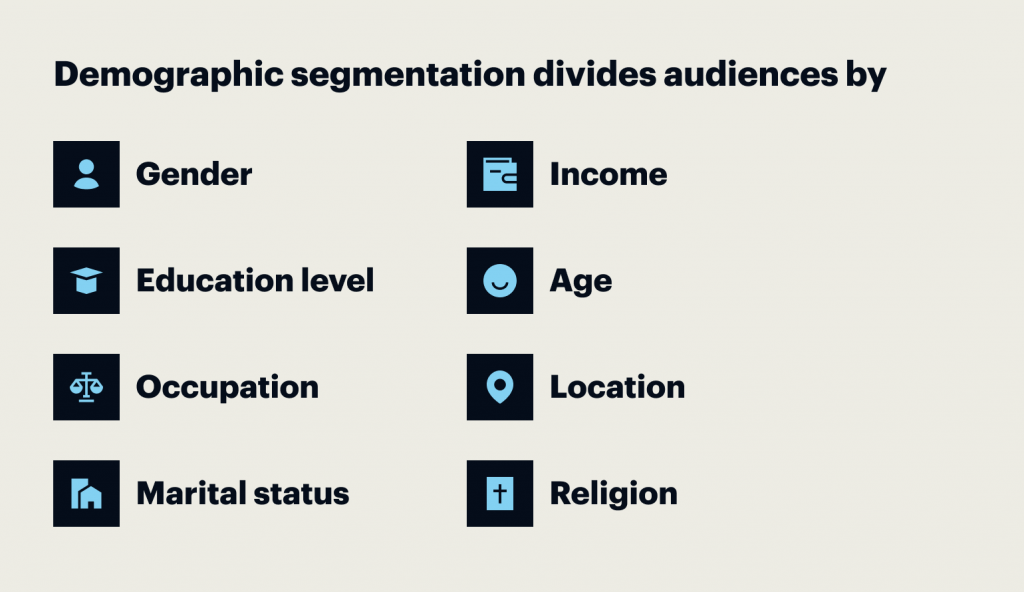
Population composition encompasses various demographic characteristics, including age, sex, marital status, caste, religion, literacy, and regional distribution. Analyzing composition helps in assessing socio-economic status, health needs, and development potential. For example, a youthful population may necessitate investments in education and employment, whereas an aging population might require healthcare and social security support. Regional disparities in composition can highlight inequalities and guide targeted interventions. Understanding these components is essential for designing effective social policies and development programs.
3.4 Marital Status and Its Demographic Significance
Marital status is a crucial social indicator that influences fertility, household structures, and social stability. It is typically categorized as single, married, widowed, divorced, or separated. Variations in marital status across regions and social groups impact population growth and social cohesion. Higher marriage rates often correlate with higher fertility, affecting population size and structure. Understanding marital patterns helps in designing policies related to family planning, social security, and health services. It also provides insights into social stability and changing cultural norms.
4. Caste, Regional Distribution, and Population Dynamics
Caste and regional factors significantly shape population distribution and social stratification. In countries like India, caste systems influence social mobility, access to resources, and demographic patterns. Regional disparities reflect differences in economic development, healthcare access, cultural practices, and historical contexts. Analyzing these factors helps identify marginalized groups, regional development needs, and social inequalities, guiding equitable policy formulation. Recognizing the influence of caste and regional differences is vital for promoting social justice and inclusive growth.
4.1 Literacy Level and Socioeconomic Development
Literacy is a key indicator of human capital and socio-economic development. Higher literacy levels are associated with better health outcomes, increased economic productivity, and greater social participation. Demographic studies often correlate literacy rates with fertility, mortality, and migration patterns, emphasizing the role of education in shaping population dynamics. Improving literacy levels is essential for sustainable development, reducing inequalities, and fostering social cohesion. Education policies aimed at increasing literacy can significantly influence demographic trends and overall societal progress.
4.2 Additional Points on Demographic Measures
Beyond the core measures, several other demographic indicators are vital for a comprehensive understanding of population dynamics. These include:
Migration Patterns: Internal and international migration significantly impact regional population distribution, labor markets, and urbanization trends. Migration can lead to demographic shifts, influence age-sex composition, and alter social structures.
Fertility and Mortality Rates: These fundamental indicators determine population growth or decline. Fertility rates reflect reproductive behavior, while mortality rates indicate health standards and healthcare effectiveness.
Dependency Ratios: These ratios compare the working-age population to dependents (young and old), providing insights into economic productivity and social support systems.
Urbanization Trends: Rapid urban growth affects demographic patterns, infrastructure needs, and social services, often leading to increased demand for housing, transportation, and healthcare facilities.
5. Discussion
The interplay of age-sex structure, population composition, marital status, caste, regional distribution, and literacy levels creates a complex demographic landscape. Regions with high literacy and advanced healthcare tend to have aging populations with declining fertility rates, reflecting demographic transition. Conversely, areas with limited access to education and healthcare often exhibit high birth rates and youthful populations, leading to rapid growth.
Marital status influences fertility and family size, which directly impact population growth rates. Socio-economic disparities, caste, and regional differences further exacerbate inequalities, affecting access to education, healthcare, and employment opportunities. These factors collectively shape social stratification and influence demographic trends. Recognizing these interrelations is vital for designing targeted policies that promote equitable development, social stability, and sustainable population growth.
6. Conclusion
Demographic measures such as the age-sex pyramid, population composition, marital status, caste, regional distribution, and literacy levels are essential tools for understanding population dynamics. They provide critical insights into growth patterns, social structure, and development needs. A systematic and comprehensive analysis of these indicators enables policymakers to address demographic challenges effectively, ensuring sustainable development and social equity. Future research should focus on integrating these measures with technological advancements and data analytics to enhance demographic planning, policy formulation, and resource management.
7. References
Andreev, E. M., Shkolnikov, V. M., & Begun, A. Z. (2002). Algorithm for decomposition of differences between aggregate demographic measures and its application to life expectancies, healthy life expectancies, parity-progression ratios and total fertility rates. Demographic research, 7, 499-522.
Carmichael, G. A. (2016). Fundamentals of demographic analysis: Concepts, measures and methods. Switzerland: Springer.
United Nations. (2019). World Population Prospects 2019. United Nations Department of Economic and Social Affairs.
United Nations Development Programme. (2020). Human Development Report 2020.
Singh, S. (2018). Demographic Transition and Population Growth. Journal of Population Studies.
Government of India. (2021). Census of India 2011. Office of the Registrar General & Census Commissioner.



 Track2Training
You must be logged in to post a comment.