
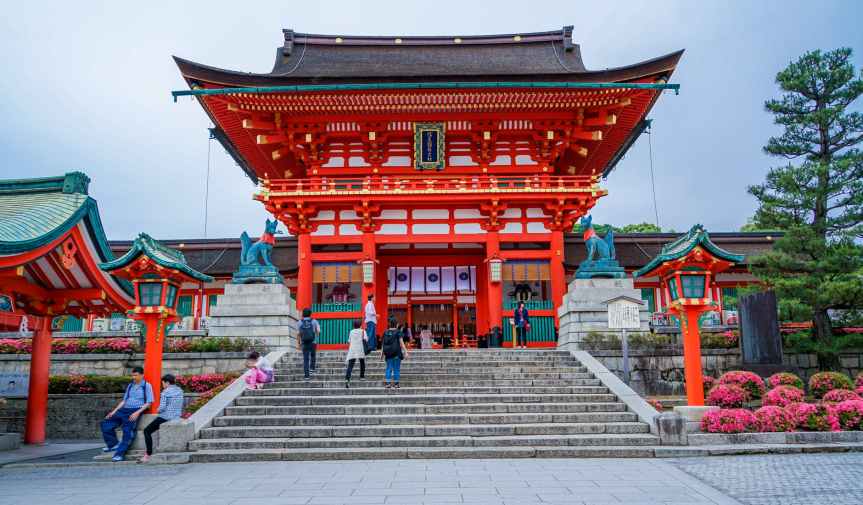
In my last blog I talked about the creation myth of Japan, which is a part of Japanese mythology; their religion. Then let’s delve deeper into Shintoism, the indigenous religion of Japan.
What is shinto?
The word Shinto is made up of two Chinese characters ‘Shin’ and ‘to’. ‘Shin’ meaning ‘Kami’ (神) and ‘To’ meaning ‘Michi’ (道). Together it forms ‘Kami no Michi’ or ‘The way of Gods’. It is the indigenous faith of the Japanese people; the indigenous religion of Japan. The word ‘Shinto’ first appeared in the ‘Nihon Shoki’ (日本事紀) that came into existence in 720 A.D. It is the second oldest book of classical Japanese history.
Shinto came about as a religion in the 6th century CE. Worship of ‘Kami’ emerged. ‘Shinto Gods’ are called ‘Kami’ (神). Kami are sacred spirits which take the form of things and concepts important to life, such as wind, trees, rain, mountains, rivers and fertility. Each Kami has an efficient force called ‘Tama’, that is, object of religious activity. The Tama can either be positive and peaceful, that is, Nigimitama and negative and violent, that is, Ara-mitama. Tama resides in beings as ‘Tamashii’ and leaves at the time of death. Humans become kami after they die and are revered by their families as ‘Ancestral Kami’. The Sun Goddess ‘Amaterasu’ is considered Shinto’s most important kami.
In contrast to many other religions, there are no absolute right and wrongs; no distinction between good and bad. The main purpose of most Shinto rituals is to keep the evil spirits away by purification, prayers and offerings to the kami.
Shinto is involved in every aspect of Japanese culture: It touches ethics, politics, family life and social structures, artistic life and sporting life, as well as spiritual life.
And there was an interaction of Shinto with Buddhism and Confucianism.

Shintoism and Buddhism
Buddhism was introduced into Japan in either 538 CE or 552 CE (traditional date) from the Korean kingdom of Baekje.
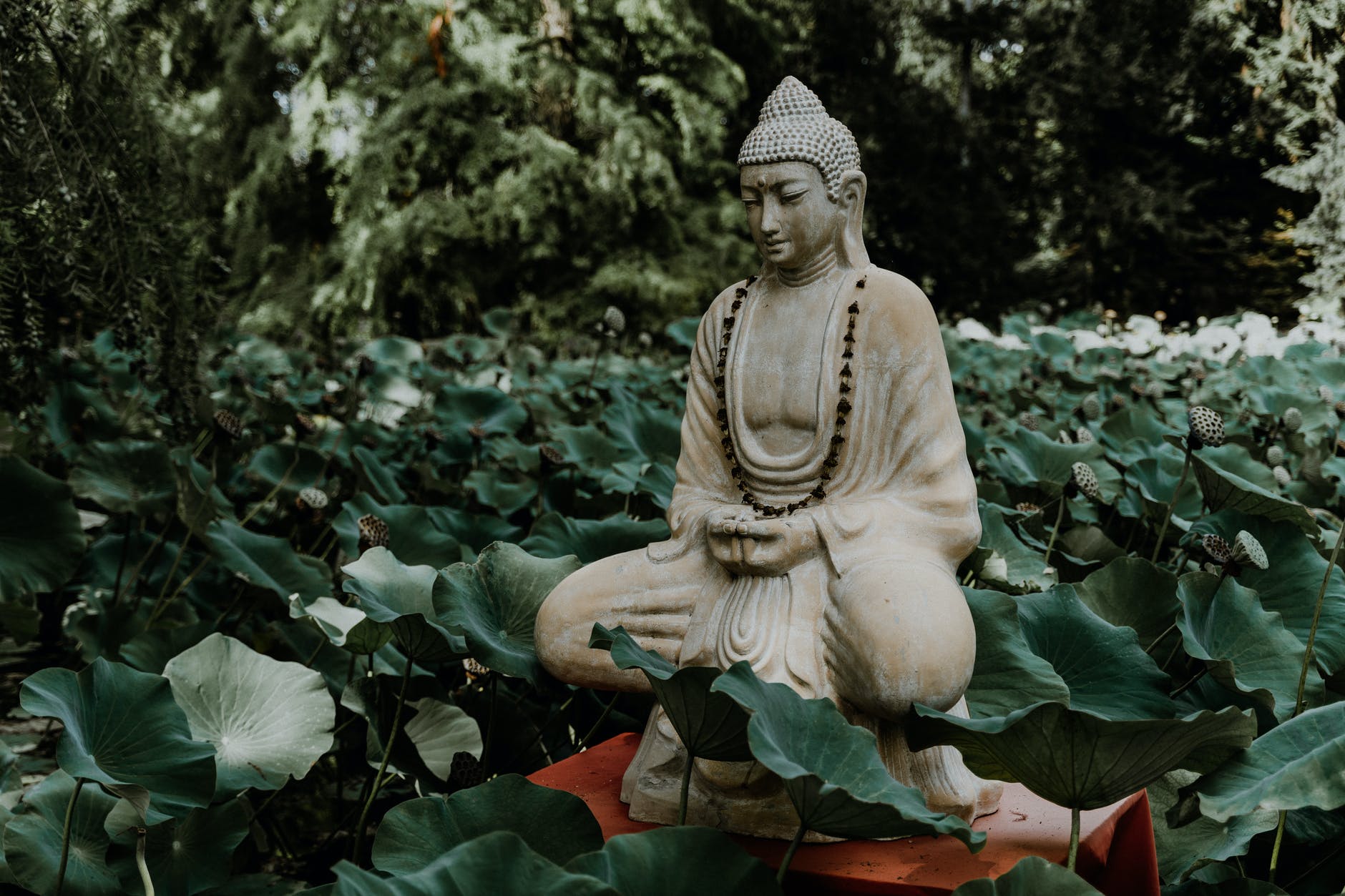
Shinto, especially, with its emphasis on the here and now and this life, left a significant gap regarding what happens after death and here Buddhism was able to complete the religious picture for most people. As a consequence, both religions co-existed, many people practiced both, and even temples of both faiths existed together on the same site. Many Buddhist deities and figures from Indian mythology were readily incorporated into Shinto. At the same time Shinto gods acquired Buddhist names, for example, the sun goddess Amaterasu was considered an avatar of Dainichi; and Hachiman, the god of war and culture, was the avatar of the Amida Buddha.
As death is still considered to be impure so it is left to Buddhism. The afterlife, and belief, are not major concerns in Shinto; the emphasis is on fitting into this world instead of preparing for the next, and on ritual and observance rather than on faith. While weddings are often Shinto or Christian ceremonies, funerals (soshiki) are almost always Buddhist. The body is cleaned, dressed in white robes.
At the funeral the next day, mourners gather at a photograph of the person who has passed on to the next life and priest from any local temple recites sutras.
Again pointing out to the fact that I am not a historian but just a student who wants to share her knowledge about the country she loves so much.
Sayounara.
 Track2Training
You must be logged in to post a comment.